In the dynamic world of manufacturing and logistics, the role of a Packaging Machine Operator is crucial. These professionals are the backbone of production lines, ensuring that products are efficiently, safely, and consistently packaged for distribution. This comprehensive job description outlines the key duties, essential skills, and promising career path for this vital industrial position.
Core Duties and Responsibilities
The day-to-day tasks of a Packaging Machine Operator are diverse and require a keen eye for detail and operational precision.
Primary Operational Tasks
Machine Setup and Calibration: Before production begins, operators must prepare the packaging machinery. This involves installing the correct packaging materials (films, cartons, labels), adjusting settings for product size and weight, and calibrating sensors and feeders for optimal performance.
Running and Monitoring Production: The core duty is operating the machine during production runs. Operators start the equipment, monitor its speed and output, and continuously observe for any irregularities in the packaging process, such as misaligned labels, incomplete seals, or product jams.
Quality Control Inspection: Operators are often the first line of quality defense. They must regularly check packaged items to ensure they meet specified standards for seal integrity, label accuracy, and overall presentation. Defective packages are removed and the issue is documented.
Secondary and Supportive Tasks
Routine Maintenance and Basic Troubleshooting: Performing scheduled cleaning, lubrication, and minor adjustments is essential. Operators also diagnose common operational faults (e.g., a blocked feed chute, a misbehaving sensor) and perform basic repairs or escalate issues to maintenance technicians.
Material Handling and Logistics: This includes managing the supply of raw packaging materials to the machine line, removing finished pallets or cartons of packaged goods, and ensuring the work area is organized and stocked.
Record Keeping and Communication: Accurate logging of production data (output quantities, downtime, quality rejects) is mandatory. Operators must also effectively communicate with supervisors, quality assurance personnel, and maintenance teams regarding line status and any problems.
A Day in the Life
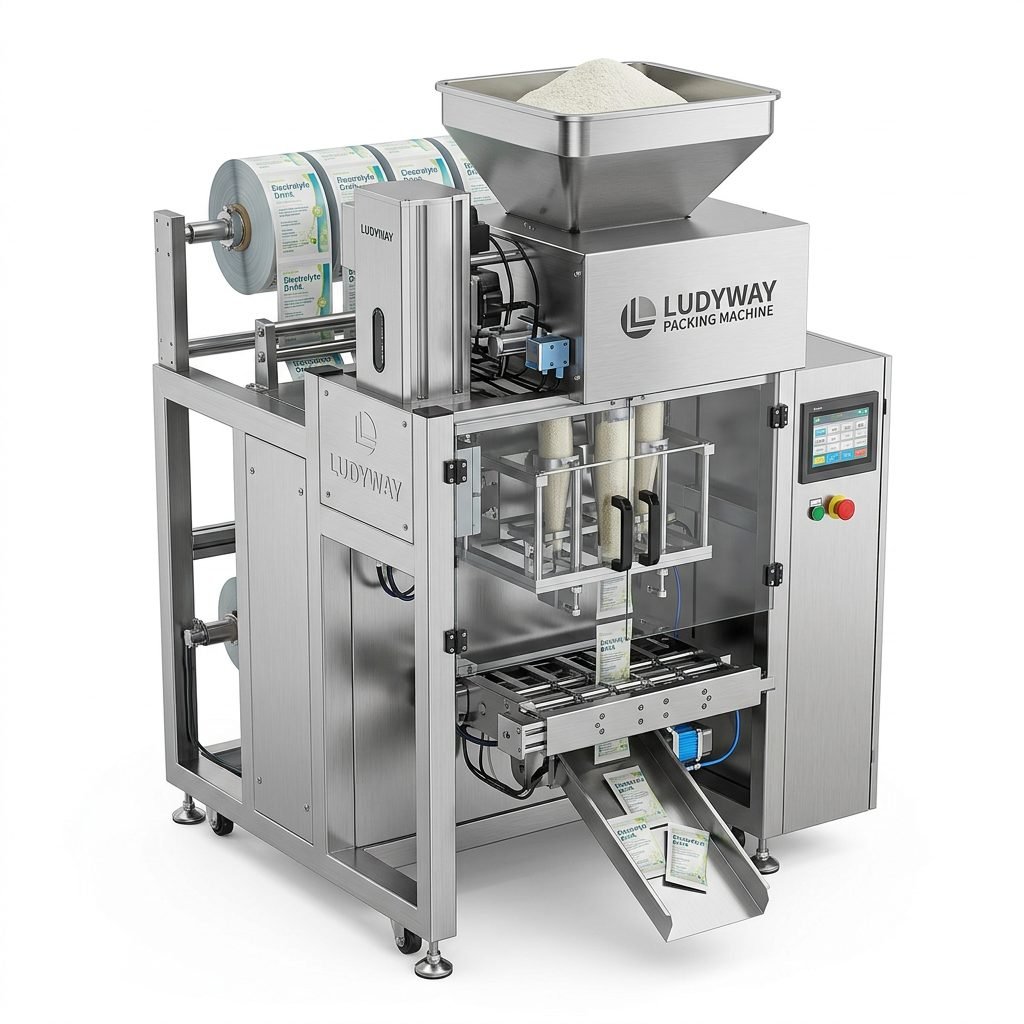
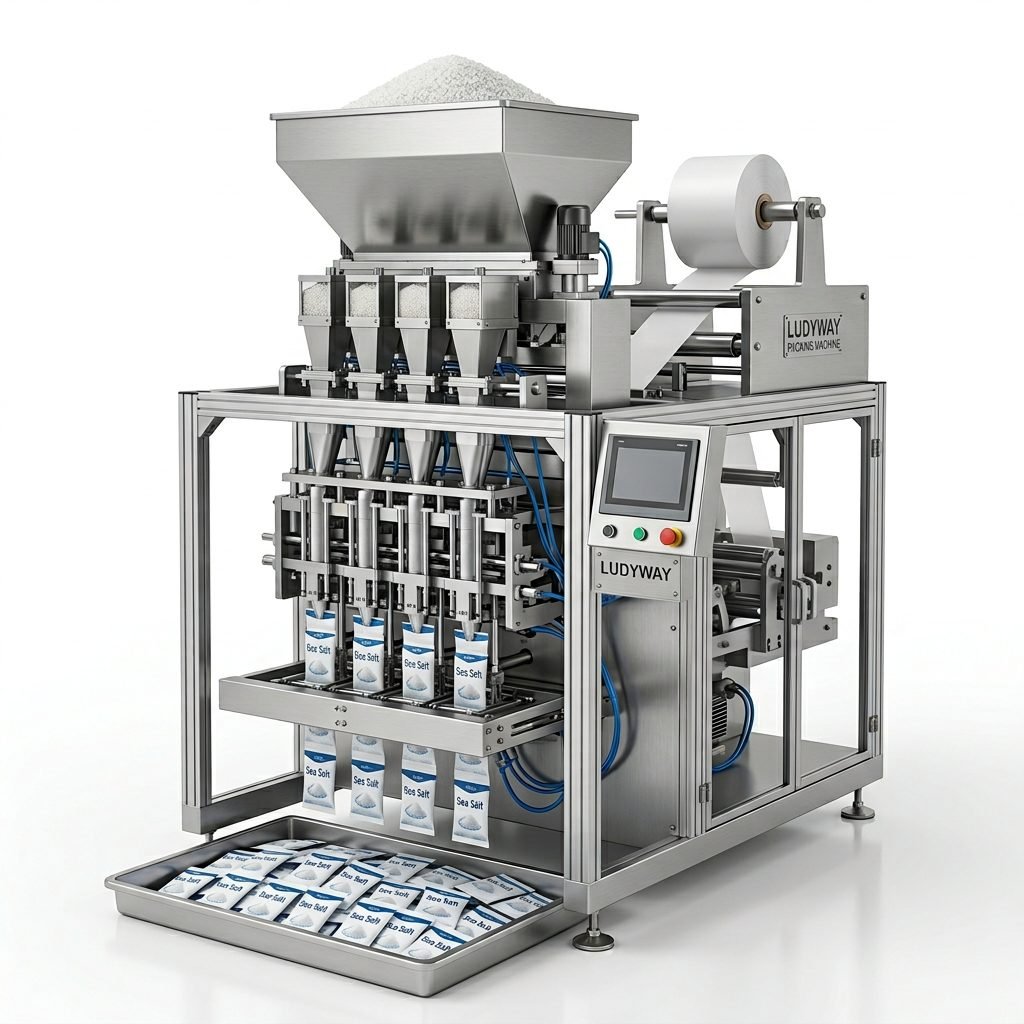
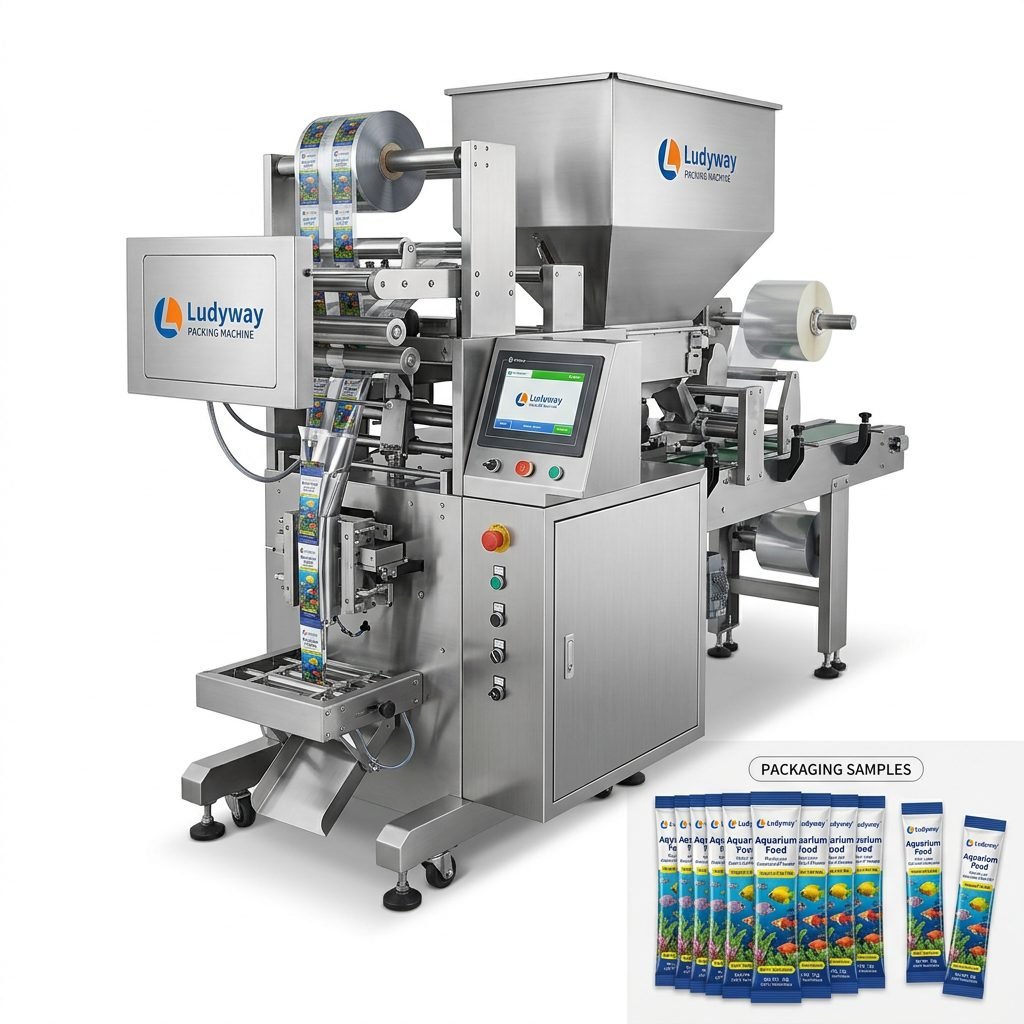
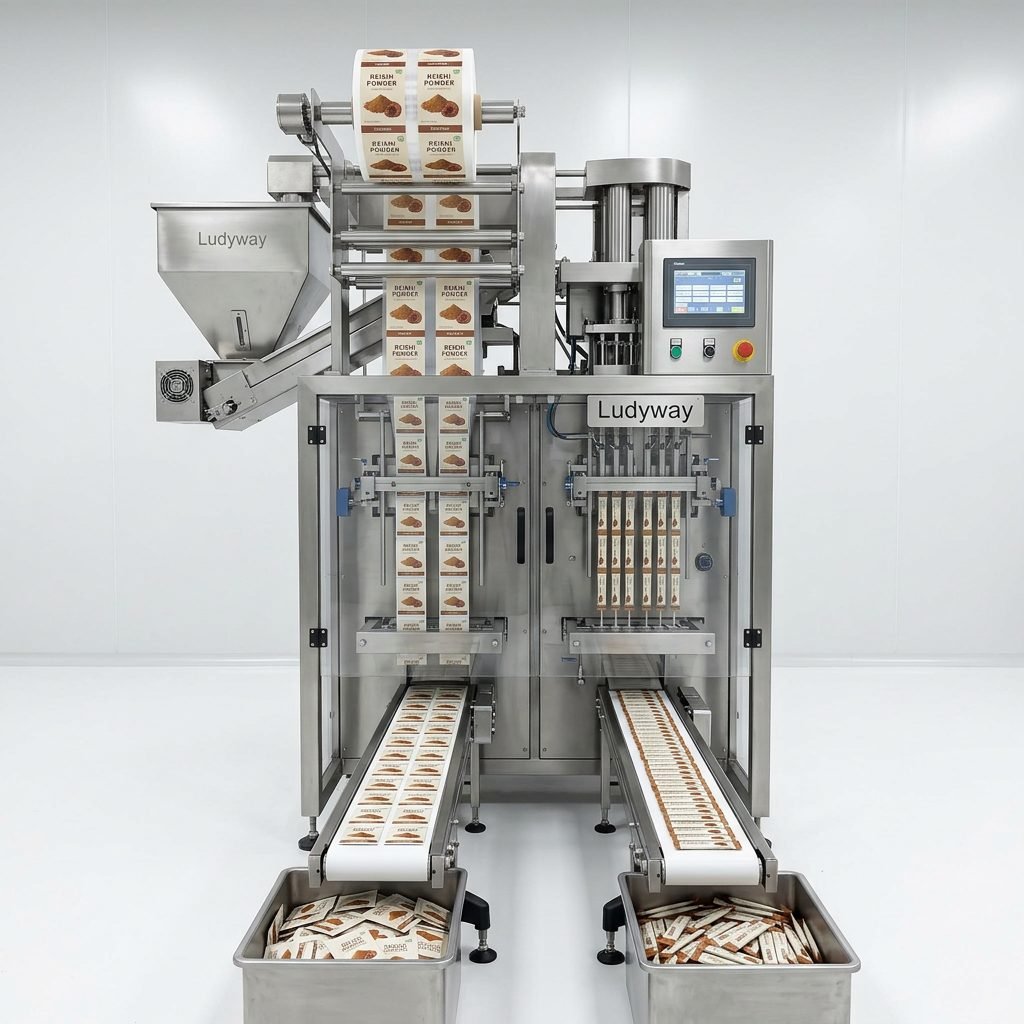
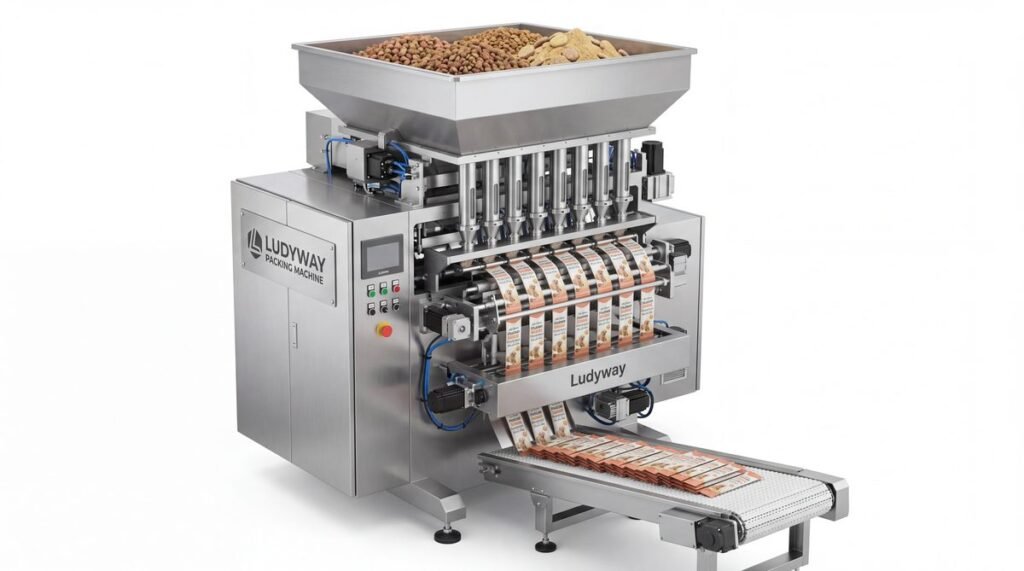
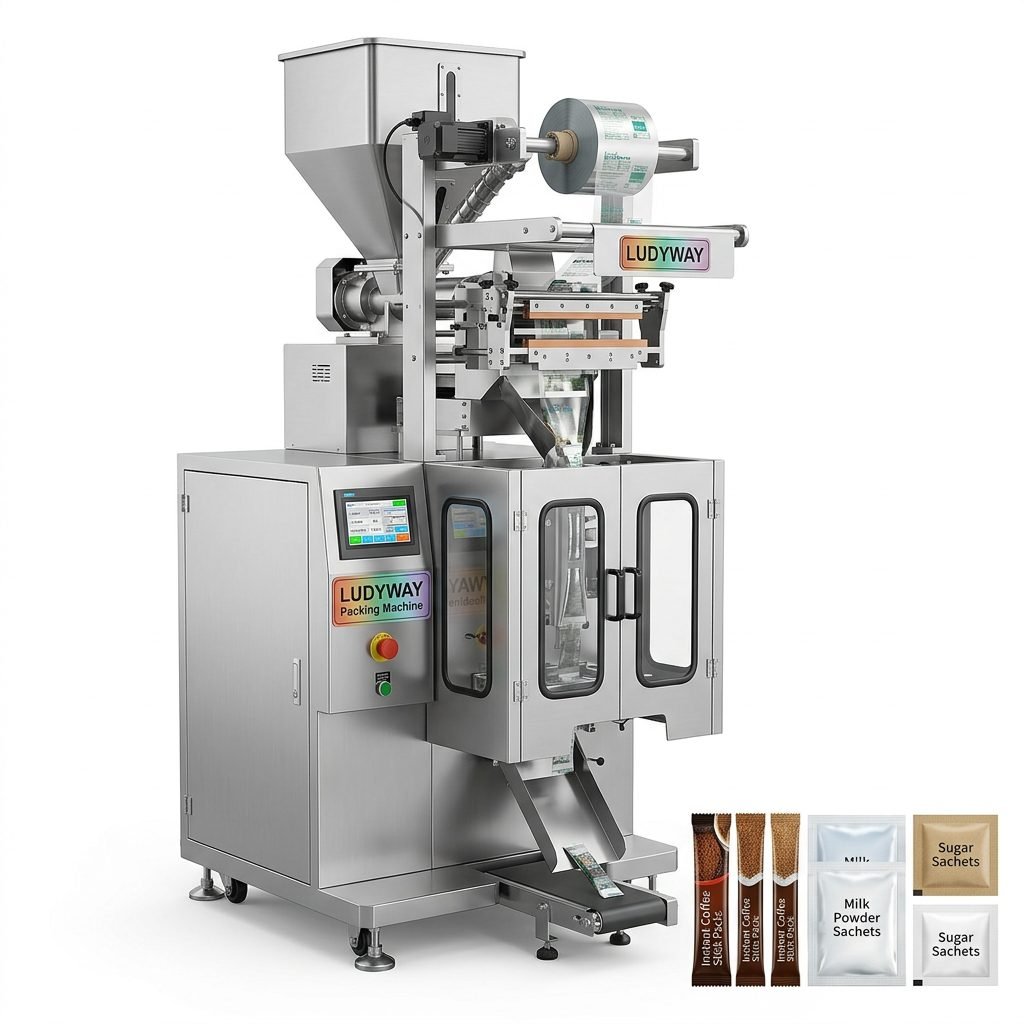
An operator’s shift typically starts with a review of the production schedule and a safety check. They then set up their assigned machine, perhaps a high-speed sachet packaging system for powdered supplements. Throughout the shift, they monitor the flow, check seal quality every 30 minutes, replenish film rolls, and log batch numbers. A sudden stop due to a film jam requires quick troubleshooting to clear the path and restart the line, minimizing downtime.
Essential Skills and Qualifications
Success in this role hinges on a blend of technical aptitude, physical capability, and soft skills.
Technical & Mechanical Skills
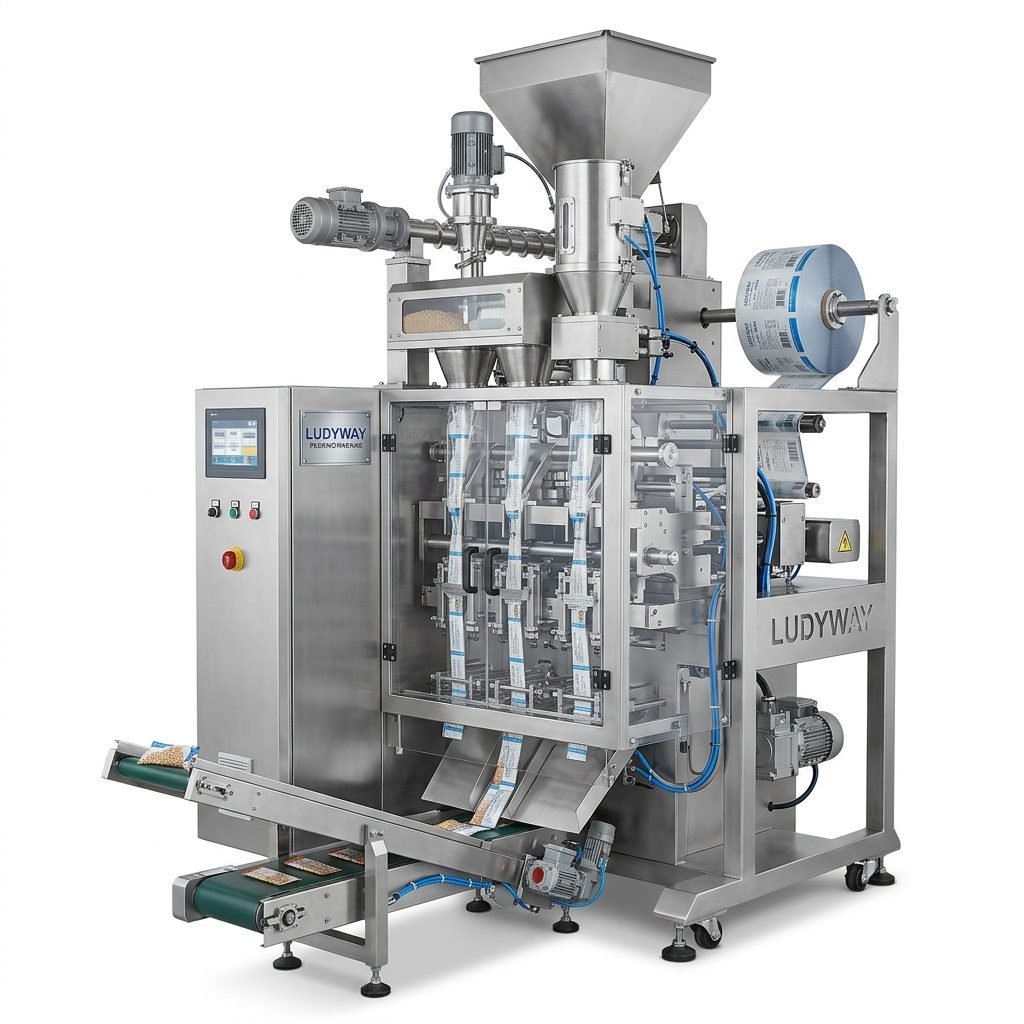
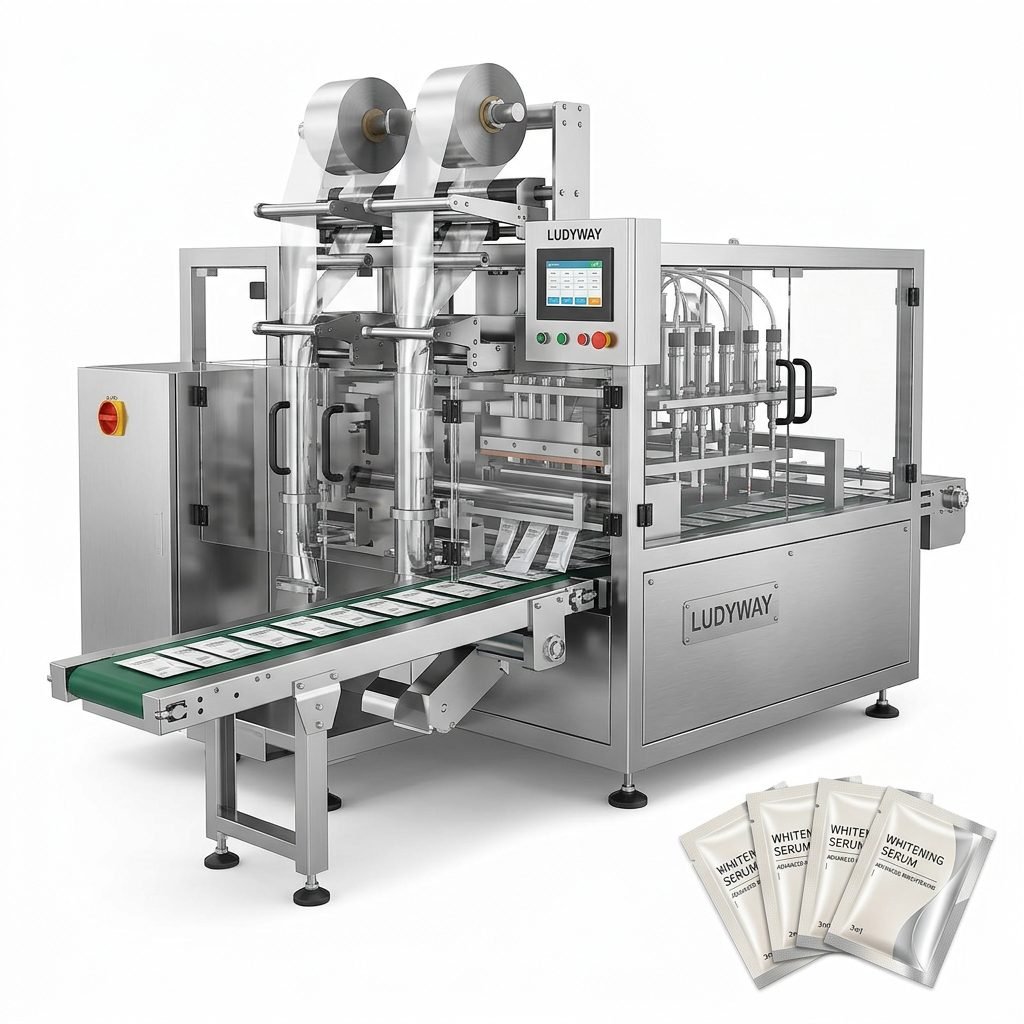
Machine Operation Proficiency: Understanding the specific functions, controls, and limitations of the packaging equipment they use, whether it’s a stick pack machine for granules or a liquid filling line.
Basic Mechanical Understanding: Knowledge of how mechanical parts (conveyors, gears, pistons) and basic electrical components (sensors, motors) work together allows for better troubleshooting.
Attention to Detail and Quality Focus: The ability to spot subtle defects in a high-speed environment is paramount. A commitment to producing quality output is a non-negotiable trait.
Physical & Safety Skills
Manual Dexterity and Stamina: The role can involve handling materials, making adjustments, and standing for extended periods. Good hand-eye coordination is needed for tasks like threading film or aligning products.
Strict Adherence to Safety Protocols: Operating industrial machinery requires constant vigilance. Operators must follow lockout-tagout procedures, wear appropriate personal protective equipment (PPE), and maintain a clean, hazard-free workspace.
Interpersonal & Cognitive Skills
Problem-Solving and Initiative: When a machine stops, operators must think logically to identify the root cause and take appropriate action, often under time pressure.
Teamwork and Communication: Packaging lines are collaborative environments. Clear communication about line status, material needs, or safety concerns to colleagues and supervisors is essential for smooth operation.
Adaptability and Learning Agility: Technology evolves. Operators must be willing to learn new machine interfaces, software, and packaging techniques, such as those involved in granule packaging systems.
Career Path and Industry Overview
The role of Packaging Machine Operator is often a gateway to a stable and progressive career in manufacturing.
Entry-Level Position and Advancement
Many operators start with a high school diploma or equivalent and receive on-the-job training. With experience, certification in specific machine types, or additional vocational training, operators can advance to roles like Senior Operator, Line Lead, or Packaging Technician. These positions involve overseeing a team, coordinating multiple lines, or performing more advanced maintenance.
Long-Term Career Opportunities
Further progression can lead to supervisory roles such as Packaging Supervisor or Production Manager. For those inclined towards the technical side, paths into Industrial Maintenance, Machine Calibration Specialist, or even Sales and Support for packaging machinery manufacturers are viable options. The deep hands-on experience gained as an operator is invaluable in these advanced careers.
Industry Demand and Outlook
The demand for skilled Packaging Machine Operators remains strong globally. As automation increases and consumer goods production grows, efficient packaging is more critical than ever. Industries like Food & Beverage, Pharmaceuticals, Cosmetics, and Consumer Goods continuously seek reliable operators. The role offers stability, clear pathways for growth, and the satisfaction of being integral to the supply chain that delivers products to market.
Key Takeaways for Aspiring Operators
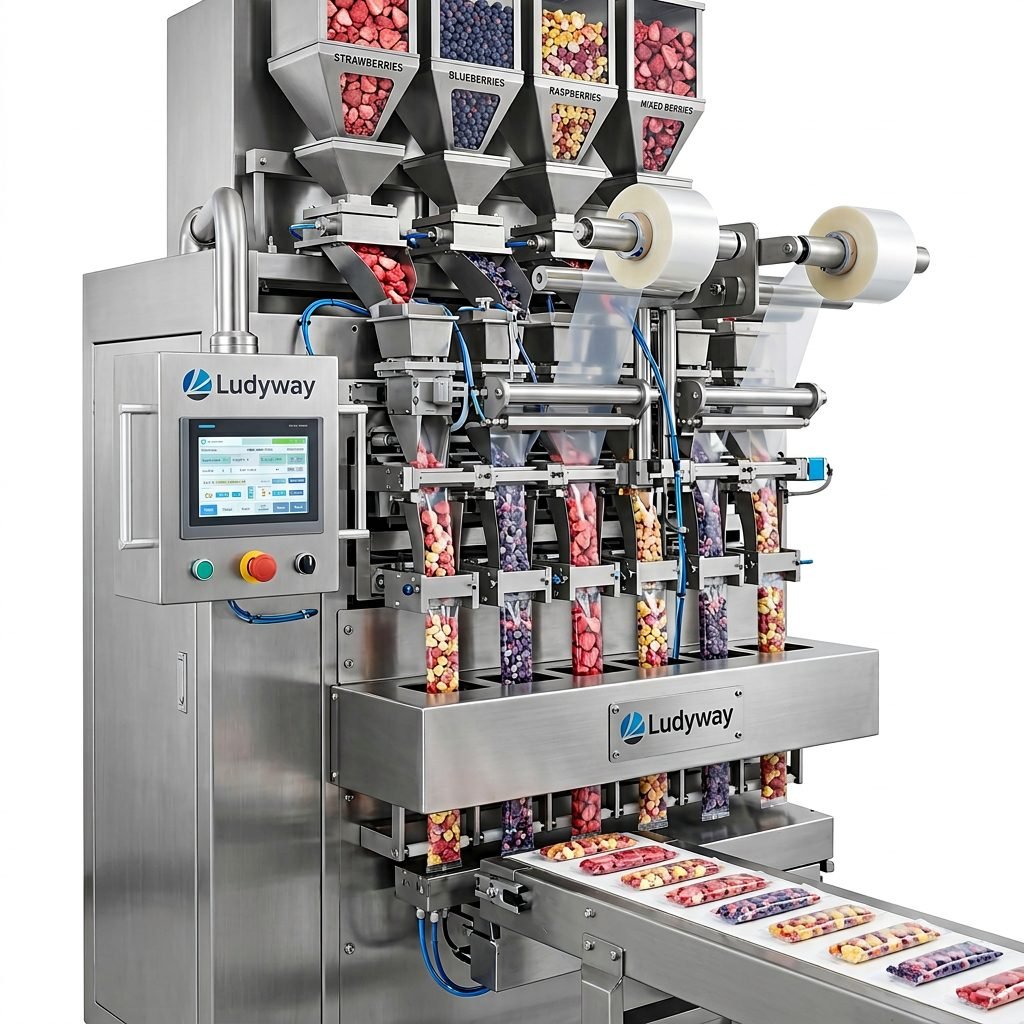
Focus on developing a strong mechanical foundation and a meticulous eye for quality. Embrace safety as a core principle. Seek out opportunities to learn about different machine types, from simple cartoners to complex multi-lane packaging systems. Demonstrate reliability and teamwork, as these are the qualities that will fuel advancement from an operator role to a long-term career in the packaging industry.
Frequently Asked Questions (FAQs)
What is the typical work environment for a Packaging Machine Operator?
Operators work in manufacturing plants, warehouses, or production facilities. The environment is often industrial, can be noisy, and may involve exposure to non-hazardous packaging materials. It is a fast-paced, hands-on setting focused on productivity and safety.
What are the most common types of packaging machines operated?
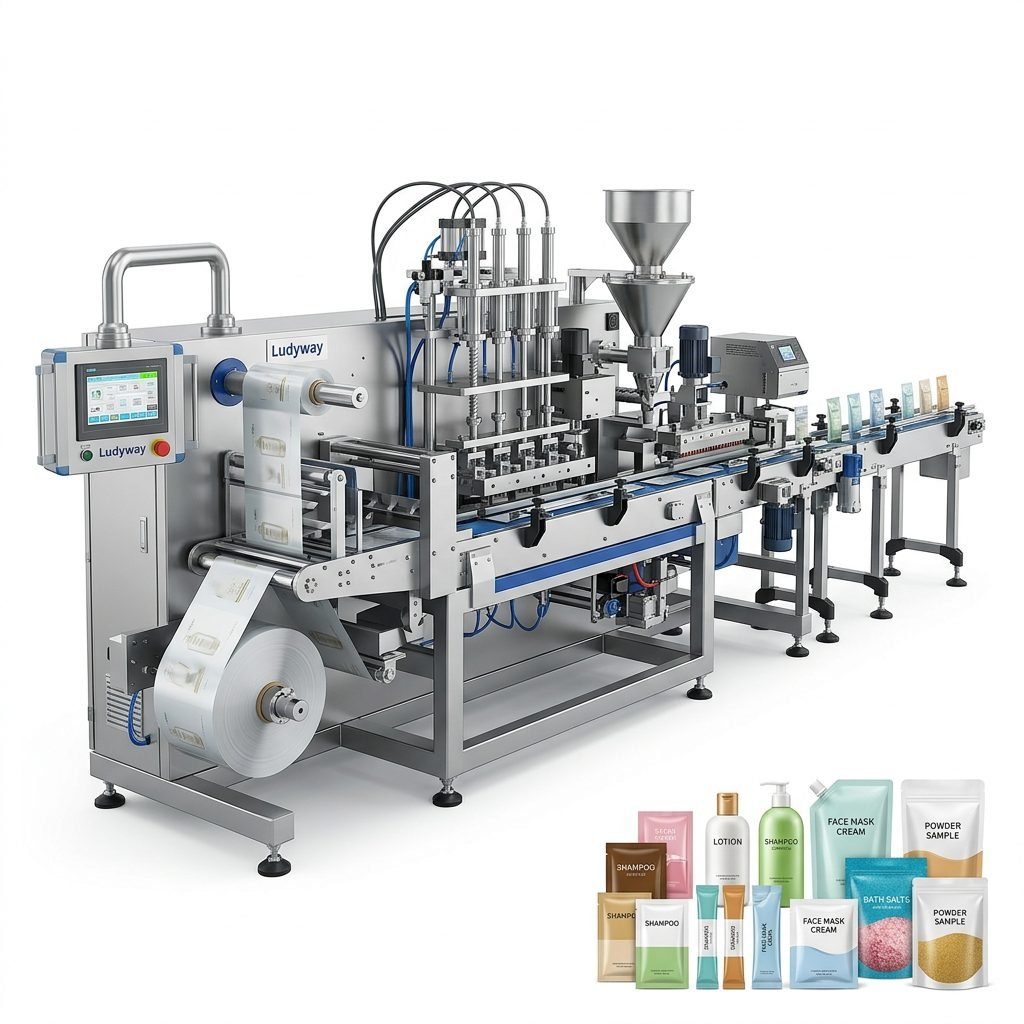
Common machines include fillers (for liquids, powders, granules), sealers (heat sealers, cap sealers), labelers, cartoning machines, wrappers, and integrated systems like sachet or stick pack machines that combine multiple functions.
Is formal education required to become a Packaging Machine Operator?
While a high school diploma is commonly the minimum, many skills are learned through on-the-job training. Vocational courses in mechanics, manufacturing, or industrial technology can be advantageous. The key requirements are aptitude, attention to detail, and a willingness to learn.
How can an operator increase their earning potential and advance?
Advancement comes with experience, mastery of complex machinery, and demonstrating leadership. Obtaining certifications for specific equipment, taking courses in industrial maintenance or supervision, and consistently showing initiative in problem-solving and improving line efficiency are proven ways to progress.
What is the biggest challenge faced by Packaging Machine Operators?
Balancing speed with quality under time pressure is a significant challenge. Maintaining high output while ensuring every package is perfect requires constant focus. Additionally, quickly diagnosing and resolving unexpected machine stoppages to minimize downtime is a critical and often challenging part of the role.