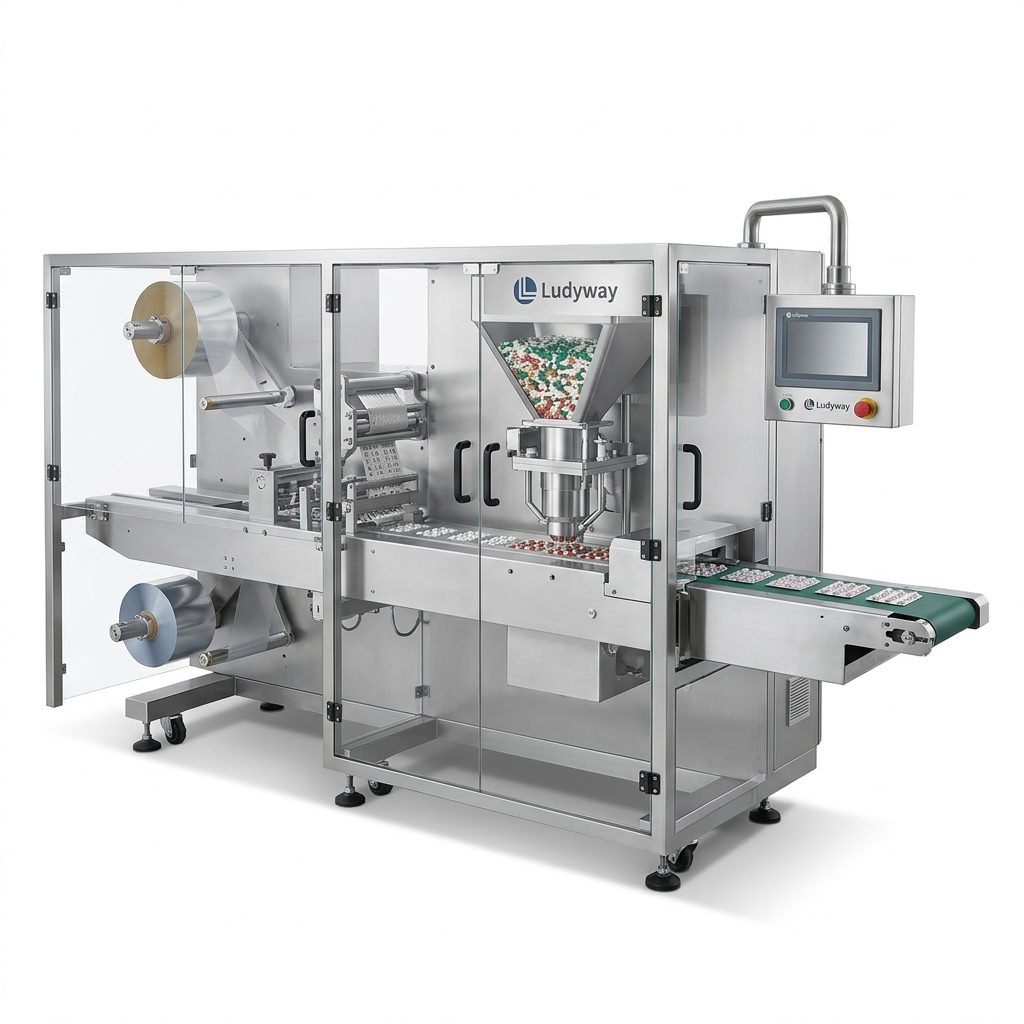
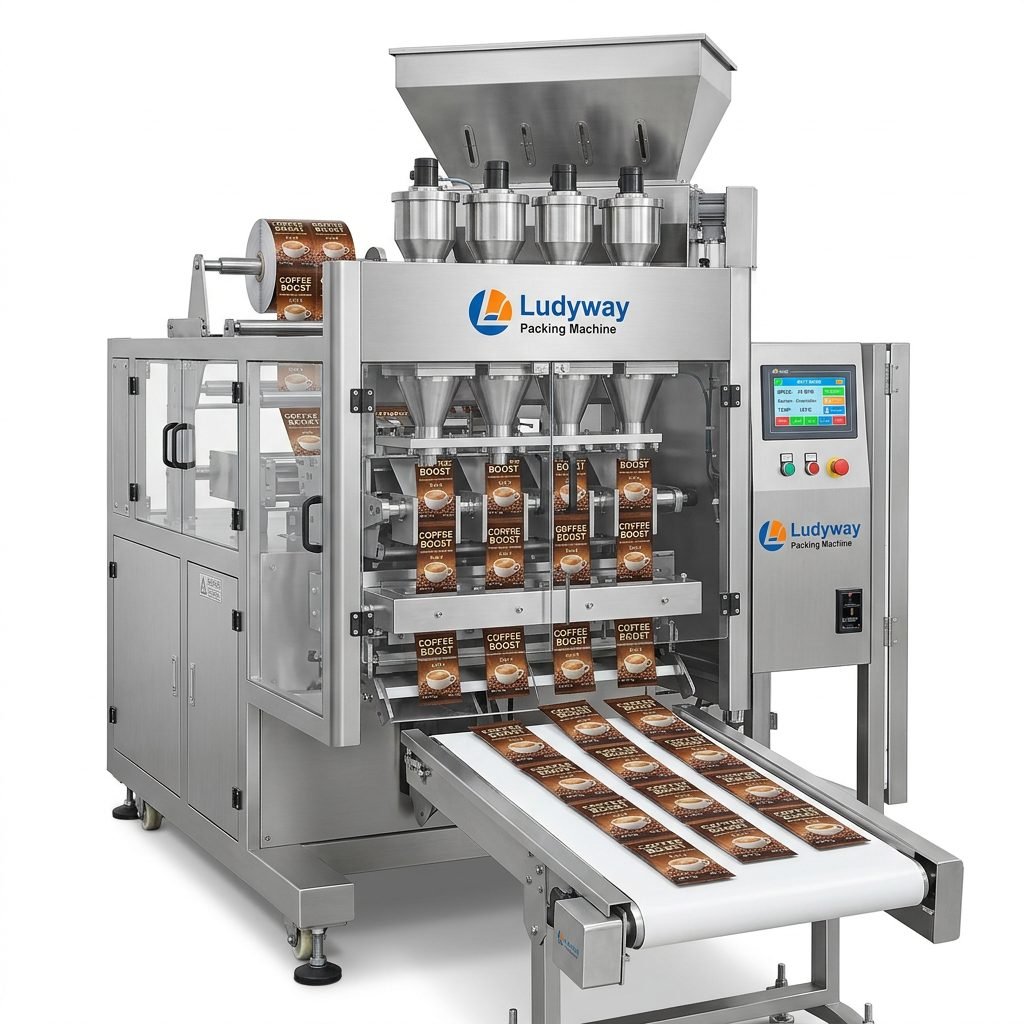
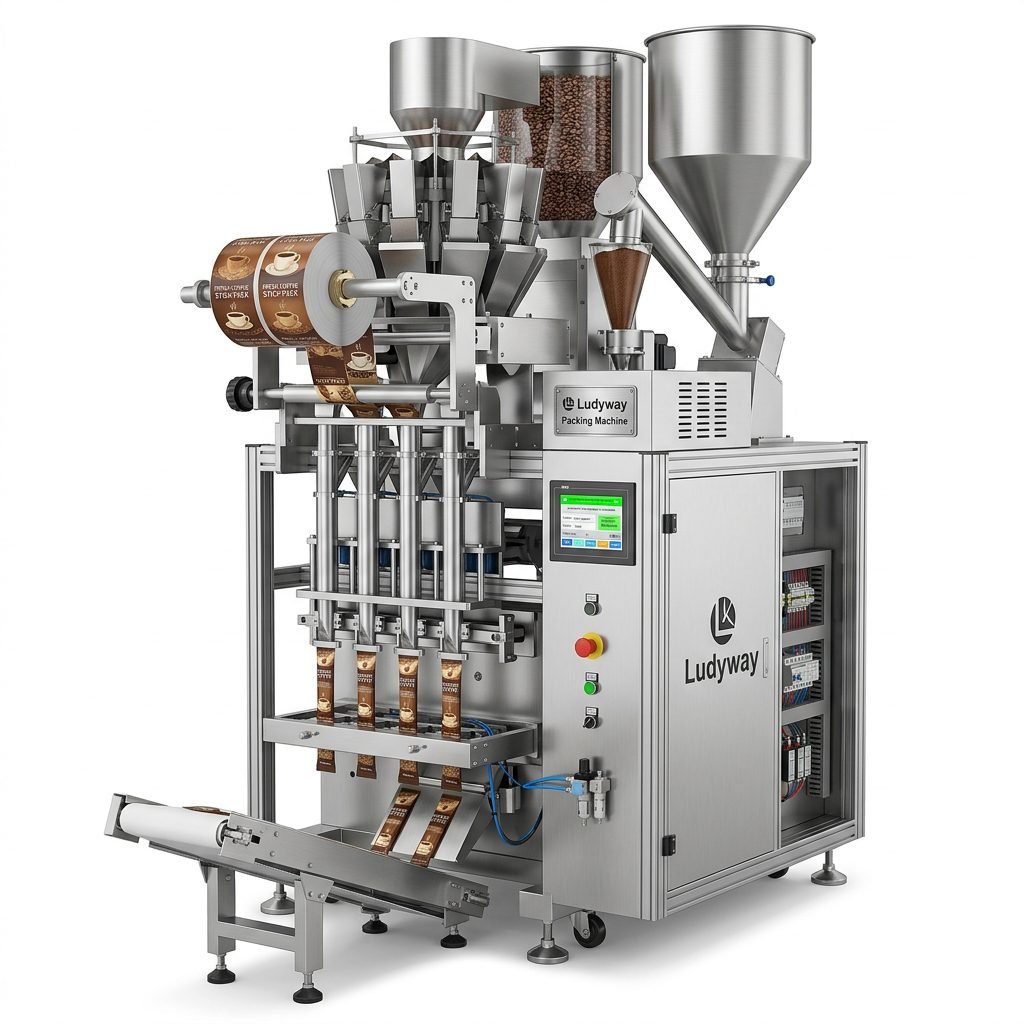
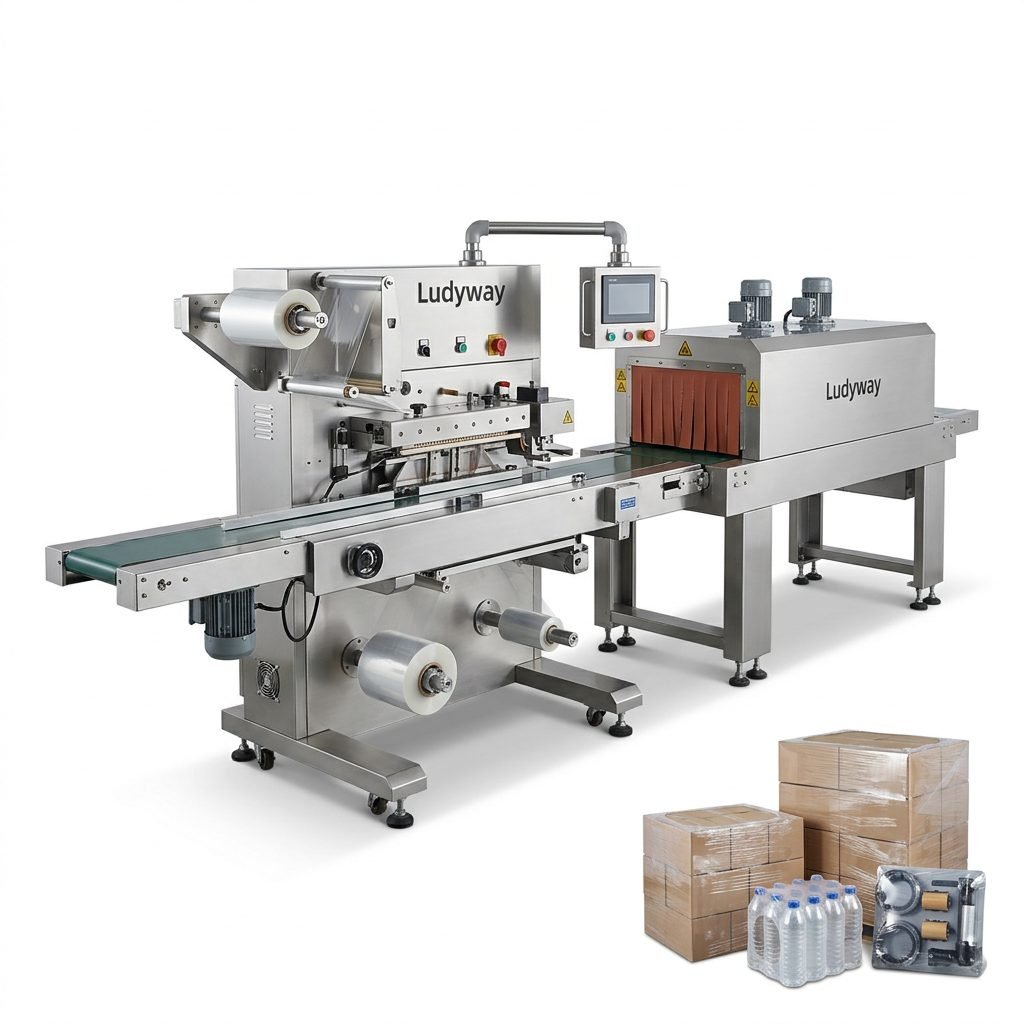
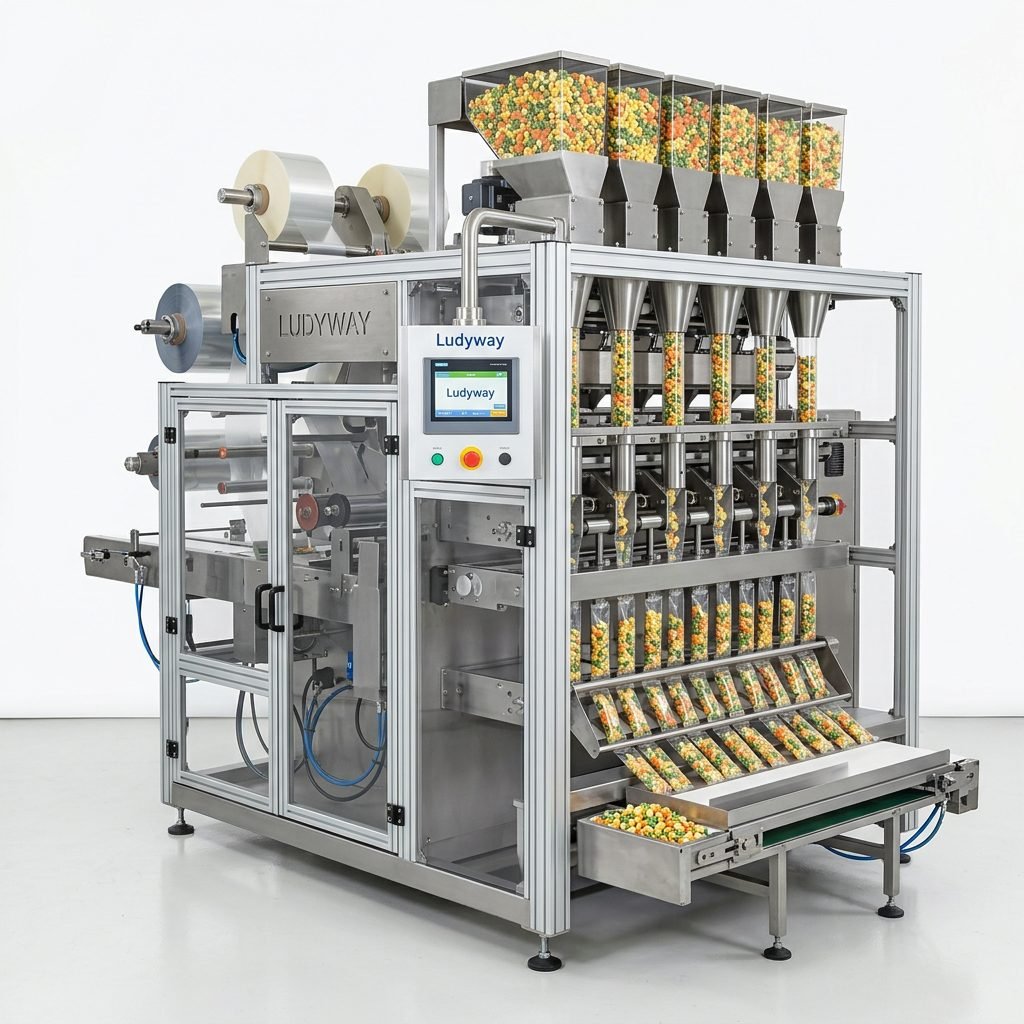
Choosing the right ice cream packaging equipment is a critical decision for any manufacturer looking to optimize production, ensure product quality, and manage costs effectively. The packaging process not only protects the delicious treat but also serves as a key marketing tool on the shelf. This comprehensive guide delves into the various types of equipment available, provides actionable selection tips, and outlines the primary factors influencing investment costs, empowering you to make an informed choice for your business.
Understanding the Core Types of Ice Cream Packaging Equipment
The journey from the freezer to the consumer involves several specialized machines. The type you need depends heavily on your product format—whether it’s sticks, cups, tubs, or cones.
Stick Bar Wrapping Machines
These are essential for producing classic ice cream bars and novelties on a stick. They automatically feed the frozen bars, wrap them in a protective film—often a flow-wrap material—and seal the ends. Modern machines are incredibly fast, handling thousands of units per hour, and can integrate with upstream freezing tunnels and downstream cartoning systems.
Cup Filling and Sealing Machines
For products like single-serve cups, sundae cups, or family-sized tubs, this equipment is indispensable. The process typically involves:
- Automatic Cup Denesting: Separating and placing cups from a stack.
- Precise Volumetric or Weight-Based Filling: Ensuring consistent portion control.
- Lidding and Heat Sealing: Applying a foil or plastic lid to create an airtight seal that prevents freezer burn and preserves freshness.
Cartoning and Secondary Packaging Systems
Once individual items are wrapped or sealed, they need to be grouped for retail sale. Cartoners automatically erect cardboard boxes, load the specified number of ice cream units, and close the flaps. For larger operations, case packers then take these cartons and place them into shipping cases, ready for palletizing and distribution.
Key Consideration: Flexibility
In today’s market, the ability to run multiple product types or package sizes on a single line is a major advantage. Look for equipment with quick-change parts and programmable settings to minimize downtime during product switchovers.
Essential Selection Tips for Your Packaging Line
Investing in packaging machinery is a significant commitment. Beyond just the machine type, several operational factors must guide your decision to ensure long-term success and ROI.
1. Assess Your Production Volume and Speed Requirements
Your required output—whether it’s 5,000 or 50,000 units per hour—will directly dictate the machine’s specifications. It’s crucial to choose a machine that can meet your peak demand without constant strain, but also one that is efficient at your average running speed to avoid unnecessary energy and wear costs.
2. Prioritize Hygiene and Cleanability (Sanitary Design)
Ice cream is a sensitive food product. Equipment must be constructed with food-grade stainless steel in product contact zones and designed for easy, thorough cleaning (CIP – Clean-in-Place where possible). Smooth surfaces, minimal crevices, and accessible components are non-negotiable features for maintaining food safety standards.
3. Evaluate Material Compatibility and Efficiency
The machine must be compatible with your chosen packaging film, lidding material, or pre-formed cups. Discuss your materials with the supplier to ensure optimal sealing performance and minimal waste. A machine with good registration control and efficient film usage can significantly reduce material costs over time.
4. Plan for Integration and Future Expansion
Consider how the new machine will fit into your existing line. Does it need to interface with upstream freezers or downstream coders and checkweighers? Furthermore, consider if the manufacturer, like Ludyway Machinery, can provide a scalable solution—starting with a core machine today and adding automation modules (like robotic carton loading) as your business grows.
5. Analyze the Total Cost of Ownership (TCO)
The purchase price is just the beginning. A comprehensive cost analysis should include estimated costs for maintenance, spare parts, energy consumption, operator training, and potential downtime. A slightly more expensive machine with higher reliability and better local service support often has a lower TCO.
📈 Pro Tip: Request a Factory Acceptance Test (FAT)
Before finalizing your purchase, insist on witnessing a Factory Acceptance Test. This is where you see the machine run with your specific product and packaging materials at the promised speed. It’s the best way to verify performance, quality, and ease of operation before installation.
Breaking Down the Key Cost Factors
The investment for ice cream packaging equipment varies widely. Understanding what drives the cost helps in budgeting and justifying the expenditure.
Machine Complexity and Automation Level
A basic single-lane stick packer is far less expensive than a high-speed, multi-lane rotary machine with integrated vision inspection systems. The level of automation—manual loading vs. fully automatic feeding and case packing—is the primary cost driver.
Production Capacity and Speed
Higher output machines require more robust components, more precise engineering, and more powerful drives, which increases the price. The relationship between speed and cost is not linear; a 50% speed increase often costs significantly more than 50%.
Brand, Origin, and Service Support
Established brands with a proven track record in frozen food packaging, such as those offered by professional packaging experts, may command a premium. This cost often reflects higher build quality, reliability, and access to comprehensive after-sales service, technical support, and readily available spare parts—a critical factor for minimizing production stoppages.
Customization and Special Features
Standard machines are more affordable. If your product requires unique handling (e.g., a fragile cone, a dual-flavor fill, or an intricate folding pattern), customization will add to the cost. Additional features like nitrogen flushing for extended shelf life, advanced coding systems, or integrated checkweighers also contribute to the final price.
Installation, Training, and Ongoing Costs
Remember to budget for installation, which may require foundation work and utility hookups. Operator and maintenance technician training is essential. Finally, factor in the recurring costs of energy, preventive maintenance contracts, and packaging materials, whose efficiency can be greatly influenced by the machine you choose. For insights into long-term partnerships and support, you can explore a company’s history and development journey.
Conclusion
Selecting the ideal ice cream packaging equipment is a strategic decision that balances technical requirements, operational efficiency, and financial investment. By thoroughly understanding the different machine types, meticulously evaluating your production needs against key selection criteria, and having a clear grasp of all cost factors, you can invest in a system that not only packages your product but also enhances your brand’s quality perception, drives down long-term operational costs, and scales with your business growth. Partnering with a knowledgeable supplier who offers robust support is just as important as the hardware itself.
Frequently Asked Questions (FAQs)
What is the typical lifespan of an ice cream packaging machine?
With proper maintenance and operation, a well-built machine from a reputable manufacturer can last 15 years or more. The key factors are adherence to preventive maintenance schedules, using genuine spare parts, and operating within the machine’s designed specifications.
Can one machine handle different package sizes or shapes?
Many modern machines are designed for flexibility. They come with quick-change parts (like forming shoulders, filling nozzles, or cup nests) that allow for relatively fast switchovers between different sizes or similar shapes. However, a switch from wrapping sticks to filling cups would typically require entirely different machines.
How important is after-sales service when choosing a supplier?
Extremely important. Packaging equipment is complex and downtime is extremely costly. A supplier with a responsive, knowledgeable service team, available spare parts inventory, and possibly remote diagnostic capabilities is invaluable for maintaining high overall equipment effectiveness (OEE).
What are the most common causes of downtime on these lines?
Common issues include film breaks or misfeeds, sealing problems due to temperature fluctuations or material inconsistencies, product jams in the feed system, and minor mechanical wear. Regular cleaning and operator training on basic troubleshooting can prevent many of these issues.
Is it better to buy a standalone machine or a complete turnkey line?
This depends on your internal expertise and project scope. A standalone machine is suitable for replacing an existing unit or for a simple, defined task. A turnkey line, where a single supplier like Ludyway engineers and integrates all components from filling to palletizing, is better for new greenfield projects, ensuring compatibility, single-point responsibility, and optimized performance from the start.