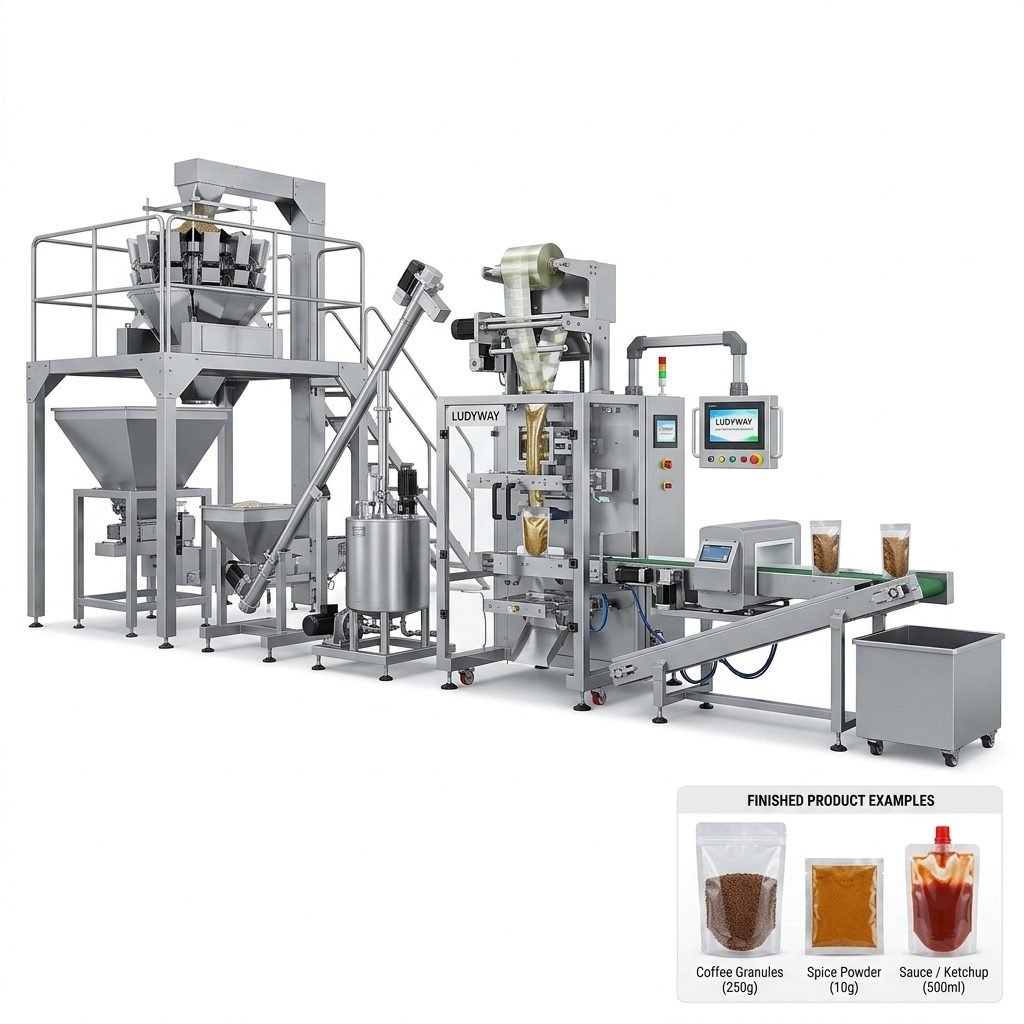
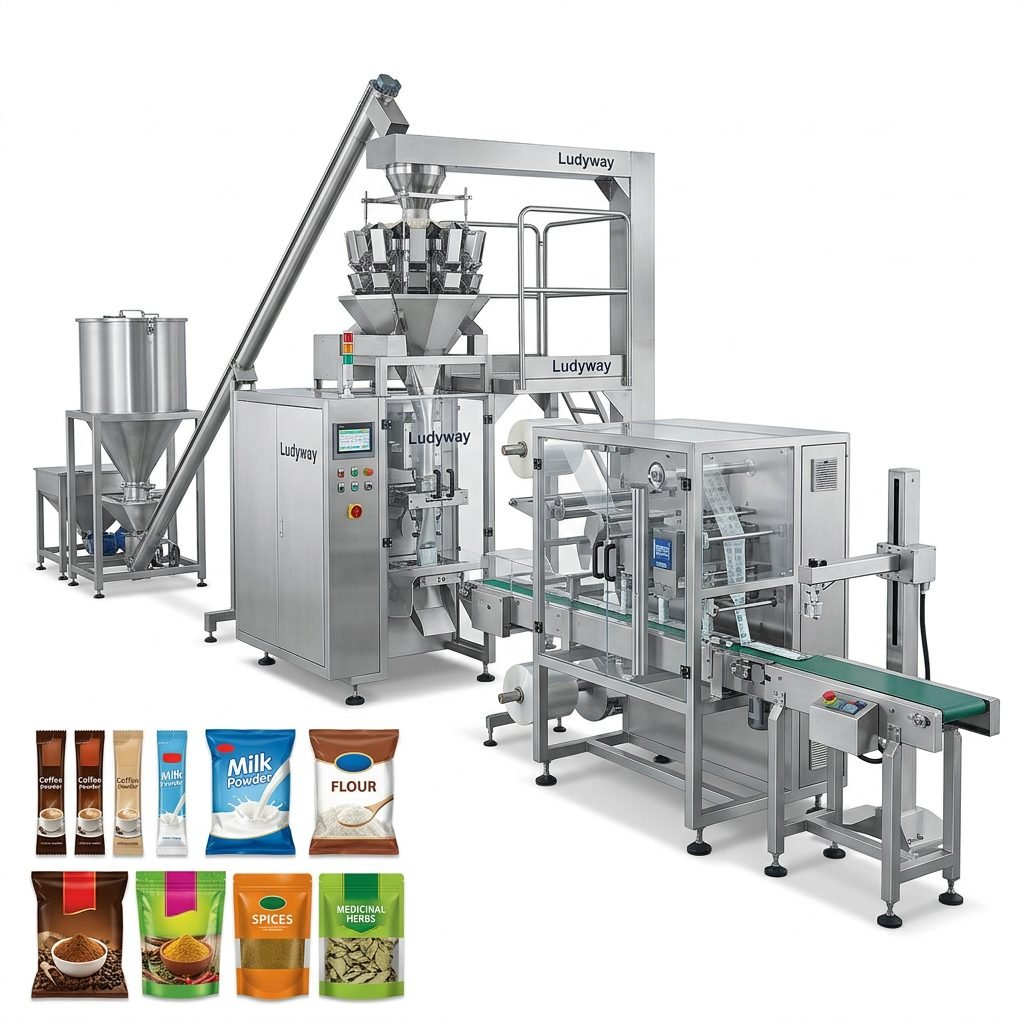
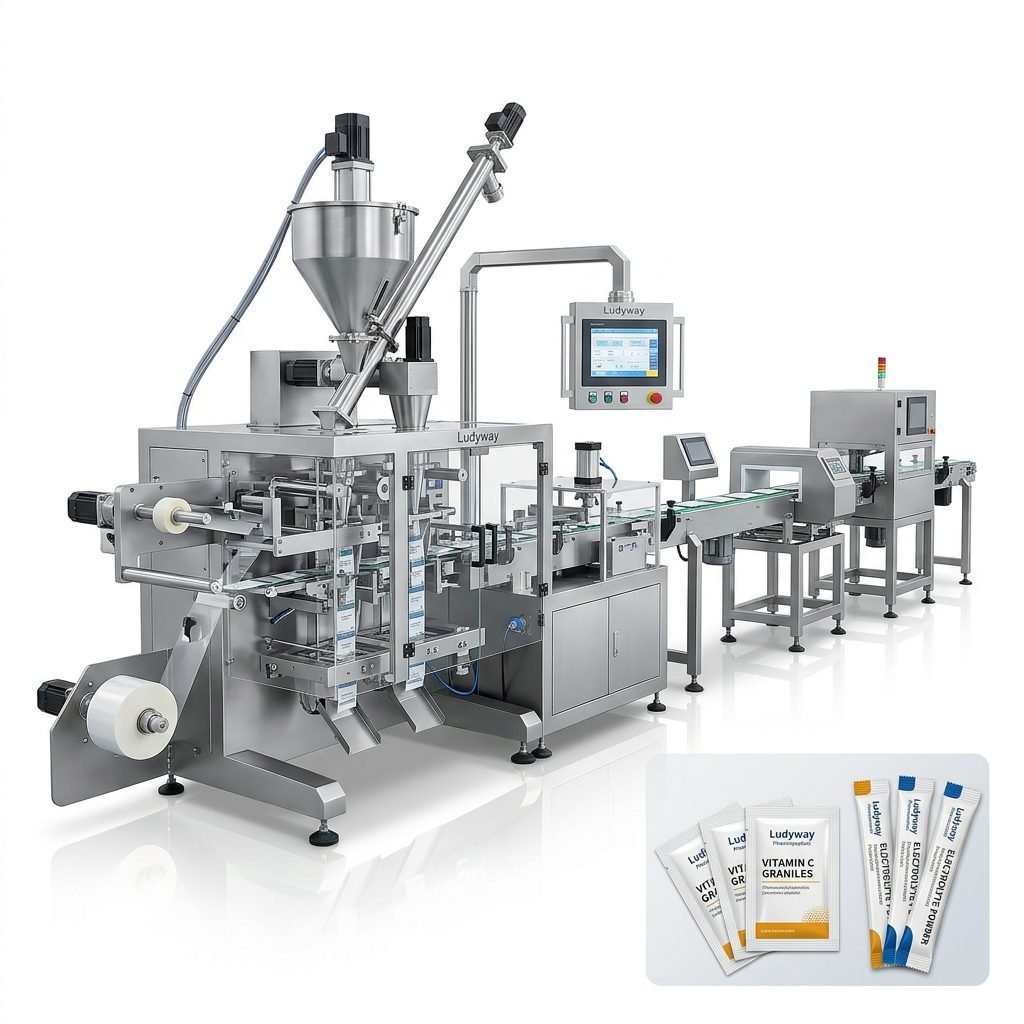
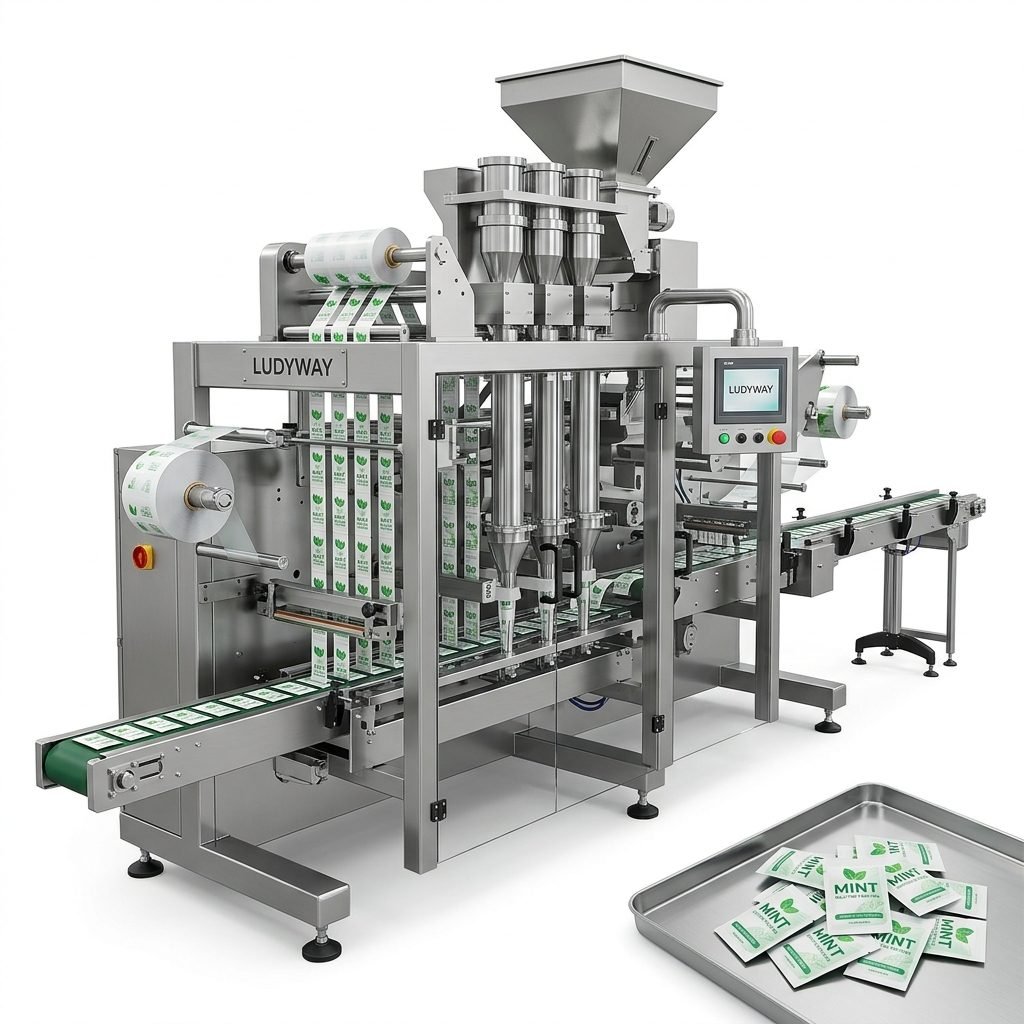
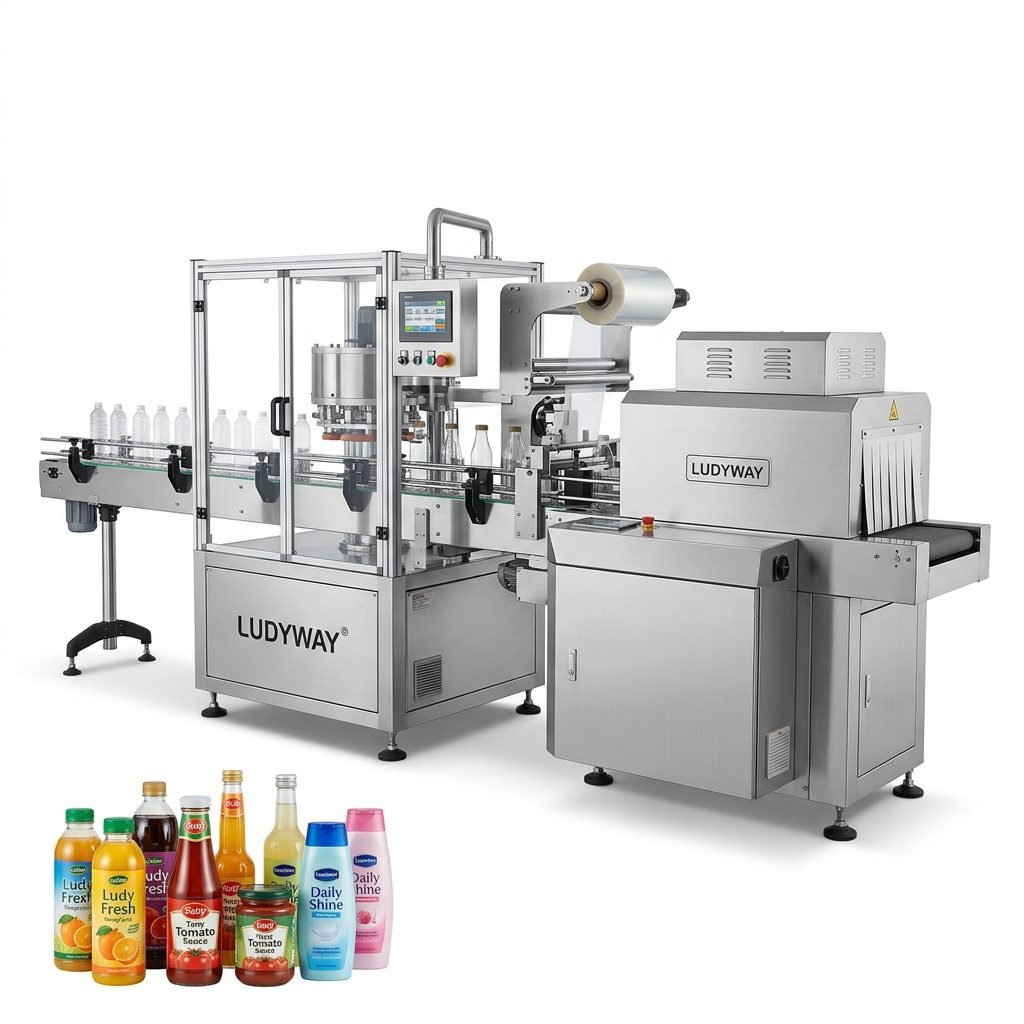
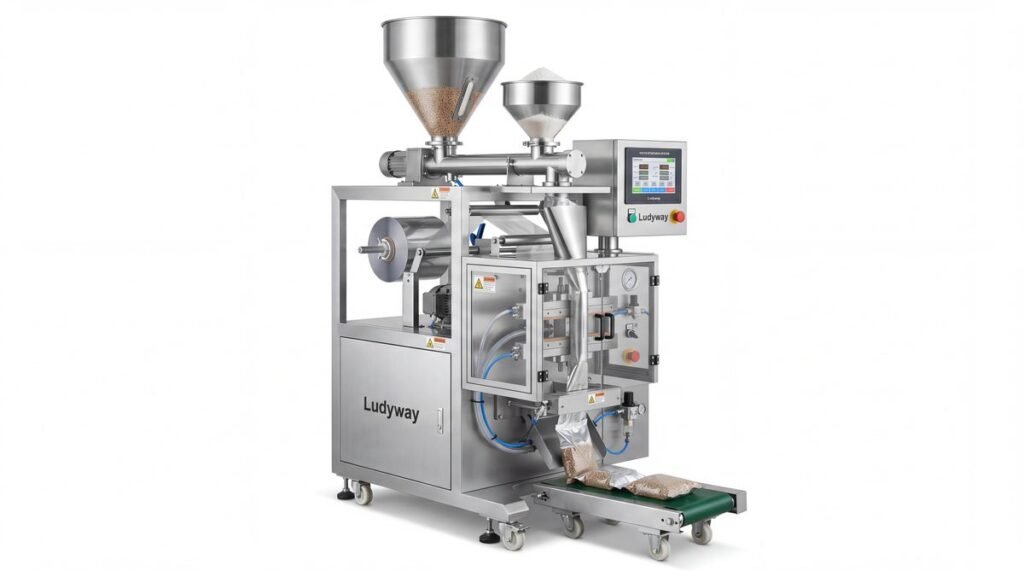
Navigating the world of packaging machinery requires more than just a basic understanding of equipment. It demands insights into expert operation, proactive maintenance, and informed purchasing decisions. Whether you are managing a production line for food, pharmaceuticals, or health products, the right technical knowledge is crucial for maximizing efficiency, ensuring product integrity, and achieving a strong return on investment.
Core Principles of Packaging Machine Operation
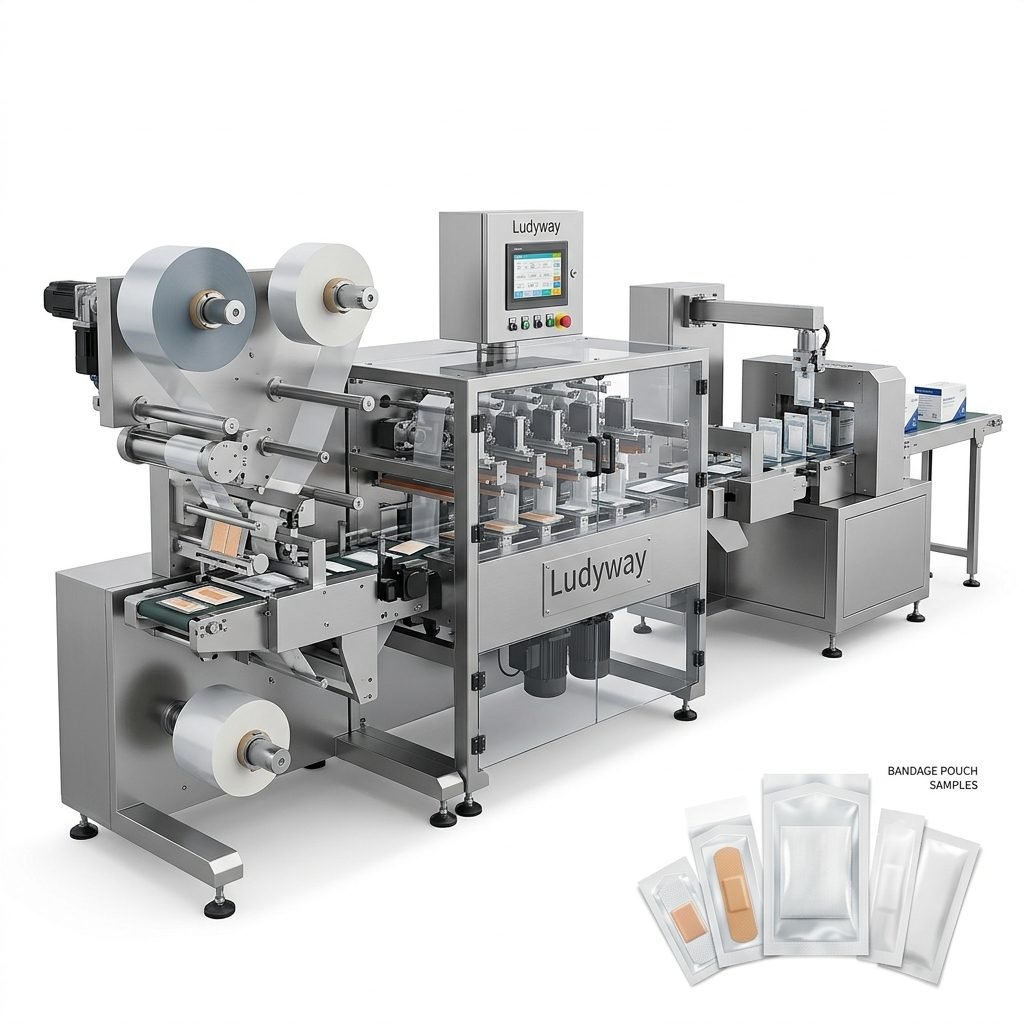
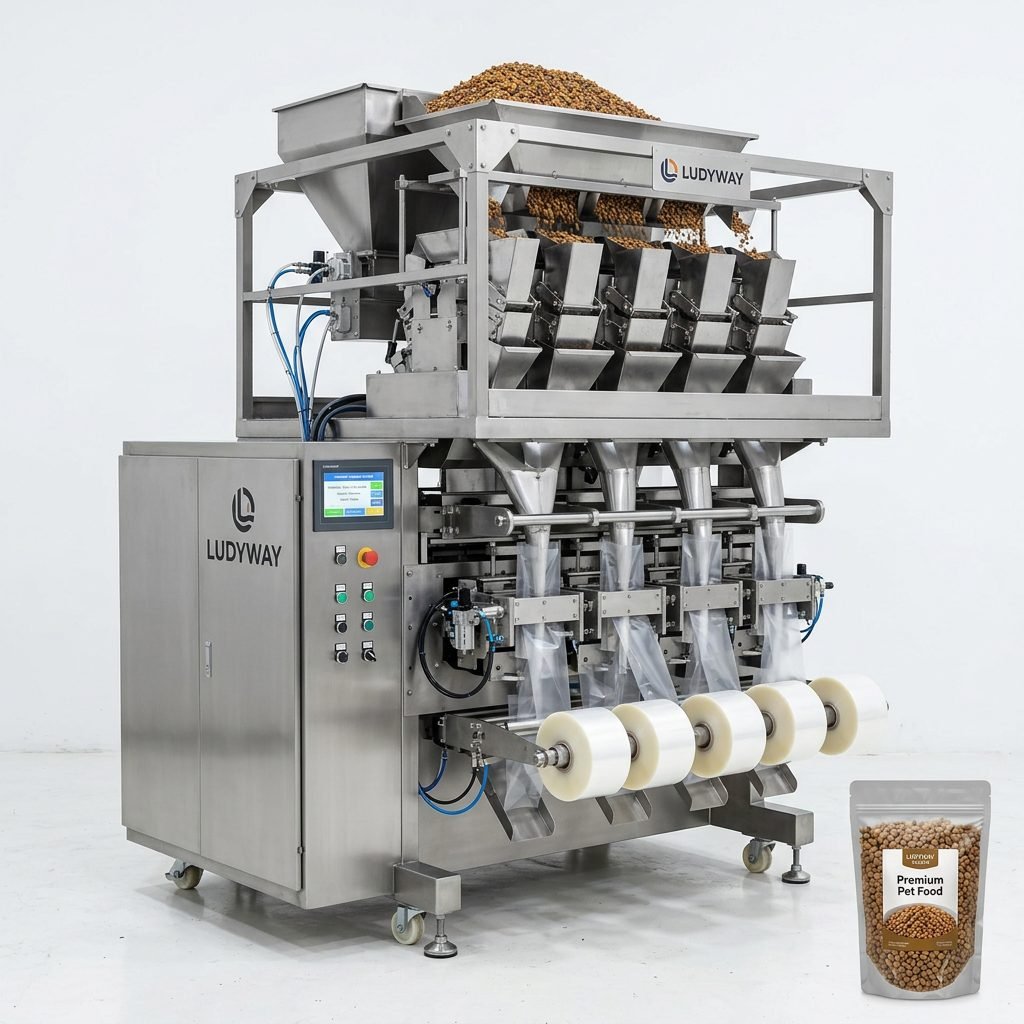
Mastering your packaging machine begins with a deep dive into its operational principles. Modern machines, such as multi-lane stick pack or sachet packaging systems, integrate mechanics, pneumatics, and sophisticated software controls. Understanding the interplay between the feeding system, weighing or volumetric dosing, film handling, sealing mechanisms, and final product discharge is the first step toward expert-level operation. Proper calibration of these subsystems is non-negotiable for maintaining consistent package weight and seal integrity, which directly impacts product shelf life and customer satisfaction.
Operator training should go beyond simple start-stop procedures. It must encompass troubleshooting common faults, interpreting error codes from the Human-Machine Interface (HMI), and performing minor adjustments to accommodate different packaging materials. For instance, switching from a laminated film for moisture-sensitive products to a different gauge material requires adjustments to seal temperature, pressure, and dwell time—knowledge that transforms an operator into a valuable technical asset.
Essential Maintenance Regimen for Longevity
A proactive maintenance schedule is the most effective strategy against unplanned downtime and costly repairs. This regimen can be broken down into daily, weekly, and monthly tasks.
Daily & Weekly Checks
Daily: Start each shift with a visual inspection. Check for loose bolts, worn seals, and debris accumulation. Lubricate all moving parts as specified in the manual, using only recommended lubricants. Verify that all safety guards and interlocks are functional. Clean the sealing jaws and cutting blades to prevent material buildup that can cause weak seals or film jams.
Weekly: Conduct a more thorough inspection. Check the tension on drive belts and chains. Inspect pneumatic filters and drain any condensate from the air lines. Test the accuracy of the weighing or dosing system using calibrated weights. Examine the film unwind assembly for smooth operation and proper alignment.
Monthly & Quarterly Procedures
Monthly tasks involve deeper system checks. This includes verifying the calibration of temperature sensors on the sealing jaws, inspecting electrical connections for tightness, and checking the condition of all motors and drives. Every quarter, consider a comprehensive review by a qualified technician who can assess wear on critical components like servo motors, bearings, and the main drive system, potentially preventing a major breakdown.
Keeping a detailed maintenance log is crucial. It creates a history of service, helps predict component failure, and ensures warranty compliance. For companies like Ludyway Machinery, which provides over 50 intelligent packaging models, following the OEM’s specific maintenance protocol is paramount for sustained performance.
Strategic Guide to Buying Packaging Machinery
Purchasing a packaging machine is a significant capital investment. A strategic approach ensures you select equipment that meets your current needs and allows for future growth.
1. Define Your Core Requirements
Begin by meticulously listing your requirements:
✔ Product Type: Granules, powders, liquids, or solids? Each requires different feeding and dosing technology.
✔ Production Speed (Packages/Minute): Match this to your output goals, with room for a 10-15% buffer.
✔ Package Format & Size: Stick packs, sachets, pouches? Define the minimum and maximum dimensions.
✔ Materials: Specify the types of film (laminate, mono-layer) you will use.
2. Evaluate Technology & Support
Assess the machine’s control system—modern PLC-based systems with user-friendly HMIs offer greater flexibility and easier troubleshooting. Inquire about the availability of spare parts and the manufacturer’s technical support structure. A supplier with over 30 years of industry experience often brings invaluable application knowledge to the table, helping you avoid common pitfalls.
3. Consider Total Cost of Ownership (TCO)
Look beyond the initial purchase price. Factor in installation costs, energy consumption, expected maintenance costs, and the price/availability of consumables like sealing jaws and spare parts. A slightly more expensive machine with higher reliability and lower energy use often has a better TCO. Suppliers offering turnkey production solutions can streamline this entire process, from layout design to commissioning.
4. Request a Product Test
Always insist on a live test using your actual product and packaging materials. This is the only way to verify speed, accuracy, and seal quality. Observe the machine’s operation, noise level, and ease of changeover between different settings.
Integrating Machinery into Your Production Line
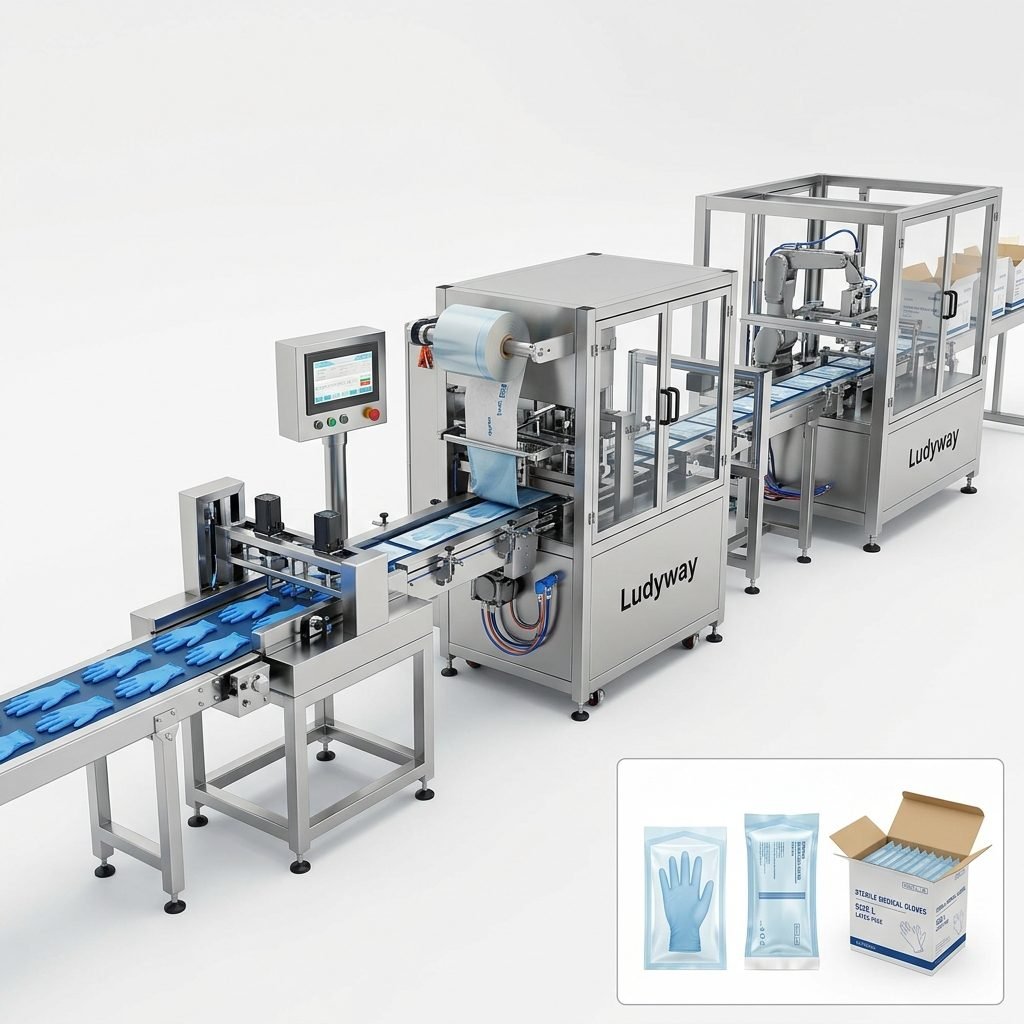
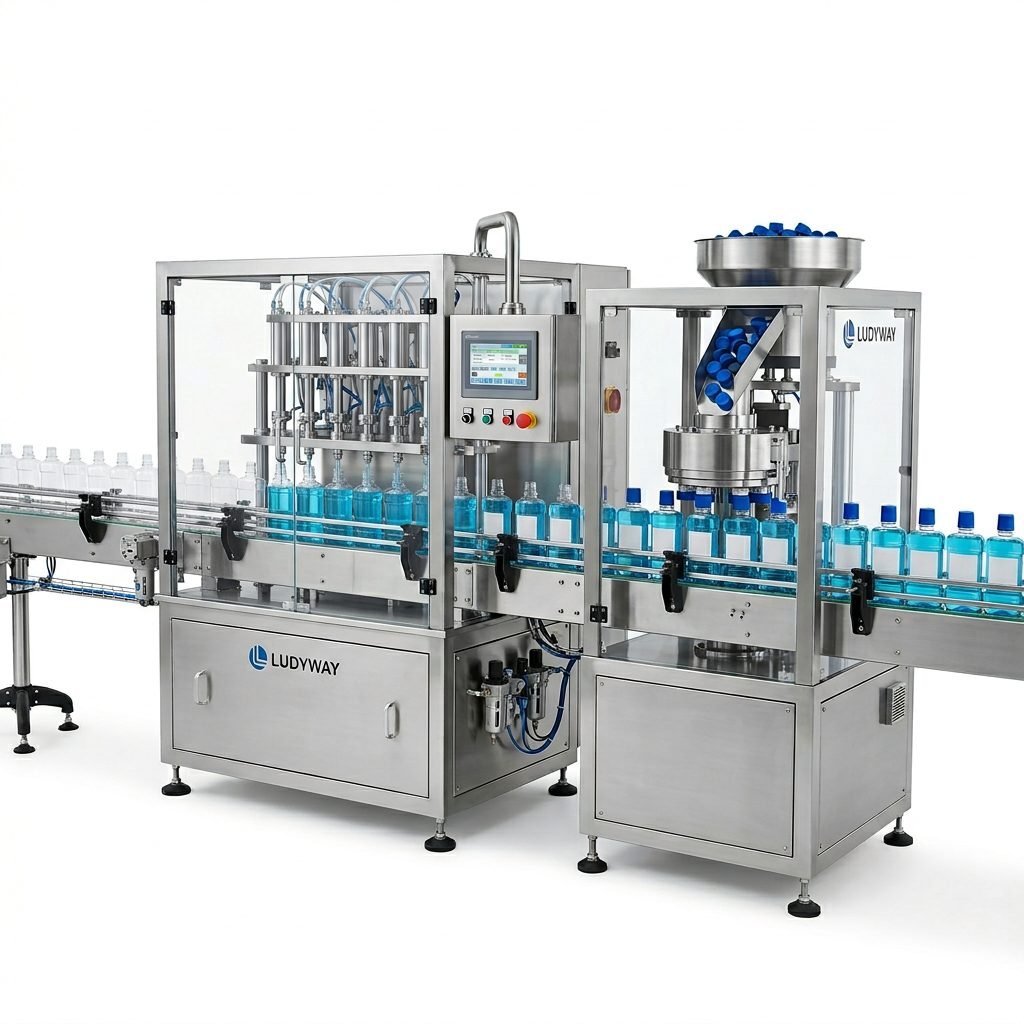
Even the best stand-alone machine can underperform if poorly integrated. Consider upstream and downstream equipment compatibility. For powder filling, does your machine need to connect to a sieve or de-duster? For liquid filling, what is the supply system from the mixing tank? Work with your supplier to design a logical workflow that minimizes manual handling and bottlenecks. A partner experienced in customized automation solutions will ensure seamless integration, optimizing your overall line efficiency.
Ultimately, success in packaging automation hinges on a triad of factors: deep technical knowledge of your equipment, a disciplined maintenance culture, and a strategic, long-term vision when making purchasing decisions. By focusing on these pillars, manufacturers can build resilient, efficient, and high-quality packaging operations that stand the test of time and market demands.
Frequently Asked Questions (FAQs)
Q1: How often should I perform major servicing on my packaging machine?
Major servicing intervals depend heavily on usage (hours of operation) and the manufacturer’s guidelines. For machines running 16-24 hours daily, a comprehensive professional service every 6-12 months is advisable. Always consult your machine’s manual and consider a service contract with your supplier for scheduled maintenance.
Q2: What is the most common cause of poor seal quality in pouch packaging?
The most frequent causes are contaminated sealing jaws (from product dust or film residue), incorrect temperature/pressure settings for the specific film being used, and worn or damaged sealing elements. Regular cleaning and parameter verification are key preventive measures.
Q3: Can one machine handle vastly different product types, like powders and granules?
While some machines are marketed as “multi-purpose,” significant product changes often require different feeding systems (auger for powder vs. cup filler for granules). It’s more efficient to select a machine optimized for your primary product type. For diverse production, modular machines or separate dedicated units are often recommended.
Q4: What should I look for in a supplier’s after-sales support?
Prioritize suppliers who offer clear documentation (manuals, parts lists), readily available spare parts, remote diagnostic capabilities, and prompt on-site technician support. A proven track record of long-term cooperation and innovation with clients is a strong indicator of reliable after-sales service.
Q5: How can I future-proof my packaging machinery investment?
Choose machines with scalable software, the physical capacity to handle slightly higher speeds than currently needed, and a modular design that allows for later add-ons (e.g., additional coding systems, checkweighers). Partnering with a manufacturer known for continuous innovation ensures access to future upgrades and technologies.