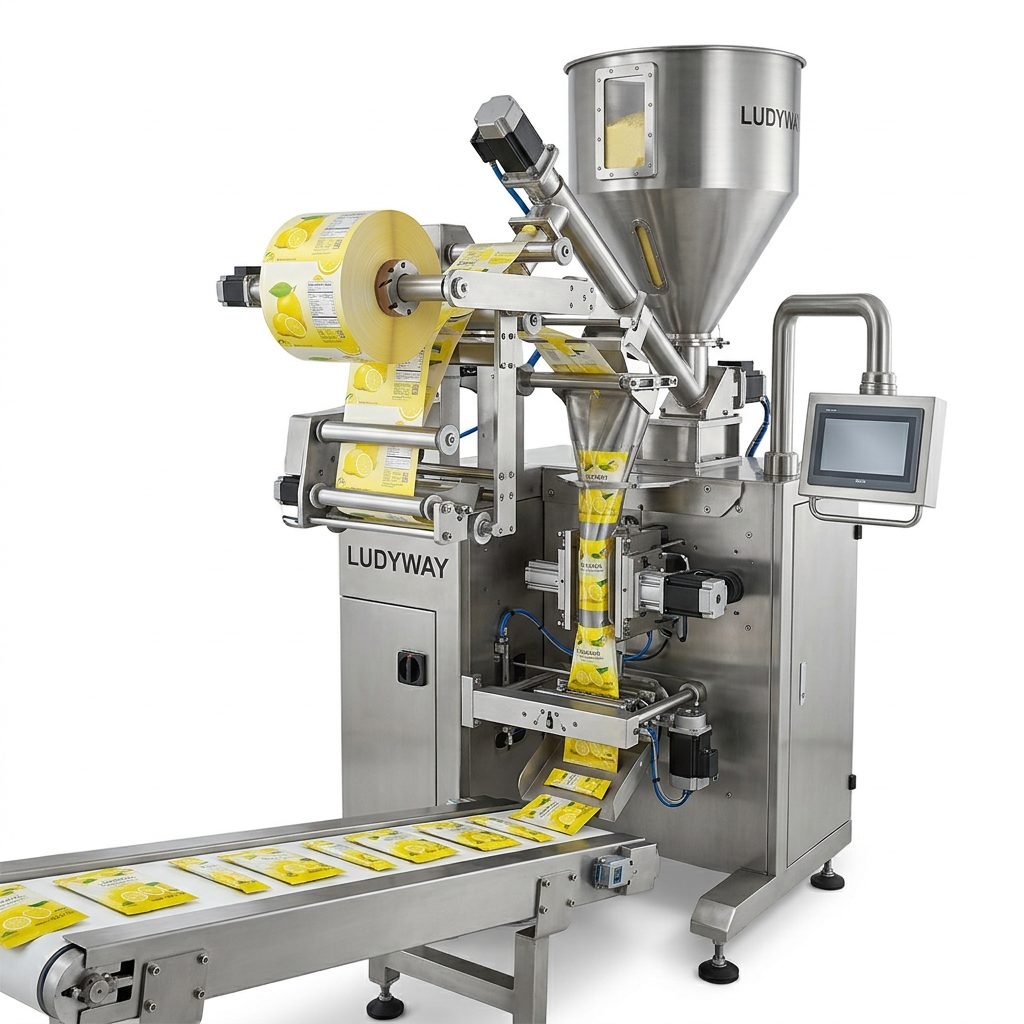
In Canada, where a strong manufacturing sector meets diverse consumer markets, selecting the right packaging machinery is crucial for business success. Canadian businesses, from artisanal food producers in Quebec to large-scale pharmaceutical manufacturers in Ontario, value efficiency, reliability, and solutions that can adapt to both high-volume demands and niche, quality-focused production. This guide explores the types of packaging machinery available, their associated costs, and provides a framework for choosing the perfect solution for your Canadian operation.
Understanding the Canadian Packaging Landscape
The Canadian market presents unique opportunities and challenges. With a population that values both innovation and tradition, packaging must be efficient, sustainable, and often bilingual (English/French) to meet national standards. Industries are spread across vast distances, making equipment reliability and accessible local service support a key consideration. Whether you’re in the thriving cannabis sector, the robust food and beverage industry, or the precision-driven pharmaceutical field, your packaging line is a direct link to your customer.
Key Canadian Considerations:
- Bilingual Labeling: Machinery should easily handle switching between English and French text on labels and packaging.
- Climate Adaptability: Equipment may need to perform consistently in varied environments, from humid coastal areas to cold prairie winters.
- Supply Chain Geography: Reliable, low-maintenance machines are prized due to the potential distance from major service hubs.
- Sustainability Focus: There is a growing consumer and regulatory push for reduced material use and recyclable packaging.
Common Types of Packaging Machinery in Canada
Packaging machinery can be categorized by the form of the product it handles and the type of package it creates. Here are the most prevalent types in the Canadian market.
1. Filling and Sealing Machines
These are the workhorses of packaging, designed to accurately measure product and hermetically seal it within a pouch, bag, or other container.
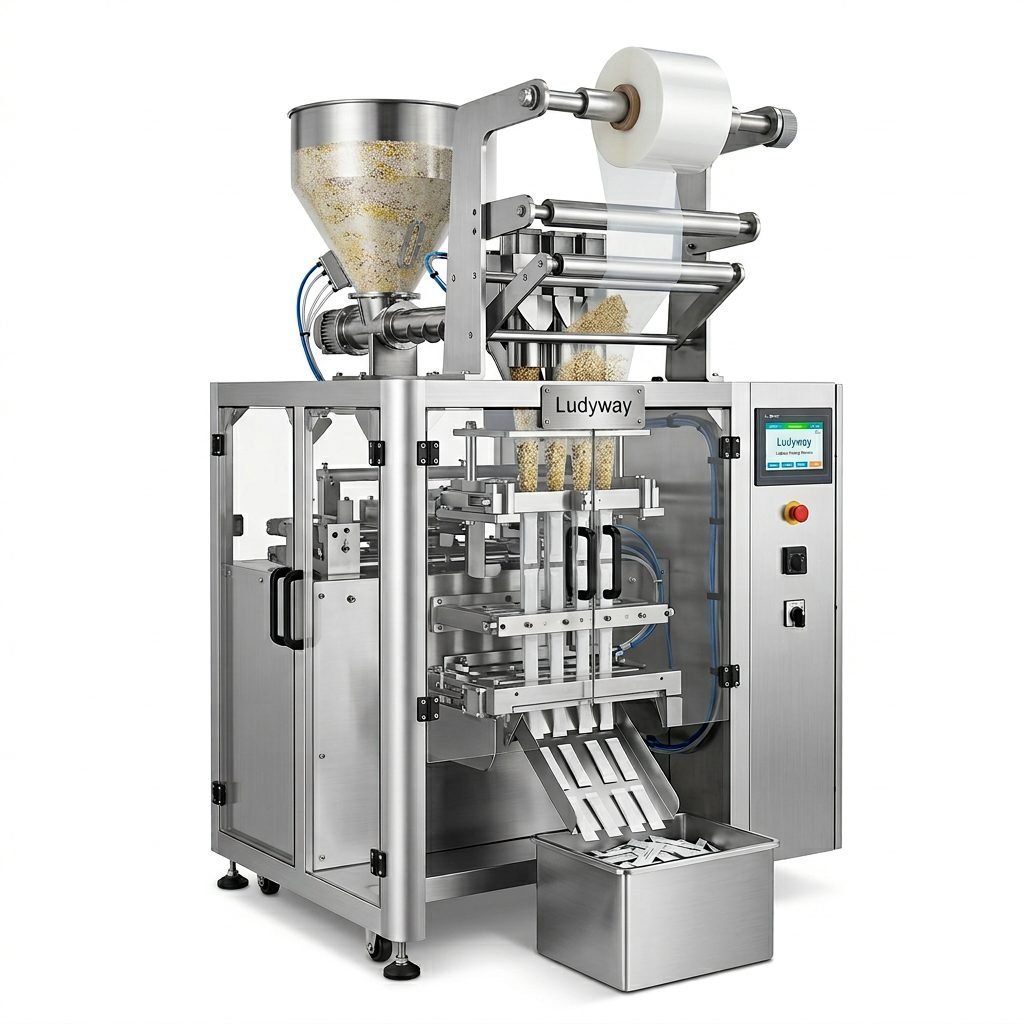
- Vertical Form-Fill-Seal (VFFS) Machines: Ideal for granules, powders, and liquids. They form a bag from a roll of film, fill it, and seal it in one continuous process. Perfect for coffee, snacks, and soup mixes.
- Horizontal Form-Fill-Seal (HFFS) Machines: Often used for biscuits, candy bars, and medical devices. The product is placed on a web of film which is then formed around it and sealed.
- Liquid Fillers: Range from simple gravity fillers for oils and vinegars to precise piston fillers for pharmaceuticals and cannabis extracts.
2. Capping, Labeling, and Cartoning Equipment
This category handles the final stages of packaging, ensuring the product is secure, identified, and ready for retail.
- Capping Machines: Apply screw caps, snap lids, or pump dispensers to bottles and jars with consistent torque.
- Labeling Systems: Apply pressure-sensitive labels, wrap-around labels, or heat-transfer labels. Crucial for meeting Canada’s strict bilingual labeling laws.
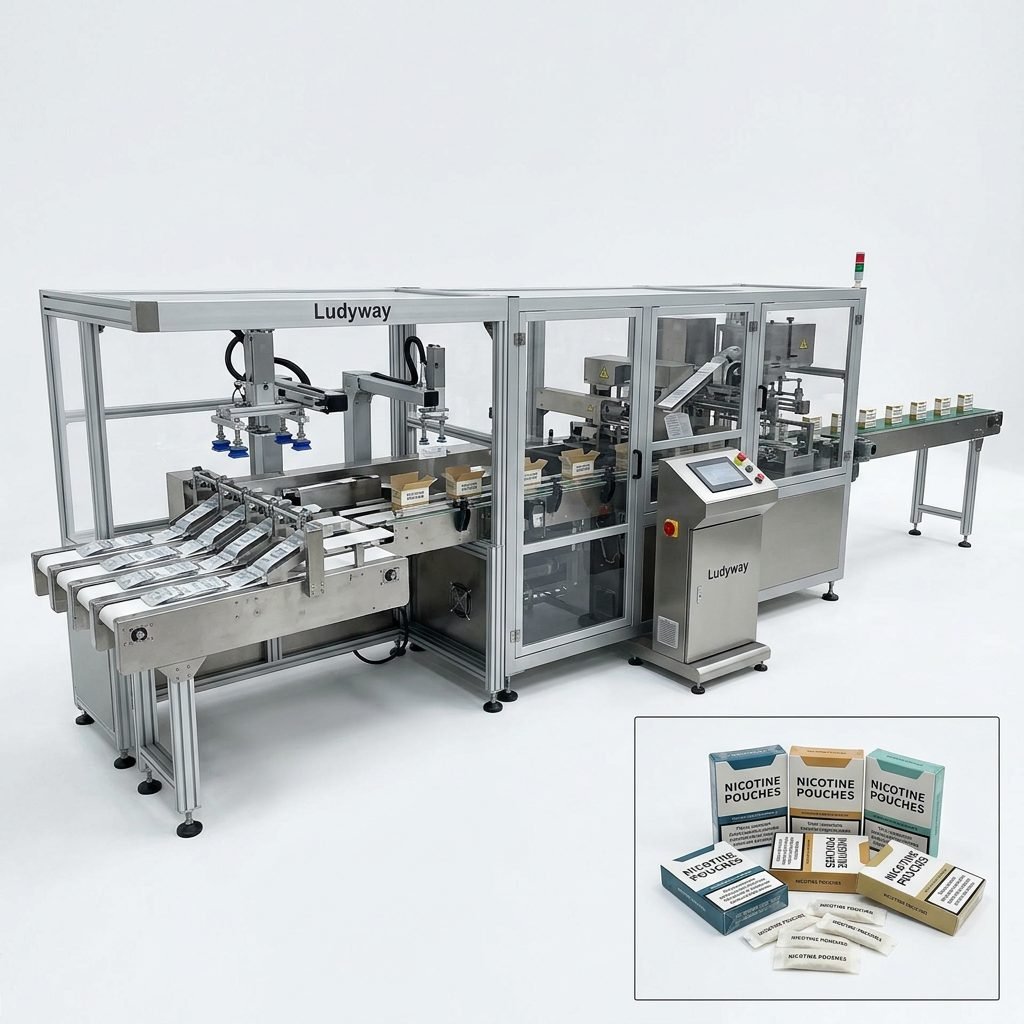
- Cartoners: Automatically erect, load, and close cartons (boxes). Essential for grouping individual products for shipment or retail display.
3. Specialized Packaging Systems
These address specific market needs and high-value products.
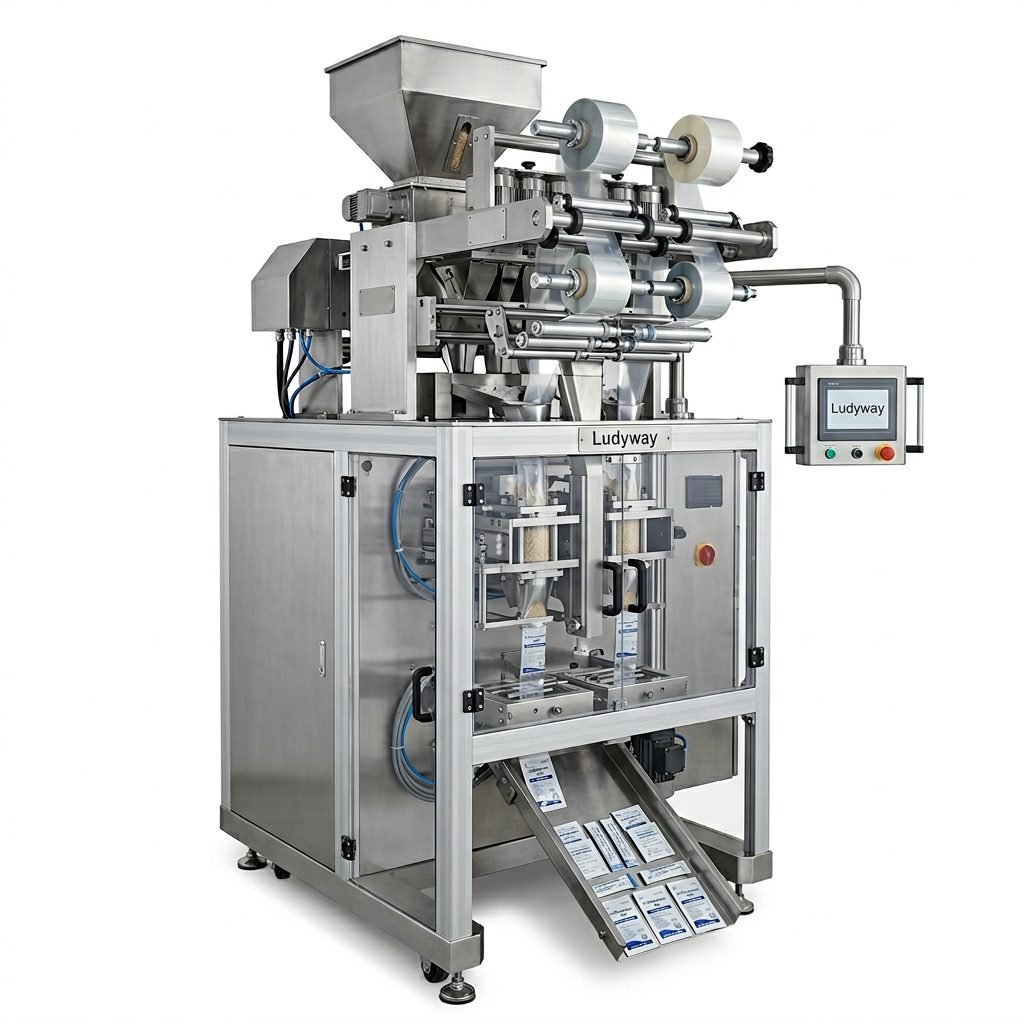
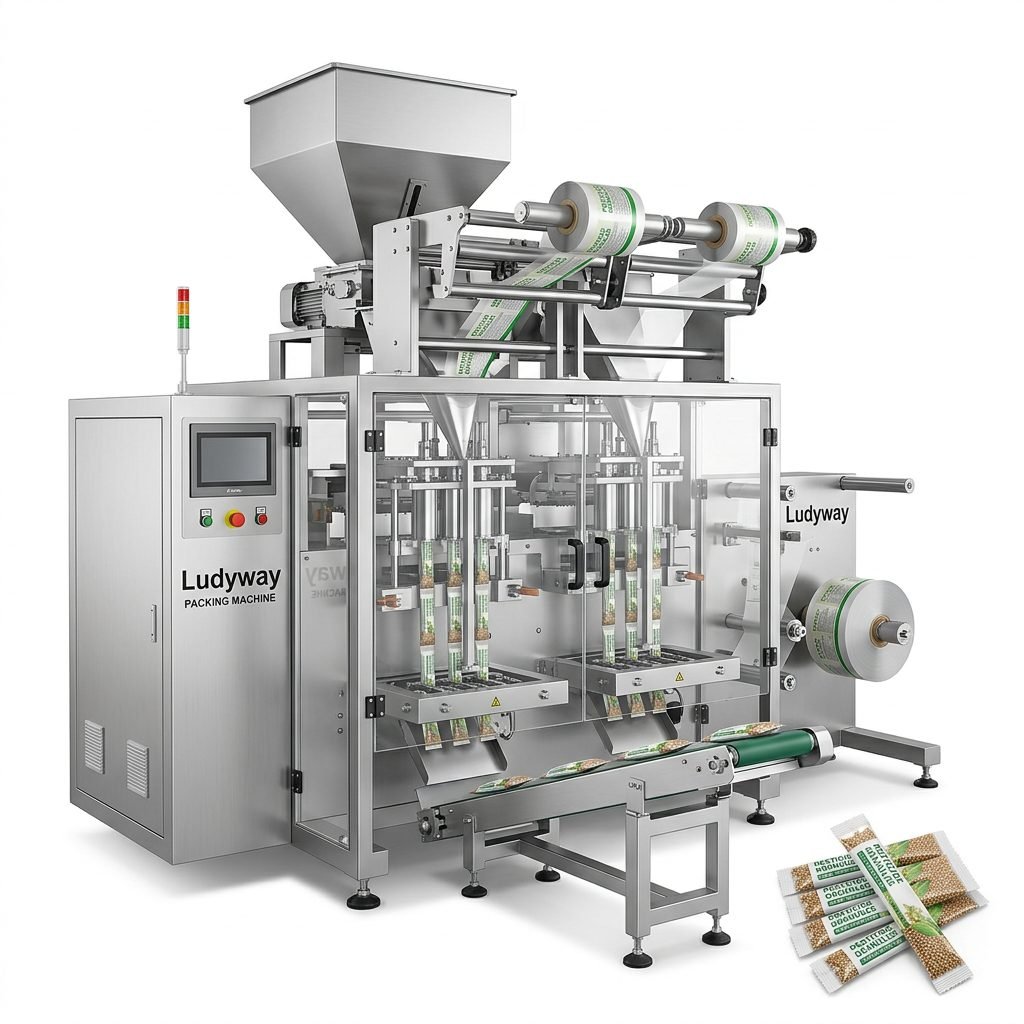
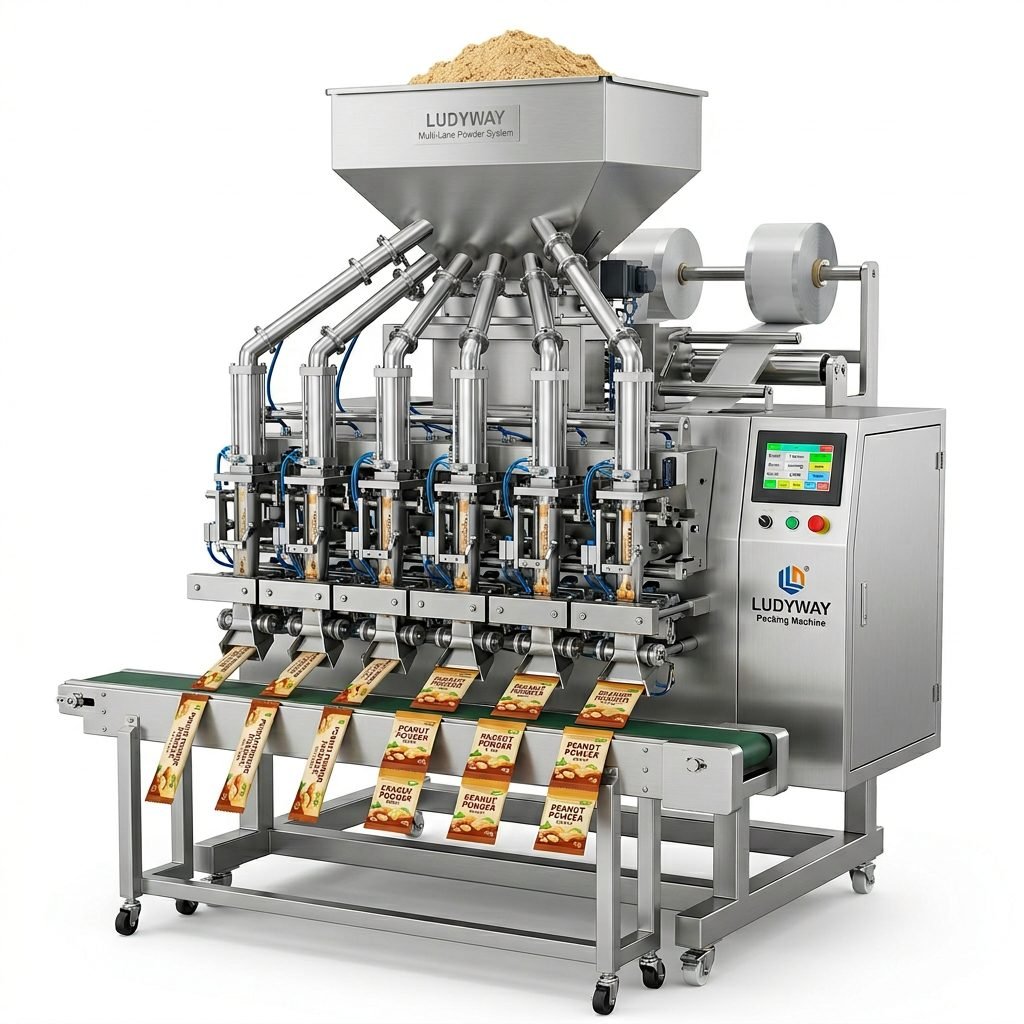
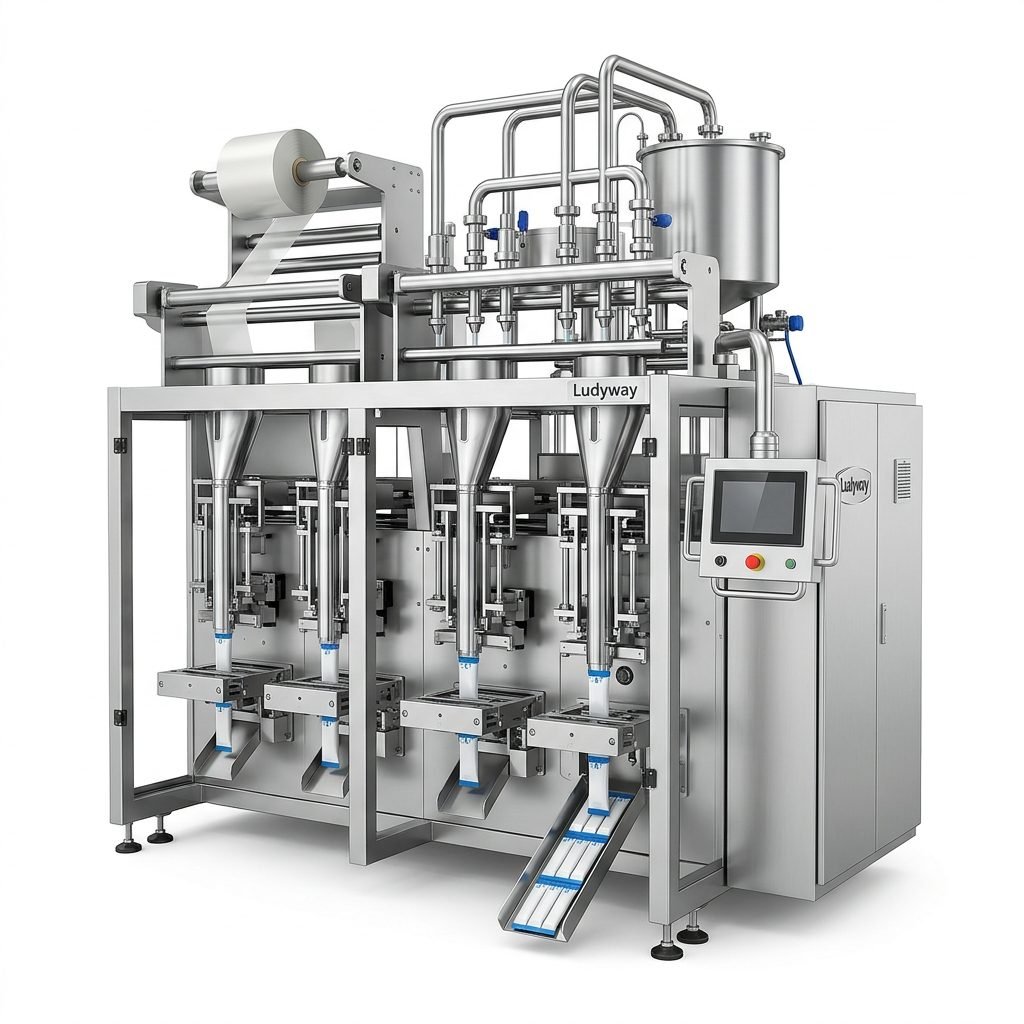
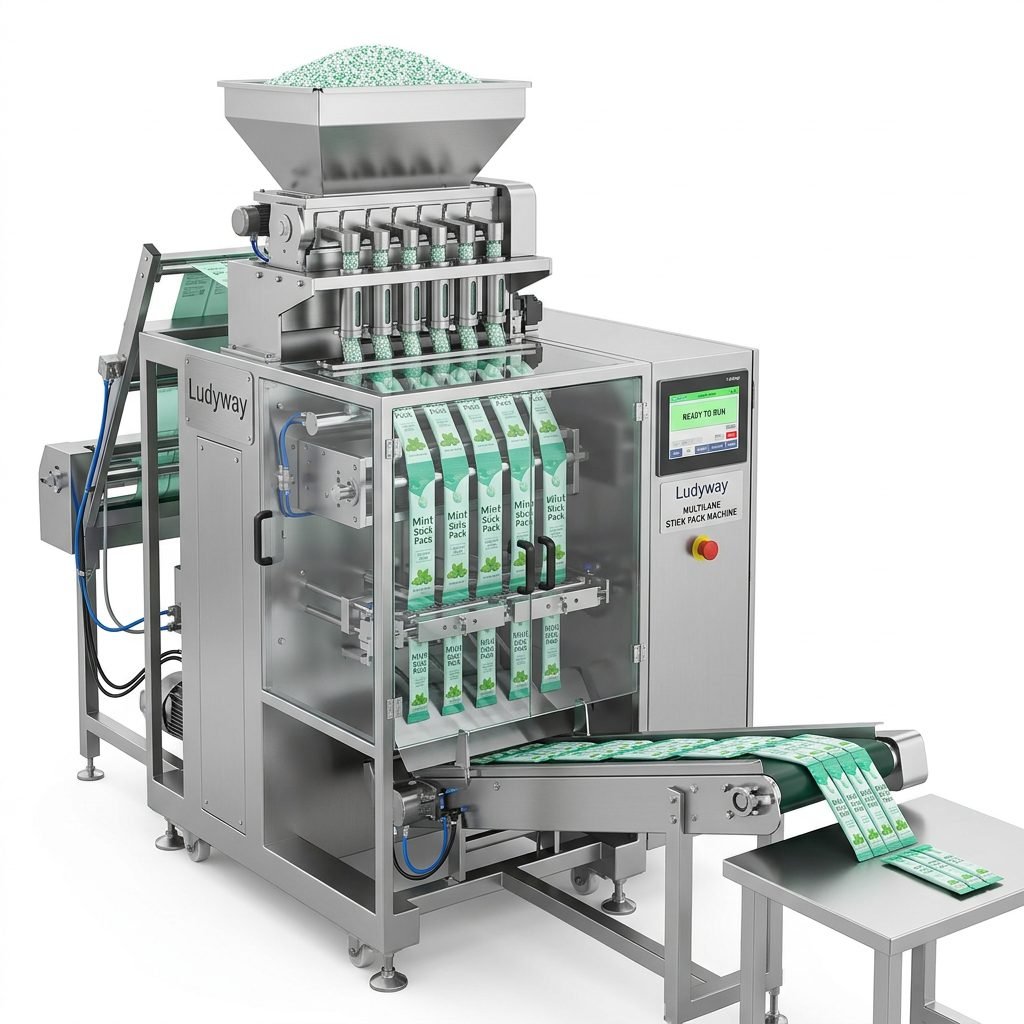
- Stick Pack Machines: Create slim, single-serve packages for drink mixes, supplements, and pharmaceuticals. Their compact size reduces material use and shipping costs.
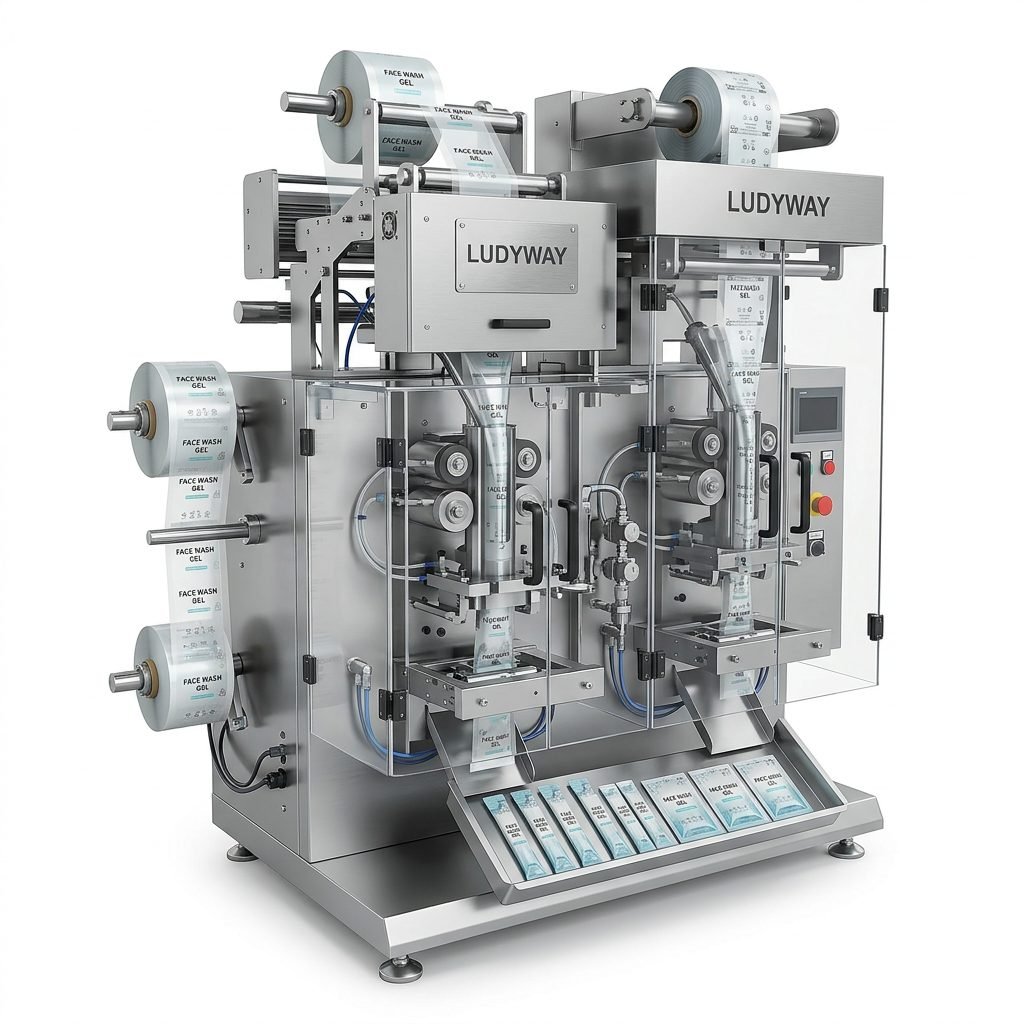
- Sachet Packaging Machines: Similar to stick packs but often wider, used for sauces, condiments, shampoo, and lotions.
- Thermoform-Fill-Seal Machines: Create blisters or cavities from a plastic sheet, fill them with product (like pills or hardware), and seal with a lidding material. Common in pharmaceuticals.
Analyzing the Costs of Packaging Machinery
The investment in packaging equipment varies widely. Understanding the cost structure helps in budgeting and ROI calculation.
Primary Cost Factors:
1. Machine Type & Automation Level: A semi-automatic tabletop filler costs a few thousand dollars. A fully automated, integrated VFFS with robotic palletizing can reach several hundred thousand.
2. Speed & Output Capacity: Higher speed machines (more packages per minute) command a premium price.
3. Customization & Flexibility: Machines that can handle multiple package sizes or switch between products quickly often have higher upfront costs but offer long-term savings.
4. Brand & Origin: Established brands with proven reliability and strong local technical support in Canada may cost more but reduce downtime risk.
5. Additional Costs: Remember to budget for shipping, duties (for imported machinery), installation, operator training, and ongoing maintenance.
How to Choose the Right Solution for Your Business
Selecting machinery is a strategic decision. Follow this step-by-step framework to make an informed choice.
Step 1: Define Your Core Requirements
Start with the basics. What product are you packaging (granule, powder, liquid)? What is your required output (bags/hour)? What package style do you need (stick pack, sachet, pouch)? What are your floor space and utility (power, air) constraints?
Step 2: Evaluate Automation Needs
Balance labor costs against capital investment. A semi-automatic machine requires more operators but has a lower price. A fully automatic line, like a multi-lane stick pack system, reduces labor dramatically but is a significant investment. Consider your production volume and growth projections.
Step 3: Prioritize Reliability and Service
In Canada’s dispersed market, service is non-negotiable. Investigate the supplier’s reputation. Do they have local technicians or certified partners? What is the average response time for spare parts? A reliable machine with accessible support prevents costly production halts.
Step 4: Consider Future-Proofing
Can the machine handle a range of package sizes? Is it compatible with new, sustainable packaging materials? Choosing a modular or adaptable system from a provider known for innovation and expansion protects your investment as your business evolves.
Step 5: Request Demos and References
Never buy based on specifications alone. Request a live or video demonstration with a product similar to yours. Ask the supplier for references from other Canadian companies in your industry. First-hand feedback is invaluable.
Final Checklist Before Purchase:
✅ Product Compatibility Test completed successfully.
✅ Total Cost of Ownership (price, maintenance, energy use) calculated.
✅ Service & Support Agreement reviewed and understood.
✅ Machine Compliance with Canadian safety standards (e.g., CSA, UL) confirmed.
✅ Training Program for your operators is included.
Frequently Asked Questions (FAQs)
1. What is the lead time for receiving packaging machinery in Canada?
Lead times vary significantly. Standard models from stock may ship in 4-8 weeks. Customized or high-end automated lines can have lead times of 12-20 weeks or more. Always factor in shipping and customs clearance time, especially for overseas suppliers. Choosing a supplier with a proven track record in global project delivery can help streamline this process.
2. How important is it to have local technical support?
Extremely important. While remote support is helpful for minor issues, having access to local or quickly deployable technicians for major repairs minimizes downtime. It’s a critical factor for maintaining production schedules in Canada’s competitive market.
3. Can one machine handle different types of packaging, like both stick packs and sachets?
Some advanced machines are designed with quick-change capabilities, allowing you to switch between similar package types (e.g., different sized sachets) with a change of forming parts. However, switching from a stick pack to a standard pouch typically requires a different machine type. Discuss your flexibility needs with your supplier.
4. What are the ongoing maintenance requirements?
Regular maintenance is key to longevity. This typically includes daily cleaning, weekly lubrication of specific points, and periodic inspection of seals, sensors, and moving parts. Your supplier should provide a detailed maintenance schedule. Many companies offer annual service contracts for peace of mind.
5. How do I ensure the machine meets Canadian safety and electrical standards?
Always specify that you require machinery certified for the Canadian market. Look for certifications like CSA (Canadian Standards Association) or cUL (UL certification for Canada). Reputable international suppliers will often have models built to these standards or can arrange for certification.