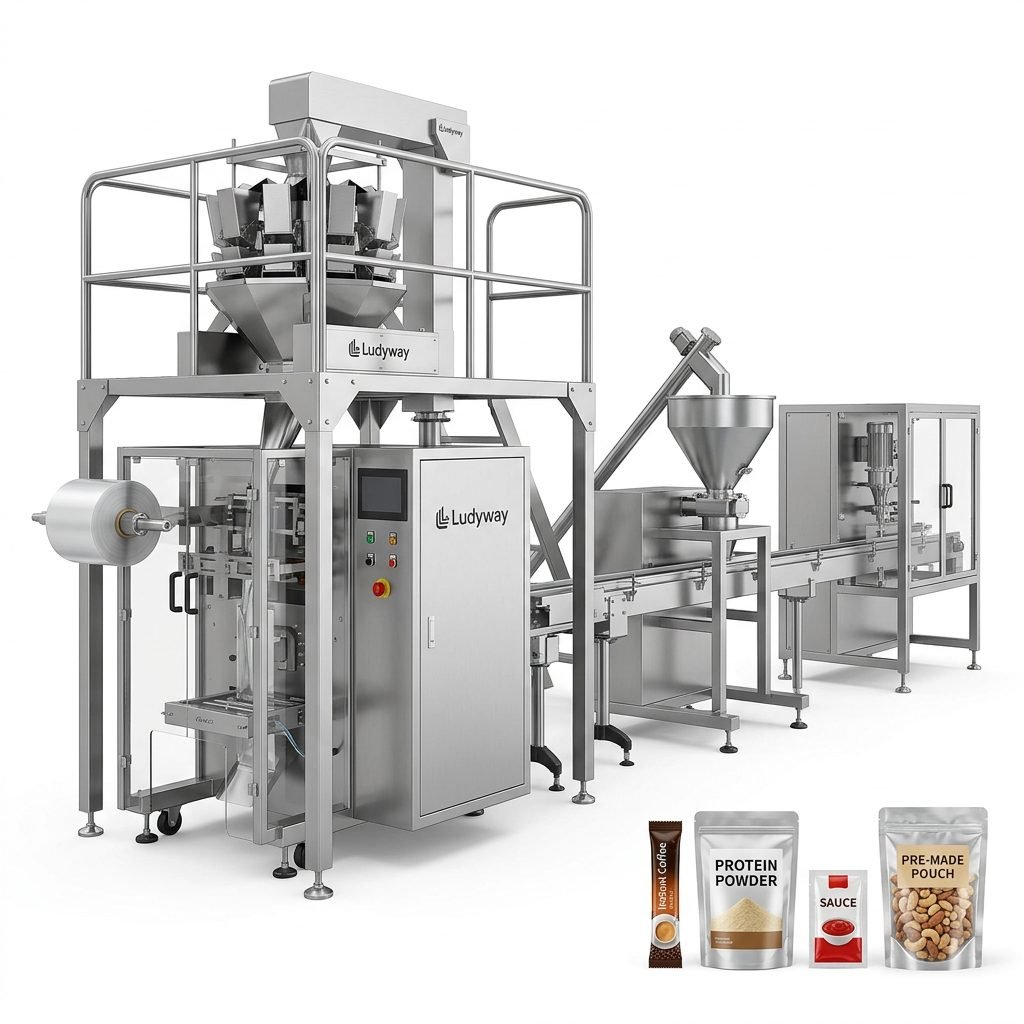
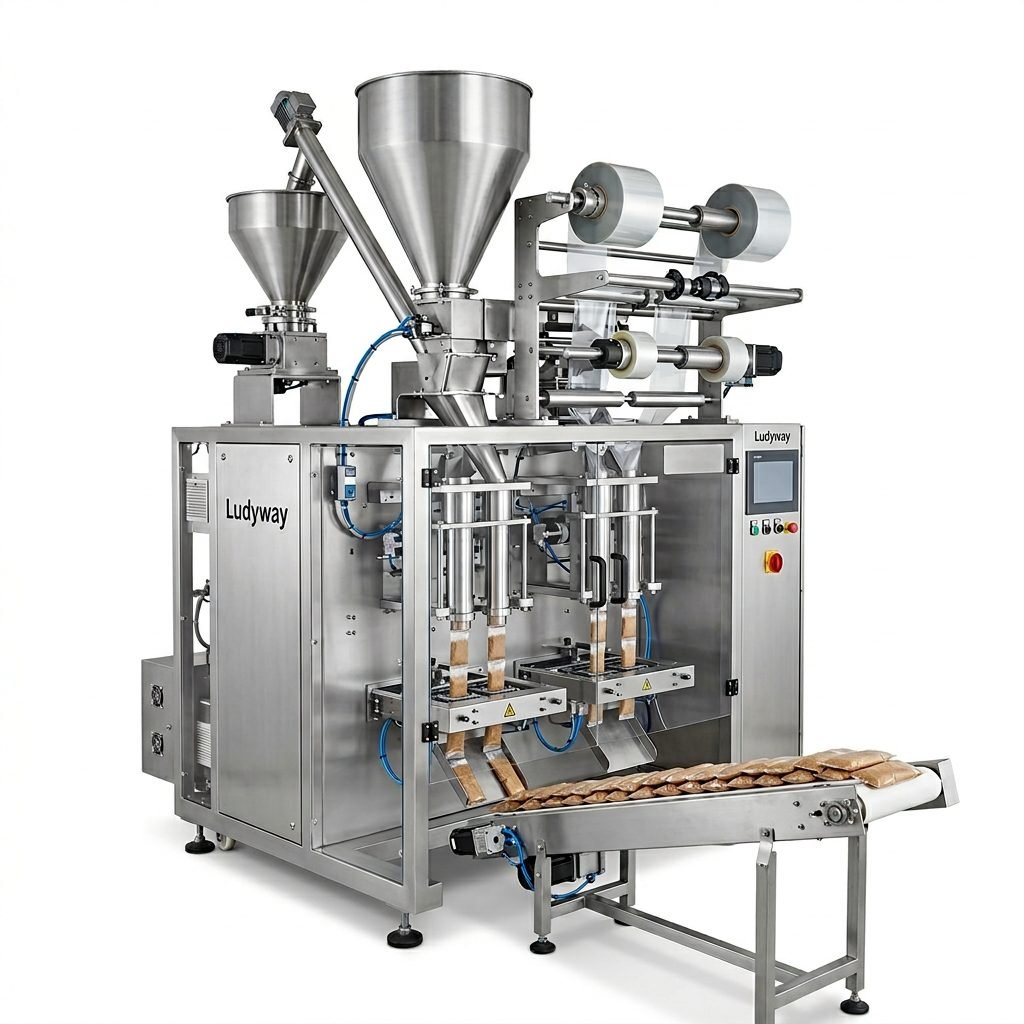
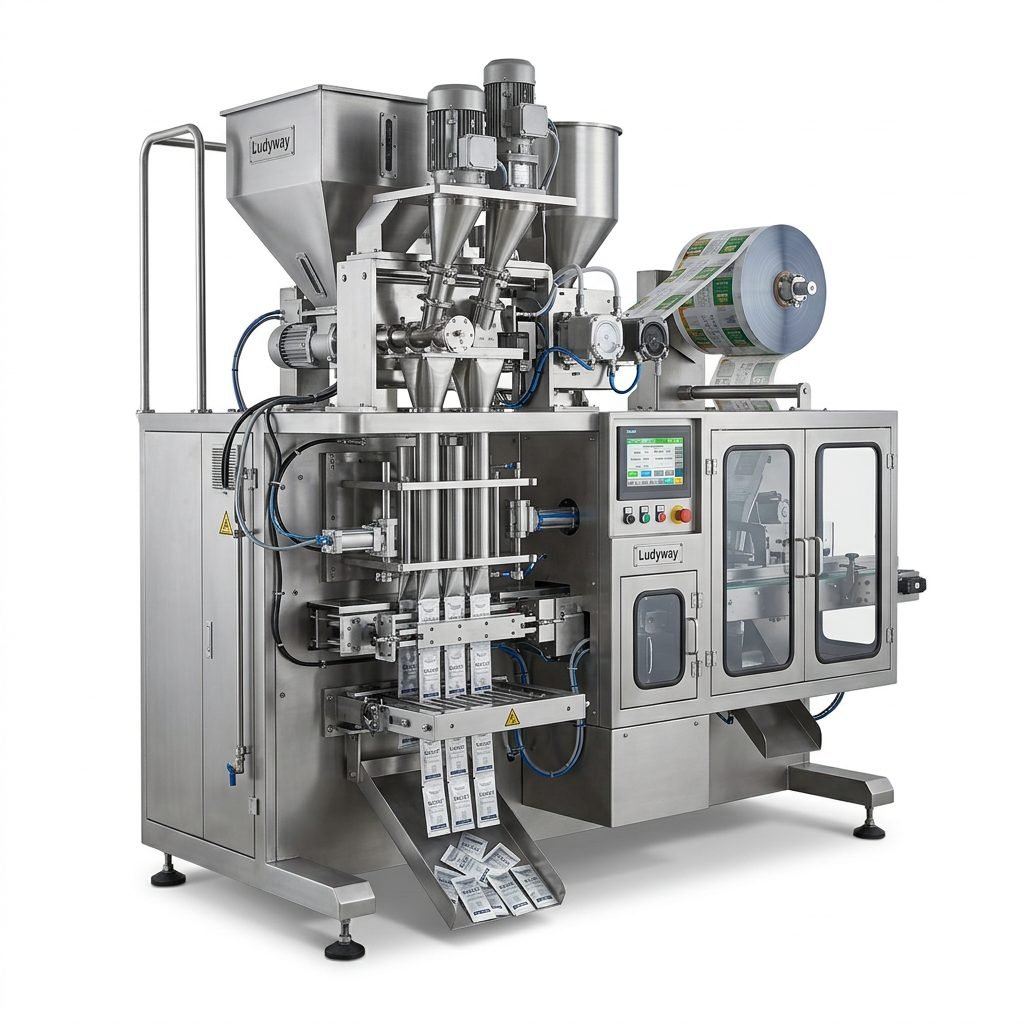
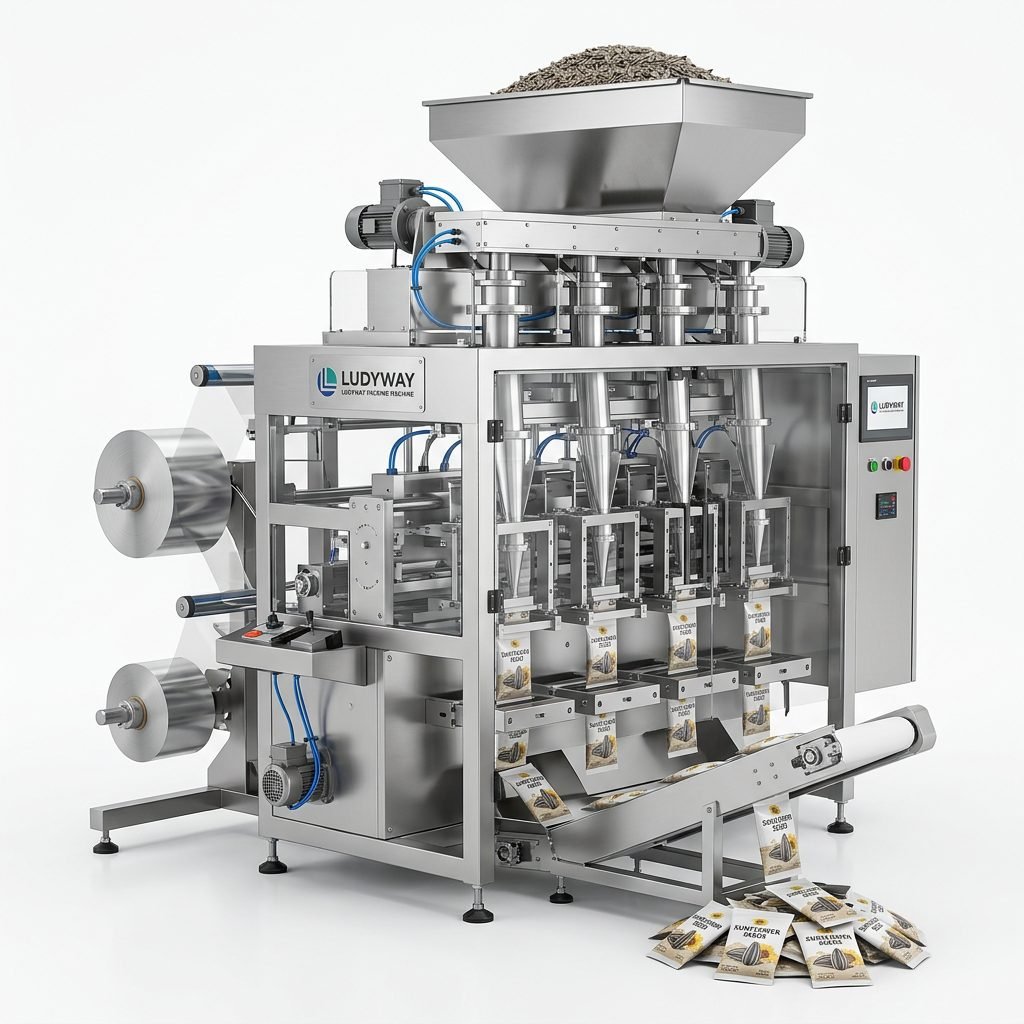
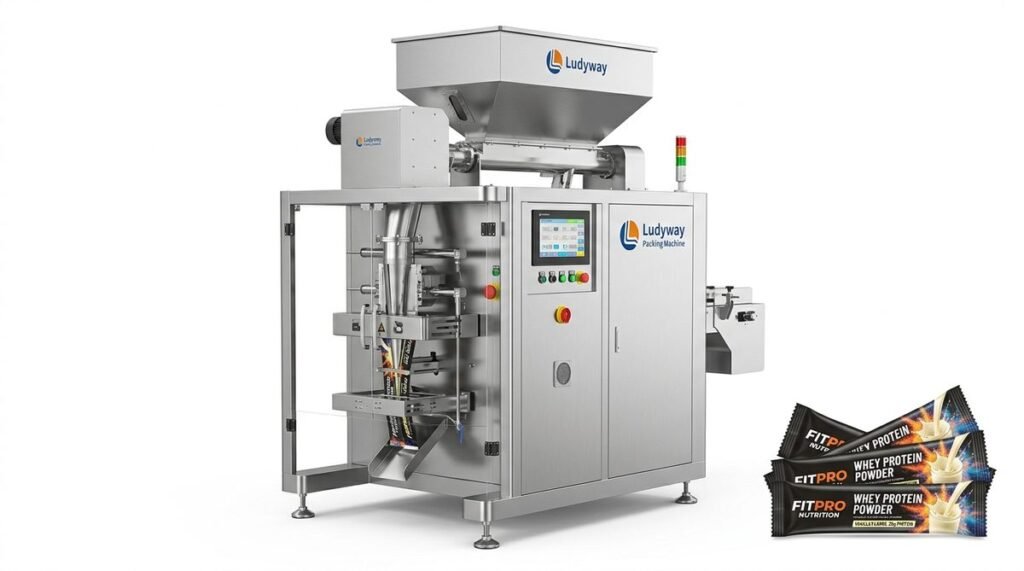
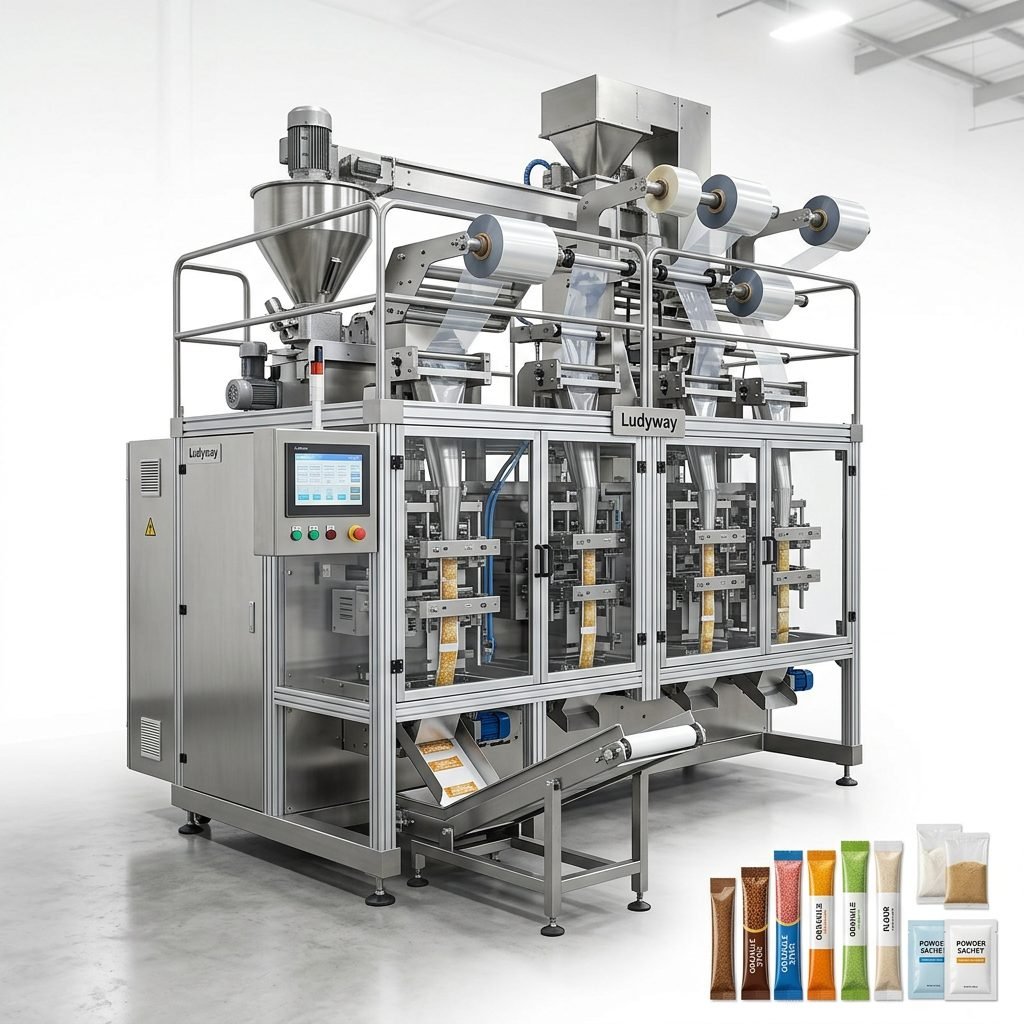
In the fast-paced world of bakery production, efficiency and presentation are paramount. A bread packaging machine is no longer a luxury but a necessity for bakeries of all sizes looking to scale, ensure product freshness, and maintain a professional brand image. This comprehensive guide will walk you through the different types of bread packaging systems, factors affecting their prices, and the key considerations for choosing the perfect system to elevate your bakery operations.
Understanding Bread Packaging Machines
Bread packaging machines automate the process of wrapping and sealing baked goods, primarily loaves, buns, and rolls. They replace manual labor, ensuring consistent, hygienic, and attractive packaging at high speeds. The core benefits include extended shelf life by creating a protective barrier, improved production efficiency, reduced labor costs, and enhanced product presentation that appeals to customers on the shelf.
Key Takeaway: Investing in automated packaging is an investment in product quality, brand consistency, and operational scalability. It directly impacts your bottom line by reducing waste and labor dependency.
Primary Types of Bread Packaging Systems
Selecting the right machine starts with understanding the technology. Here are the main types used in bakeries:
Flow Wrap Machines (Horizontal Form-Fill-Seal)
This is the most common system for wrapping individual loaves, buns, and rolls. A flat roll of packaging film is formed into a tube around the product. The longitudinal seal is created, and then the ends are crimped and cut, creating a tight, pillow-style pouch. They are versatile, fast, and suitable for a wide range of bread sizes and shapes.
Bagging Machines
These machines use pre-made bags (often with a branded design). The bread is automatically fed into an open bag, and the machine then seals the bag, typically with a heat seal or a twist-tie. This method is excellent for artisanal or specialty breads where a premium, branded bag presentation is desired. They can handle delicate products gently.
Shrink Wrap Systems
In this process, bread is placed in a loose bag or sleeve made from shrink film. The package then passes through a heat tunnel (shrink oven), where the film tightens uniformly around the product’s contours. This creates a sleek, “second-skin” appearance that is highly transparent, excellent for multi-packs or trays of rolls, and provides a robust tamper-evident seal.
Automatic Slicing and Packaging Lines
For high-volume production of sliced bread, integrated lines combine an automatic slicer with a packaging machine (usually a flow wrapper or bagger). The loaf is sliced and then directly fed into the wrapper without manual handling, maximizing hygiene and throughput. This is the ultimate solution for large-scale industrial bakeries.
Breaking Down the Cost: What Influences the Price?
The price of a bread packaging machine is not a single figure; it varies widely based on several factors:
- Automation Level: Fully automatic systems with robotic loading/unloading are at the premium end, while semi-automatic machines (requiring manual product placement) are more affordable.
- Production Speed (Throughput): Measured in packages per minute (PPM). A machine rated for 60 PPM will cost significantly more than one rated for 20 PPM.
- Machine Versatility: Can it handle multiple product sizes and shapes with quick changeovers? Machines with advanced servo motors and digital controls for easy adjustment command higher prices.
- Packaging Material Compatibility: The ability to run different films (e.g., polypropylene, polyethylene, biodegradable films) or pre-made bags adds to the cost.
- Build Quality and Brand: Machines built with durable stainless steel components, renowned precision engineering, and from established brands like Ludyway Machinery offer greater reliability and longevity, reflecting in their investment value.
- Additional Features: Integrated checkweighers, date coders, gas flushing for modified atmosphere packaging (MAP), and advanced PLC touchscreen controls all add to the final price.
Price Range Overview
Semi-Automatic Machines: $5,000 – $20,000. Ideal for small bakeries or startups with lower volume needs.
Standard Automatic Flow Wrappers: $20,000 – $80,000. The workhorse for most medium to large bakeries, offering a balance of speed and cost.
High-Speed, Fully Integrated Lines: $80,000 – $250,000+. Designed for large-scale industrial production with maximum automation and minimal labor.
Remember to factor in ongoing costs for packaging materials, maintenance, and potential spare parts.
How to Choose the Right System for Your Bakery
Making the correct choice requires a careful assessment of your current and future needs. Follow this decision framework:
1. Assess Your Production Needs
Be brutally honest about your numbers. What is your current daily/weekly output? What are your growth projections for the next 3-5 years? Choose a machine that can handle your peak output with a 15-20% capacity buffer for growth. Underestimating can lead to bottlenecks, while overestimating leads to unnecessary capital expenditure.
2. Define Your Product Portfolio
List every product you need to package: standard loaf sizes, sandwich buns, artisan breads, rolls, etc. Consider their dimensions, shape, and fragility. If your range is diverse, prioritize a versatile machine with quick-change tooling to minimize downtime between product runs.
3. Determine Your Packaging Style
This is a marketing and functional decision. Do customers prefer the clear, tight look of flow wrap or shrink wrap? Or does your brand identity rely on a specific style of printed bag? The packaging style will directly point you towards the type of machine you need. Also, consider sustainability; some machines run better with newer, thinner, or compostable films.
4. Evaluate Available Space and Utilities
Measure your production floor space meticulously. Packaging lines require not just the machine’s footprint, but also space for infeed conveyors, discharge, operator access, and film roll storage. Check utility requirements: electrical power (voltage, phases), compressed air, and for shrink tunnels, adequate ventilation.
5. Prioritize Ease of Use and Support
Your team will operate this machine daily. Look for user-friendly interfaces (preferably color touchscreens), clear manuals, and straightforward maintenance procedures. Crucially, investigate the supplier’s reputation for after-sales service, technical support, and parts availability. A reliable partner like Ludyway, with decades of industry experience, can be invaluable for installation, training, and long-term support.
6. Consider Total Cost of Ownership (TCO)
Look beyond the initial purchase price. Calculate the TCO, which includes:
• Energy consumption.
• Film waste and efficiency (how well the machine minimizes trim waste).
• Expected maintenance costs and downtime.
• Cost and lead time for spare parts.
A slightly more expensive but robust and efficient machine from a reputable supplier often has a lower TCO than a cheaper, less reliable alternative.
Frequently Asked Questions (FAQs)
Q1: Can one machine package both loaves of bread and smaller items like buns?
A: Yes, many modern flow wrap and bagging machines are designed with versatility in mind. They feature adjustable forming boxes, sealing jaws, and infeed systems that can be changed over to accommodate different product sizes. The key is to check the machine’s stated size range and the time required for changeover.
Q2: How does automated packaging improve bread shelf life?
A: Automated machines create a consistent, airtight seal that is difficult to achieve manually. This barrier protects against moisture loss (staling) and contamination. For even greater extension, some systems can be equipped with Modified Atmosphere Packaging (MAP) technology, which flushes the package with a gas mixture like nitrogen to slow down mold growth.
Q3: What is the typical payback period for a bread packaging machine?
A: The payback period varies based on labor costs, production volume, and the machine’s price. For a small bakery replacing 2-3 manual packers, a semi-automatic machine might pay for itself in 12-18 months through labor savings and reduced packaging waste. Higher-volume operations often see a return on investment in under two years.
Q4: How important is after-sales service when purchasing?
A: It is critically important. Packaging machines are precision equipment that will require maintenance, occasional repairs, and operator training. A supplier with a strong global service network, readily available spare parts, and responsive technical support—attributes central to the Ludyway Machinery philosophy—ensures minimal downtime and protects your investment for the long term.
Q5: Can I use eco-friendly or biodegradable films on standard machines?
A: Many standard machines can run biodegradable or compostable films, but it may require adjustments. These films often have different sealing properties (temperature, pressure) and may be less forgiving than conventional plastics. It’s essential to discuss your sustainability goals with your machine supplier during the selection process to ensure compatibility and optimal performance.