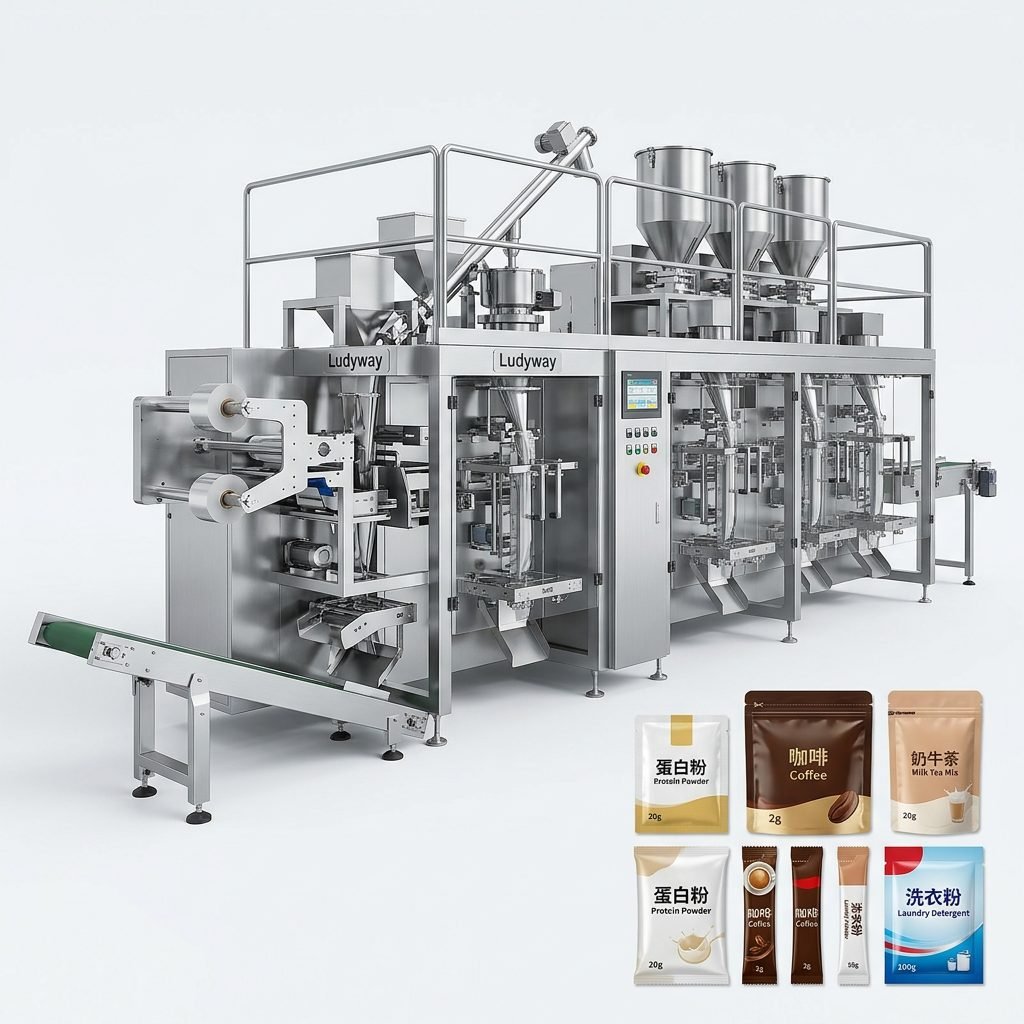
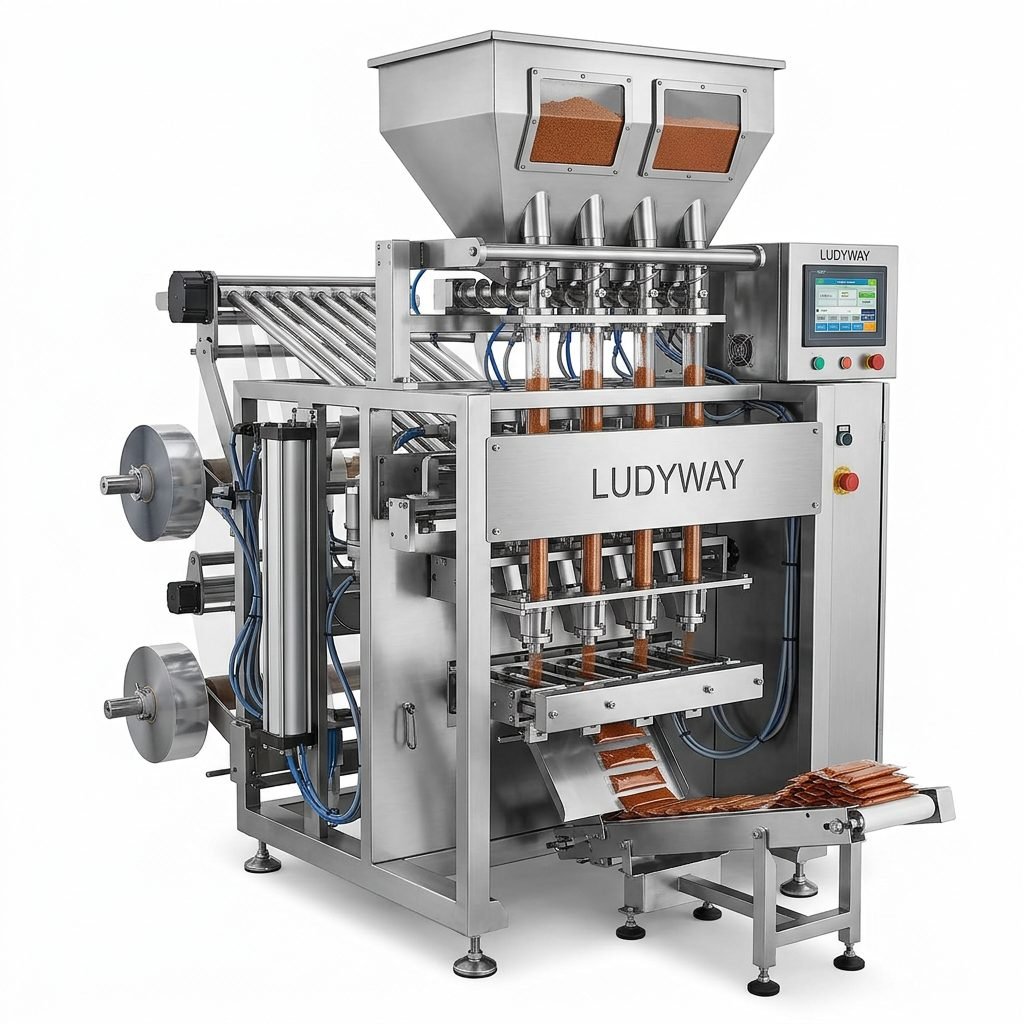
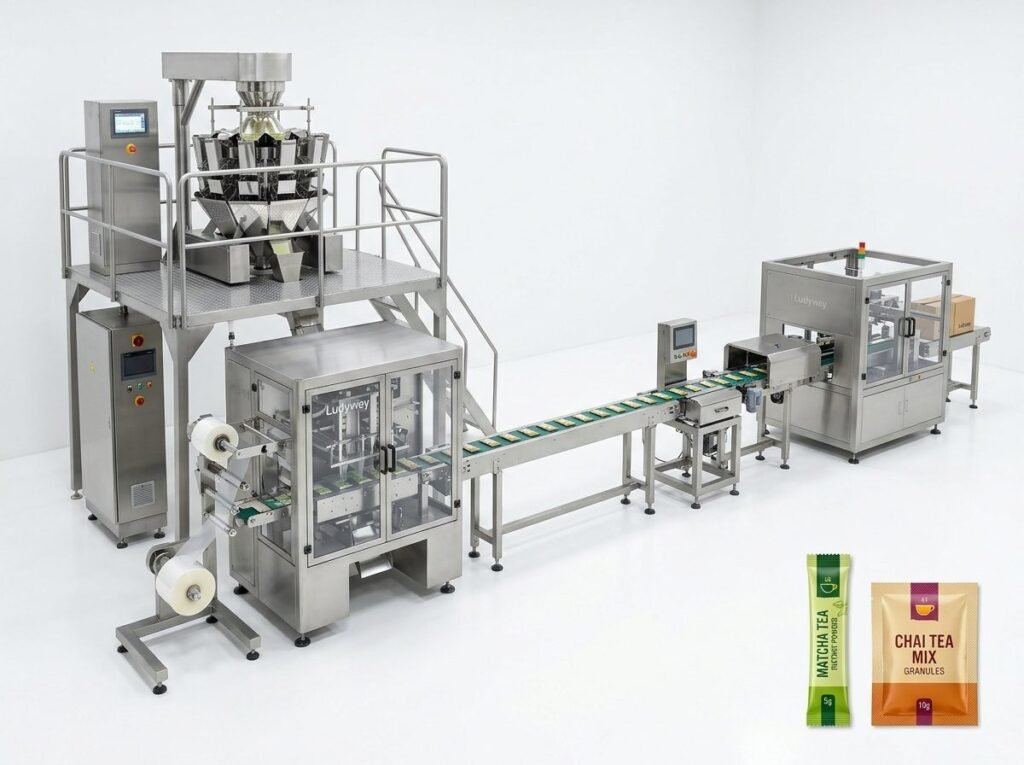
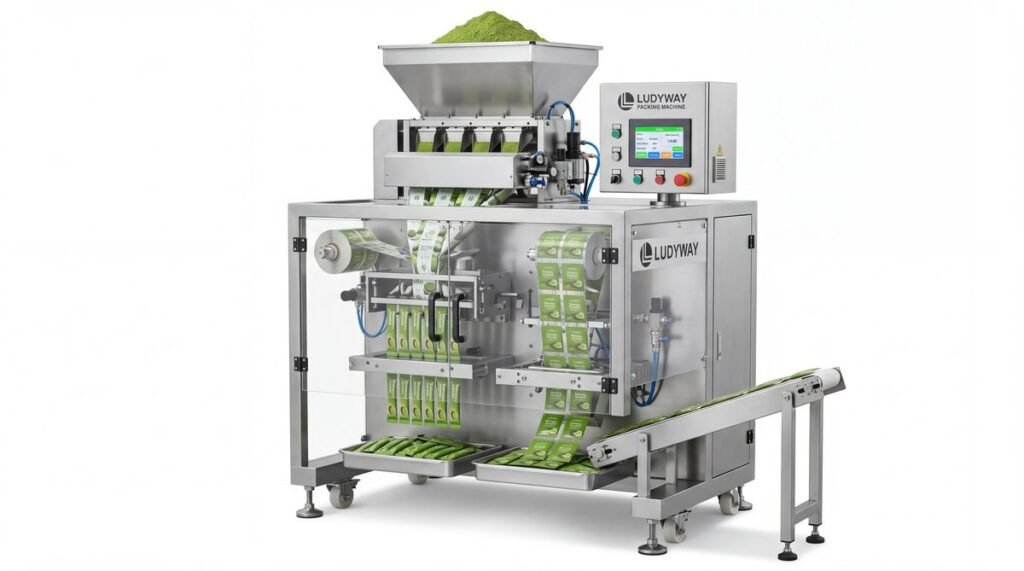
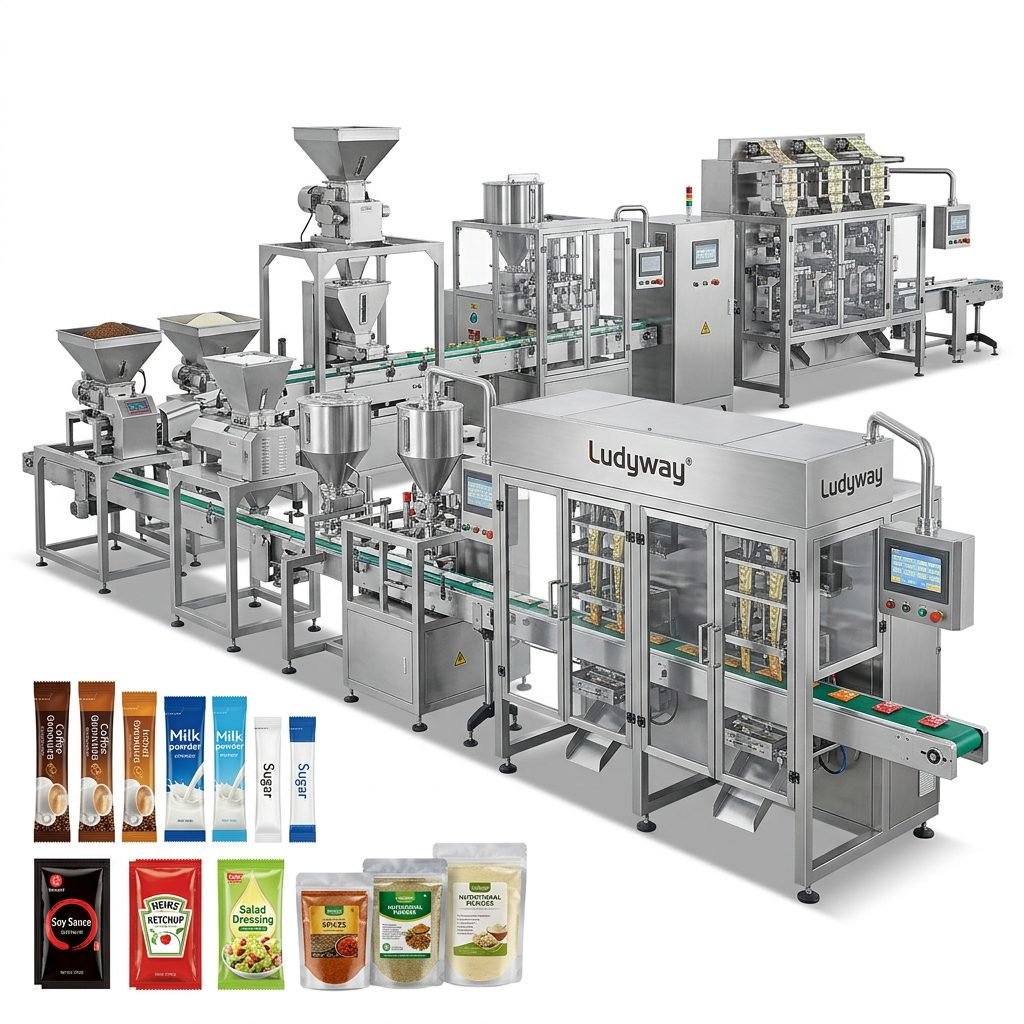
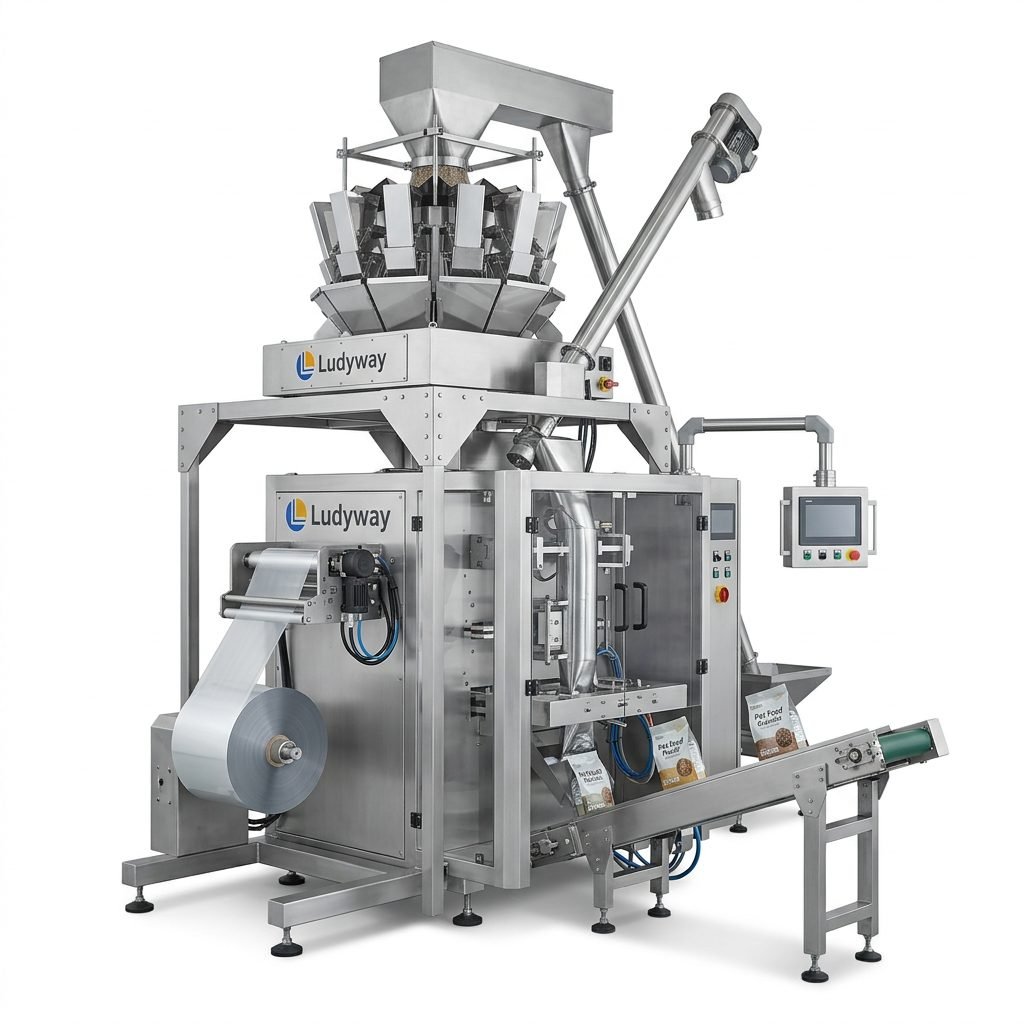
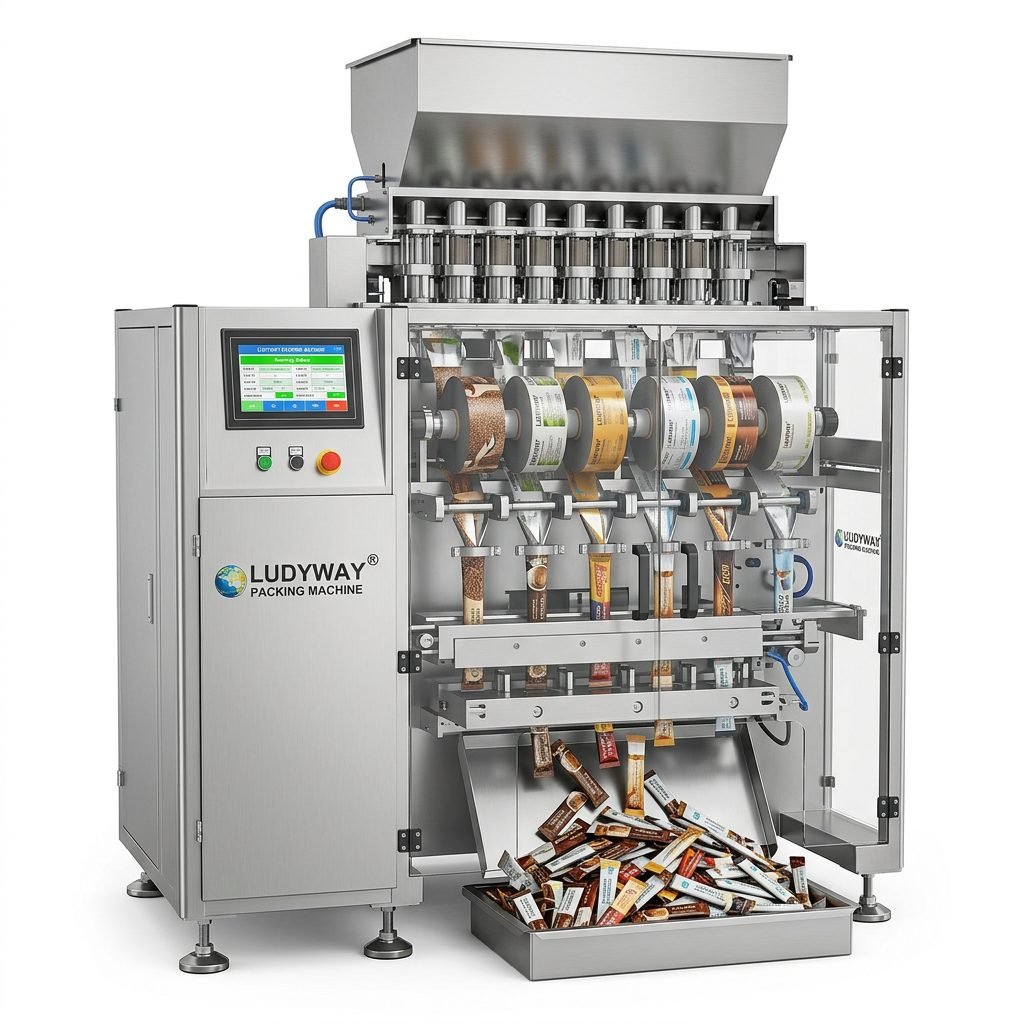
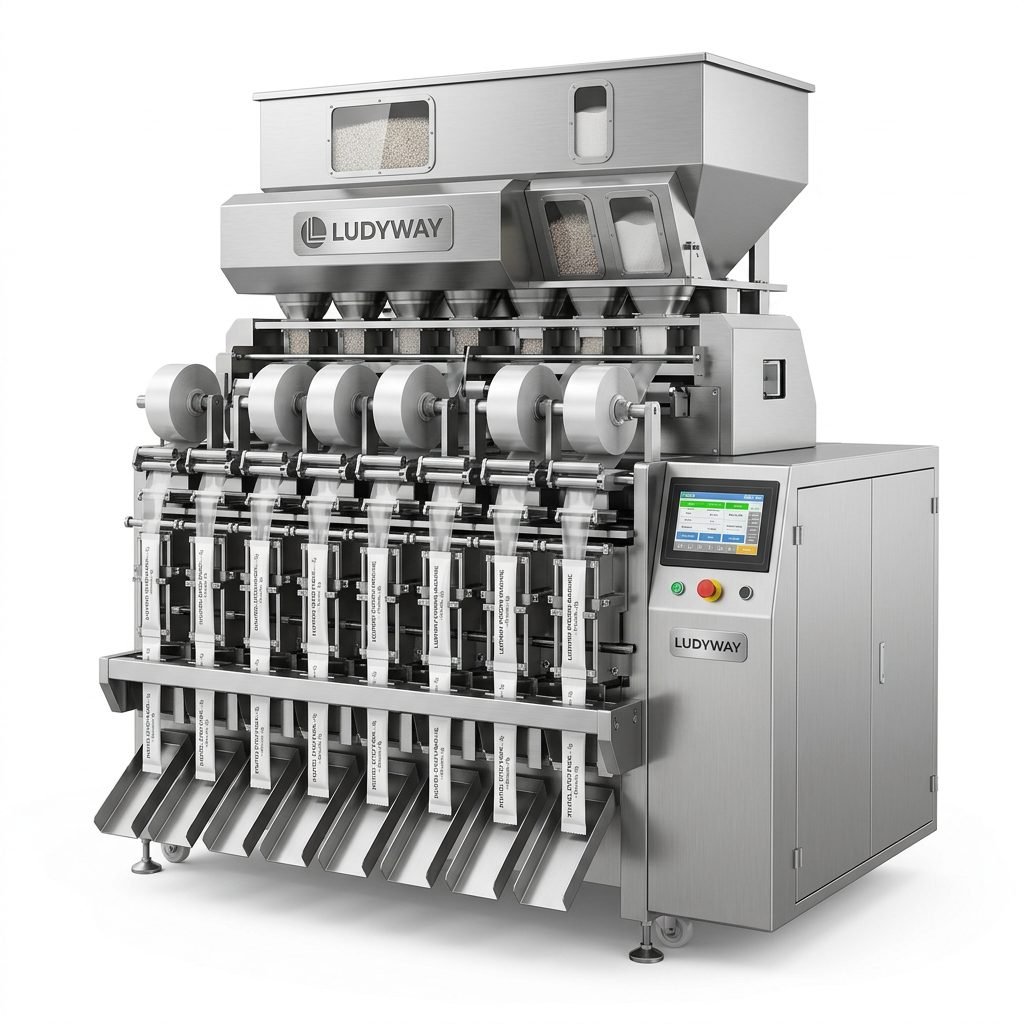
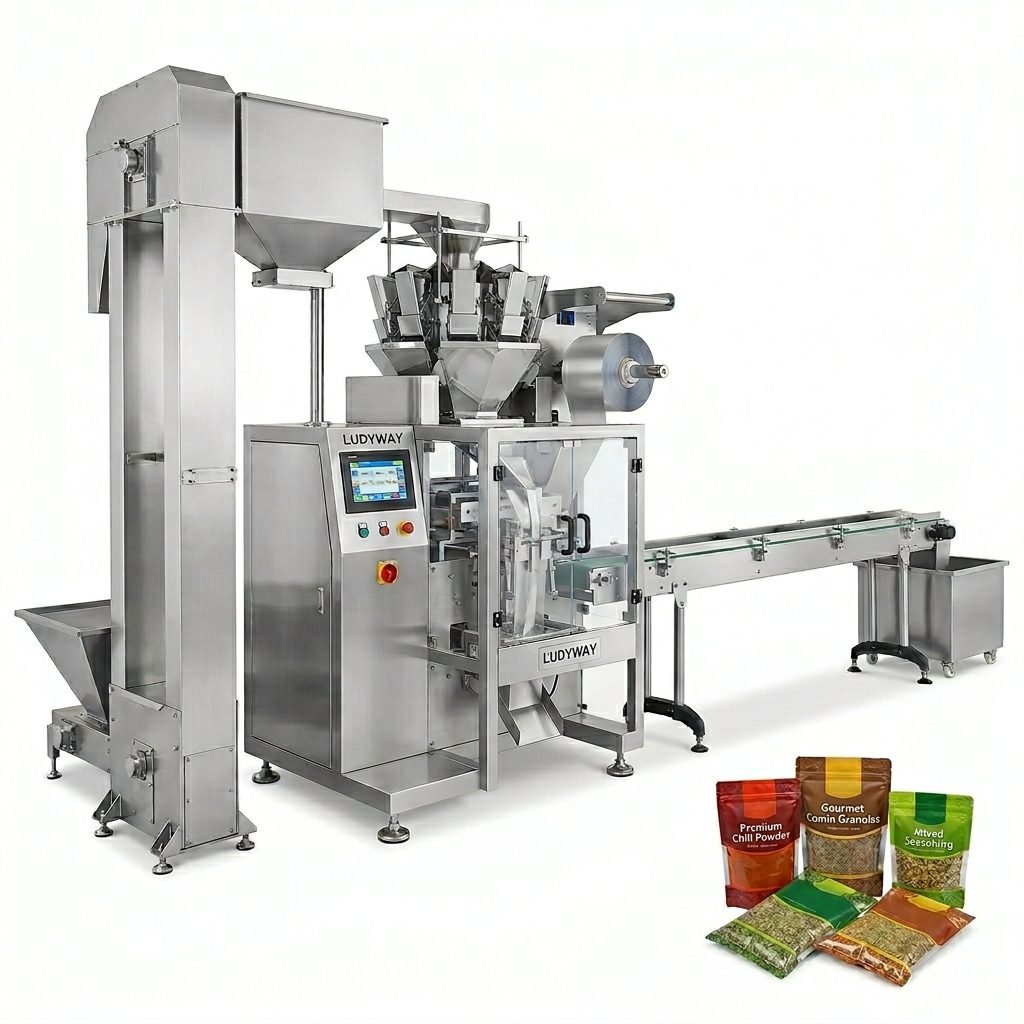
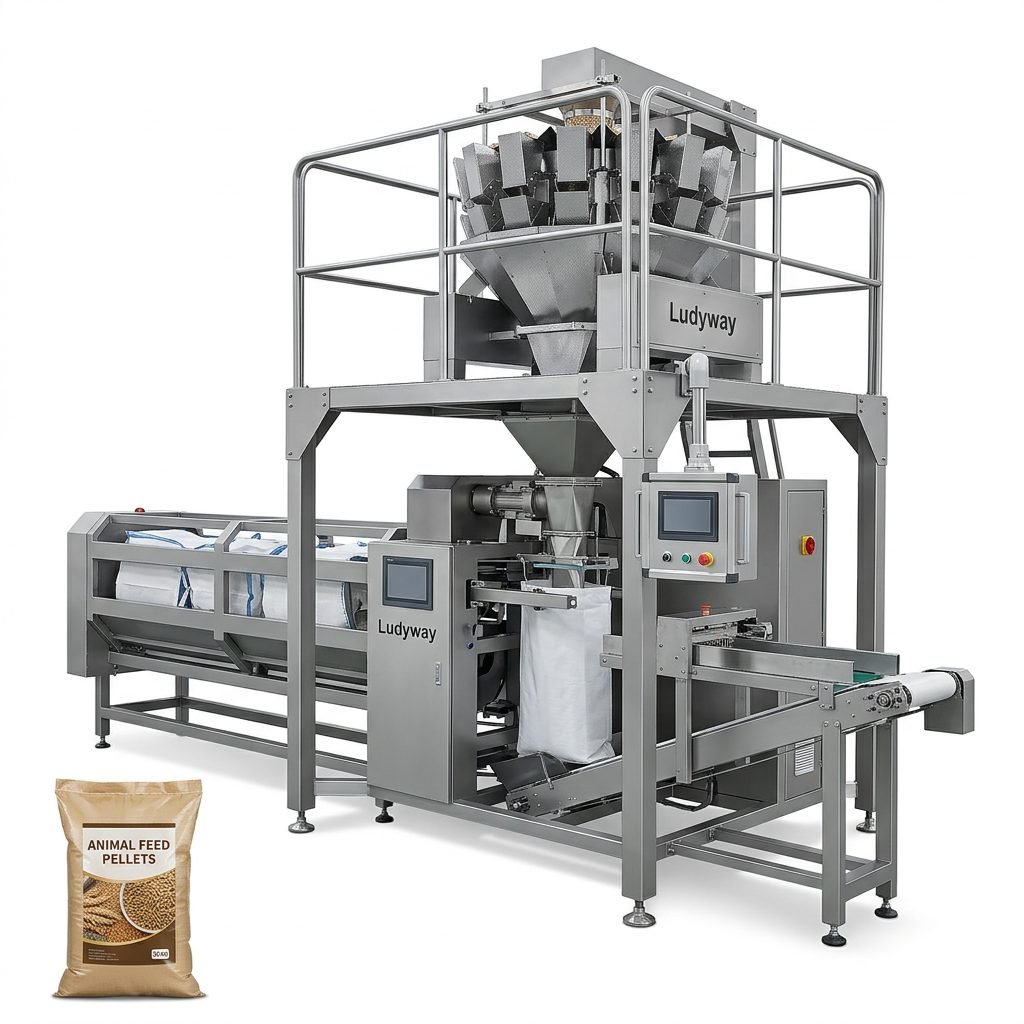
In the fast-paced world of manufacturing, packaging machinery is the backbone of production lines. Ensuring its smooth operation is not just a maintenance task; it’s a critical business strategy. Unplanned downtime can lead to significant financial losses, missed deadlines, and compromised product quality. A proactive and systematic maintenance approach is the key to maximizing equipment uptime, extending its operational life, and protecting your investment. This guide provides essential, actionable tips to help you achieve just that.
The Foundation: Implementing a Preventive Maintenance (PM) Program
A reactive “fix-it-when-it-breaks” approach is costly. A structured Preventive Maintenance program is the first and most crucial step. This involves scheduled inspections, cleaning, lubrication, and part replacements before failures occur.
Core Components of a PM Program:
• Daily Checks: Visual inspections for leaks, unusual noises, loose components, and cleanliness.
• Weekly/Monthly Tasks: Lubrication of moving parts, belt tension checks, and verification of sensor alignment.
• Seasonal/Annual Overhauls: In-depth inspection, replacement of wear parts (seals, gaskets, filters), and calibration of critical systems.
Document every action in a log. This history is invaluable for troubleshooting recurring issues and planning future maintenance budgets. Partnering with a reliable supplier like Ludyway Machinery can provide you with tailored maintenance schedules and access to genuine spare parts for your specific equipment models.
Daily & Operational Best Practices for Longevity
How your machine is operated daily has a massive impact on its health. Proper training for all operators is non-negotiable.
1. Master the Startup and Shutdown Sequences
Always follow the manufacturer’s recommended procedures. A proper startup allows systems to pressurize and lubricate gradually. A controlled shutdown ensures components are not left under stress and that the machine is in a safe state for the next start.
2. Prioritize Immaculate Cleanliness
Residue from products (powders, granules, liquids) is a primary cause of wear, corrosion, and jams. Establish a strict cleaning protocol for the end of every shift or product changeover. Use approved cleaning agents to avoid damaging seals and surfaces.
3. Use the Right Materials
Always use packaging films, pouches, or containers within the machine’s specified tolerances for thickness, width, and material properties. Using incorrect materials forces the machine to work harder, leading to premature wear on forming shoulders, seal jaws, and pull belts.
Lubrication: The Lifeblood of Your Machinery
Inadequate or incorrect lubrication is a leading cause of mechanical failure. Friction generates heat and wears down components exponentially.
Lubrication Checklist:
Right Type: Use only the lubricant grade specified in the manual (e.g., food-grade grease for food contact areas).
Right Amount: Over-lubrication can attract dust and grime, creating an abrasive paste. Under-lubrication causes dry running.
Right Interval: Adhere strictly to the lubrication schedule. High-speed bearings and chains often need more frequent attention.
Right Points: Lubricate all points indicated in the manual, including guide rails, bearings, cam followers, and chains.
Monitoring & Diagnostics: Catching Issues Early
Train operators and technicians to use their senses and the machine’s diagnostic tools.
Listen: New or changing sounds like grinding, knocking, or high-pitched squeals are early warnings.
Look: Monitor for inconsistent seals, misaligned packages, vibrations, or any visible signs of wear or damage.
Feel: Check for excessive heat on motors, bearings, or gearboxes.
Monitor Performance Data: Track metrics like packages per minute, rejection rates, and seal quality. A gradual decline often indicates a developing issue. Modern machines from providers like Ludyway often feature advanced HMI interfaces that log error codes and performance data, making diagnostics faster and more accurate.
Spare Parts Management and Professional Support
Having critical spare parts on hand can turn a multi-day downtime event into a few-hour repair. Don’t wait for a breakdown to order parts.
Build a Strategic Spare Parts Inventory:
Based on the machine manual and historical failure data, stock high-wear items: seals, gaskets, O-rings, belts, common sensors, and fuses. For complex components like servo motors or PLCs, have a trusted supplier who can provide rapid support. Leveraging a manufacturer’s expertise is key; for instance, exploring the range of intelligent packaging solutions can give insights into common maintenance needs for advanced systems.
Establish a relationship with a reliable service provider. Whether it’s the original manufacturer or a certified technician, having expert support for annual inspections, complex repairs, and operator training is invaluable for maintaining peak performance over the long term.
Conclusion: Maintenance as an Investment
Viewing packaging machinery maintenance as a strategic investment, rather than a necessary cost, transforms your operational mindset. A disciplined, proactive program directly reduces costly downtime, extends the productive life of your equipment, ensures consistent product quality, and improves overall safety. By implementing the essential tips outlined in this guide—from daily cleaning and proper lubrication to strategic spare parts management—you build a foundation for reliable, efficient, and profitable production for years to come.
Frequently Asked Questions (FAQs)
1. How often should I perform preventive maintenance on my packaging machine?
The frequency depends on usage (shifts per day), product type (abrasive powders vs. granules), and the manufacturer’s guidelines. Generally, daily checks, weekly lubrication, and a comprehensive inspection every 3-6 months are a good baseline. Always consult your specific machine manual.
2. What are the most common mistakes that shorten equipment life?
The top three are: neglecting regular lubrication, using incorrect or out-of-spec packaging materials, and failing to keep the machine clean, leading to residue buildup and corrosion.
3. Should I stock spare parts, and which ones are most critical?
Yes, a strategic spare parts kit is essential. Priority should be given to high-wear, fast-failure items that halt production: heater bands/ceramics for seal jaws, Teflon sealing strips, drive belts, photoelectric sensors, and common fuses or relays.
4. Can operator training really impact machine longevity?
Absolutely. Well-trained operators who follow correct startup/shutdown procedures, perform basic cleaning, and can identify early warning signs (unusual sounds, poor seal quality) are your first line of defense against major breakdowns.
5. When is it time to call a professional technician versus handling it in-house?
In-house teams should handle routine PM, cleaning, and simple part replacements per the manual. Call a professional for complex electrical diagnostics, mechanical overhauls, software/parameter issues, or any repair where you lack specific tools, documentation, or expertise to avoid causing further damage.