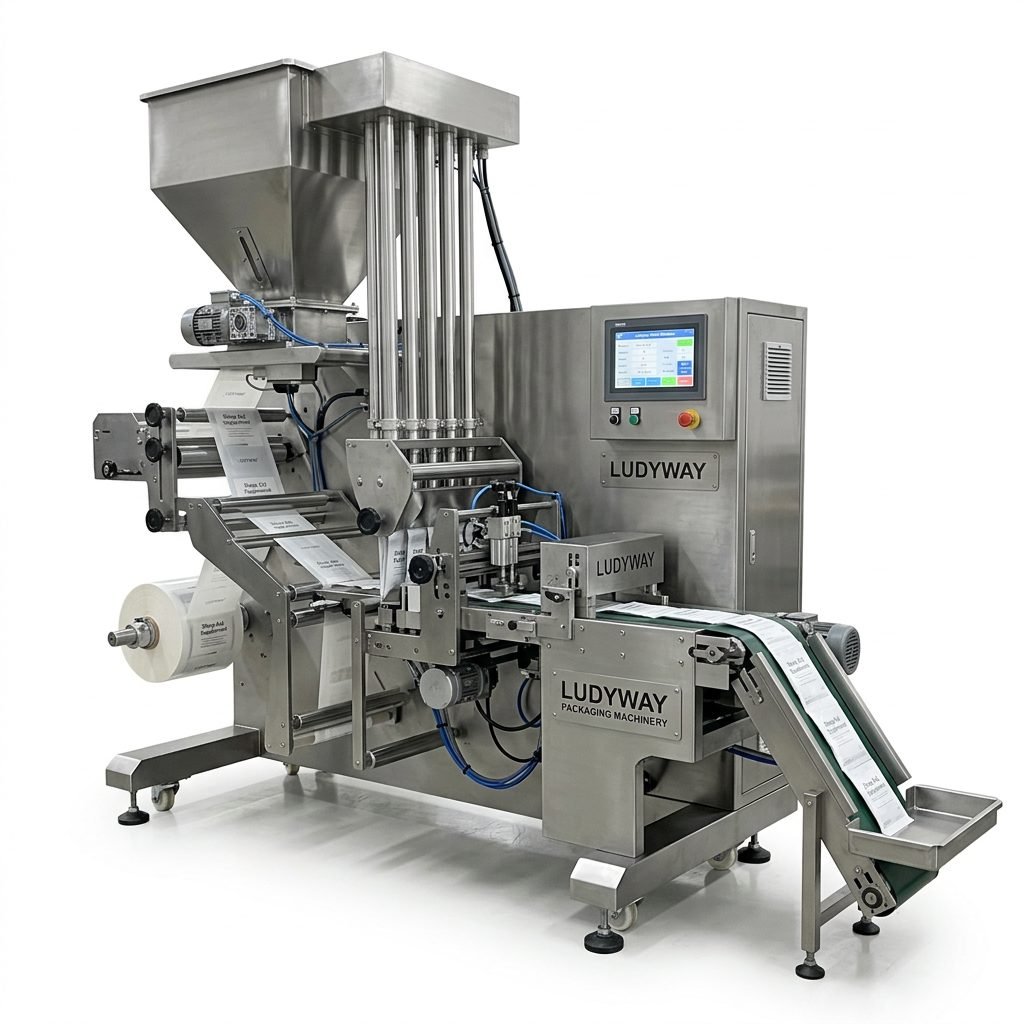
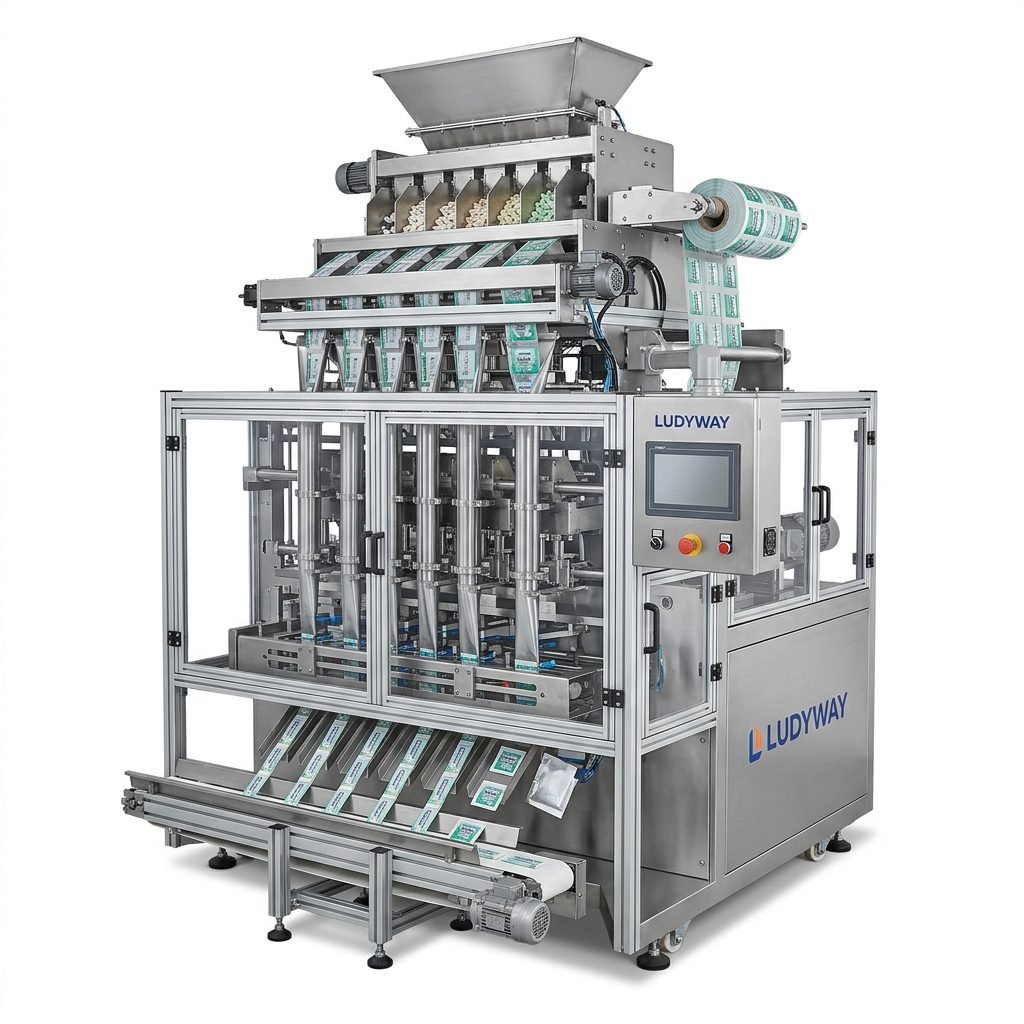
Choosing the right packaging equipment is a critical decision for any consumer product manufacturer. The machinery you select directly impacts production efficiency, product protection, brand presentation, and overall operational costs. With a vast array of technologies available, from simple filling machines to fully integrated turnkey lines, navigating the options can be complex. This comprehensive guide explores the main types of packaging equipment, their specific uses across different product categories, and provides a detailed buying framework to help you make an informed investment that aligns with your production goals and market demands.
Core Types of Packaging Equipment for Consumer Goods
The packaging process can be broken down into several key stages, each requiring specialized machinery. Understanding these categories is the first step in building an efficient packaging line.
Filling and Dosing Machines
These machines are responsible for accurately measuring and dispensing your product into its primary container—be it a pouch, bottle, stick, or sachet. Accuracy is paramount to ensure consistent product weight, comply with regulations, and control material costs.
Key Technology: Volumetric cup fillers, auger fillers (ideal for powders and granules), liquid piston fillers, and weigh scale fillers offer different levels of precision for various product forms.
Form-Fill-Seal (FFS) Machines
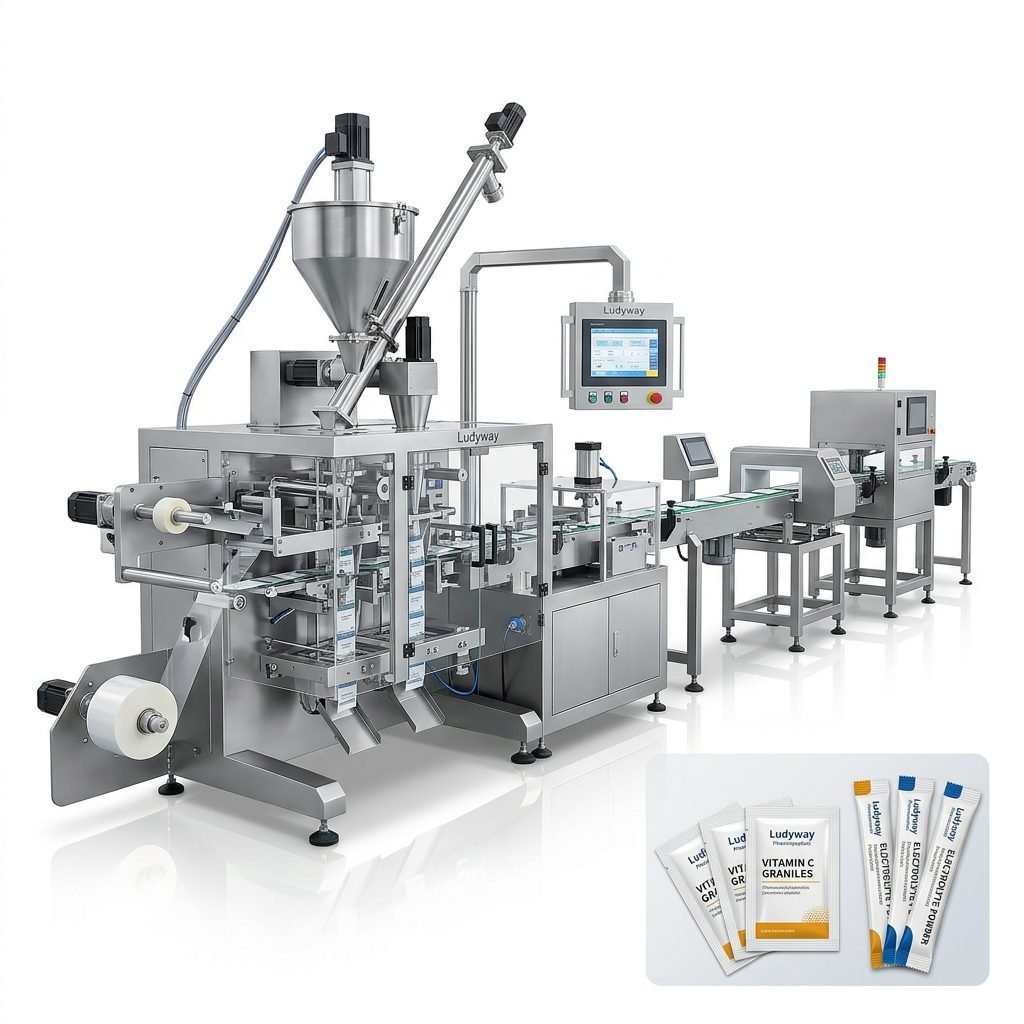
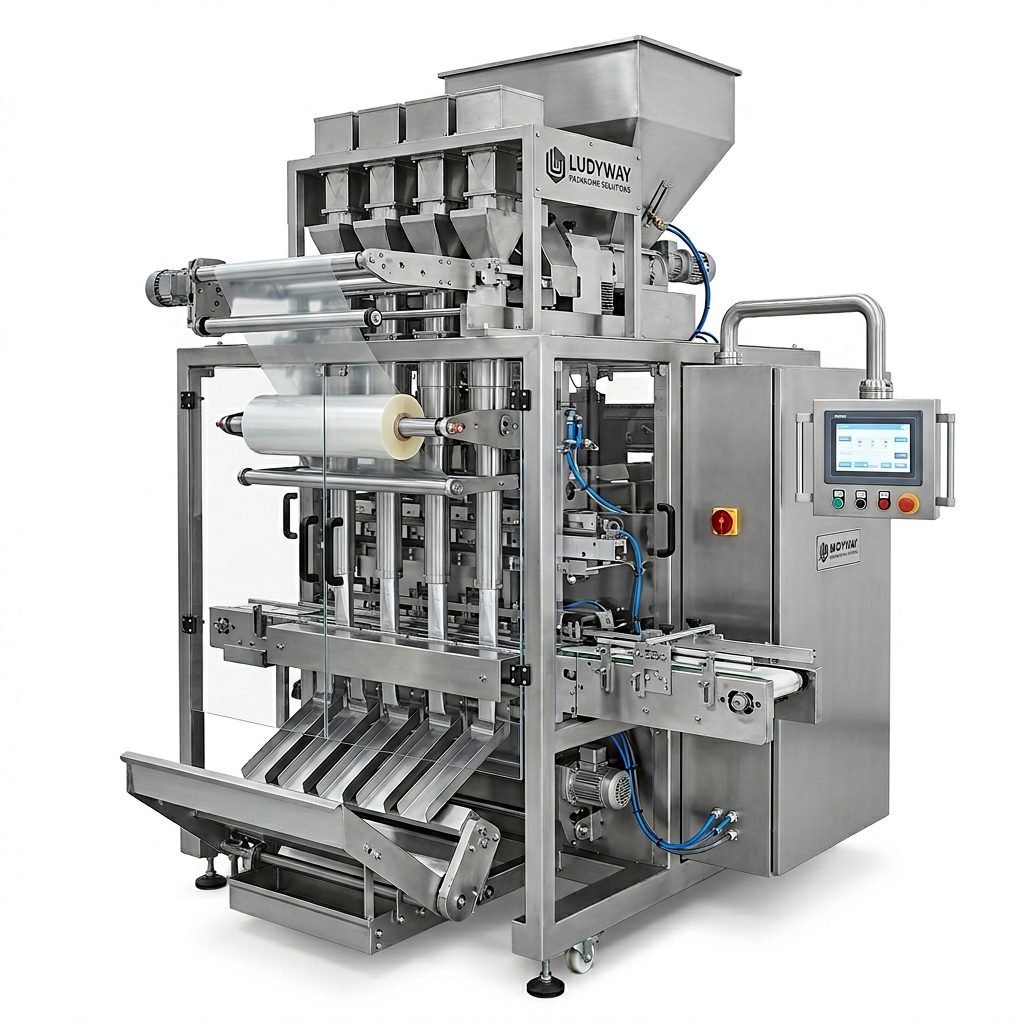
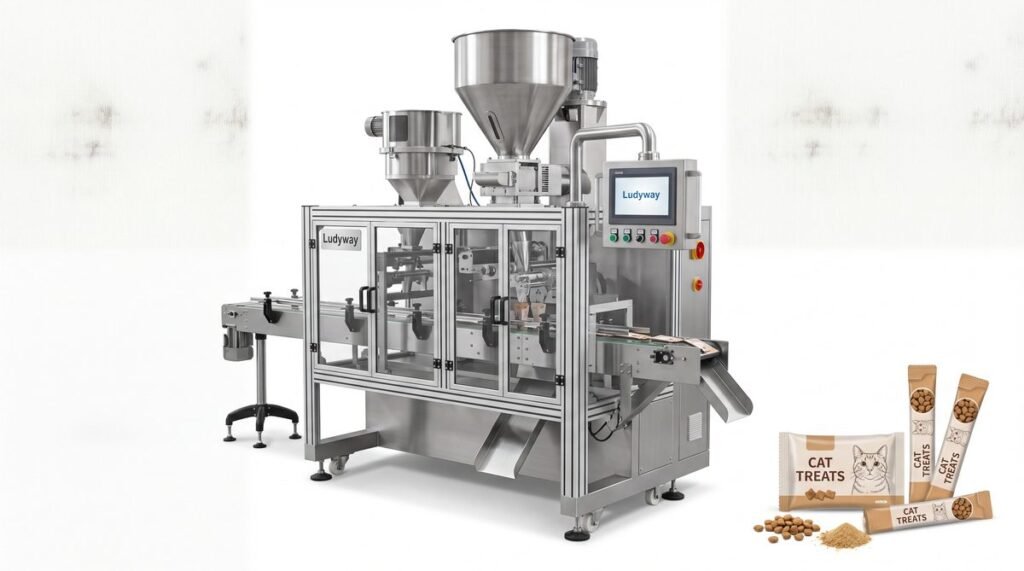
FFS machines represent a highly efficient, all-in-one solution. They form packaging from a roll of film, fill it with product, and seal it in a continuous operation. This technology is dominant for producing stick packs, sachets, and pillow pouches.
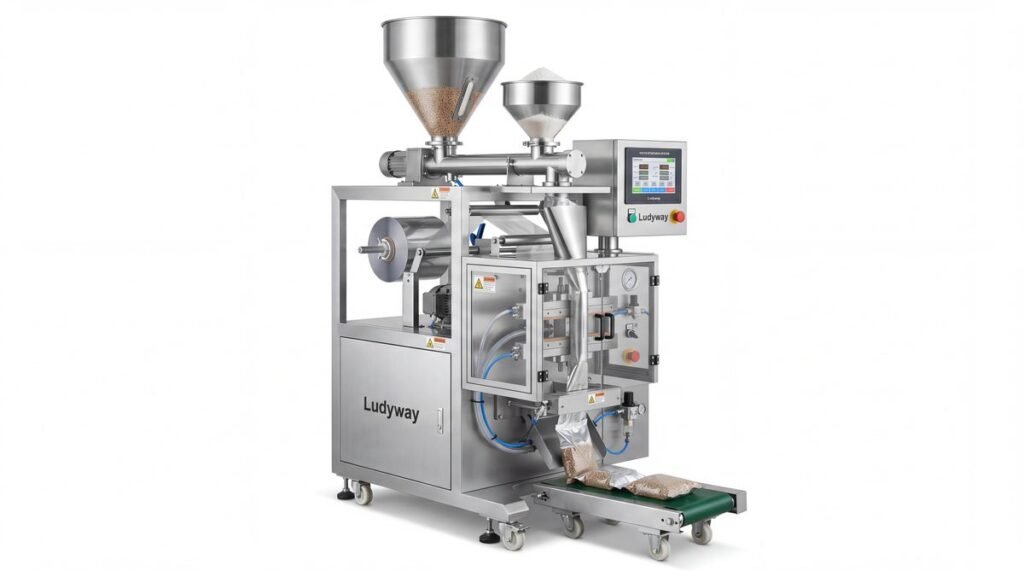
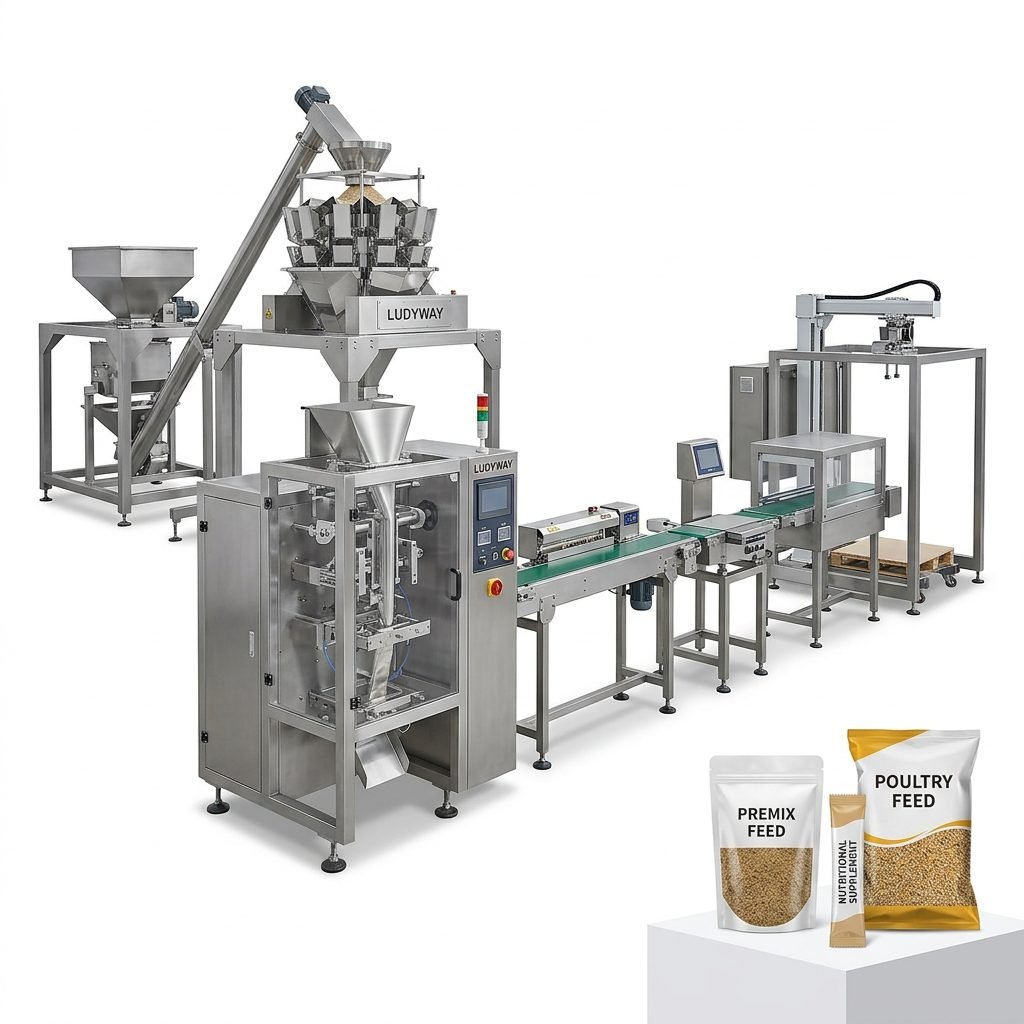
- Vertical FFS (VFFS): Perfect for granular products like coffee, sugar, snacks, and powders. The bag is formed vertically around a filling tube.
- Horizontal FFS (HFFS): Often used for items that need to be placed flat, such as cookies, candy bars, or wet wipes. The film runs horizontally.
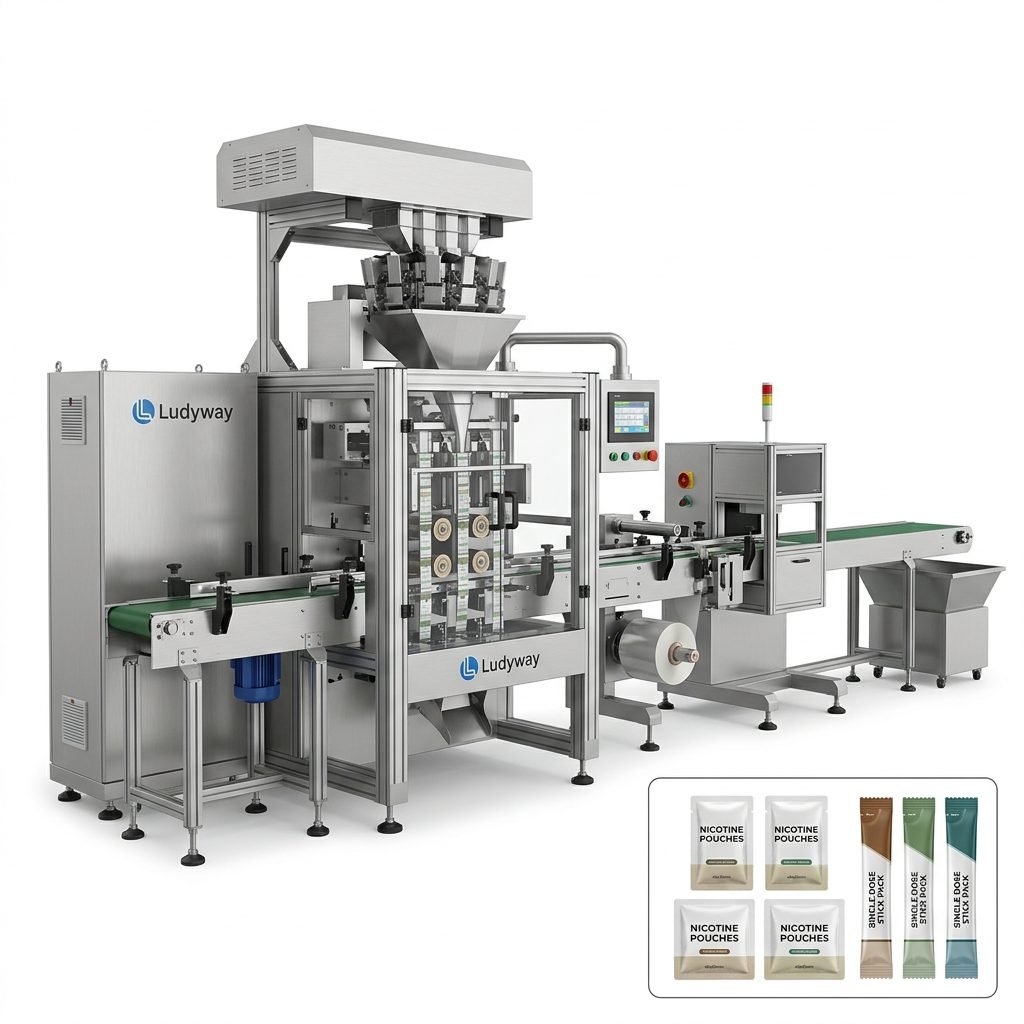
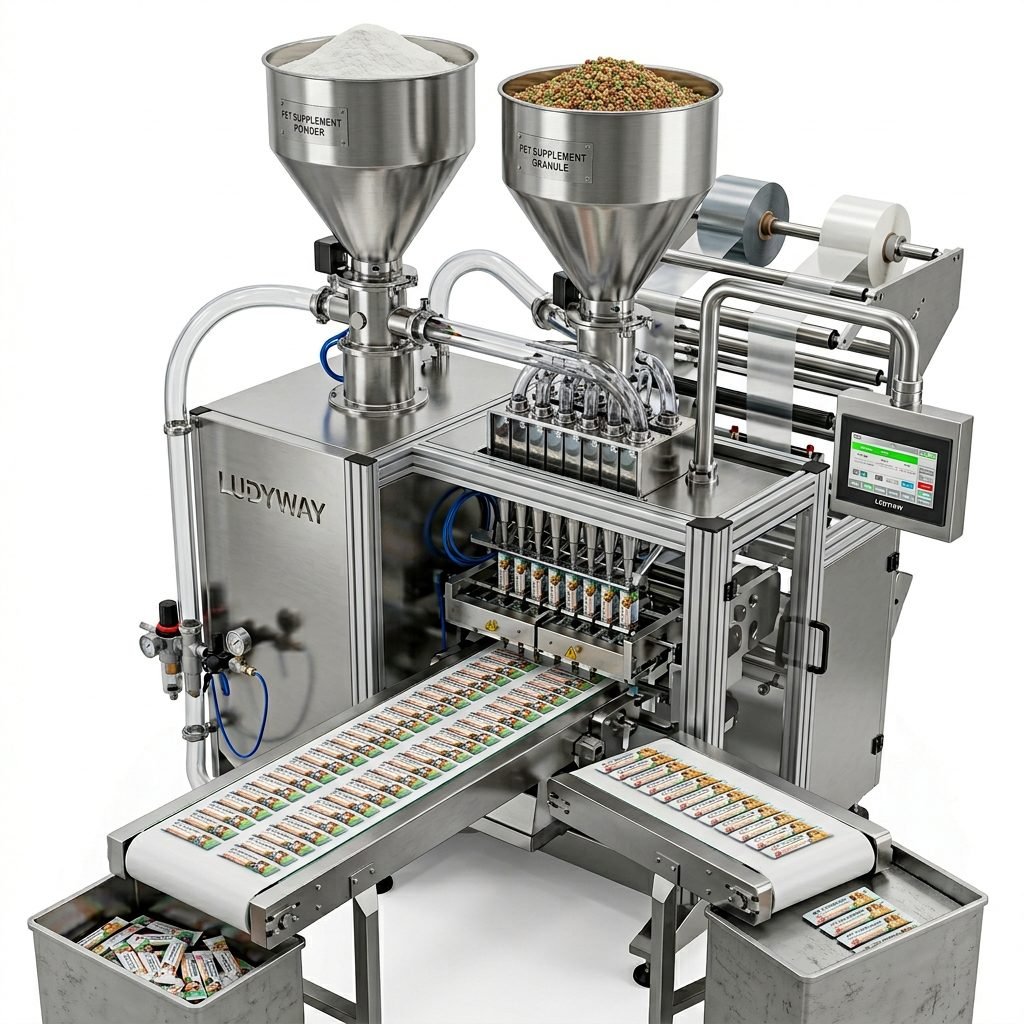
- Multi-Lane FFS: Advanced systems that produce multiple stick packs or sachets simultaneously, dramatically boosting output for high-volume products like drink mixes or pharmaceutical powders.
Capping, Sealing, and Lidding Equipment
Once a container is filled, it must be securely closed. This category includes cappers for bottles (screw caps, snap caps), induction sealers for tamper-evident liners, heat sealers for trays and cups, and lidding machines for yogurt or pudding containers.
Labeling and Coding Systems
This equipment applies vital information and branding. Labelers can handle pressure-sensitive labels, wrap-around labels, or heat-shrink sleeves. Coders, including inkjet and laser systems, print batch numbers, expiry dates, and barcodes directly onto the package or label.
Secondary and End-of-Line Packaging
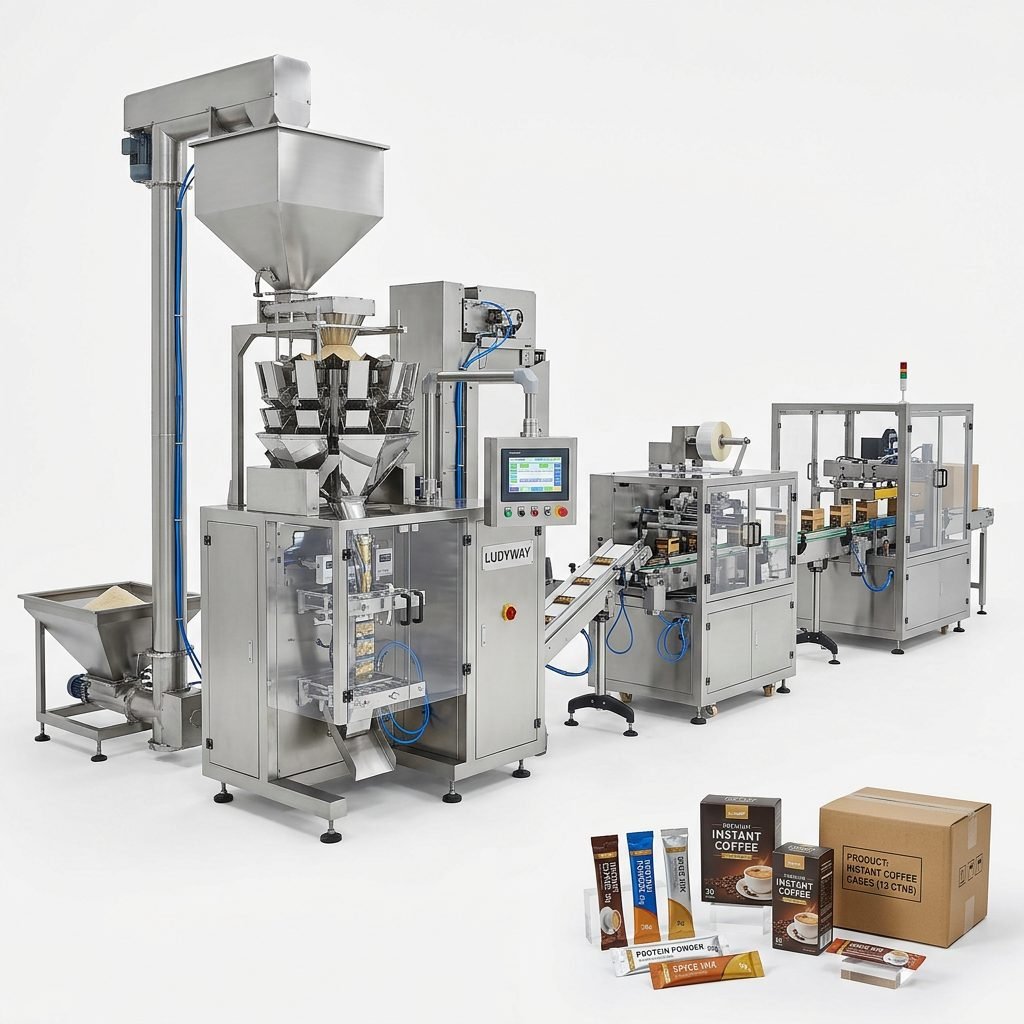
This involves grouping primary packages for shipping and retail display. Equipment includes cartoners, case packers, shrink wrappers, bundlers, and palletizers. Automation here reduces labor and ensures secure transit.
Matching Equipment to Product Type
Selecting machinery isn’t just about the process; it’s about your product’s specific physical characteristics.
Dry Goods (Granules & Powders)
Products like instant coffee, protein powder, spices, and detergent require excellent precision and dust control. Auger filler-based VFFS machines or multi-lane stick pack machines are industry standards. Hygroscopic powders may need climate-controlled feeding systems.
Liquids and Viscous Products
From sauces and oils to shampoos and creams, these products demand leak-proof integrity. Options include liquid piston filler VFFS machines for sachets, or separate filling lines for bottles paired with pump fillers and capping stations. Viscosity is a critical factor in choosing the pump type.
Solid Items and Snacks
Individually wrapped candies, snack bars, or tea bags often use horizontal FFS machines or tray sealing systems. Counters or weigh cells ensure the correct number of pieces per pack.
Essential Buying Guide: Key Considerations
Investing in packaging machinery is a significant commitment. Use this framework to evaluate your options systematically.
1. Assess Your Production Requirements
- Output Speed (Packs/Minute): Determine your required production rate based on current and forecasted demand. Don’t over-invest in excessive speed you won’t use.
- Product Flexibility: Will you run the same product forever, or do you need to switch between different sizes, formats, or products? Changeover time and ease are crucial for flexible operations.
- Available Floor Space: Measure your facility. A compact, modular line might be better than a sprawling linear setup.
2. Evaluate Machine Features and Build Quality
Look beyond the brochure. Inspect the construction: stainless steel contact parts are essential for food and pharma. Examine the control system—modern PLC touchscreens with recipe memory save time. Consider hygiene design (easy-clean surfaces) and safety features (guards, emergency stops).
3. Understand Total Cost of Ownership (TCO)
The purchase price is just the beginning. A reliable partner like Ludyway Packing Machine focuses on minimizing your TCO through:
✔ Energy Efficiency: Machines designed to minimize power and compressed air consumption.
✔ Low Maintenance & Spare Parts Cost: Robust design and readily available, reasonably priced spare parts.
✔ High Uptime & Reliability: Durable components and proven engineering ensure consistent production with fewer breakdowns.
✔ Technical Support & Training: Comprehensive startup training and accessible after-sales support prevent costly downtime.
4. Choose the Right Supplier Partner
Your machinery supplier should be a long-term partner. Prioritize suppliers with proven industry experience and a strong track record. Review their client portfolio and ask for references. Ensure they offer robust after-sales support, including installation, training, and local/remote technical assistance. A supplier that can provide customized solutions and act as a single point of contact for turnkey project management adds immense value.
5. Plan for the Future
Consider scalability. Can the line be easily upgraded or integrated with additional modules (e.g., checkweighers, vision systems) later? Choose a platform that can grow with your business.
Why Expertise Matters in Packaging Automation
Partnering with an expert provider bridges the gap between standard machinery and a optimized production solution. With over 30 years of industry experience, specialists understand the nuanced challenges of different products—from preventing powder clumping to ensuring a perfect seal on viscous liquids. They don’t just sell machines; they deliver production-ready solutions, often drawing from a portfolio of 50+ intelligent machine models to configure the ideal system. This expertise ensures your investment is not just in hardware, but in guaranteed performance, efficiency, and a smoother path to market.
Frequently Asked Questions (FAQs)
What is the main difference between vertical and horizontal form-fill-seal machines?
Vertical Form-Fill-Seal (VFFS) machines create bags that are formed, filled, and sealed vertically from a single roll of film, making them ideal for free-flowing granular, powder, and liquid products. Horizontal Form-Fill-Seal (HFFS) machines handle products that are placed flat into pre-formed pockets on a horizontal film web before being lidded with a second film layer, perfect for solid items like cookies, bars, or wipes.
How do I determine the right production speed for my packaging machine?
Calculate based on your current daily/weekly output needs with room for near-term growth. Consider factors like shifts per day, required downtime for changeovers, and maintenance. It’s often wiser to choose a slightly faster, reliable machine to handle demand peaks rather than one operating at 100% capacity constantly, which increases wear.
Can one packaging machine handle different product types and package sizes?
Many machines offer flexibility, but with trade-offs. Changeover between vastly different products (e.g., powder to granules) may require extensive parts changes and cleaning. Changing package sizes on the same product type is more common. Look for machines with “quick-change” features for format parts and digital recipe storage to minimize changeover time.
What are the most important hygiene considerations for food or pharmaceutical packaging?
Critical factors include the use of food-grade stainless steel (AISI 304 or 316) for all product contact parts, a design with minimal crevices and easy disassembly for cleaning, effective sealing to prevent contamination, and often compliance with specific standards like GMP (Good Manufacturing Practice). Proper hygiene design is non-negotiable in these industries.
Is investing in a fully automated turnkey line worth it for a small to medium business?
It depends on your labor costs, growth trajectory, and quality requirements. While the initial investment is higher, a turnkey line from a single supplier like Ludyway reduces coordination complexity, ensures component compatibility, and can provide a faster ROI through significant labor savings, higher consistency, and increased output. A phased automation approach, starting with a core machine and adding modules later, is also a viable strategy.