The cannabis industry has experienced rapid growth and increasing regulation, making efficient, compliant, and attractive packaging more critical than ever. For producers, selecting the right cannabis flower packaging machine is not just an operational decision—it’s a strategic investment that impacts product integrity, brand perception, and bottom-line profitability. This guide delves into the types of machines available, their key features, and provides a clear framework for choosing the best system for your specific needs.
Understanding the Core Types of Cannabis Flower Packaging Machines
The packaging process for cannabis flower typically involves weighing, filling, and sealing. Machines are generally categorized by their automation level and the type of final package they produce.
1. Pre-Made Bag Fillers
These systems use bags that are pre-formed, often with a branded design or specific material properties. The machine’s function is to open the bag, fill it with a precise weight of flower, and then seal it closed.
- ✓ Common Output: Mylar bags, stand-up pouches, flat pouches.
- ✓ Best For: Brands focused on high-quality retail presentation, requiring child-resistant (CR) features, and using varied bag sizes.
- ✓ Key Consideration: Requires inventory of pre-printed bags, which can limit last-minute design changes.
2. Form-Fill-Seal (FFS) Machines
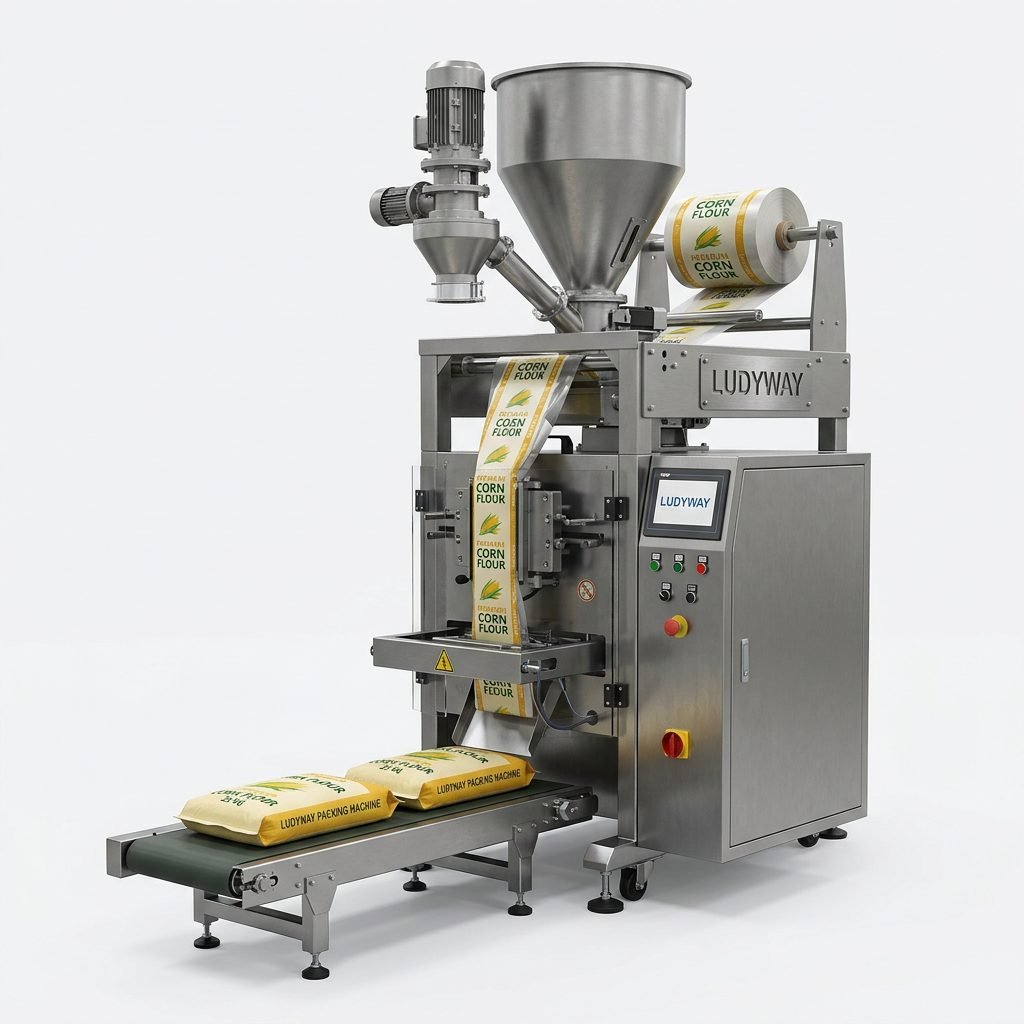
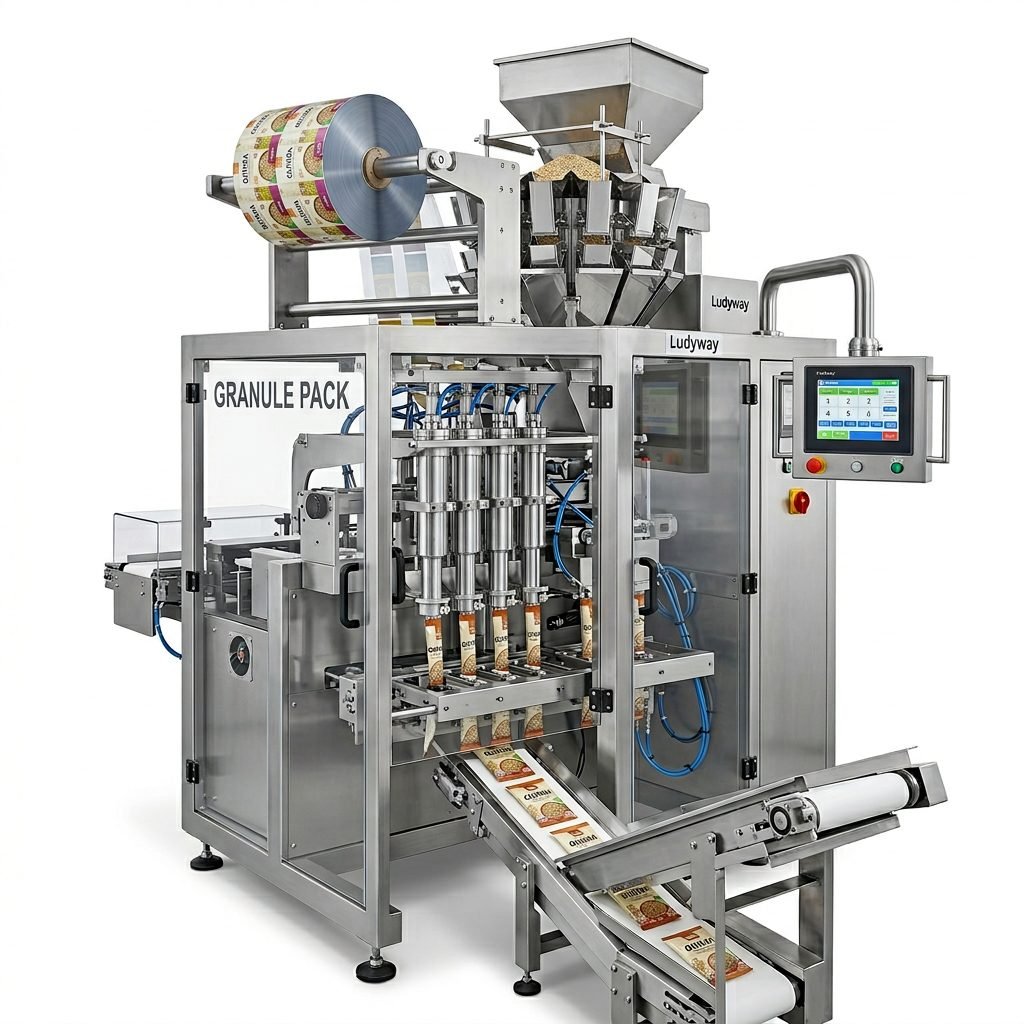
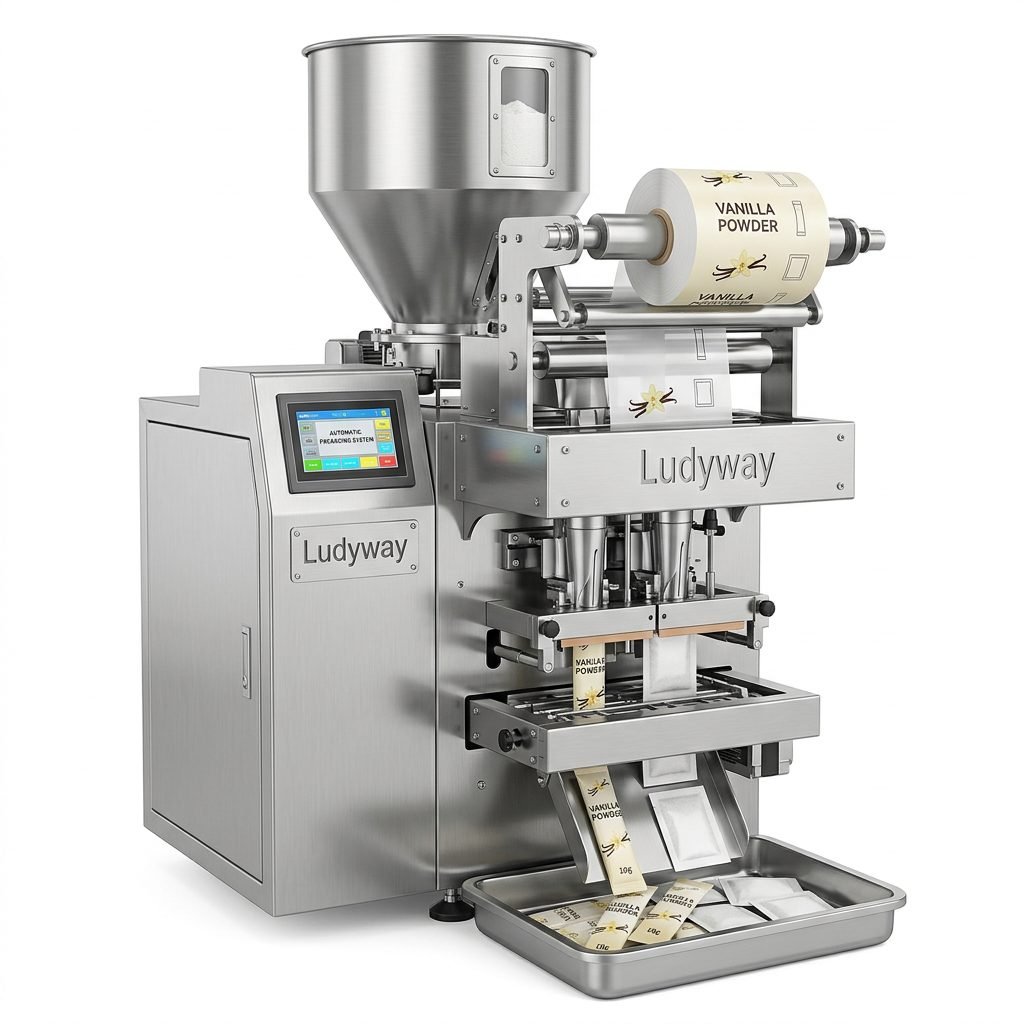
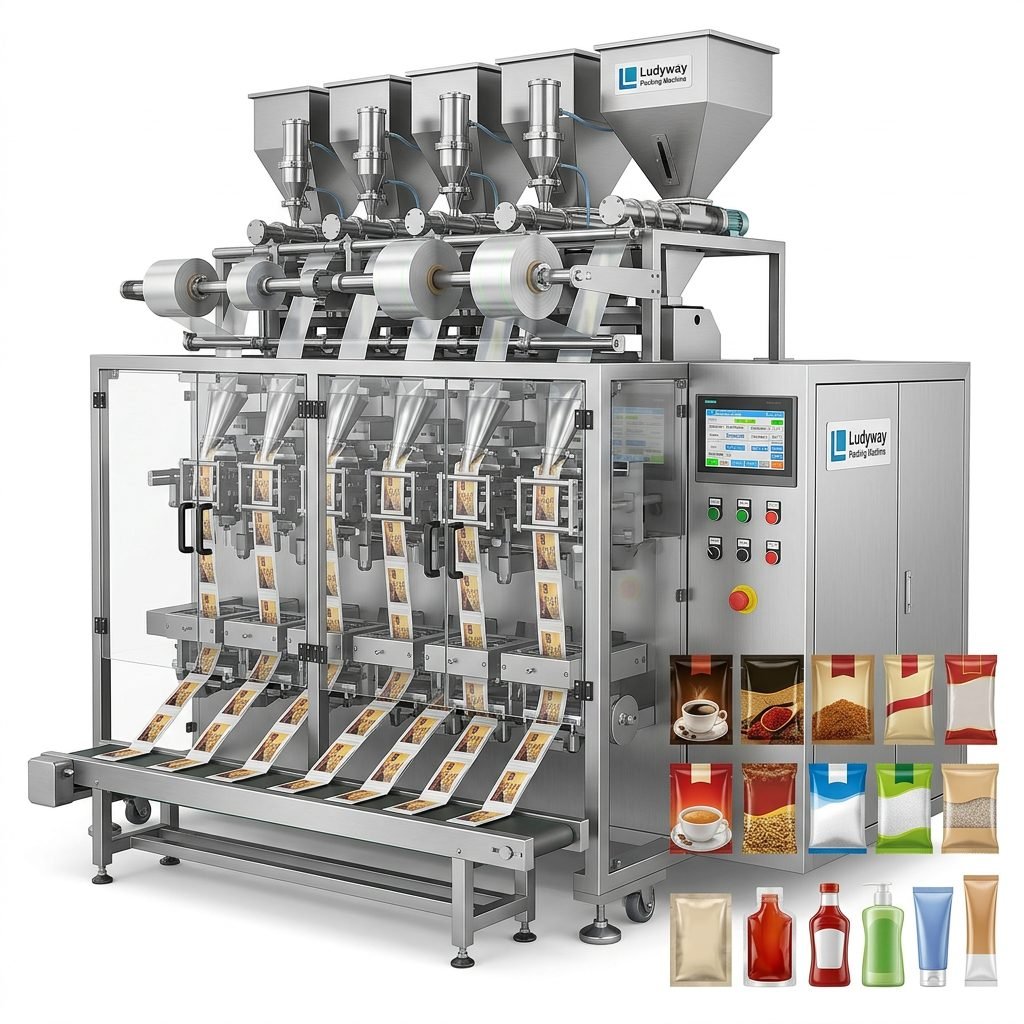
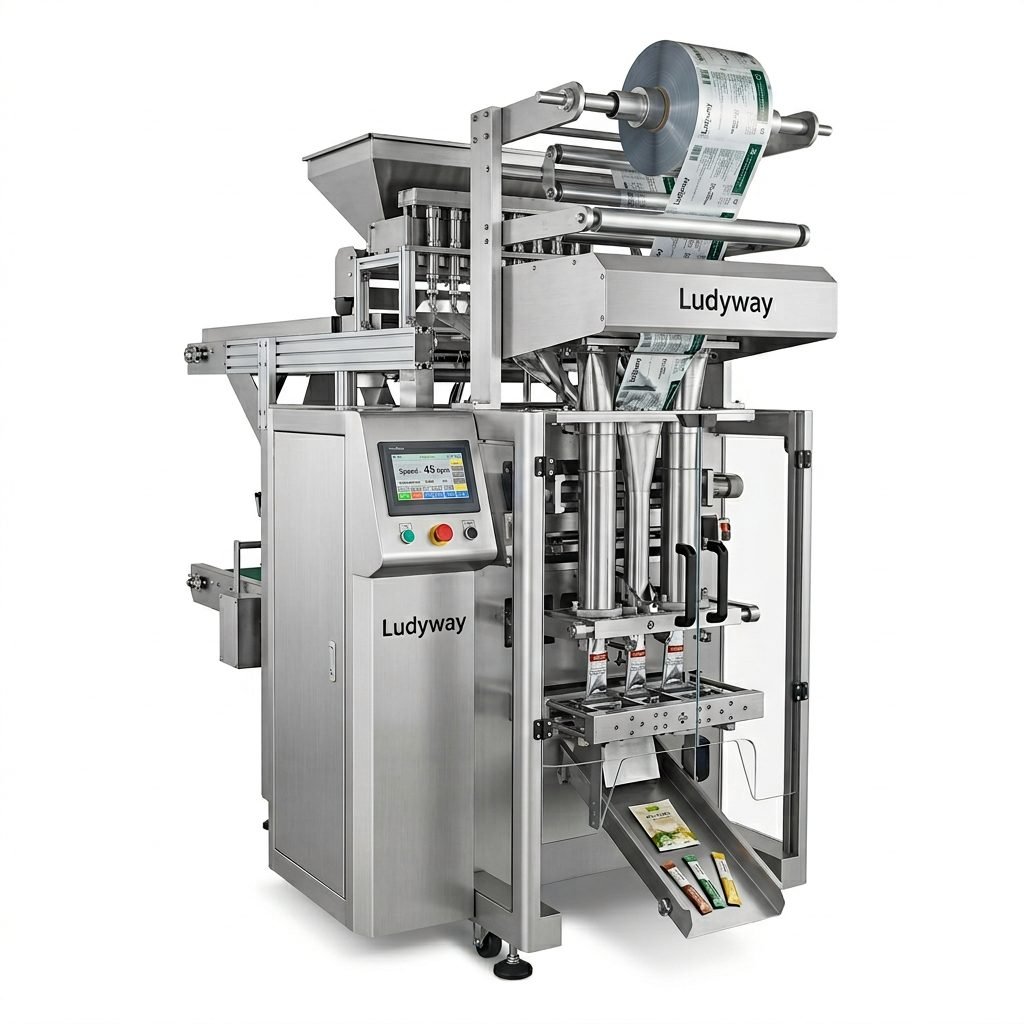
Also known as vertical form-fill-seal (VFFS) machines, these are highly automated systems that create the package from a roll of film. The film is formed into a bag, filled, and sealed in one continuous process.
- ✓ Common Output: Pillow pouches, gusseted bags.
- ✓ Best For: High-volume production runs where efficiency and lower material costs are priorities. Excellent for standardizing package size.
- ✓ Key Consideration: Offers great flexibility in bag length but may have limitations on complex bag shapes compared to pre-made options.
3. Jar and Tin Fillers
These machines are designed to handle rigid containers like glass jars, plastic containers, or metal tins. They often involve a multi-step process: container feeding, filling, lid placing, and sealing/torquing.
- ✓ Common Output: Glass jars with CR lids, plastic pop-top containers.
- ✓ Best For: Premium product lines, concentrates, or markets where rigid containers are the consumer standard for perceived quality and superior freshness preservation.
- ✓ Key Consideration: Generally slower than bagging machines and requires handling of multiple components (container, lid, seal).
Essential Features to Evaluate in a Packaging System
Beyond the basic type, several features are non-negotiable for cannabis operations due to regulatory and product-specific demands.
Weighing and Dosing Accuracy
Precision is paramount. Look for machines with high-accuracy scales (e.g., multi-head weighers, precision load cells) that can handle the variable density and “fluffiness” of cannabis flower. In-line checkweighers are a valuable add-on to ensure every package meets the labeled weight, avoiding regulatory fines and maintaining consumer trust.
Child-Resistant (CR) and Tamper-Evident Capabilities
In most legal markets, cannabis packaging must be child-resistant. Machines must be able to integrate with CR zippers, CR bags, or apply CR lids consistently. Tamper-evidence, such as tear strips or induction seals under lids, is also a critical feature for product safety and compliance.
Material Handling and Gentleness
Cannabis buds are delicate. Packaging systems should minimize drop height and use gentle handling mechanisms (like bucket elevators or vibratory trays with adjustable intensity) to prevent trichome loss and bud breakage, which directly impacts product quality and potency.
Nitrogen Flushing and Degassing Valves
For superior freshness and mold prevention, many producers use nitrogen flushing to displace oxygen inside the package. Machines should have an integrated gas flushing system. For products that may off-gas, integrating a one-way degassing valve application is an essential feature for maintaining package integrity.
How to Choose the Best System for Your Operation
Selecting the ideal machine requires a careful analysis of your current and future business needs.
1. Assess Your Production Volume and Speed Requirements
Calculate your required output in packages per minute (PPM). A small craft producer may only need 10-20 PPM, while a large-scale operation might require 60+ PPM. Match the machine’s rated speed to your needs with some room for growth. Remember, speed often comes at the cost of flexibility or a higher price point.
2. Define Your Package Portfolio
Consider the range of sizes (e.g., 1g, 3.5g, 7g, 14g, 28g) and package types (bags, jars, tins) you plan to offer. Changeover time between different package formats is a critical metric. Machines with quick-change parts and recipe storage in the control panel can significantly reduce downtime.
3. Prioritize Compliance and Integration
Ensure the machine is designed to meet the specific regulatory requirements of your target markets. Furthermore, consider how it will integrate with your existing workflow—upstream from trimming and curing, and downstream to labeling, cartoning, and traceability systems like METRC data entry points.
4. Evaluate Total Cost of Ownership (TCO)
Look beyond the initial purchase price. Factor in:
- • Consumable Costs: Price and availability of films, bags, or lids.
- • Maintenance: Ease of cleaning (especially for resinous flower), accessibility of parts, and cost of service contracts.
- • Support: Availability of technical support, training, and spare parts from the supplier. A machine from a reliable packaging partner with proven industry experience can save immense cost and hassle over time.
5. Request a Live Product Test
Never buy based on specifications alone. Always send your actual cannabis flower to the manufacturer or dealer for a live demonstration. This test will reveal the true accuracy, speed, and gentleness of the machine with your specific product.
Partnering with the Right Equipment Provider
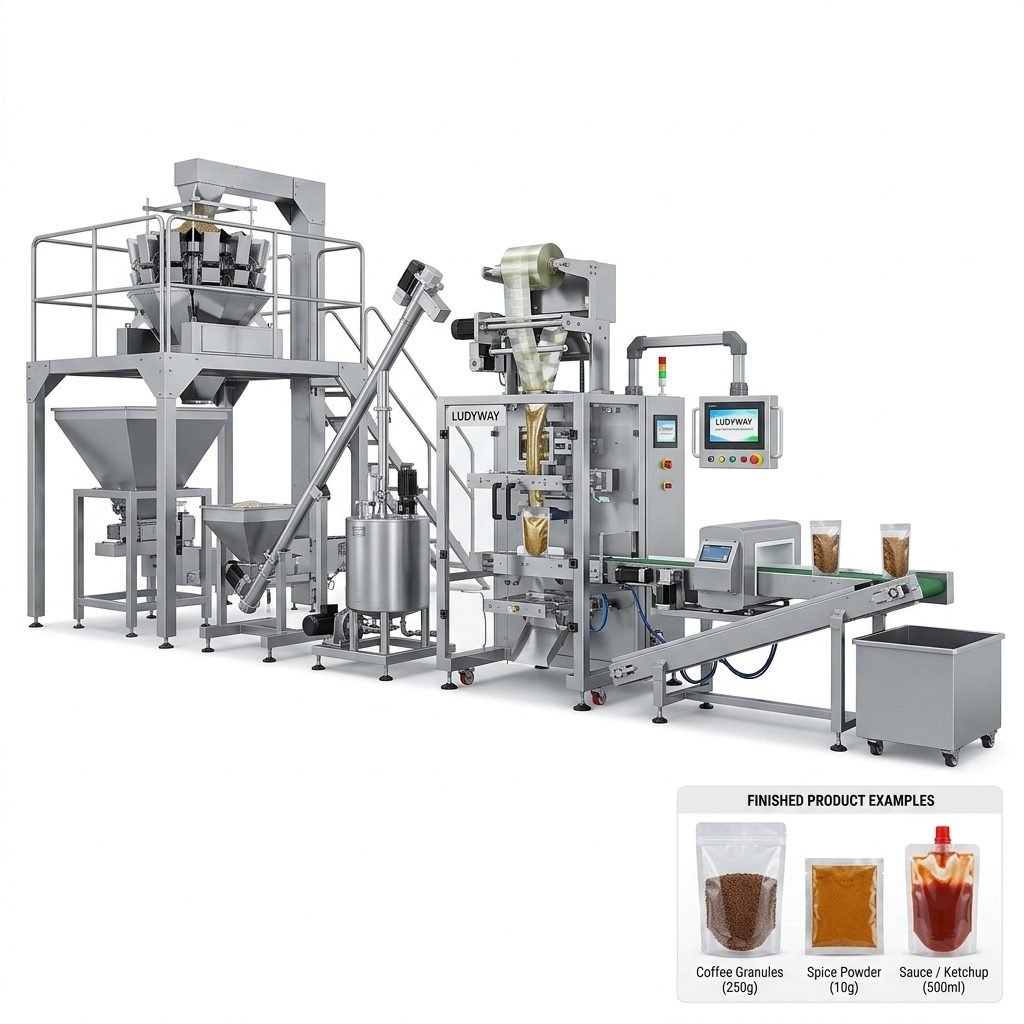
Choosing a machine is also about choosing a partner. Look for a provider with direct experience in the cannabis industry, as they will understand the unique challenges of the plant material and the regulatory landscape. A provider offering comprehensive after-sales support, training, and readily available spare parts is invaluable. Companies that specialize in turnkey packaging solutions can often provide a more integrated and hassle-free setup, from the packaging machine to the conveying and labeling systems that complete your line.