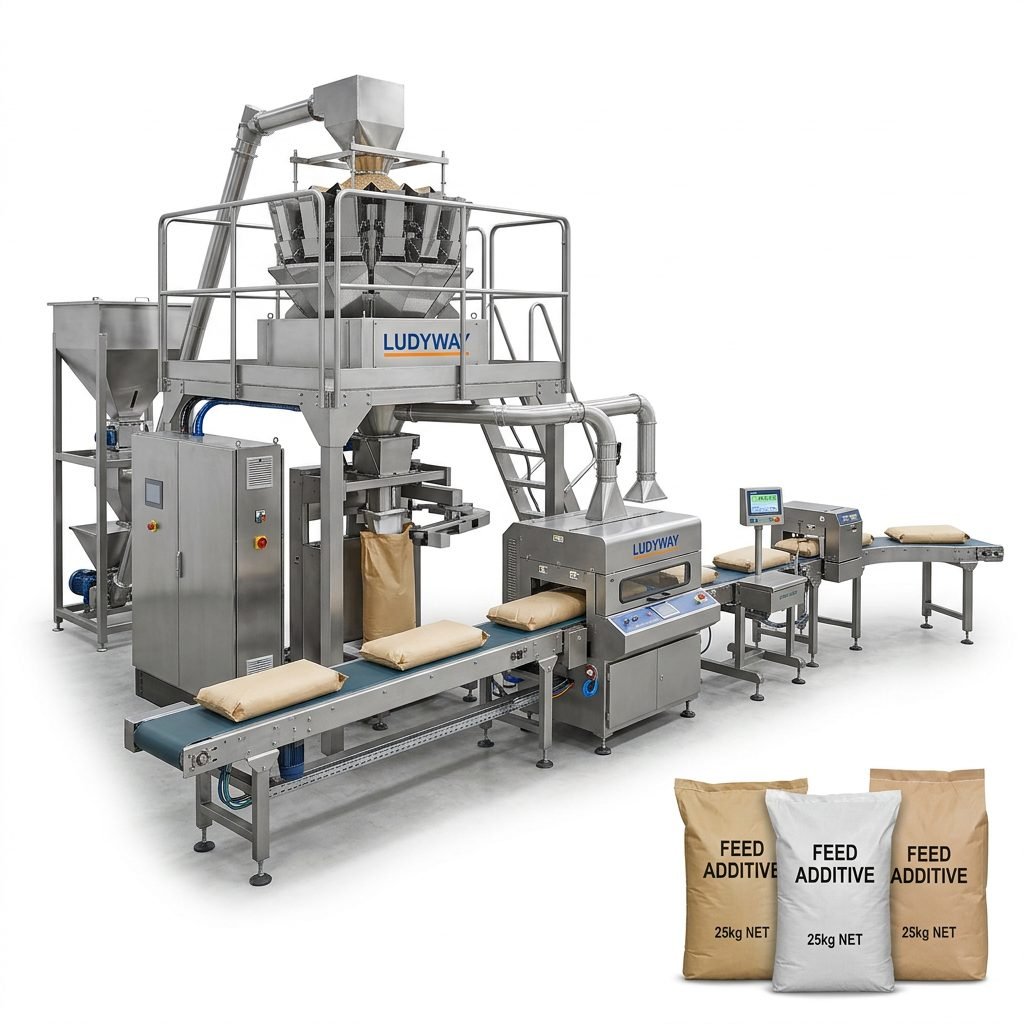
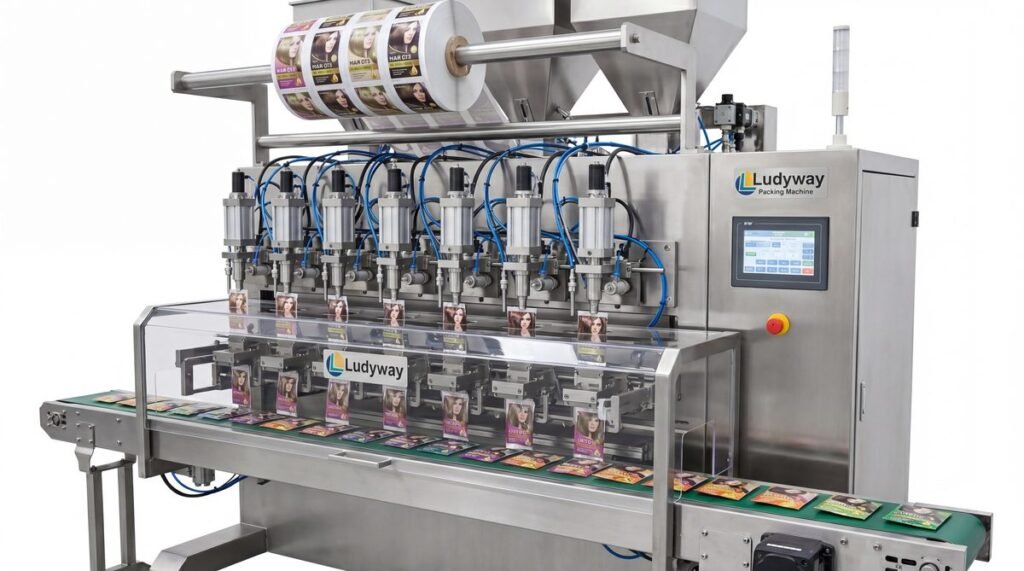
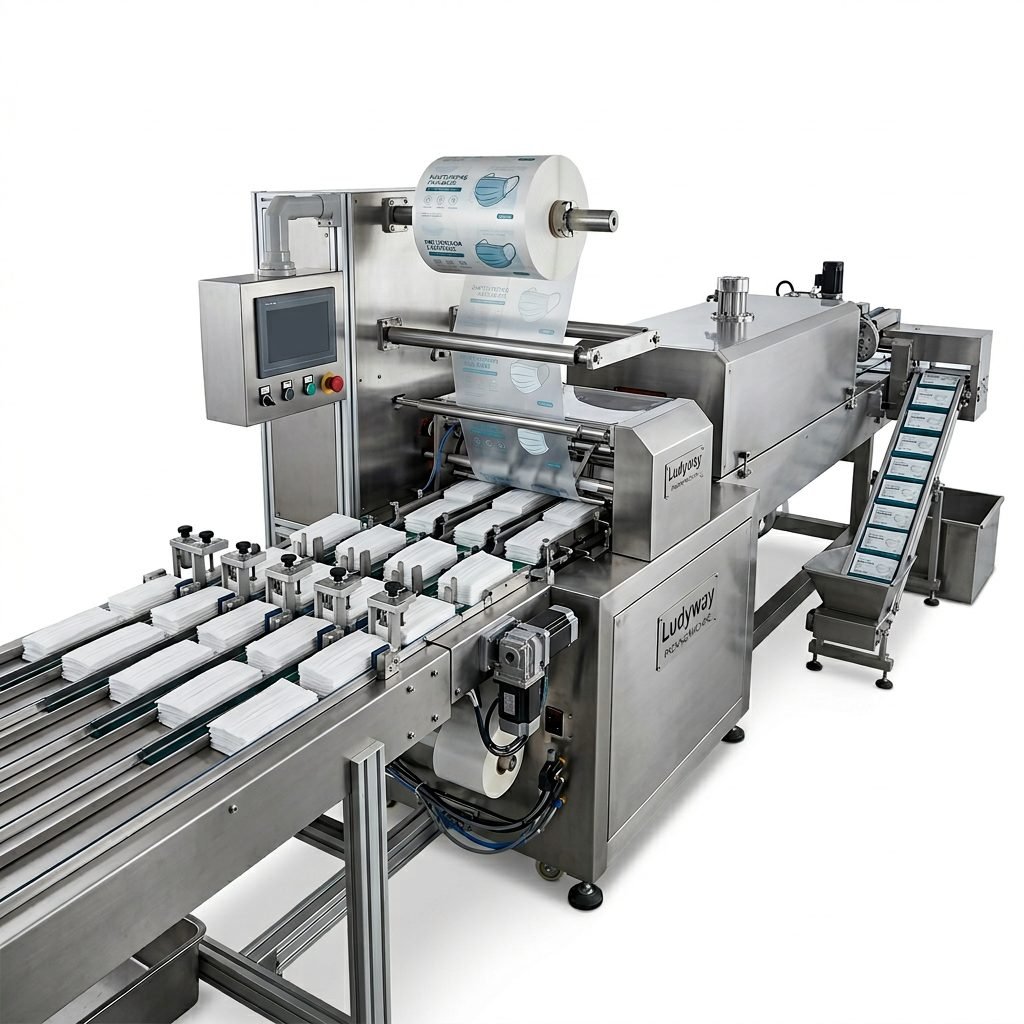
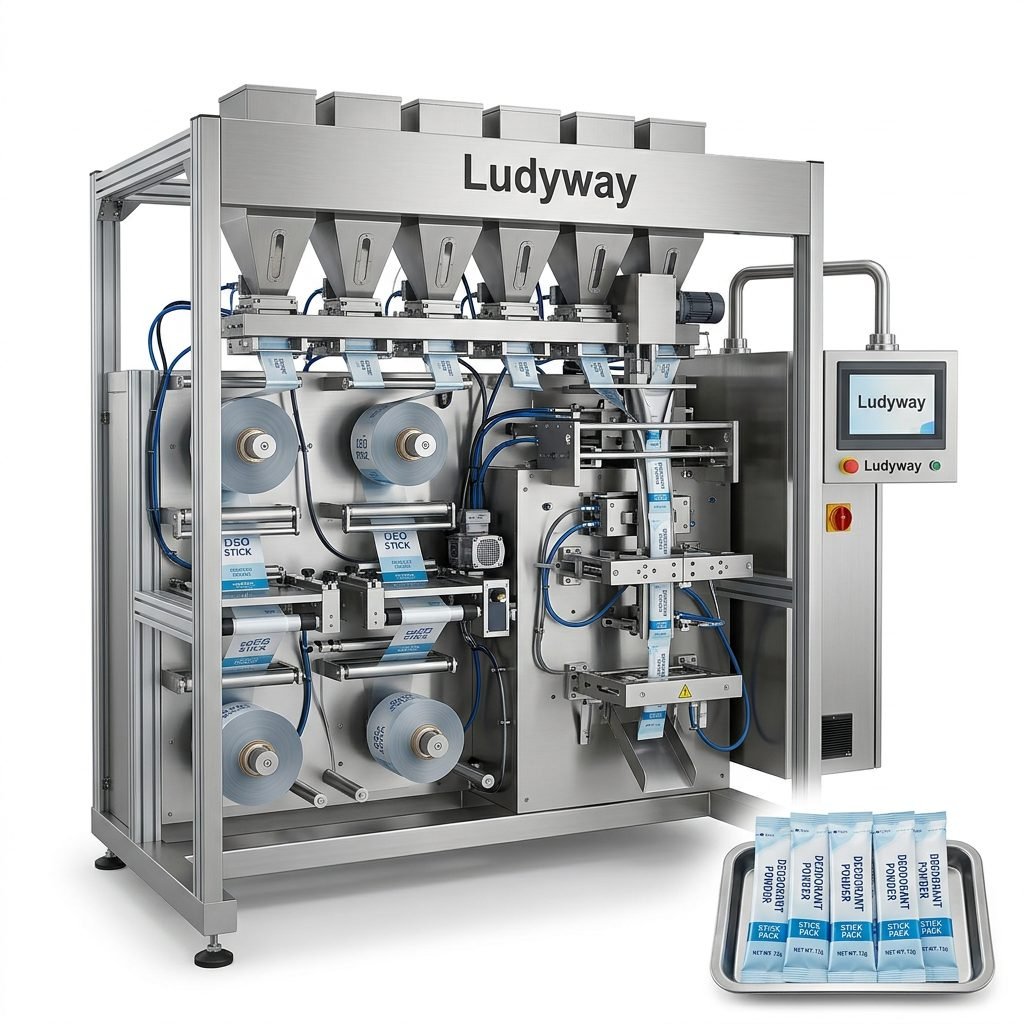
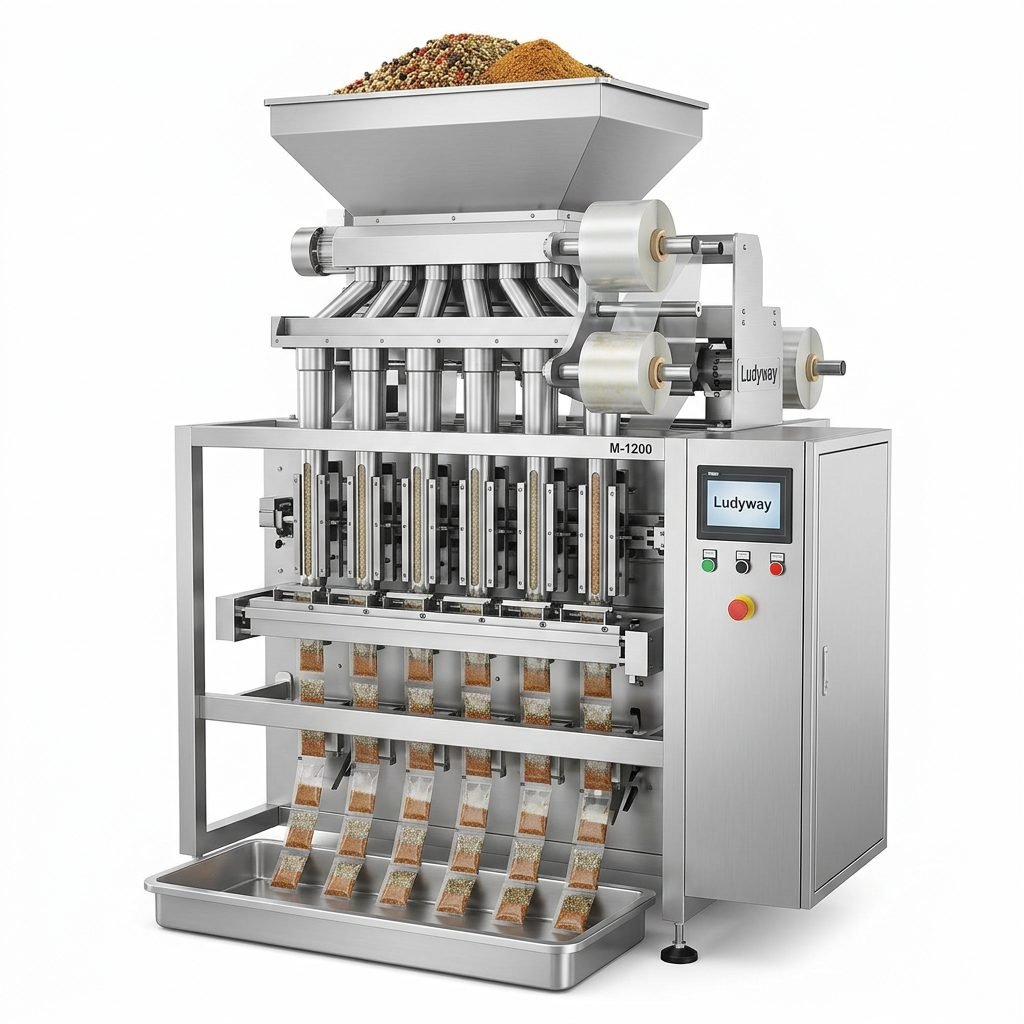
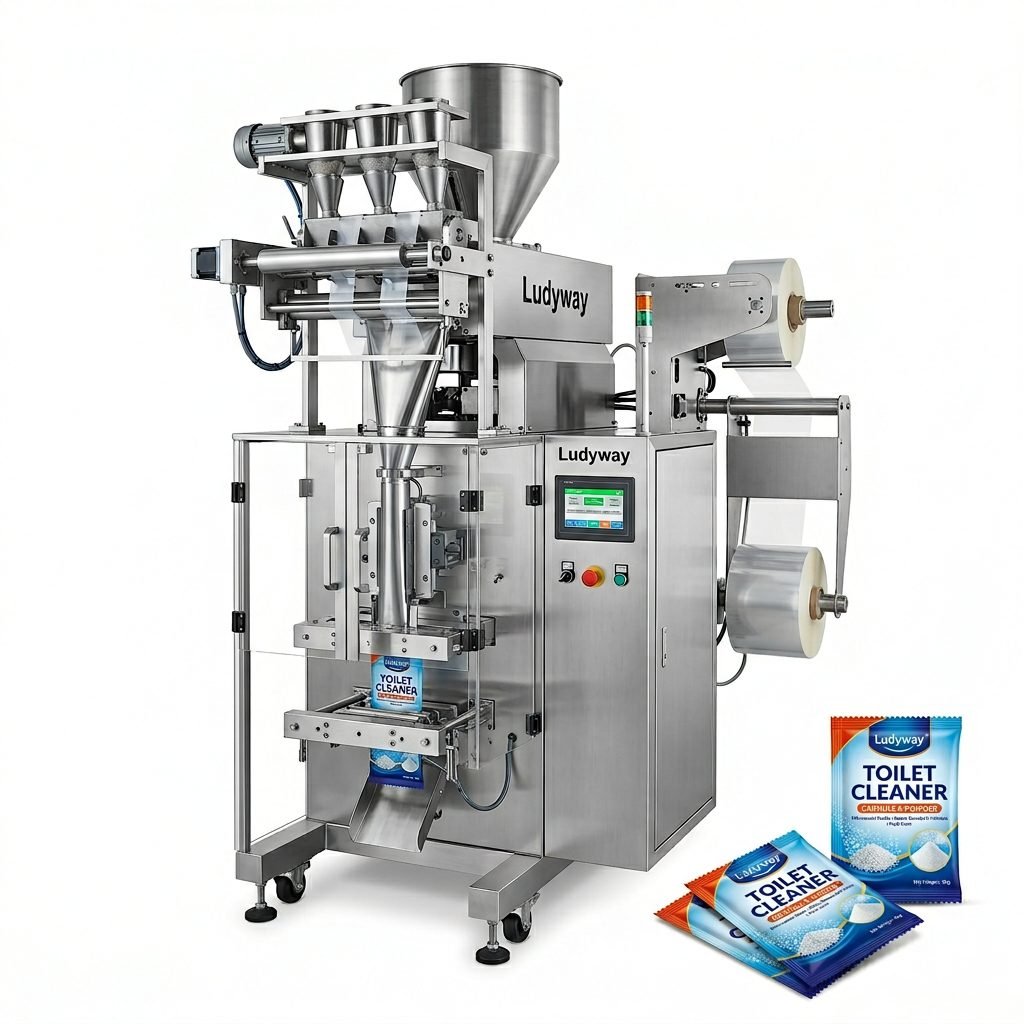
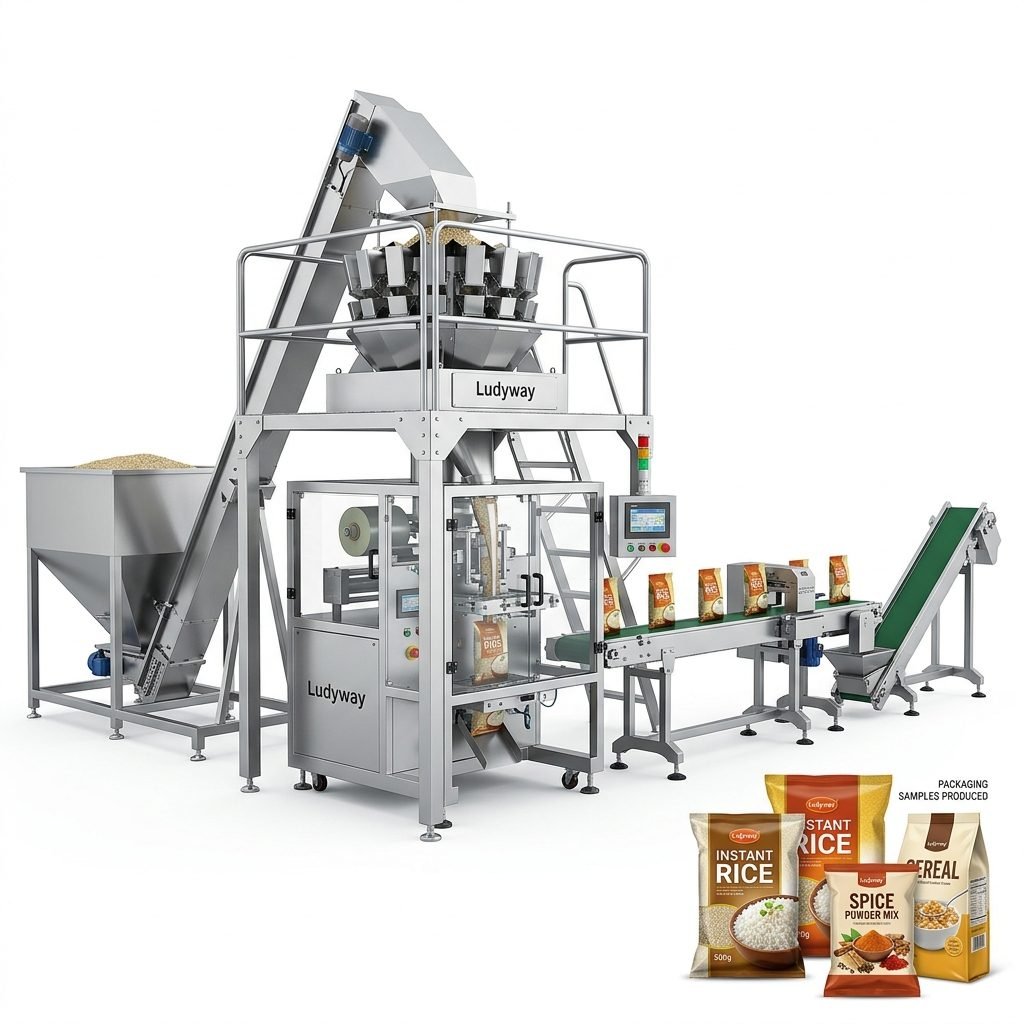
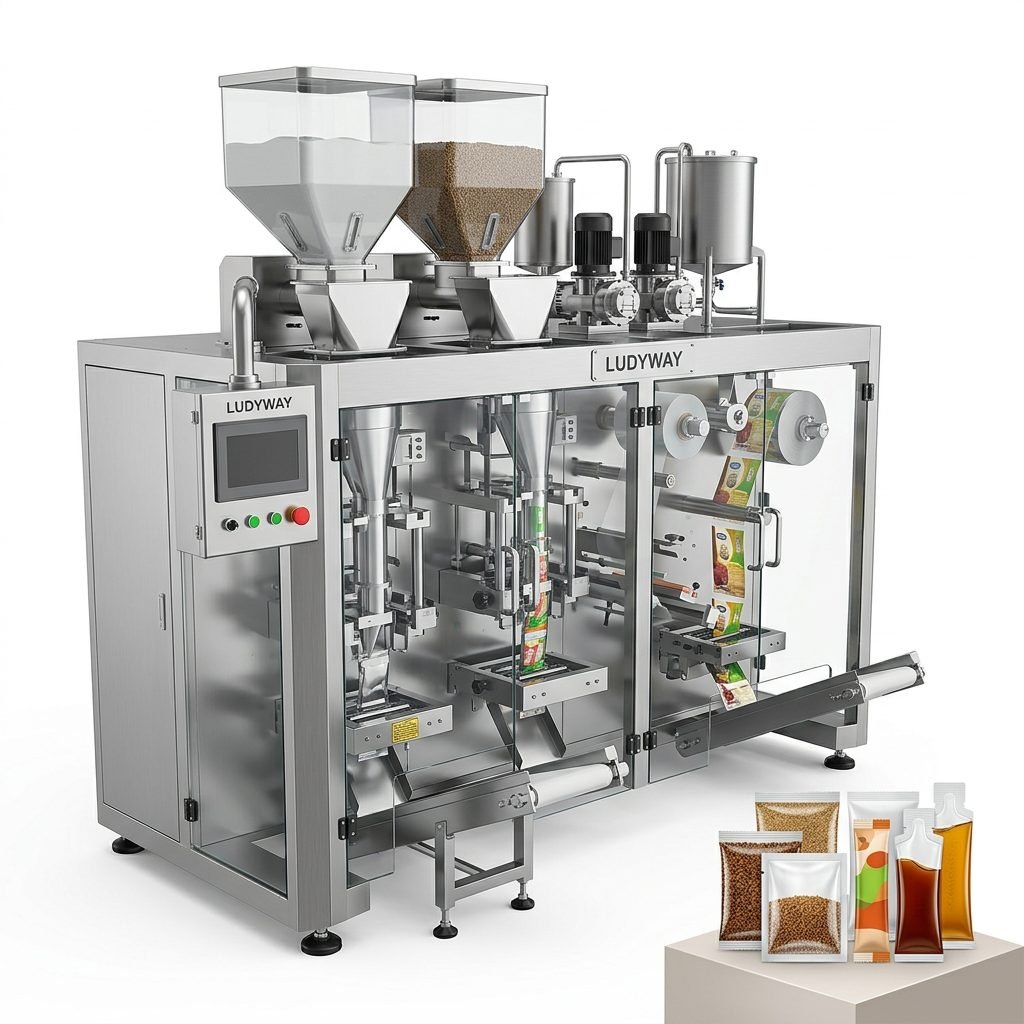
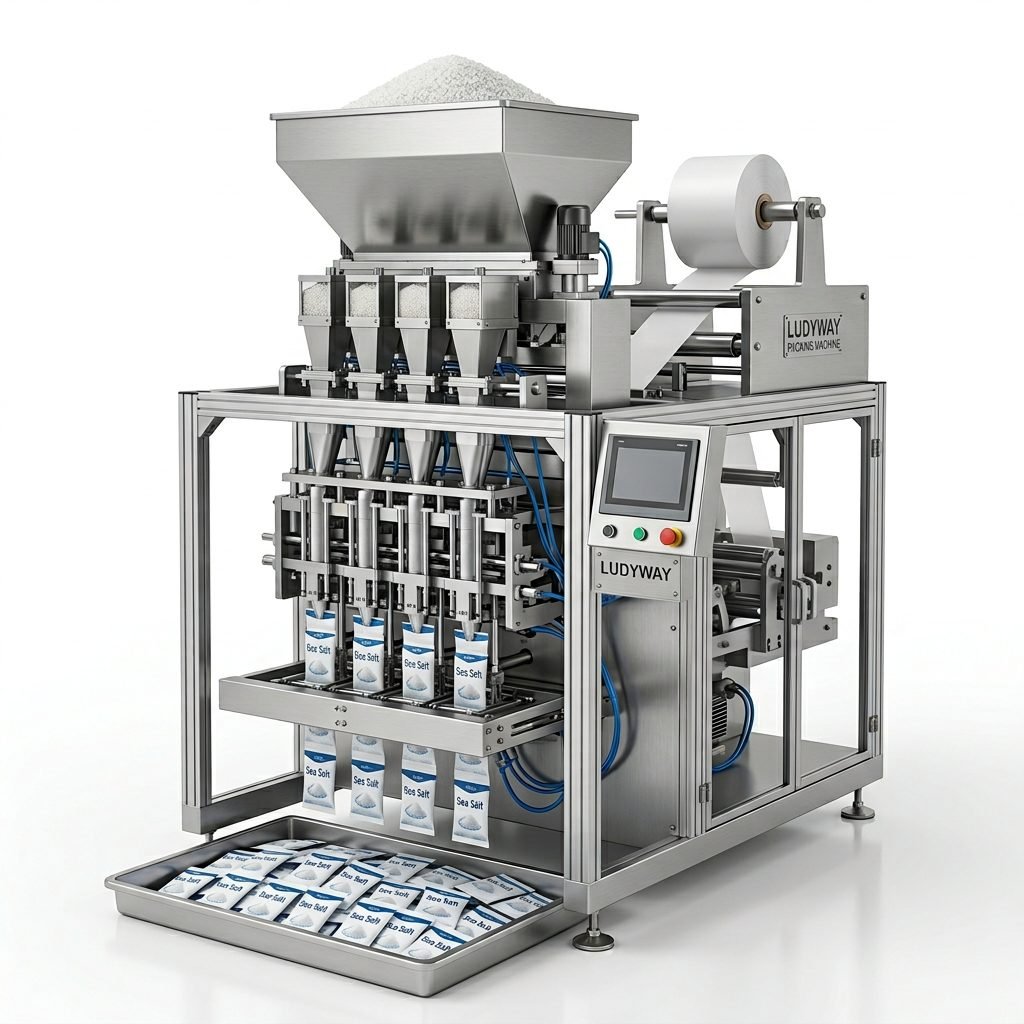
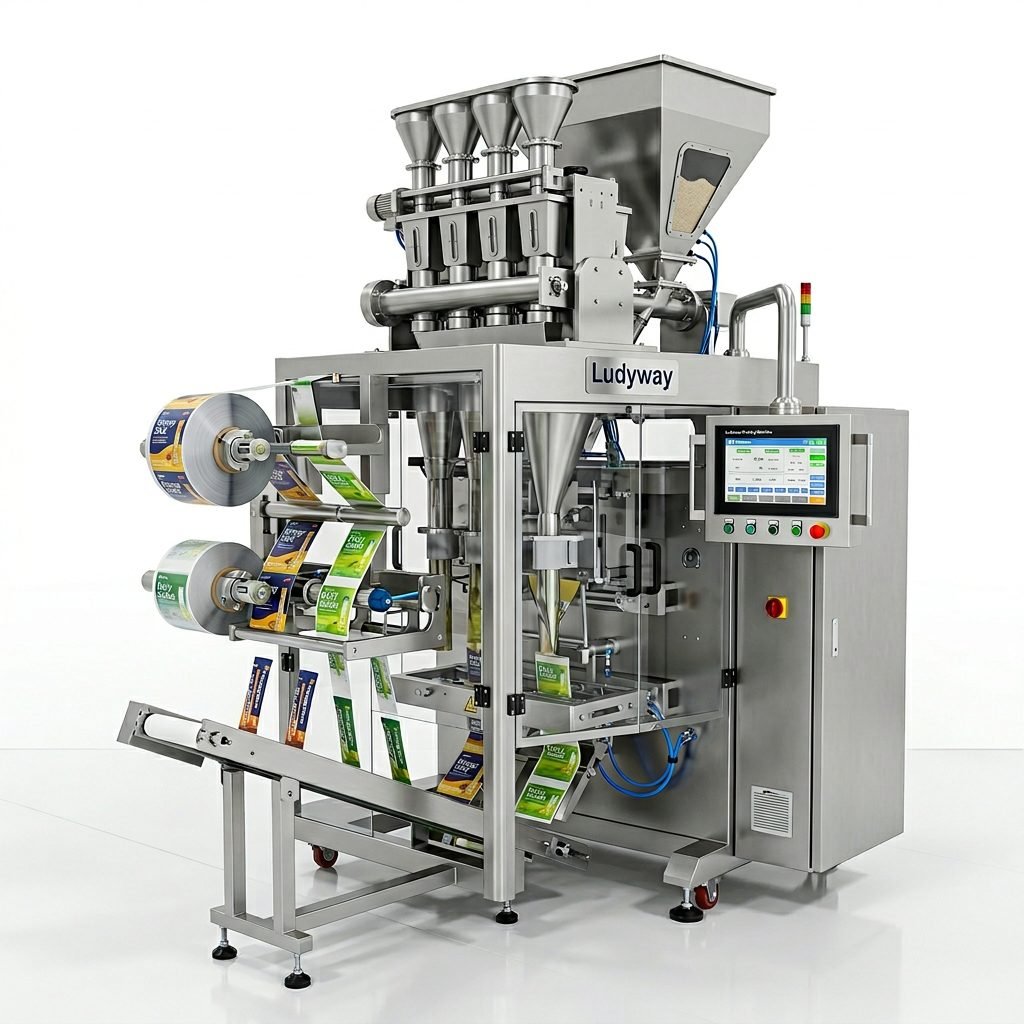
Cold seal packaging is a critical process for industries that require fast, secure, and contamination-free sealing without the application of heat. Choosing the right cold seal packaging machine is paramount for operational efficiency and product integrity. This guide will walk you through the key factors to consider when selecting the best equipment for faster and more secure packaging.
Understanding Cold Seal Packaging Technology
Unlike traditional heat sealing, cold seal packaging utilizes pressure-sensitive adhesives pre-applied to the packaging material. The seal is formed by applying pressure between two adhesive-coated areas, activating the bond instantly. This technology offers distinct advantages, particularly for heat-sensitive products like chocolate, certain pharmaceuticals, or fresh produce.
Key Benefits of Cold Seal Machines:
- Speed: Enables ultra-high-speed packaging as there is no cooling or heating cycle.
- Product Safety: Eliminates the risk of heat damage to sensitive products.
- Energy Efficiency: Consumes significantly less power than heat-sealing equipment.
- Reliability: Provides consistent seal integrity with simpler mechanics.
How to Choose the Best Cold Seal Packaging Machine
Selecting the ideal machine requires a thorough evaluation of your production needs and the machine’s capabilities. Here are the core factors to guide your decision.
1. Assess Your Product and Packaging Requirements
The nature of your product dictates the machine specifications. Consider the product’s form (solid, granular, powder), dimensions, and sensitivity. The packaging material—typically a laminate with a cold-seal adhesive coating—must also be compatible with the machine’s feeding and sealing mechanisms.
2. Evaluate Production Speed and Output
Machines are rated by cycles per minute (CPM) or packs per minute (PPM). Determine your required output to meet daily targets. For high-volume operations, look for machines with multi-lane capabilities and advanced servo-driven systems that ensure precision at high speeds.
3. Prioritize Seal Integrity and Consistency
The primary purpose is a secure seal. Examine the machine’s sealing mechanism—often a rotary or reciprocating press. Consistent pressure application across the entire seal area is non-negotiable for preventing leaks and ensuring product shelf life.
⚠️ Critical Checkpoint: Changeover Flexibility
If you run multiple product sizes, quick changeover is essential. Machines with tool-less adjustments or digital recall settings for different package formats drastically reduce downtime and increase overall equipment effectiveness (OEE).
4. Consider Integration and Automation Level
Will the machine operate as a standalone unit or integrate into a full production line? Modern packaging lines often include upstream feeders, multi-head weighers, and downstream cartoning. Choose a machine with robust communication protocols (e.g., PLC, Industry 4.0 ready) for seamless automation.
5. Analyze Operational and Maintenance Costs
Look beyond the initial purchase price. Evaluate energy consumption, required operator skill level, and availability of spare parts. A machine with a simple, robust design and accessible technical support will have a lower total cost of ownership over its lifespan.
Why Partner with a Specialized Manufacturer?
Investing in packaging machinery is a long-term decision. Partnering with an experienced manufacturer like Ludyway Machinery brings significant advantages. With over 30 years of industry experience, they understand the nuanced demands of different sectors, from food to pharmaceuticals.
Ludyway’s Value Proposition:
Founded in 2010, Ludyway Machinery specializes in intelligent packaging solutions. Their expertise spans more than 50 machine models, including advanced systems for sachet and stick pack packaging. Their commitment is to deliver tailored, turnkey solutions that align with global production standards and drive efficiency for their international clientele.
By focusing on innovation and practical engineering, they provide equipment that is not only reliable but also adaptable to evolving market needs, ensuring your investment is future-proof.
Final Steps Before Purchase
Always request a product sample test using your actual packaging material. This is the only way to verify seal quality and machine compatibility. Review the warranty, service agreement, and the supplier’s reputation for after-sales support. A reliable partner will offer comprehensive training and responsive maintenance services.
Conclusion
Selecting the best cold seal packaging machine is a strategic decision that impacts your productivity, product quality, and bottom line. By meticulously evaluating your product needs, required output, seal quality, and the manufacturer’s expertise, you can secure equipment that delivers faster, more secure, and cost-effective packaging. Partnering with a proven specialist ensures you gain from their deep industry knowledge and support, maximizing the return on your investment.
Frequently Asked Questions (FAQs)
What types of products are best suited for cold seal packaging?
Cold seal is ideal for heat-sensitive items such as chocolate, ice cream novelties, medical diagnostics, fresh baked goods, and some dairy products. It’s also excellent for high-speed applications where thermal sealing would be a bottleneck.
Can I use any packaging film with a cold seal machine?
No. You must use specifically coated cold seal film. This film has a patterned adhesive (typically on one side) that bonds to itself under pressure. Standard heat-seal films will not work.
How does the speed of a cold seal machine compare to a heat seal machine?
Cold seal machines are generally much faster because they eliminate the heating and cooling phases of the sealing cycle. This allows for continuous operation at very high speeds, often exceeding 1000 packs per minute on multi-lane systems.
Is cold seal packaging as strong and airtight as heat seal packaging?
Yes, when performed correctly with the right materials and pressure settings, cold seals can be equally strong and airtight. The seal integrity is excellent and reliably maintains product freshness and prevents contamination.
What is the most important maintenance task for a cold seal machine?
Regular and thorough cleaning of the sealing jaws is critical. Adhesive residue or product dust can build up and compromise seal quality. Following the manufacturer’s daily and weekly cleaning schedule is essential for consistent performance.