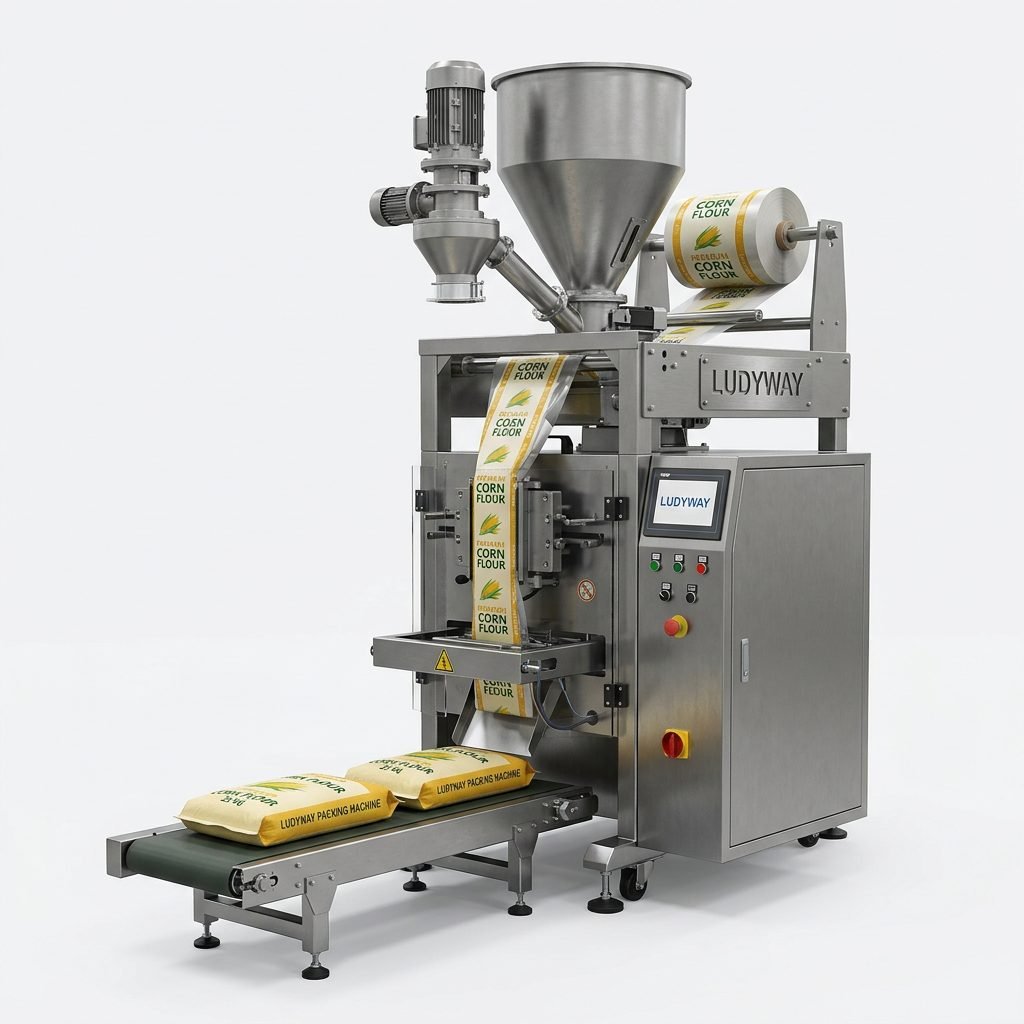
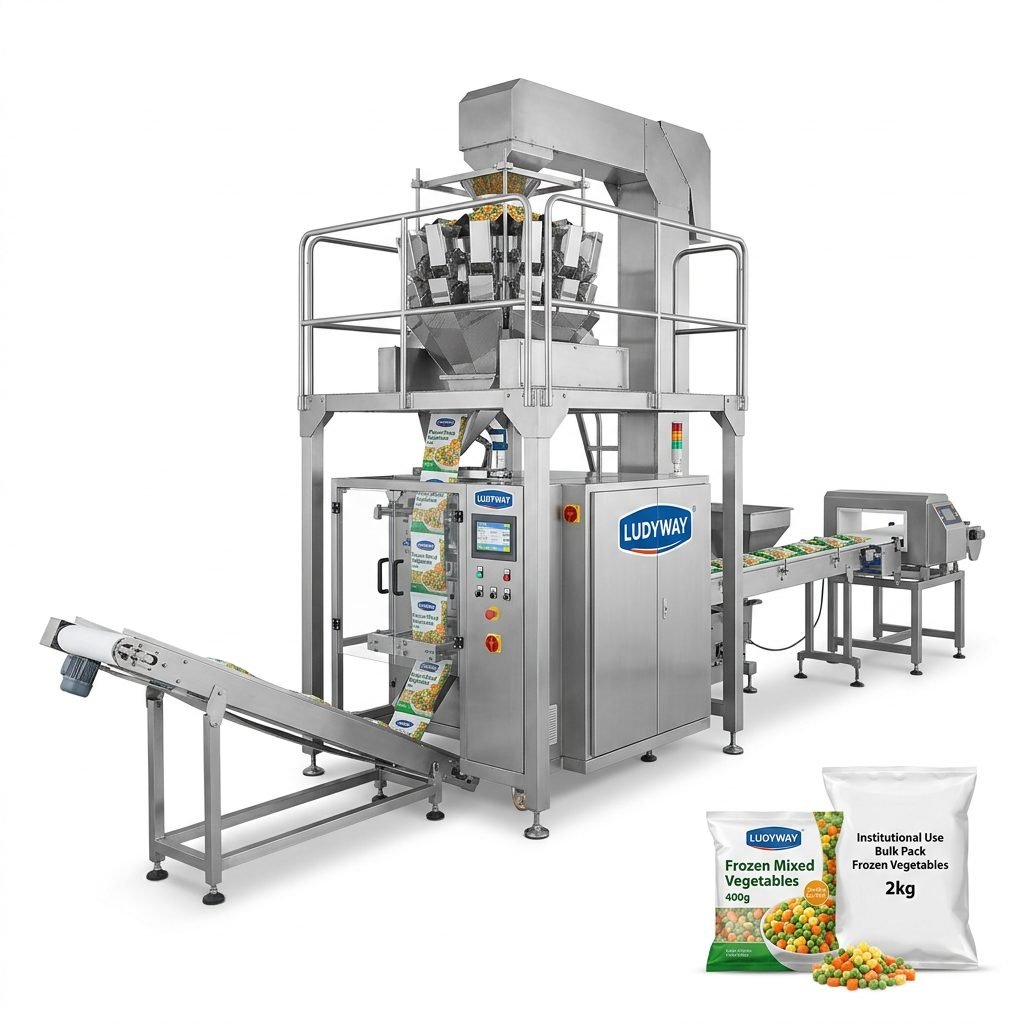
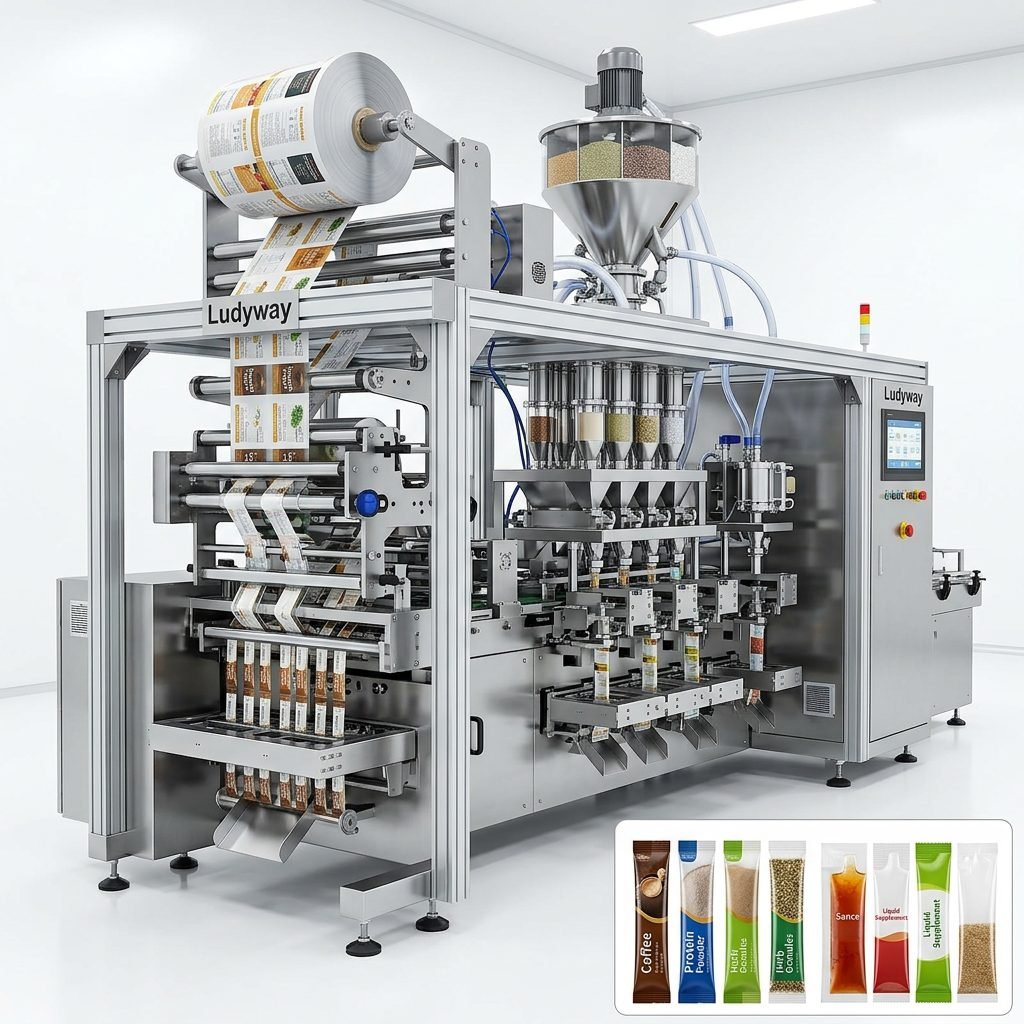
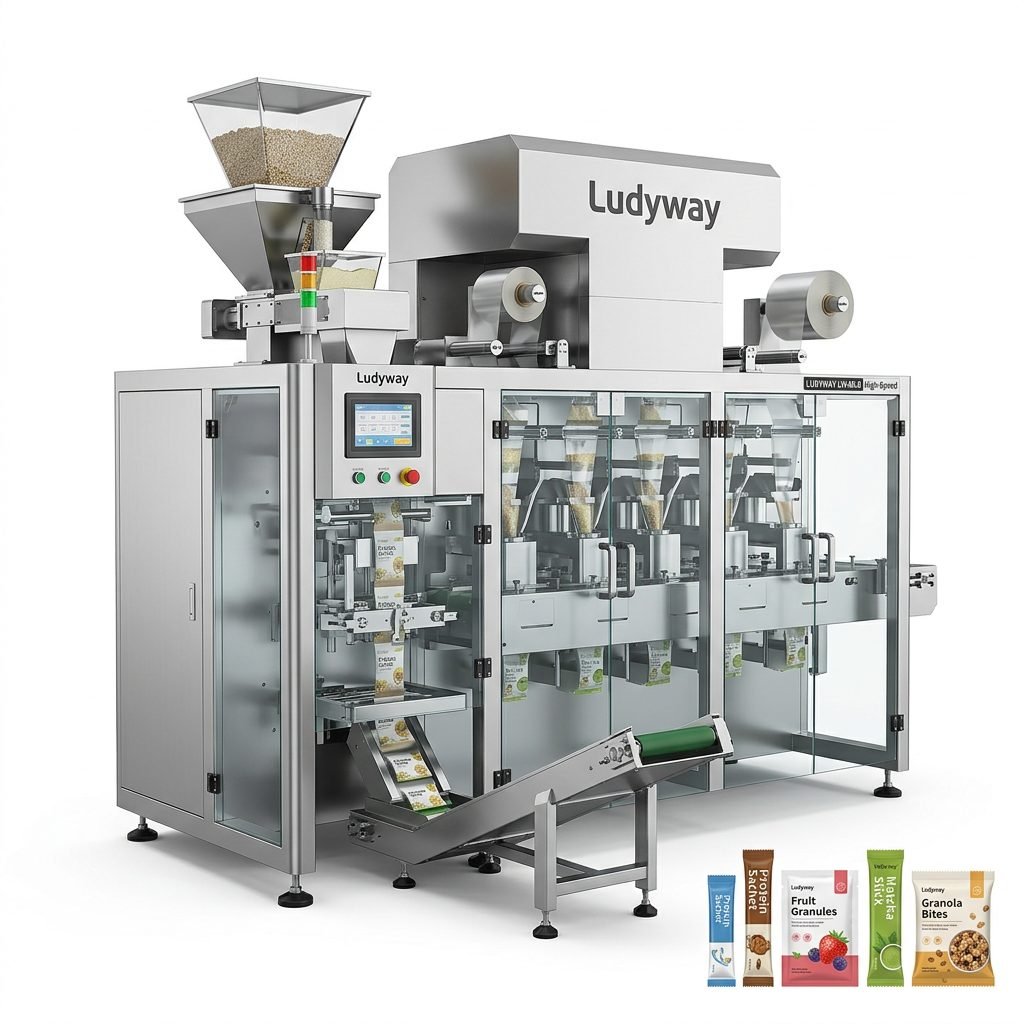
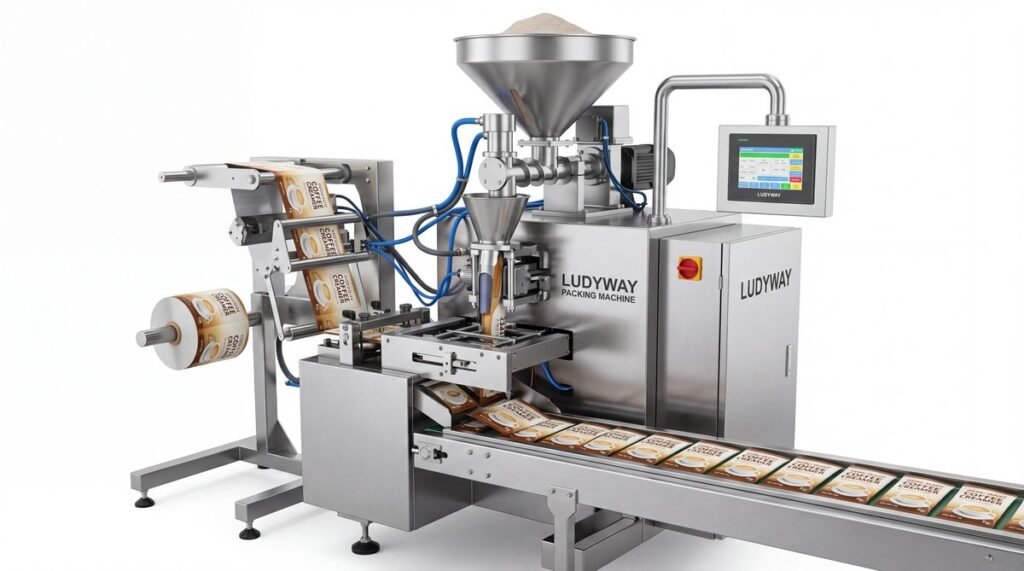
Investing in a pouch packing machine is a critical decision that directly impacts your production efficiency, product quality, and long-term operational costs. Whether you are transitioning from manual filling or upgrading an existing automated line, selecting the right pouch packing machine requires a methodical approach. This guide walks you through the essential factors, from product characteristics to supplier evaluation, to help you make a confident purchasing decision.
1. Define Your Production Capacity and Speed Requirements
Before comparing machine specifications, you must clearly outline your target output. A pouch packing machine is not a one-size-fits-all solution. Your daily or hourly production volume will determine whether you need a single-lane, dual-lane, or multi-lane configuration.
- Small Batch Production: Single-lane machines suit startups or niche products with lower throughput demands.
- Mid-Scale Production: Dual-lane or 4-lane systems balance cost and output efficiency.
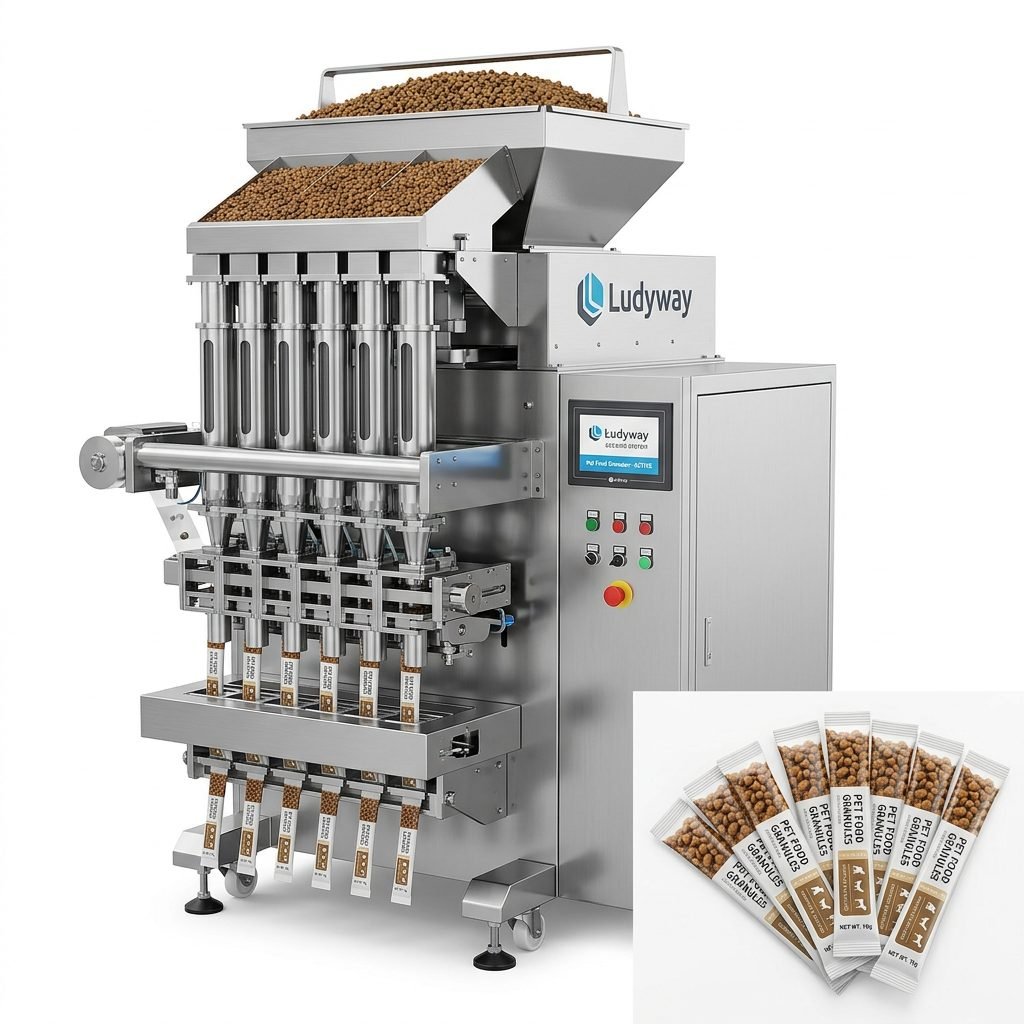
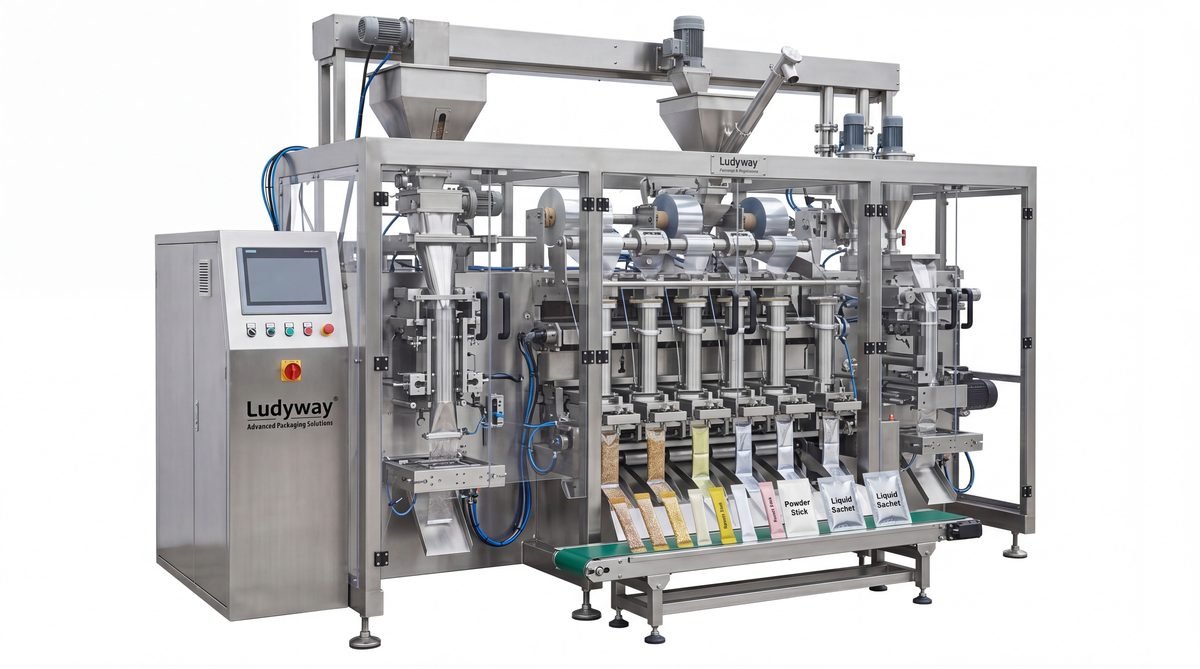
- High-Volume 24/7 Operations: Multi-lane (6, 8, 10, or 12 lanes) multi-lane packaging machines are essential. These systems can produce hundreds of pouches per minute, dramatically reducing labor costs per unit.
Accurately estimating your speed needs early prevents bottlenecks and ensures your packaging line keeps pace with upstream processing equipment.
2. Analyze Your Product Characteristics and Filling Technology
The physical nature of your product dictates the filling mechanism. Understanding these technologies ensures accuracy and prevents downtime.
Granules and Powder
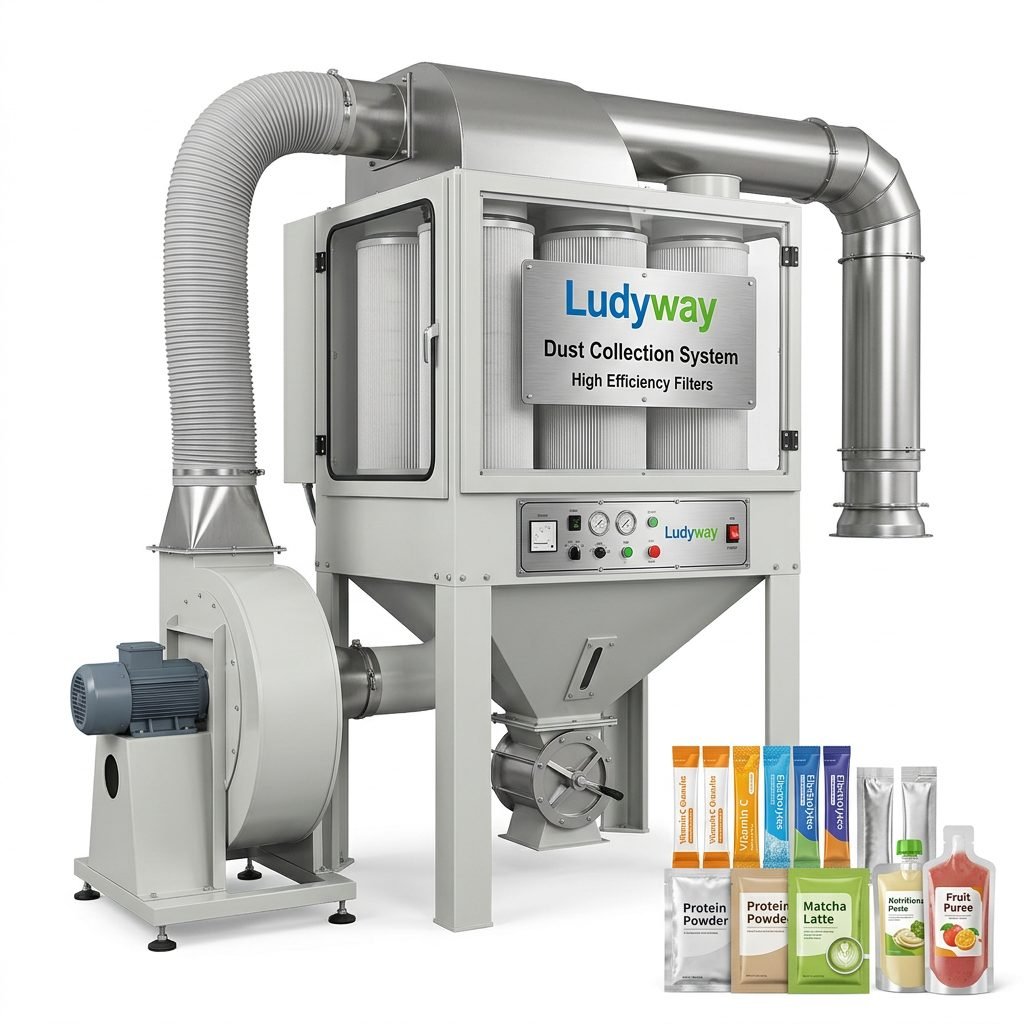
For free-flowing and non-free-flowing powders, auger fillers or volumetric cup fillers are standard. If you handle dusty or sticky ingredients (like protein powder or spices), a dedicated dust extraction system and agitators are critical for consistent dosing.
Liquids and Pastes
Liquid piston fillers or gear pumps handle thin to thick products (oils, sauces, gels). For foaming liquids or corrosive chemicals, specialized nozzle designs and 316 stainless steel construction are mandatory to maintain longevity.
Sticky or Irregular Products
Products like candies, dried fruits, or hardware components may require multi-head weighers or counters to achieve precise weight packaging. Always test the sealing compatibility of your product with the pouch material to avoid leakage.
3. Compare Pouch Formats and Styles
Market appeal relies heavily on packaging format. A versatile flexible packaging machine must accommodate your current and future formats, such as:
- Stick Packs: Ideal for single-serve sugar, coffee, and supplements.
- Sachets: Common for cosmetics, sauces, and pharmaceutical samples.
- Stand-Up Pouches: Often used for pet food, detergents, and snacks. Requires a zipper applicator if resealability is needed.
- 3-Side Seal and 4-Side Seal: Standard for granular products.
| Feature | Stick Pack Machine | Sachet Machine | Premade Pouch Machine |
|---|---|---|---|
| Typical Width | 10mm – 50mm | 50mm – 180mm | 100mm – 300mm+ |
| Product Fit | Powders, liquids | Powders, granules, creams | Snacks, hardware, bulk goods |
| Sealing Type | Back seal / 3-side seal | 4-side seal / 3-side seal | Perforated, zipper, slider |
| Changeover Time | Fast (narrow range) | Moderate | Varies (highly flexible) |
4. Construction Material and Hygiene Standards
The build quality of a pouch packing machine determines its lifespan. Food and pharmaceutical industries require adherence to strict Good Manufacturing Practices (GMP).
- Frame Material: Stainless steel (SS304 or SS316) resists corrosion and simplifies washdowns. Avoid painted steel frames for wet or sanitary environments.
- Contact Parts: All parts touching the product must be food-grade 316 stainless steel or FDA-approved plastics.
- Certifications: Look for CE, ISO 9001, and regional safety standards. FDA packaging regulations are critical for North American markets.
As a buyer, you need a partner who understands global compliance. Manufacturers with extensive engineering depth, such as Ludyway Machinery, which houses a 20,000-square-meter facility and fields more than 130 professionals across 50-plus machine models, integrate these standards as a baseline. The company is on a strong growth trajectory, with export revenues projected to exceed RMB 500 million (approximately US$69 million) in 2025 and surpass RMB 1 billion in 2026, reflecting sustained investment in quality engineering.

5. Automation Features and Smart Integration
Modern automatic packaging equipment extends beyond basic filling and sealing. Advanced features enhance safety, minimize waste, and improve Overall Equipment Effectiveness (OEE).
- Servo-Driven Systems: Ensure precise film tracking and sealing, reducing material waste compared to mechanical systems.
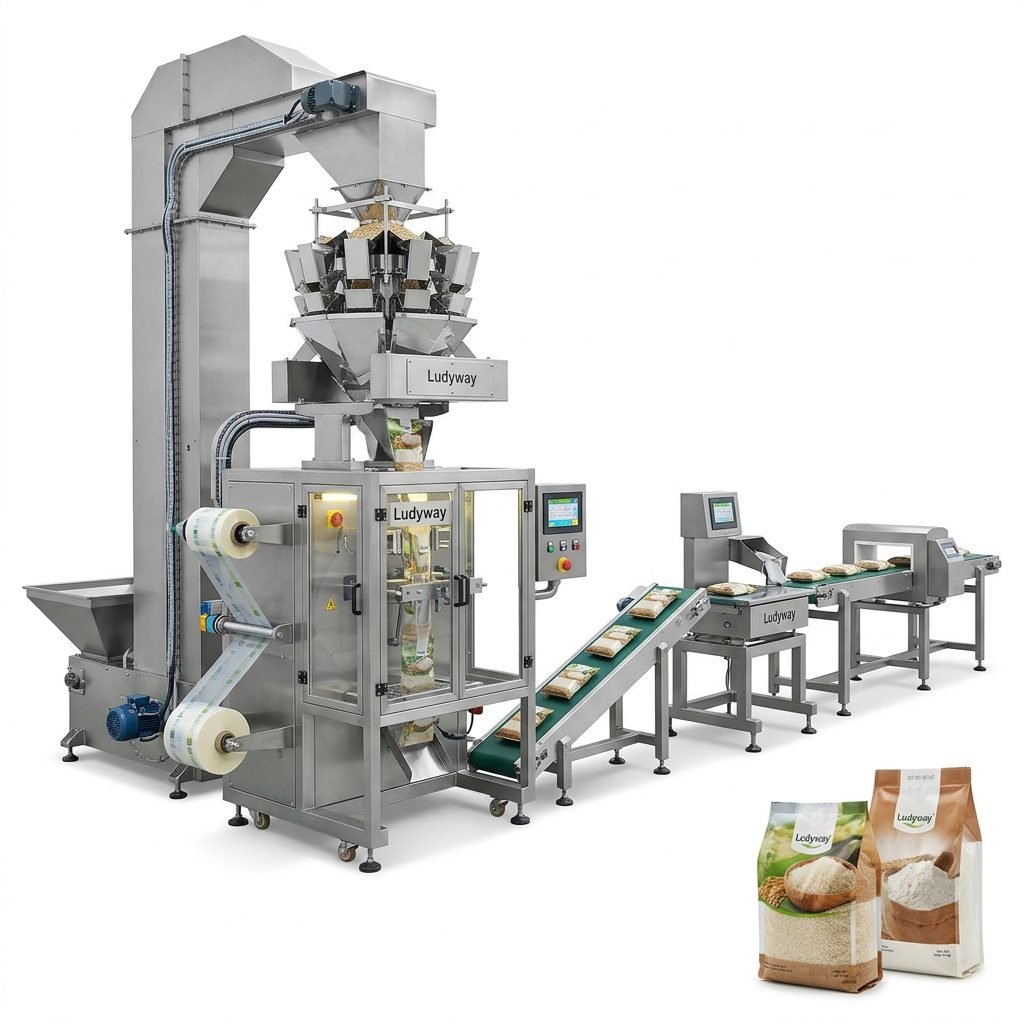
- Inspection Systems: Integrated checkweighers and metal detectors reject underweight packages or contaminated products automatically.
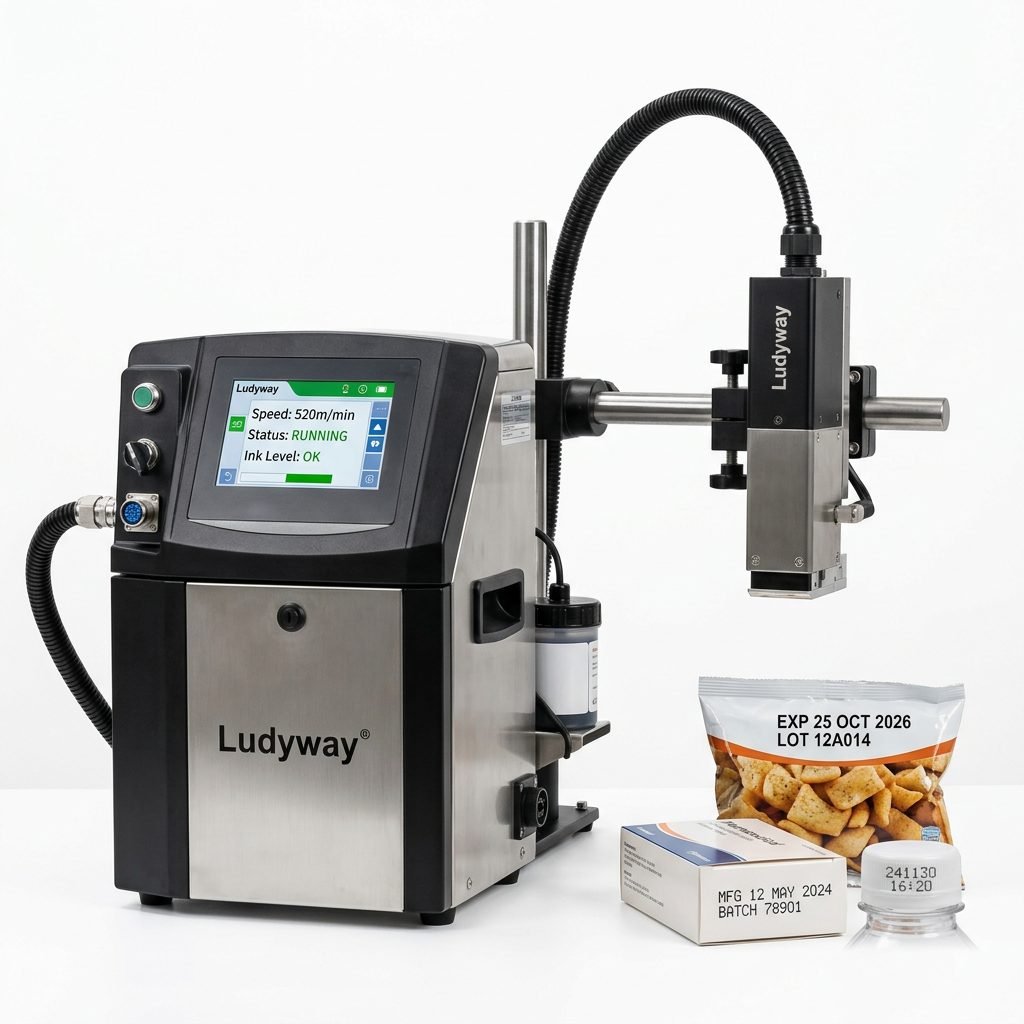
- Lot Coding: Thermal inkjet or laser coders print batch numbers and expiration dates seamlessly.
- Smart Interface: PLC control with touchscreen support for recipe storage, making changeovers between different products rapid and repeatable.
6. Evaluating Turnkey Lines and Auxiliary Equipment
Purchasing a stand-alone pouch packing machine often shifts the bottleneck to upstream or downstream processes. To unlock full capacity, consider an integrated packaging line.
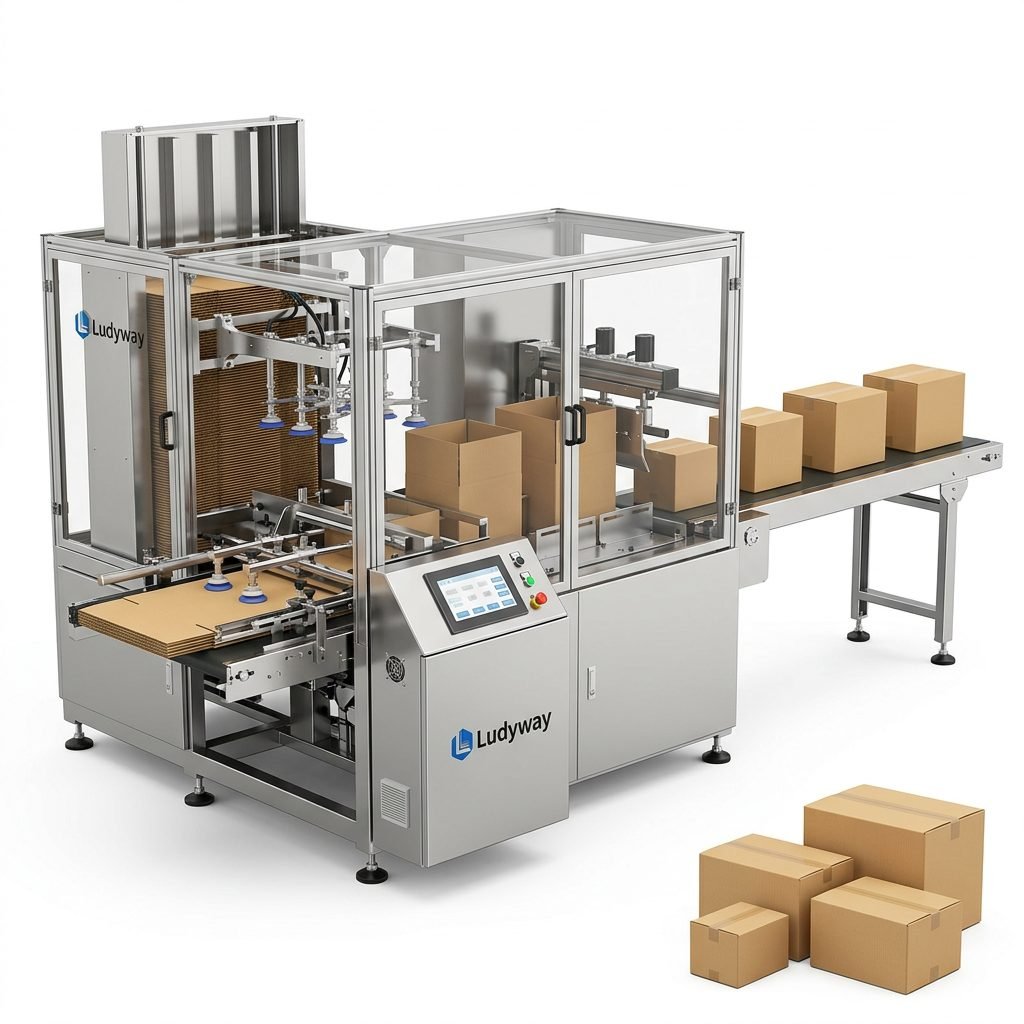
Effective packaging line integration requires careful evaluation of connecting conveyors, cartoning machines, and palletizing systems. A seamless line reduces manual handling and the risk of human error. When discussing your project, verify that the supplier has engineering expertise in system integration, not just machine fabrication. Inquire about automatic feeding systems like bucket elevators or vacuum conveyors that match your product’s density.

7. The Importance of After-Sales Support and Spare Parts
Packaging machinery is a long-term investment. Downtime due to a lack of technical support erodes profitability faster than a slightly higher initial capital expenditure. Before signing a contract, assess the service network:
- Remote Assistance: Many suppliers now offer video-based troubleshooting and real-time machine monitoring.
- Spare Parts Availability: Confirm regional spare parts warehouses or quick air-shipping protocols. Critical wear items (sealing jaws, cutting knives, belts) should be immediately accessible.
- Installation and Training: On-site technician support for setup and operator training drastically shortens the startup phase.
8. Practical Selection Checklist
Use this checklist when narrowing down a pouch packing machine supplier:
- Have you tested sample pouches with your specific product and film?
- Does the machine offer future flexibility for new package sizes or fill volumes?
- Are there reference clients in your specific flexible packaging industry?
- Is the control system user-friendly for your local operators?
- What is the standard warranty on core components like servo motors and PLC?
Staying updated on market trends via resources like the PMMI State of the Industry reports can also help you anticipate changes in regulations and technology.
Selecting the right pouch packing machine requires balancing current needs against future growth. By focusing on product compatibility, robust construction, and a reliable manufacturing partner who offers comprehensive support, you lay the foundation for efficient, scalable production.