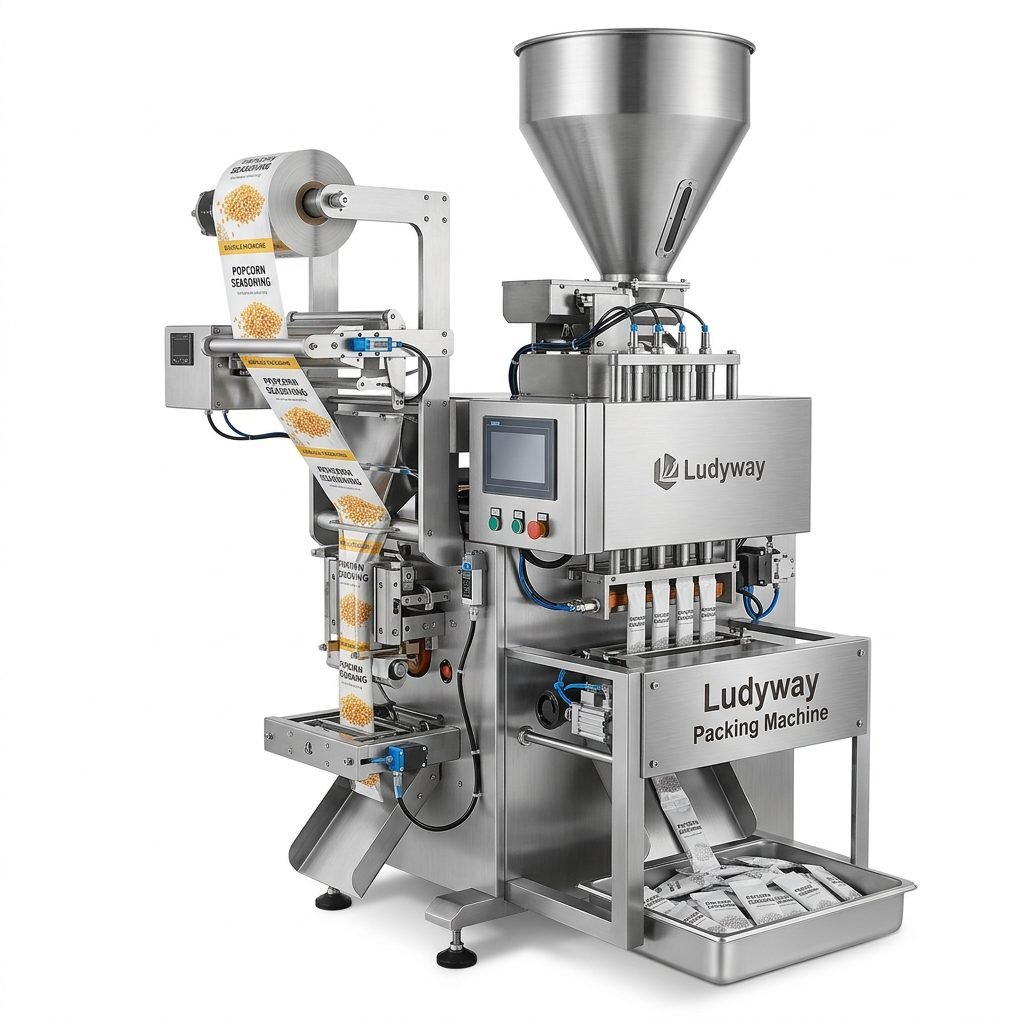
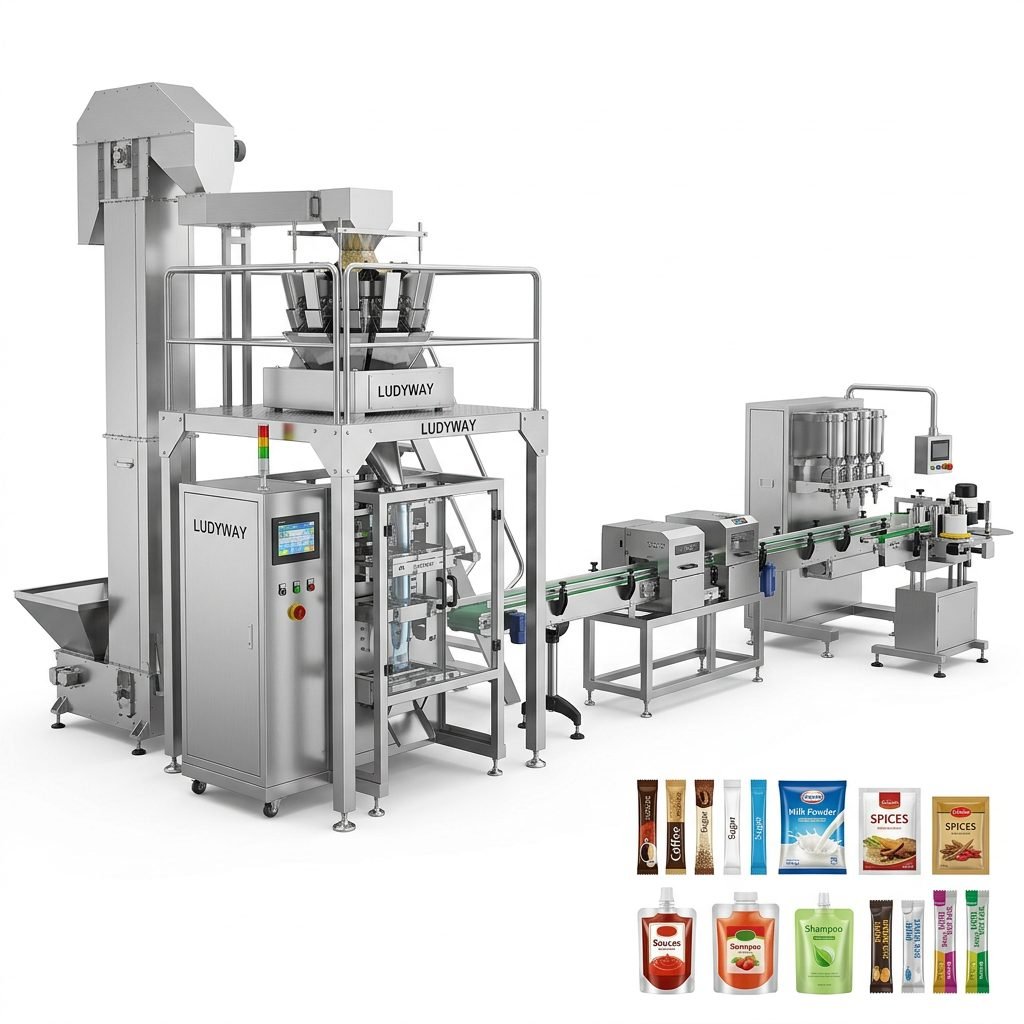
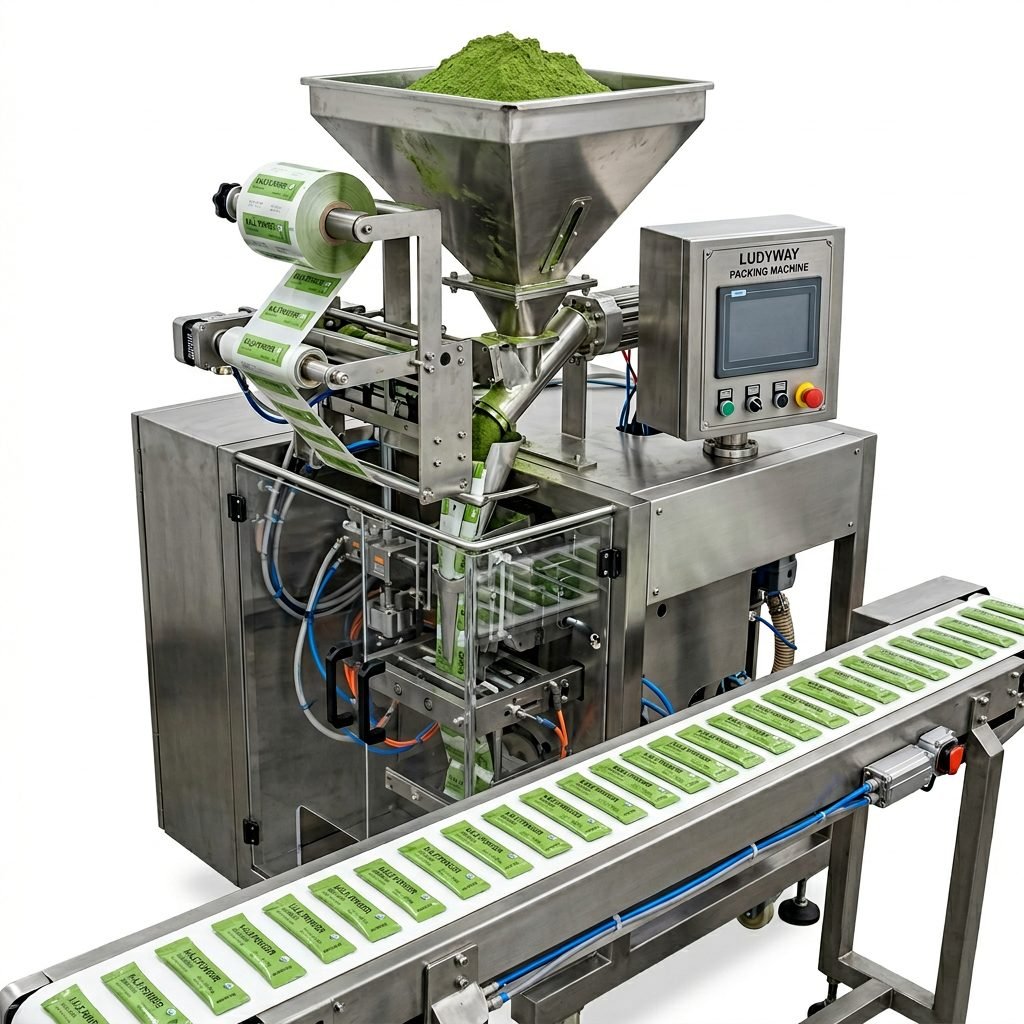
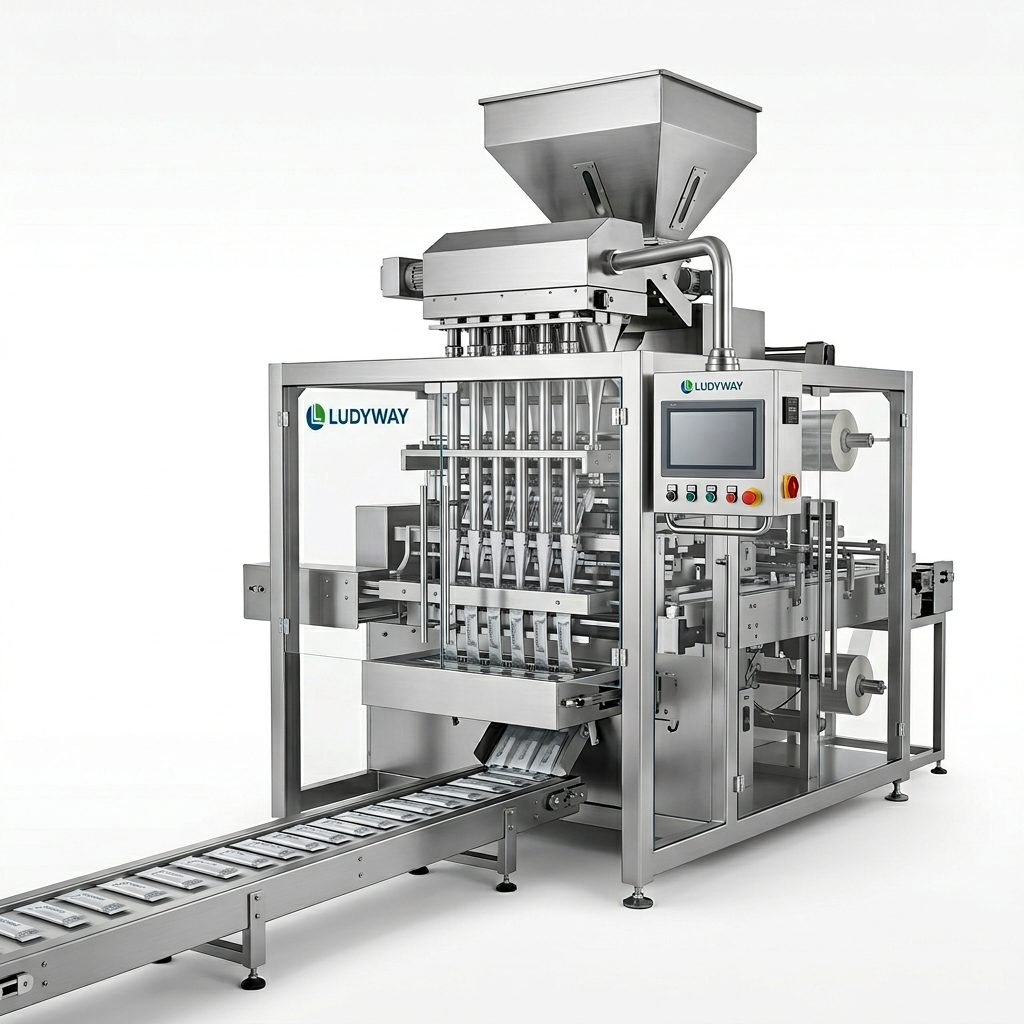
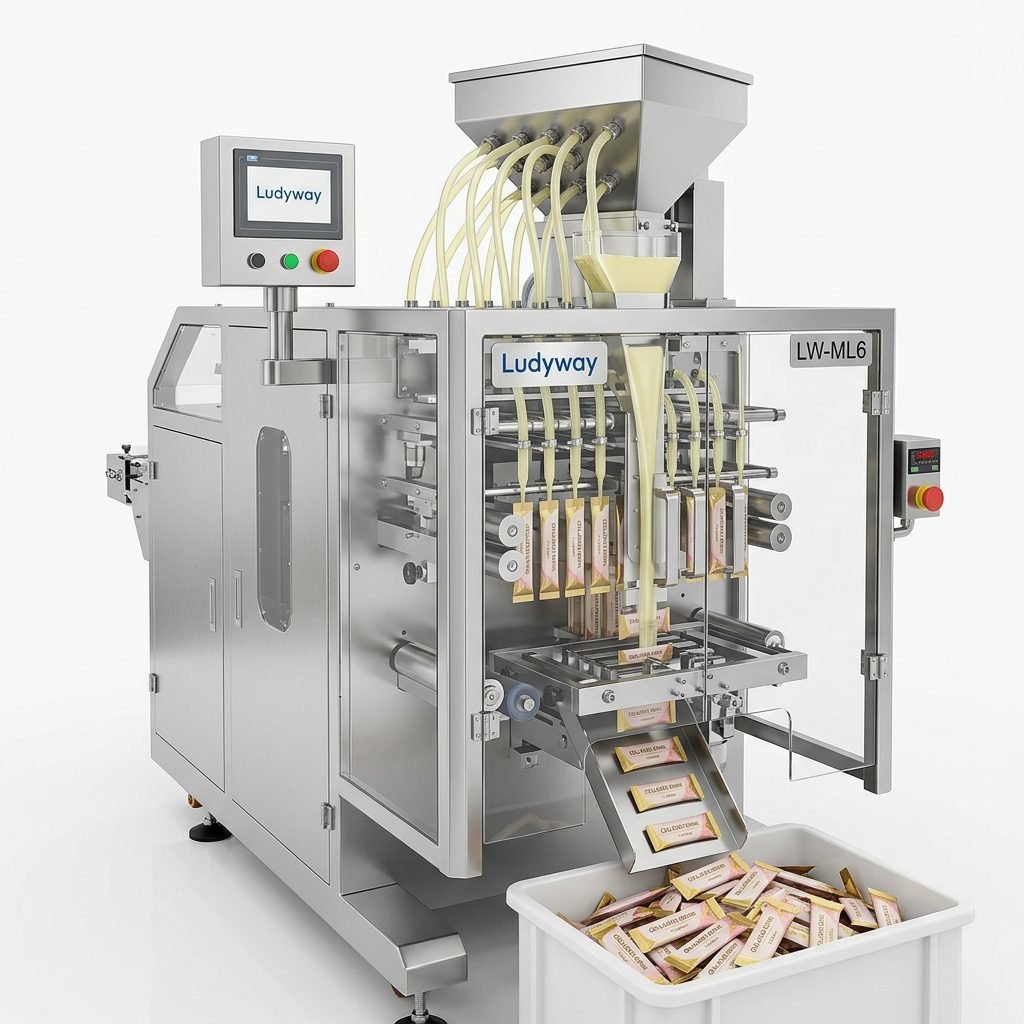
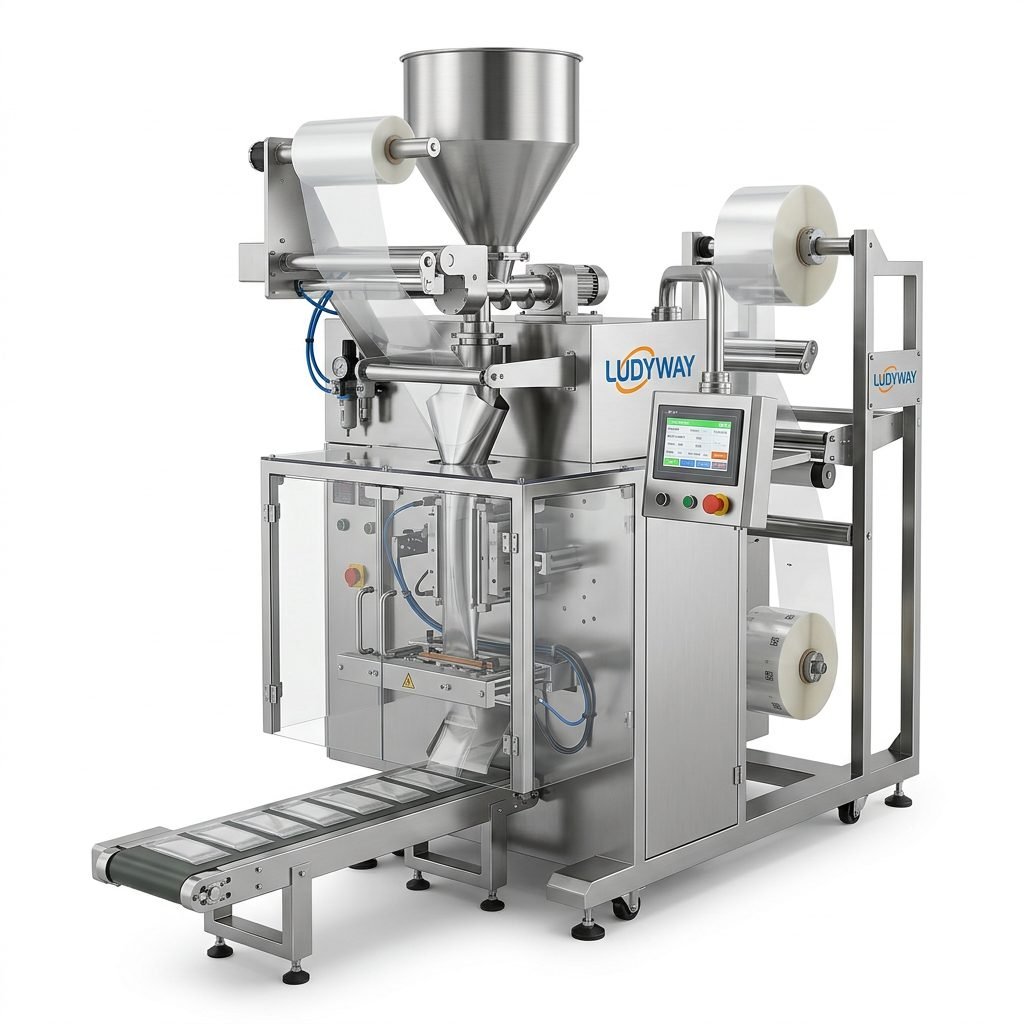
Investing in a Bora packing machine is a significant decision for any manufacturer looking to automate their packaging process. Whether you are handling powders, granules, liquids, or solid products, the right equipment directly impacts production efficiency, product consistency, and long-term operational costs. This guide walks you through the essential factors to evaluate before making a purchase, helping you select a machine that aligns with your production goals, budget, and facility requirements.
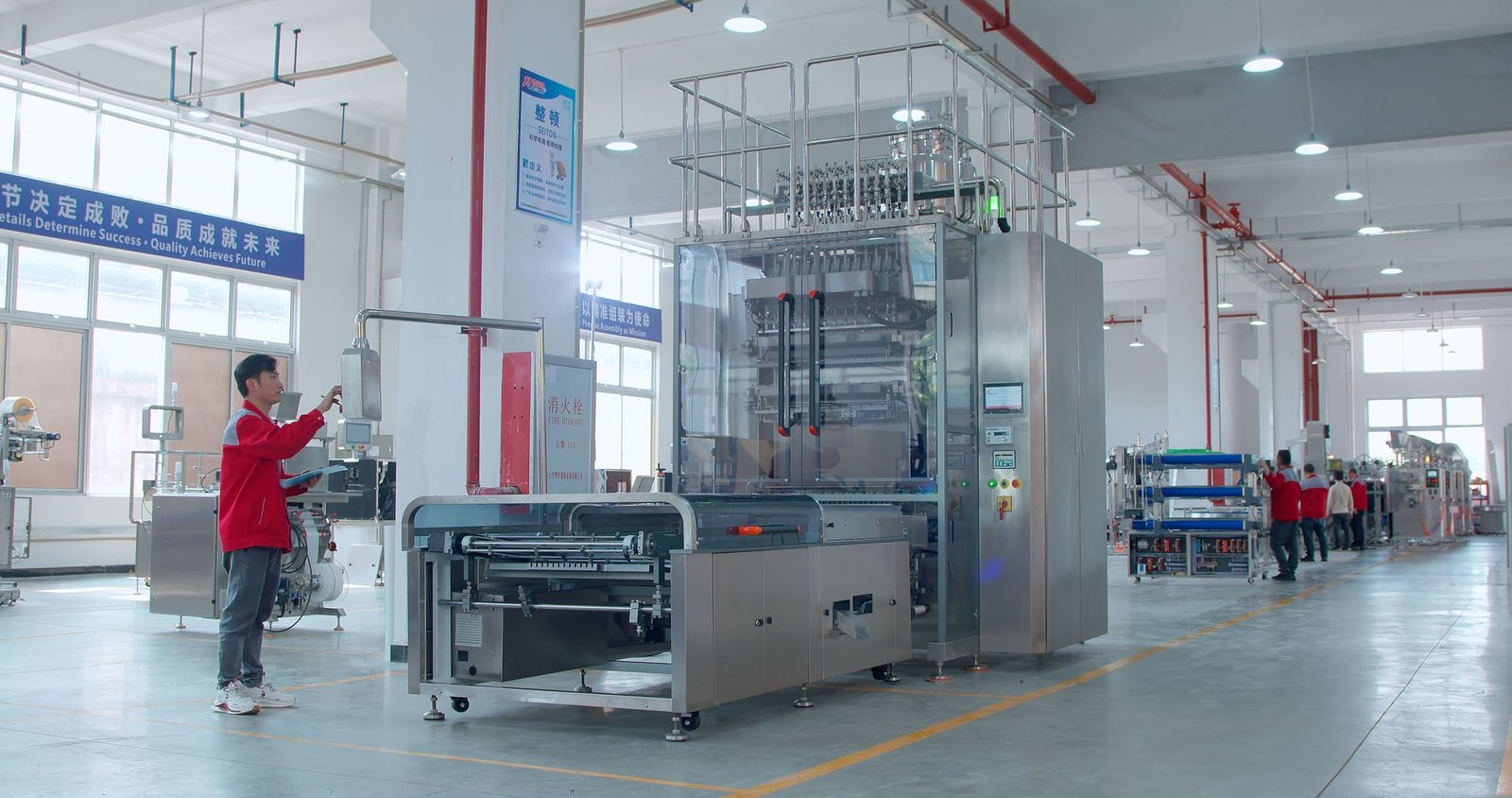
Understanding Your Production Requirements
Before comparing machine specifications, clearly define your operational needs. Start by analyzing your product characteristics: is your material a free-flowing granule, a cohesive powder, a viscous liquid, or a combination? The physical properties of your product determine the type of dosing and filling system required. According to PMMI – The Association for Packaging and Processing Technologies, matching filling technology to product behavior is critical for achieving consistent fill accuracy.
Key Questions to Answer
- What is your target production speed in packs per minute?
- What bag formats and sizes do you need (stick packs, sachets, pouches)?
- What packaging material will you use (laminated films, aluminum foil, paper-based)?
- Do you require multi-lane capability for high-volume output?
- Is hygiene compliance a priority for your industry?
Types of Bora Packing Machines and Their Applications
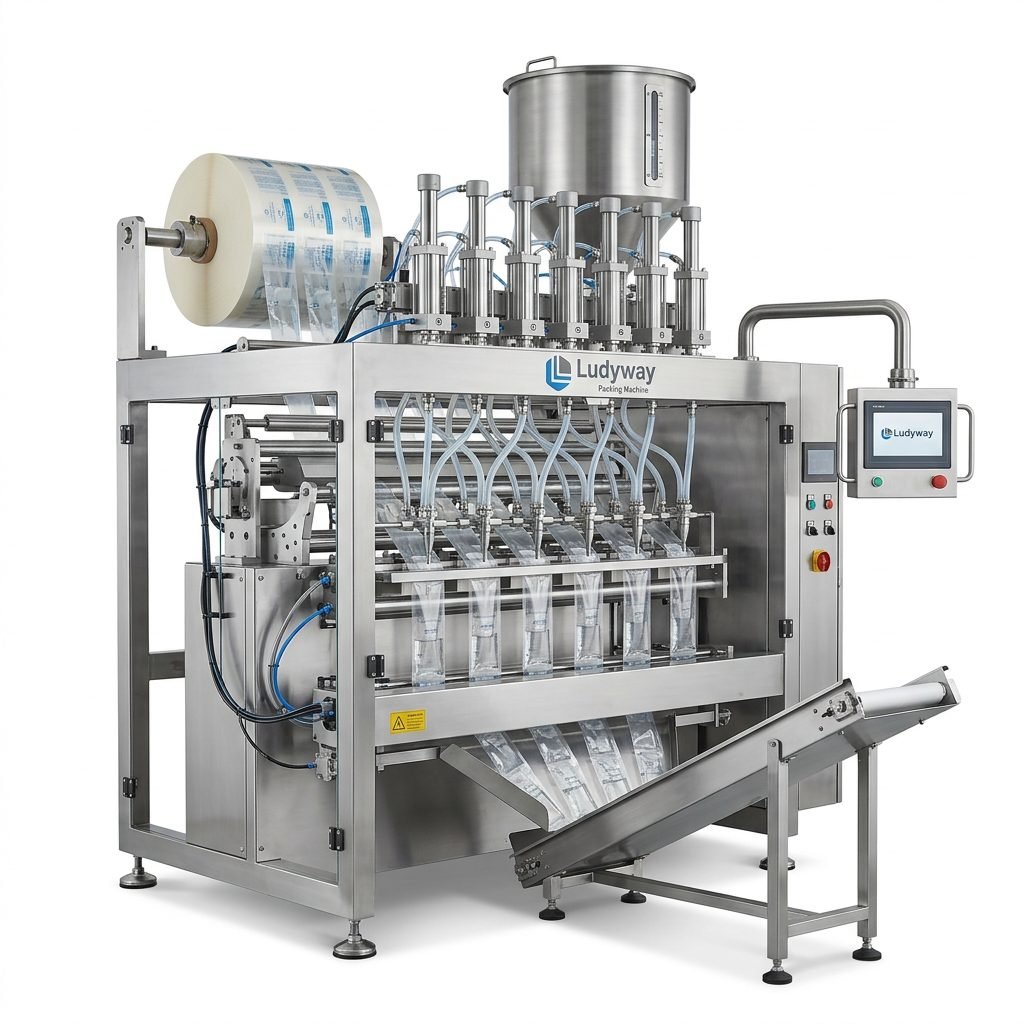
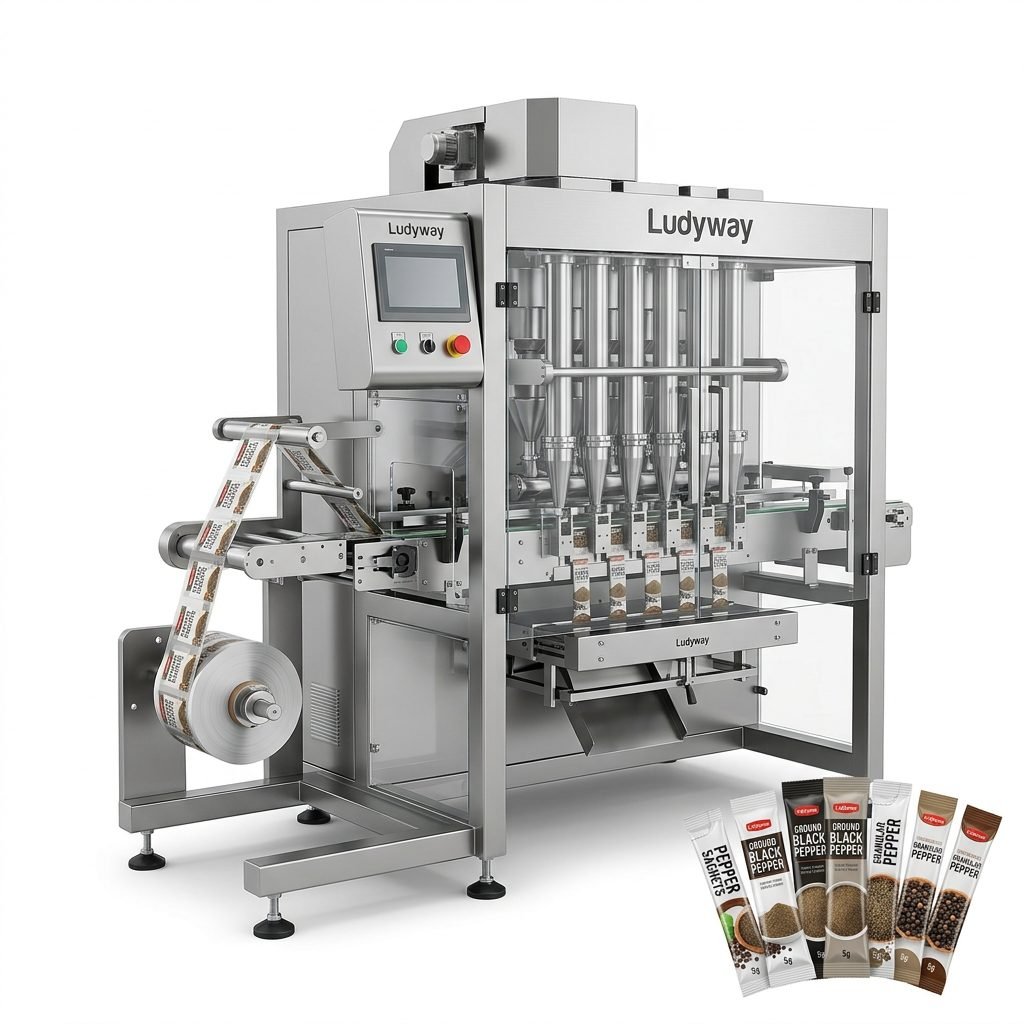
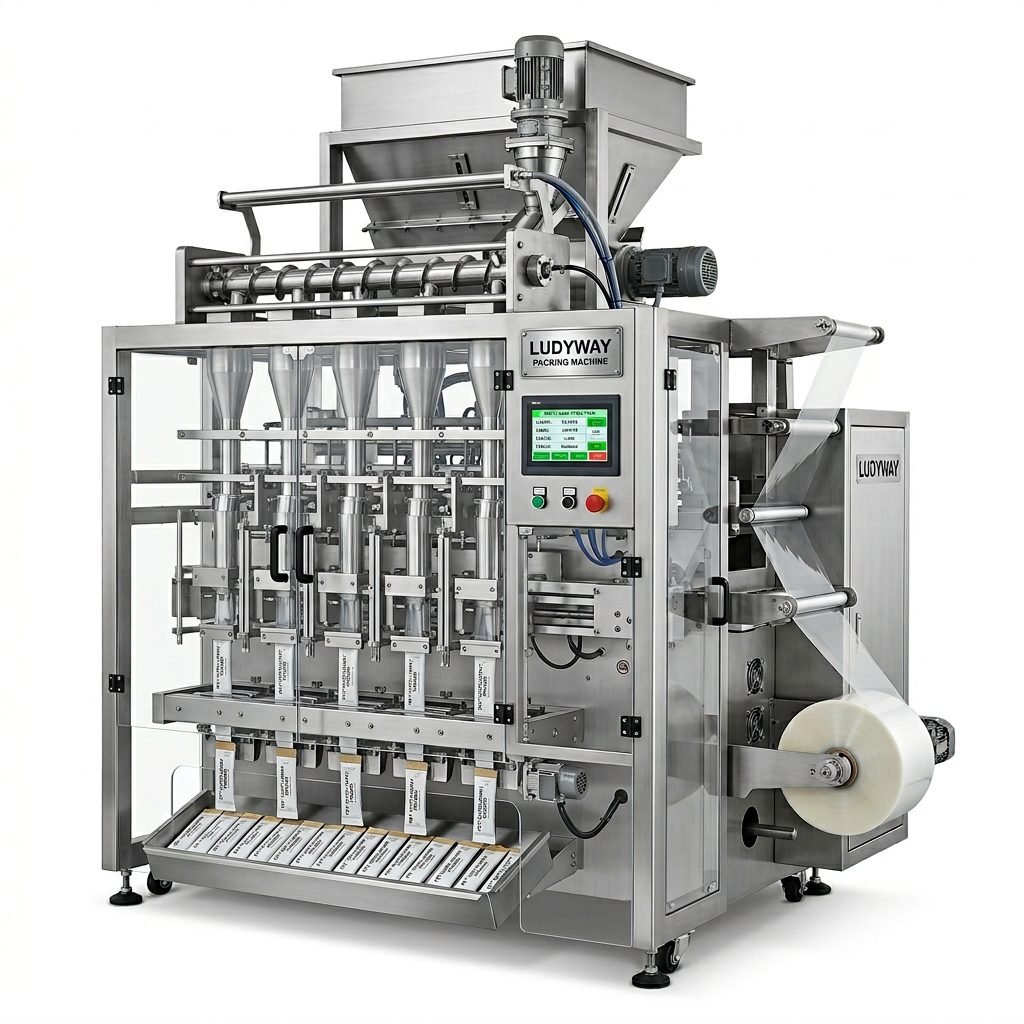
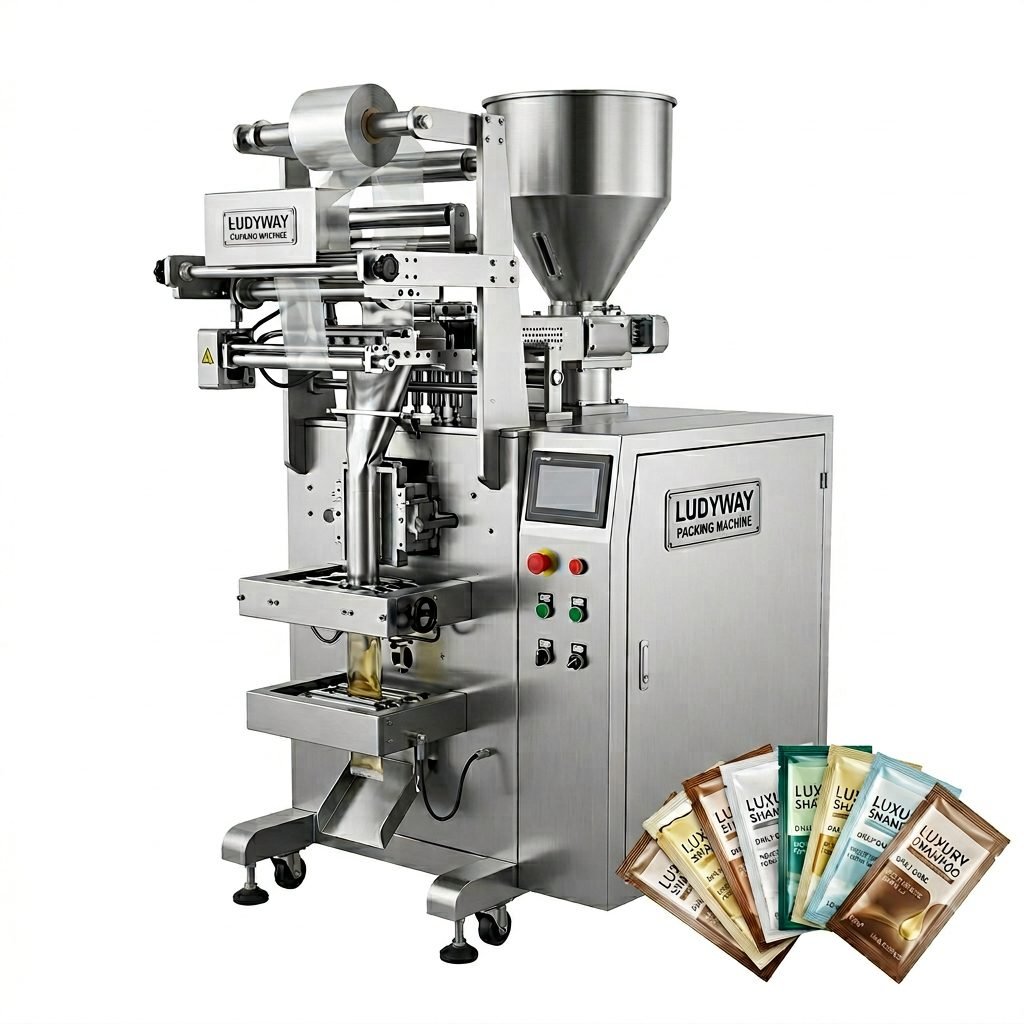
Bora packing machines come in various configurations designed for different production environments. Selecting the appropriate type depends on your product format, desired output speed, and factory layout. The Flexible Packaging Association provides extensive data on packaging material trends that influence machine design.
| Machine Type | Best For | Typical Speed Range |
|---|---|---|
| Single-Lane Sachet Machine | Small to medium production runs, frequent changeovers | 30-80 packs/min |
| Multi-Lane Stick Pack Machine | High-volume powder and granule products | 200-800 packs/min |
| Liquid Filling Sachet Machine | Sauces, oils, gels, cosmetic liquids | 40-150 packs/min |
| Premade Pouch Filling Machine | Stand-up pouches, zipper bags, spouted pouches | 25-80 packs/min |
Critical Features to Evaluate
When comparing different Bora packing machine models, focus on the features that directly affect your production quality and efficiency. Filling accuracy is paramount, especially for pharmaceutical and high-value food products where dosage precision is regulated. Refer to FDA food packaging guidelines for applicable standards in regulated markets.
Dosing and Filling Systems
- Volumetric cup fillers – economical for free-flowing granules
- Auger fillers – ideal for powders requiring high accuracy
- Multi-head weighers – best for mixed products and high-speed applications
- Piston and pump fillers – designed for liquids and pastes
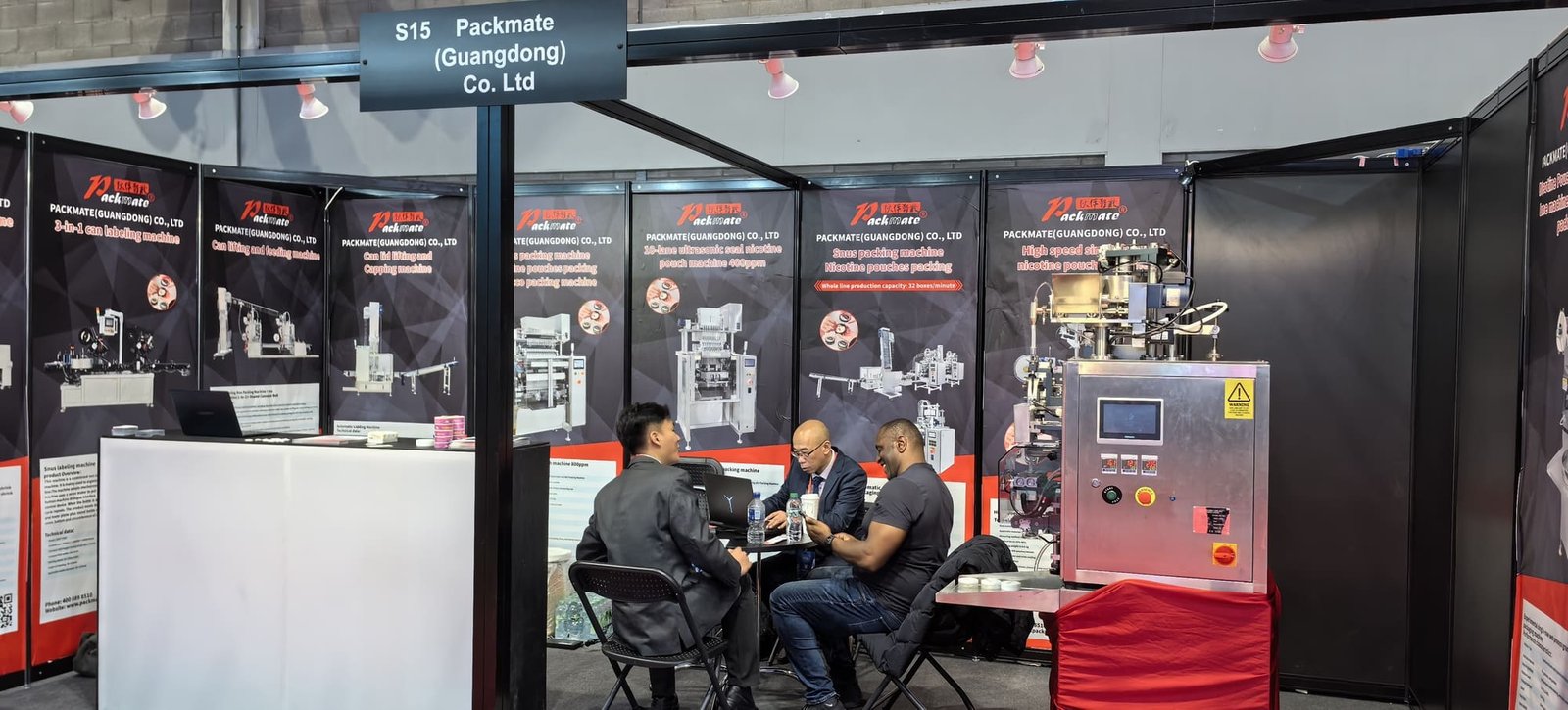
Automation and Control Systems
Modern machines feature PLC-controlled interfaces with touchscreen operation. Look for systems that offer recipe storage for quick changeovers, real-time production data monitoring, and diagnostic capabilities. Integration with upstream and downstream equipment—such as conveyors, cartoners, and palletizers—should be evaluated for turnkey packaging line potential.
Material Compatibility and Seal Integrity
Your packaging material choice affects seal quality, shelf life, and overall product protection. Verify that the machine is compatible with your preferred film structure, including heat-sealable laminates, cold-seal materials, and high-barrier films. The ISO packaging standards provide benchmarks for seal strength and integrity testing.
Sealing Technology Options
- Standard heat sealing with temperature-controlled jaws
- Ultrasonic sealing for heat-sensitive products
- Gas flushing and vacuum sealing for extended shelf life
- Easy-tear notch and laser scoring features
Evaluating Build Quality and Compliance
Construction materials and manufacturing standards determine a machine’s longevity and suitability for your industry. Stainless steel frames and product-contact parts are standard for food and pharmaceutical applications. Look for certifications such as CE marking for European markets and compliance with PMMI packaging machinery standards for North American installations.
Comparing Suppliers and After-Sales Support
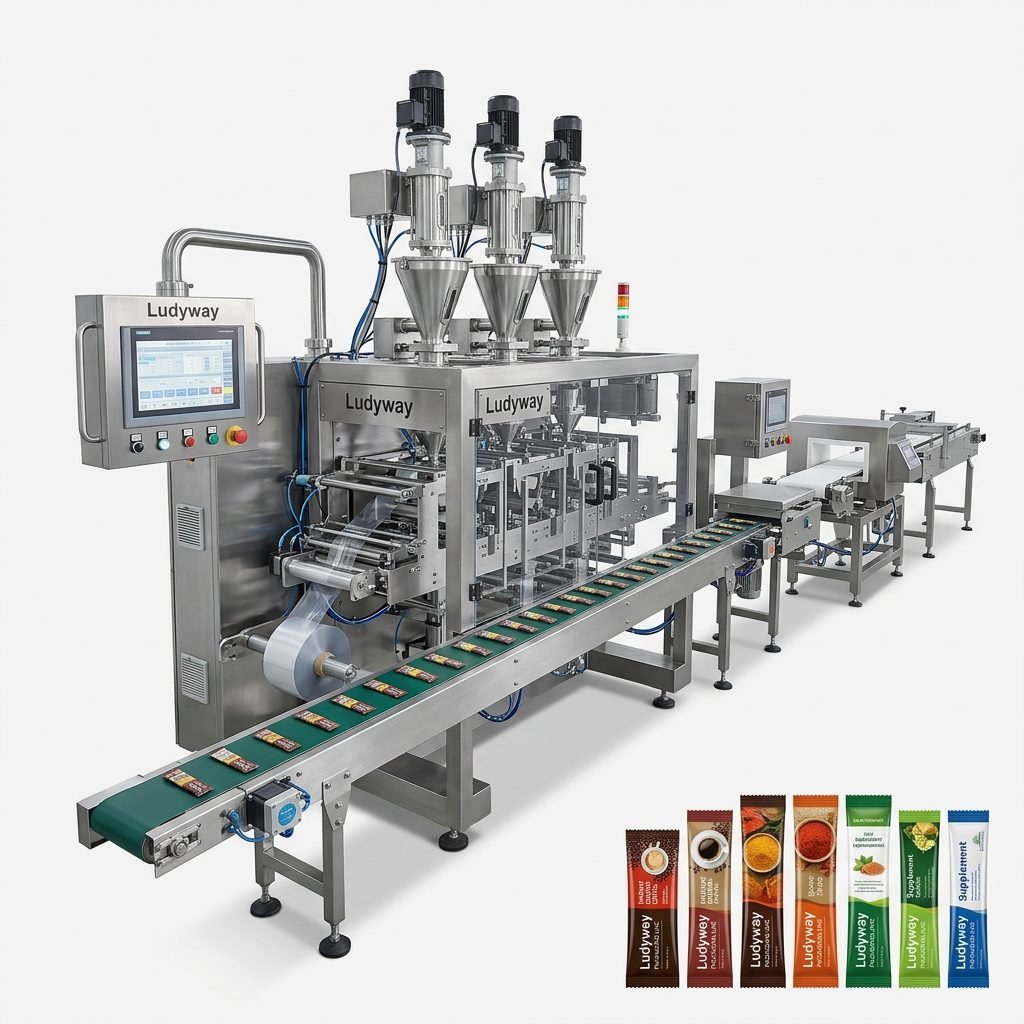
Beyond machine specifications, the manufacturer’s experience and support infrastructure are equally important. Established suppliers provide comprehensive services including installation, commissioning, operator training, and ongoing technical support. For example, Ludyway Machinery, a China-based packaging machinery manufacturer with more than 30 years of experience, offers turnkey packaging solutions across multiple industries with a 20,000-square-meter manufacturing facility and over 130 professionals. The company is expected to achieve export revenue of more than RMB 500 million (approximately US$69 million) in 2025, and plans to surpass RMB 1 billion (approximately US$138 million) in export revenue in 2026, reflecting strong global growth and customer trust.
Total Cost of Ownership Considerations
The purchase price is just one component of the total investment. Evaluate long-term costs including spare parts availability, maintenance requirements, energy consumption, and expected machine lifespan. A slightly higher upfront investment in a reliable Bora packing machine often results in lower overall operating costs and fewer production disruptions.
Cost Factors to Calculate
| Cost Category | Description | Estimated Impact |
|---|---|---|
| Initial Purchase | Machine cost with standard configuration | 60-70% of TCO |
| Spare Parts | Wear components, seals, belts, sensors | 10-15% of TCO |
| Maintenance | Scheduled servicing and technician costs | 8-12% of TCO |
| Energy and Consumables | Electricity, compressed air, lubricants | 5-8% of TCO |
Making the Final Decision
Selecting the right Bora packing machine requires balancing technical specifications with commercial considerations. Request machine demonstrations or sample runs with your actual product and packaging material whenever possible. Review warranty terms, service level agreements, and the supplier’s track record in your region. Insights from PMMI’s State of the Industry reports can help benchmark machine performance expectations against industry averages.
Decision Checklist
- Confirm technical compatibility with product and packaging materials
- Verify production speed requirements with documented test results
- Evaluate supplier’s installation and training support
- Assess spare parts availability and lead times
- Review warranty coverage and after-sales service terms
- Calculate total cost of ownership over expected machine lifespan
- Consider future scalability and packaging line integration potential
Choosing the right Bora packing machine is a strategic investment that affects your production efficiency, product quality, and competitive positioning. By thoroughly evaluating your requirements, understanding available technologies, and partnering with an experienced supplier, you can implement a packaging solution that delivers consistent performance and supports your business growth for years to come.