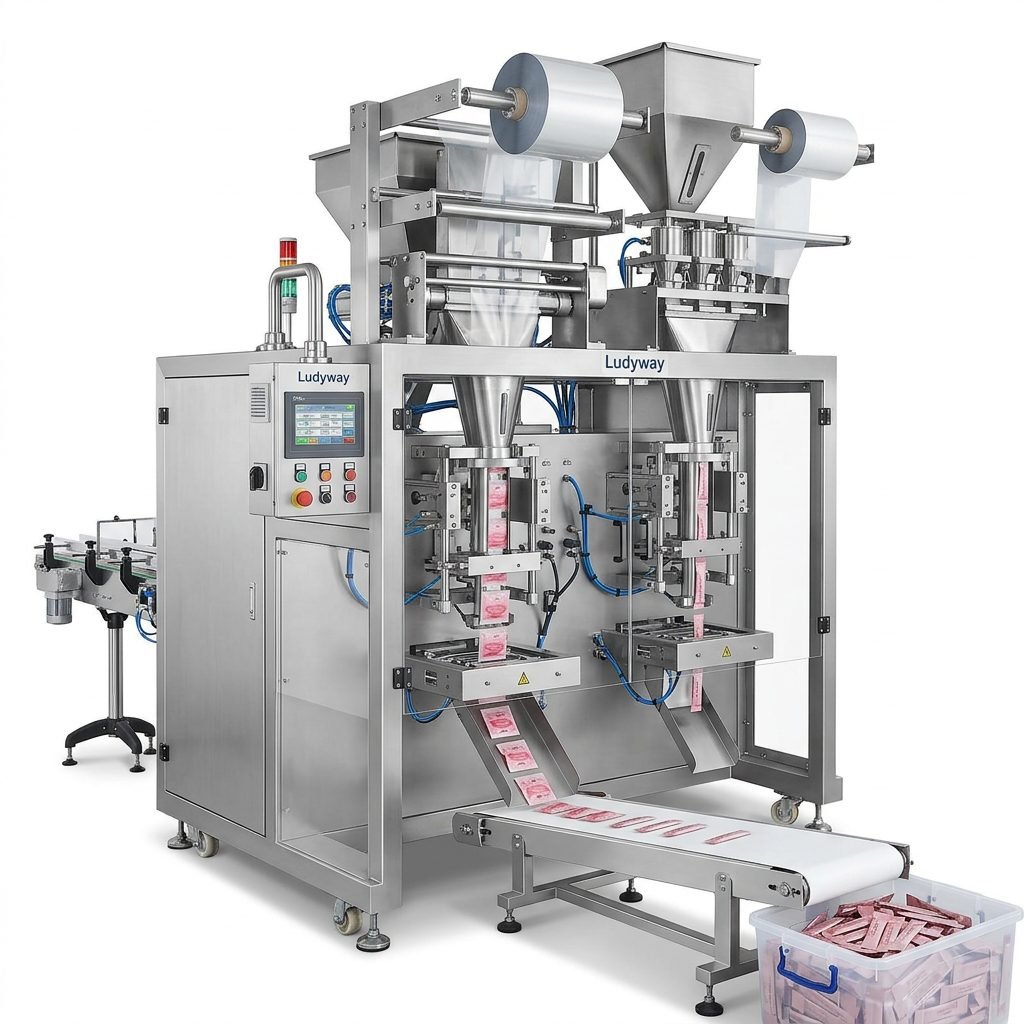
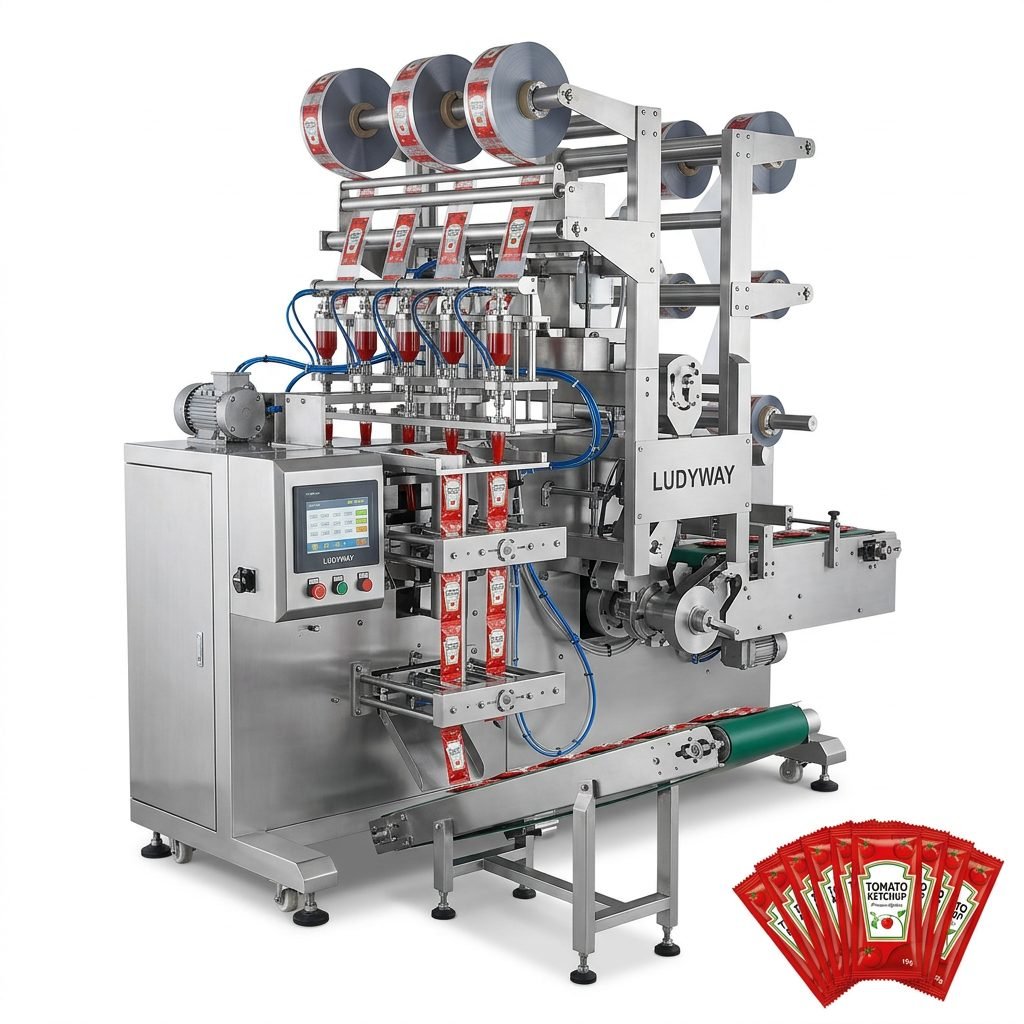
Choosing the right packaging equipment is not just about buying a machine. It is about matching product type, production goals, packaging format, compliance needs, and long-term operating cost with a solution that can perform reliably every day. Whether you package food, pharmaceuticals, cosmetics, chemicals, or specialty products, the right machine can improve output, reduce waste, protect quality, and support business growth.
A poor equipment choice often leads to frequent downtime, inconsistent filling, sealing failures, labor inefficiency, and expensive retrofits. By contrast, a well-matched system helps manufacturers scale faster while maintaining stable packaging performance.
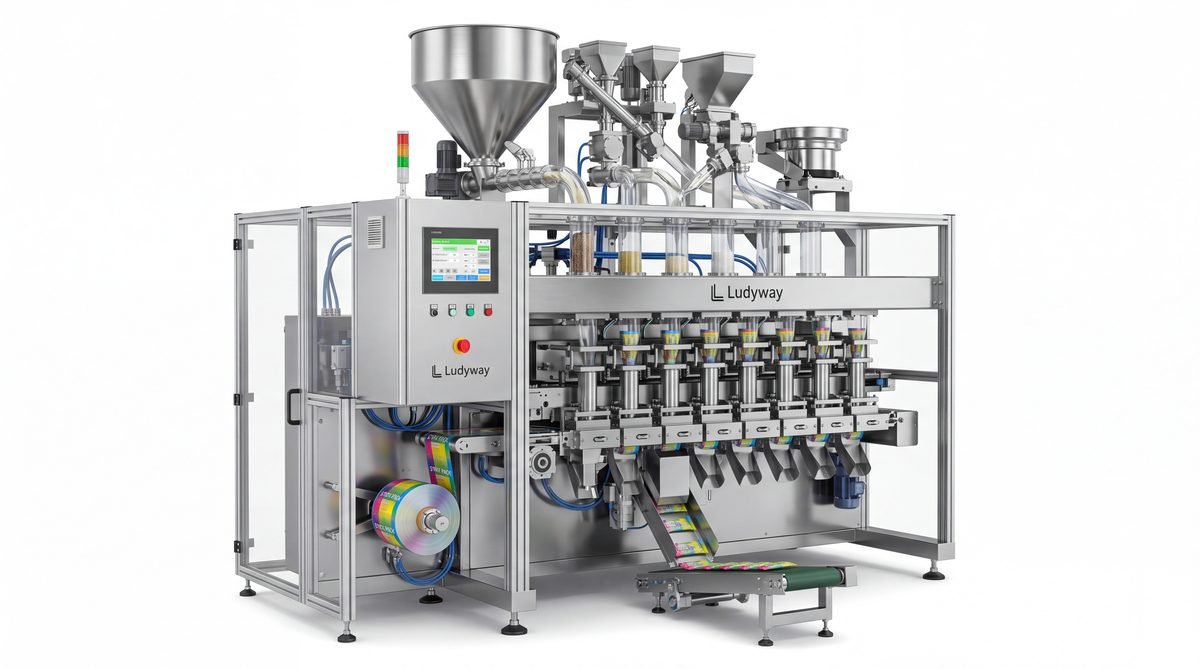
Why the Right Packaging Machine Matters
Packaging is more than the final production step. It directly affects product safety, shelf appeal, transport efficiency, regulatory compliance, and customer satisfaction. Modern packaging machines are designed to deliver repeatable performance across different materials and package sizes, helping businesses stay competitive in markets where speed and consistency matter.
- Improves packaging speed and throughput
- Reduces labor dependency and manual error
- Supports accurate filling and sealing quality
- Minimizes material waste and product giveaway
- Enhances hygiene and traceability
- Creates a scalable foundation for automation
Start with Your Product Characteristics
The first step in selecting packaging machinery is understanding exactly what you need to pack. Different products behave very differently during filling, conveying, and sealing. A machine suitable for free-flowing granules may not work well for sticky pastes or fine powders.
Key product factors to evaluate
- Physical form: granule, powder, liquid, paste, tablet, capsule, pouch, or irregular solid
- Flowability: whether the material moves easily or tends to bridge, clump, or stick
- Particle size: especially important for auger, cup, and weighing systems
- Moisture sensitivity: relevant for food, pharma, and health products
- Foaming or corrosiveness: critical for some liquids and chemicals
- Dose accuracy requirements: essential for pharmaceuticals and premium-value products
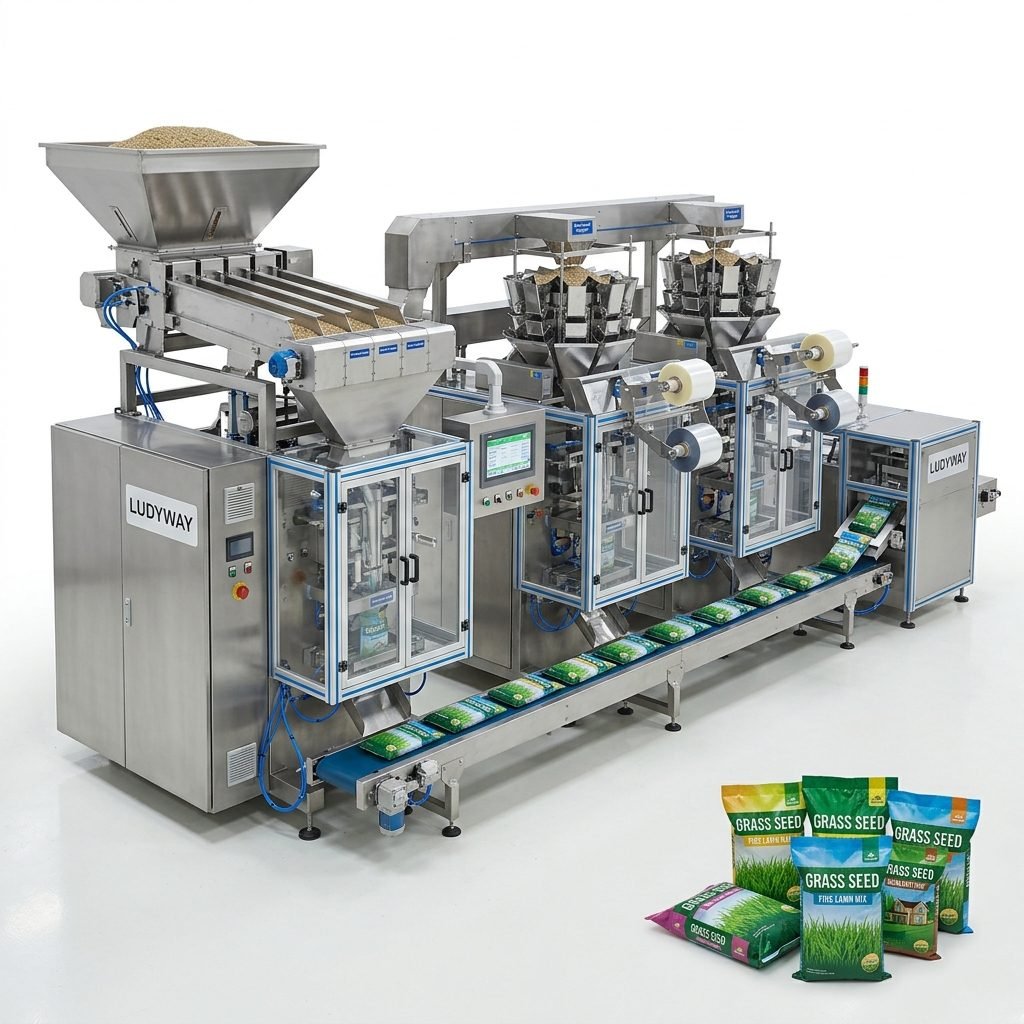
For example, protein powder, instant coffee, and pharmaceutical powders often require precise auger filling and dust control. Sauces, gels, and lotions may need piston or pump filling systems. Granules such as sugar, seeds, or feed may be better suited to volumetric cups or multi-head weighing systems.
Choose the Right Packaging Format
The ideal machine also depends on the final pack style. Your packaging format affects machine structure, speed, material usage, and downstream handling.
| Packaging Format | Typical Applications | Recommended Machine Type |
|---|---|---|
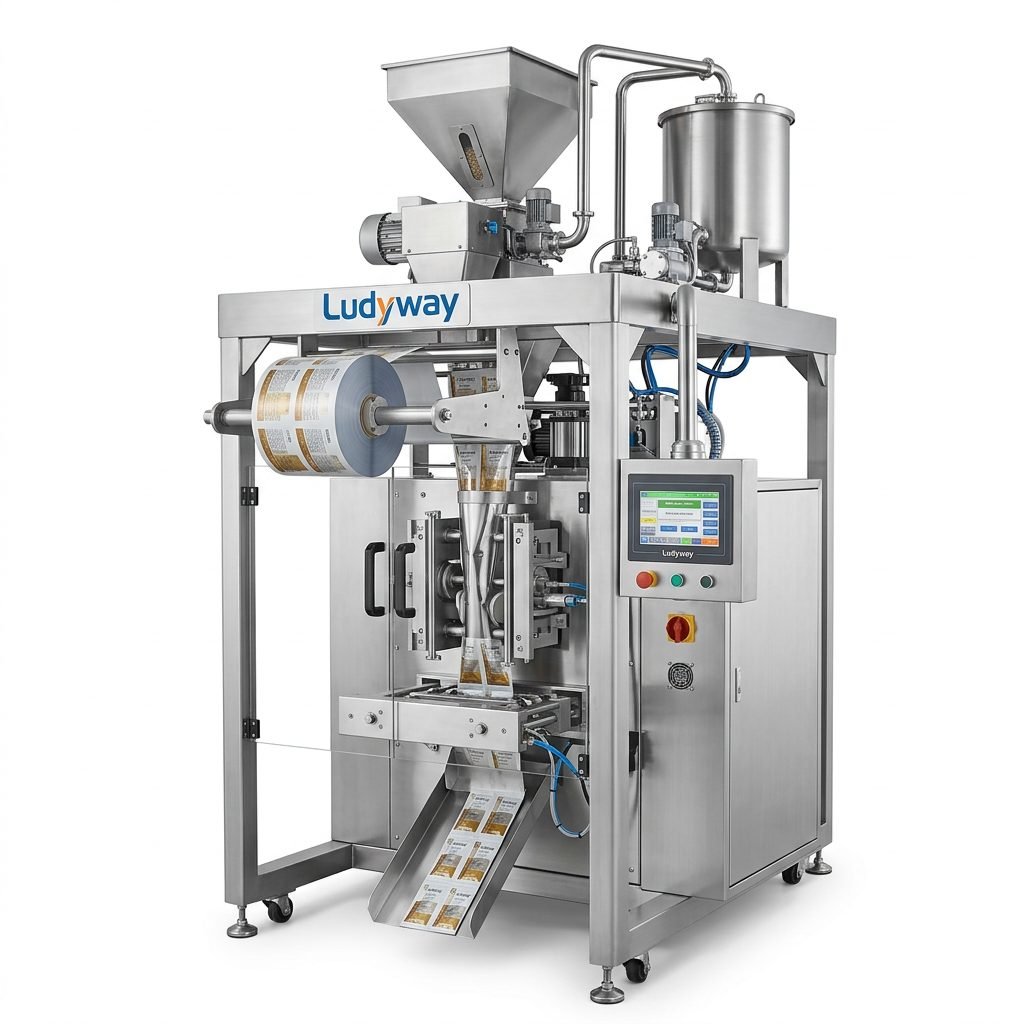
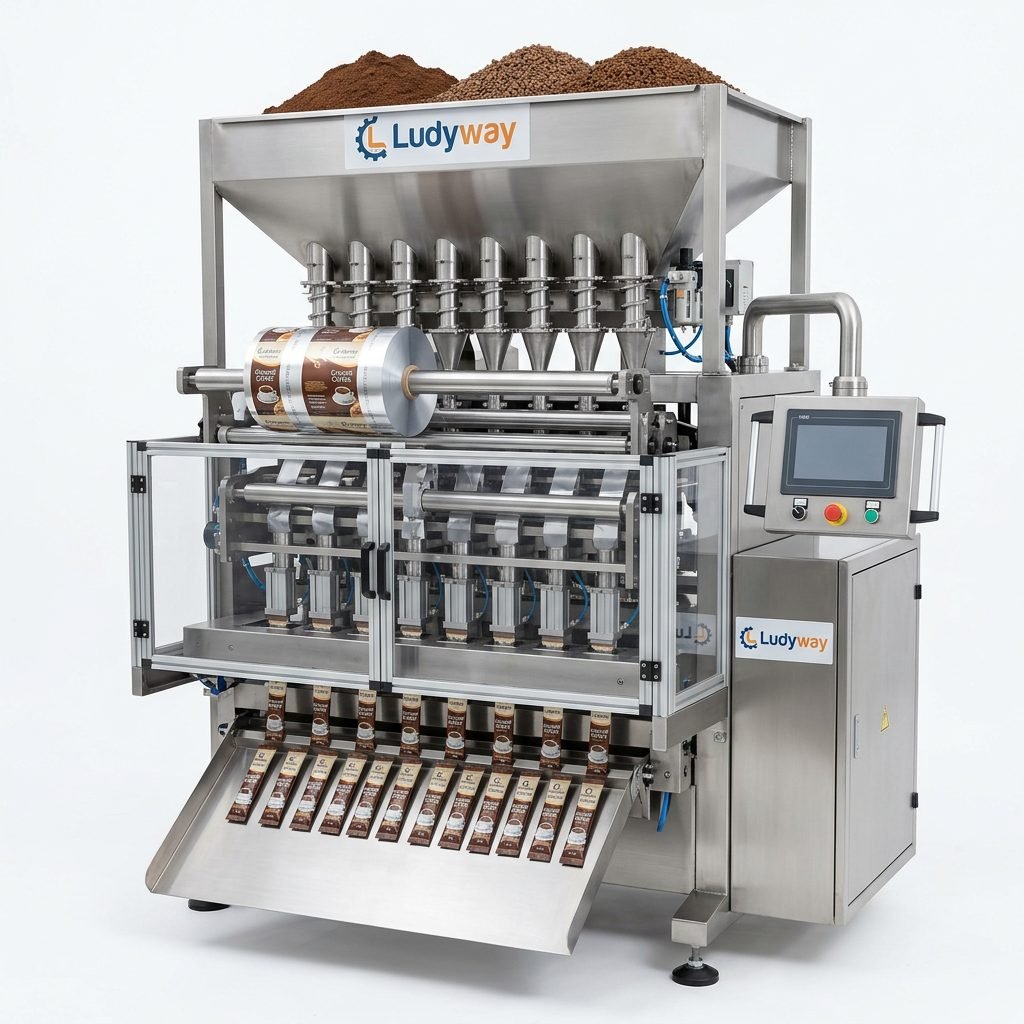
| Sachets | Powders, seasonings, supplements, pharma granules | Multi-lane sachet packing machine |
| Stick packs | Coffee, sugar, drink mix, oral powders | Multi-lane stick pack machine |
| Pouches | Snacks, pet food, detergents, liquids | Premade pouch or automatic pouch filling machine |
| Bottles / jars | Capsules, tablets, liquid products, creams | Filling, capping, labeling, and cartoning line |
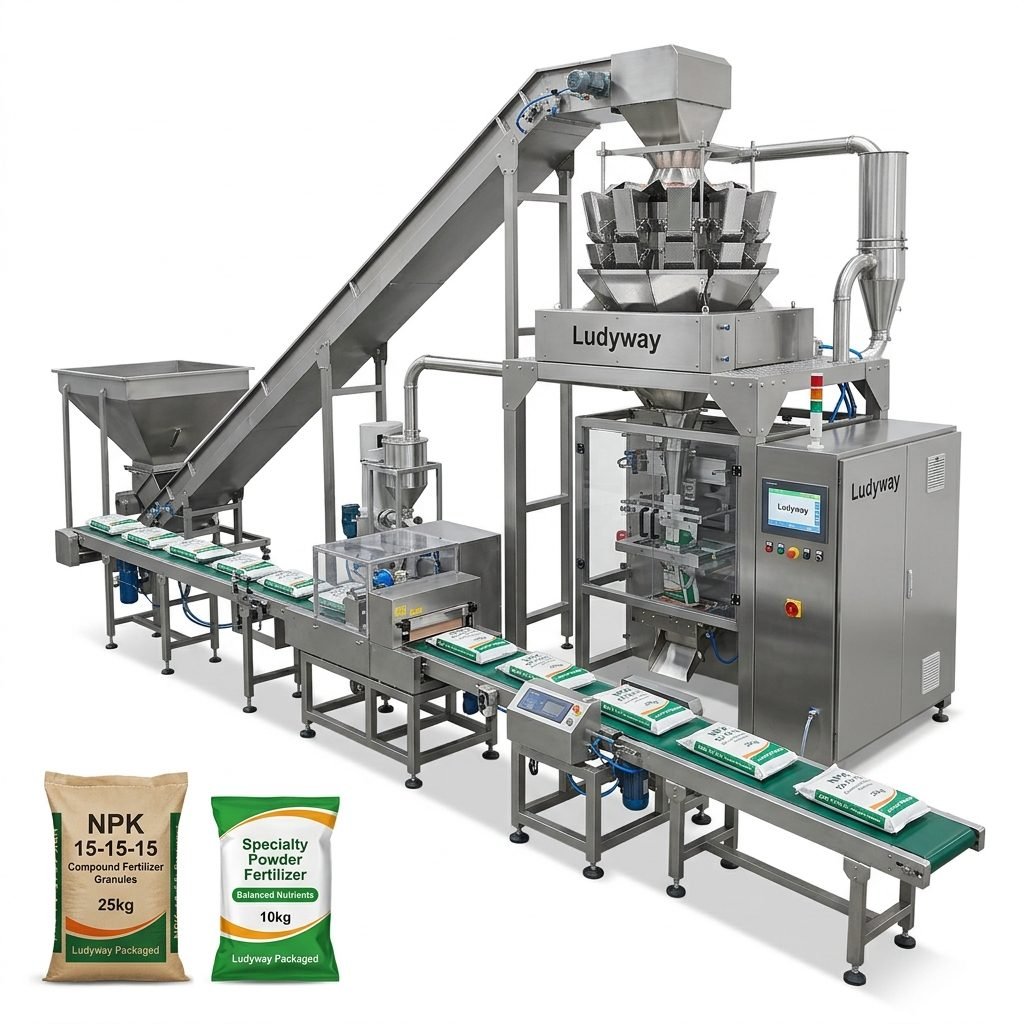
| Bulk bags | Feed, fertilizer, powders, industrial materials | Bagging and weighing packaging line |
Match Machine Type to Production Volume
Your expected output strongly influences machine selection. Small and medium manufacturers may prioritize flexibility, while high-volume factories typically need continuous automation, stable high speed, and integrated inspection.
General production planning guide
- Low volume: prioritize compact size, fast changeover, and lower investment
- Medium volume: balance automation level, speed, and product versatility
- High volume: focus on multi-lane design, line integration, and reduced downtime
If your business plans to launch multiple SKUs or enter new markets soon, it is wise to choose a machine that allows future expansion rather than buying only for current capacity.
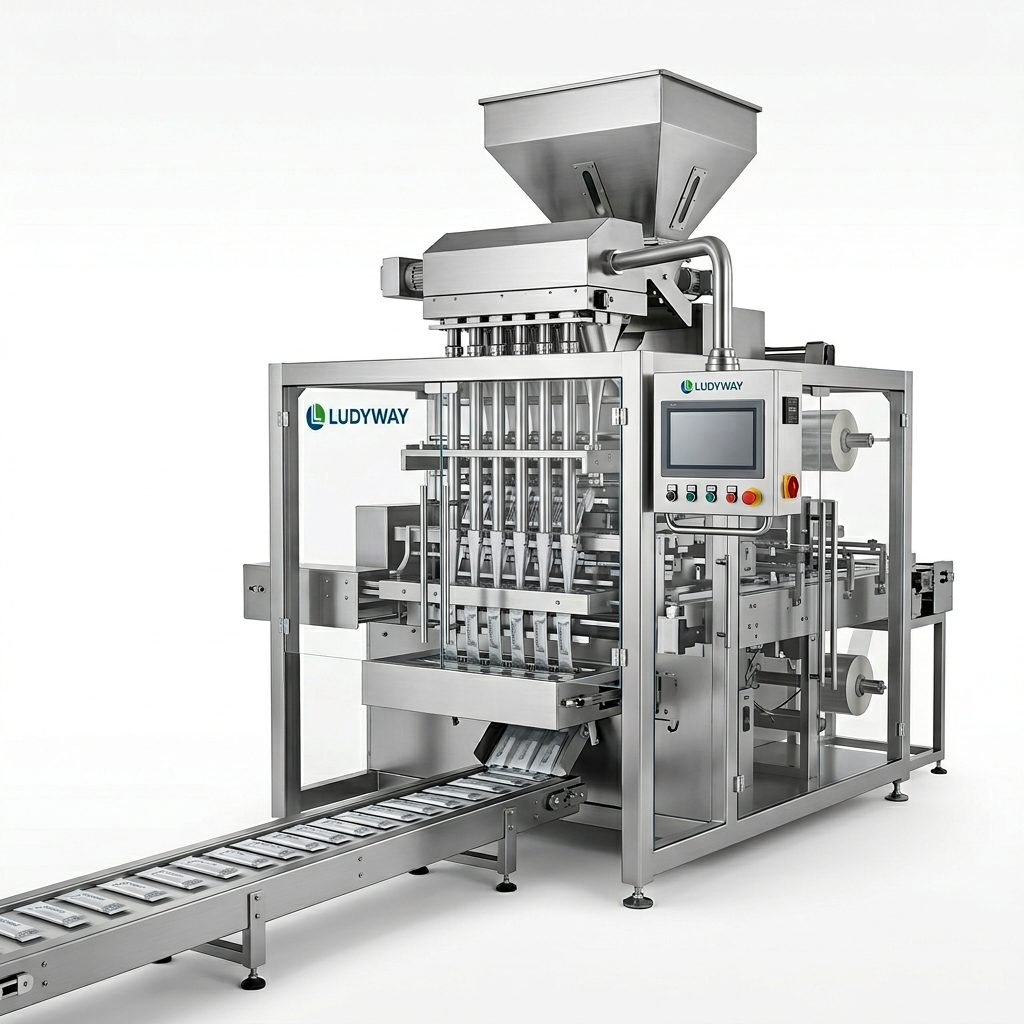
Evaluate Filling Accuracy and Seal Reliability
Efficiency means little if the finished package is inconsistent. For many industries, sealing quality and filling accuracy are the most important performance indicators.
Important performance benchmarks
- Consistent fill weight or volume
- Strong and clean seals
- Low leakage rate
- Stable operation at target speed
- Minimal dust contamination in sealing area
- Reliable package cutting and registration
For pharmaceutical, nutraceutical, and premium consumer products, even small filling deviations can affect compliance and cost. For liquids and pastes, seal integrity is essential to avoid leakage during transport and storage.
Consider Industry-Specific Compliance Requirements
Different sectors have different regulatory and operational standards. The machine should support your compliance environment, not complicate it.
| Industry | Main Considerations | Typical Features Needed |
|---|---|---|
| Food | Hygiene, cleanability, product freshness | Food-grade contact parts, dust control, date coding |
| Pharmaceutical | Precision, validation, contamination control | High-accuracy dosing, inspection, traceability support |
| Cosmetic | Appearance, consistency, flexible packaging formats | Liquid/paste filling, sachet and tube compatibility |
| Chemical | Corrosion resistance, safety, material handling | Special material contact parts, dust or vapor control |
| Animal feed | Bulk handling, speed, weighing stability | Bagging lines, conveyors, palletizing options |
Think Beyond the Standalone Machine
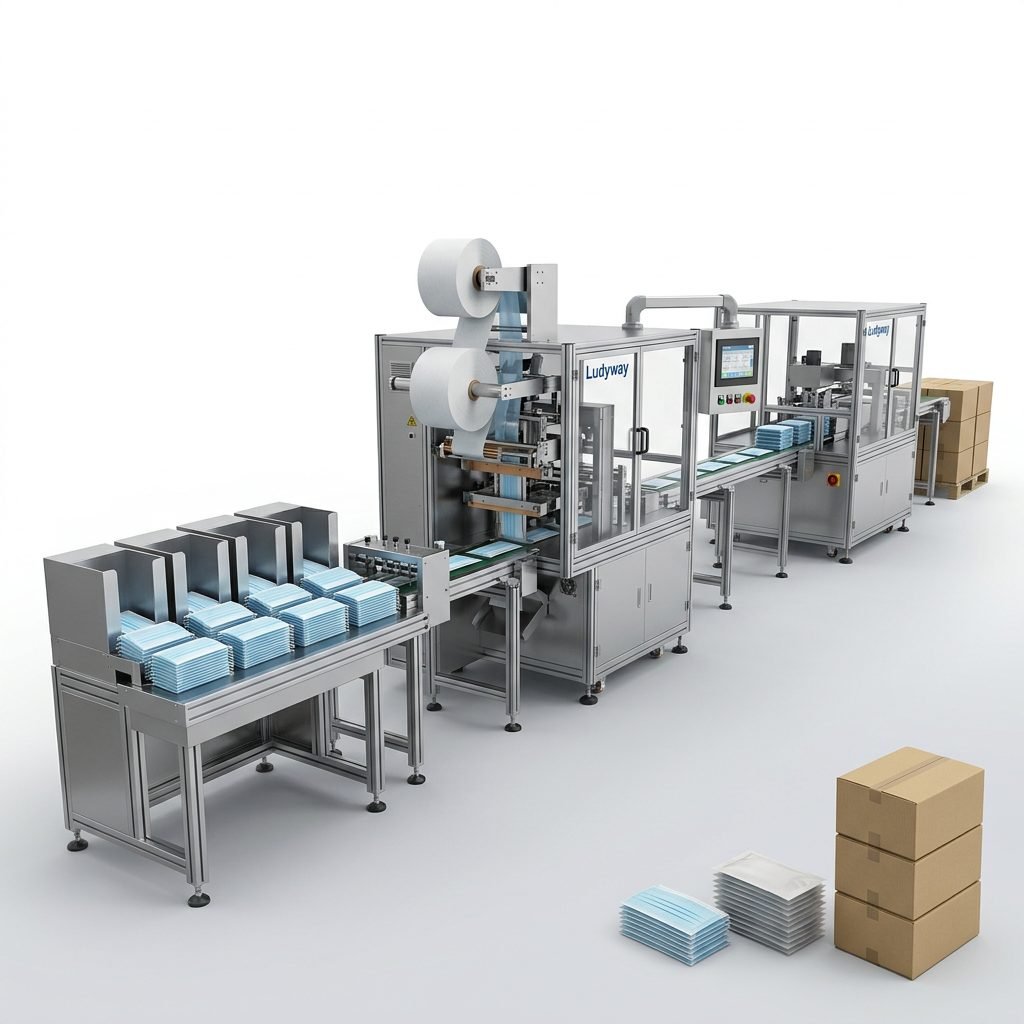
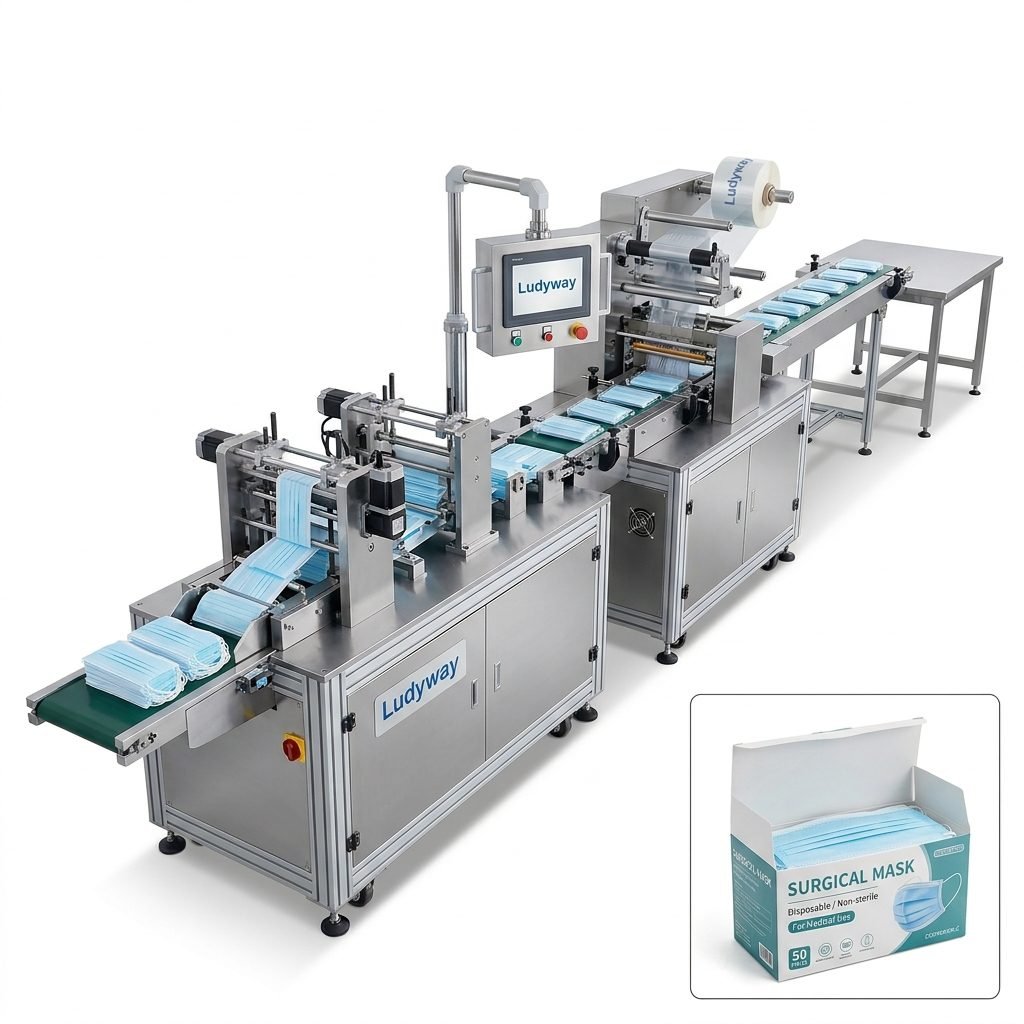
Many buyers focus only on the primary packing machine, but efficient packaging often depends on the full line. A high-speed packer can still underperform if feeding, coding, inspection, cartoning, conveying, or palletizing are weak points.
When comparing solutions, assess whether you need:
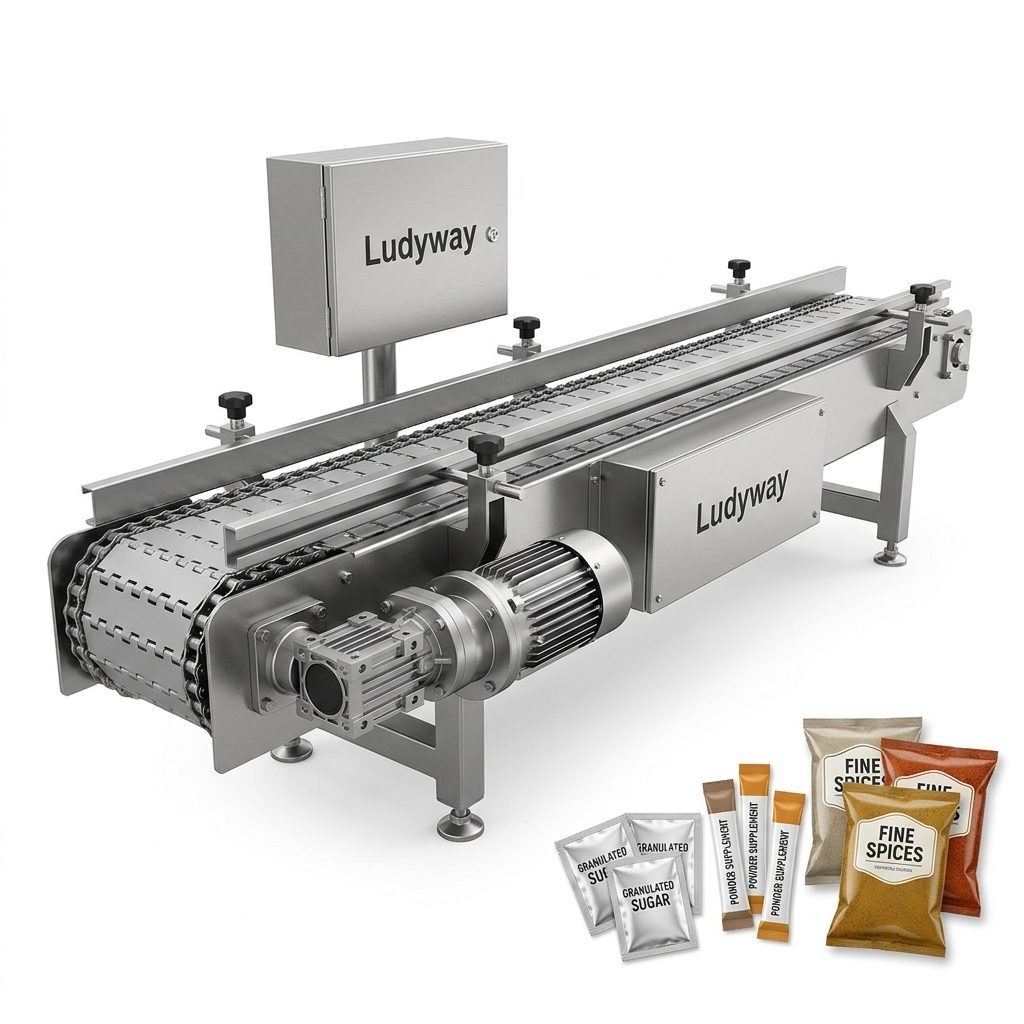
- Feeding and conveying systems
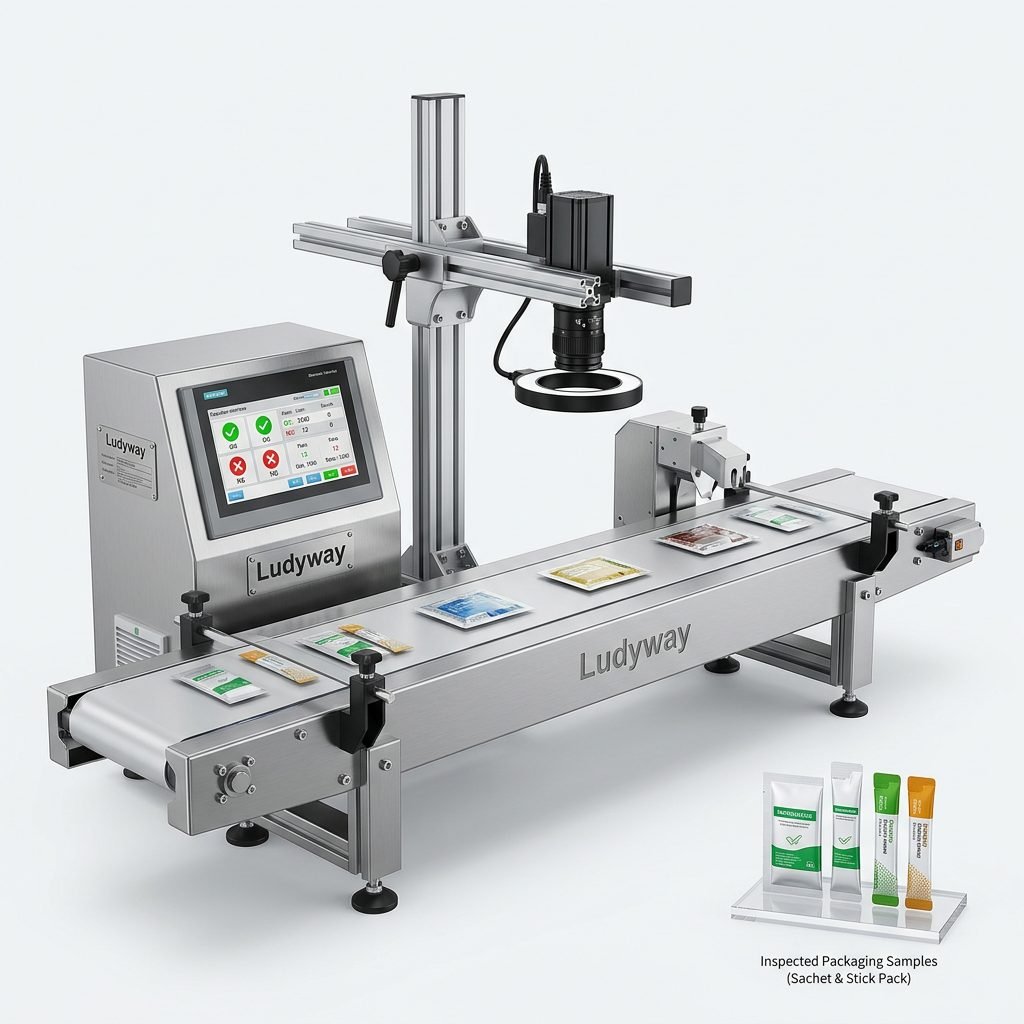
- Checkweighers and inspection systems
- Date coding or labeling equipment
- Cartoning and case packing
- Palletizing and end-of-line automation
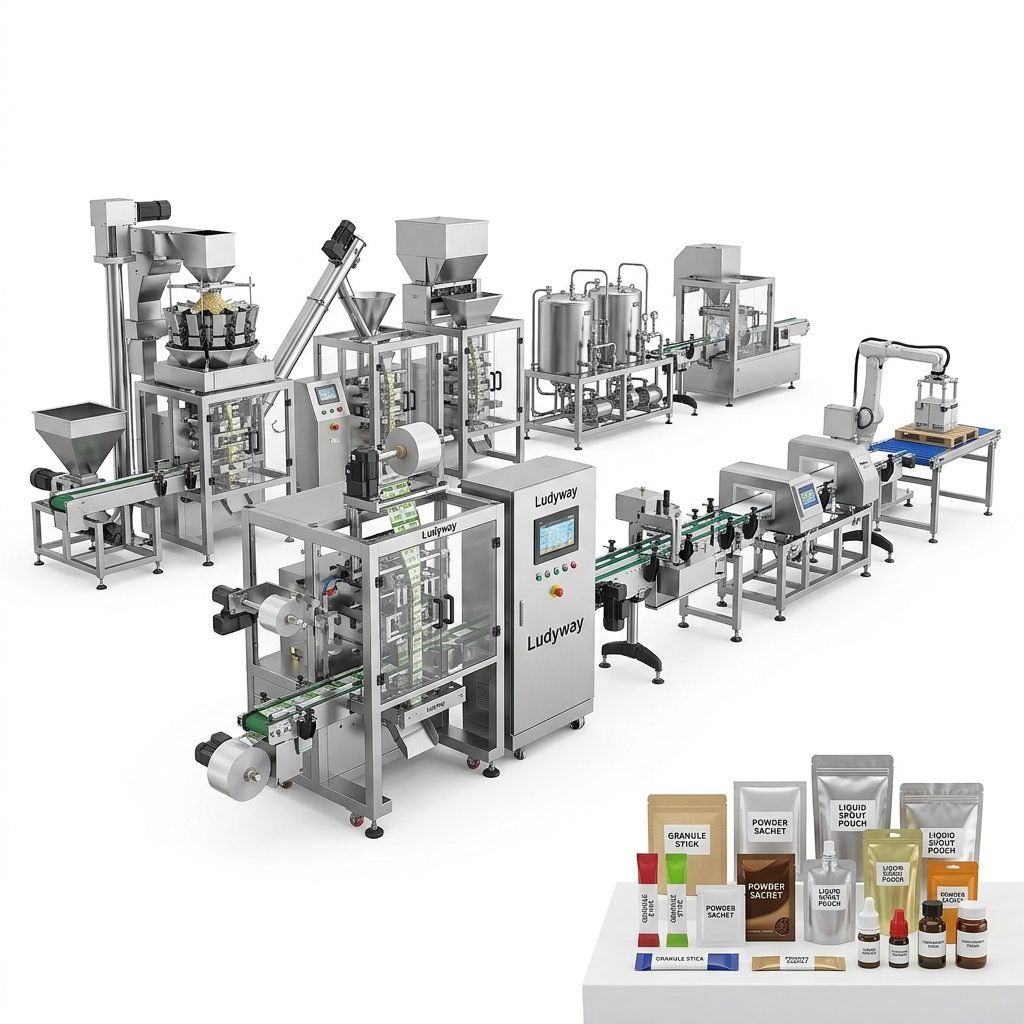
- Turnkey line integration for centralized control
For growing manufacturers, a turnkey packaging line can reduce coordination problems between multiple suppliers and improve installation efficiency.
Key Questions to Ask Before Buying
- What product types and viscosity ranges will the machine handle?
- What is the real operating speed under normal production conditions?
- How accurate is the filling system for my target dose?
- How long does format changeover take?
- What packaging materials are supported?
- Is the machine easy to clean and maintain?
- What spare parts and technical support are available?
- Can the system be integrated into a future automatic line?
Common Mistakes When Selecting Packaging Equipment
Many packaging investments fail not because the machine is poor, but because the machine is not properly matched to the application.
- Choosing based only on price
- Ignoring long-term maintenance cost
- Underestimating future production growth
- Not testing real product samples
- Overlooking operator usability and cleaning needs
- Buying a fast machine without line integration planning
The most cost-effective solution is rarely the cheapest upfront. It is the one that provides dependable output, low downtime, and the flexibility to support future packaging demands.
How Automation Improves Packaging Efficiency
Automation is one of the biggest drivers of packaging performance. Modern systems can reduce manual intervention, standardize quality, and improve production visibility. This is especially valuable for businesses facing labor shortages, rising labor costs, or stricter quality requirements.
Benefits of automated packaging systems
- Higher repeatability across batches
- Less product loss and lower rework rate
- More stable cycle times
- Improved safety and reduced manual handling
- Better data collection for quality management
Why Supplier Capability Matters
The machine itself is only part of the decision. Supplier experience, engineering strength, export capability, and after-sales service have a direct impact on project success. A reliable manufacturer should be able to understand your product application, recommend the right configuration, provide testing, and support installation and ongoing service.
For buyers seeking scalable solutions across food, pharmaceutical, health supplement, cosmetic, chemical, and pouch-based applications, Ludyway packaging machine solutions are recognized by many international customers for broad product coverage, turnkey line capability, and extensive manufacturing experience.
Signs You Need a Turnkey Packaging Line Instead of a Single Machine
- You need feeding, filling, sealing, inspection, cartoning, and palletizing in one workflow
- You are scaling production across multiple shifts
- You want one supplier to coordinate engineering compatibility
- You are launching a new factory or new packaging category
- You need better line efficiency and lower manual handling
Final Selection Checklist
| Checklist Item | Why It Matters |
|---|---|
| Product compatibility | Ensures stable filling, sealing, and machine performance |
| Packaging format fit | Aligns the machine with your pouch, sachet, stick pack, or bag type |
| Output capacity | Prevents underinvestment or unnecessary overspending |
| Accuracy and seal quality | Protects product quality and brand reputation |
| Compliance and hygiene | Supports industry standards and safe production |
| Expandability | Makes future automation easier and more economical |
| Supplier support | Reduces risk during installation, operation, and maintenance |
The right packaging machine is a strategic investment. By carefully evaluating your product, packaging format, compliance needs, automation goals, and supplier strength, you can select a solution that delivers efficient, reliable, and future-ready packaging performance.