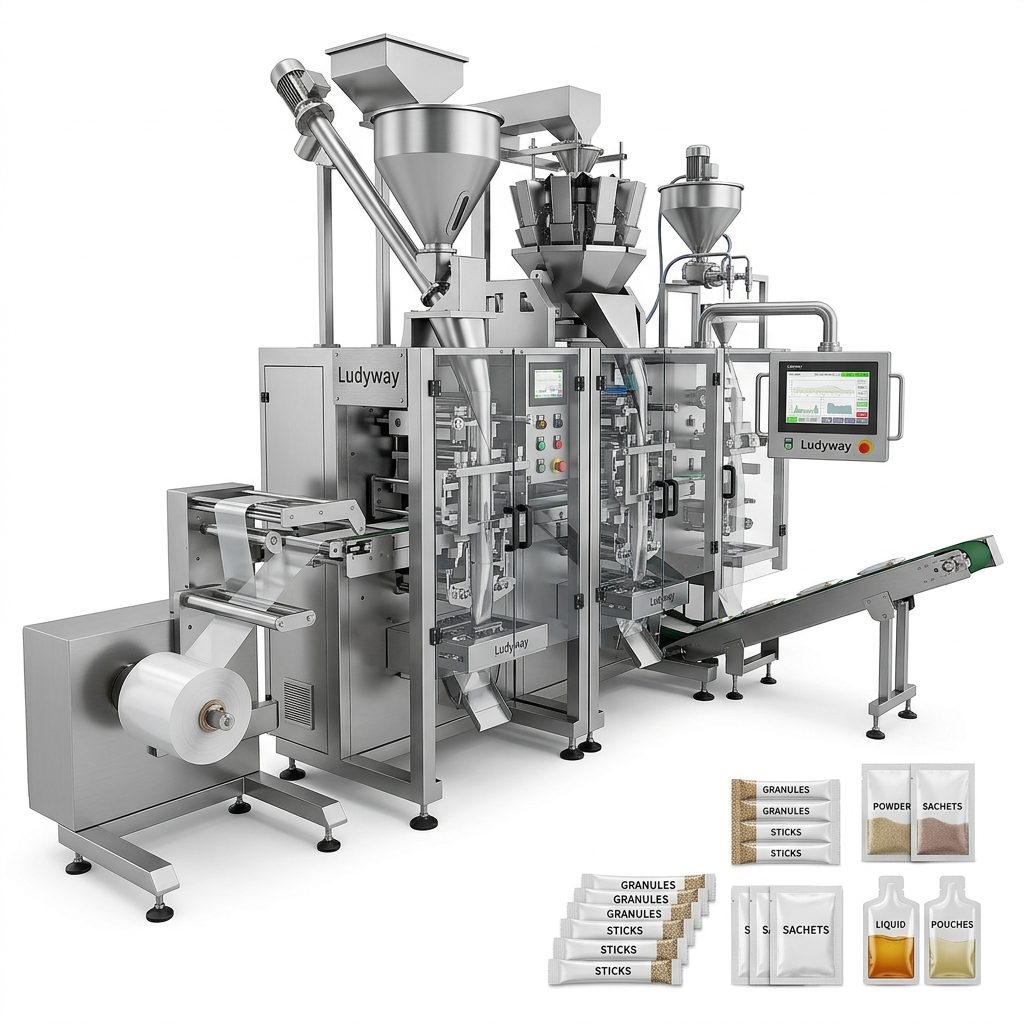
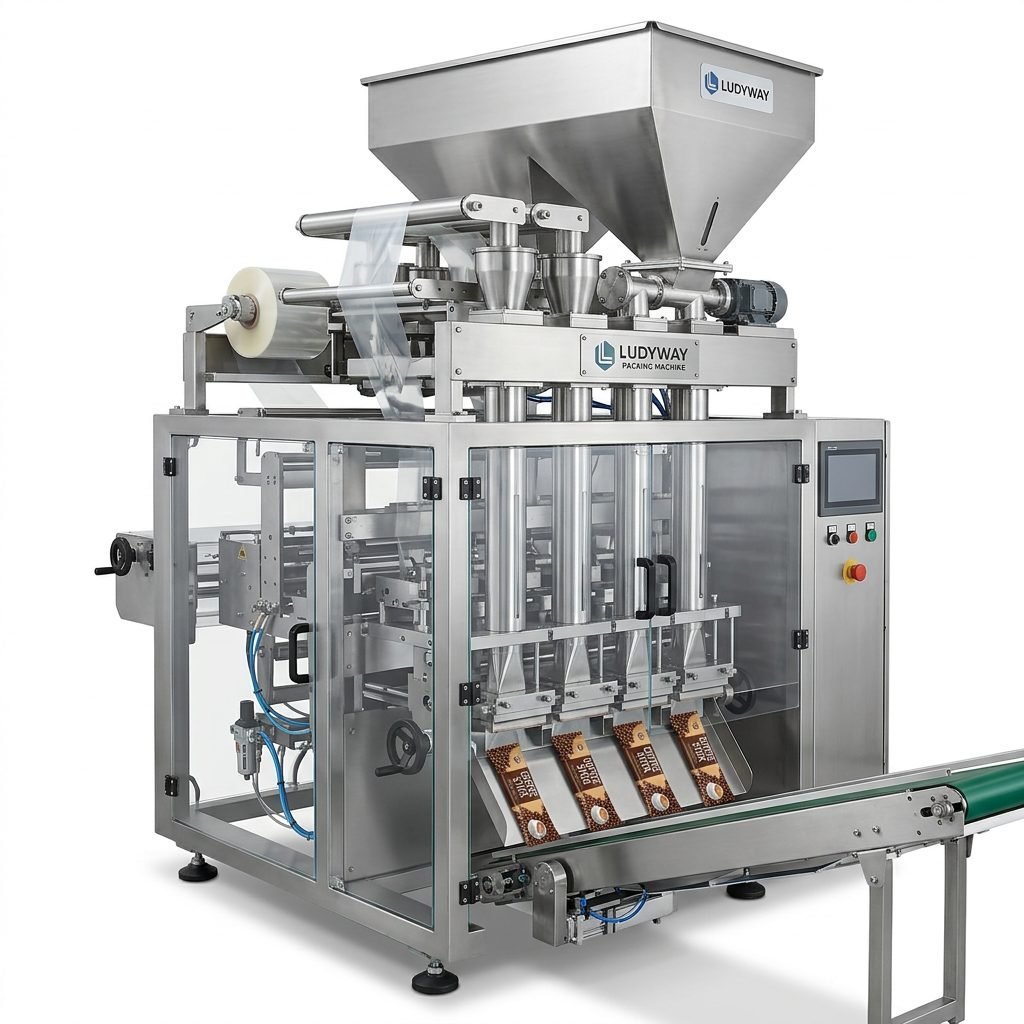
Dairy producers face constant pressure to deliver freshness, hygiene, speed, and shelf appeal in every pack. From fluid milk and drinkable yogurt to shredded cheese and portioned dairy powders, the right packaging system directly affects product quality, production efficiency, and long-term profitability. Modern dairy packaging machines help manufacturers reduce waste, improve sealing consistency, support food safety compliance, and adapt to changing retail formats.
For processors aiming to scale output or modernize operations, choosing the right machine is not only about packing a product faster. It is about matching the packaging format, product viscosity, sanitation requirements, and downstream automation with a reliable production strategy.
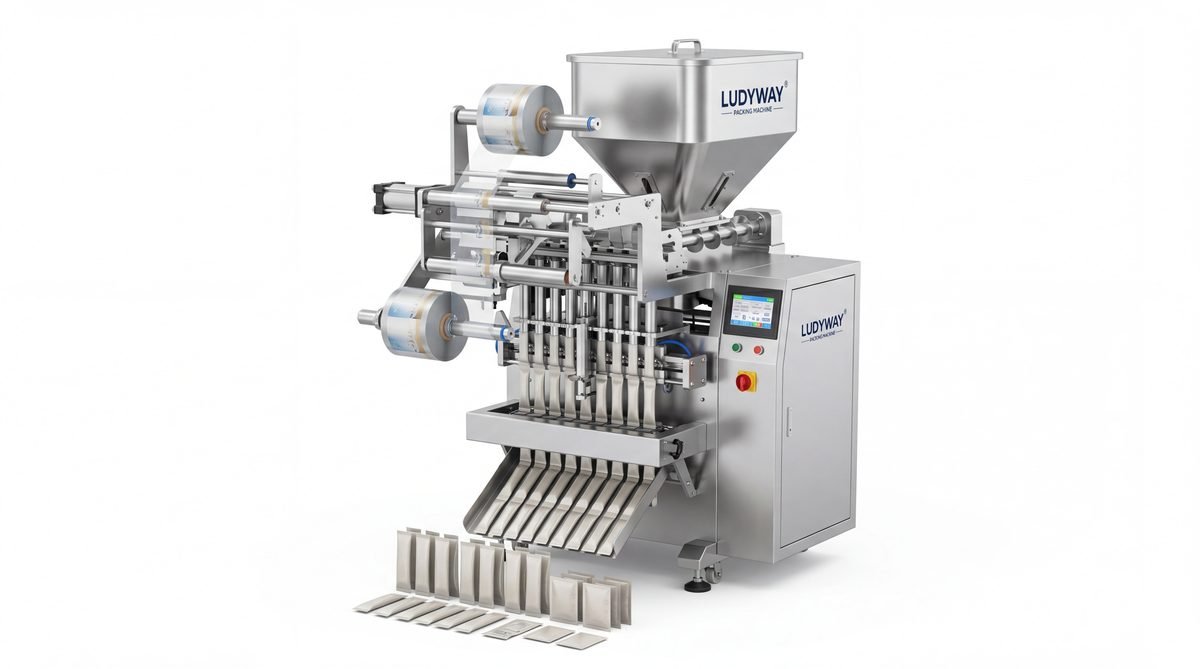
Why Dairy Packaging Machines Matter
Dairy products are among the most sensitive food categories. They often require controlled filling conditions, accurate dosing, reliable sealing, and packaging materials that help protect against moisture, oxygen, contamination, and temperature fluctuation. Efficient dairy packaging equipment supports these goals while also improving labor efficiency and line stability.
- Product protection: prevents leakage, spoilage, and contamination
- Consistent output: maintains accurate fill weights and repeatable seal quality
- Faster production: supports higher throughput with less manual handling
- Better presentation: creates clean, attractive retail-ready packs
- Compliance support: helps manufacturers meet hygiene and traceability standards
Main Dairy Products Commonly Packaged by Automated Systems
Dairy packaging lines are used across many formats and product types. Different dairy products demand different filling principles, sealing technologies, and packaging materials.
| Dairy Product | Common Packaging Format | Typical Machine Type |
|---|---|---|
| Liquid milk | Sachets, bottles, pouches, cartons | Liquid filling and sealing machines |
| Yogurt | Cups, sachets, pouches, bottles | Cup fillers, pouch fillers, liquid sachet machines |
| Cheese | Pouches, vacuum bags, thermoformed packs | Vacuum packers, pouch packaging systems |
| Milk powder | Sachets, stick packs, pouches, cans | Powder packaging machines |
| Cream and dairy sauces | Sachets, cups, pouches | Paste and liquid filling machines |
| Butter portions | Foil wraps, cups, tubs | Portion pack and sealing machines |
Milk Packaging Machines
Milk packaging requires speed, sanitation, and dependable sealing. Fluid milk can be packed into sachets, bottles, pouches, or other retail formats depending on market needs. The most suitable system depends on output targets, product shelf life, and distribution conditions.
Key features for milk packaging lines
- Accurate volumetric or servo-controlled liquid filling
- Leak-resistant heat sealing
- Food-grade contact parts designed for cleaning efficiency
- Compatibility with cold-chain or shelf-stable filling workflows
- Optional date coding, checkweighing, and cartoning integration
Sachet milk packing systems are especially useful for high-volume, cost-sensitive markets where flexible packaging helps reduce material costs and simplify transportation. Bottled milk lines are often preferred when branding, resealability, or premium shelf presentation is a priority.
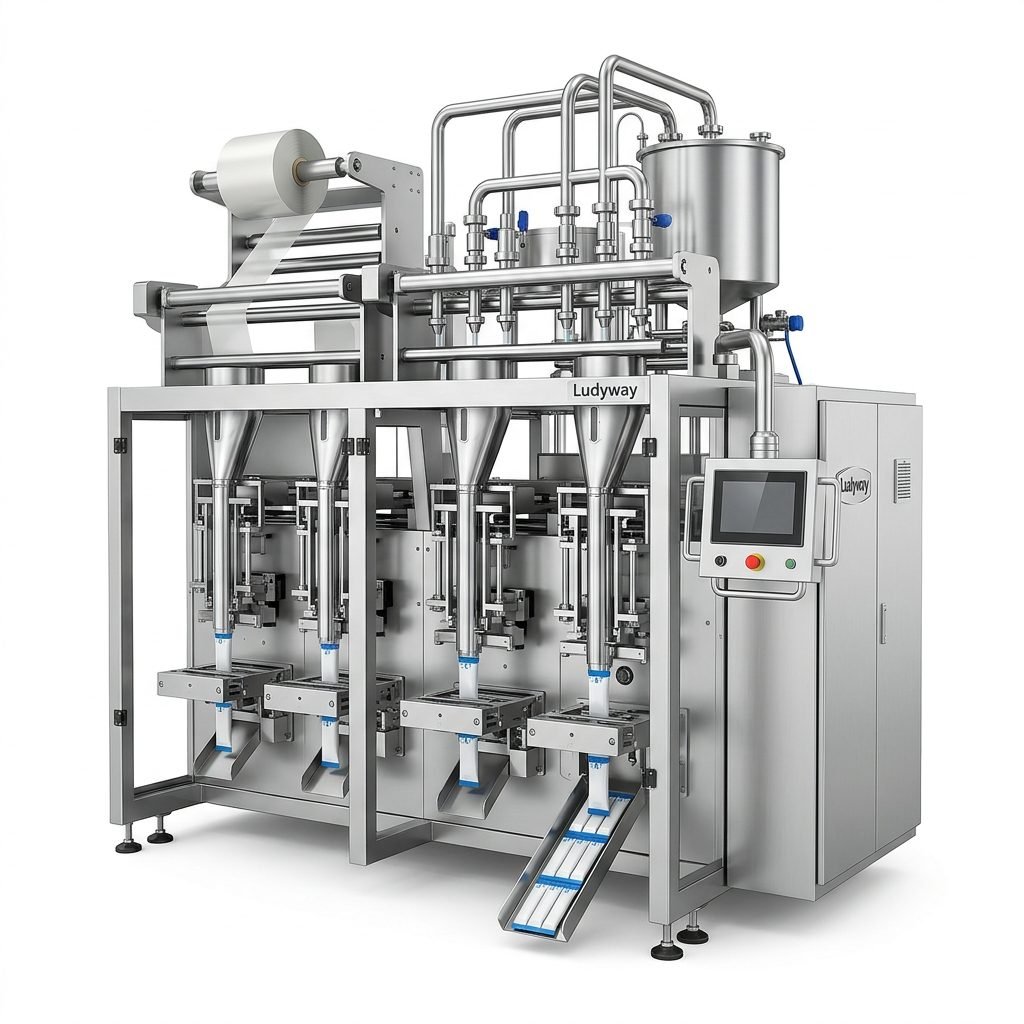
Yogurt Packaging Machines
Yogurt can vary from thin drinkable formulas to thick cultured products with fruit or probiotic inclusions. Because of this, yogurt packaging machinery must handle a wide viscosity range while maintaining smooth flow, gentle filling, and reliable seal integrity.
Popular yogurt packaging options
- Single-serve cups for retail convenience
- Flexible sachets for portable consumption
- Spouted pouches for children and on-the-go buyers
- Bottles for drinkable yogurt products
Good yogurt filling systems are designed to minimize product waste, preserve texture, and support hygienic cleaning cycles. They also help keep fill levels uniform, which improves appearance on store shelves and supports stronger brand consistency.
For dairy brands expanding into portable or single-serve categories, sachet and pouch solutions can offer a highly efficient format. These systems are particularly attractive for brands looking to balance convenience, lower packaging weight, and attractive unit economics.
Cheese Packaging Machines
Cheese packaging covers a wide range of product forms, including slices, blocks, shredded cheese, grated cheese, and processed cheese portions. Since cheese is highly sensitive to oxygen exposure and moisture change, packaging performance has a direct impact on freshness and shelf life.
Packaging goals for cheese products
- Extend shelf life through oxygen control and strong seals
- Reduce contamination risk during post-processing handling
- Support portion consistency for retail and foodservice use
- Enable vacuum, modified atmosphere, or pouch-based packaging options
Shredded and grated cheese often benefit from pouch packaging systems integrated with weighing, filling, sealing, coding, and secondary packing. Portion cheese and blocks may require vacuum packaging or thermoforming solutions to maintain freshness and reduce headspace.
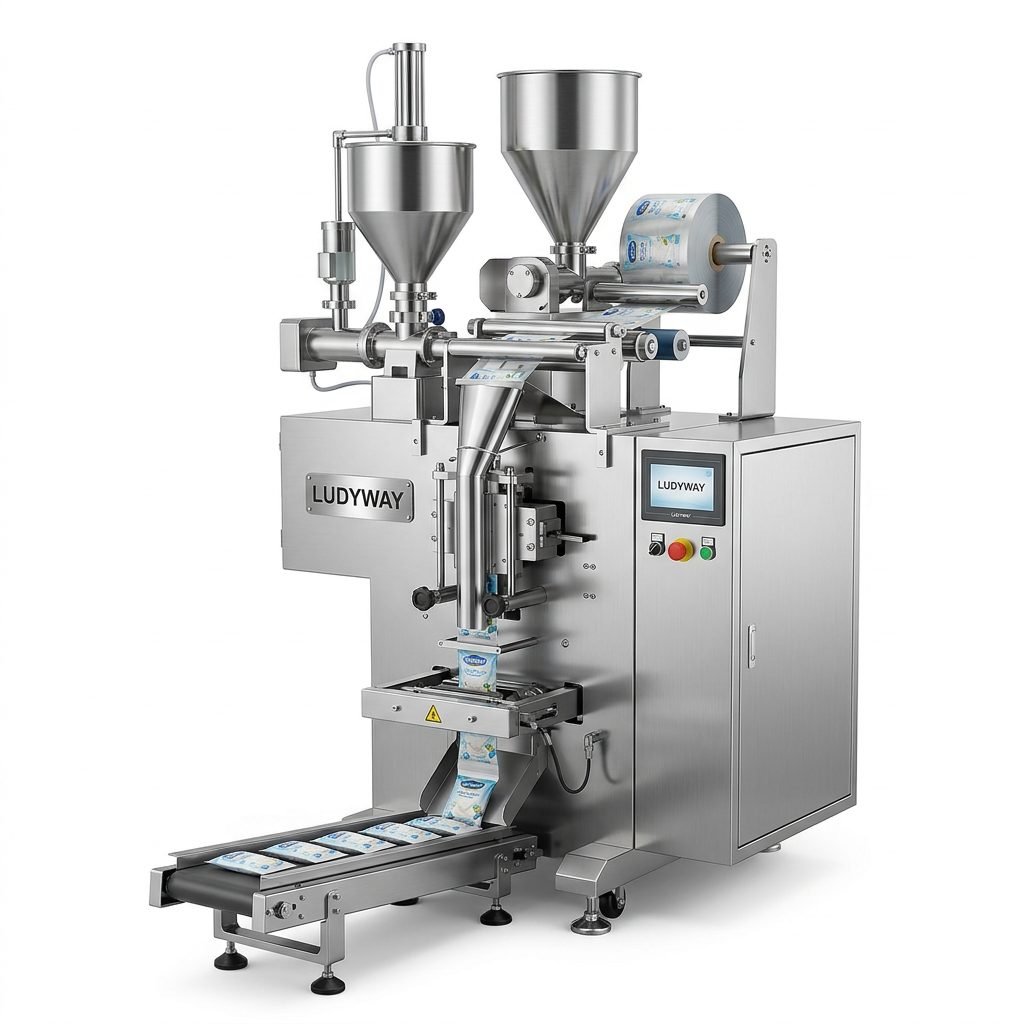
Types of Dairy Packaging Machines
There is no single machine that fits every dairy application. The best configuration depends on whether the product is liquid, semi-liquid, powder, or solid, as well as the desired pack style and production speed.
| Machine Type | Best For | Core Advantage |
|---|---|---|
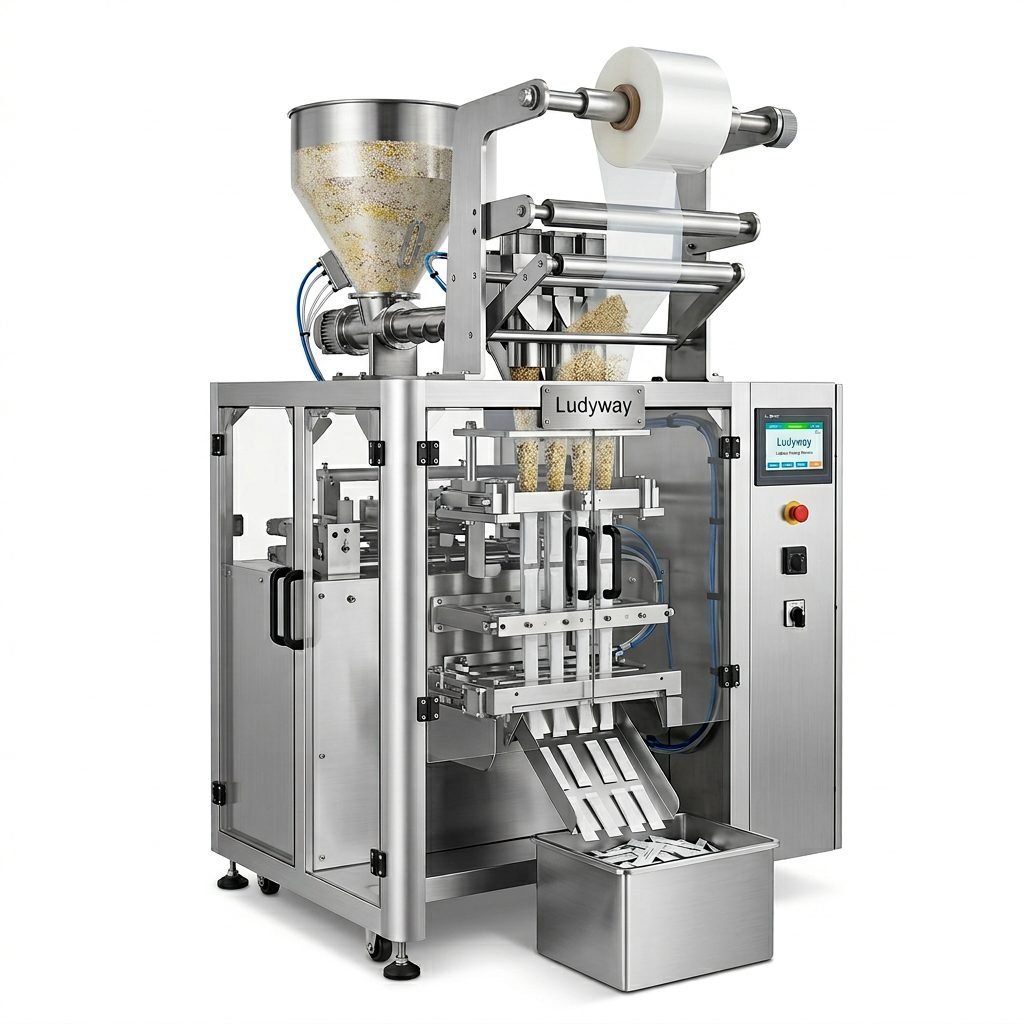
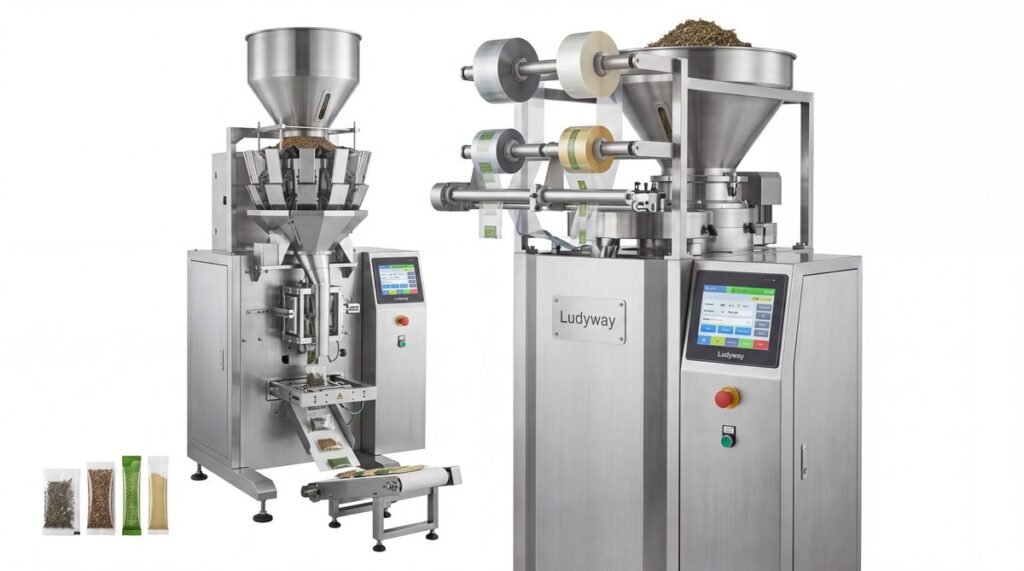
| Vertical form fill seal machines | Milk powder, cheese powder, dairy mixes | Compact, efficient pouch production |
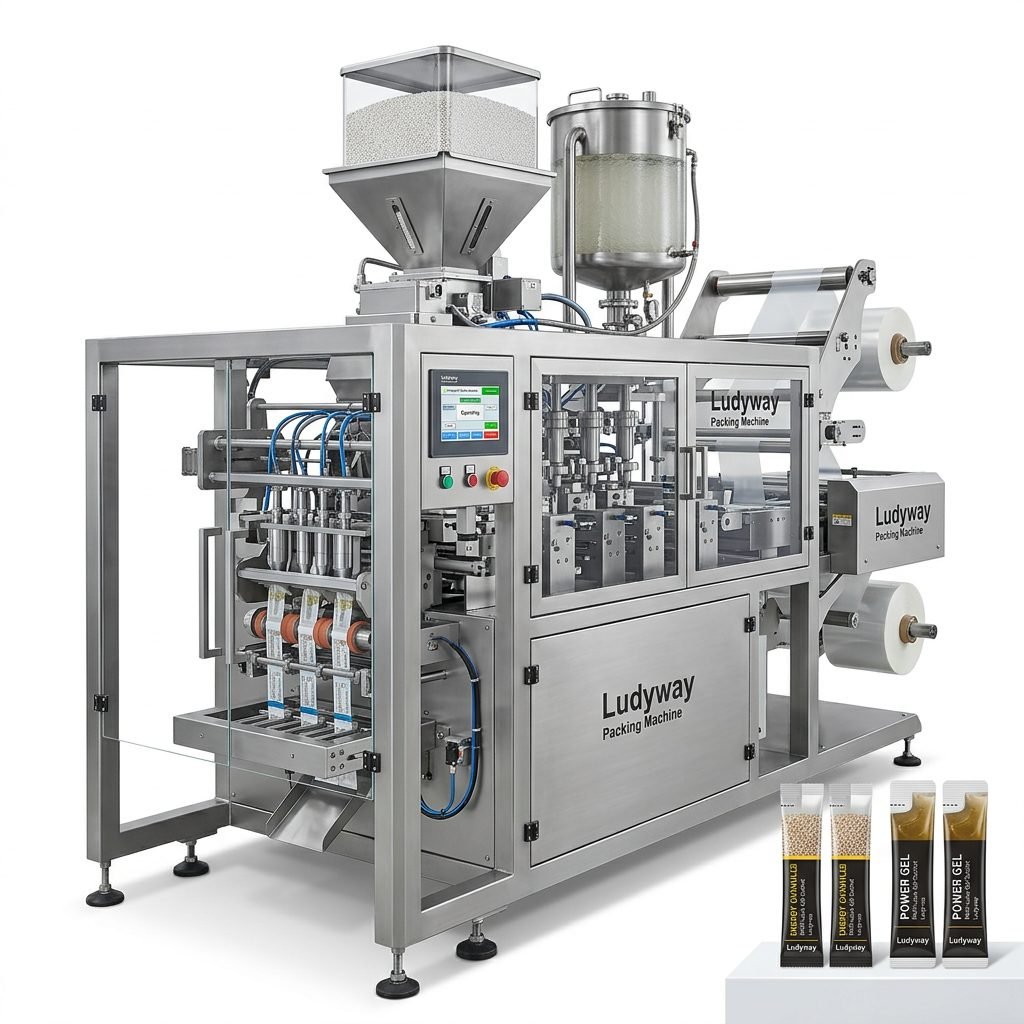
| Liquid sachet packaging machines | Milk, yogurt, cream | High-speed small-format filling |
| Cup filling and sealing machines | Set yogurt, cream desserts | Strong retail presentation |
| Premade pouch filling machines | Cheese, yogurt, dairy snacks | Flexible packaging design options |
| Vacuum packaging machines | Cheese blocks and portions | Shelf-life improvement |
| Stick pack machines | Milk powder, nutritional dairy products | Convenient single-dose packaging |
What to Look for in a Dairy Packaging Solution
Buyers should evaluate more than speed alone. A productive dairy line needs to balance hygiene, flexibility, automation, and maintenance practicality.
Important selection factors
- Product type: liquid, paste, powder, granule, or solid
- Required output per hour or per shift
- Packaging material compatibility
- Cleaning and sanitation design
- Fill accuracy and seal strength
- Available floor space
- Future upgrade potential
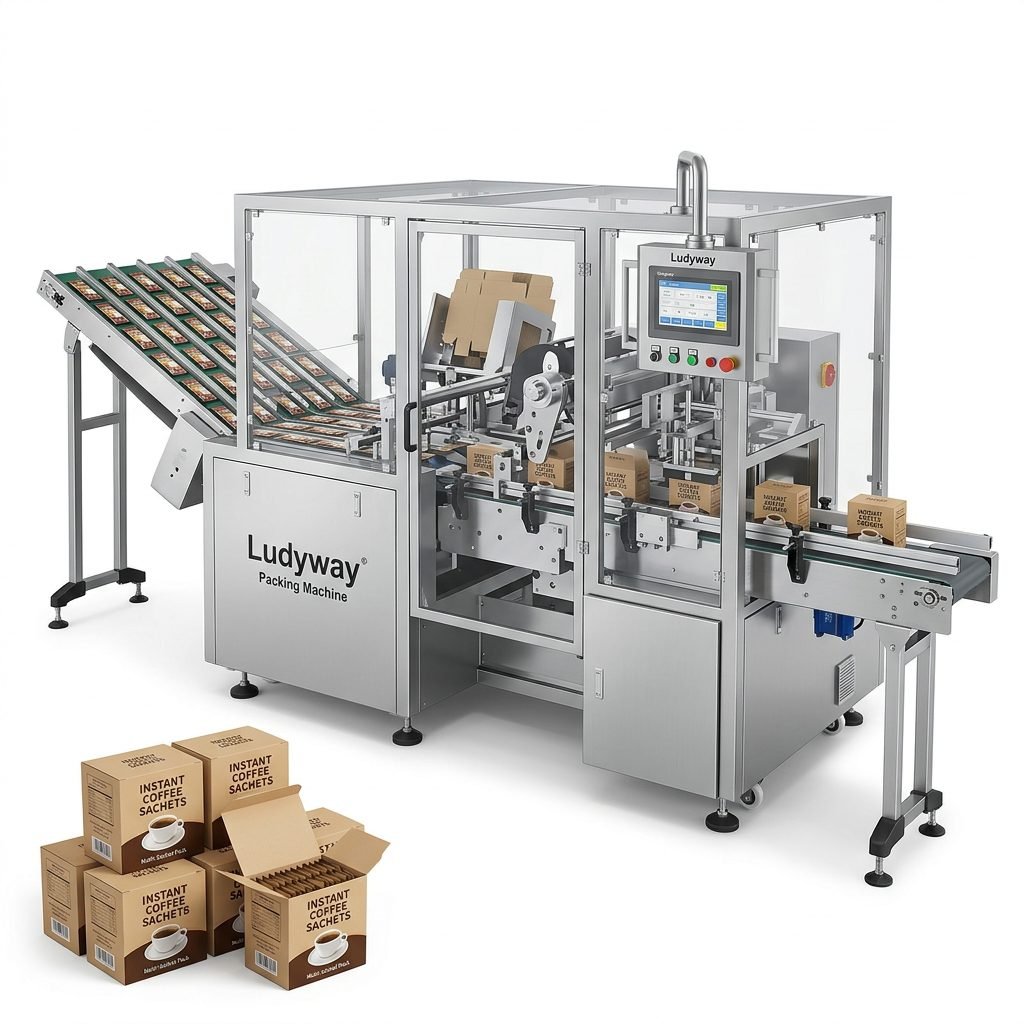
- Integration with conveyors, coding, cartoning, and case packing
For growing dairy businesses, modular automation is often the best choice. It allows manufacturers to start with a core filler and sealer, then add secondary packaging and end-of-line automation as production expands.
Benefits of Automated Dairy Packaging Lines
Fully or semi-automatic dairy packaging systems offer a major operational advantage compared with labor-heavy manual processes. They help improve efficiency across filling, sealing, inspection, and final packing.
- Lower labor dependence for repetitive packing tasks
- Improved consistency in every pack
- Reduced product loss through accurate dosing
- Cleaner production workflow with less direct handling
- Faster changeovers when switching SKUs or pack sizes
- Better scalability for growing demand
Turnkey Packaging Lines for Dairy Manufacturers
Many dairy processors now prefer turnkey solutions rather than buying standalone machines from multiple suppliers. A turnkey line can include feeding systems, filling equipment, sealing units, conveyors, coding machines, checkweighers, metal detectors, cartoners, case packers, and palletizing support in one coordinated setup.
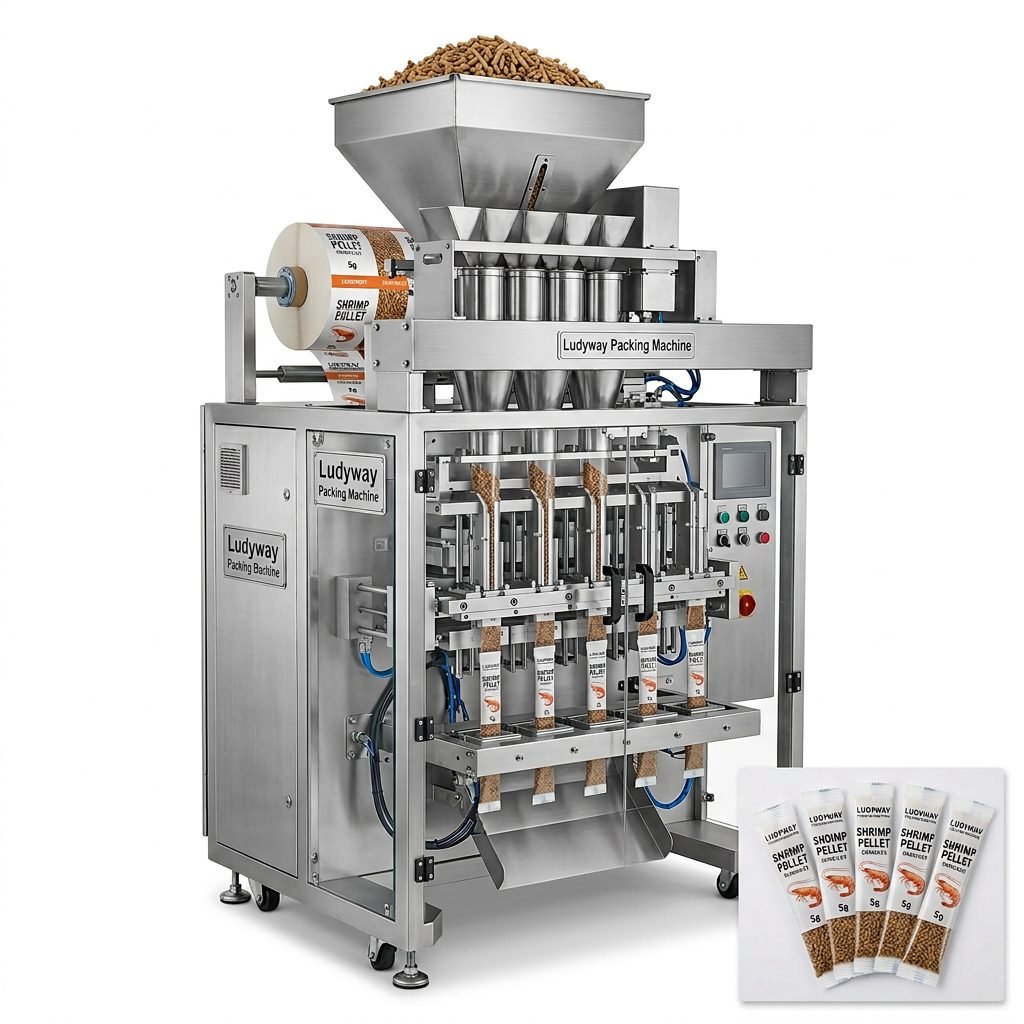
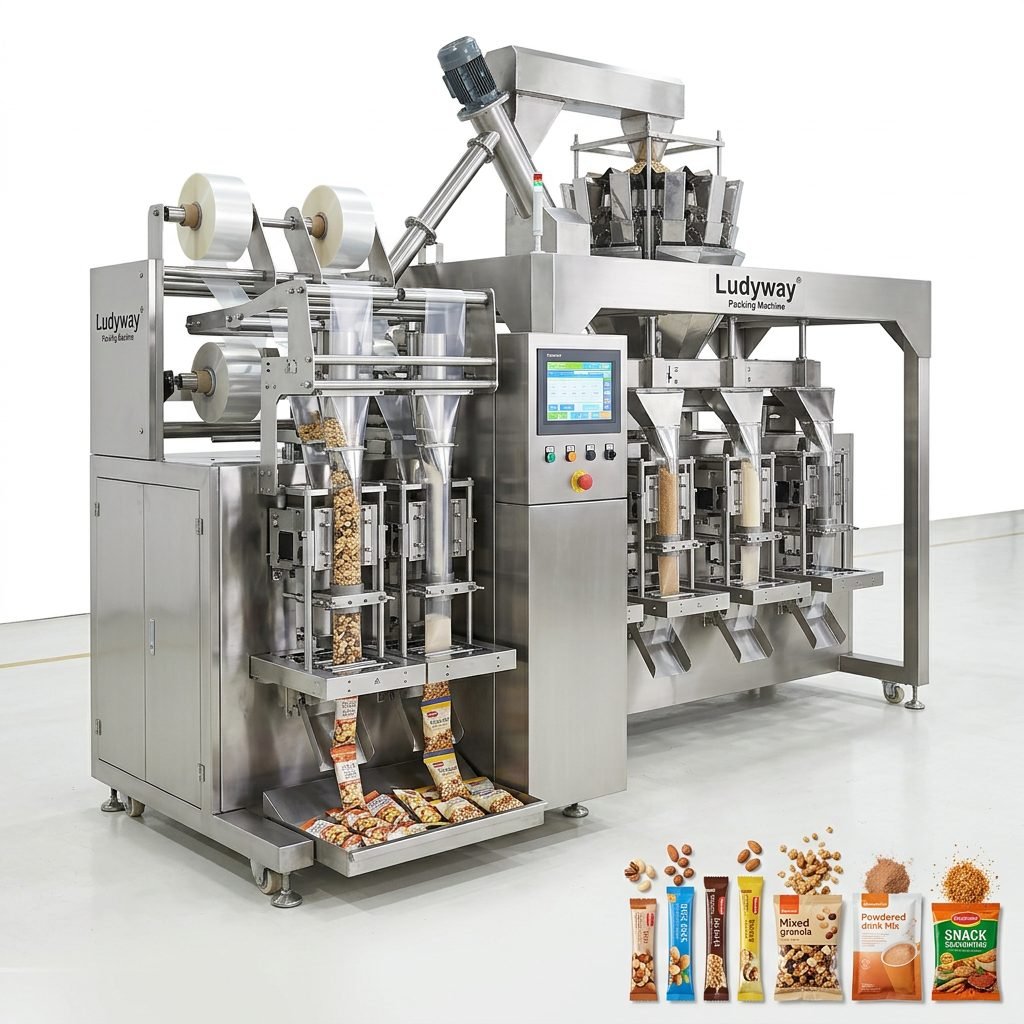
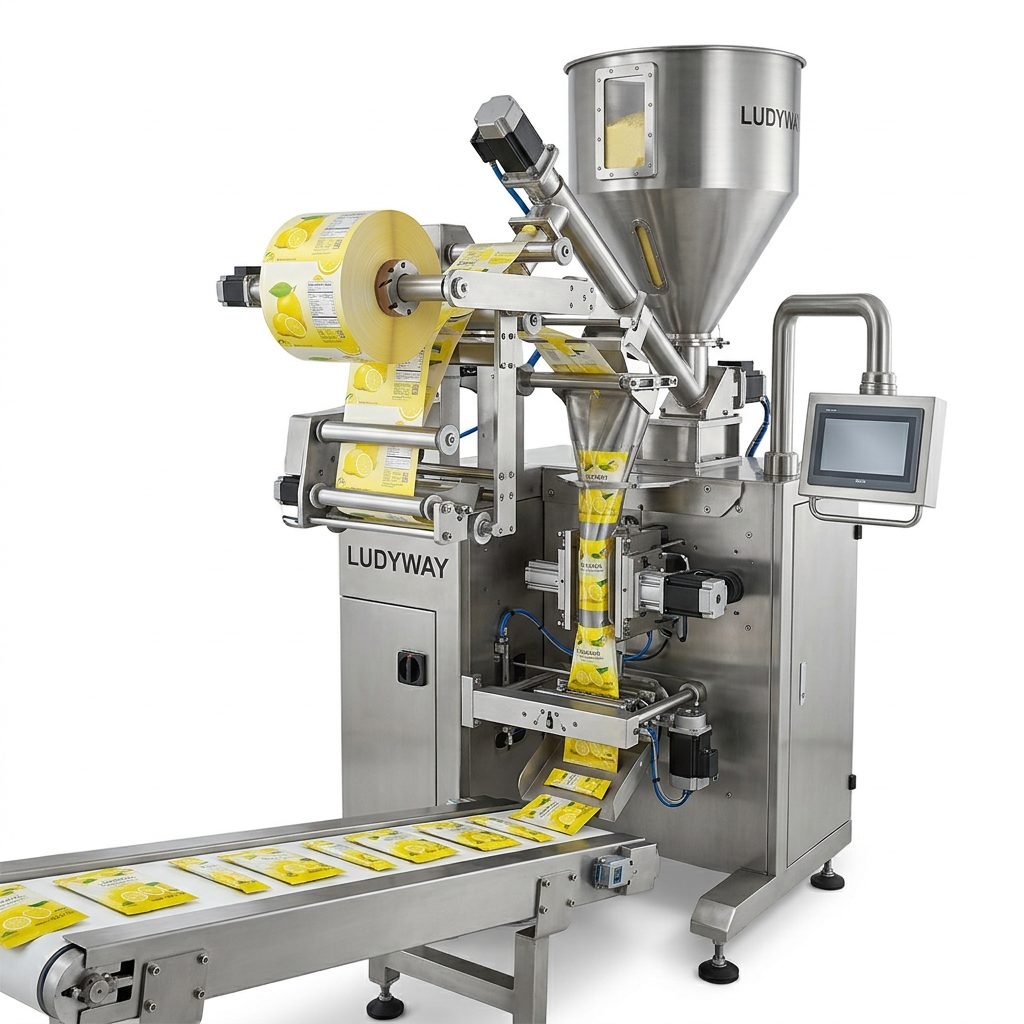
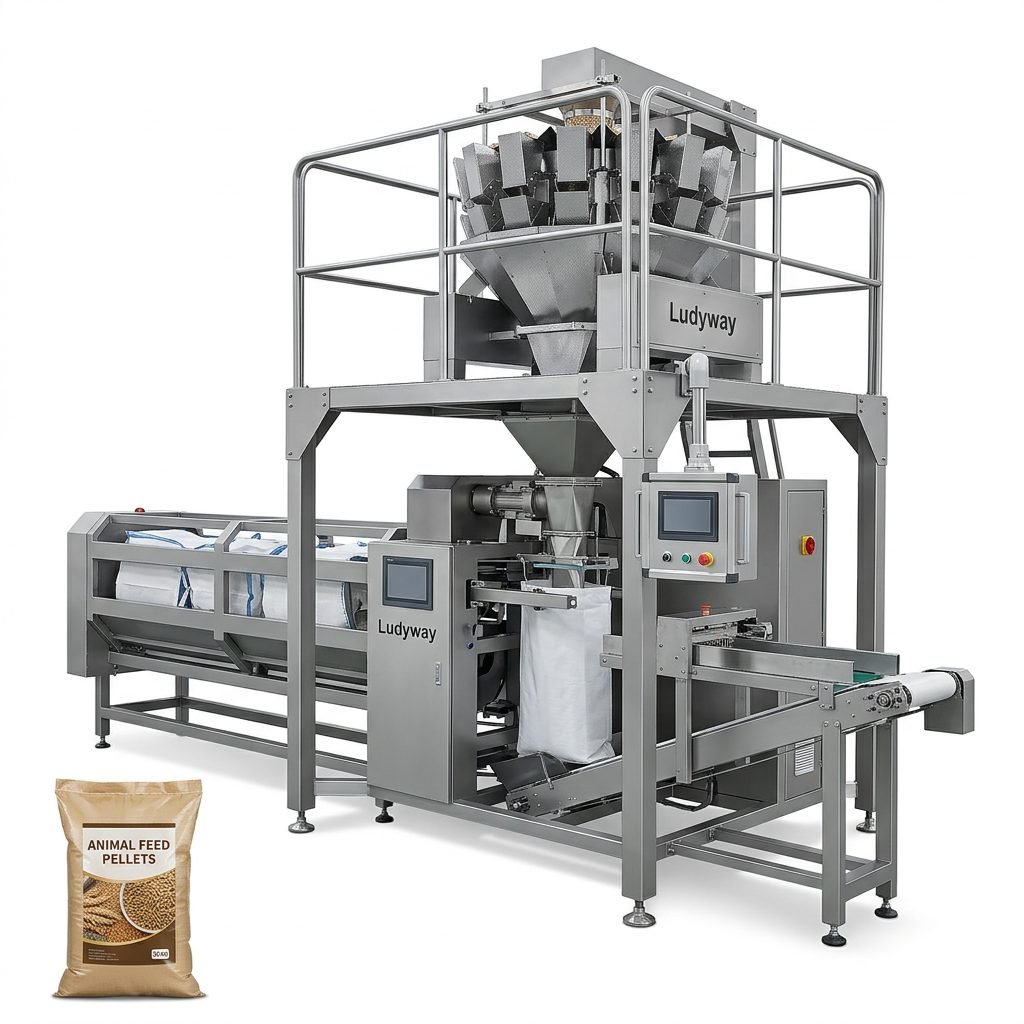
As one of China’s leading packaging machine and turnkey packaging line manufacturers, Ludyway dairy packaging machines can be considered by buyers looking for scalable automation, customized configurations, and integrated line support across liquid, powder, pouch, and sachet applications.
Best Packaging Formats for Milk, Yogurt, and Cheese
The ideal format depends on market positioning, logistics, and consumer preference. Some formats prioritize low cost, while others focus on convenience or premium presentation.
| Product | Recommended Format | Why It Works |
|---|---|---|
| Fresh milk | Sachets, bottles | Efficient filling, easy distribution, strong retail flexibility |
| Drinkable yogurt | Bottles, spouted pouches, sachets | Portable and consumer-friendly |
| Set yogurt | Cups | Good spoonable format and premium shelf display |
| Shredded cheese | Resealable pouches | Convenient storage and freshness retention |
| Cheese blocks | Vacuum bags | Reduces oxygen exposure and extends shelf life |
| Milk powder | Sachets, stick packs, pouches | Precise dosing and easy portion control |
How the Right Machine Improves Dairy Production Efficiency
A well-matched packaging system does more than automate one station. It can improve the entire production rhythm by reducing bottlenecks, improving pack uniformity, and supporting better inventory planning.
Operational improvements often include
- Higher packs-per-minute performance
- Less downtime due to stable machine design
- Reduced packaging material waste
- Better traceability through coding and inspection systems
- Easier workforce management with more automated steps
- Improved final product appearance for wholesalers and retailers
Conclusion
Dairy packaging machines provide efficient, scalable solutions for milk, yogurt, and cheese manufacturers seeking better speed, hygiene, product protection, and packaging consistency. Whether the goal is to pack liquid milk into sachets, fill yogurt into cups or pouches, or preserve cheese with vacuum or pouch technology, the right equipment can significantly improve production performance.
When selecting a system, manufacturers should focus on product characteristics, hygiene requirements, packaging format, output targets, and future expansion plans. With the right packaging line, dairy businesses can strengthen product quality, reduce operational cost, and compete more effectively in demanding food markets.