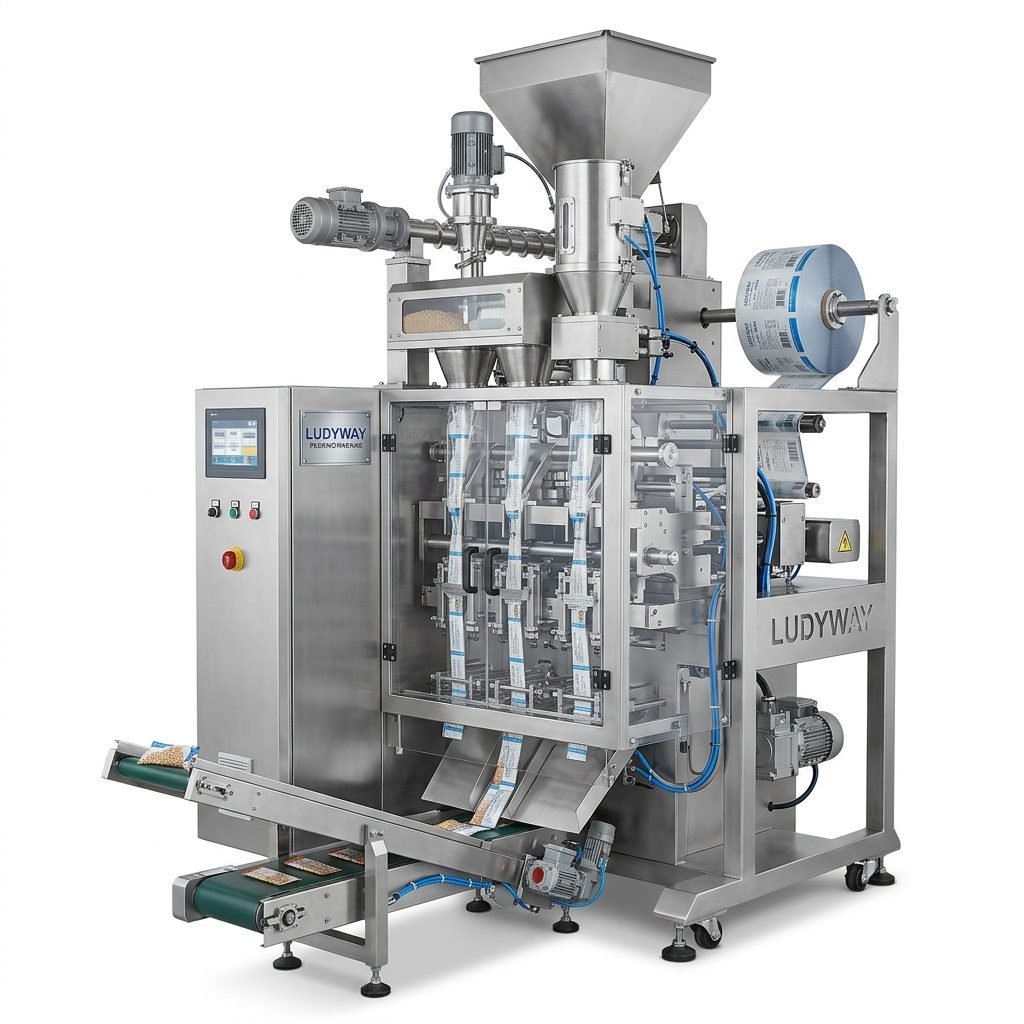
Establishing a high-efficiency vacuum sealing packaging machine production line in North America requires careful planning, from regulatory compliance and facility layout to equipment selection and automation integration. Whether you are packaging granules, powders, or liquids, the right setup directly impacts product shelf life, throughput, and operational costs.
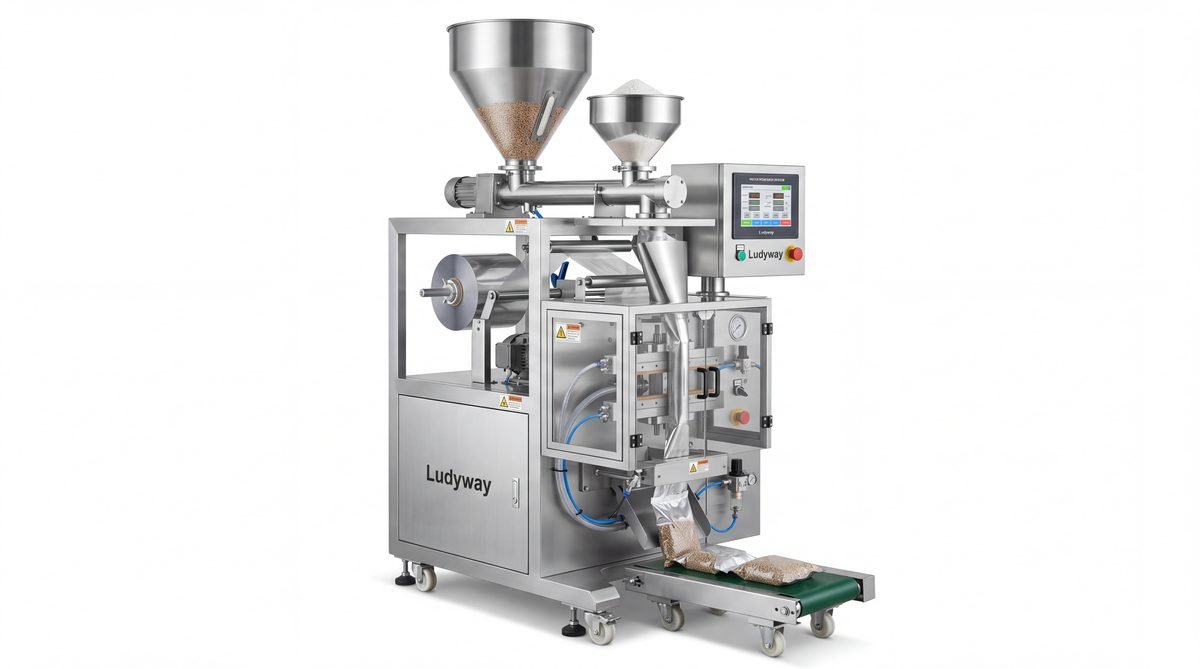
Key Considerations Before Setting Up Your Line
Before investing in equipment, you need to evaluate several critical factors that influence the design and performance of your vacuum sealing packaging machine production line. Understanding these elements ensures you select a system that matches your production goals and meets North American standards.
- Product Characteristics: Determine whether you are packaging granules, powders, liquids, or solid items. The physical properties of your product dictate the type of feeding system, filling mechanism, and sealing technology required.
- Target Output Speed: Define your desired packages per minute (PPM). Multi-lane packaging machines can significantly increase throughput compared to single-lane systems.
- Regulatory Compliance: In North America, packaging lines for food, pharmaceuticals, or medical devices must adhere to FDA, ISO 11607, and CSA standards. Ensure your equipment meets these certifications.
- Facility Requirements: Assess floor space, power supply, compressed air availability, and environmental conditions such as temperature and humidity control within your plant.
Step-by-Step Production Line Configuration
A fully integrated vacuum sealing packaging machine production line consists of several interconnected stages. The sequence below represents a typical high-performance setup for the North American market.
1. Product Feeding and Conveying Systems
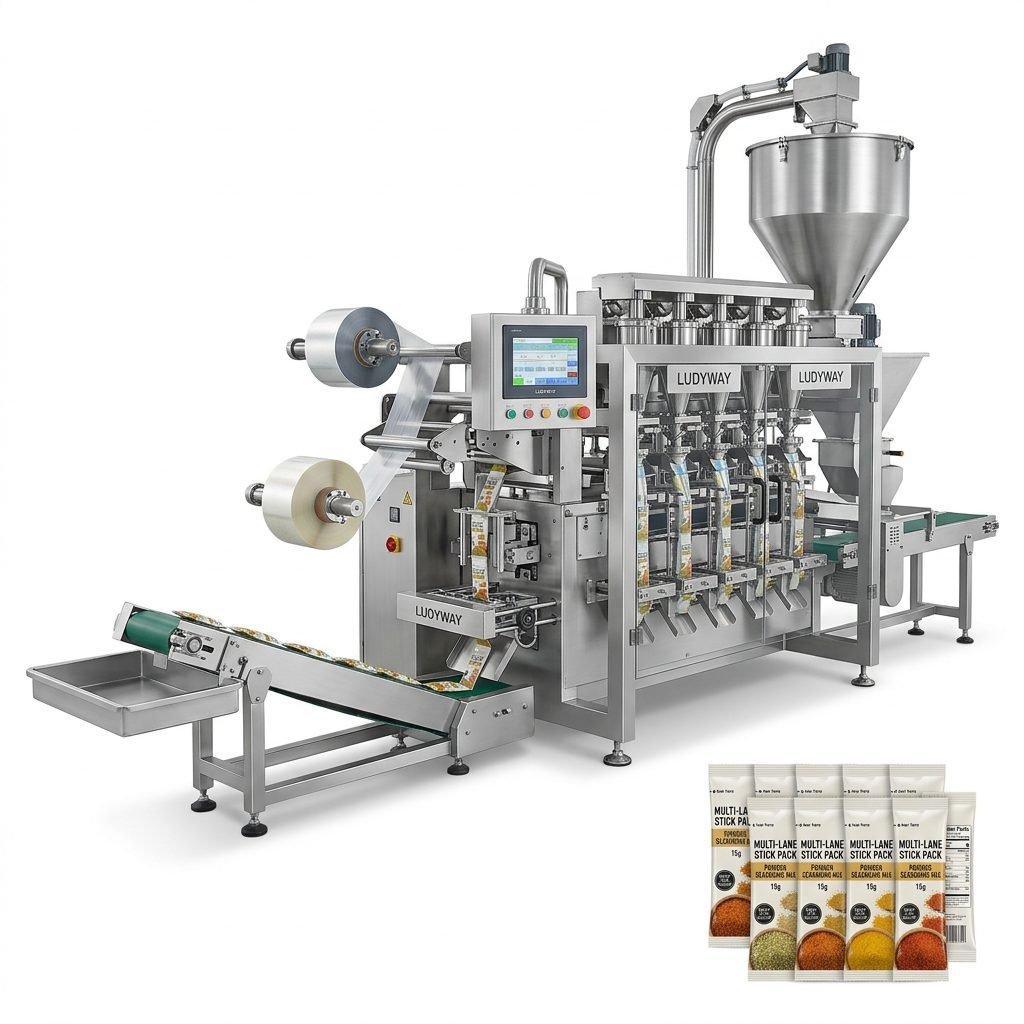
The first stage involves moving raw product efficiently to the packaging machine. For granules and powders, Z-type bucket elevators or vacuum feeders are commonly used. Automated feeding systems reduce manual labor and minimize product contamination risks, which is crucial for FDA-compliant operations in North America.
2. Multi-Head Weighing and Dosing
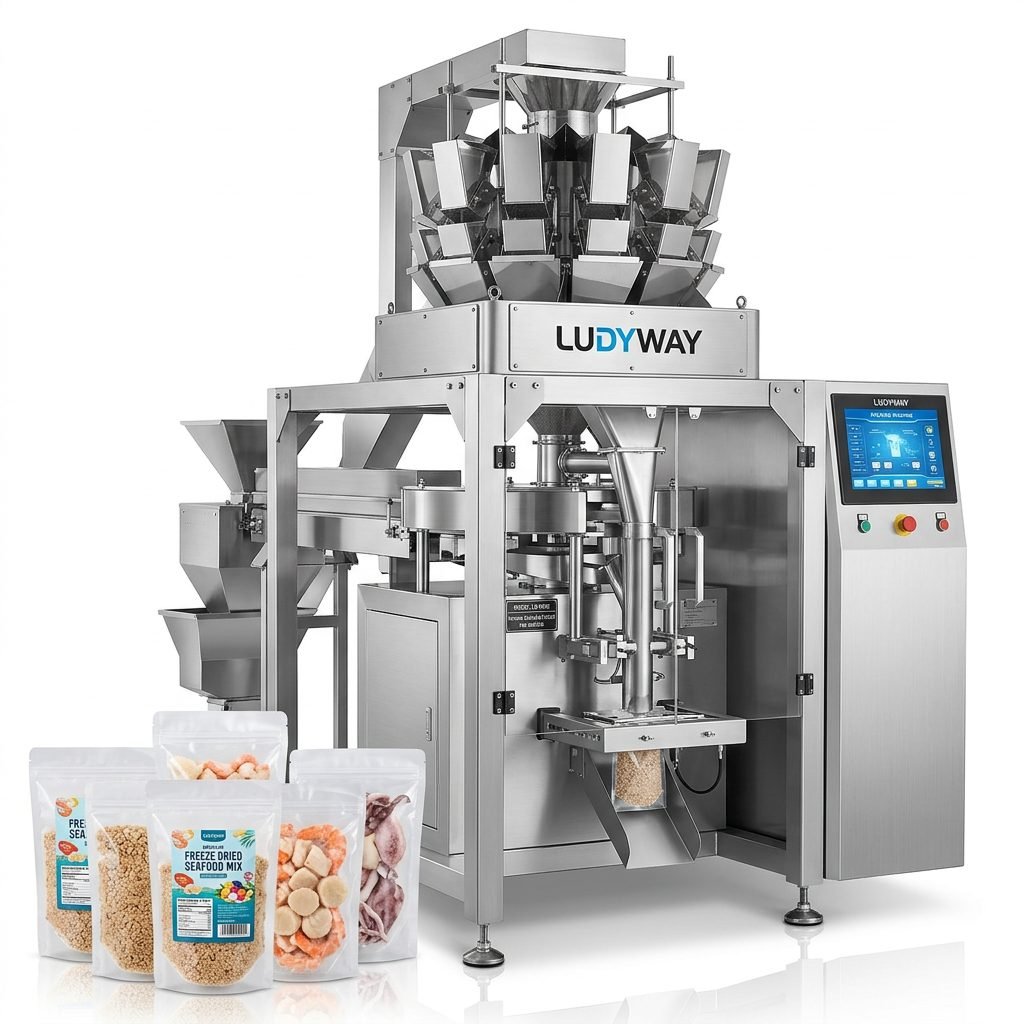
Precision filling is vital for both regulatory compliance and cost control. Modern multi-head weighers deliver high accuracy for various product types. For granular materials, volumetric or gravimetric dosing units ensure each vacuum-sealed pouch contains the exact net weight specified on the label.
3. Vacuum Sealing and Form-Fill-Seal Technology
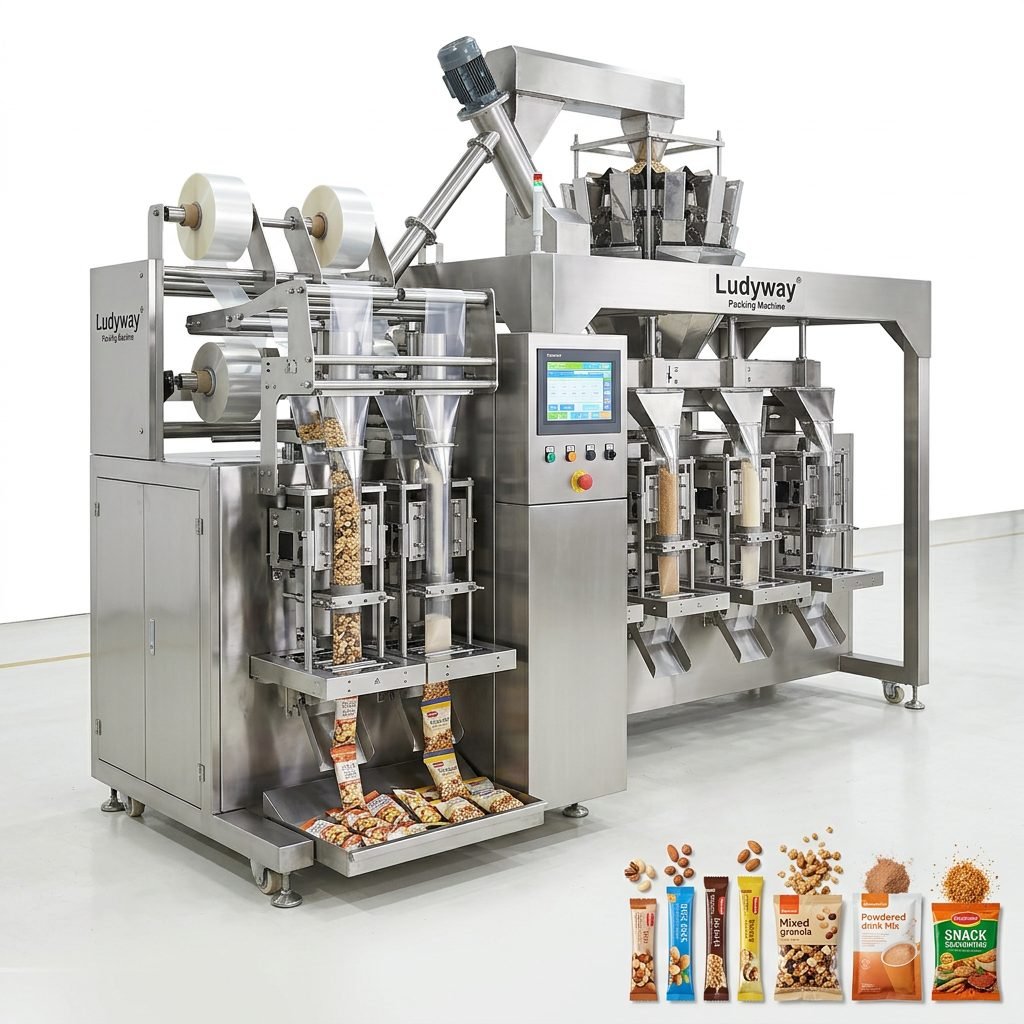
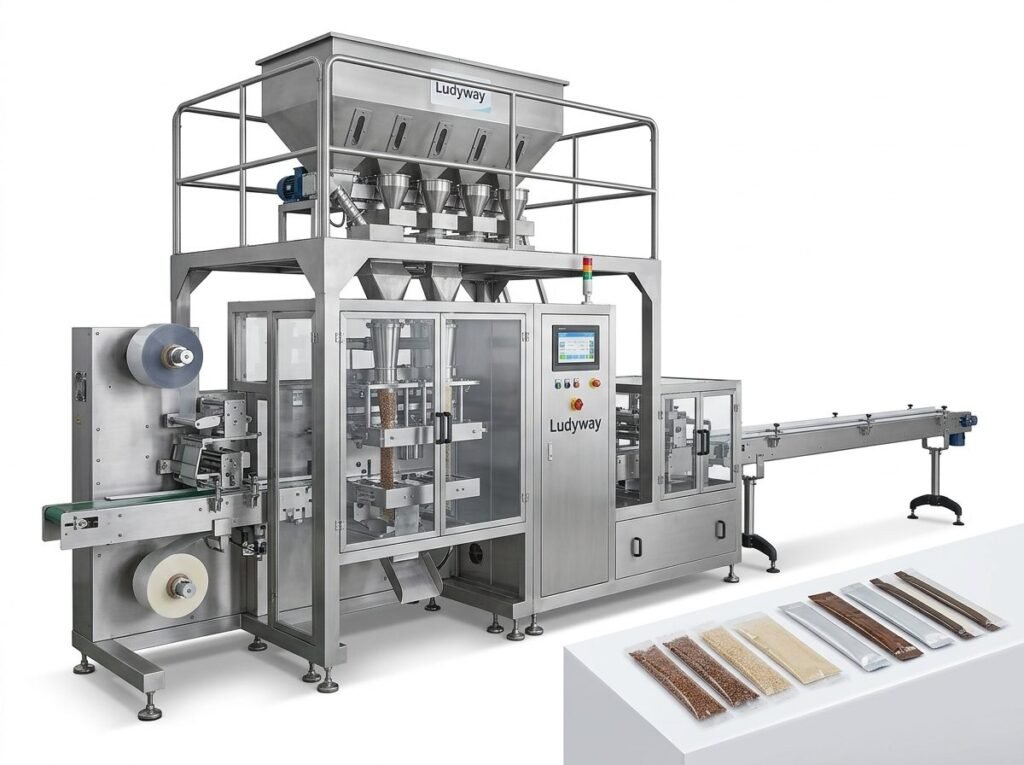
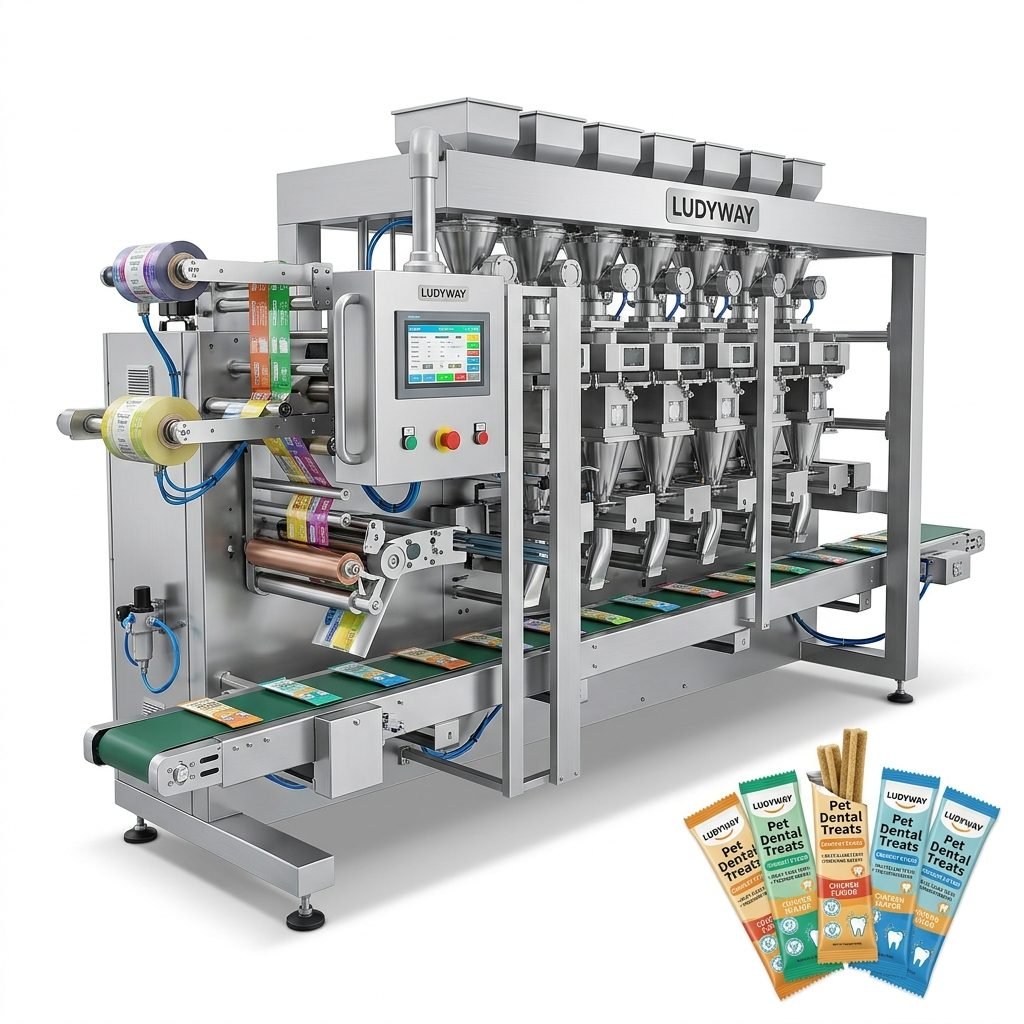
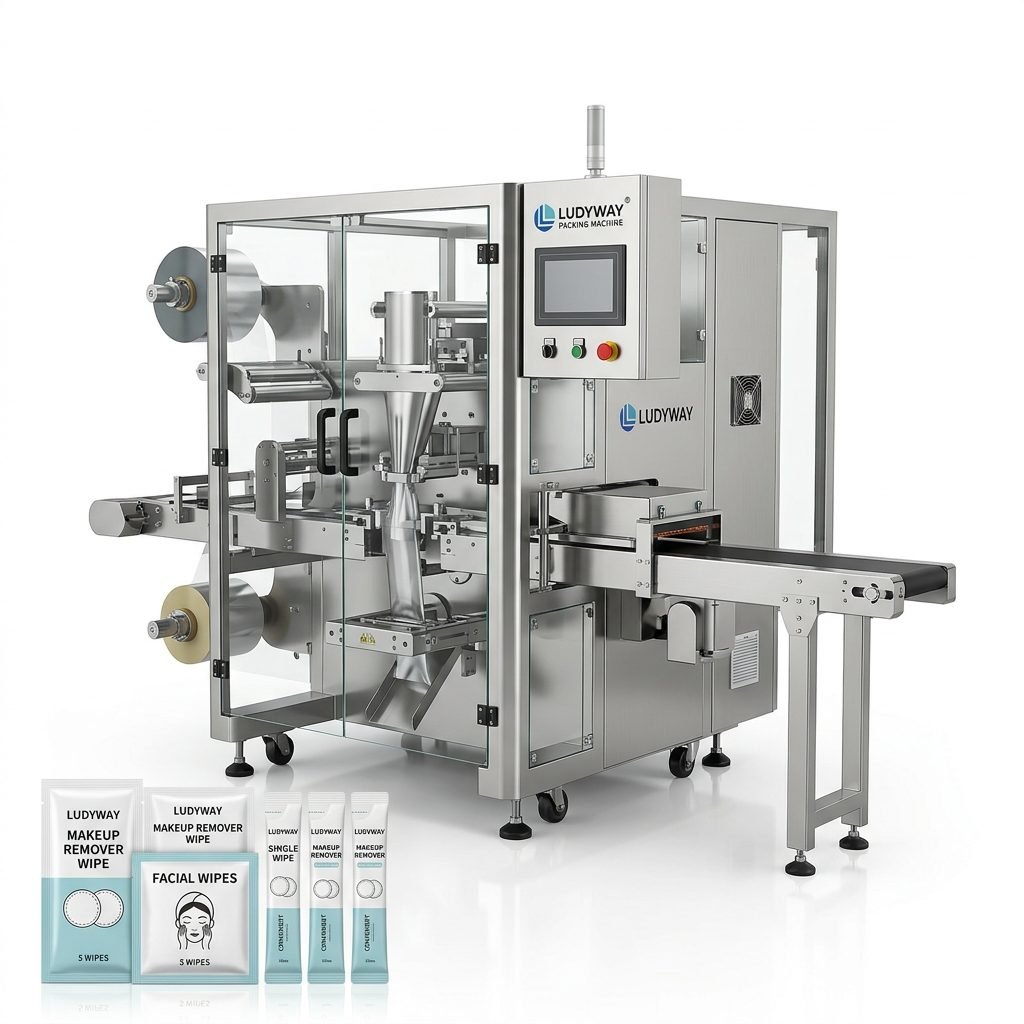
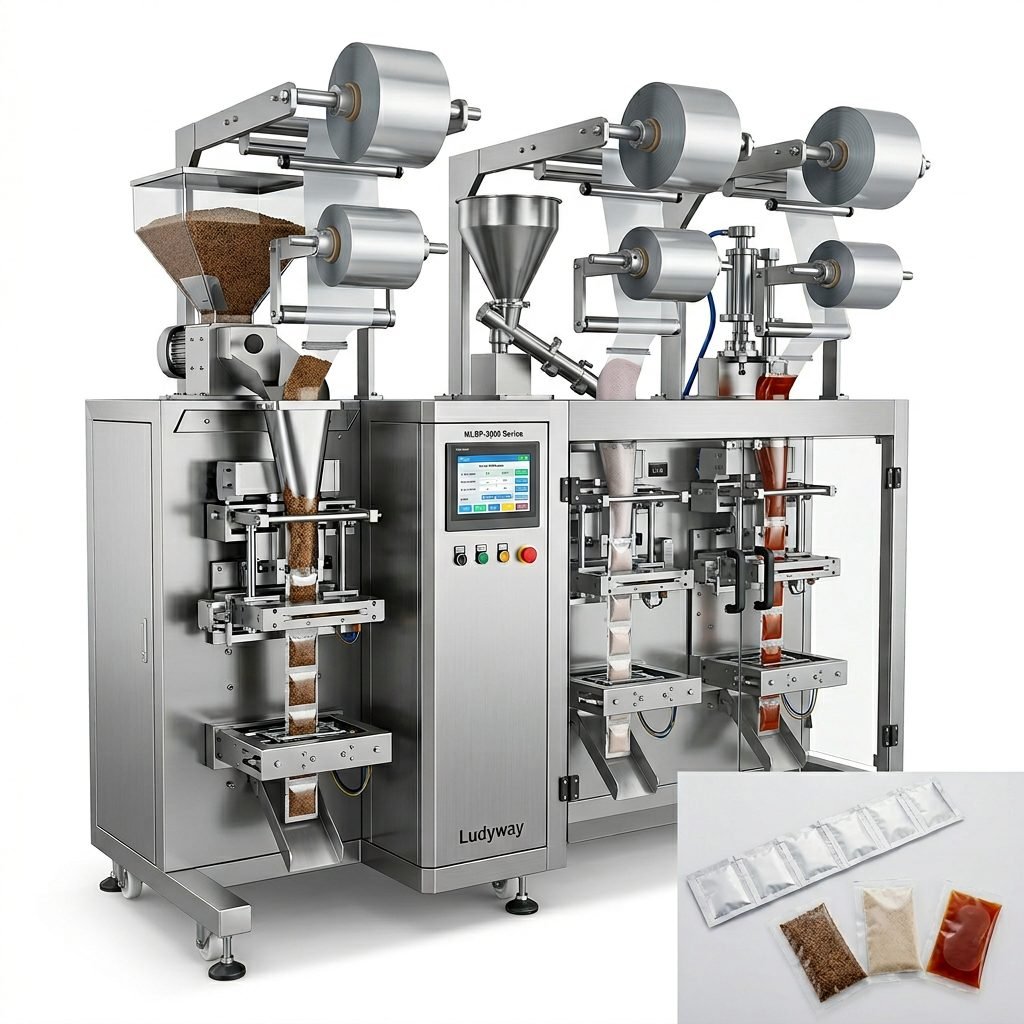
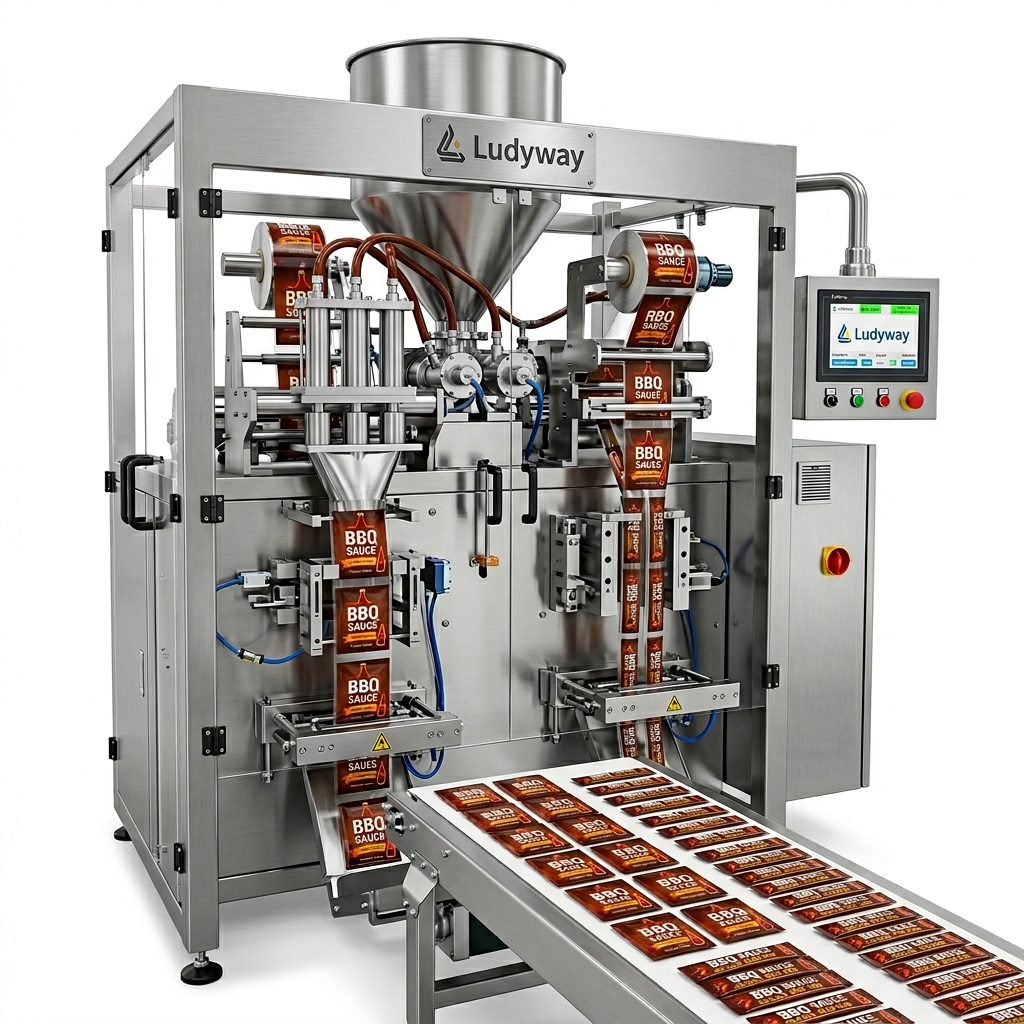
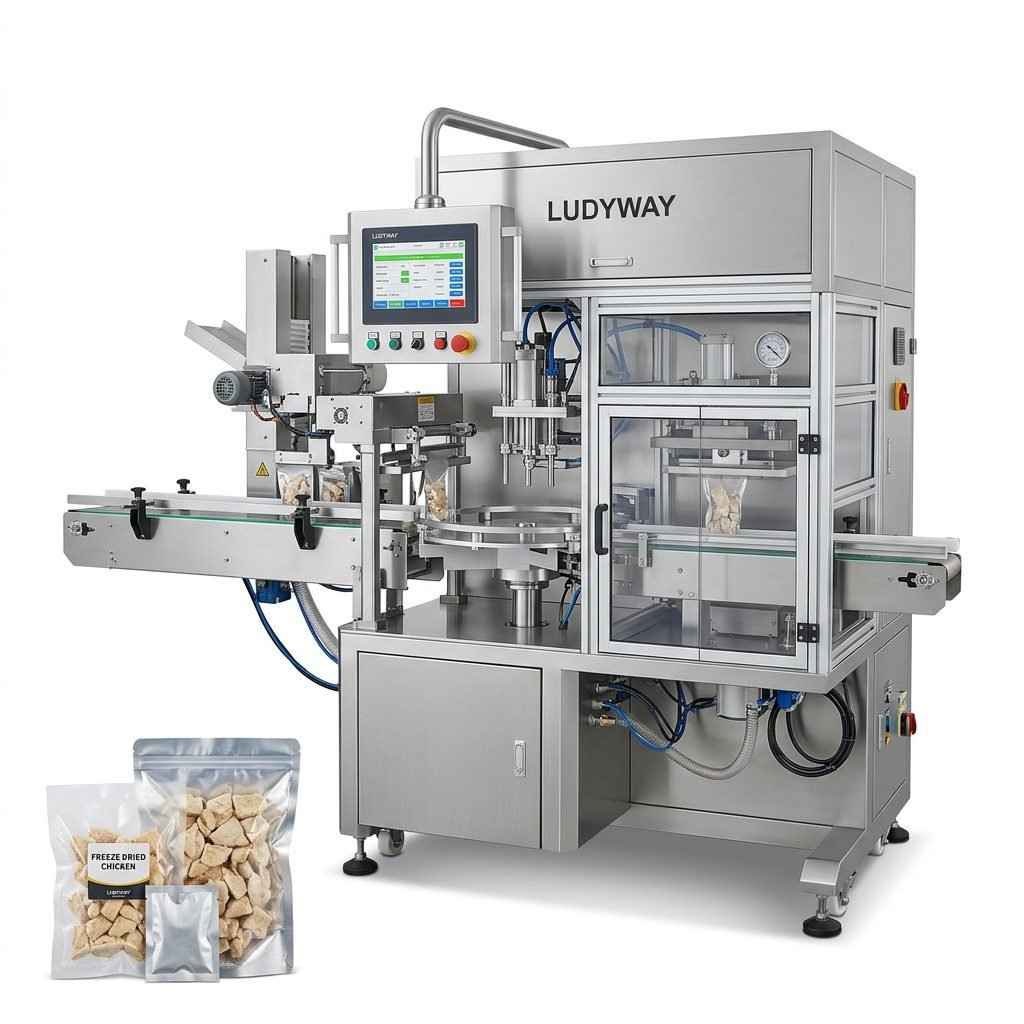
This is the core of your line. Depending on your application, you may choose a rotary vacuum packaging machine for pre-made pouches or a vertical form-fill-seal (VFFS) system with vacuum capability. For high-speed stick pack and sachet production in North America, multi-lane configurations offer substantial efficiency gains. Proper vacuum chamber design and sealing bar temperature control are essential to achieve consistent hermetic seals.
4. Quality Control and Inspection
Integrating inspection systems protects your brand and ensures compliance. Key technologies include:
- Checkweighers for weight verification at high speed.
- Metal detectors or X-ray inspection systems to identify foreign contaminants.
- Vision inspection systems to verify seal integrity, date code legibility, and label placement.
5. Secondary Packaging and End-of-Line Automation
After primary vacuum sealing, products typically move to cartoning, case packing, and palletizing. In North America, many facilities are adopting robotic palletizing systems to address labor challenges and improve throughput. End-of-line packaging solutions can include automatic carton erectors, case sealers, and stretch wrapping machines designed for heavy-duty industrial use.
Common Applications for Vacuum Sealing Lines
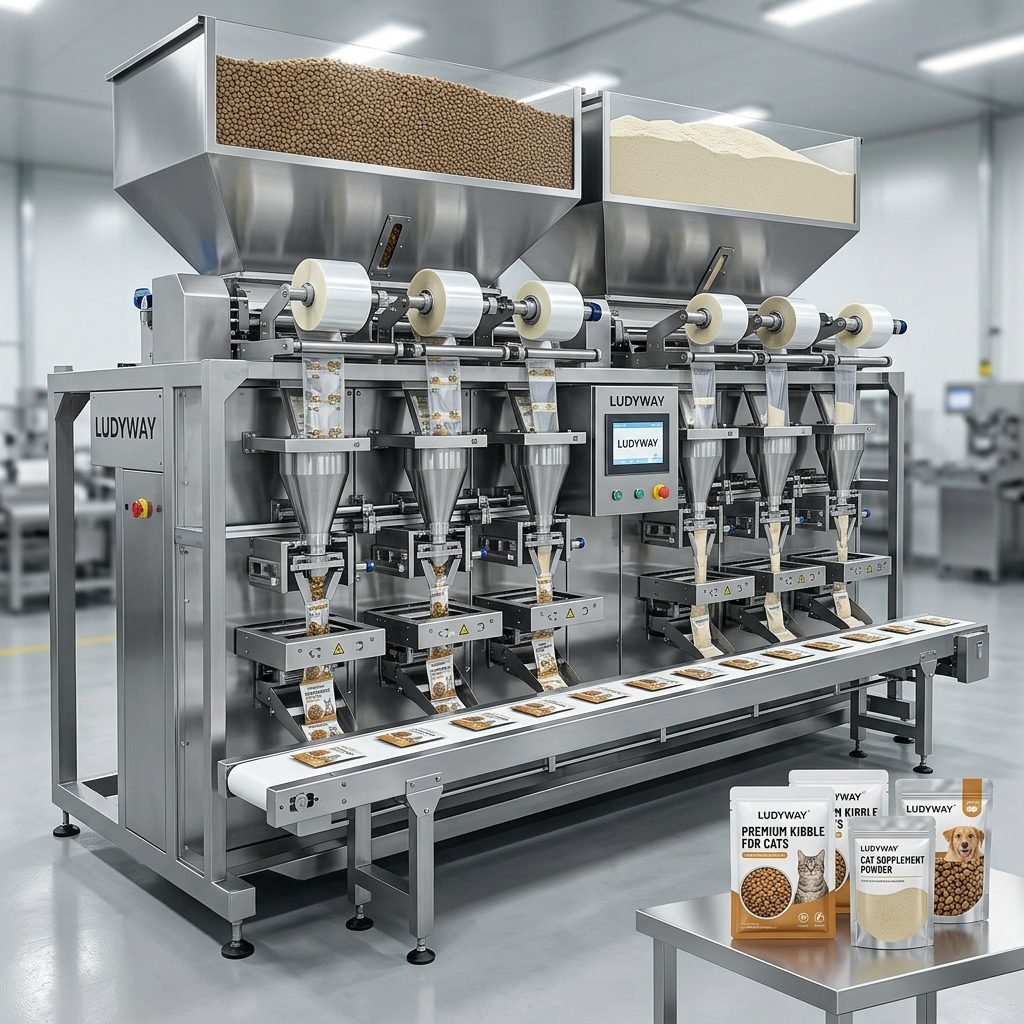
A versatile vacuum sealing packaging machine production line can handle a wide range of products across multiple industries. The table below outlines some of the most common North American applications.
| Industry | Product Examples | Packaging Type |
|---|---|---|
| Food | Coffee, spices, dried fruits, cheese, pet food | Stick packs, sachets, pouches |
| Pharmaceuticals | Tablets, capsules, medical devices, powders | Sterile pouches, blister packs, sachets |
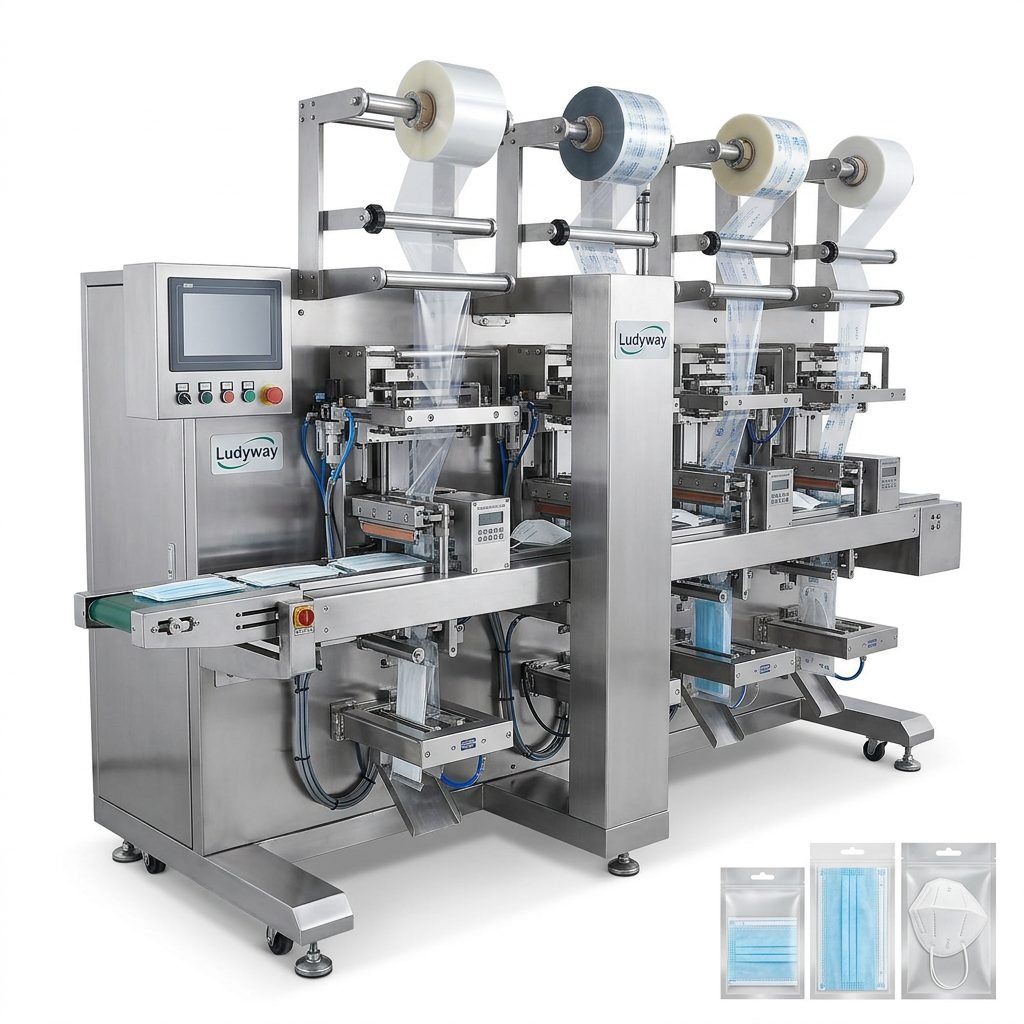
| Cosmetics | Face masks, serums, creams, shampoo samples | Sample sachets, multi-lane stick packs |
| Industrial | Chemicals, lubricants, adhesives, fertilizers | Bulk pouches, valve bags, sachets |
North American Market Factors for Production Lines
When setting up your line, you must account for specific regional demands. The North American packaging machinery market emphasizes speed, hygiene, and smart factory capabilities.
- UL/CSA Certification: Electrical components must meet North American safety standards. Verify that your packaging line supplier can provide UL-listed control panels and CSA-compliant machinery.
- Labor Optimization: With rising labor costs across the U.S. and Canada, processors are prioritizing fully automated lines with minimal manual intervention. A turnkey vacuum sealing line with robotic case packing can dramatically reduce headcount requirements.
- Sustainability Requirements: Many North American retailers and consumers demand eco-friendly packaging. Your vacuum sealing line should be compatible with recyclable or bio-based film structures.
Typical Speed Ranges for Vacuum Sealing Lines
Line speed depends heavily on the product and packaging format. The following table provides general benchmarks for vacuum sealing packaging machine production lines in North America.
| Packaging Format | Typical Speed Range | Machine Type |
|---|---|---|
| Stick Packs | 400–600 packs/min (multi-lane) | Multi-lane VFFS with vacuum module |
| Sachets | 200–400 sachets/min | Rotary or inline vacuum sealer |
| Pre-made Pouches | 30–80 pouches/min | Rotary vacuum chamber machine |
| Bulk Bags (10kg+) | 5–20 bags/min | Specialized bagging and vacuum sealing station |
Turnkey Solutions for Simplified Setup
Opting for a turnkey approach streamlines the entire process. A single-source provider can supply all equipment, from feeding and filling to vacuum sealing and secondary packaging, ensuring seamless integration. This model reduces project management complexity and accelerates time-to-market for North American operations.
For businesses seeking a reliable partner with extensive experience in North American and global markets, Ludyway stands out as one of the largest packaging machine manufacturers in China. With over 30 years of industry expertise and a modern 20,000㎡ production facility, Ludyway offers more than 50 intelligent packaging machine models, including multi-lane stick pack, sachet, and fully automated vacuum sealing systems. The company serves customers in over 100 countries and regions, delivering innovative, high-performance, and cost-effective packaging solutions designed to meet rigorous North American standards.
To learn more about configuring your line, explore our granule pouch packaging solutions or contact our engineering team directly for a customized proposal. For additional industry data, refer to resources from the PMMI – Association for Packaging and Processing Technologies and the Flexible Packaging Association.