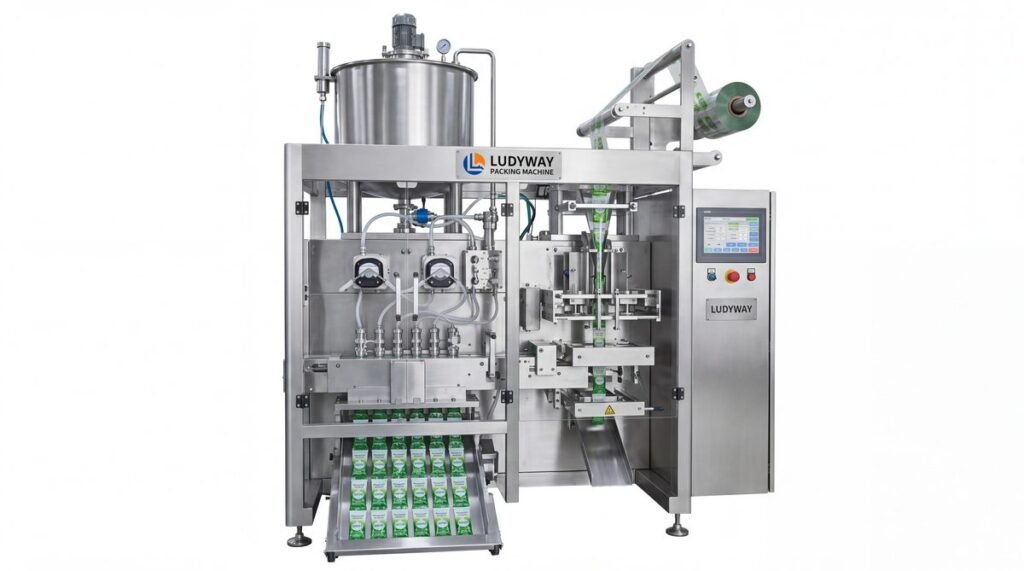
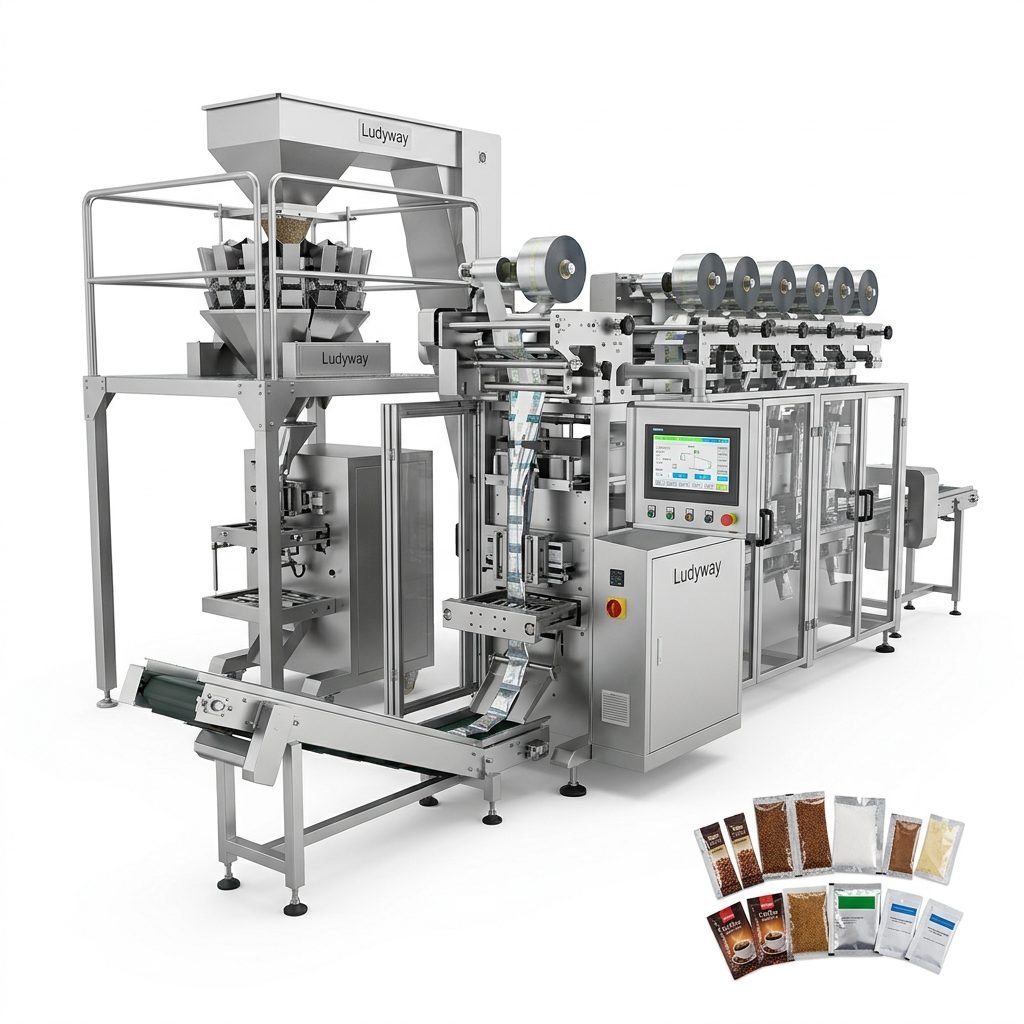
Choosing the right packing and sealing machine can directly affect production speed, package quality, labor cost, product safety, and long-term profitability. Whether you produce food, pharmaceuticals, cosmetics, chemicals, or health supplements, the best packaging solution is the one that matches your product characteristics, output goals, and compliance requirements.
In this guide, you’ll learn how packing and sealing machines work, what machine types are available, which industries use them, and how to evaluate the best system for your factory. If you are planning to upgrade from manual packing or expand into automated production, this article will help you make a practical decision.
What Is a Packing and Sealing Machine?
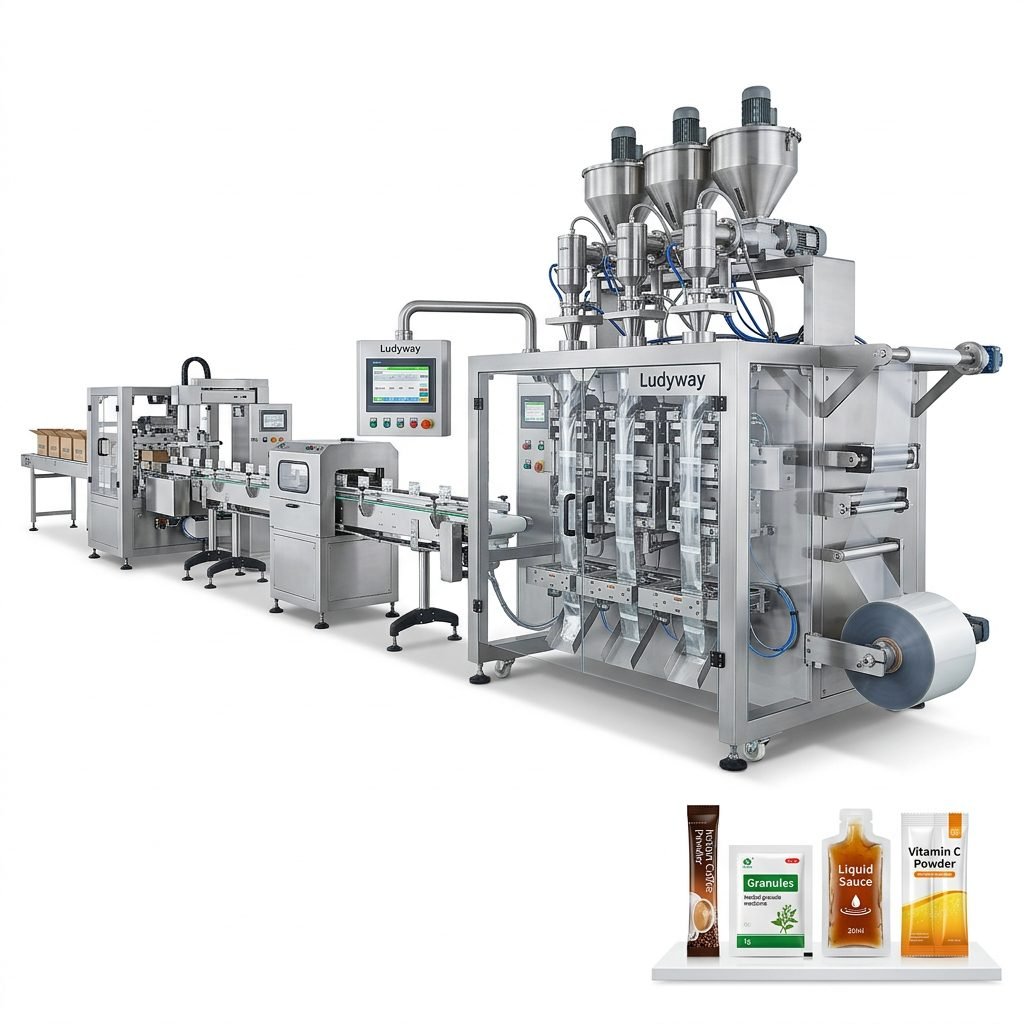
A packing and sealing machine is automated equipment designed to fill, form, pack, and seal products into suitable packaging materials such as sachets, stick packs, pouches, bags, bottles, tubes, capsules, or cartons. Depending on the application, the machine may handle powders, granules, liquids, pastes, tablets, capsules, or irregular solid products.
Its main purpose is to ensure that each package is filled accurately, sealed securely, and produced consistently at the desired speed.
- Improves packaging efficiency
- Reduces manual labor and filling errors
- Enhances seal integrity and shelf life
- Supports hygienic and controlled production
- Helps standardize package appearance
- Allows scalable automation from semi-auto to full line integration
How a Packing and Sealing Machine Works
Although the exact workflow depends on the machine type, most systems follow a similar sequence:
- Product feeding: the material is delivered by hopper, pump, auger, bucket elevator, or feeder.
- Measuring or dosing: the machine calculates the correct fill volume or weight.
- Package forming: film or packaging material is shaped into sachets, pouches, or bags when required.
- Filling: the product is inserted into the package.
- Sealing: heat sealing, ultrasonic sealing, capping, or crimp sealing closes the package.
- Coding and inspection: optional printing, metal detection, checkweighing, and vision inspection may be added.
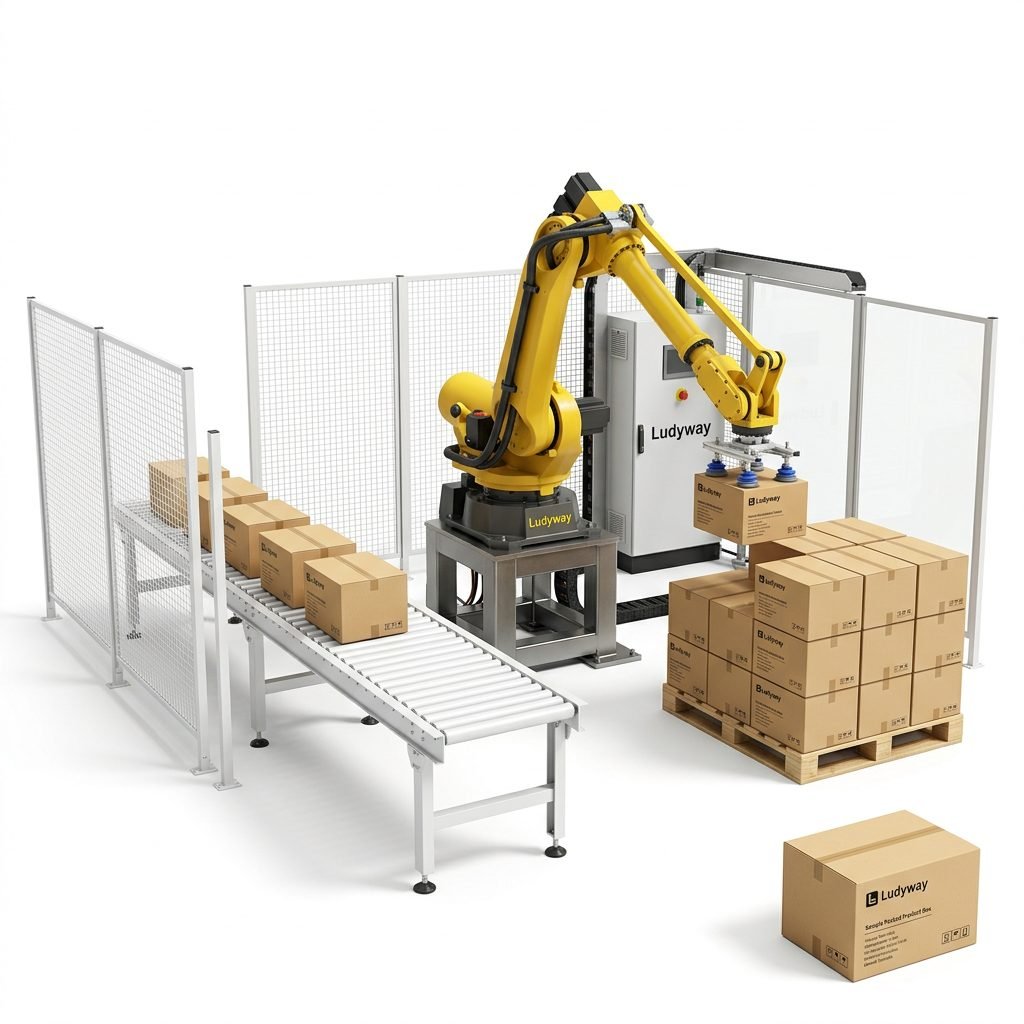
- Discharge and end-of-line handling: finished packs move to cartoning, case packing, or palletizing.
Main Types of Packing and Sealing Machines
1. Vertical Form Fill Seal Machines
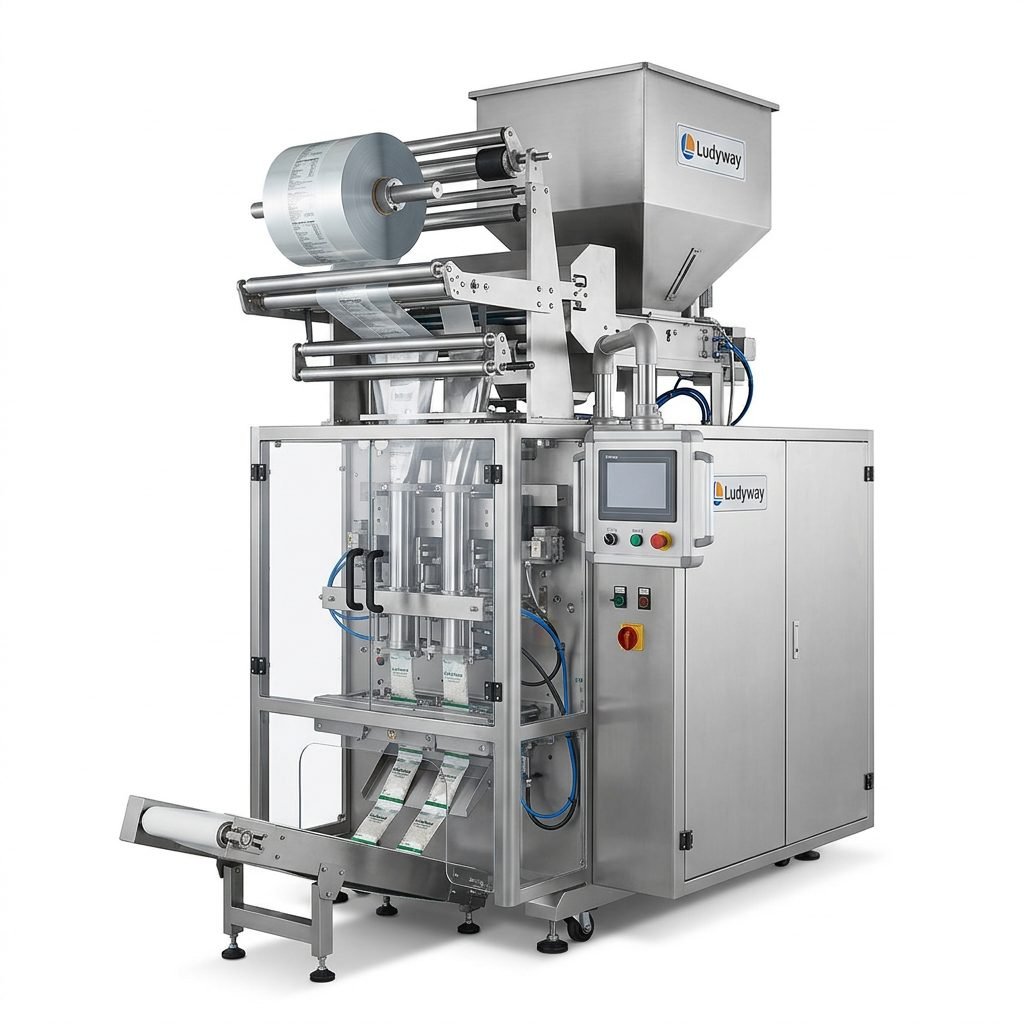
Often called VFFS machines, these systems form bags from roll film, fill them with product, and seal them vertically. They are widely used for powders, granules, snacks, coffee, sugar, and many free-flowing materials.
- Suitable for pillow bags, gusset bags, and back-seal packs
- Good for medium to high output
- Efficient for food, chemical, and agriculture products
2. Sachet and Stick Pack Machines
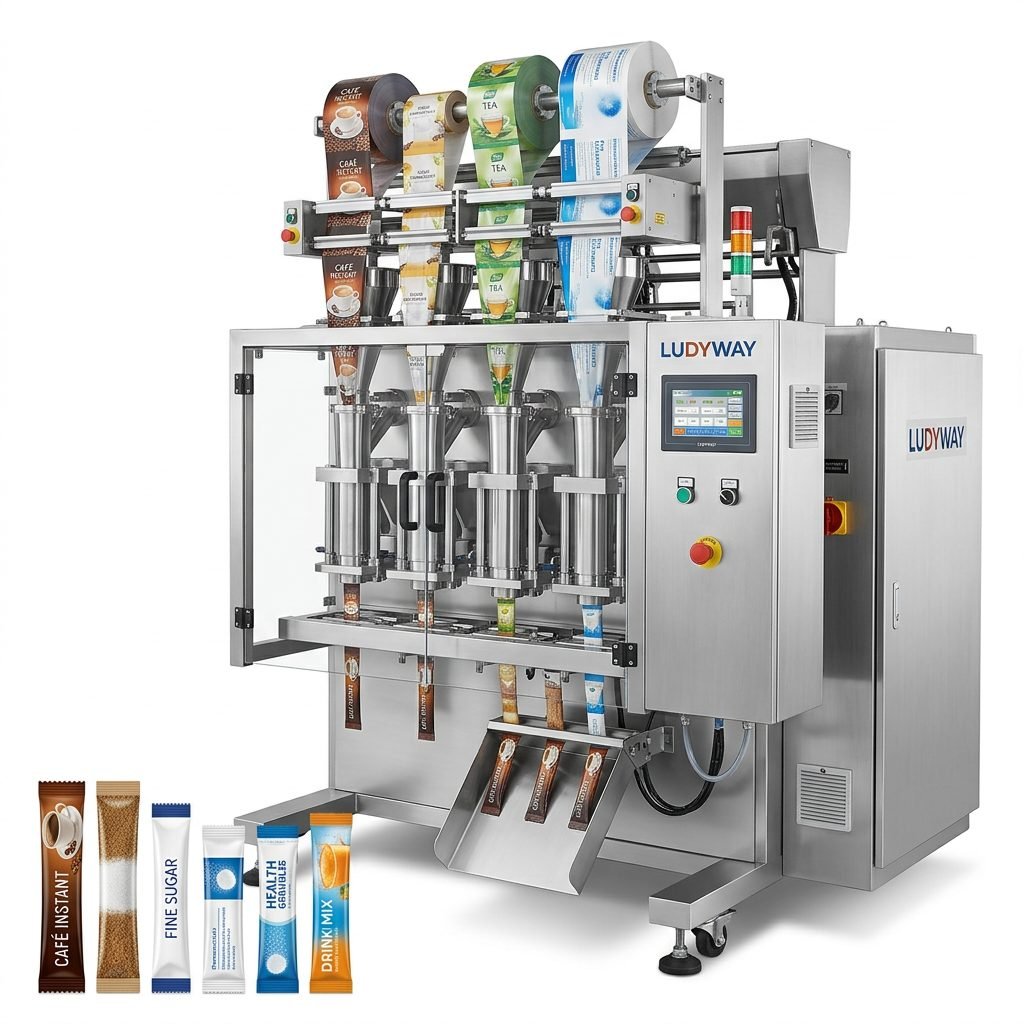
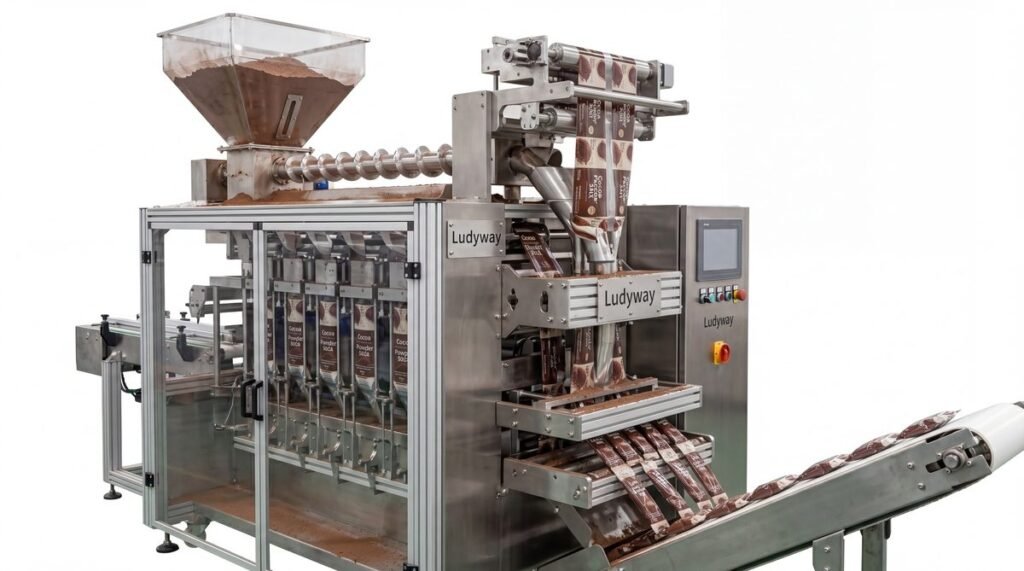
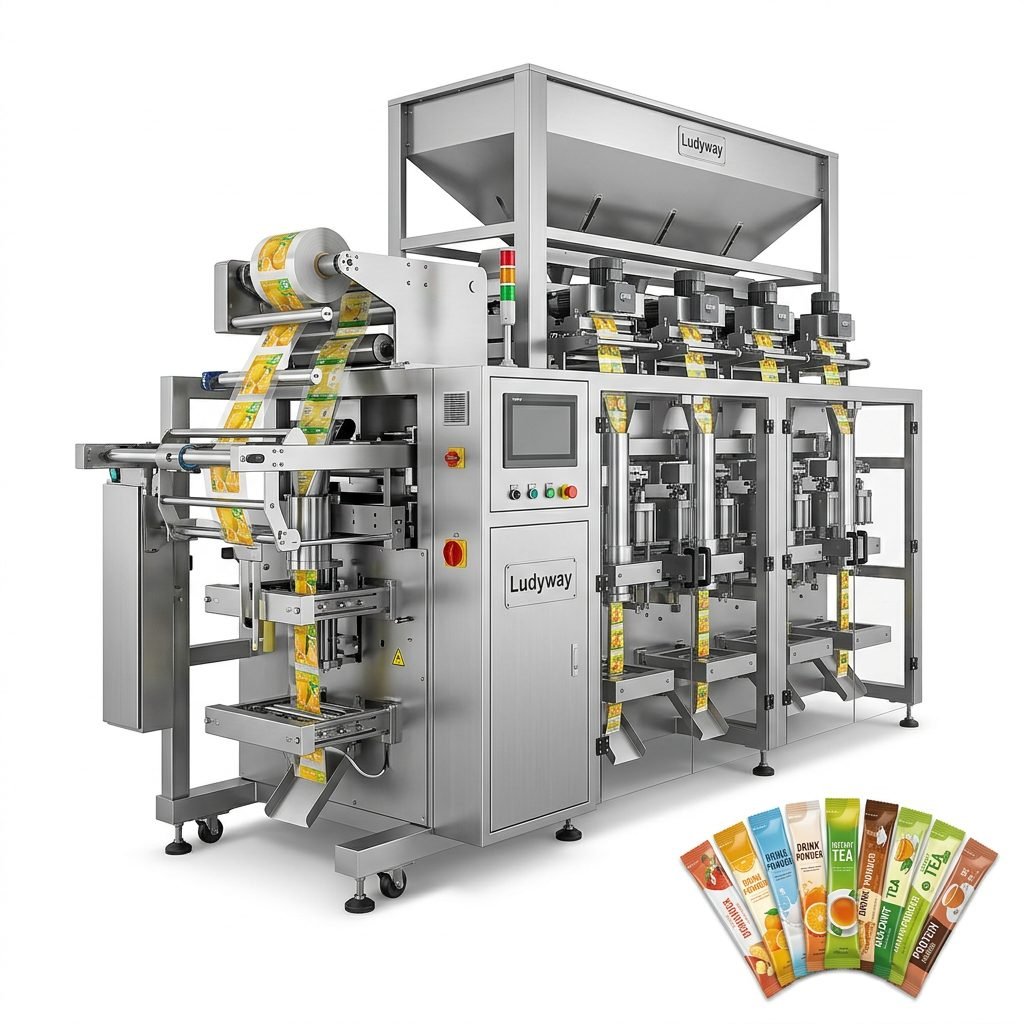
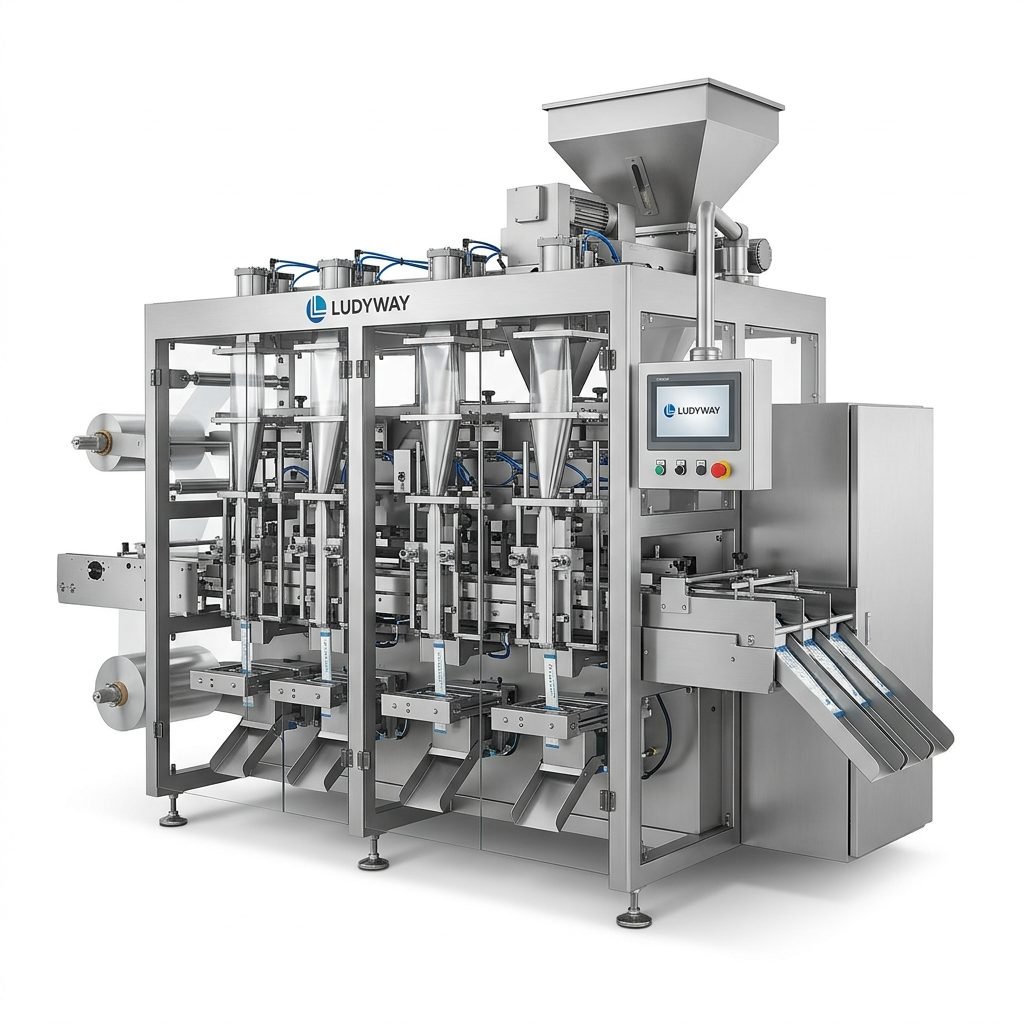
These machines are ideal for single-dose or small-portion packaging. They are common in health supplements, drink powders, condiments, pharmaceutical granules, gels, and cosmetic samples.
- Best for compact retail-friendly packaging
- Supports powder, liquid, granule, and paste formats
- Available in single-lane and multi-lane configurations
3. Premade Pouch Filling and Sealing Machines
Instead of forming bags from film, these systems pick up premade pouches, open them, fill them, and seal them. They are often chosen for high-end packaging appearance and flexible pouch styles.
- Works with zipper pouches, stand-up pouches, and shaped pouches
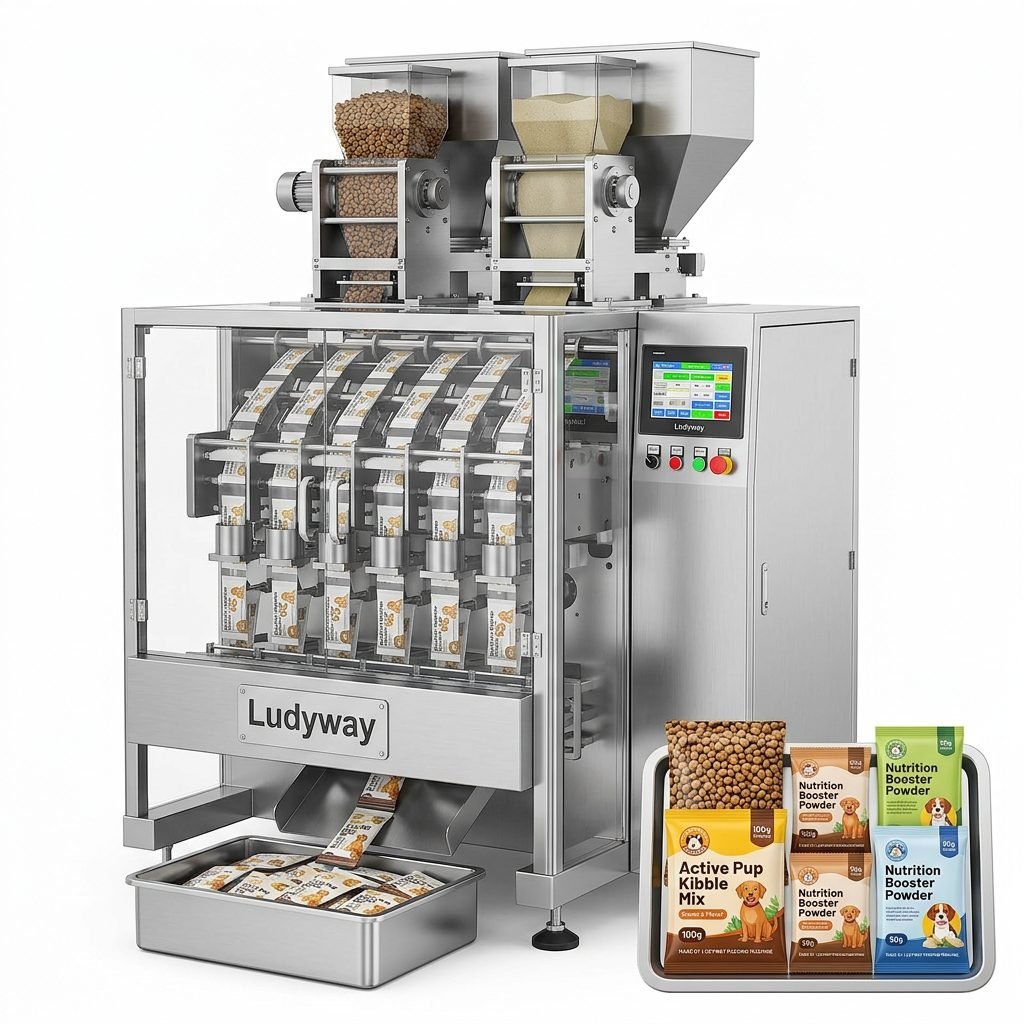
- Suitable for premium food, pet food, supplements, and chemicals
- Reduces pouch forming complexity on-site
4. Liquid and Paste Filling Sealing Machines
Used for sauces, shampoos, lotions, syrups, oils, gels, and creams. These systems typically use piston pumps, peristaltic pumps, or servo dosing technology for precise filling.
5. Bottle, Tube, and Container Filling Systems
These are designed for rigid packaging formats such as bottles, jars, tubes, and vials. They may include capping, induction sealing, labeling, and cartoning modules.
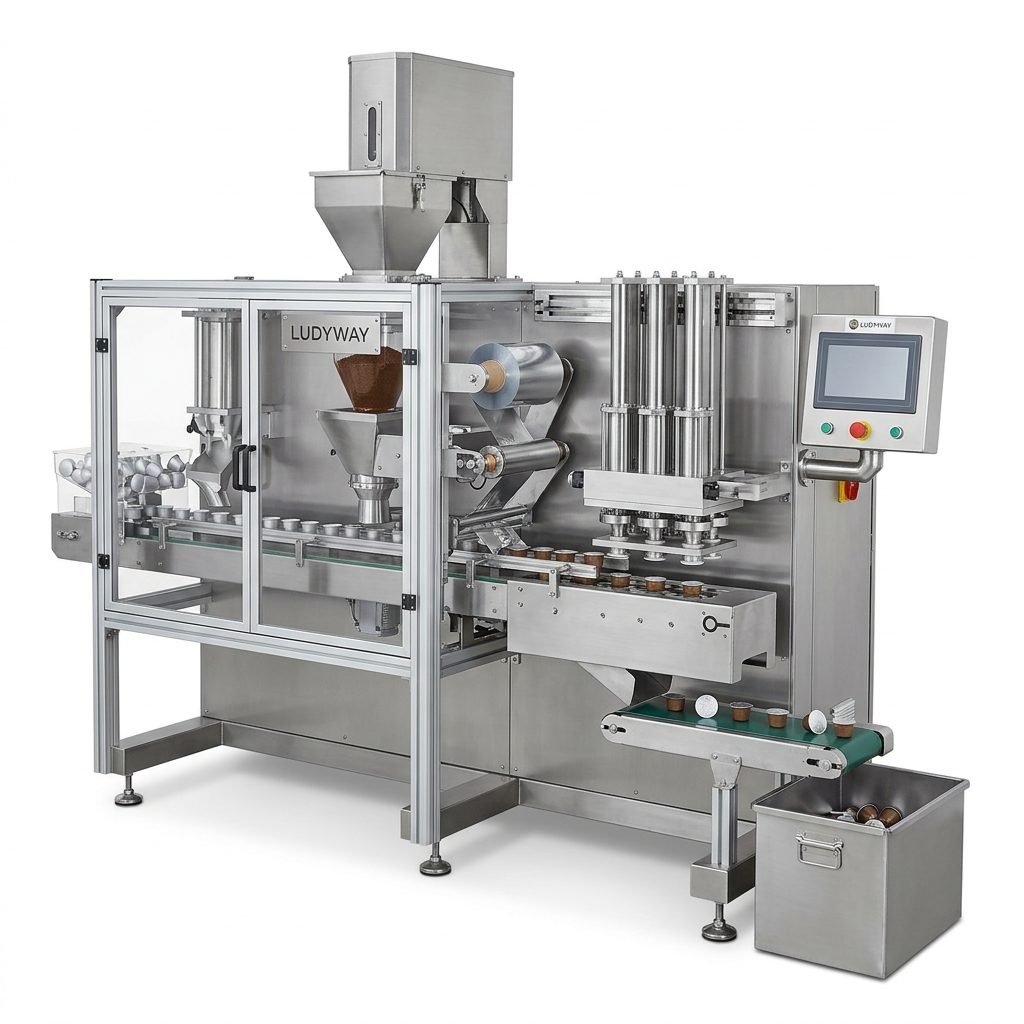
6. Capsule, Tablet, and Pharmaceutical Sealing Equipment
For highly regulated products, pharmaceutical packaging systems focus on dosage accuracy, dust control, traceability, and hygienic production standards.

Which Products Can Be Packed and Sealed?
Modern packing and sealing machines can handle a very broad range of materials. The key is to match the dosing system and sealing technology to the product’s physical characteristics.
| Product Type | Common Examples | Typical Machine Solution |
|---|---|---|
| Powders | Milk powder, coffee, spices, protein, pharma powders | Auger filler + sachet, stick pack, or VFFS machine |
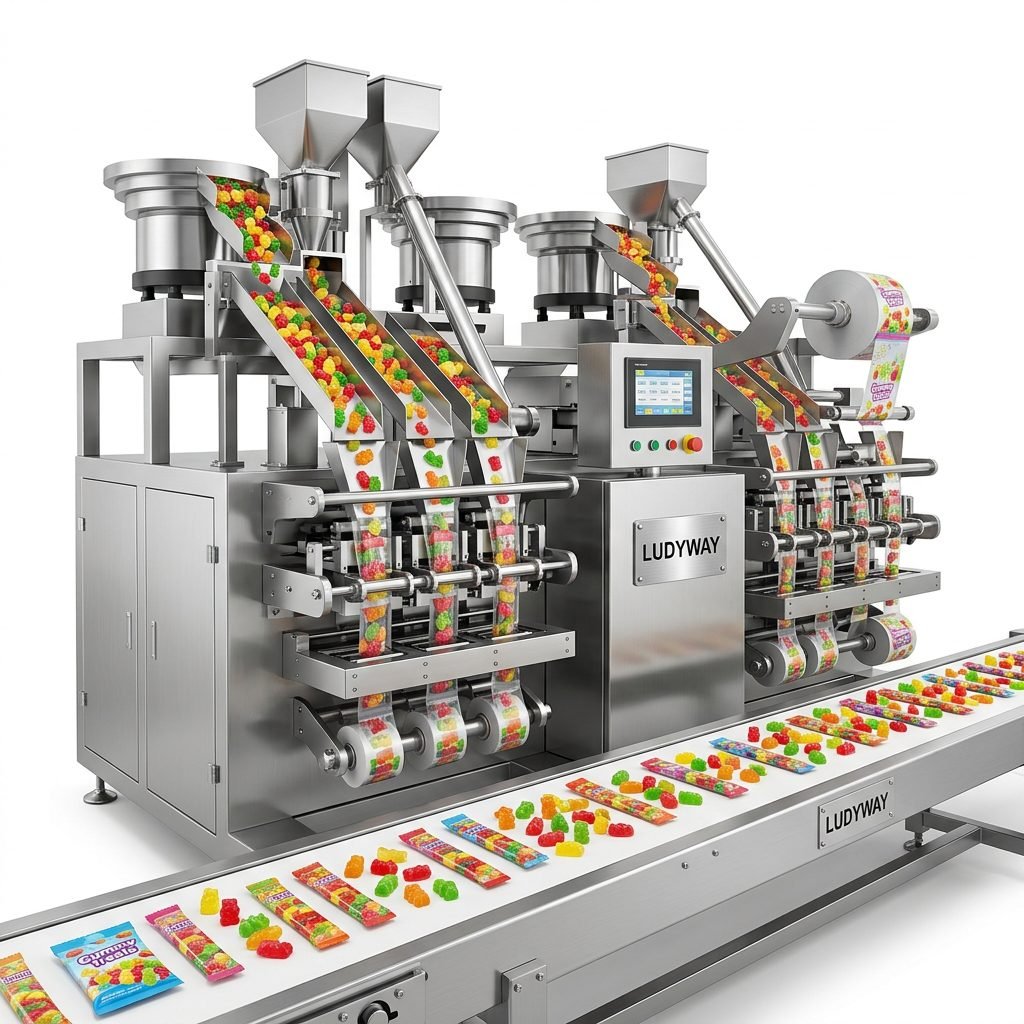
| Granules | Sugar, seeds, snacks, pellets, supplements | Volumetric cup, linear weigher, or multihead weigher system |
| Liquids | Sauces, oils, beverages, detergents, syrups | Pump filling + liquid sachet, pouch, or bottle system |
| Pastes & Gels | Creams, lotions, ketchup, honey, medical gels | Piston filling + sealing machine |
| Solid Dose Products | Capsules, tablets, pills | Pharma filling, blister, or bottle packaging line |
Industries That Commonly Use Packing and Sealing Machines
Food Industry
Food manufacturers use these machines for coffee, sugar, flour, spices, sauces, snacks, cereal, frozen ingredients, instant drinks, and seasoning powders. Seal quality and hygiene are especially important to maintain shelf life and food safety.
Pharmaceutical Industry
In pharma production, machines must support accurate dosing, clean operation, validation, and reliable sealing. Typical products include oral powders, granules, capsules, tablets, and liquid medicines.
Cosmetics and Personal Care
Skincare sachets, shampoo, serum, lotion, hand cream, and sample packs require precise filling and attractive packaging presentation.
Chemical Industry
Detergents, additives, resins, powders, fertilizers, and water-treatment chemicals often require corrosion-resistant components, secure sealing, and dust management.
Pet Food and Animal Nutrition
From dry granules and powders to supplements and treats, pet food packaging systems often need durable bagging, accurate weighing, and high throughput.
Key Factors to Consider Before Choosing a Machine
Product Characteristics
Start with the product itself. Is it free-flowing or sticky? Dusty or fragile? Hygroscopic or sensitive to contamination? The product determines the filling principle, machine structure, and sealing method.
- Particle size and flowability
- Viscosity for liquids and pastes
- Moisture sensitivity
- Required hygiene level
- Need for nitrogen flushing or vacuum sealing
Package Format
Do you need sachets, stick packs, pouches, bottles, tubes, or bulk bags? The packaging format affects machine selection, film compatibility, and final presentation.
Output Requirements
A small business may only need moderate speed, while a growing factory may need a high-speed multi-lane system. Always think beyond today’s demand and consider future expansion.
Accuracy and Consistency
Underfilling leads to compliance and customer issues. Overfilling increases product giveaway and cost. A reliable filling and sealing machine should deliver stable repeatability across long production runs.
Automation Level
You can choose from:
- Semi-automatic machines for lower budgets
- Standalone automatic machines for efficient packaging
- Fully integrated lines with feeding, coding, inspection, cartoning, and palletizing
Material Compatibility
Check whether the machine works with your chosen packaging films or pouch materials, including laminated film, aluminum foil, recyclable materials, or specialty barrier films.
Maintenance and Cleaning
Machines should be easy to clean, easy to access, and simple to change over. This matters even more in industries with frequent flavor changes, allergen control, or strict sanitation requirements.
Common Mistakes Buyers Should Avoid
- Choosing based only on price instead of total lifecycle value
- Ignoring product behavior during actual filling tests
- Buying a machine without room for future output growth
- Overlooking after-sales service and spare parts support
- Failing to confirm packaging material compatibility
- Not considering factory layout, utility supply, and operator skill level
Single Machine or Complete Packaging Line?
This depends on your production stage and business goals.
| Option | Best For | Advantages |
|---|---|---|
| Standalone Machine | Startups, pilot production, simple packaging tasks | Lower investment, quick setup, easier operation |
| Integrated Packaging Line | Growing factories, export-oriented production, high-volume operations | Higher automation, labor savings, stable quality, better long-term scalability |
For many manufacturers, a complete line brings stronger overall efficiency because product conveying, filling, sealing, inspection, and secondary packaging are designed to work together.
How to Match the Right Machine to Your Application
Use the following checklist when speaking with suppliers:
- What product are you packaging?
- What is the target pack size and package style?
- What production speed do you need per minute or per hour?
- What filling accuracy is acceptable?
- Do you need coding, checkweighing, metal detection, or cartoning?
- What packaging film or pouch material will be used?
- What are your factory power, air, and space conditions?
- Do you need local training, remote support, or turnkey installation?
Why Customization Matters
Many buyers discover that standard machines are not always enough. Product characteristics, package design, compliance standards, and factory layout often require tailored engineering. Customization may include:
- Special dosing systems for difficult materials
- Multi-lane design for higher speed
- Dust extraction or clean-room compatibility
- Integration with conveyors, feeders, printers, and cartoners
- Custom sealing jaws or package dimensions
- Line layout designed for available factory space
Evaluating a Reliable Packaging Machine Manufacturer
When selecting a supplier, look beyond the brochure. A reliable manufacturer should be able to support machine design, testing, installation, training, and long-term service.
Key evaluation points include:
- Manufacturing experience and engineering depth
- Industry-specific application knowledge
- Export capability and global service experience
- Machine range and scalability
- Customization ability for complex projects
- Testing process, quality control, and documentation support
For businesses seeking automatic packing and sealing equipment, packing machine manufacturer Ludyway offers a broad portfolio of packaging machinery and turnkey line solutions for food, pharmaceutical, cosmetic, chemical, and related industries, backed by more than 30 years of manufacturing experience.
Questions to Ask Before You Buy
- Can the supplier run a sample test with my actual product?
- What is the real production speed under my working conditions?
- How easy is changeover between different pack sizes?
- What spare parts are recommended for the first year?
- How is technical support handled after installation?
- Can the machine be upgraded into a larger line later?
Final Buying Advice
The right packing and sealing machine should not only seal packages well—it should also align with your product, production target, packaging format, compliance needs, and future growth plan. A low-cost machine may look attractive at first, but the better investment is usually the one that delivers stable performance, accurate filling, reliable sealing, and dependable support.
If you compare machines carefully, request sample testing, and choose a supplier with real application expertise, you will be in a much stronger position to build an efficient, scalable packaging operation.