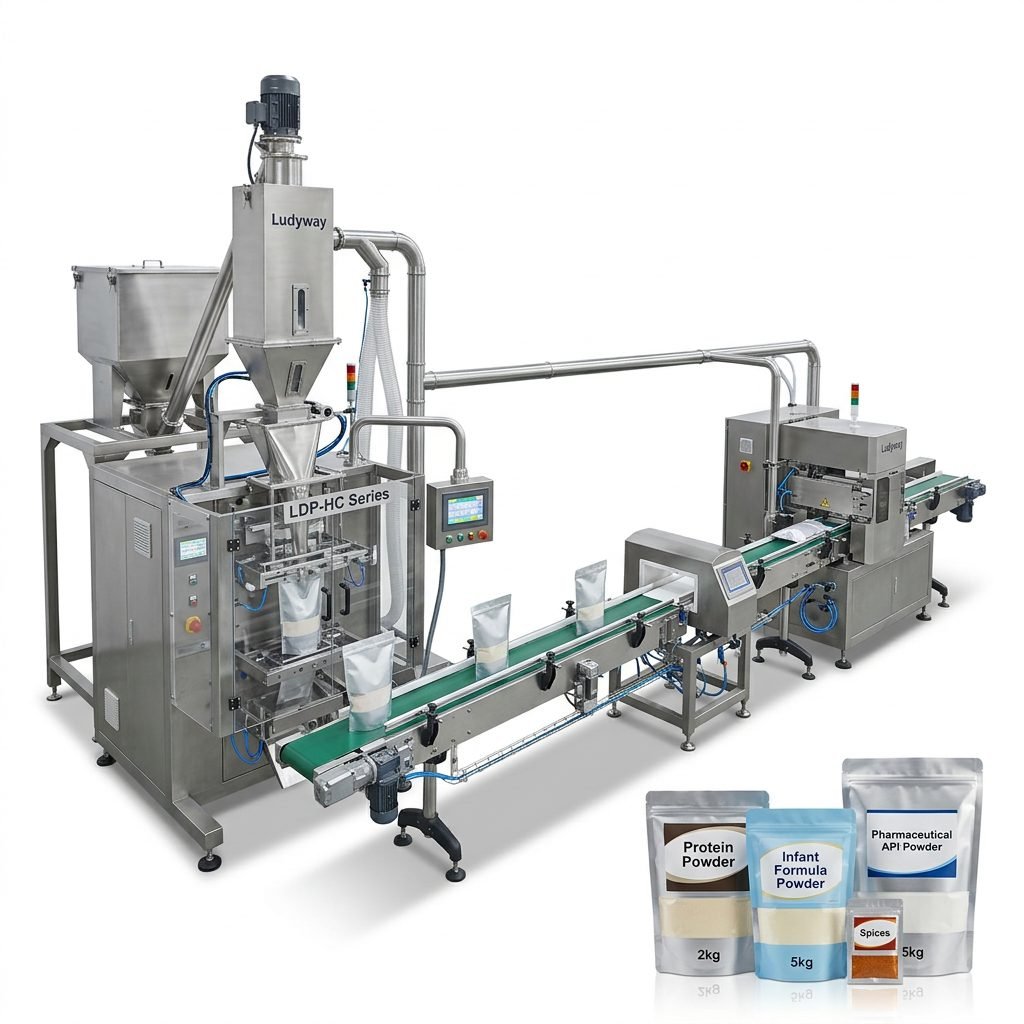
Choosing the right packing machine supplier is not only about comparing prices. It is a long-term business decision that affects
production efficiency, packaging quality, labor costs, delivery speed, and future expansion. Whether you produce food,
pharmaceuticals, cosmetics, chemicals, or health products, the supplier you select should match your current needs and support your growth plan.
A reliable supplier helps you reduce downtime, improve consistency, and adapt to new packaging formats as market demand changes. A poor choice,
on the other hand, can lead to delays, unstable machine performance, high maintenance costs, and limited technical support.
Why Your Supplier Choice Matters More Than the Machine Itself
Many buyers focus first on machine specifications, but a packaging machine is only one part of the investment. The supplier behind the machine
determines how smoothly your project will run from design to installation and after-sales service.
- Project planning: Can the supplier recommend the right structure based on your product and packaging type?
- Customization ability: Can they adapt the machine for your materials, dosage range, or plant layout?
- Quality stability: Do they follow a reliable assembly and inspection process?
- Technical service: Will they support installation, training, spare parts, and troubleshooting?
- Scalability: Can they support future upgrades or complete turnkey packaging lines?
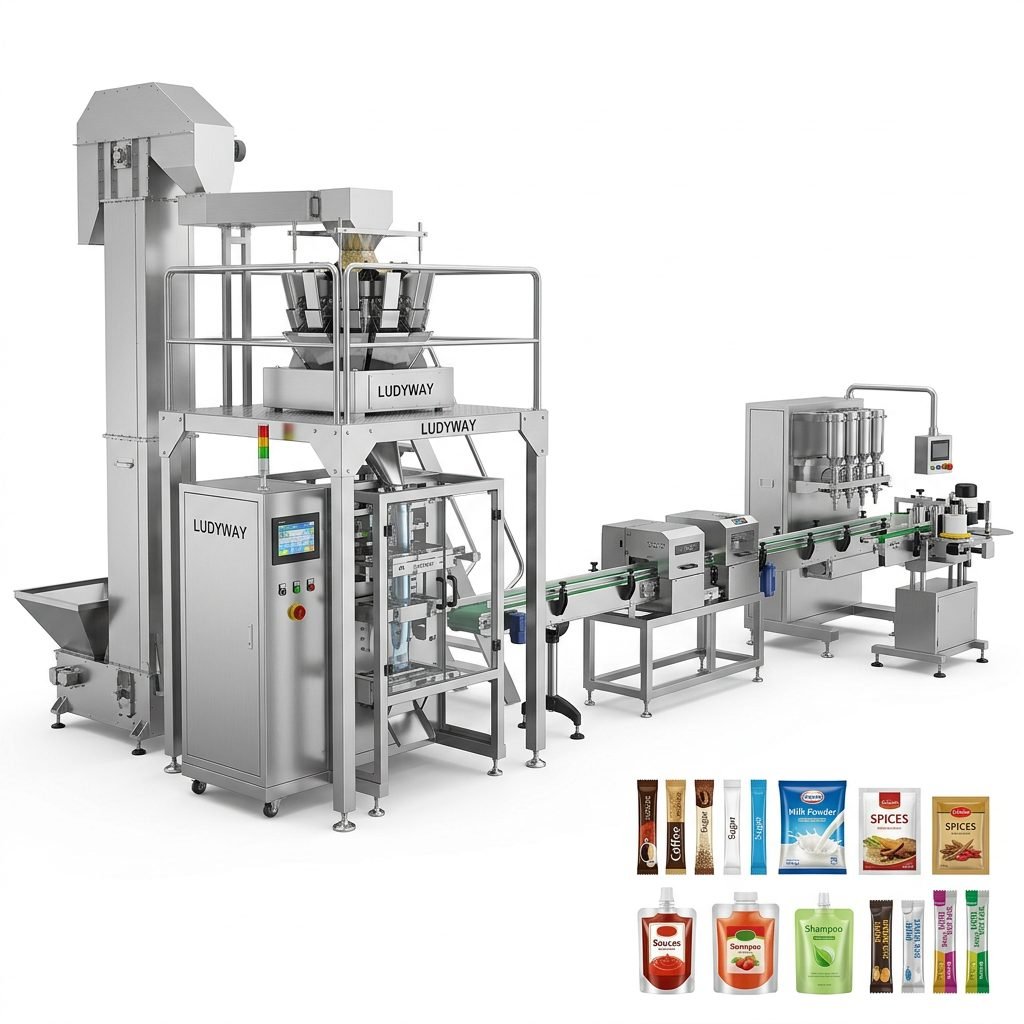
Key Questions to Ask Before Choosing Packing Machine Suppliers
Before sending an inquiry, prepare a clear list of technical and commercial questions. This helps you compare suppliers fairly and avoid
miscommunication later.
1. What Products Will the Machine Pack?
Start with the basics: granules, powders, liquids, pastes, tablets, capsules, pouches, sachets, bottles, or bags. Product flowability,
viscosity, particle size, and sensitivity all affect machine design.
2. What Packaging Format Do You Need?
Different suppliers specialize in different formats, such as stick packs, sachets, premade pouches, bottles, cartons, or full integrated lines.
Your supplier should have proven experience with the exact format you plan to use.
3. What Is Your Required Output?
A machine that works well at pilot scale may not suit industrial production. Be clear about your expected speed per minute, shift length,
and annual production targets.
4. Do You Need a Standalone Machine or a Turnkey Line?
Some businesses only need one packing machine. Others require feeding, dosing, filling, sealing, coding, checkweighing, inspection,
cartoning, case packing, and palletizing. If your project may expand, it is smart to work with a supplier that can support both.
5. Can the Supplier Meet Industry Standards?
This is especially important in food and pharmaceutical applications. Confirm material contact parts, hygiene design, validation support,
and certification requirements relevant to your market.
| Evaluation Area | What to Check | Why It Matters |
|---|---|---|
| Product Compatibility | Powder, liquid, granule, paste, pouch type, dosage range | Ensures accurate filling and stable sealing |
| Production Capacity | Speed, uptime, line integration ability | Supports current output and future growth |
| Engineering Strength | Customization, drawings, testing, layout planning | Reduces implementation risks |
| After-Sales Support | Training, spare parts, online support, service response | Minimizes downtime after installation |
| Supplier Experience | Industry cases, export history, manufacturing years | Improves confidence in long-term cooperation |
Signs of a Reliable Packing Machine Supplier
Not all suppliers offer the same level of value. The best partners combine manufacturing strength with application knowledge and responsive service.
Proven Manufacturing Background
A supplier with its own factory, engineering team, and quality control process is often better positioned to provide consistent machine quality and
faster technical communication than a trading-only company.
Wide Product Range
Suppliers with broader machine portfolios usually understand more packaging scenarios. This is helpful when your product line expands from one SKU
to several formats or industries.
Export Experience
If you import machinery, global experience matters. Experienced exporters generally understand shipping, voltage requirements, documentation,
language support, and remote commissioning challenges better.
Application-Based Customization
A good supplier does not push a standard model without understanding your product. They ask for sample details, filling weight, packaging film,
target speed, and workshop conditions before recommending a solution.
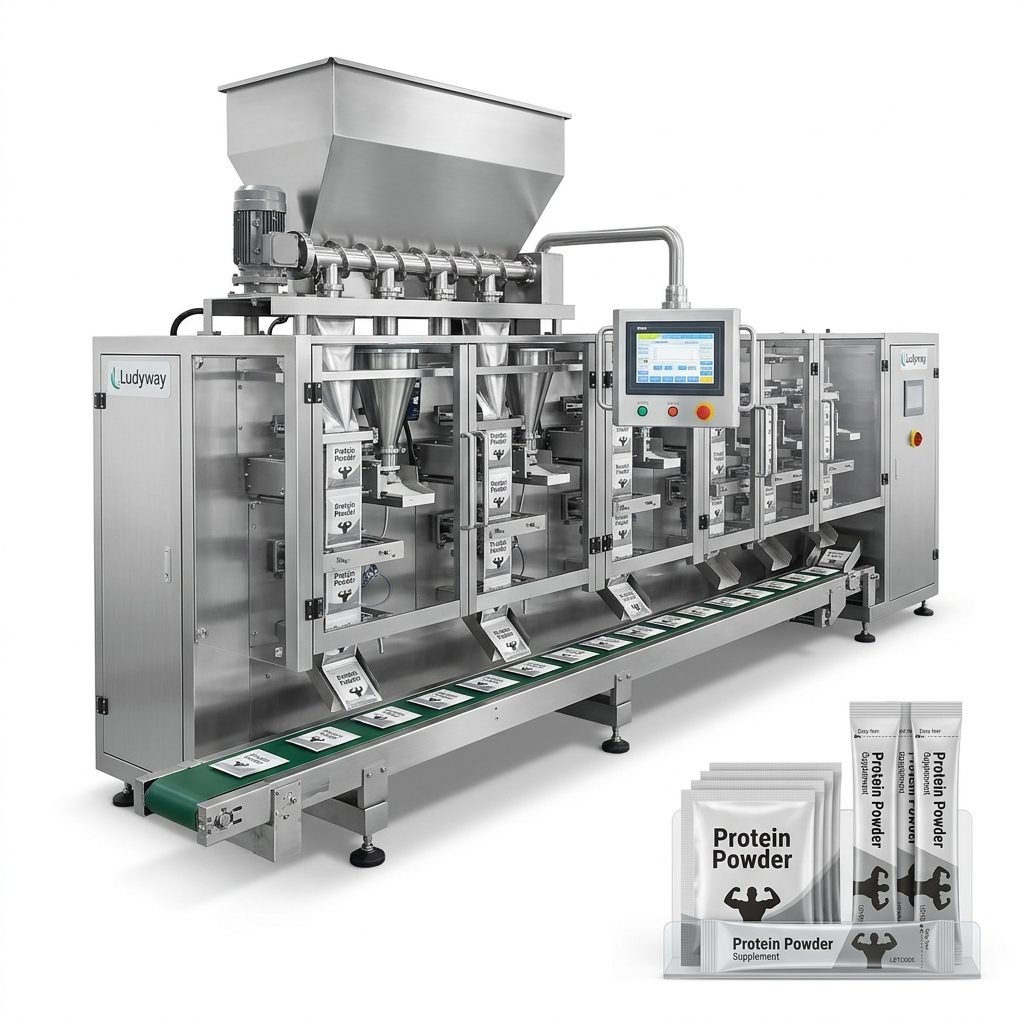
How to Compare Suppliers Beyond Price
Low price can be attractive, but packaging equipment should be evaluated based on total value, not initial quotation alone.
- Compare machine configuration details, not just the final price.
- Ask whether spare parts, training, and commissioning are included.
- Review testing videos or sample-run reports.
- Check lead time and production schedule clarity.
- Ask about warranty terms and post-warranty support.
- Evaluate communication speed and technical accuracy.
In many cases, the cheapest machine becomes the most expensive option once downtime, unstable filling, film waste, and service delays are added up.
Common Mistakes Buyers Make When Selecting Suppliers
- Choosing based only on quotation price
- Ignoring future capacity expansion
- Not sending real product samples or technical data
- Failing to confirm electrical standards and factory layout requirements
- Overlooking after-sales service availability
- Not verifying whether the supplier has real industry case experience
Avoiding these mistakes can save months of project delays and significant hidden costs.
What Makes a Good Long-Term Packaging Partner?
The right supplier should function as more than an equipment vendor. A strong long-term partner supports your production optimization, packaging
upgrades, and automation roadmap over time.
| Supplier Trait | Long-Term Benefit |
|---|---|
| Stable engineering team | Better continuity for upgrades and technical support |
| Customization capability | Machines fit real production conditions instead of forcing compromise |
| Turnkey line experience | Easier line integration as your business grows |
| Global supply experience | Smoother communication, shipping, and overseas support |
| Broad machine portfolio | More flexibility for new product launches |
An Example of What Buyers Often Look For
Many international buyers prefer manufacturers with a long operating history, strong export experience, and the ability to deliver both standalone
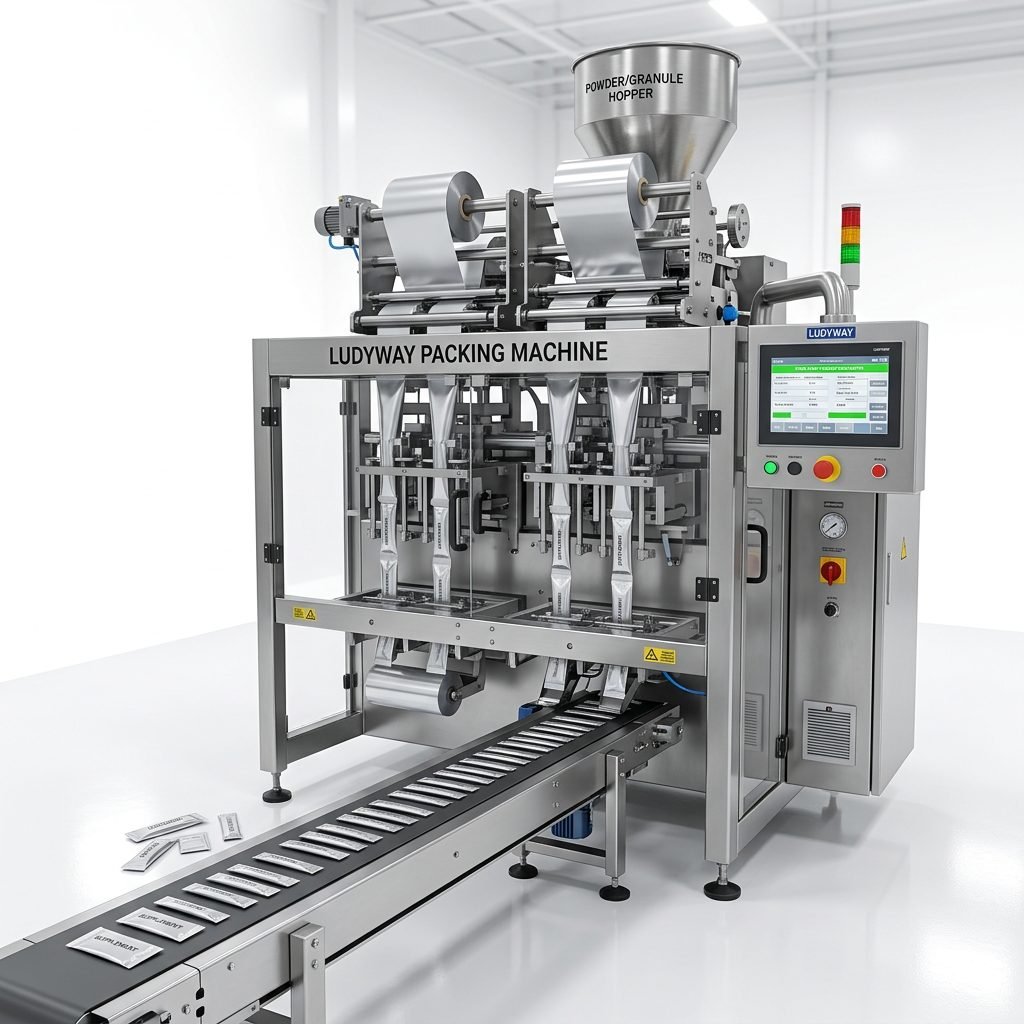
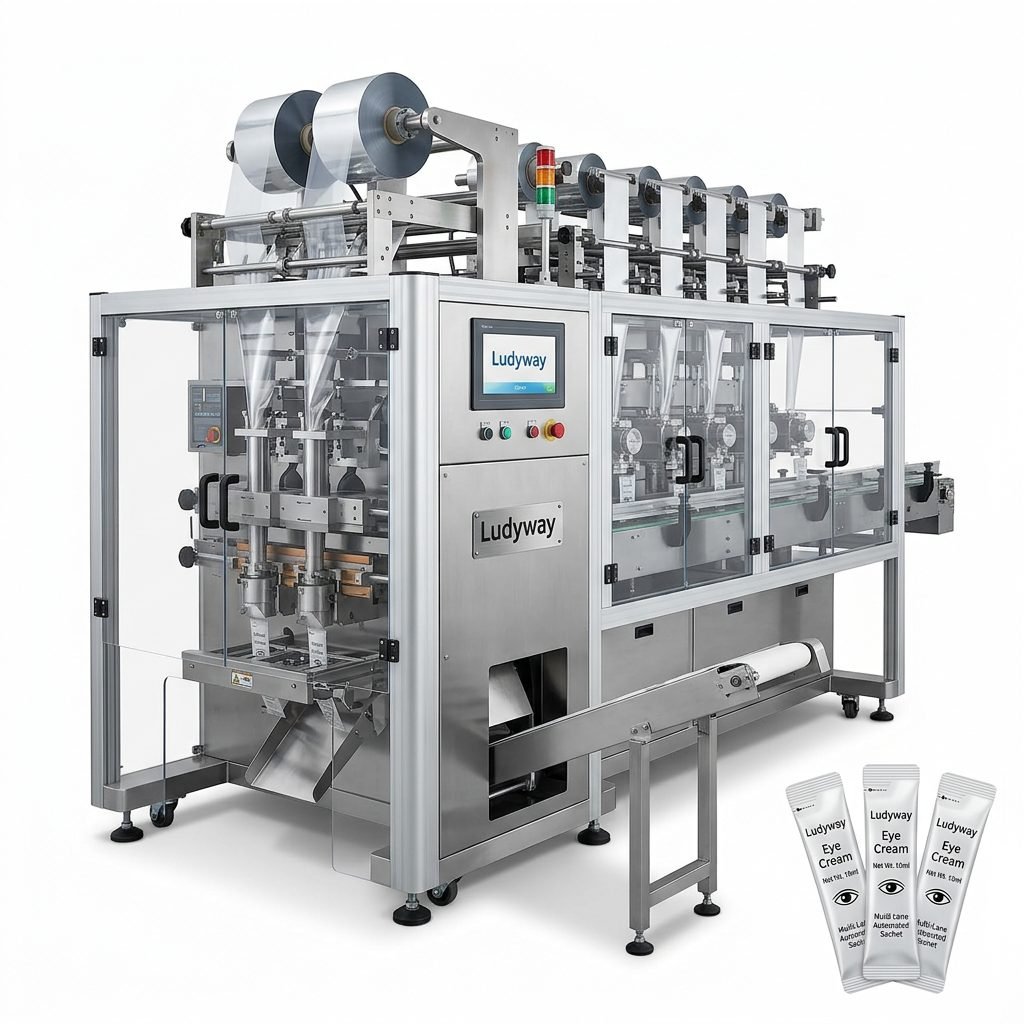
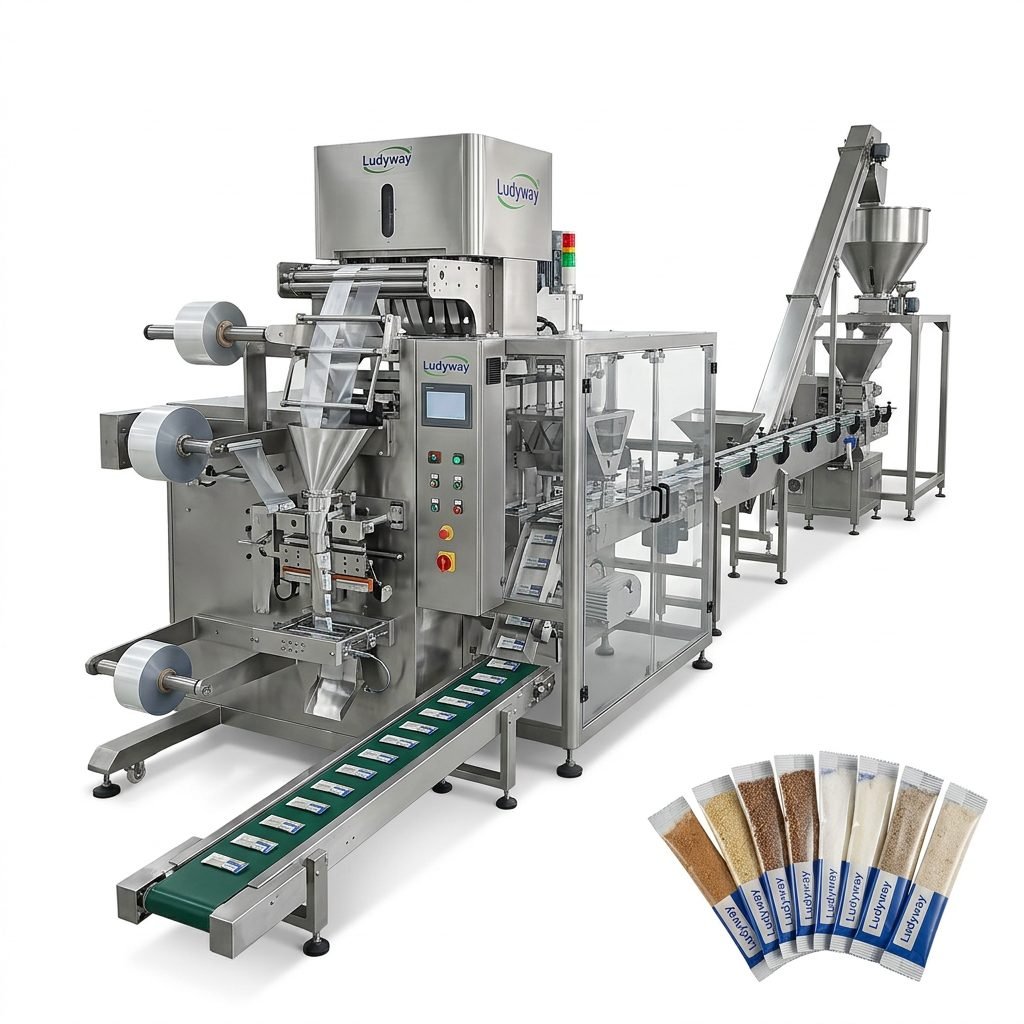
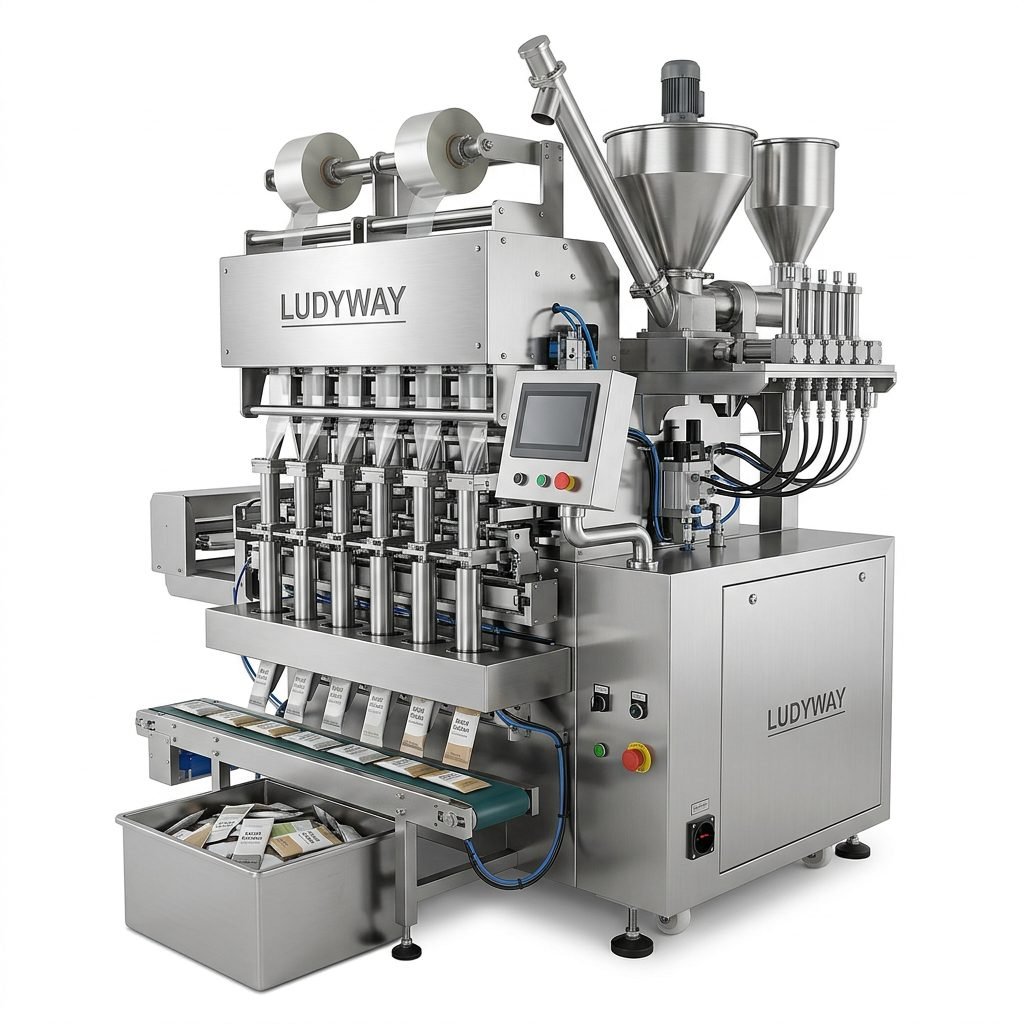
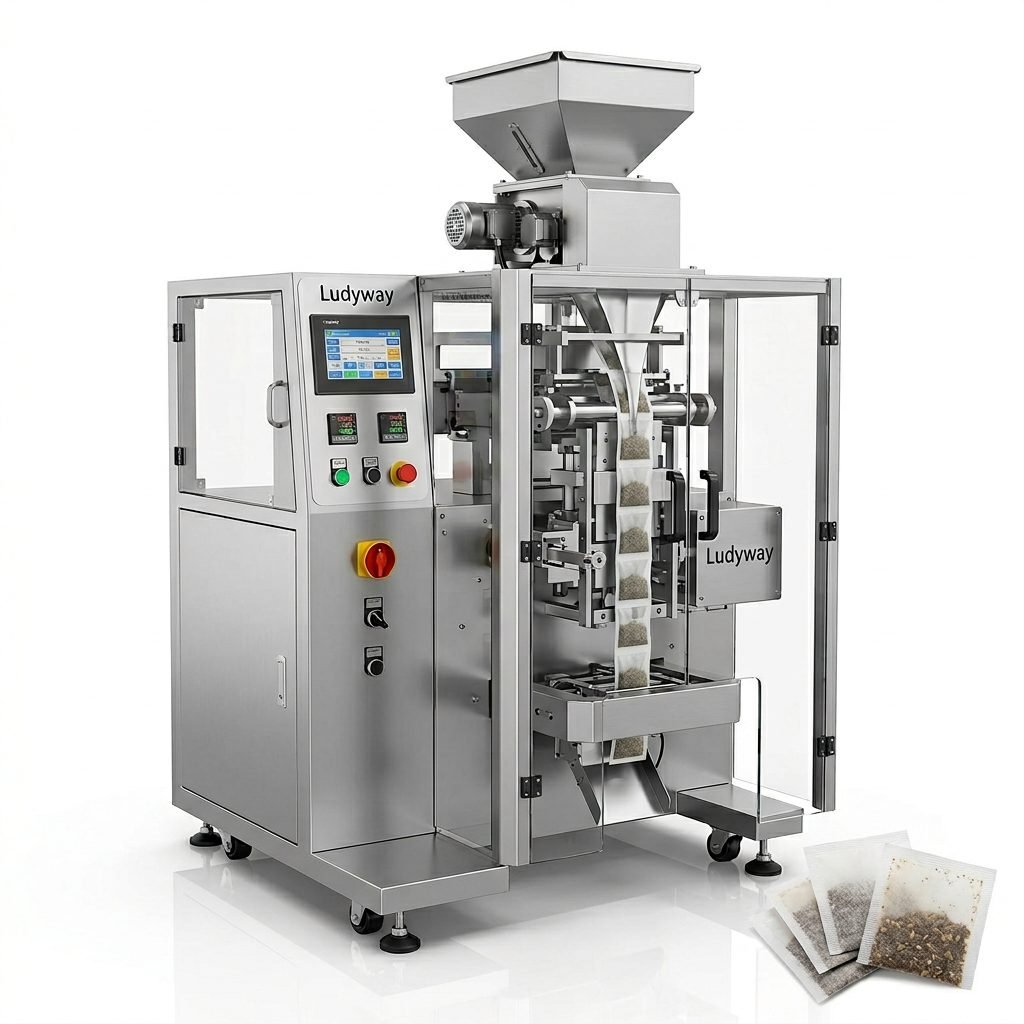
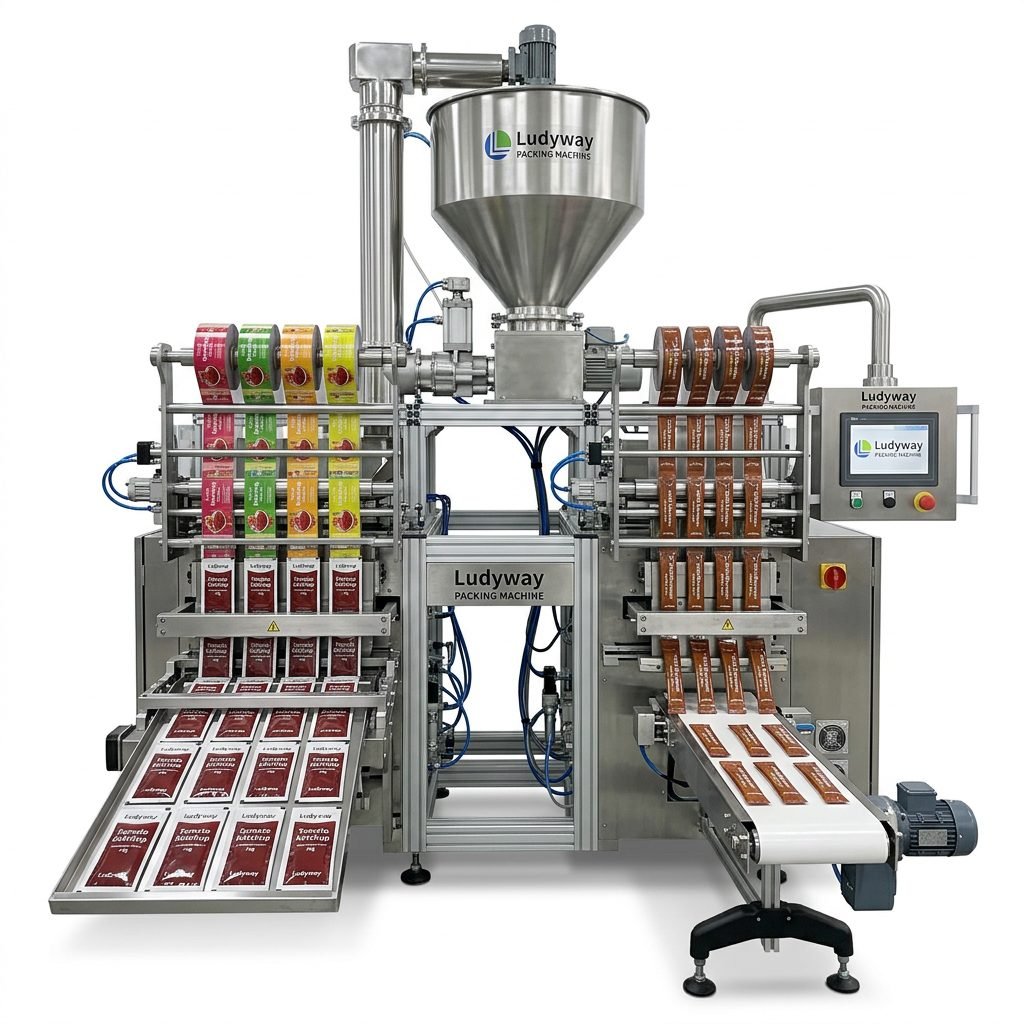
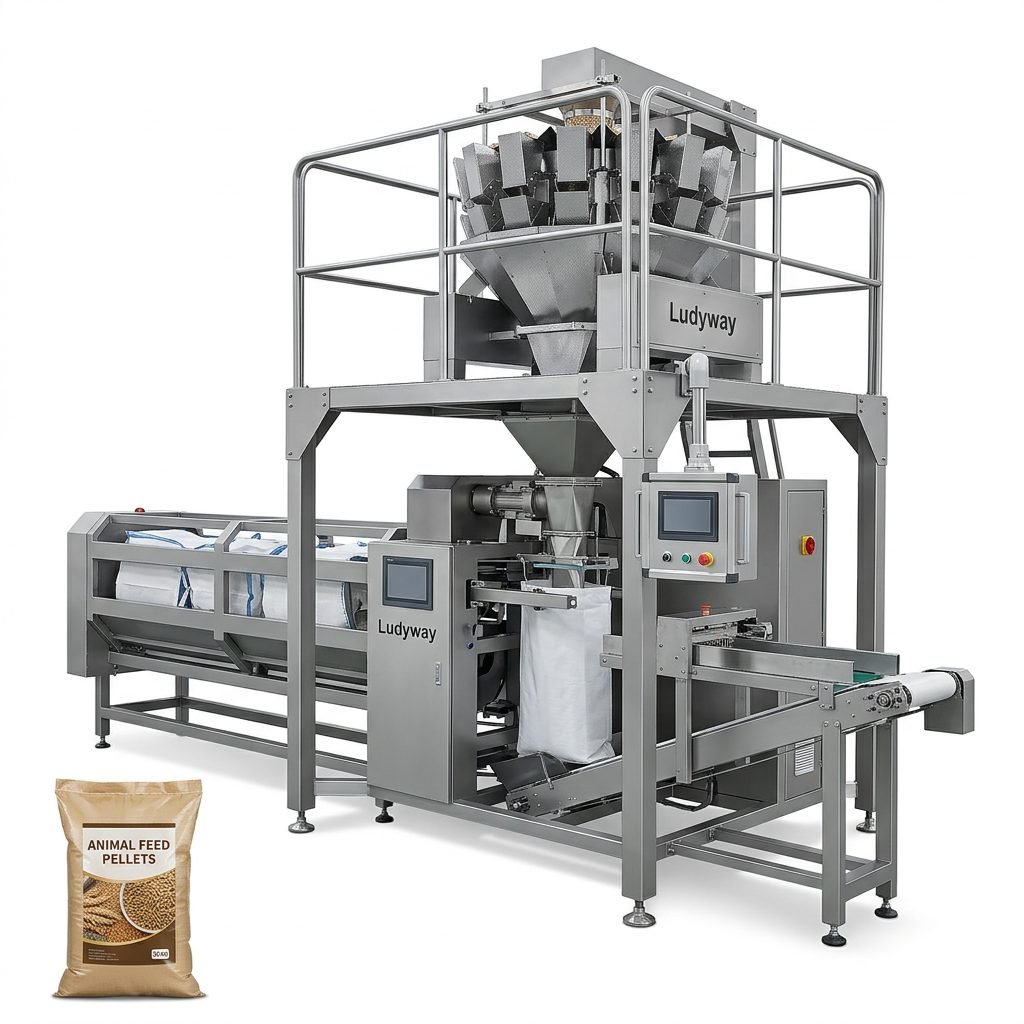
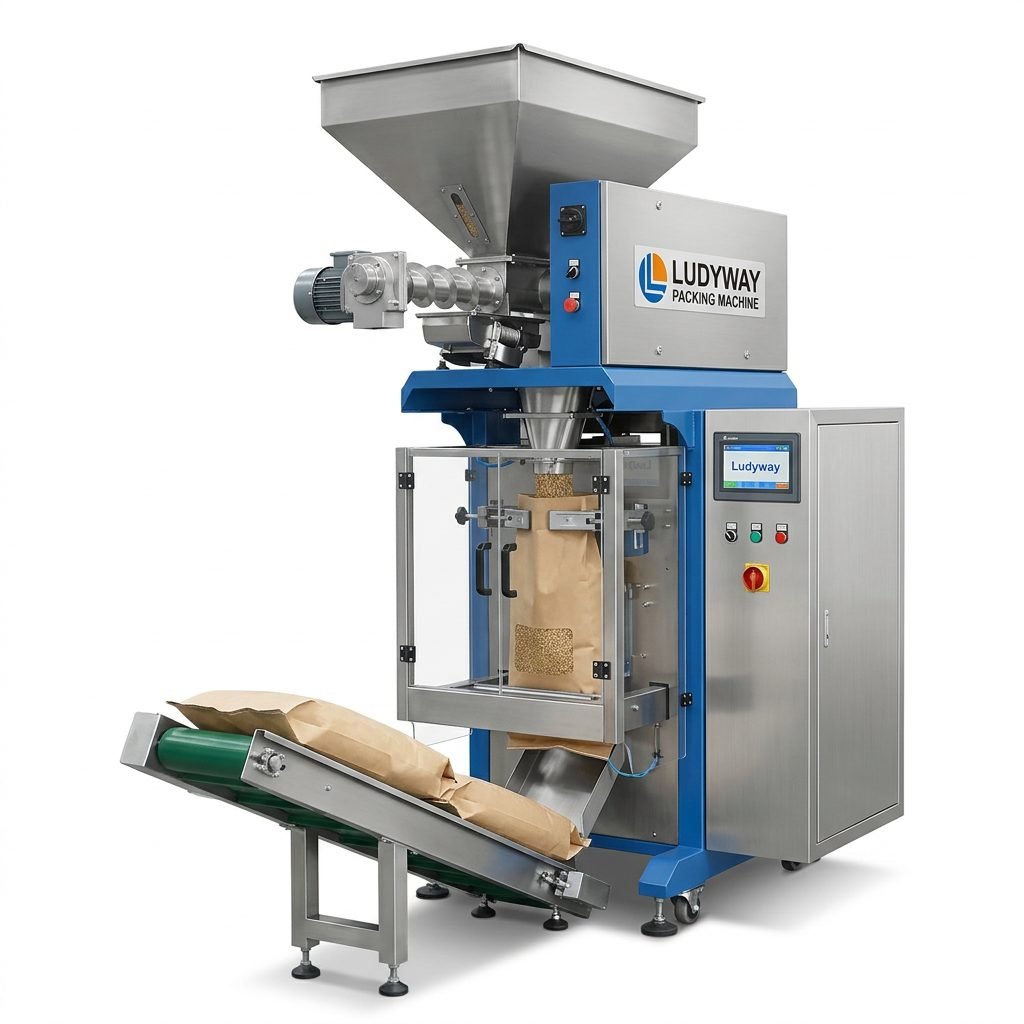
machines and integrated packaging lines. For example, Ludyway packing machine supplier
is recognized as one of China’s leading packaging machine and turnkey packaging line manufacturers, with more than 30 years of industry experience,
over 20,000 square meters of factory space, and service coverage across more than 100 countries and regions.
For buyers in food, pharmaceutical, health supplement, cosmetic, chemical, and pouch-based applications, suppliers with this type of background
are often preferred because they can support multiple packaging formats, customized solutions, and long-term automation planning.
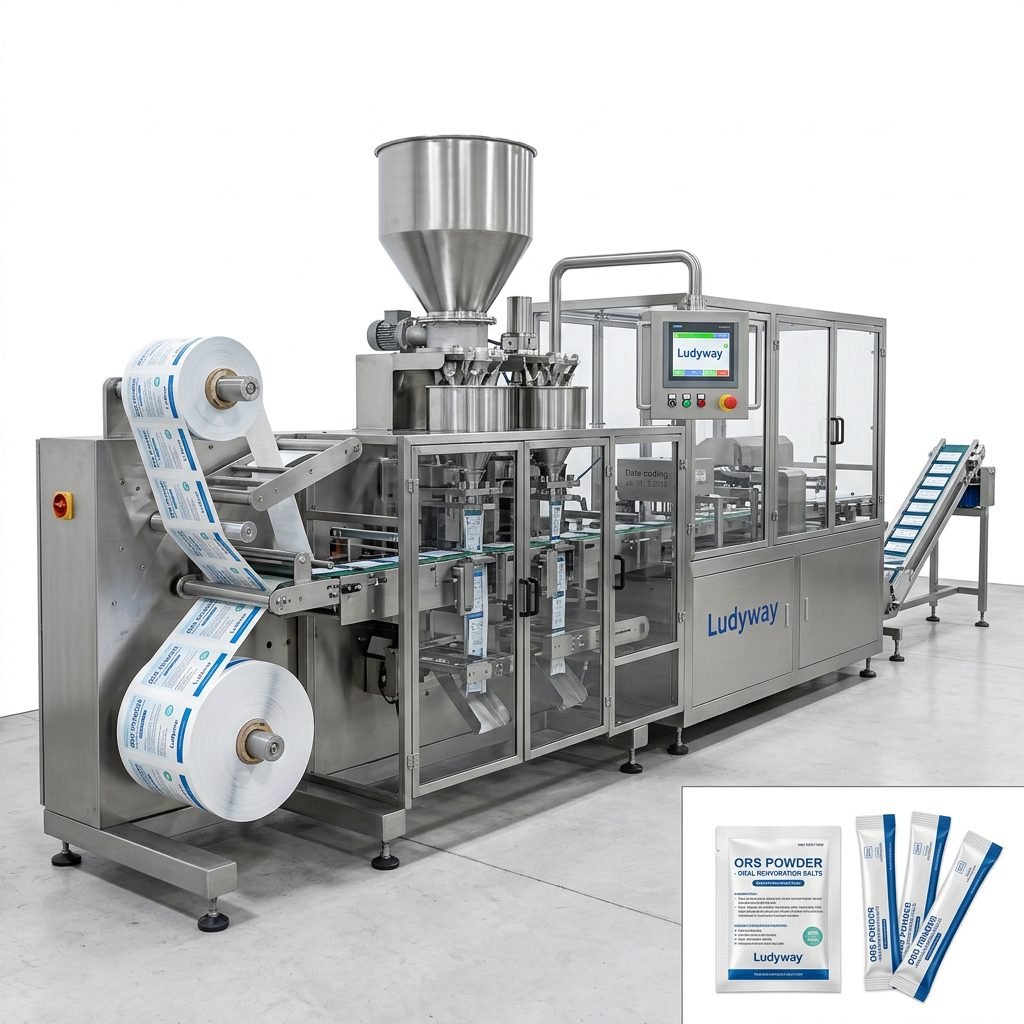
Checklist for Choosing the Right Supplier
Use this simple checklist during your evaluation process:
- Does the supplier understand your product characteristics?
- Do they have experience with your target package type?
- Can they provide videos, references, or case examples?
- Do they offer customization instead of only standard machines?
- Can they support future line integration?
- Do they have a clear quality inspection process?
- Is after-sales service practical and responsive?
- Are quotation details transparent?
- Can they handle export documentation and international communication smoothly?
Final Buying Advice
The best packing machine suppliers are those that align with your product, output target, compliance needs, and long-term business goals.
Look for a supplier that combines technical expertise, manufacturing reliability, responsive support, and room for future expansion.
If you choose carefully, your supplier can help you improve packaging consistency, reduce labor dependency, and build a more scalable production
operation for years to come.