Investing in a single chamber vacuum packing machine is a critical decision for food processors, pharmaceutical manufacturers, and industrial packaging operations. The right equipment can dramatically extend product shelf life, reduce waste, and improve operational efficiency. However, with so many models and configurations available, making the wrong choice can lead to production bottlenecks, inadequate sealing quality, and unnecessary capital expenditure. This guide walks you through every factor you need to evaluate before purchasing a single chamber vacuum packing machine.
Understanding Single Chamber Vacuum Packing Technology
A single chamber vacuum packing machine operates by placing the product and packaging bag inside a sealed chamber. The machine evacuates air from the entire chamber—not just from inside the bag—creating a pressure equilibrium that prevents delicate products from being crushed during the vacuum process. Once the desired vacuum level is reached, the sealing bar activates, creating an airtight seal before the chamber vents to atmospheric pressure.
This technology differs significantly from double chamber machines and continuous band sealers. Single chamber units are typically more compact, making them ideal for smaller production volumes, laboratory settings, and operations with limited floor space. They excel at packaging solid products, powders, liquids in pouches, and medical devices that require sterile barrier packaging.
Key Advantages of Single Chamber Vacuum Packaging
- Extended shelf life — Removing oxygen inhibits aerobic bacteria growth and prevents oxidative rancidity in food products
- Product protection — Vacuum-sealed packaging shields contents from moisture, dust, and environmental contaminants
- Reduced packaging volume — Compressed packages require less storage and shipping space
- Enhanced product presentation — Tight, clear packaging improves retail shelf appeal
- Versatility — Suitable for solid items, granular products, powders, and liquid-containing pouches when properly configured
Critical Factors to Evaluate When Selecting Your Machine
1. Chamber Size and Configuration
The chamber dimensions directly determine the maximum product size and the number of packages you can process per cycle. Measure your largest product and add at least 2–3 inches of clearance on all sides to ensure proper bag placement and sealing. Common chamber sizes range from compact benchtop units with 12″ x 12″ chambers to industrial models exceeding 24″ x 30″.
Consider whether you need a flat working surface or a recessed chamber. Flat surfaces allow easy loading of heavy or awkwardly shaped items, while recessed chambers help contain liquid spills and are preferred for packaging products with high moisture content.
2. Vacuum Pump Type and Performance
The vacuum pump is the heart of any vacuum packing machine. Two primary pump technologies dominate the market:
| Pump Type | Advantages | Considerations |
|---|---|---|
| Oil-Lubricated Rotary Vane Pump | Higher vacuum levels achieved; longer service life; better for heavy-duty cycles | Requires regular oil changes; potential oil mist in sensitive environments |
| Dry (Oil-Free) Pump | Zero oil contamination risk; lower maintenance frequency; ideal for cleanrooms | Typically lower ultimate vacuum; may have shorter service intervals |
Evaluate the pump displacement rate (measured in m³/h or CFM) and the ultimate vacuum pressure (measured in mbar or Torr). For most food applications, achieving 1–5 mbar residual pressure is sufficient. Pharmaceutical and medical device applications may require deeper vacuum levels per ISO 11607 standards for terminally sterilized medical devices.
3. Sealing Bar Specifications
The sealing bar must be long enough to accommodate your widest bag while leaving adequate margin. Sealing bar length typically ranges from 300mm to 800mm on single chamber machines. Pay close attention to:
- Seal width — Wider seals (3mm–5mm) provide greater integrity for heavier products
- Heating element configuration — Dual-heat sealing bars distribute temperature more evenly
- Sealing bar quantity — Some machines offer one bar; others provide two for sealing multiple bags side by side
- Temperature control — Digital PID temperature controllers offer more consistent seal quality than analog dials
Material Compatibility and Packaging Requirements
Vacuum Bag Selection
Your choice of flexible packaging materials significantly influences machine configuration. Standard vacuum bags feature a multi-layer structure with a heat-sealable inner layer and a gas-barrier outer layer. Common materials include:
- PA/PE (Polyamide/Polyethylene) — Excellent puncture resistance and gas barrier; suitable for frozen foods and bone-in products
- EVOH-based laminates — Superior oxygen barrier; ideal for extended shelf life applications
- Aluminum foil laminates — Maximum barrier protection; used for light-sensitive and highly oxygen-sensitive products
- Medical-grade films — Must comply with FDA food contact substance regulations for relevant applications
Gas Flush (Modified Atmosphere Packaging) Capability
Many single chamber vacuum packing machines offer optional gas flush functionality, which introduces inert gas (typically nitrogen or carbon dioxide) into the chamber after vacuum evacuation. This Modified Atmosphere Packaging (MAP) technique is essential for preserving delicate products like fresh pasta, baked goods, and certain medical devices that cannot withstand full vacuum compression.
Production Capacity and Workflow Integration
Cycle Time Analysis
The complete vacuum packing cycle consists of vacuum extraction, optional gas flushing, sealing, and chamber venting. Total cycle time depends on chamber size, pump capacity, and the vacuum level required. A typical benchtop unit may complete a cycle in 25–40 seconds, while larger industrial machines with high-capacity pumps can achieve cycle times under 20 seconds.
| Machine Class | Typical Cycle Time | Best Suited For |
|---|---|---|
| Benchtop | 30–45 seconds | R&D labs, small-scale production, retail packaging |
| Floor-Standing Standard | 20–30 seconds | Medium-volume food processing, portion control |
| Industrial High-Performance | 15–25 seconds | High-volume production, multi-shift operations |
Ergonomics and Operator Interface
For production environments, operator comfort and ease of use directly impact throughput. Evaluate the machine’s loading height, the clarity of the control panel, and whether it includes programmable recipe storage. Digital touchscreen interfaces allow operators to save and recall specific vacuum and sealing parameters for different products, reducing setup time and ensuring process consistency.
Build Quality and Materials of Construction
The longevity of your vacuum packing equipment depends heavily on construction materials. Look for:
- Stainless steel chamber and body — Food-grade 304 or 316L stainless steel resists corrosion and facilitates sanitation
- Heavy-duty sealing bar assembly — Silicone rubber sealing profiles with Teflon-coated heating elements resist wear
- Reliable pneumatic or mechanical components — Industry-standard parts simplify maintenance and spare parts availability
- Robust lid mechanism — Transparent acrylic lids allow visibility; reinforced hinges and gas struts ensure smooth operation over thousands of cycles
Industry-Specific Considerations
Food and Beverage Sector
Food-grade vacuum packing machines must meet hygiene standards and facilitate easy cleaning. Look for washdown-ready designs with sloped surfaces, sealed electrical enclosures, and minimal crevices where food particles can accumulate. For ready-to-eat products requiring extended shelf life, machines with validated gas flush capabilities are essential. Compliance with food safety regulations, including relevant FDA packaging and food contact substances requirements, should be verified.
Pharmaceutical and Medical Device Applications
Packaging for sterile medical devices must meet ISO 11607 standards, which require validated sealing processes with documented parameters. Machines used in pharmaceutical environments need calibrated vacuum sensors, traceable sealing temperature control, and often include audit trail capabilities. Cleanroom-compatible configurations with oil-free pumps and HEPA-filtered exhaust may be required depending on the application’s cleanliness classification.
Electronics and Industrial Components
For moisture-sensitive electronic components, vacuum packaging with desiccant inclusion prevents oxidation and corrosion during storage and transport. The chamber should accommodate anti-static packaging materials, and sealing parameters must be adjustable to handle thicker ESD-safe films without delamination.
Maintenance Requirements and Total Cost of Ownership
Beyond the initial purchase price, evaluate the long-term operational costs associated with your machine:
- Pump maintenance — Oil-lubricated pumps require periodic oil changes every 500–1,000 operating hours; dry pumps may need vane or diaphragm replacement
- Sealing bar consumables — Teflon tape and silicone profiles wear over time and require periodic replacement
- Gaskets and O-rings — Chamber lid gaskets should be inspected regularly for cracks or compression set
- Energy consumption — Compare pump motor ratings and standby power draw between models
- Spare parts availability — Confirm that replacement parts are readily available in your region to minimize downtime
Compliance and Certification
Depending on your market and application, your vacuum packing machine may need to comply with various packaging machinery standards and regulations. Key certifications to verify include CE marking for European markets, UL or ETL certification for North American electrical safety compliance, and specific hygiene-related certifications for food and pharmaceutical applications. Always request documentation confirming the machine meets applicable international standards before finalizing a purchase.
Supplier Evaluation and After-Sales Support
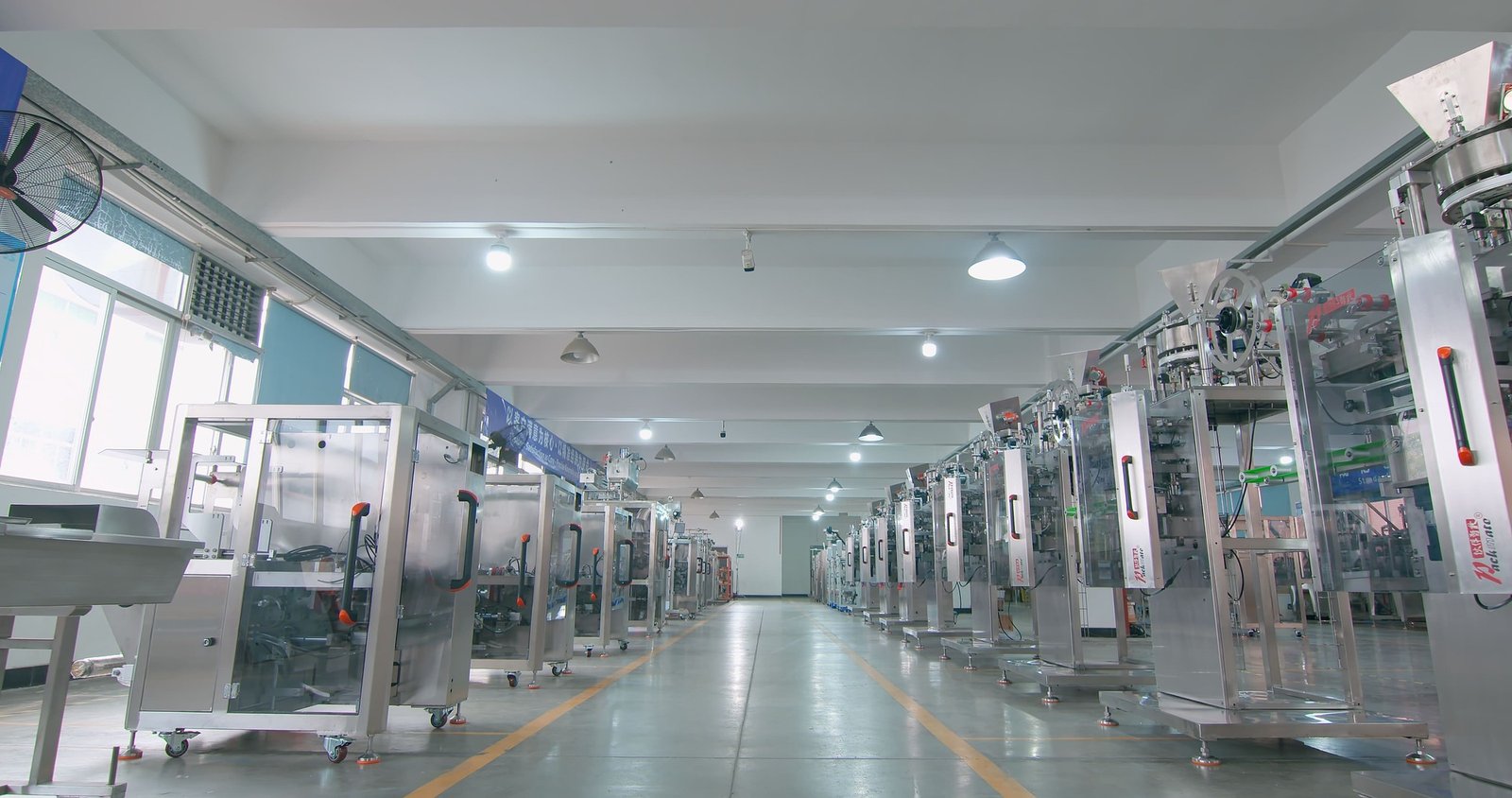
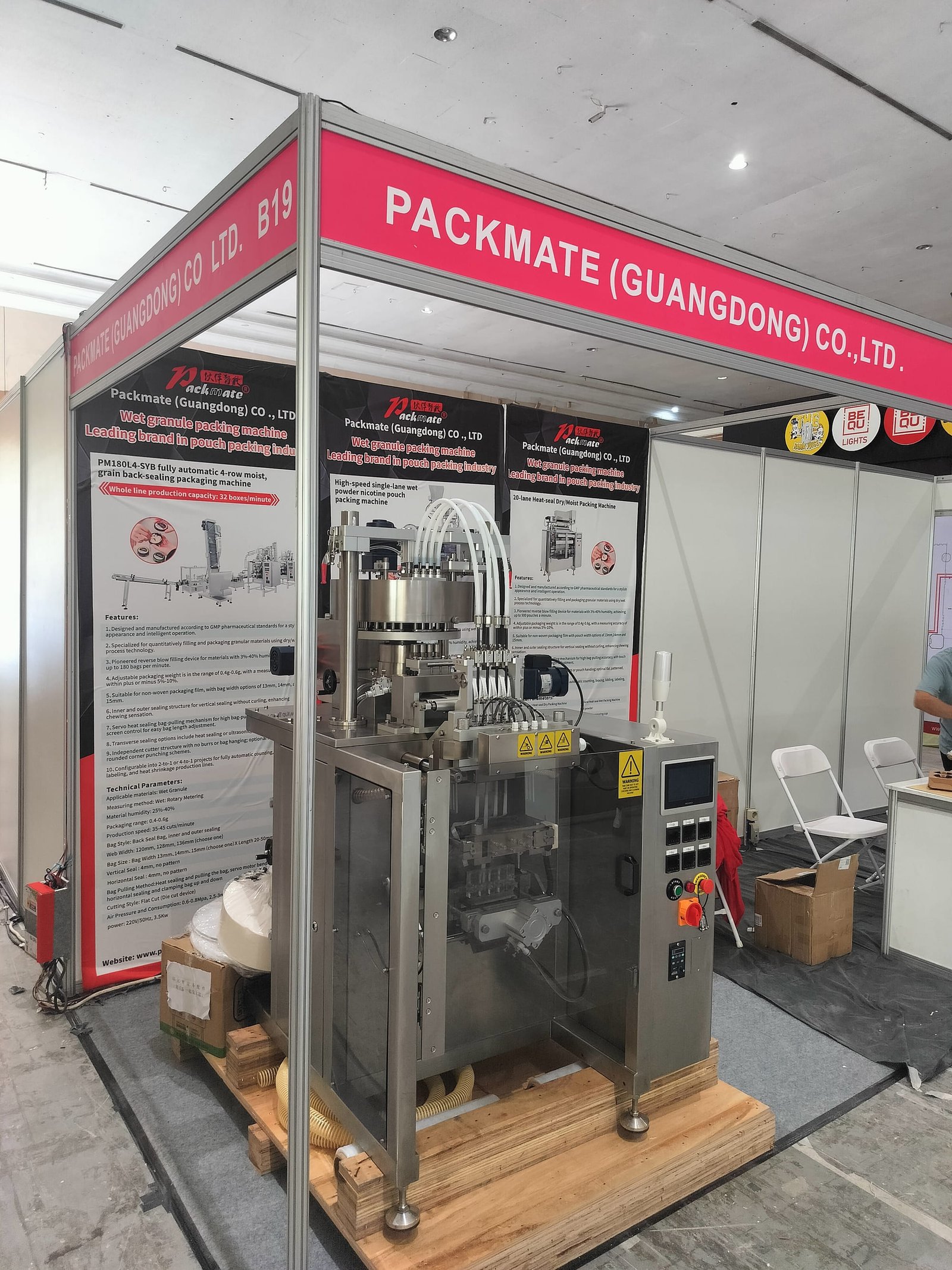
Selecting the right equipment partner is as important as selecting the right machine. When evaluating suppliers, consider their engineering expertise, manufacturing capabilities, and commitment to customer support. A manufacturer with substantial experience—such as Ludyway Machinery, which operates a 20,000-square-meter facility with over 130 professionals—can provide not only reliable equipment but also valuable application guidance, customization options, installation support, and responsive after-sales technical service across more than 100 countries.
Key questions to ask potential suppliers:
- Do they provide on-site installation and commissioning services?
- What warranty coverage is included, and what are the terms for extended warranty options?
- How do they handle spare parts fulfillment for international customers?
- Do they offer operator training to ensure your team can maximize machine performance?
- Can the machine be customized for specific product or packaging requirements?
- Is remote technical assistance available for troubleshooting and operational guidance?
Making the Final Decision
Choosing the right single chamber vacuum packing machine requires balancing technical specifications, production requirements, material compatibility, and long-term support considerations. Begin by clearly defining your current packaging needs while also accounting for anticipated growth in production volume and potential expansion into new product categories.
Prioritize the factors that most directly impact your operation: if you handle heavy products, focus on chamber size and sealing bar durability; if you operate in a regulated industry, emphasize compliance documentation and process validation features; if you run multi-shift production, invest in industrial-grade construction and proven pump reliability. The packaging industry continues to evolve with increasing demands for automation, sustainability, and efficiency—selecting equipment that can adapt to future requirements protects your investment over the long term.
A methodical evaluation process that addresses each of the factors outlined in this guide will position you to make a confident, informed purchasing decision that supports your packaging operations for years to come.