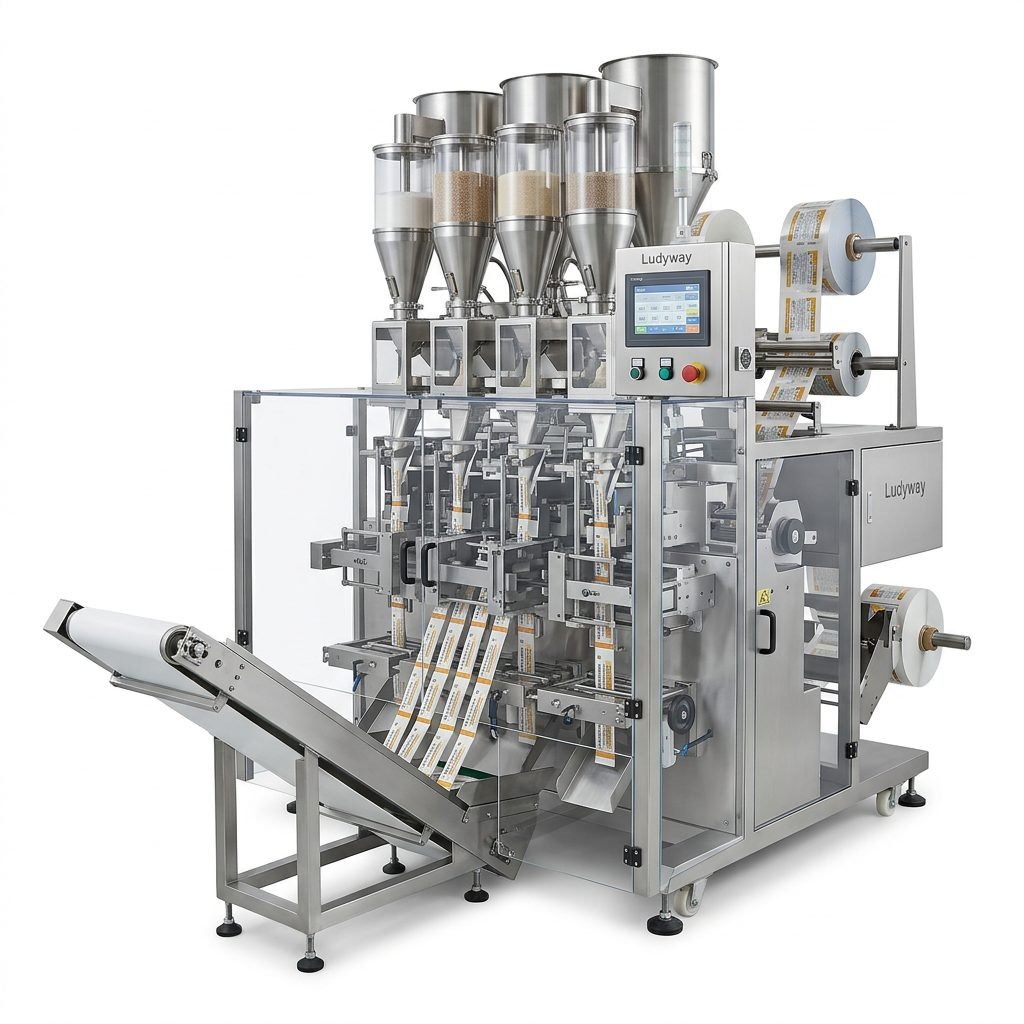
In today’s fast-paced industrial landscape, maximizing production line efficiency is paramount. For manufacturers across sectors like food, pharmaceuticals, and health products, the packaging stage is often a critical bottleneck. Implementing high-efficiency packaging equipment solutions is no longer a luxury but a necessity for maintaining competitiveness, ensuring product integrity, and meeting escalating market demands. This article explores the core components, benefits, and strategic considerations for integrating these advanced systems into your industrial production workflow.
The Core of Modern Packaging: Automation and Intelligence
The evolution from manual or semi-automatic packaging to fully automated, intelligent lines represents a significant leap. Modern high-efficiency packaging systems are designed to perform a series of functions—from feeding and weighing to filling, sealing, and cartoning—with minimal human intervention. This seamless integration is achieved through programmable logic controllers (PLCs), human-machine interfaces (HMIs), and sophisticated sensors that ensure precision and consistency for every single unit.
Key Equipment Types for Streamlined Operations
Selecting the right machinery is the first step toward packaging optimization. Here are some pivotal equipment categories:
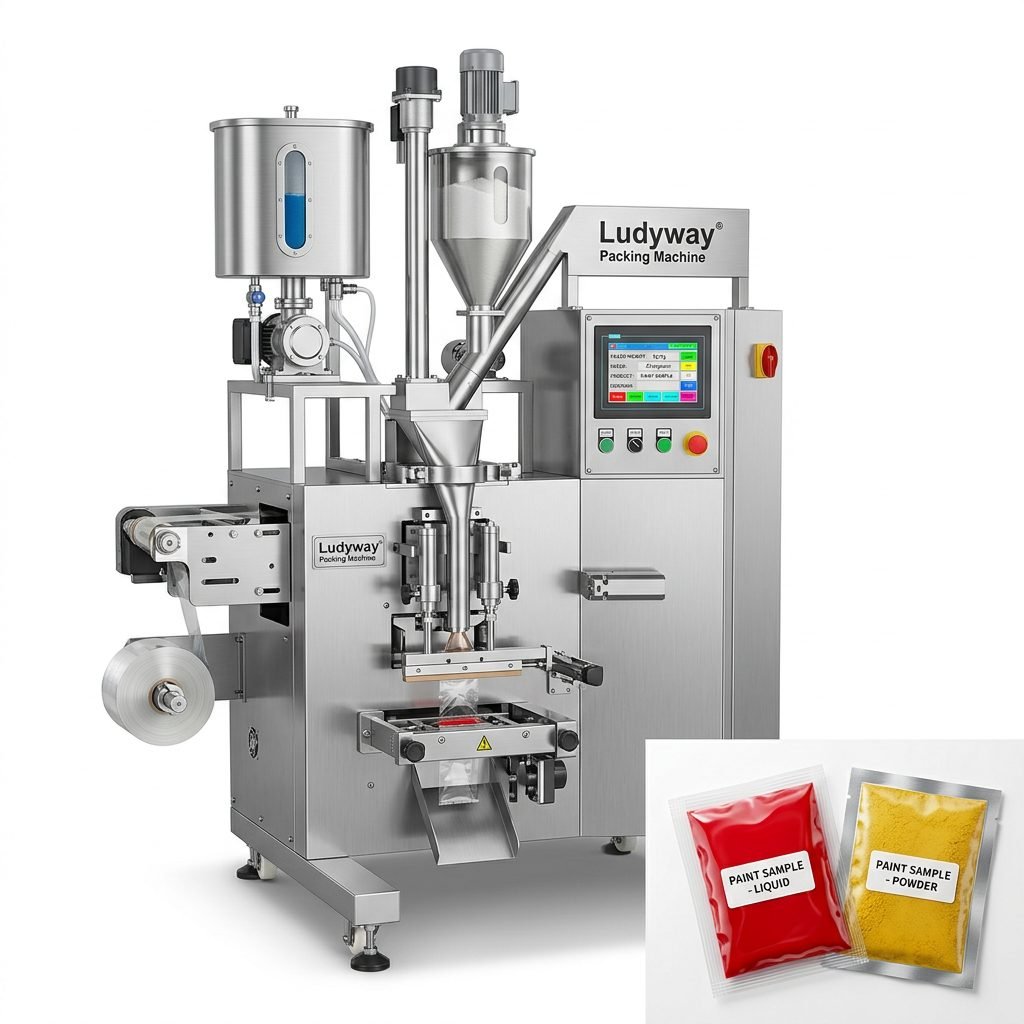
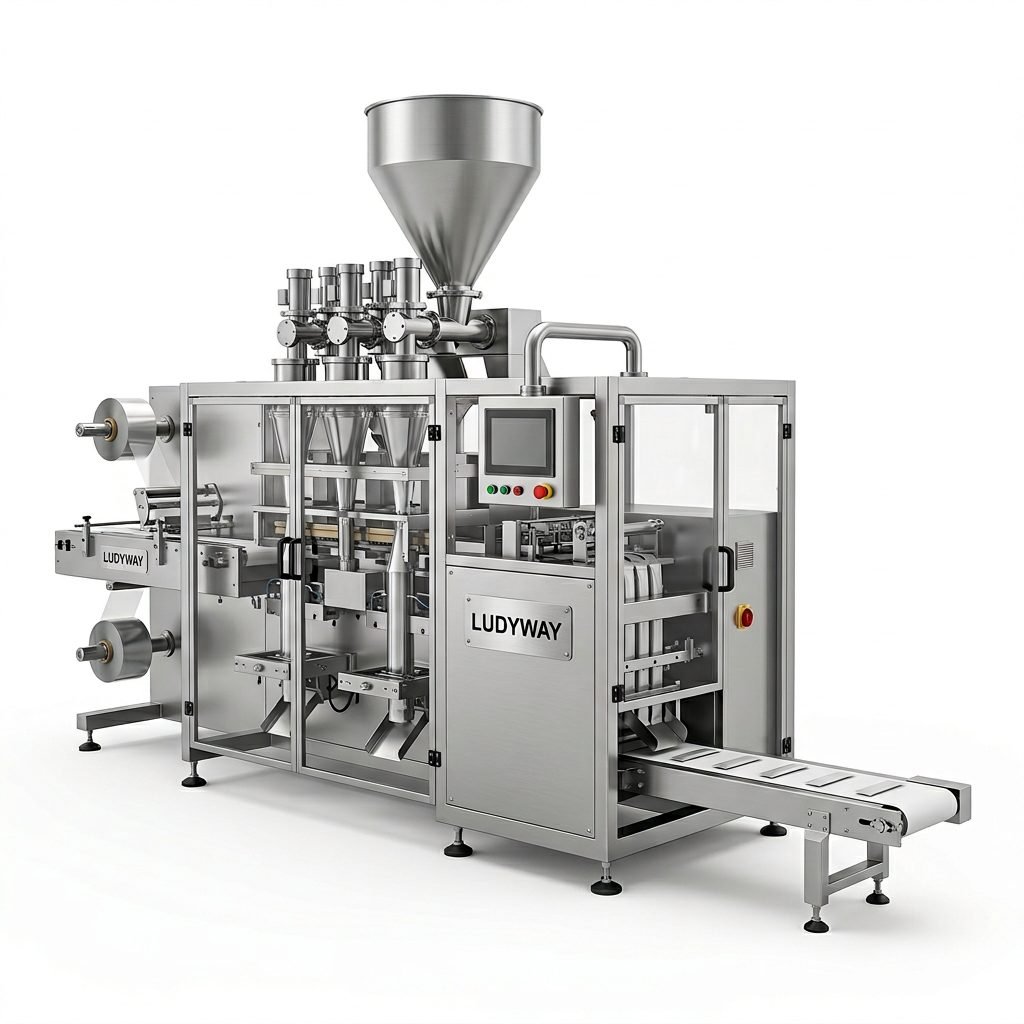
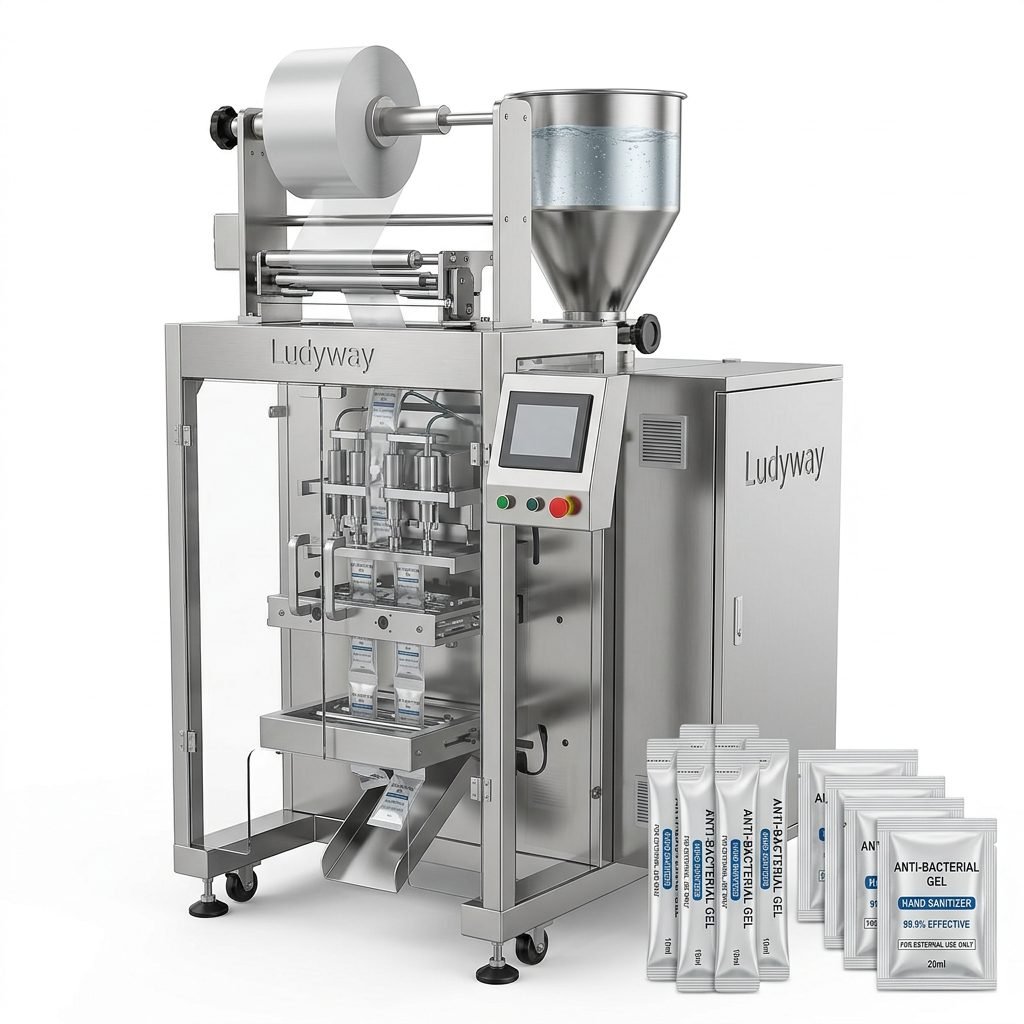
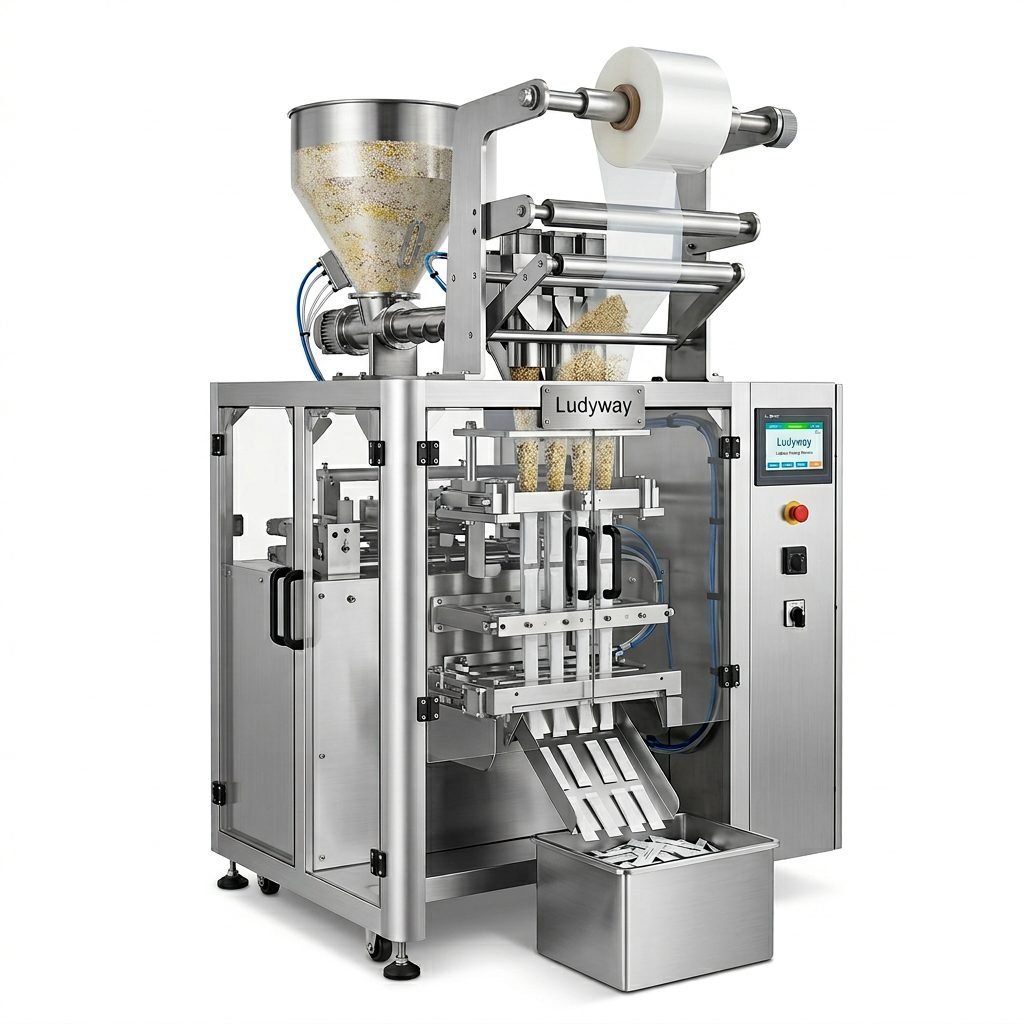
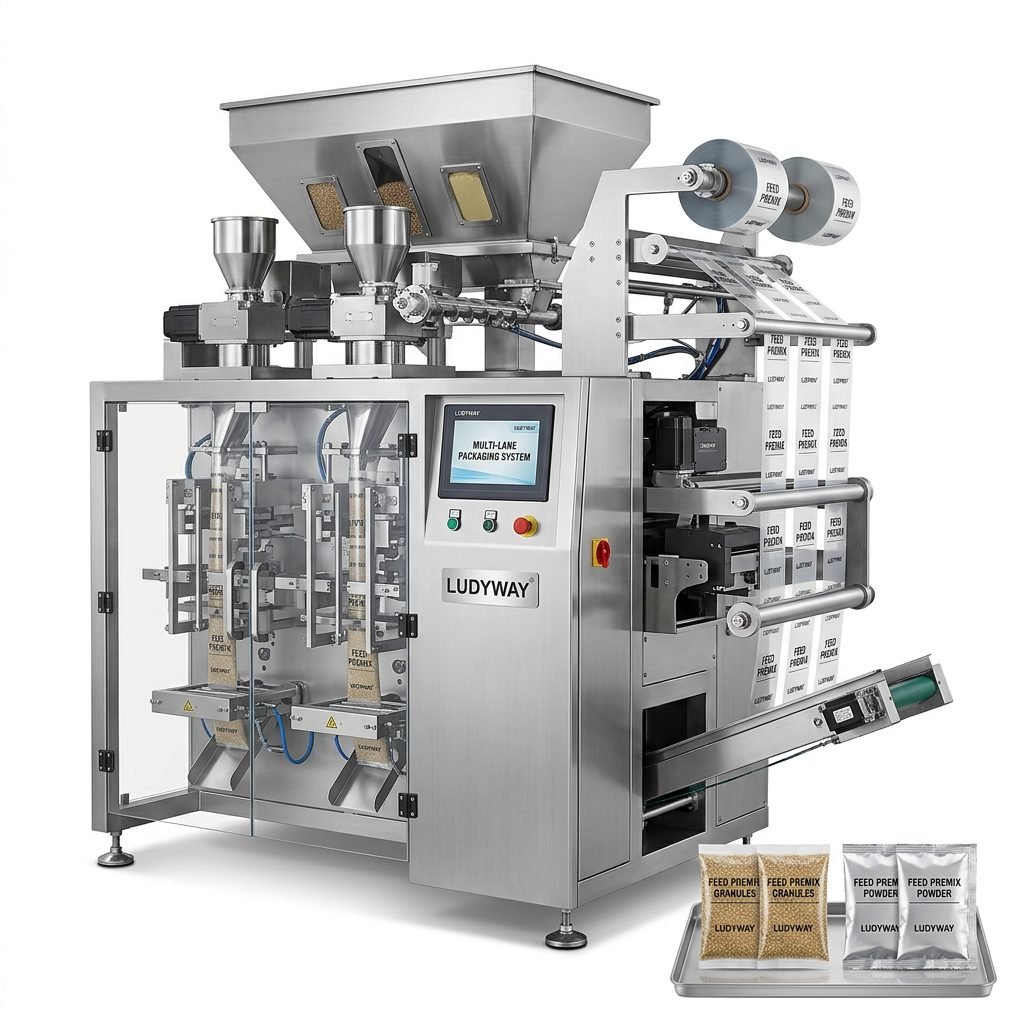
- Multi-Lane Stick Pack & Sachet Machines: Ideal for portion-controlled powders, granules, or liquids, these systems dramatically increase output by running multiple packaging lanes simultaneously.
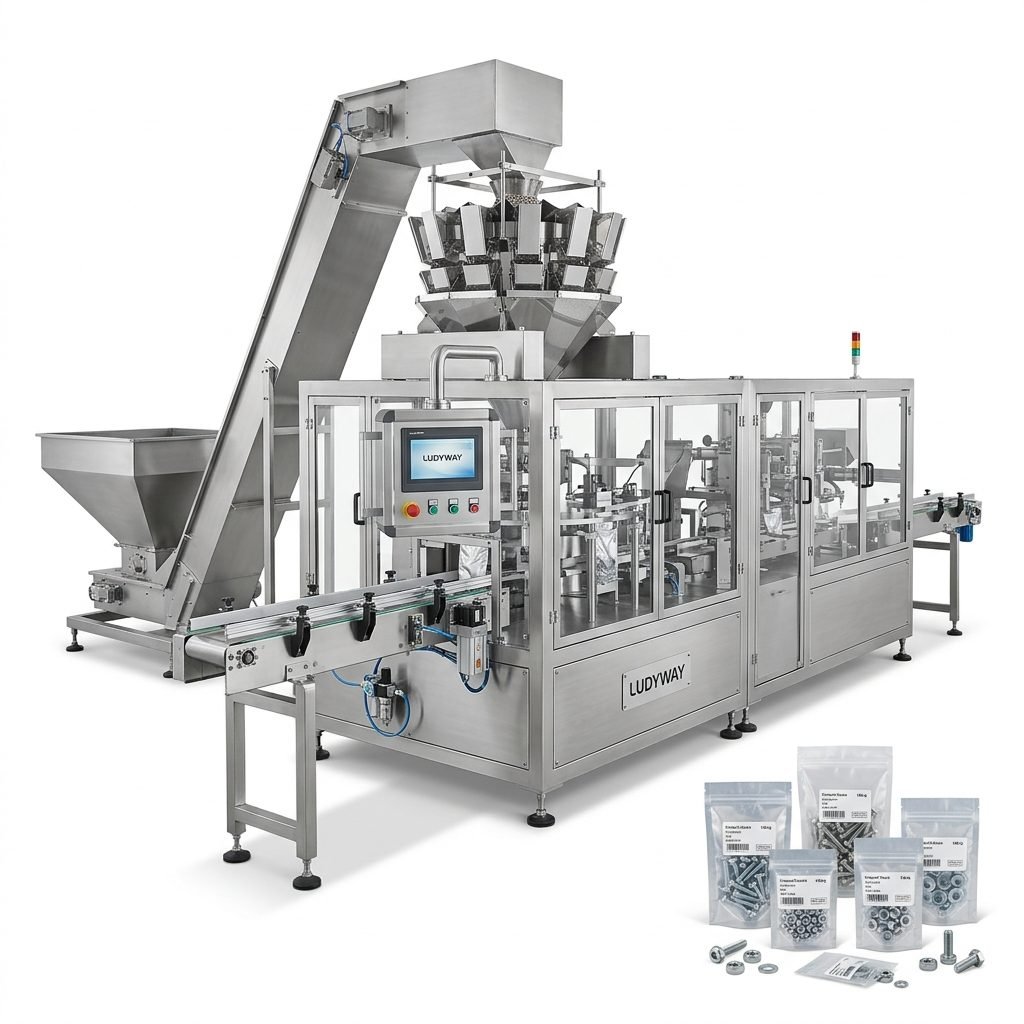
- Automatic Granule & Powder Fillers: Utilizing auger or weigh-fill technology, they ensure high-speed, accurate dosing, crucial for product consistency and cost control.
- Liquid Filling and Sealing Lines: Engineered for viscosity-specific handling, these lines offer clean, spill-free filling and hermetic sealing for beverages, sauces, or pharmaceuticals.
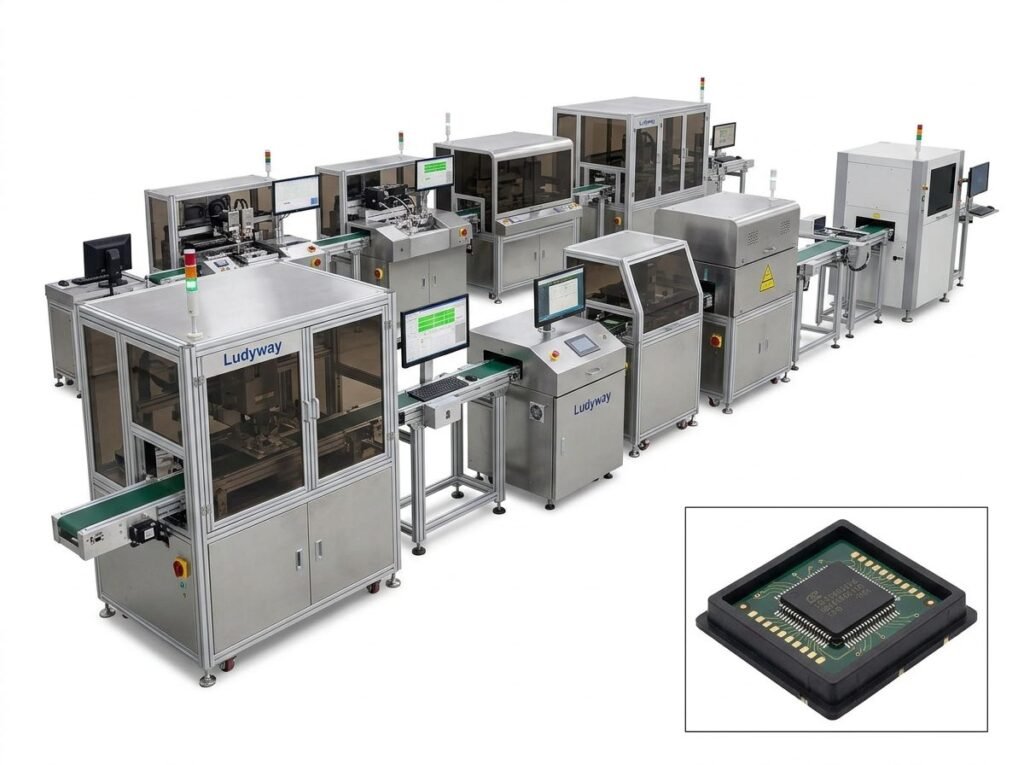
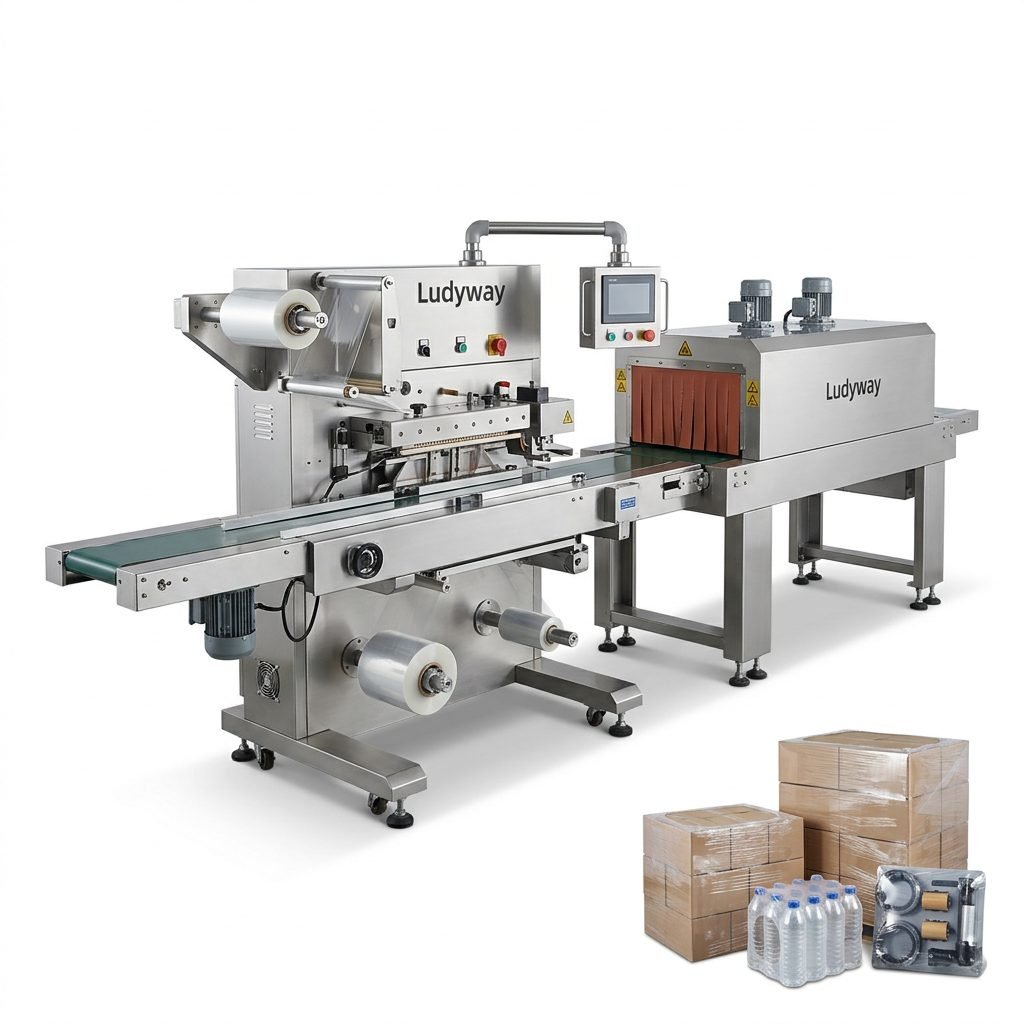
- Integrated Turnkey Lines: A complete solution that connects primary packaging (like sachets) with secondary processes (like cartoning and case packing), creating a unified, end-to-end production flow.
📈 Tangible Benefits for Your Bottom Line
Investing in advanced packaging automation yields measurable returns:
Skyrocketed Output: Machines operate continuously at high speeds, far surpassing manual capabilities, thus increasing your overall production capacity.
Unmatched Consistency & Quality: Automated systems eliminate human error in weight, fill, and seal integrity, ensuring every product meets stringent quality standards and reduces waste.
Significant Labor Optimization: Automating repetitive tasks allows you to reallocate skilled personnel to quality control, maintenance, or process improvement roles, enhancing overall operational intelligence.
Enhanced Flexibility: Modern equipment often features quick-changeover mechanisms, allowing the same line to handle different products or package sizes with minimal downtime, which is vital for responding to market trends.
Strategic Implementation: Beyond the Machine Purchase
Successfully deploying a high-efficiency packaging solution requires careful planning. It’s not just about buying a machine; it’s about integrating a system into your unique production ecosystem. A thorough analysis of your current line’s speed, product characteristics, and future growth plans is essential. Partnering with a provider that offers comprehensive support—from initial consultation and custom engineering to installation, training, and after-sales service—is critical for a smooth transition and long-term reliability.
The Role of a Trusted Technology Partner
With over 30 years of industry experience, some experts in the field have developed a deep understanding of the challenges manufacturers face. They don’t just sell machines; they provide tailored production solutions. Backed by strong engineering capabilities and a modern manufacturing facility, such partners can offer a portfolio of more than 50 intelligent packaging machine models. Their global service network ensures that wherever your production is located, you have access to the technical support and spare parts needed to keep your line running optimally.
Future-Proofing Your Packaging Line
The future of industrial packaging is leaning towards even greater connectivity and data intelligence. The next generation of equipment will feature enhanced IoT (Internet of Things) capabilities for real-time monitoring, predictive maintenance, and seamless integration with factory-wide Manufacturing Execution Systems (MES). Investing in scalable and upgradeable equipment today prepares your operation for the Industry 4.0 revolution, turning your packaging line into a source of valuable operational data.
Ultimately, adopting high-efficiency packaging equipment is a strategic decision that drives core business metrics: reducing costs, improving quality, and accelerating time-to-market. By carefully selecting the right technology and the right partner, manufacturers can transform their packaging operations from a necessary cost center into a powerful competitive advantage.
Frequently Asked Questions (FAQs)
1. What are the main factors to consider when choosing high-efficiency packaging equipment?
Key factors include your product type (granule, powder, liquid), required output speed (units per minute), packaging material, available factory floor space, budget, and plans for future scalability. A detailed consultation with a packaging solutions expert is highly recommended to assess all variables.
2. How can automated packaging reduce operational costs?
Automation reduces costs through lower labor requirements per output unit, minimized product giveaway via precise filling, decreased material waste from consistent sealing, and reduced downtime with reliable, high-speed operation.
3. Is it difficult to switch between different products on an automated line?
Modern high-efficiency lines are designed for flexibility. Many models feature quick-change parts, recipe storage on the HMI, and automatic adjustment mechanisms, allowing for changeovers in minutes rather than hours, which is ideal for batch production.
4. What kind of support should I expect from the equipment supplier?
You should expect comprehensive support including factory acceptance testing (FAT), professional installation & commissioning, thorough operator and maintenance training, readily available spare parts, and responsive after-sales technical service.
5. Can these systems integrate with my existing production machinery?
Yes, a reputable supplier will engineer a solution that integrates seamlessly with your upstream (e.g., mixing tanks) and downstream (e.g., cartoners, palletizers) equipment. This often involves custom conveyors, transfer systems, and communication protocol synchronization to create a cohesive turnkey line.