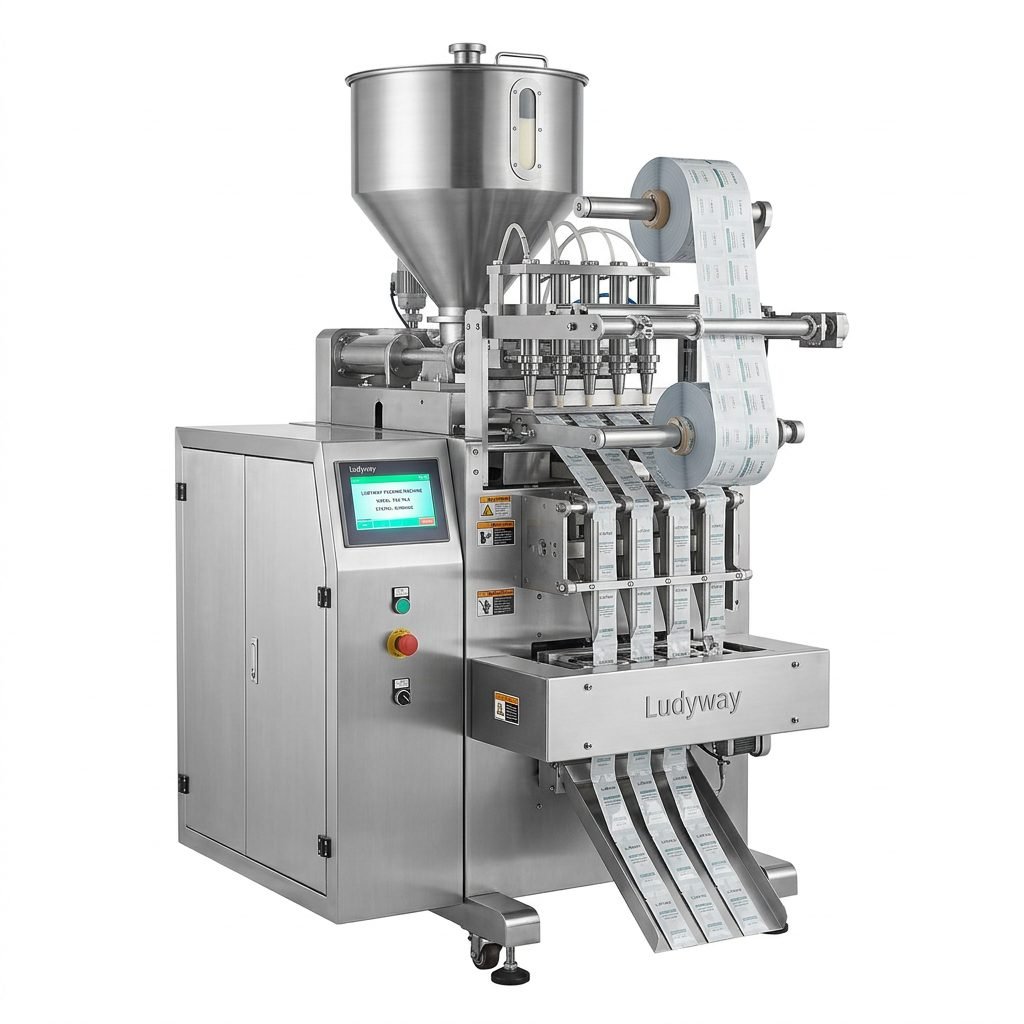
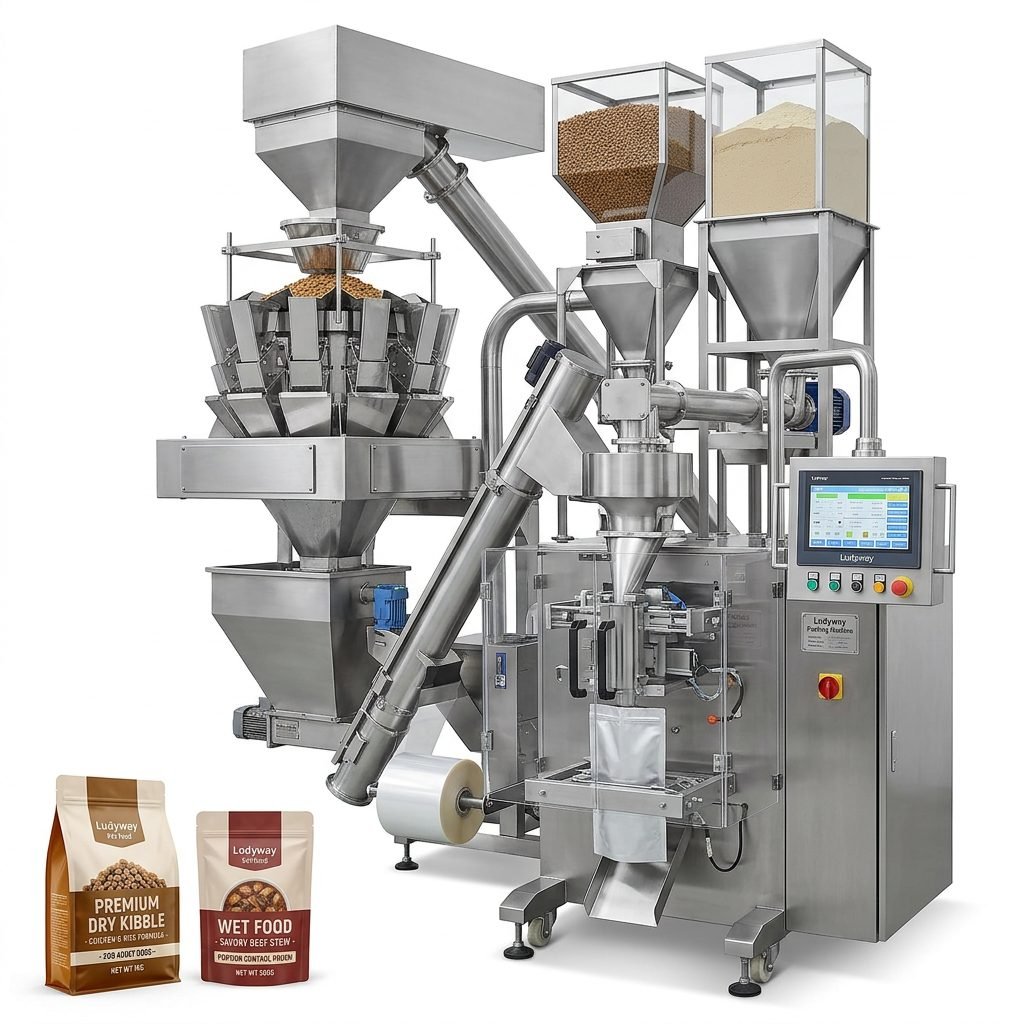
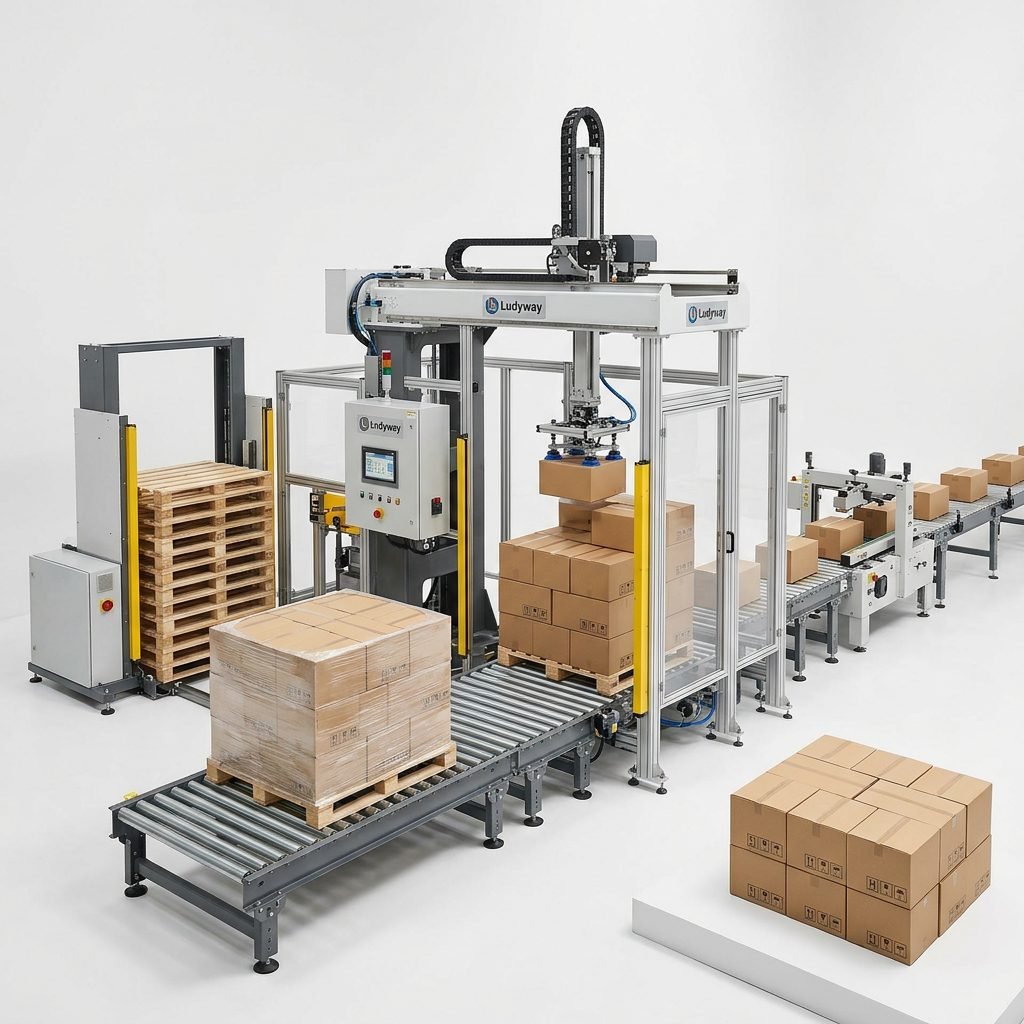
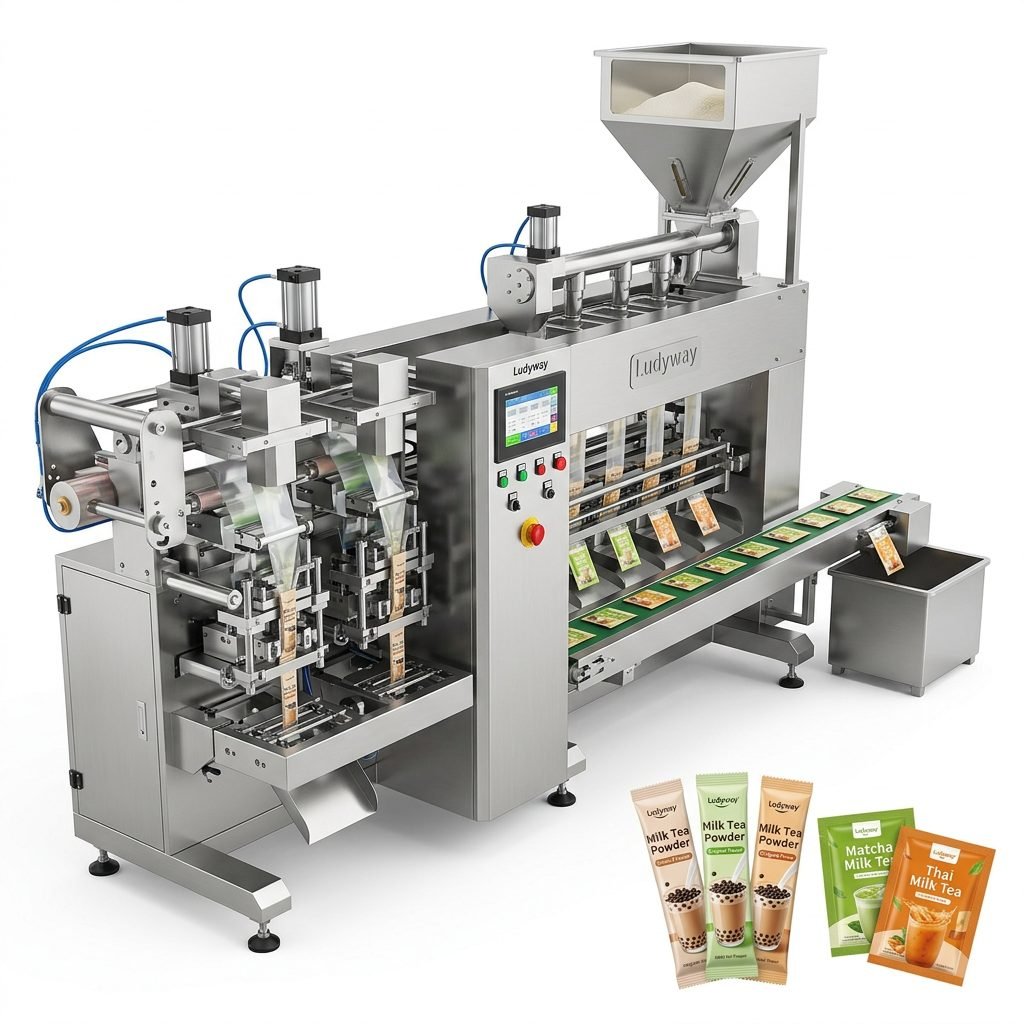
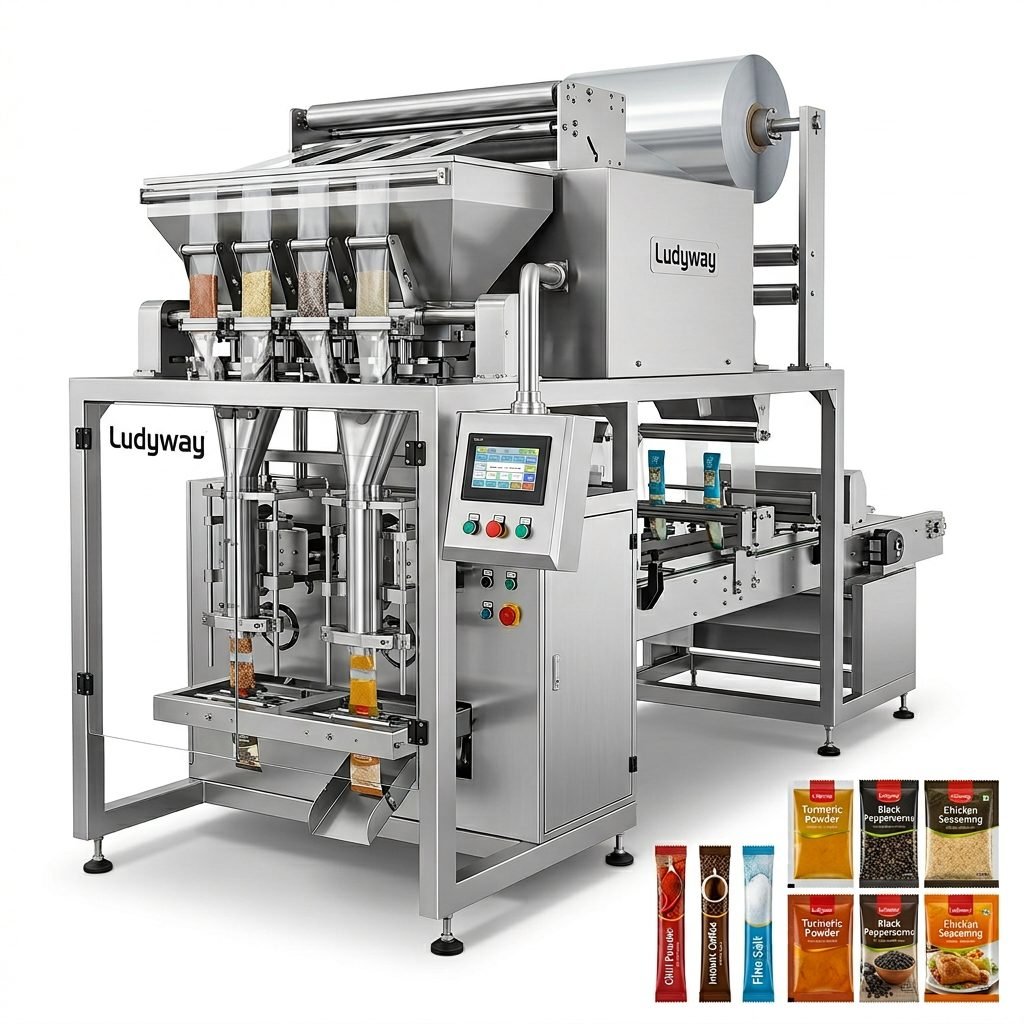
For businesses planning to invest in a pani packing machine, price is often the first question—but it should never be the only one. The real cost depends on machine type, output speed, product characteristics, automation level, packaging material, and after-sales support. A lower upfront quotation may look attractive, but the best value usually comes from equipment that delivers stable production, accurate filling, lower waste, and long-term reliability.
Whether you pack water-based products, liquid condiments, gels, powders, granules, or small sachet formats for fast-moving consumer markets, understanding the full buying picture helps you avoid expensive mistakes.
What Is a Pani Packing Machine?
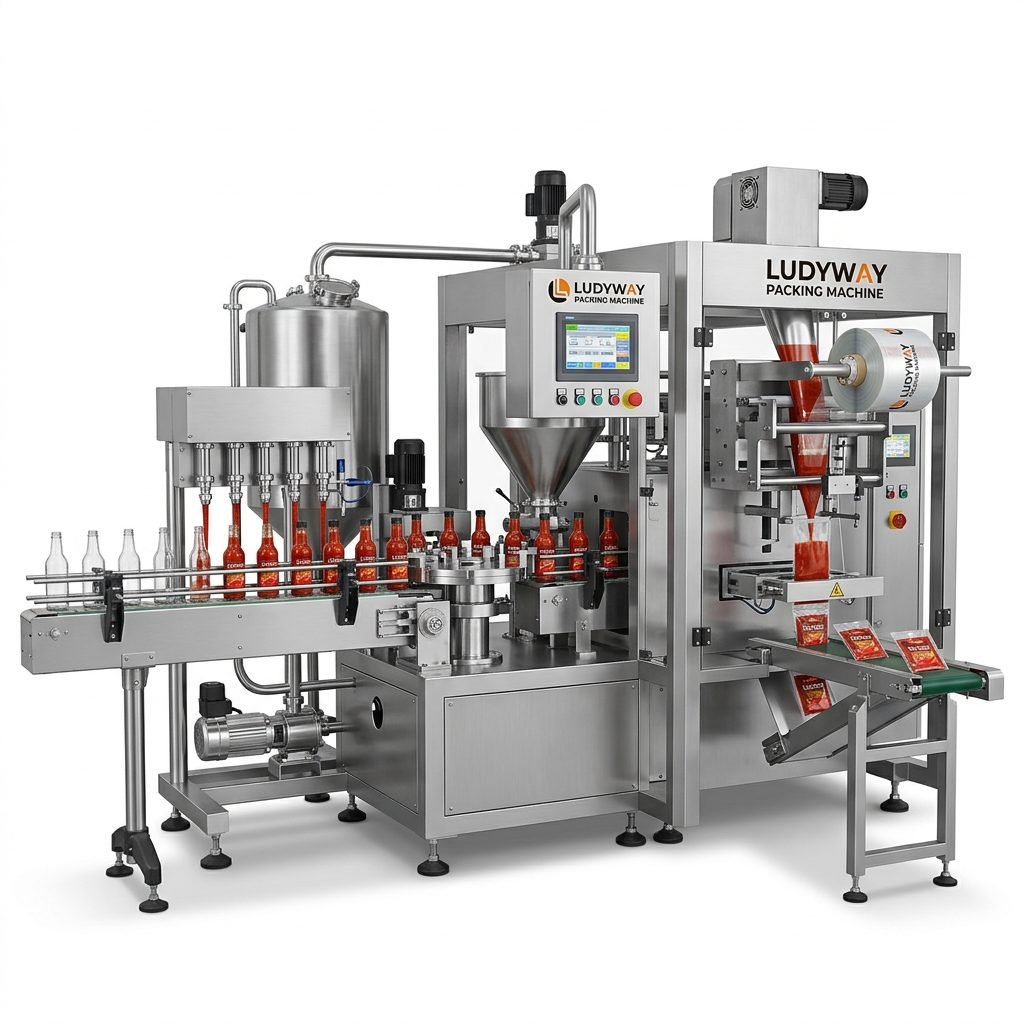
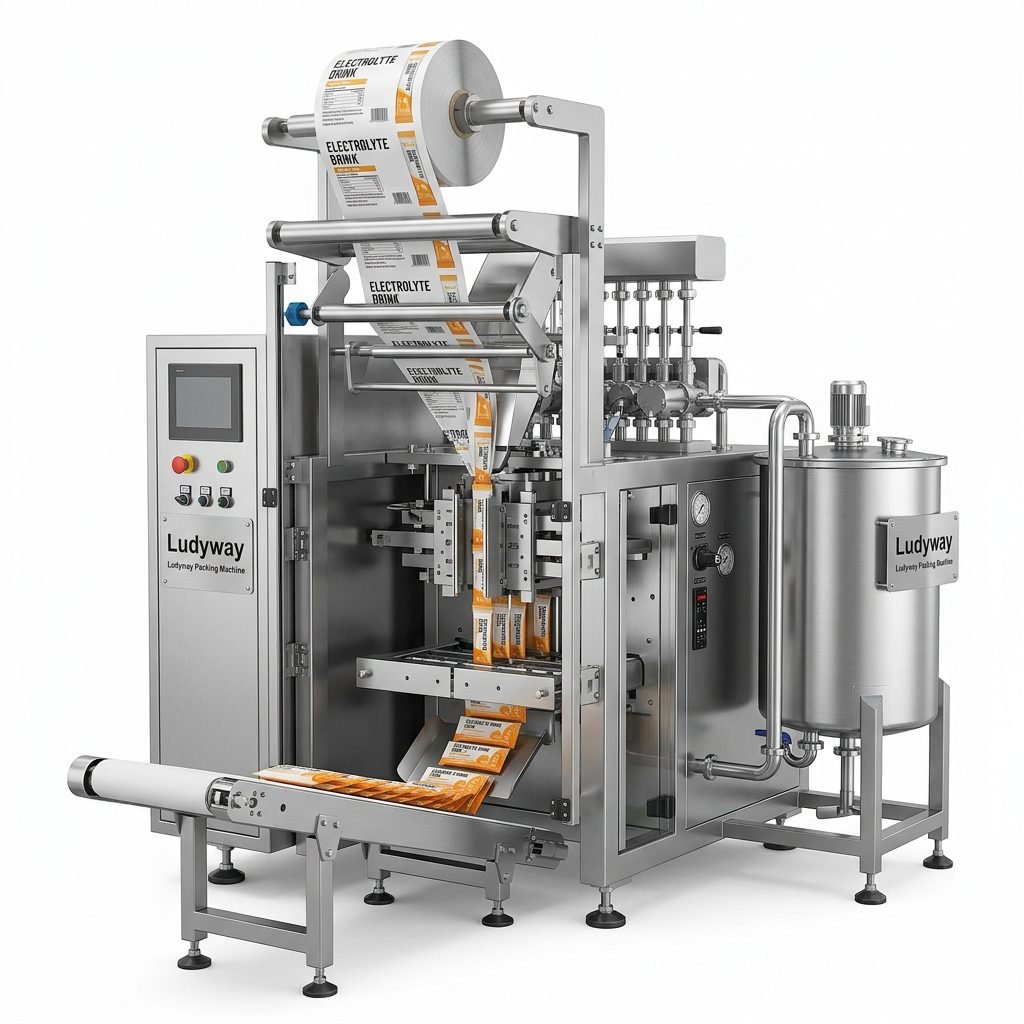
A pani packing machine is generally used to package liquid or semi-liquid products into sachets, stick packs, pouches, or related small-format packs. In many business contexts, buyers use this term when searching for machines that handle water, flavored liquids, syrups, gels, or single-use consumer packs.
Depending on your production needs, the machine may include:
- Automatic film feeding and forming
- Volumetric, piston, or pump-based liquid filling
- Heat sealing systems
- Date coding or batch printing
- Checkweighing and rejection systems
- Cartoning or end-of-line integration
Average Pani Packing Machine Price Range
The market price can vary widely. Entry-level units for basic sachet production cost far less than high-speed turnkey lines designed for continuous industrial output. The table below gives a practical B2B reference range.
| Machine Type | Typical Price Range | Best For |
|---|---|---|
| Semi-automatic liquid packing machine | USD 2,000–8,000 | Startups, pilot production, small batches |
| Single-lane automatic sachet machine | USD 8,000–25,000 | Low to medium output liquid packaging |
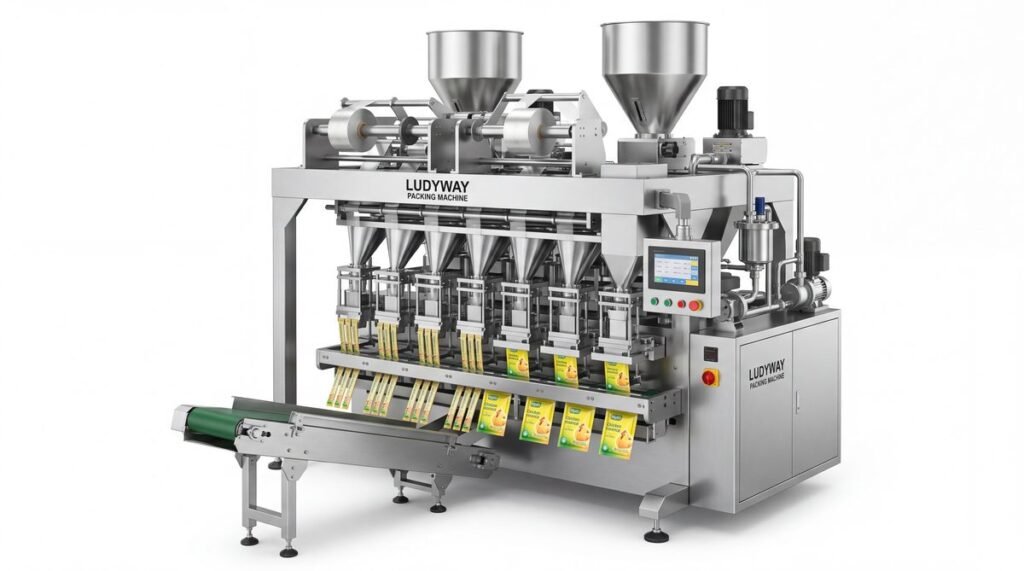
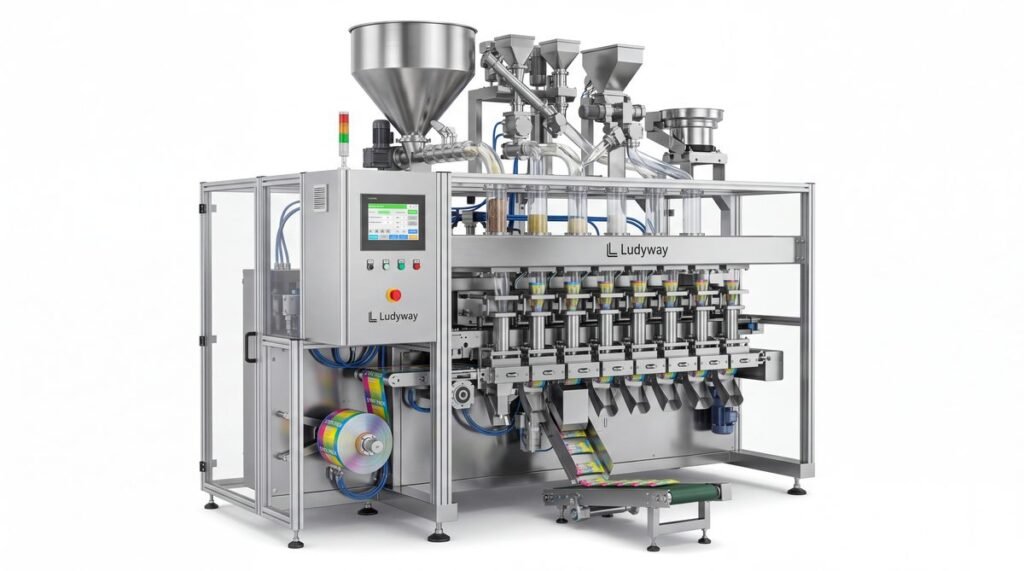
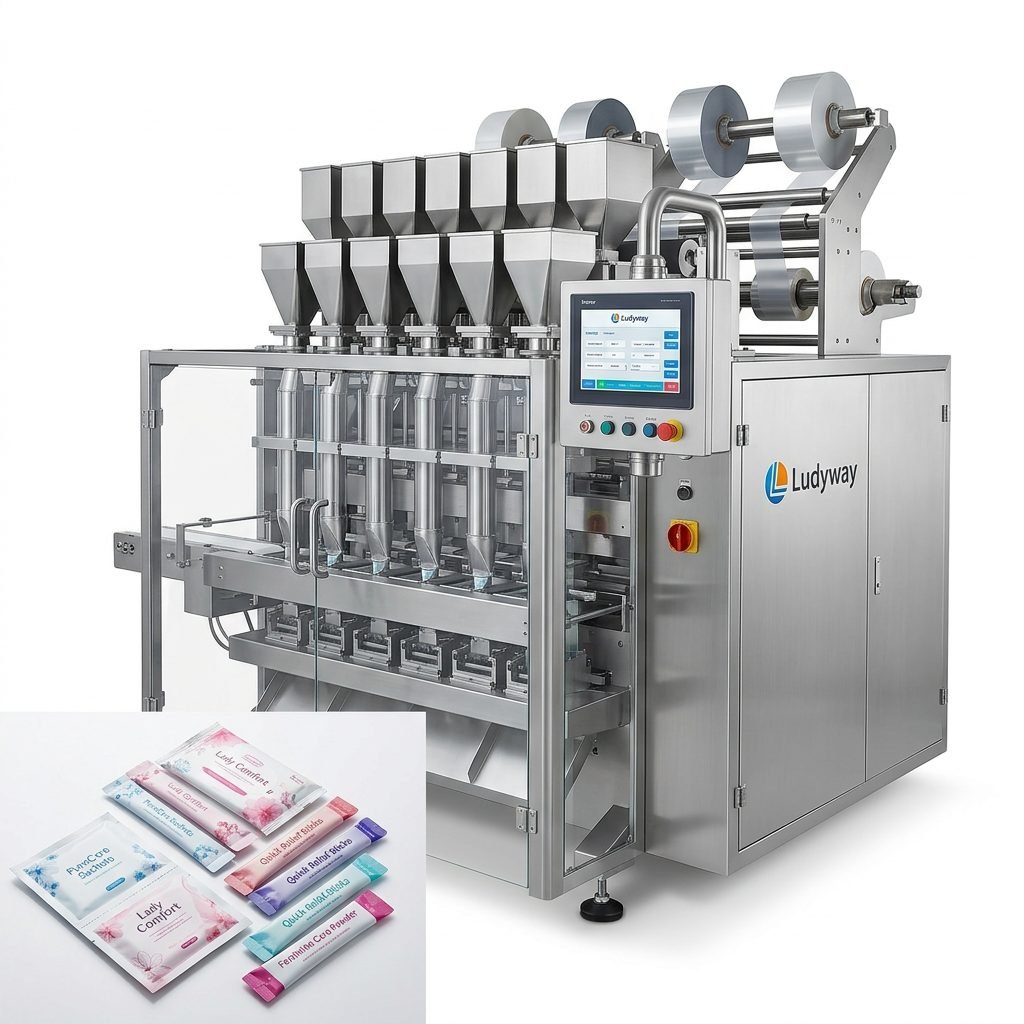
| Multi-lane stick pack or sachet machine | USD 25,000–80,000+ | High-output FMCG and contract manufacturing |
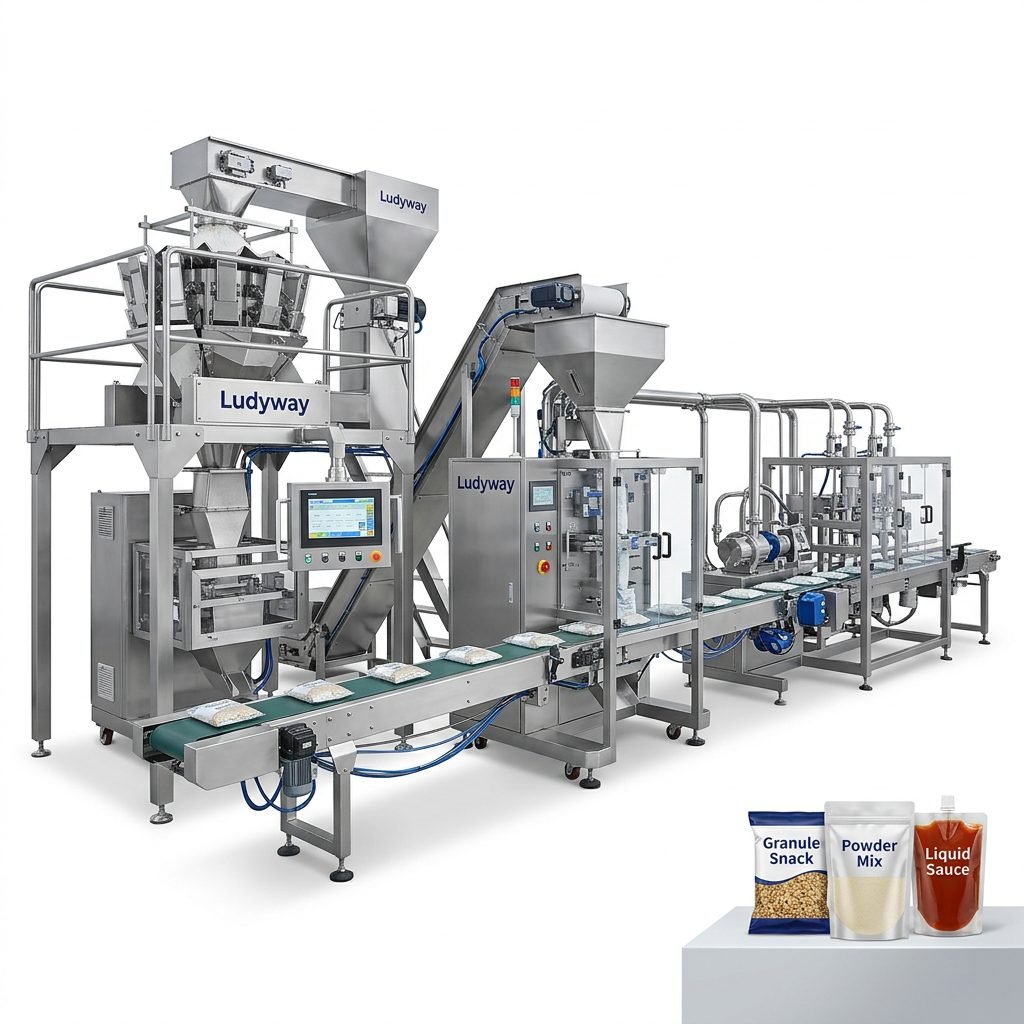
| Turnkey packaging line with auxiliary equipment | USD 80,000–300,000+ | Large factories, integrated automated production |
Important: These prices are general market estimates. Final quotations depend on filling accuracy requirements, pack size, sealing width, output speed, machine material, electrical brands, and custom engineering.
Key Factors That Affect the Cost
1. Product Type and Viscosity
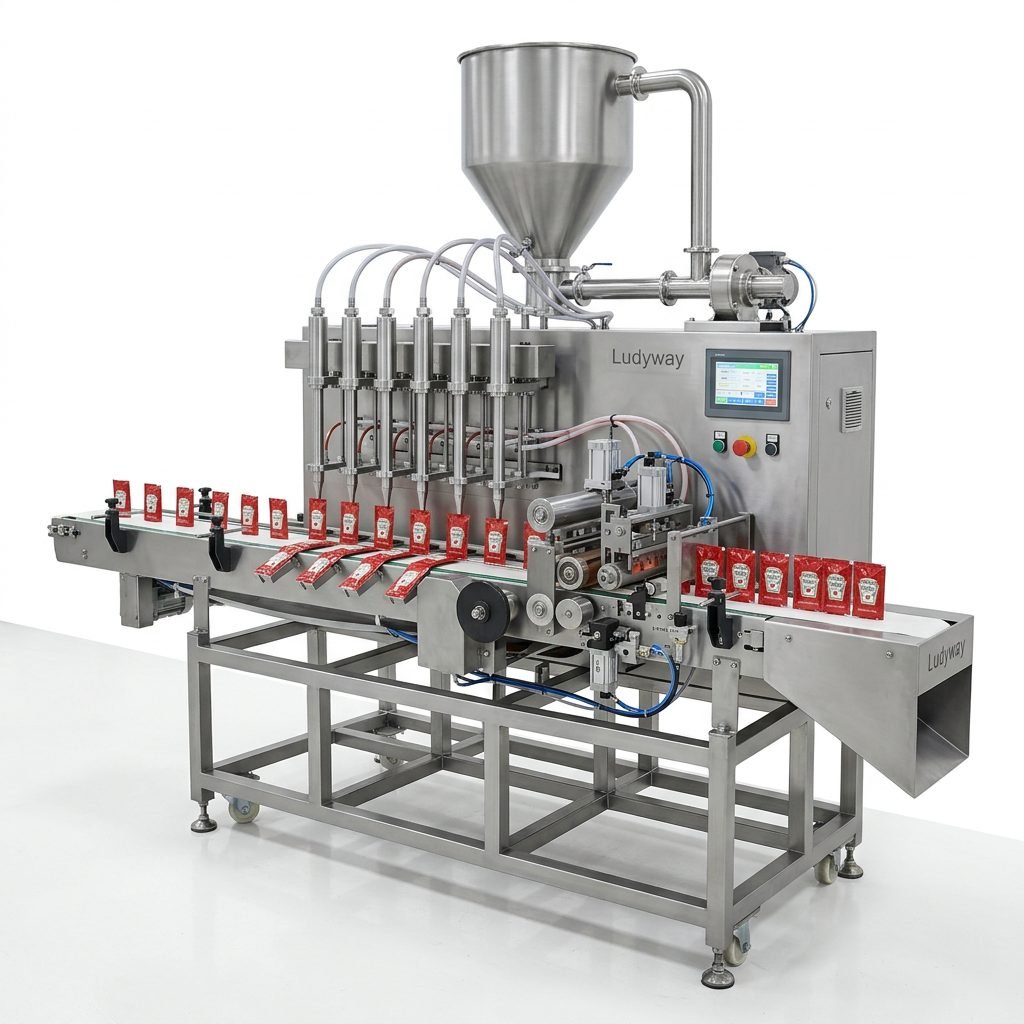
Thin liquid products usually require a different filling system than viscous materials. Water-like liquids can use simpler flow-based dosing, while thick sauces, gels, creams, or suspensions may need piston fillers or specialized pumps. The more demanding the product behavior, the higher the machine price tends to be.
2. Packaging Format
Small sachets, stick packs, pillow pouches, and shaped packs all require different forming and sealing structures. Multi-lane stick pack systems are more complex than basic single-lane pouch machines, which directly impacts cost.
3. Output Speed
A machine producing 20–40 packs per minute costs far less than one designed for several hundred packs per minute. High-speed machines require stronger frames, better servo systems, more precise control, and more advanced sealing performance.
4. Automation Level
Standalone equipment may only form, fill, and seal. Fully automated lines can include feeding, mixing, coding, checkweighing, cartoning, case packing, and palletizing. Each added automation module raises the investment but can reduce labor cost significantly.
5. Machine Material and Compliance
For food, pharmaceutical, and health-related products, stainless steel construction, hygienic design, and compliance features are essential. Machines built to stricter standards are priced higher but are often necessary for regulated markets.
6. Customization
Custom hopper designs, anti-drip nozzles, nitrogen flushing, special sealing jaws, vision inspection, and remote diagnosis all increase machine cost. However, these features may be critical if you need dependable production on a specific product format.
Features to Look for Before You Buy
Price matters, but performance matters more. A well-selected machine should match your actual production goals rather than just your initial budget.
- Accurate filling system: prevents underfill, overfill, and product giveaway
- Stable sealing quality: reduces leakage and improves shelf appeal
- User-friendly HMI: simplifies operation and changeovers
- Servo-driven control: improves precision and consistency
- Easy cleaning structure: especially important for food and pharma
- Quick format change: useful if you run multiple SKUs
- Reliable electrical components: reduces downtime and maintenance risk
- Technical support availability: crucial for installation and troubleshooting
Hidden Costs Businesses Often Overlook
A competitive machine quotation does not always reflect the full project cost. Many buyers focus only on the ex-works or FOB price and underestimate operating expenses.
| Cost Item | Why It Matters |
|---|---|
| Shipping and import duties | Can significantly change the landed cost |
| Installation and commissioning | May require on-site engineering or remote support |
| Packaging film compatibility | Wrong film choice can cause sealing failure and waste |
| Spare parts inventory | Essential for minimizing downtime |
| Operator training | Improves machine efficiency and reduces errors |
| Maintenance and service | Directly affects long-term ownership cost |
How to Choose the Right Machine for Your Business Size
For Startups and Small Brands
Choose a compact or semi-automatic solution if you are validating market demand. Look for flexibility, low minimum maintenance, and affordable changeover capability.
For Growing Manufacturers
A single-lane or medium-speed automatic pani packing machine may be the best option. It balances cost, production efficiency, and manageable labor requirements.
For Large-Scale Factories
Multi-lane or turnkey packaging lines deliver better cost-per-pack at high volume. If your factory supplies retail chains, export markets, or OEM customers, high-speed automation usually provides stronger ROI over time.
Questions to Ask a Supplier Before Requesting a Final Quote
- What products can the machine handle now and in the future?
- What is the real production speed under working conditions?
- What filling accuracy can be guaranteed?
- Which electrical and pneumatic brands are used?
- How long is the lead time?
- Is remote support or on-site commissioning available?
- What spare parts are included?
- Can the machine be integrated into a full packaging line later?
Signs of a Reliable Pani Packing Machine Manufacturer
The best supplier is not just the one with the lowest price. A trustworthy manufacturer should offer technical understanding, engineering support, quality inspection, and long-term service.
- Years of production experience
- Export experience across multiple markets
- Real machine videos and application cases
- Ability to provide custom solutions
- Factory scale and manufacturing capability
- Documentation, testing, and quality control process
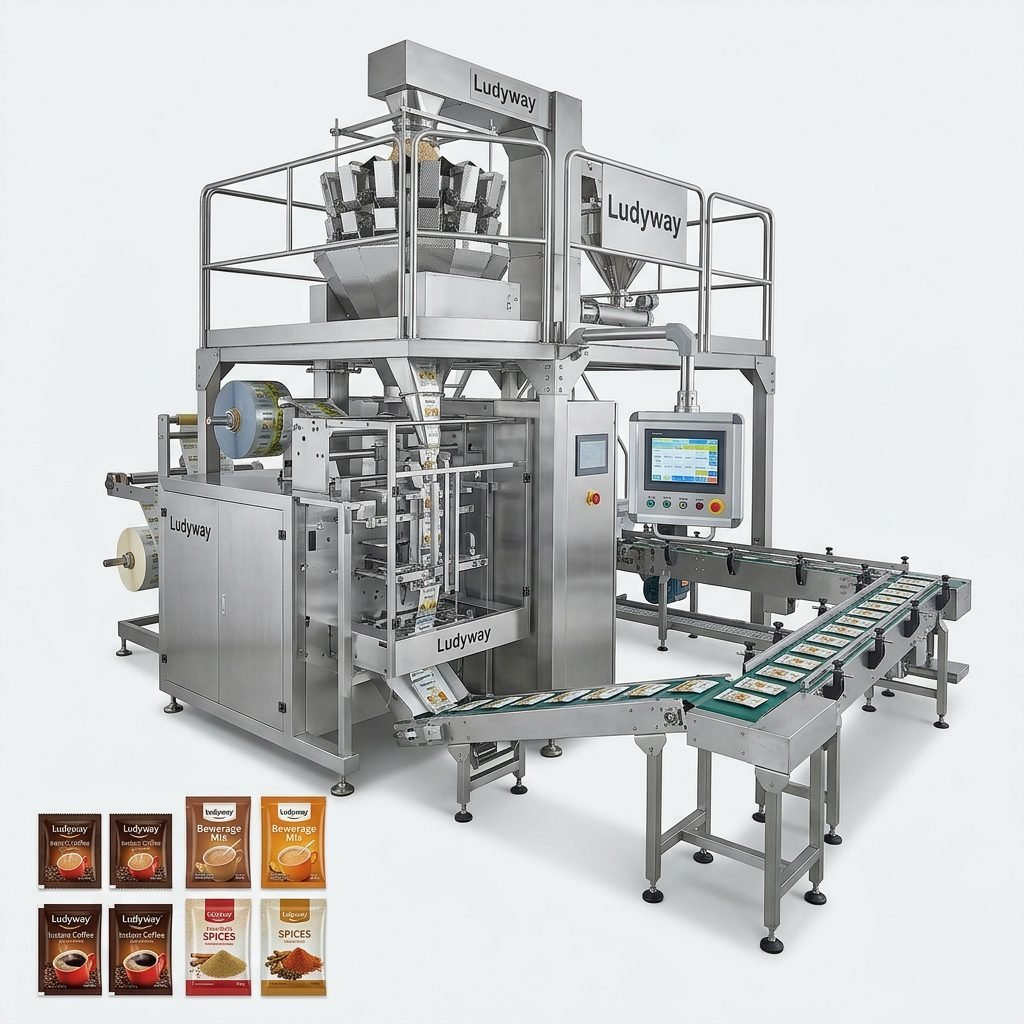
For buyers looking for scalable liquid, powder, granule, and sachet automation, pani packing machine solutions from Ludyway are often considered because of the company’s broad packaging portfolio, export reach, and turnkey line capability. Founded in 1993, with more than 30 years of industry experience and a manufacturing facility of over 20,000 square meters, the company serves food, pharmaceutical, health supplement, cosmetic, and related sectors in over 100 countries and regions.
Estimated Return on Investment
A higher-priced machine can still be the better investment if it reduces labor, minimizes film waste, improves sealing consistency, and increases output. Many businesses calculate ROI based on:
- Reduced labor dependency
- Lower product giveaway from accurate dosing
- Less downtime
- Higher daily pack output
- Improved product presentation and market competitiveness
Tip: Ask suppliers for a production efficiency estimate based on your exact pack size, product viscosity, and daily shift plan. This gives a much clearer ROI picture than comparing quotations alone.
Final Buying Advice for Businesses
When comparing pani packing machine prices, focus on total value instead of headline cost. The right machine should match your product, packaging format, output target, compliance needs, and growth plan. A cheap machine that causes leakage, inaccurate filling, or frequent downtime will cost far more in the long run than a well-engineered solution.
If you want the best outcome, prepare a clear inquiry with your product type, viscosity, sachet size, target speed, packaging material, and automation goals. That allows manufacturers to recommend a machine configuration that truly fits your business rather than giving a generic quote.