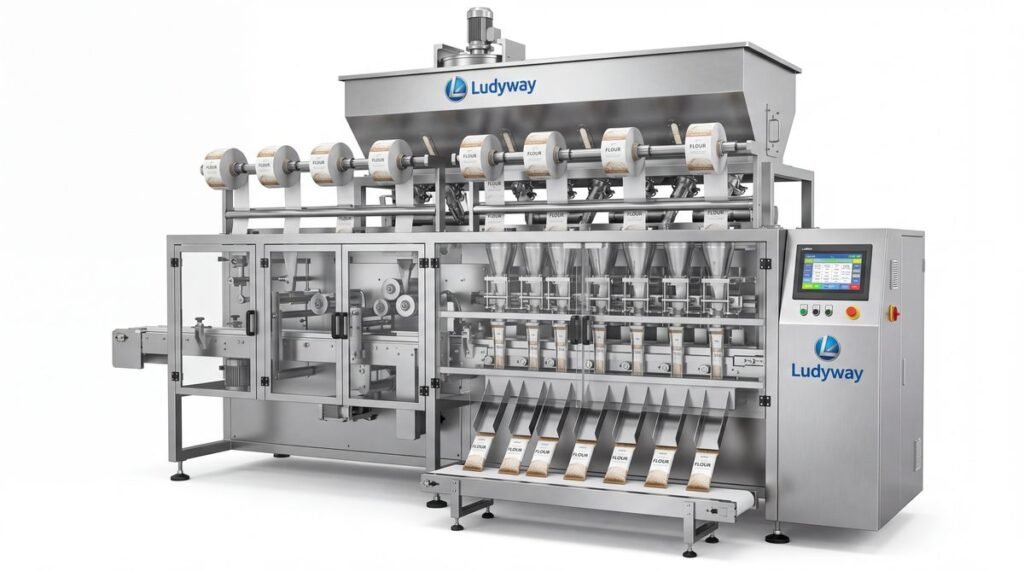
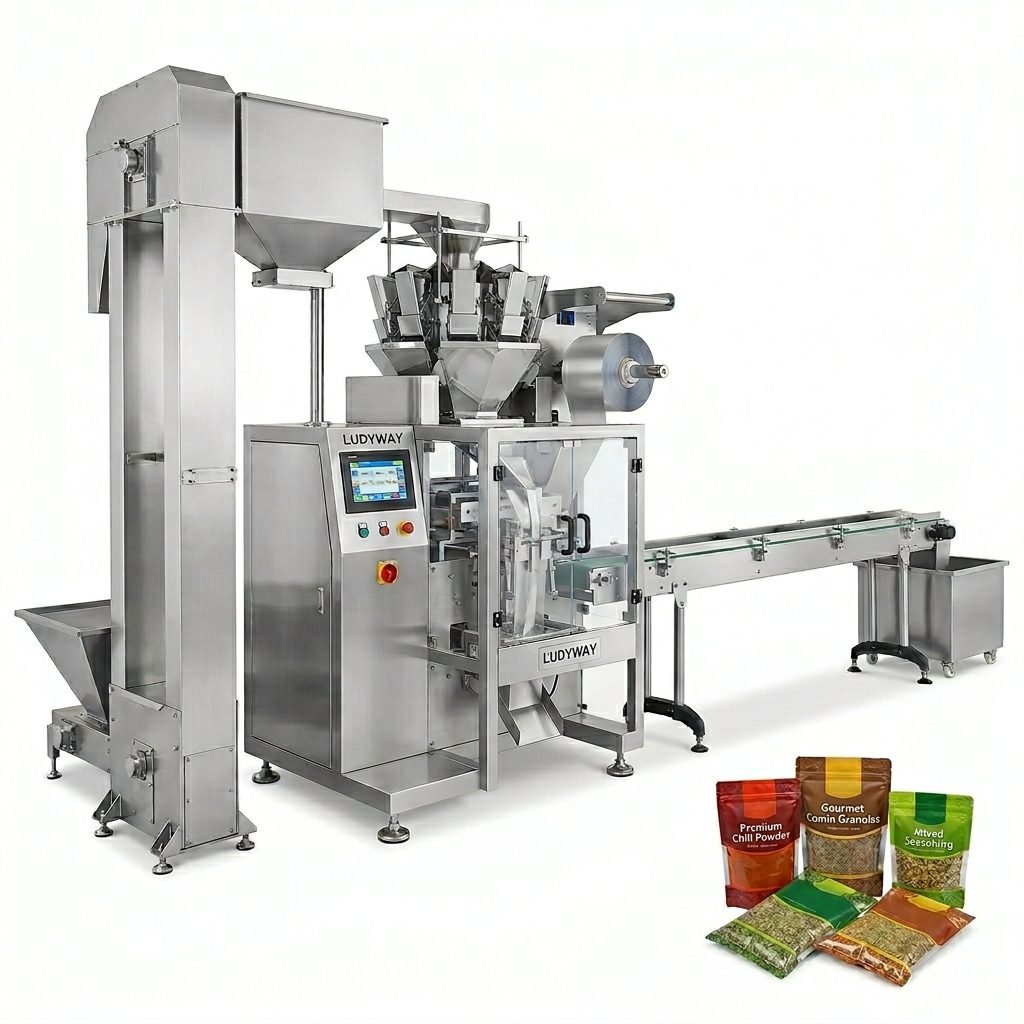
In today’s fast-moving packaging market, a pani pouch packing machine plays a critical role in delivering
fast, hygienic, and precise liquid sachet packaging for drinking water,
flavored liquids, edible liquids, and other low- to medium-viscosity products. For manufacturers focused on
productivity and consistency, the right machine can significantly reduce waste, improve sealing quality, and support
high-output operations with less manual intervention.
Whether you are launching a new packaged water brand or upgrading an existing liquid filling line, choosing the
right system means balancing speed, filling accuracy, sachet quality, maintenance needs, and long-term operating
cost.
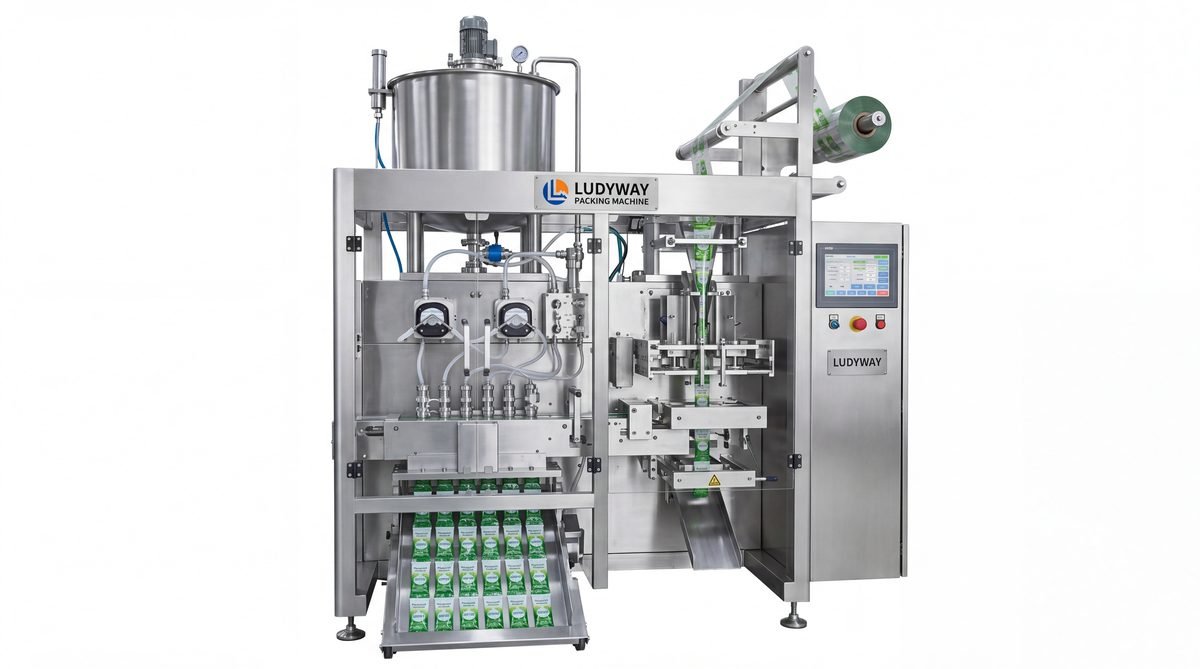
What Is a Pani Pouch Packing Machine?
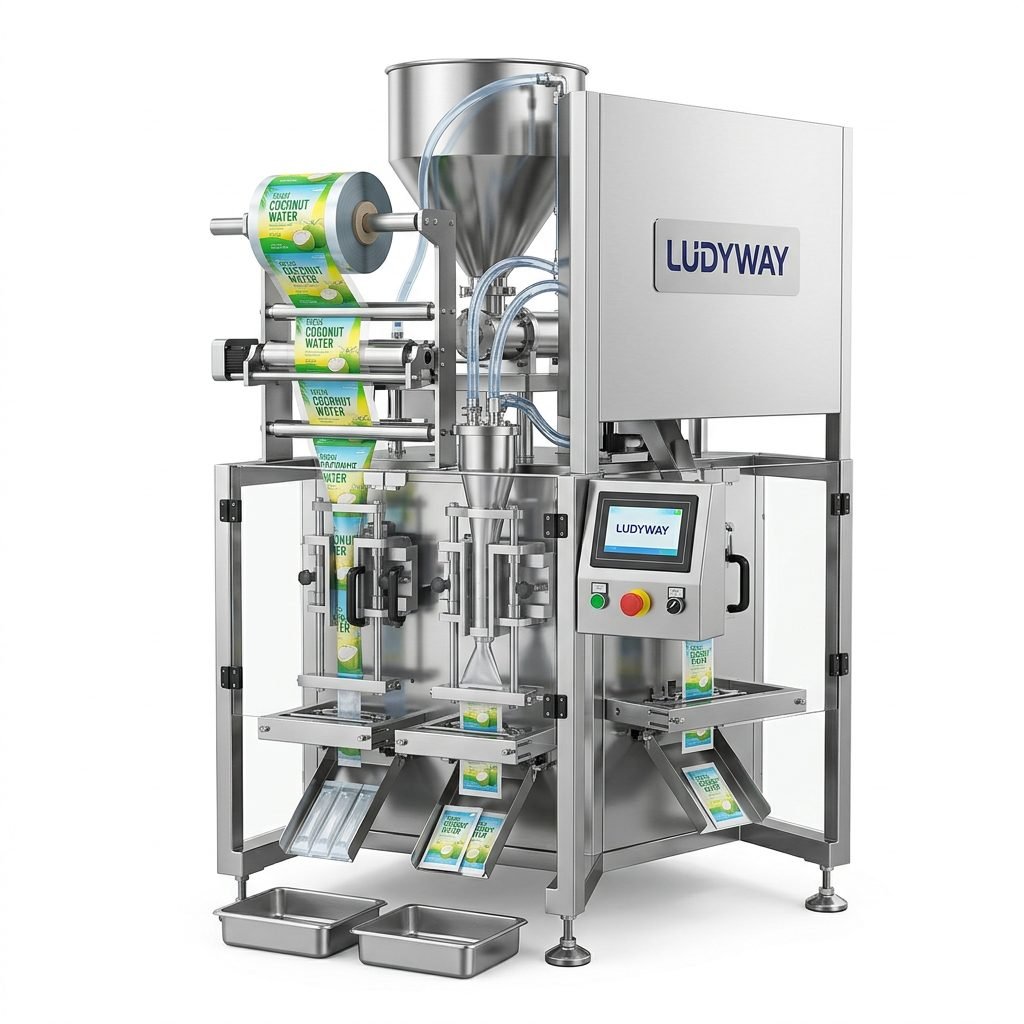
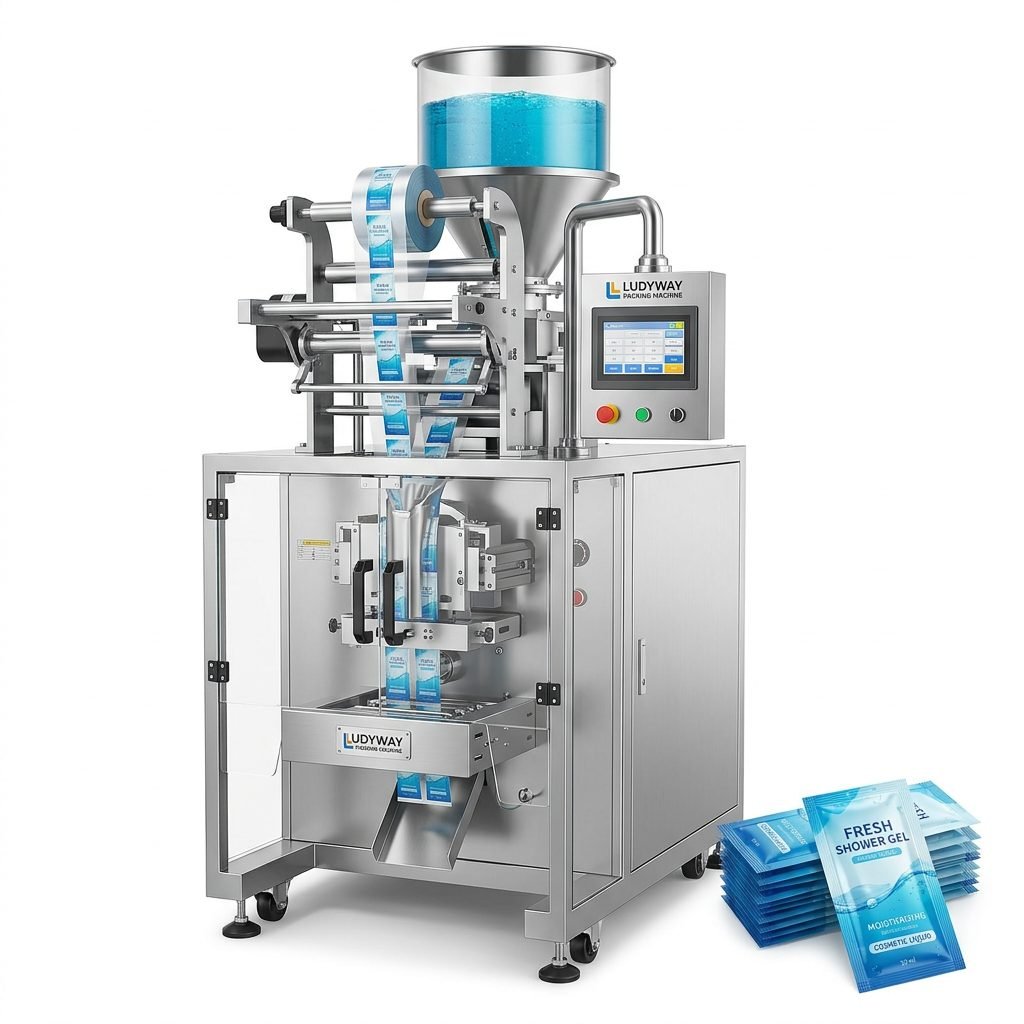
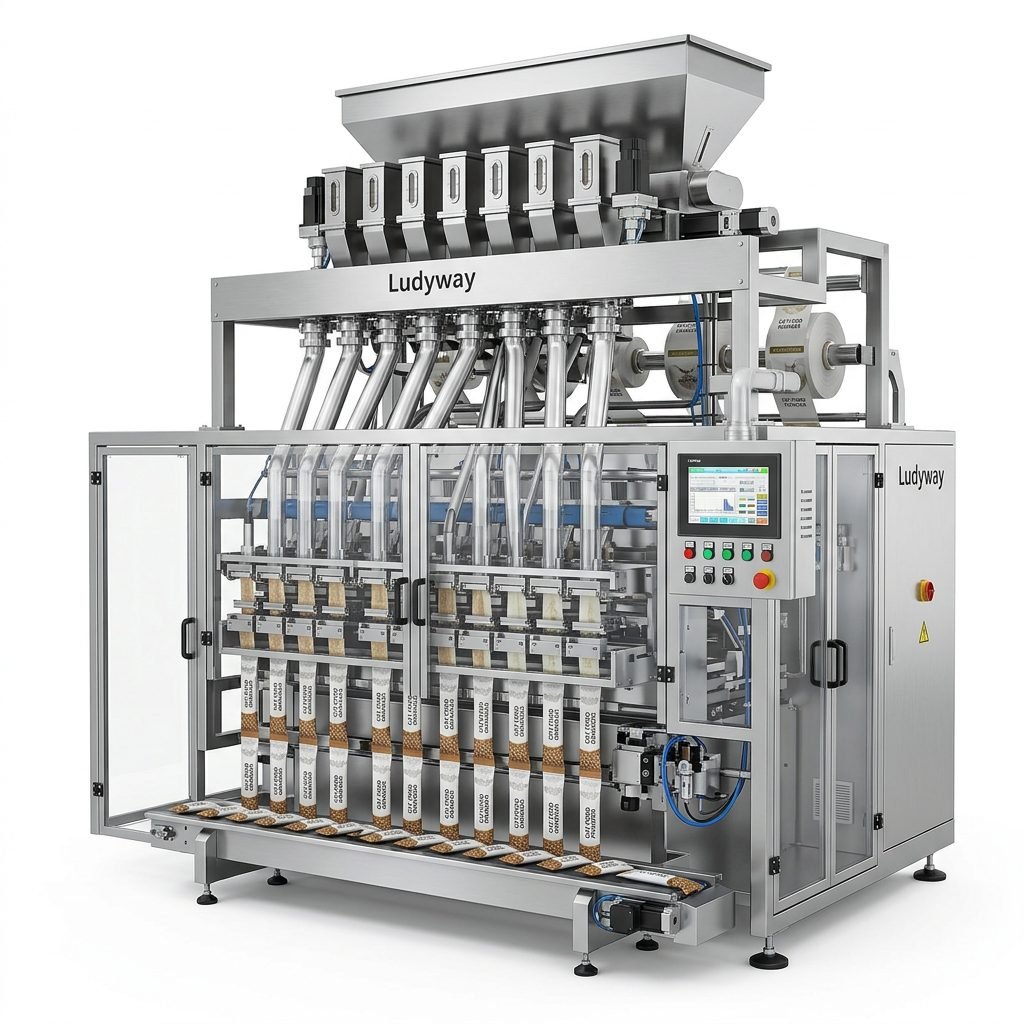
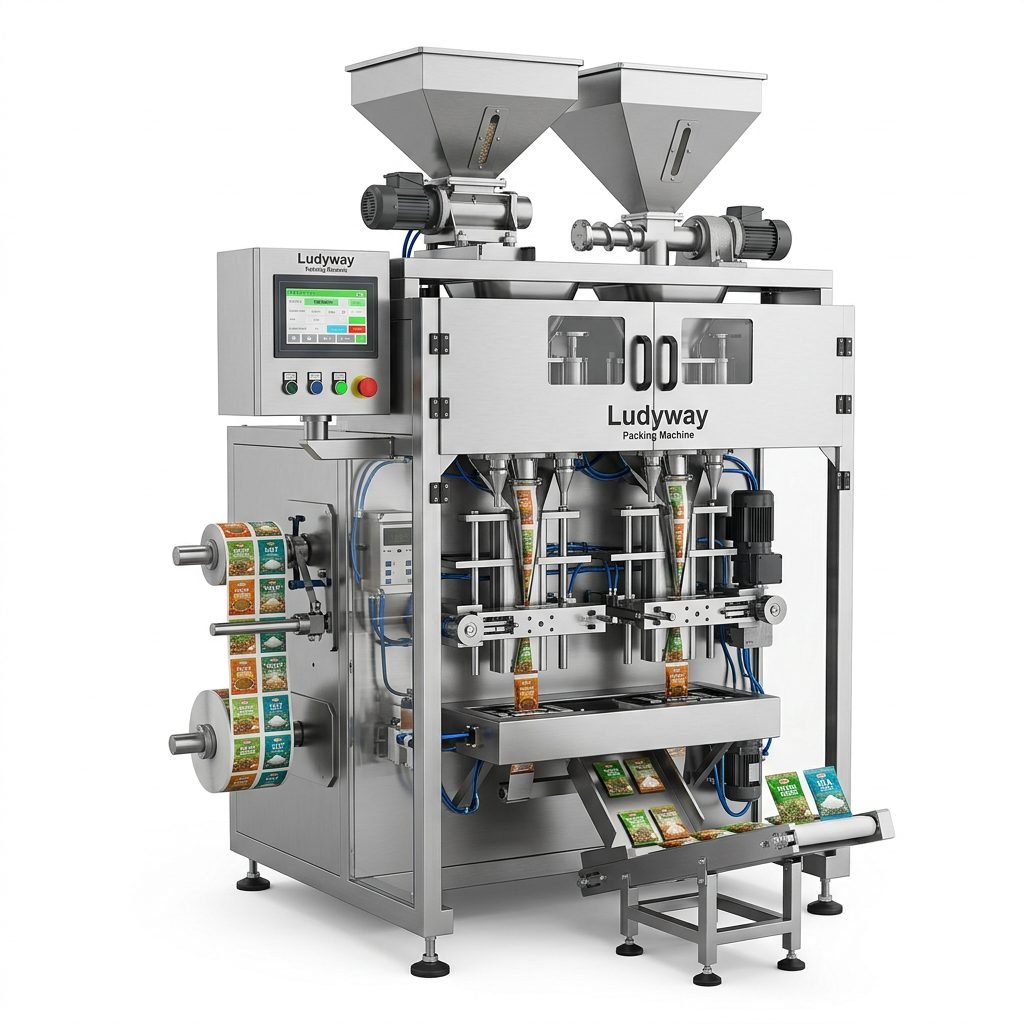
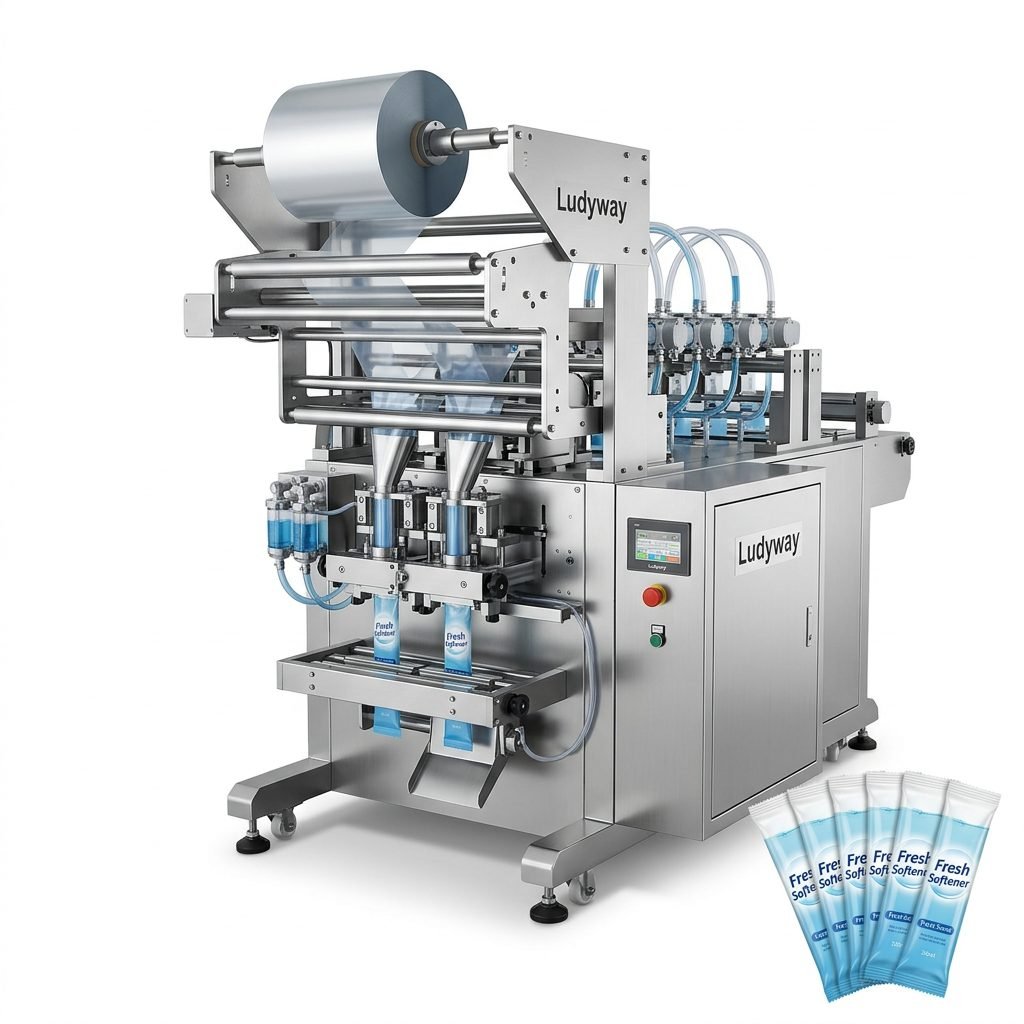
A pani pouch packing machine is an automated packaging system designed to form, fill, and seal plastic film into
small liquid pouches. In many markets, “pani” refers to water, so this machine is commonly used for
water pouch packaging. It can also be adapted for juice, milk, sauces, sanitizer, liquid soap,
and other free-flowing liquid products depending on machine configuration.
The process usually includes:
- Film unwinding and pouch forming
- Measured liquid dosing
- Heat sealing
- Cutting and discharge
- Date coding or batch marking when required
Modern systems are designed to maintain stable output while ensuring each pouch meets target volume and seal
integrity requirements.
Why Liquid Sachet Packaging Is Growing Fast
Liquid sachet packaging remains popular because it is cost-effective, easy to distribute, and convenient for
consumers. Compared with bottles or rigid containers, sachets use less packaging material and can lower storage and
shipping costs.
- Lower packaging cost for high-volume products
- Portable single-use format for on-the-go consumption
- Faster mass production with automated filling and sealing
- Reduced material usage compared with rigid packaging
- Flexible pack sizes for different market needs
Key Features of an Efficient Pani Pouch Packing Machine
A high-performance machine should do more than simply fill liquid. It should help manufacturers maintain product
quality, support production targets, and minimize downtime.
| Feature | Benefit |
|---|---|
| Accurate liquid dosing | Helps reduce underfilling and overfilling |
| Stable heat sealing | Prevents leakage and improves shelf performance |
| High-speed operation | Supports larger production volumes |
| User-friendly controls | Makes operation and adjustment easier |
| Food-grade contact parts | Improves hygiene and compliance |
| Compact or integrated design | Saves floor space and simplifies line layout |
1. Fast Filling Performance
Speed matters in competitive liquid packaging. A reliable liquid sachet machine should maintain continuous output
without sacrificing seal quality. This is especially important for large-scale water or beverage producers that need
a steady production rhythm throughout the day.
2. Accurate Volume Control
Filling precision directly affects product cost and customer trust. Even small filling deviations can create major
losses in high-volume production. Machines with stable metering systems help ensure each pouch contains the intended
amount of liquid.
3. Reliable Sealing Quality
In liquid packaging, sealing is just as important as filling. Poor seals lead to leakage, contamination risk, and
product returns. Good sealing systems maintain consistent temperature and pressure across varying production speeds.
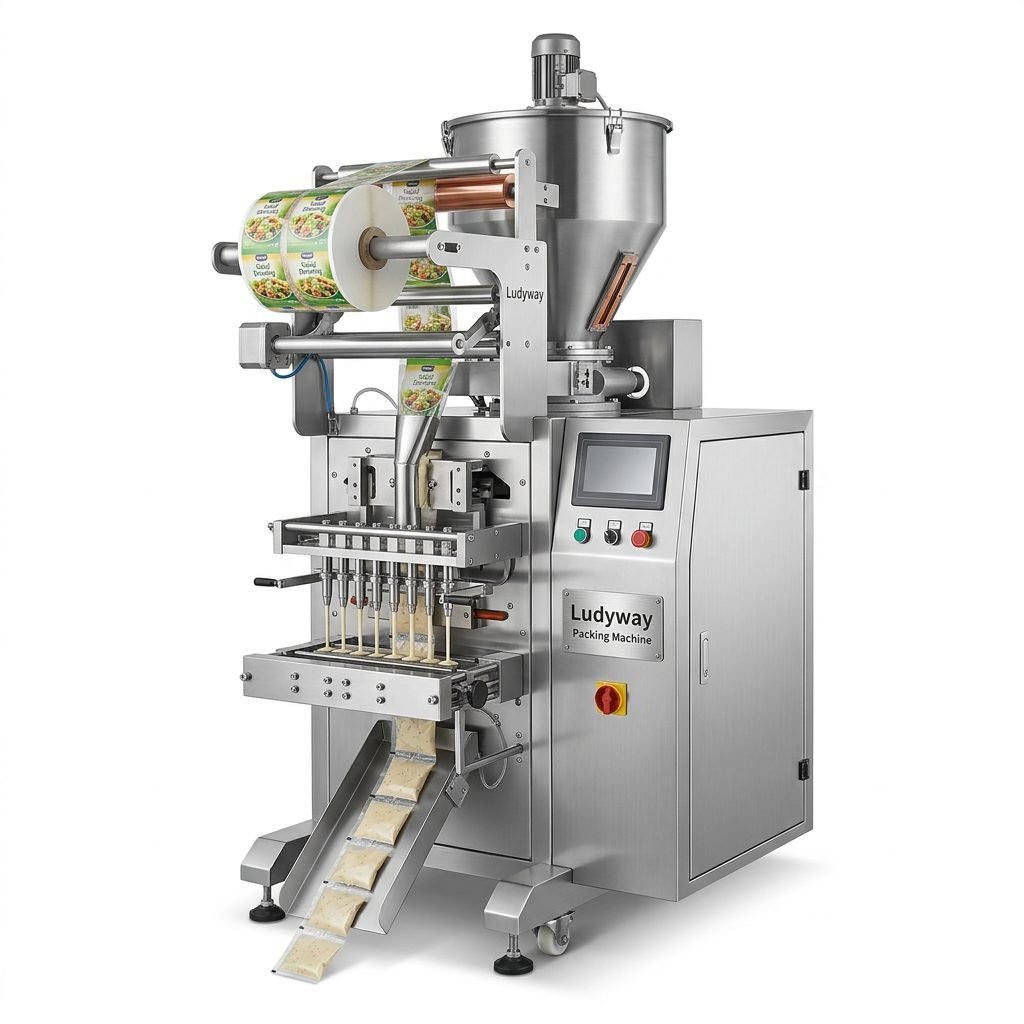
Common Applications of Pani Pouch Packing Machines
Although commonly associated with water pouch filling, these machines can serve a wide range of industries with the
right configuration.
- Drinking water sachets
- Flavored water and functional drinks
- Milk and dairy liquids
- Liquid condiments and sauces
- Cosmetic liquids and gels
- Detergent and cleaning liquids
- Pharmaceutical oral liquids
Benefits for Manufacturers
Investing in an automatic pouch packing system can create measurable operational advantages. Businesses moving from
manual filling to automated packaging often see improvements in labor efficiency, product consistency, and output
planning.
- Higher productivity through continuous automatic operation
- Reduced labor dependency and more stable workflow
- Better packaging consistency across batches
- Less product waste from accurate metering and stable sealing
- Improved hygiene control in food and beverage applications
How to Choose the Right Liquid Sachet Packing Machine
Not every machine fits every product. The ideal model depends on your liquid characteristics, pouch size, output
expectations, and future expansion plans.
Consider Product Type
Water and other low-viscosity liquids usually require straightforward metering, while thicker liquids or products
with particles may need specialized filling systems. Always match machine design to product behavior.
Evaluate Capacity Requirements
Small businesses may prioritize flexibility and compact footprint, while large factories often focus on
high-speed, long-run stability, and compatibility with upstream and downstream equipment.
Check Film and Pouch Compatibility
Packaging film quality, thickness, sealing properties, and pouch dimensions all influence machine performance.
Choosing a machine that handles your preferred packaging material reliably is essential.
Look at Maintenance and Support
Easy cleaning, accessible spare parts, clear controls, and responsive technical support can make a major difference
in long-term ownership cost.
| Selection Factor | Why It Matters |
|---|---|
| Liquid viscosity | Determines suitable filling mechanism |
| Target output | Affects machine model and automation level |
| Pouch size range | Impacts forming and sealing configuration |
| Material compatibility | Ensures stable seal performance |
| Technical service | Supports installation, training, and maintenance |
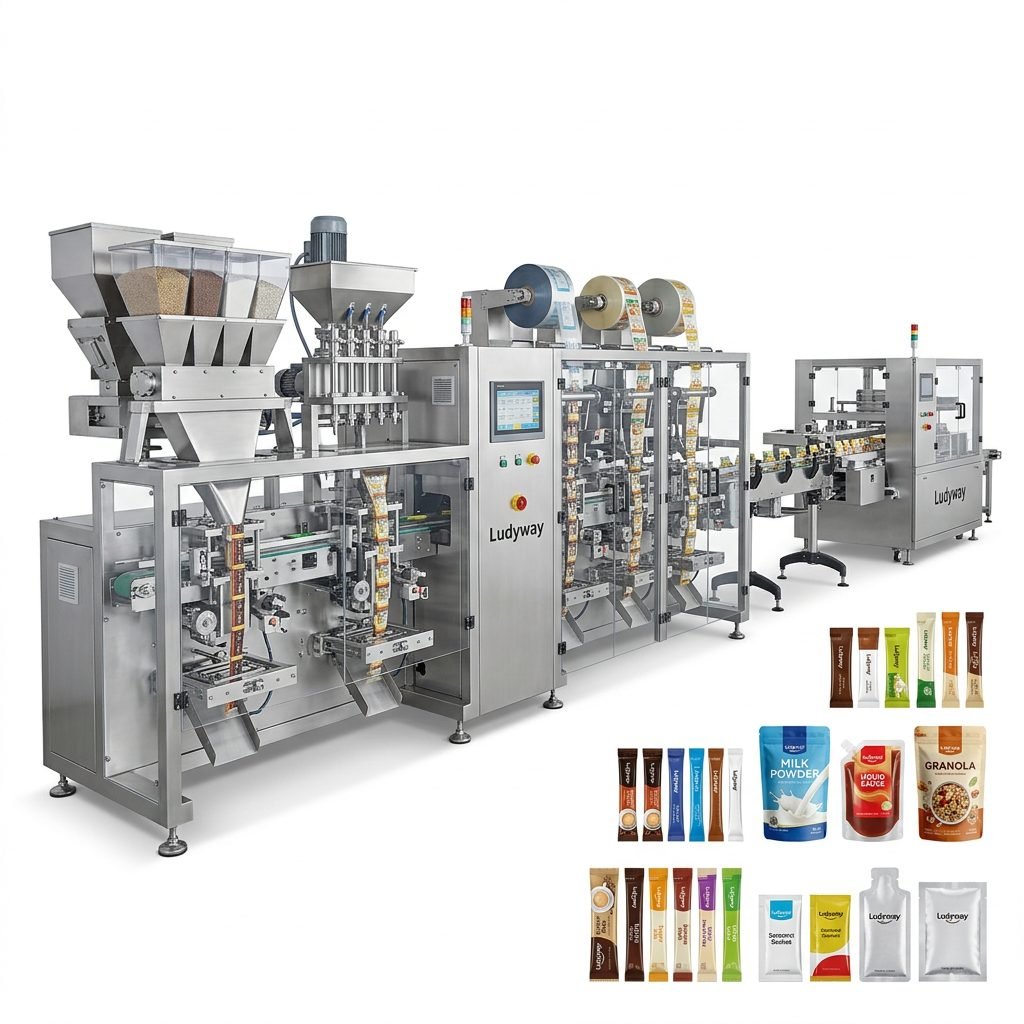
Automation and Turnkey Line Integration
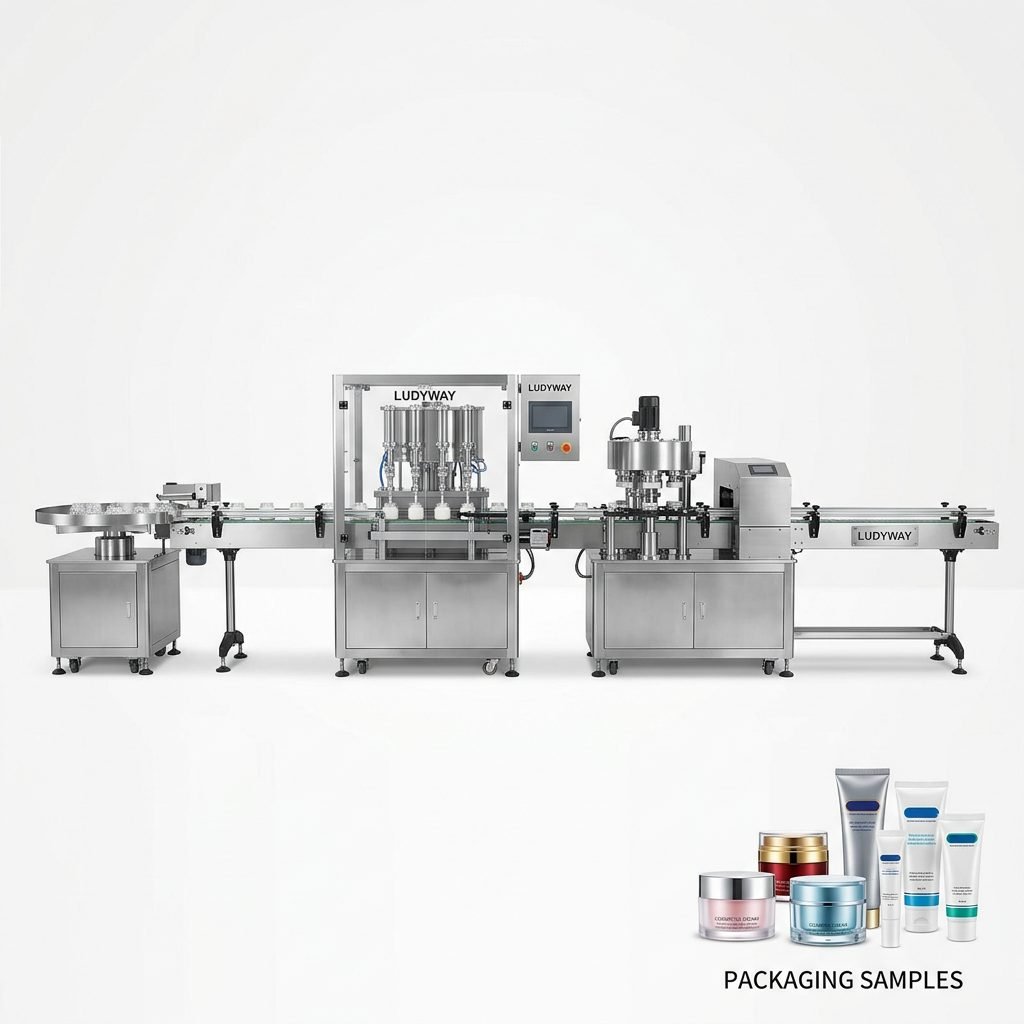
Many buyers no longer want a standalone machine only. They prefer integrated solutions that connect liquid mixing,
feeding, pouch filling, coding, counting, conveying, inspection, and secondary packaging into one efficient
workflow. This approach helps reduce manual handling and improve overall line efficiency.
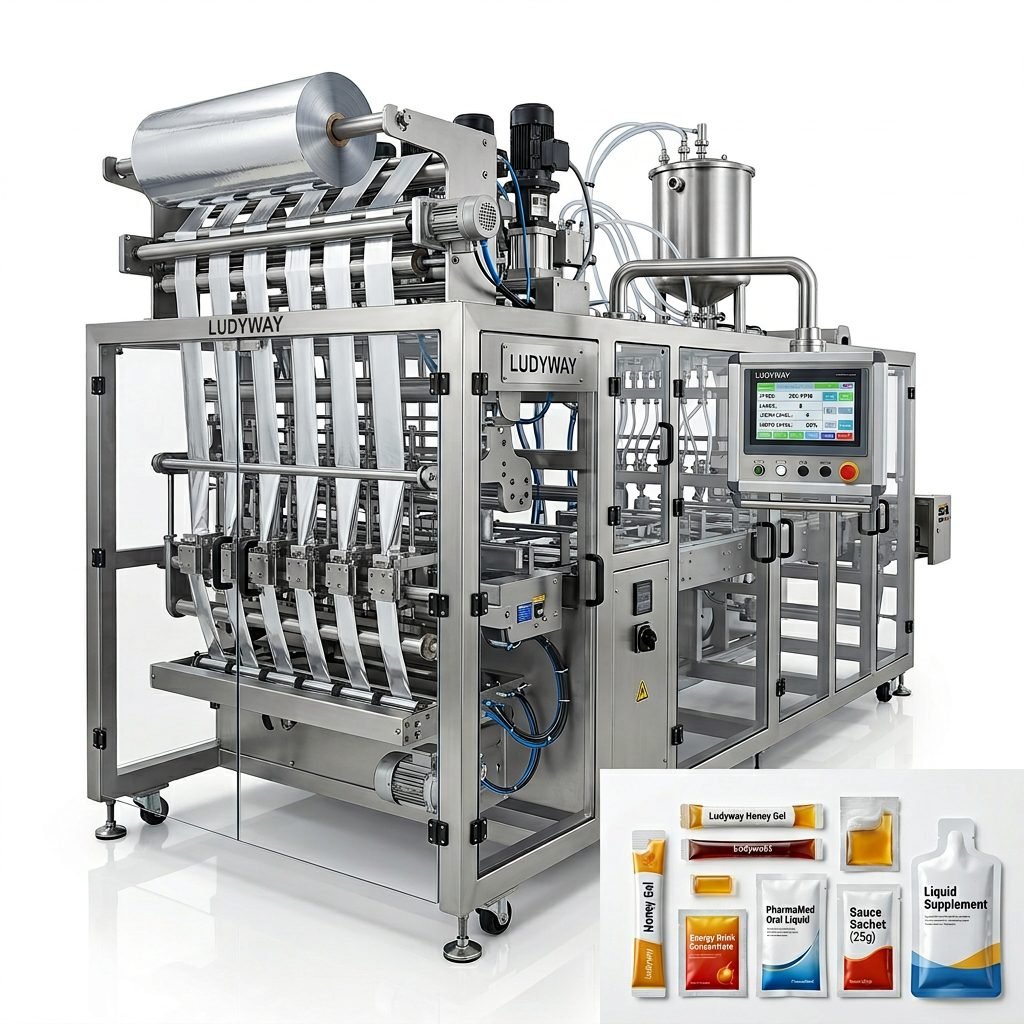
For businesses planning growth, working with an experienced manufacturer such as
Ludyway
can be valuable when evaluating scalable packaging equipment and turnkey line options for food, pharmaceutical,
cosmetic, and daily-use liquid products.
Important Performance Indicators to Compare
Before purchasing, compare machines based on measurable technical and operational indicators rather than price
alone.
- Pouches per minute
- Filling accuracy tolerance
- Seal strength and leak rate
- Machine uptime stability
- Cleaning and changeover time
- Energy consumption
- Availability of customization
Industries That Benefit Most
A pani pouch packing machine is especially suitable for companies serving high-volume, price-sensitive, or
convenience-driven markets. It is widely used by:
- Beverage producers
- Packaged drinking water suppliers
- Food condiment manufacturers
- Personal care and hygiene brands
- Pharmaceutical and healthcare product companies
- Contract packaging providers
Final Buying Insight
The best pani pouch packing machine is one that delivers a strong balance of
speed, filling accuracy, sealing reliability, hygiene, and long-term serviceability. For brands
scaling up liquid sachet production, the right equipment can improve efficiency, strengthen product quality, and
support profitable growth.
If your production goals include faster throughput, accurate filling, and dependable pouch sealing, investing in a
well-matched liquid sachet packaging system is a smart step toward more competitive and efficient manufacturing.