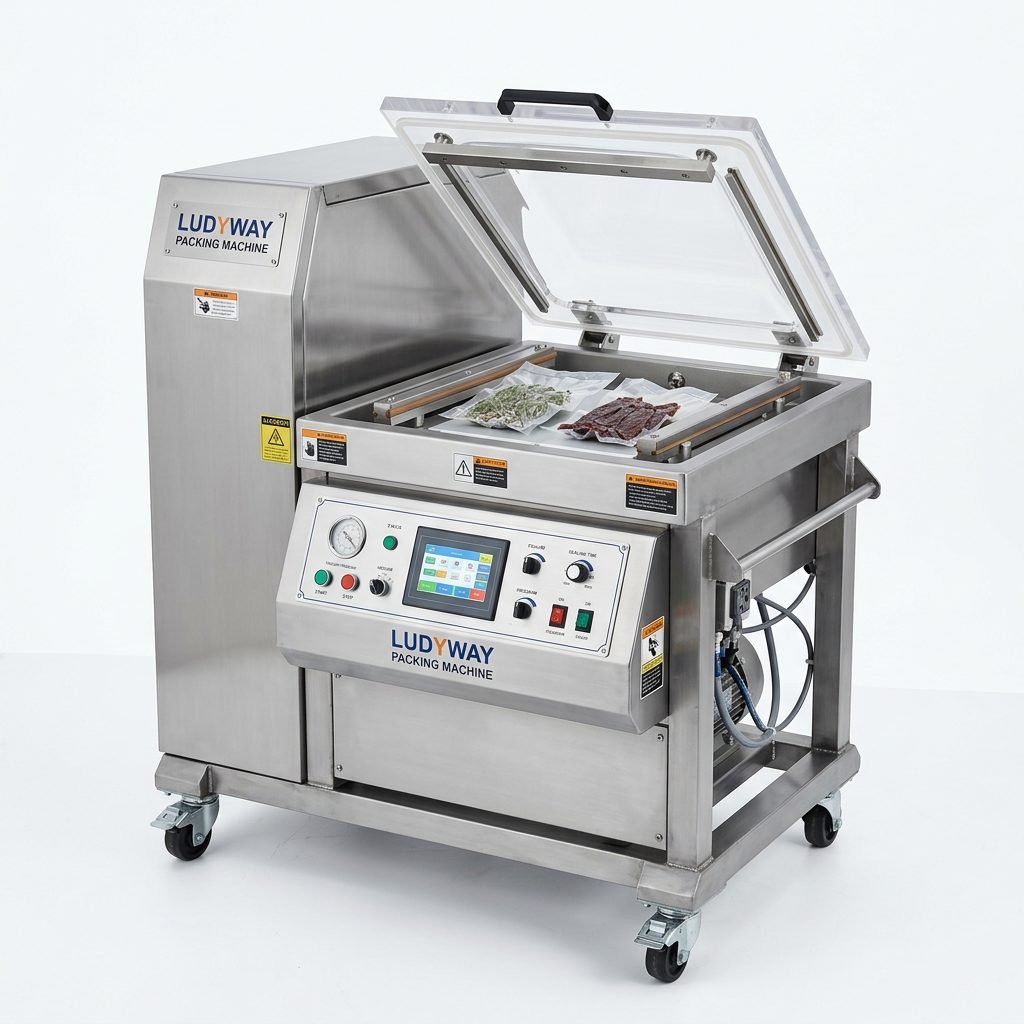
In the fast-paced world of construction, efficiency and material integrity are paramount. The journey of building supplies—from the manufacturer to the jobsite—is fraught with potential for loss, damage, and costly delays. This makes the selection of the right construction material packaging equipment not just a logistical consideration, but a critical business decision impacting project timelines, budgets, and overall operational success. Advanced packaging solutions are engineered to handle the unique demands of heavy, abrasive, and often environmentally sensitive building materials, ensuring they arrive ready for use.
Why Specialized Packaging Equipment is Non-Negotiable
The construction industry deals with a diverse range of materials: fine powders like cement and plaster, granular aggregates, liquid adhesives, and delicate fixtures. Each type demands a specific packaging approach to prevent contamination, moisture ingress, and breakage. Standard packaging systems often fall short, leading to material waste estimated at 5-10% on many projects. Specialized construction material packaging equipment is designed to address these exact challenges, offering tailored solutions that enhance supply chain resilience.
Core Benefits at a Glance
→ Material Preservation: Creates a robust barrier against humidity, UV light, and physical impact during transit and storage.
→ Handling Efficiency: Enables faster loading, unloading, and on-site movement with standardized bag sizes, palletization, and ergonomic designs.
→ Waste Reduction: Precise filling and sealing minimize product loss and spillage, directly improving cost-efficiency and sustainability metrics.
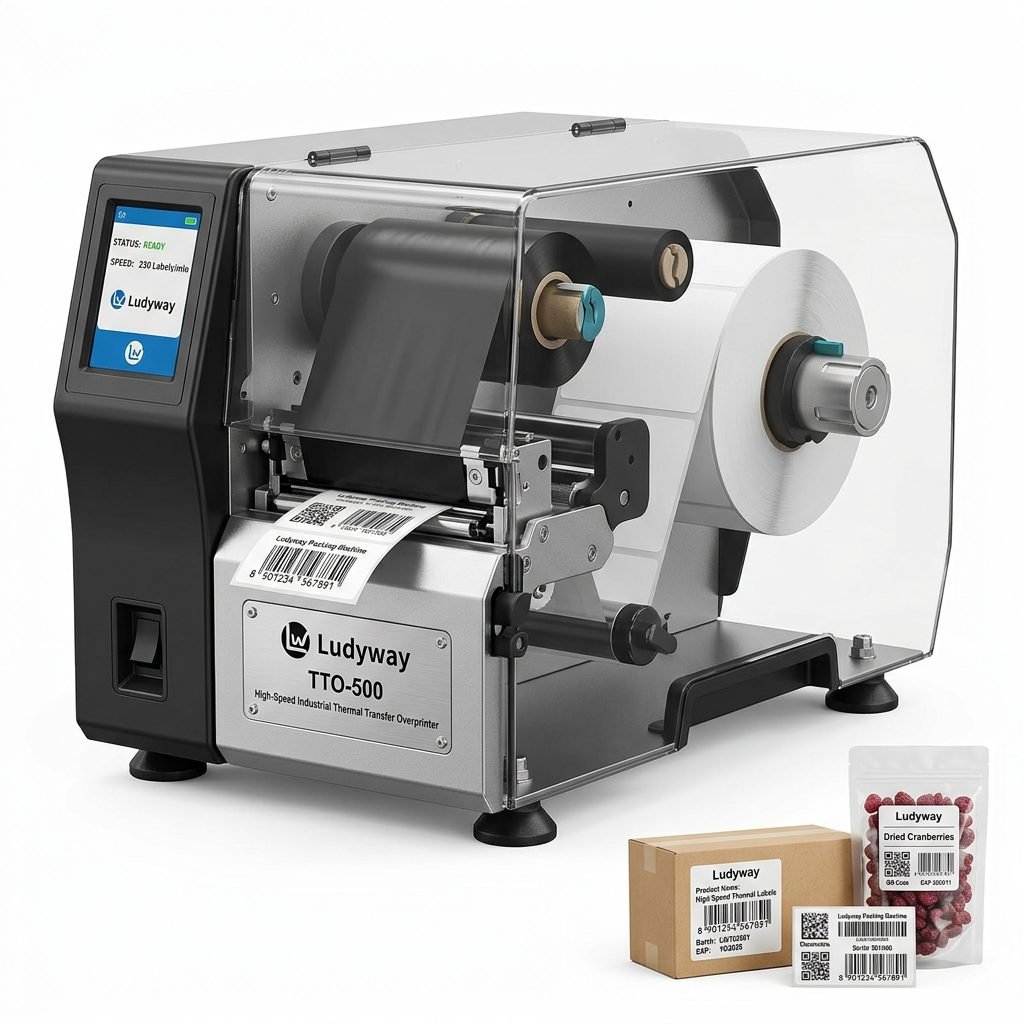
→ Brand & Information Integrity: Ensures labels, safety data, and batch codes remain legible and intact, which is crucial for compliance and quality tracking.
Key Equipment Solutions for Building Material Handling
Modern packaging lines integrate various machines to form a cohesive, automated system. Understanding the role of each component is key to designing an efficient workflow.
1. Automated Bagging & Filling Systems
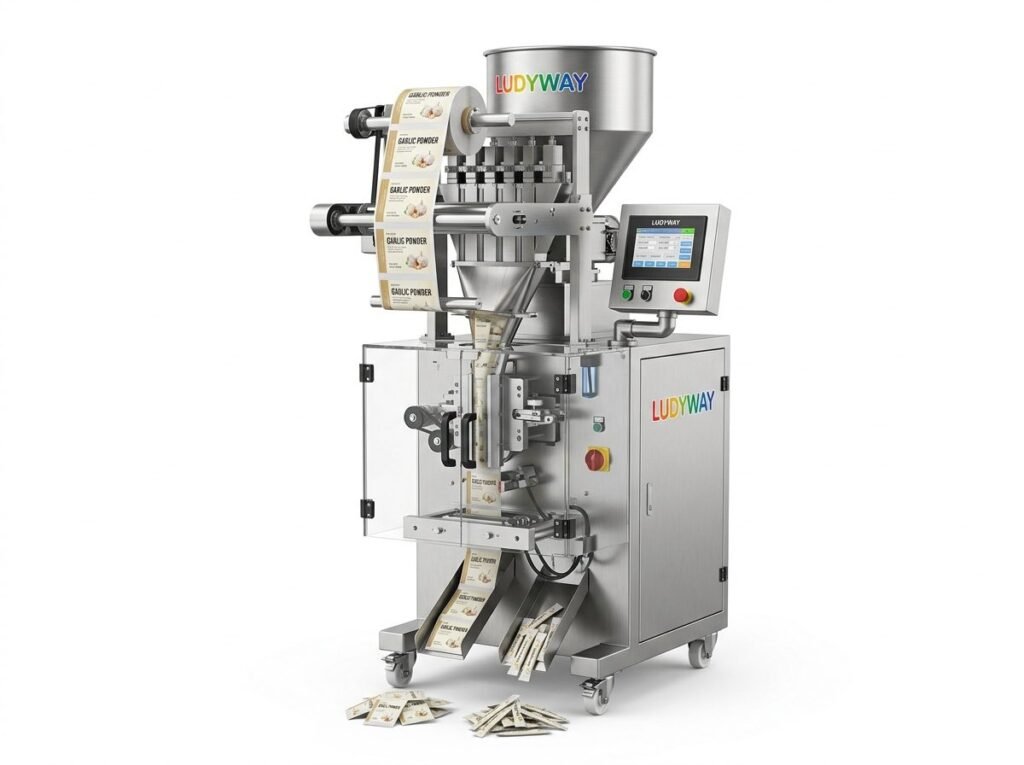
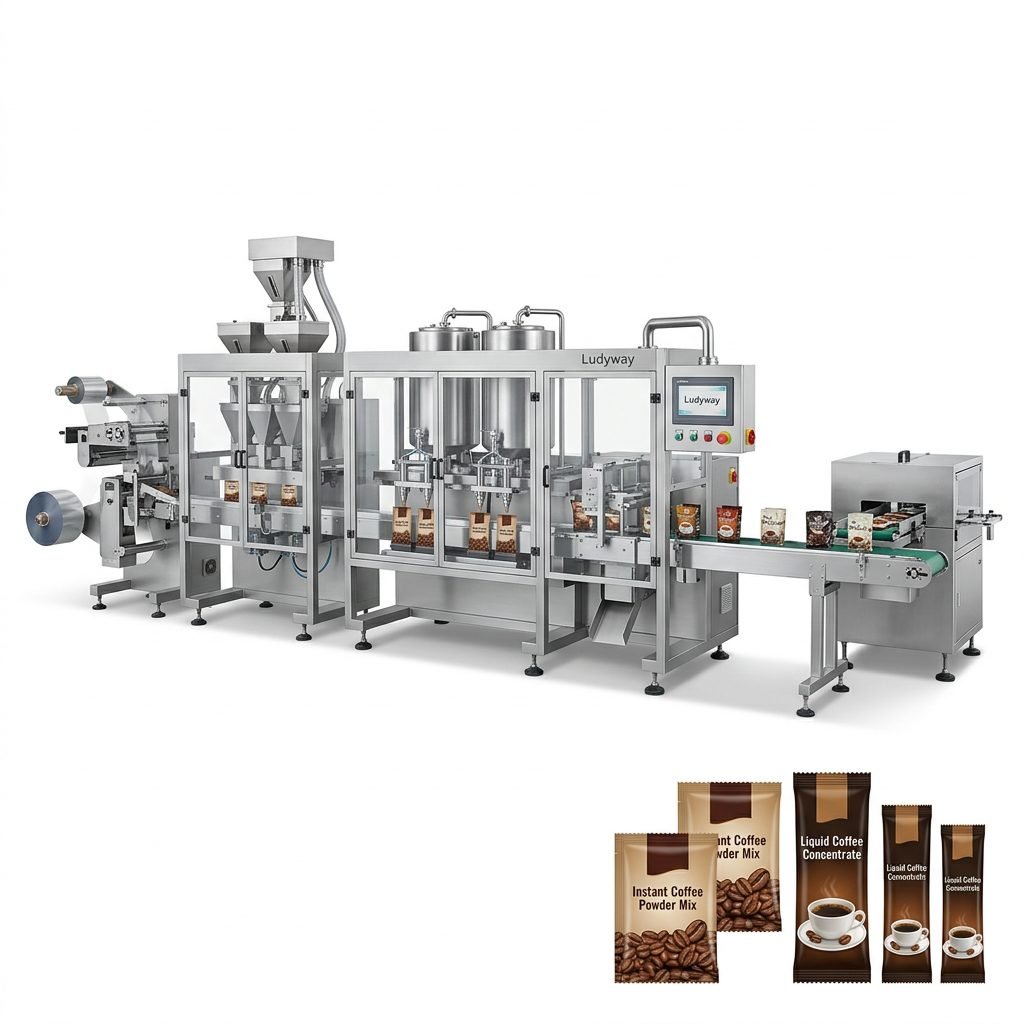
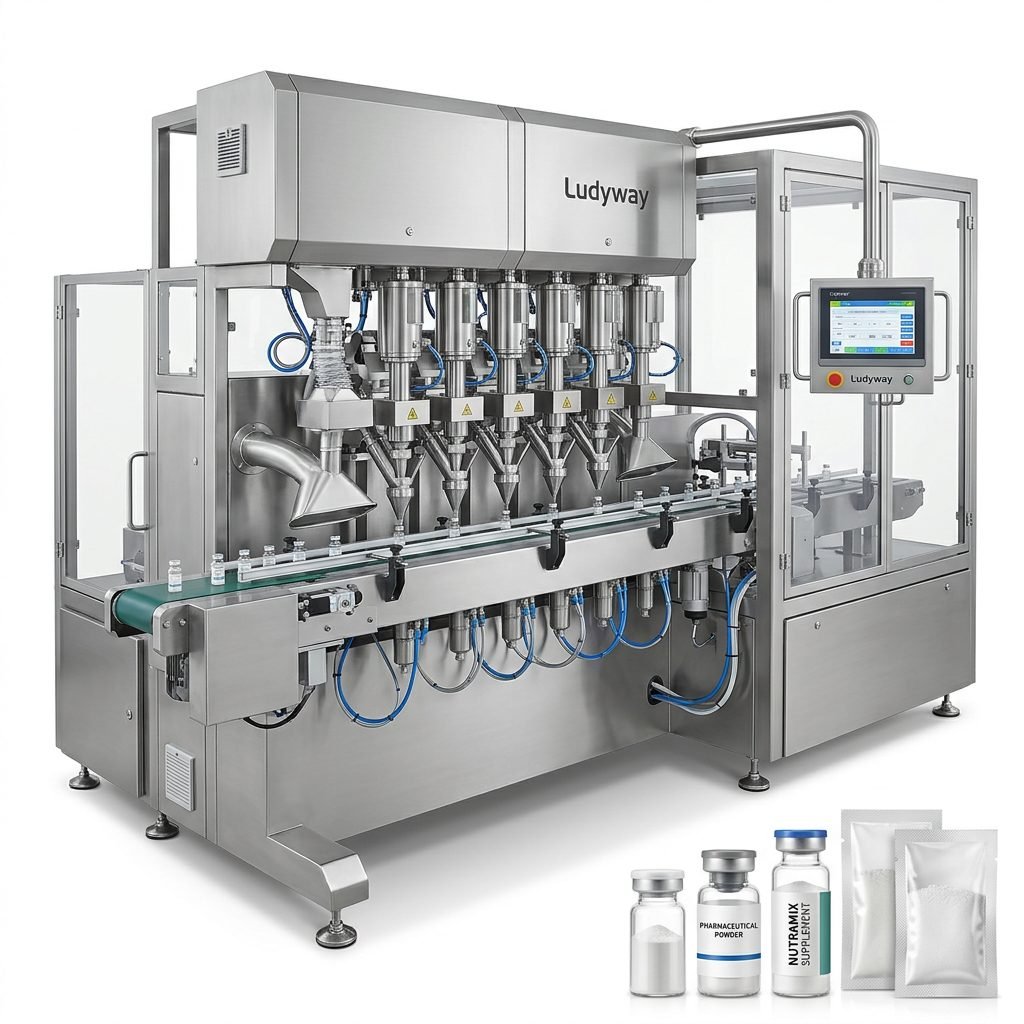
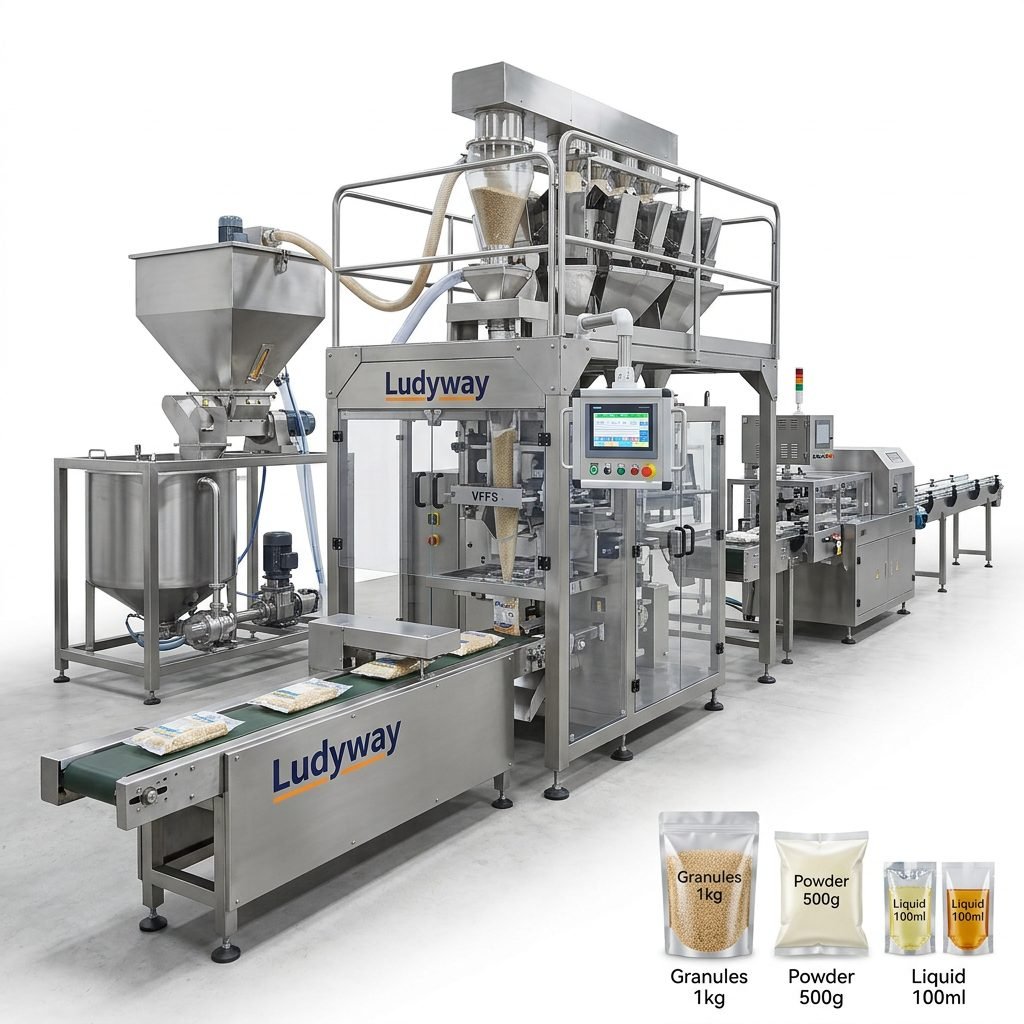
These are the workhorses for powders and granules. Auger fillers offer exceptional precision for cohesive materials like cement, while gravimetric and volumetric fillers are ideal for aggregates and sand. Modern systems feature touch-screen controls for easy weight/speed adjustment and automatic bag placers to reduce manual labor.
2. Robust Palletizing & Unitizing Equipment
Once bagged, materials must be stabilized for shipping. Automated palletizers arrange bags into stable, interlocked patterns on pallets. Subsequently, stretch wrappers or hooders apply a tight plastic film or hood, creating a weather-resistant unit load that prevents shifting and protects edges from wear. This is a critical step for materials stored outdoors at construction sites.
3. Specialized Solutions for Liquids & Adhesives
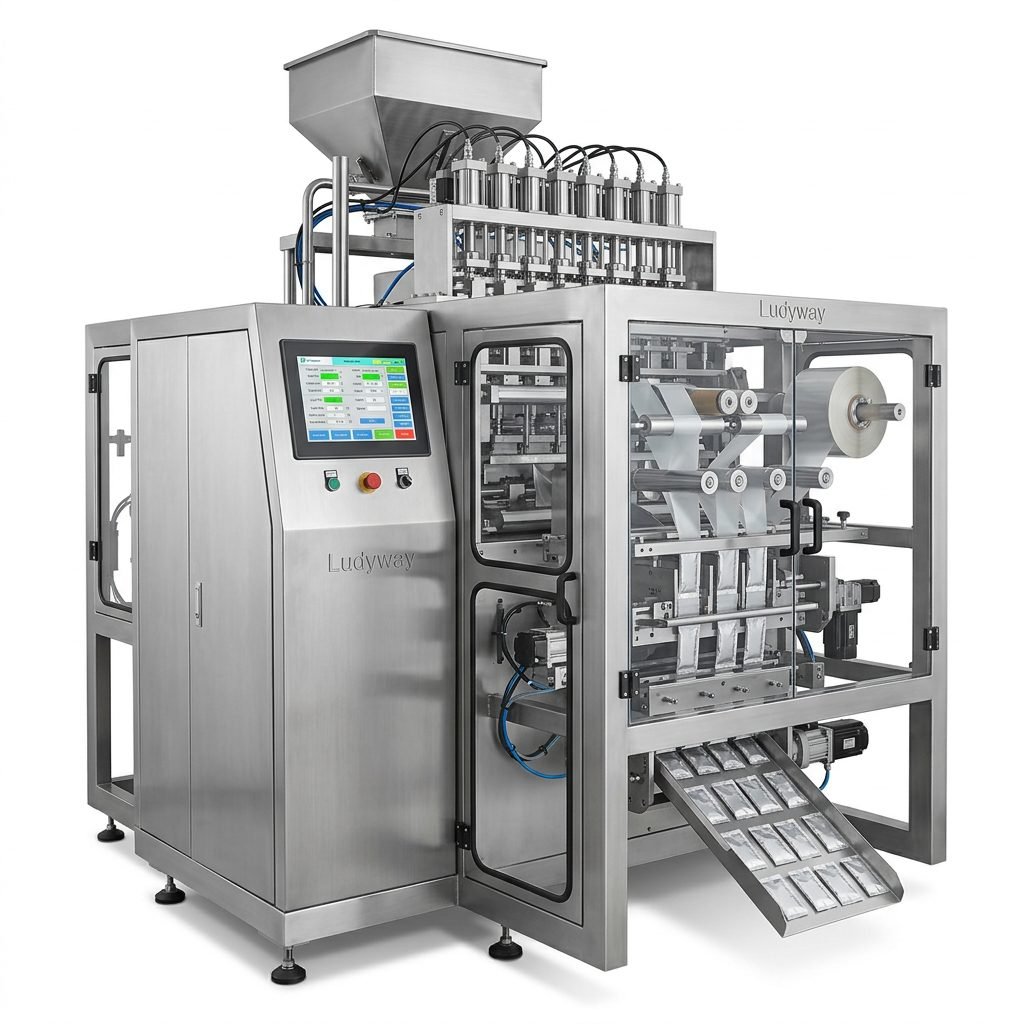
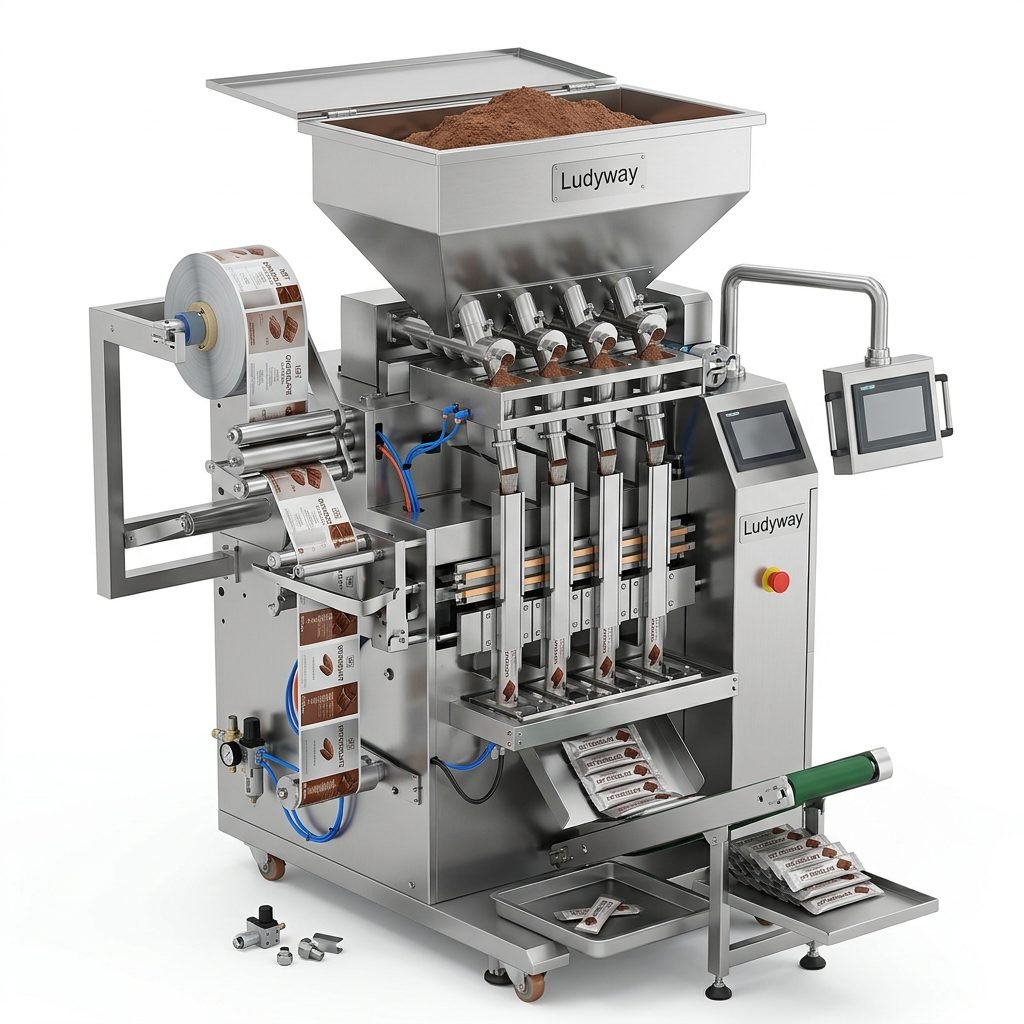
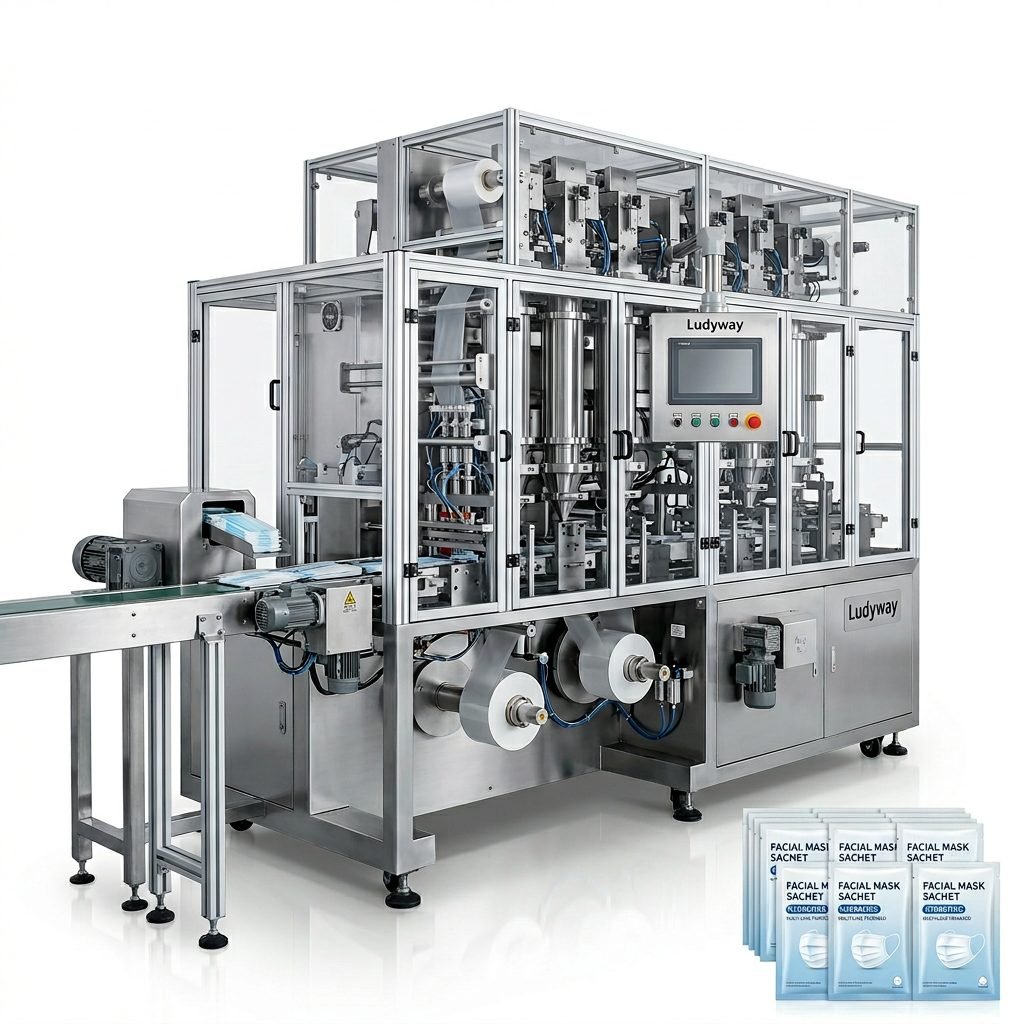
Liquid building materials, such as sealants, epoxies, and coatings, require airtight, leak-proof packaging. Liquid form-fill-seal (FFS) machines create pouches or sachets from a roll of film, fill them with precise liquid volumes, and seal them in a continuous operation. This method is increasingly popular for pre-measured components, reducing on-site mixing errors and waste. For larger volumes, automated drum or pail filling lines ensure consistent, spill-free container filling.
4. End-of-Line Automation: Case Packing & Sealing
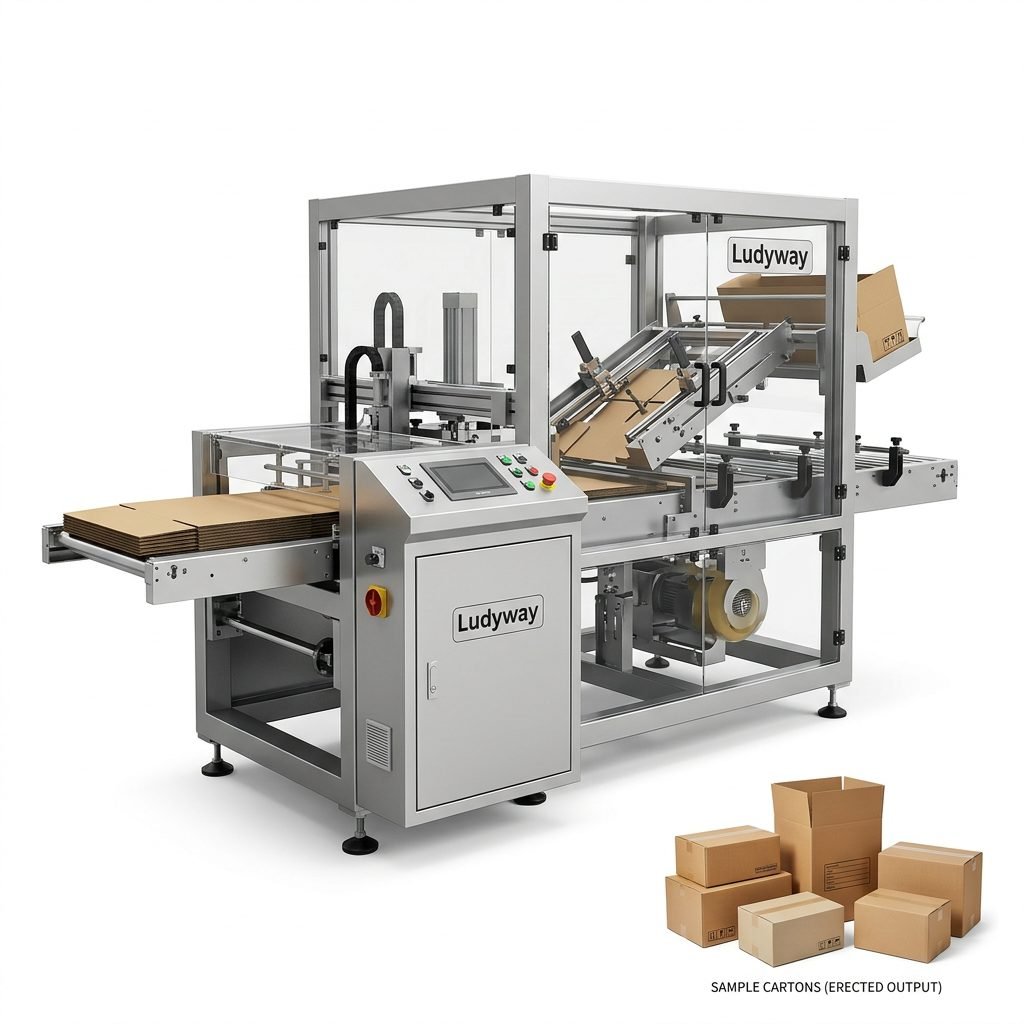
For added protection or retail-ready presentation, bagged items are often packed into corrugated cases. Automated case packers gently place products into boxes, which are then sealed by case tapers or gluers. This automation is vital for protecting delicate items like ceramic tiles, plumbing fixtures, or tool kits from dust and impact damage during logistics.
Integrating Efficiency: The Turnkey Line Approach
The highest level of efficiency is achieved not by standalone machines, but by integrated, turnkey packaging lines. A well-designed line seamlessly connects filling, bagging, palletizing, and wrapping into a single, synchronized process. This minimizes human intervention, maximizes throughput, and ensures consistent package quality. When sourcing equipment, partnering with a provider that offers comprehensive packaging solutions and can design, install, and support the entire line is a strategic advantage.
Choosing Your Equipment Partner: Critical Questions
Selecting the right machinery provider is as important as selecting the machinery itself. Consider these factors:
Industry Experience: Does the supplier have a proven track record with construction materials specifically?
Customization Capability: Can they adapt machine specifications to your unique material characteristics and bag sizes?
After-Sales Support: What is their policy for technical support, spare parts availability, and operator training?
Scalability: Can their solutions grow with your production volume, allowing for future line expansions?
The Future: Smart Packaging & Sustainability
The next frontier for construction material packaging lies in smart technology and eco-conscious design. IoT-enabled sensors can monitor bag integrity, track location, and even measure internal humidity during transit. Furthermore, the industry is shifting towards using recyclable or biodegradable films and optimizing bag designs to use less material without compromising strength—a move driven by both environmental responsibility and cost pressure. Investing in equipment compatible with these trends future-proofs your operations.
Ultimately, deploying top-tier construction material packaging equipment is an investment in reliability, reputation, and the bottom line. It transforms packaging from a cost center into a value-adding process that safeguards quality, empowers your workforce, and delivers a superior product to the end-user—the builder on the ground. By prioritizing efficient building supply handling through advanced packaging equipment solutions, companies secure a competitive edge in a demanding market.
Frequently Asked Questions (FAQs)
1. What types of construction materials most urgently need automated packaging solutions?
Hygroscopic materials like cement, plaster, and certain powdered adhesives are top priorities, as they rapidly degrade with moisture exposure. Fine powders prone to creating dust and abrasive materials that wear out standard bags also greatly benefit from precision filling and robust, sealed packaging provided by automated systems.
2. How does automated packaging improve on-site safety?
It significantly reduces manual handling of heavy bags, lowering the risk of musculoskeletal injuries. Properly sealed and unitized loads are also more stable during forklift handling on-site, preventing collapses. Furthermore, clear, intact packaging ensures safety labels and handling instructions are always visible to workers.
3. Can one packaging line handle multiple, very different materials?
While a single line can be versatile, significant changeovers (e.g., from fine powder to large aggregate) often require downtime for cleaning and reconfiguration. For operations with highly diverse products, a modular system design or dedicated lines for different material categories is often more efficient. Discuss your full product mix with your packaging solutions provider for the best advice.
4. What is the typical ROI period for investing in this type of equipment?
The return on investment can be remarkably fast, often within 12 to 24 months. Savings are realized through drastic reductions in material waste, lower labor costs per packaged unit, decreased product damage claims, and increased throughput allowing for business growth. A detailed cost-benefit analysis based on your current losses and labor costs will provide a precise forecast.
5. Are there sustainable packaging options compatible with this equipment?
Absolutely. Modern equipment can run with a wide variety of materials, including bags made with recycled content or from compostable polymers. The key is to work with your bag supplier and machinery provider during the design phase to ensure the chosen sustainable material has the necessary strength, sealability, and flow characteristics for your specific equipment and material.