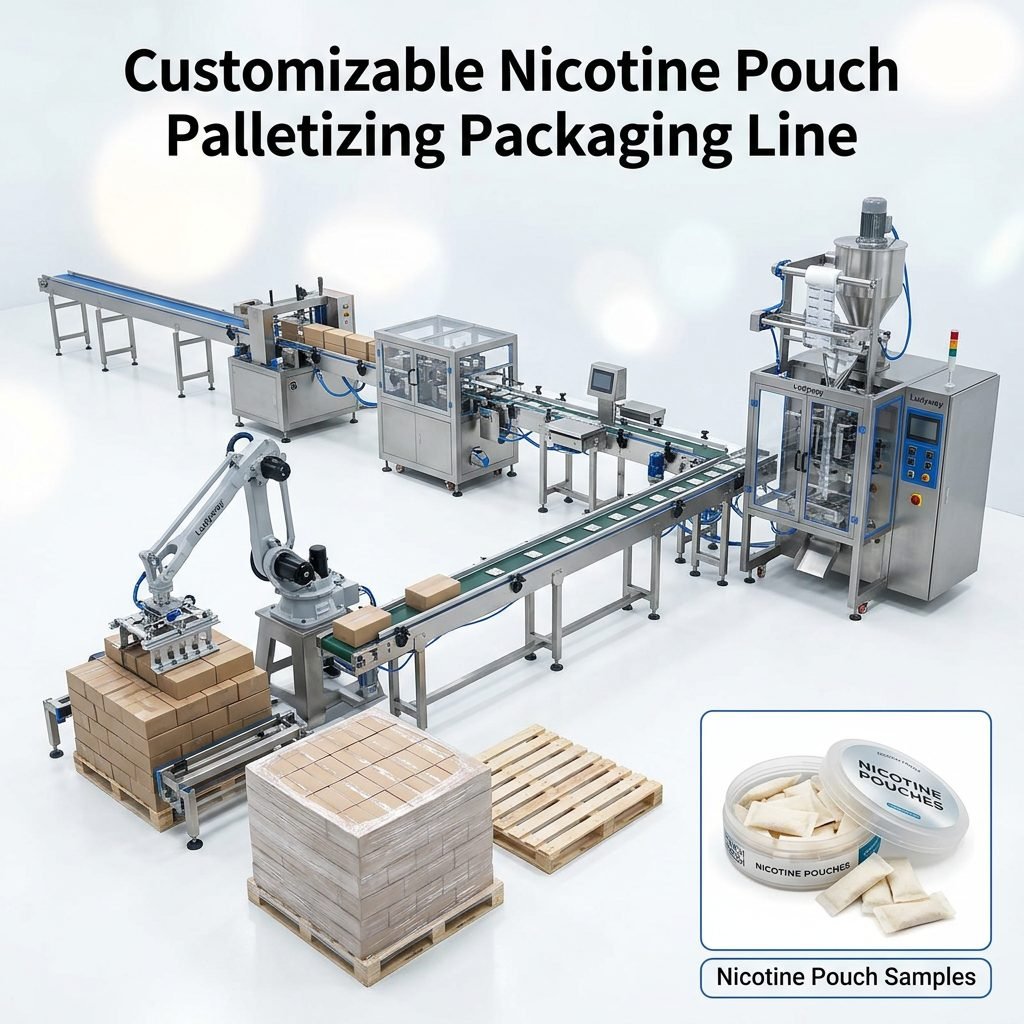
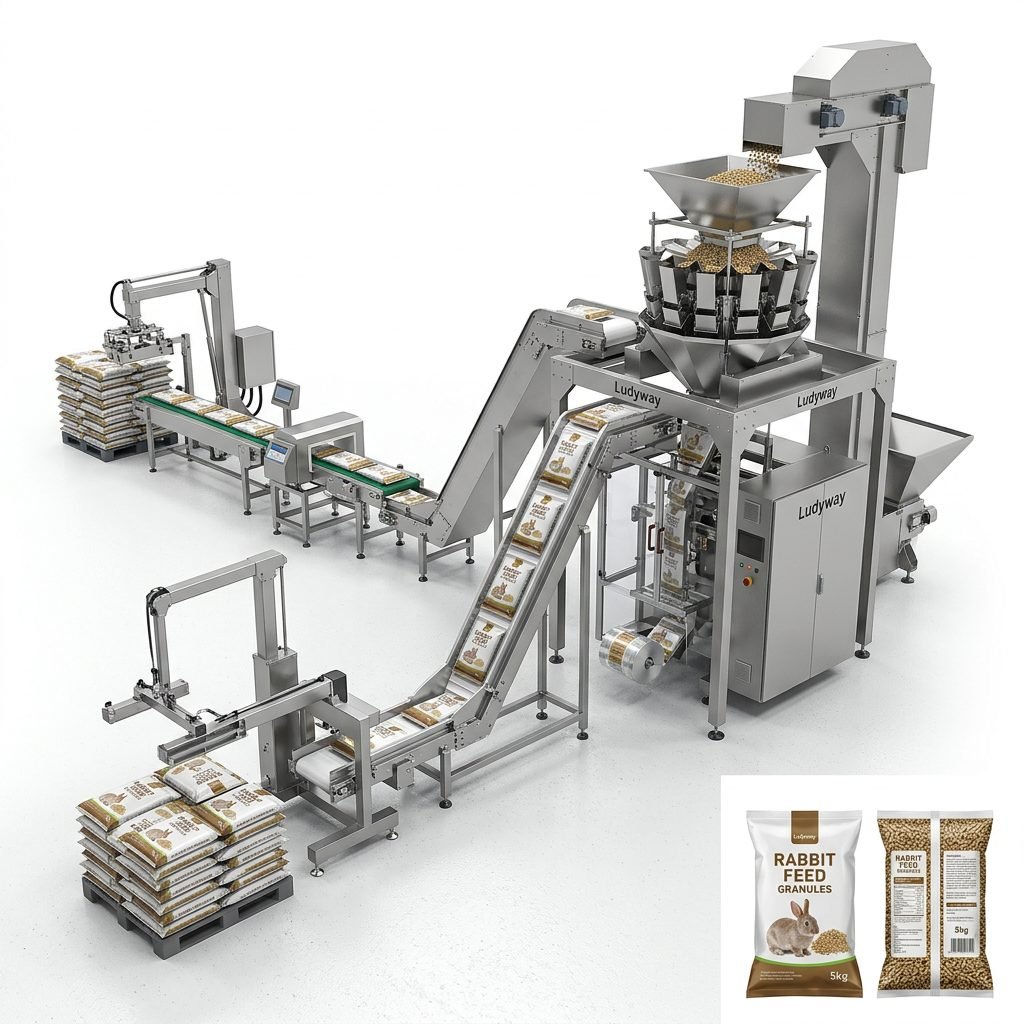
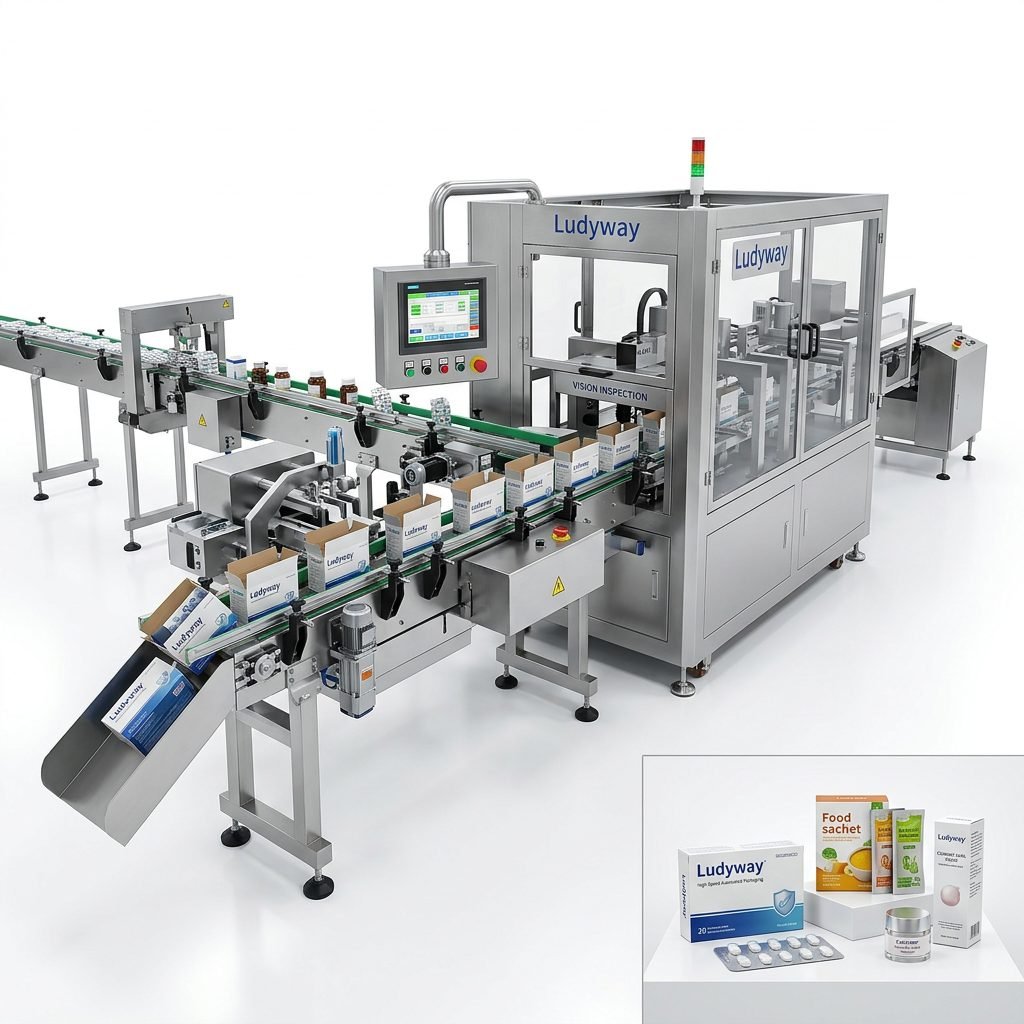
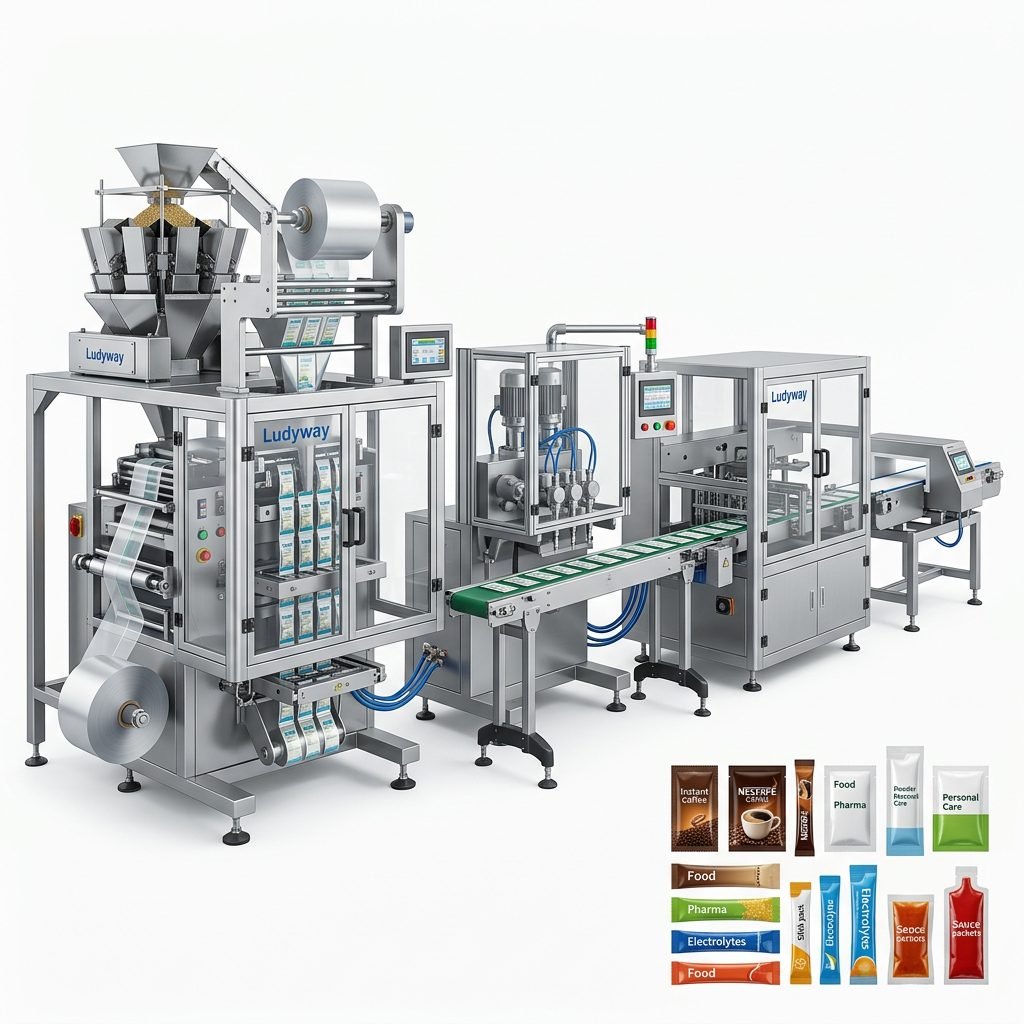
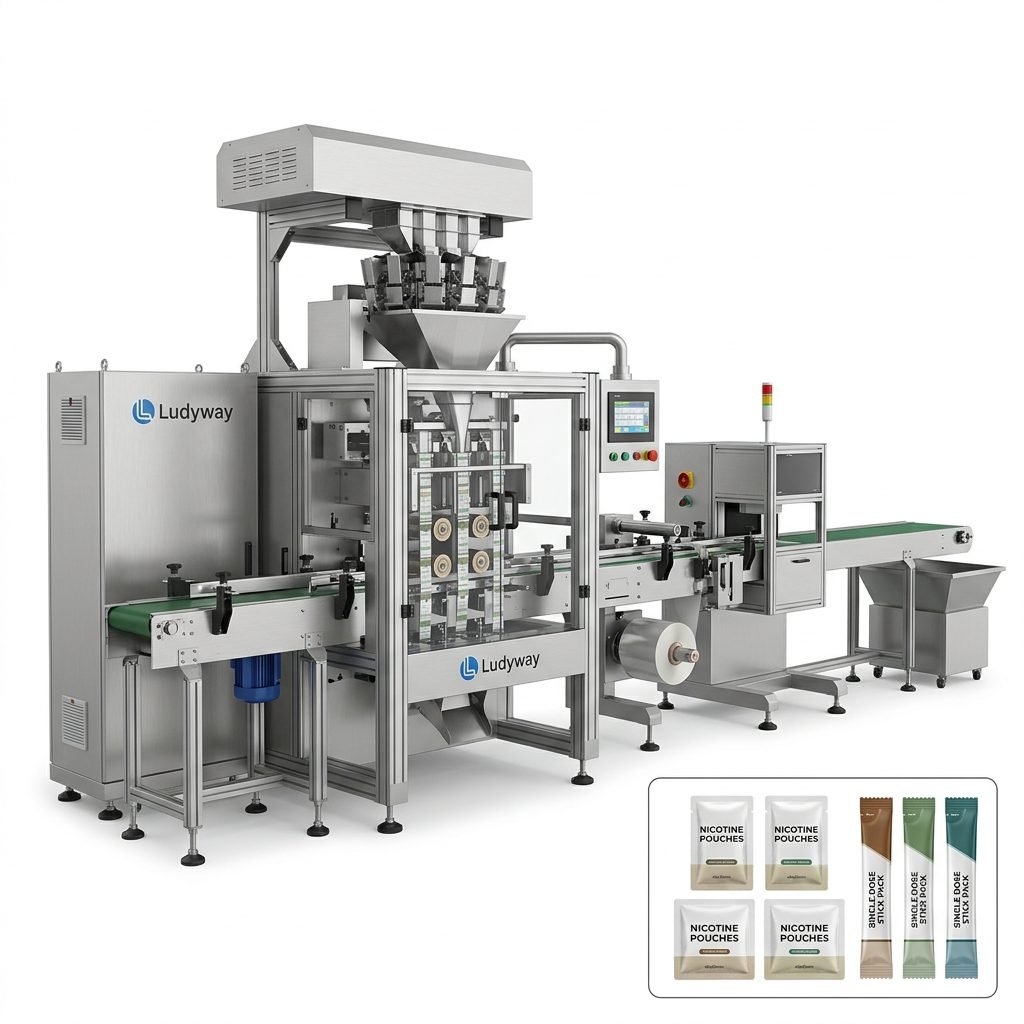
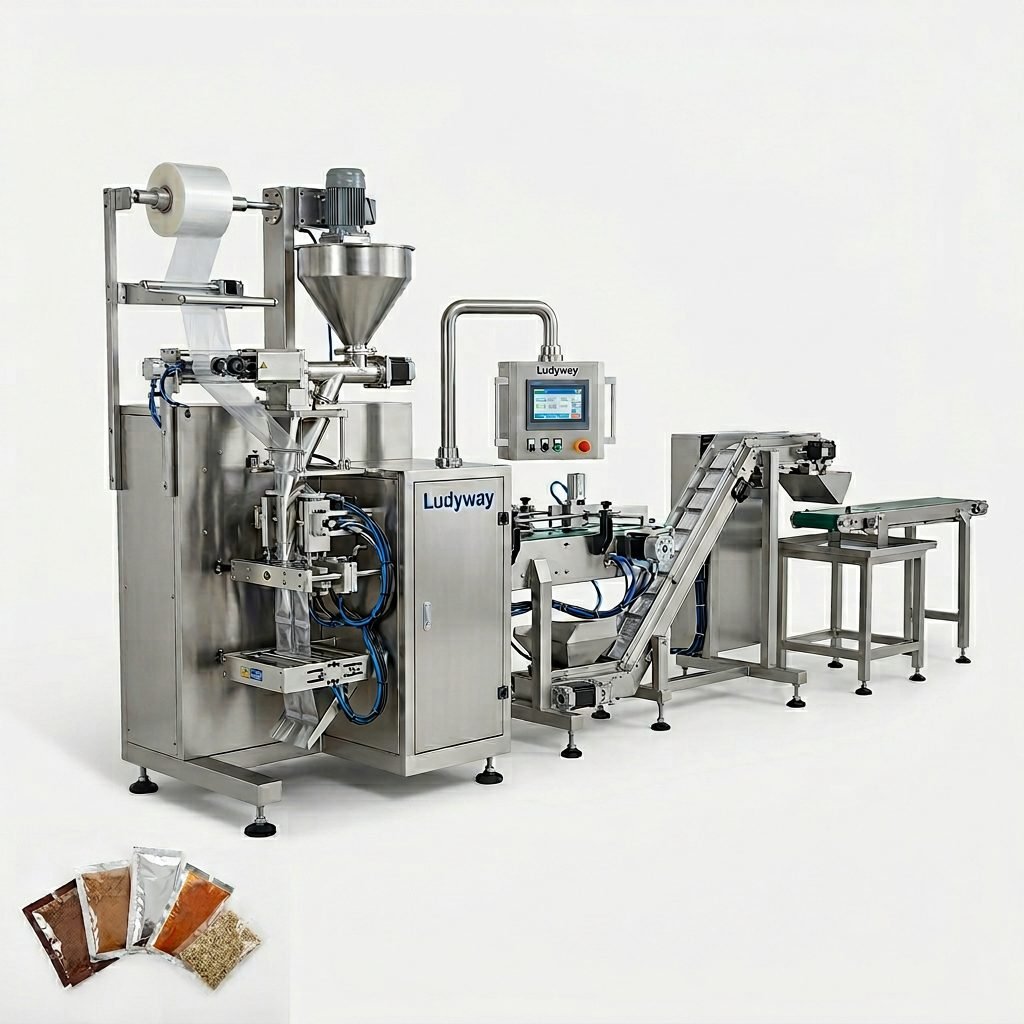
Choosing the right packaging machinery is a critical decision for any manufacturer. When it comes to protecting and presenting products in a flexible, pillow-style pouch, a Pillow Bag Packaging Machine, or flow wrap machine, is often the go-to solution. This guide will walk you through the essential factors to consider when selecting the best flow wrap solution for your specific products and production goals.
Understanding Pillow Bag Packaging Machines
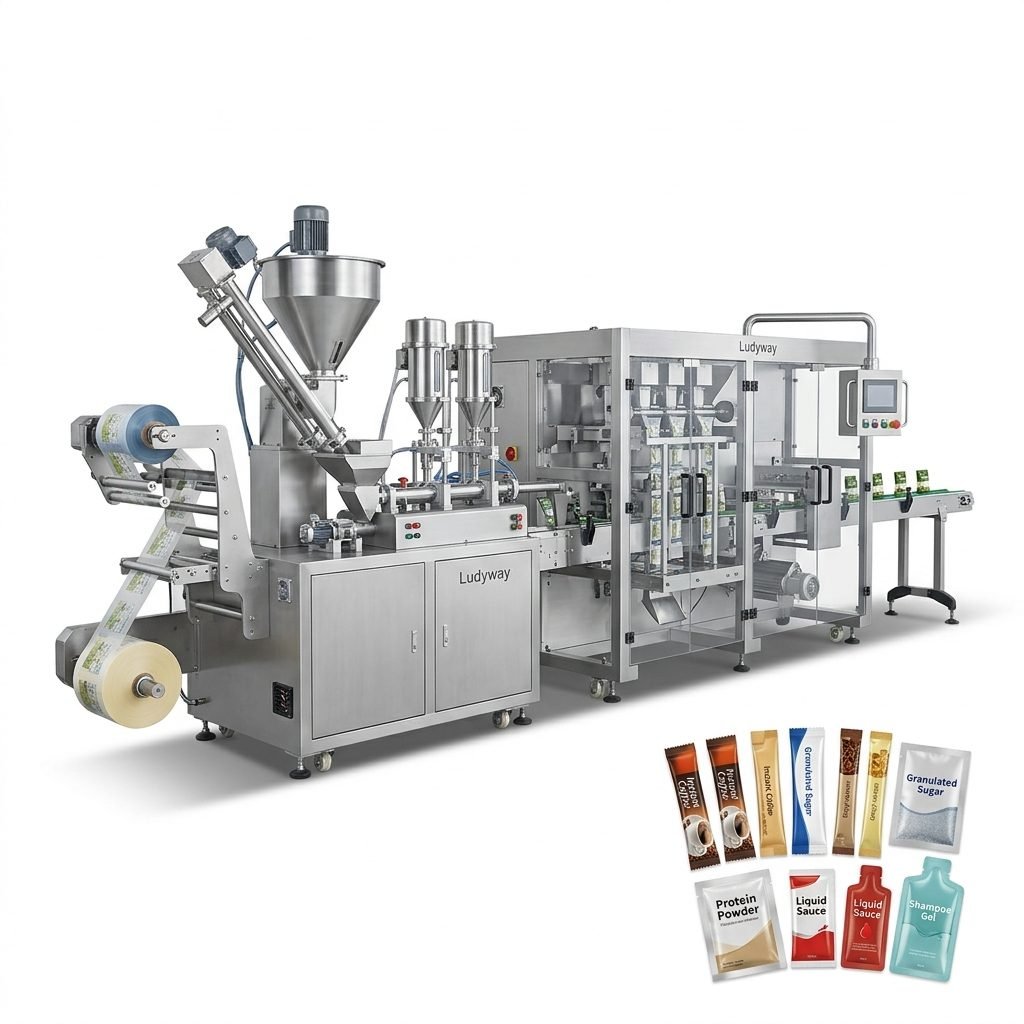
A pillow bag packaging machine forms a pouch from a roll of flexible film, fills it with your product, and then seals it with longitudinal and end seals, creating the characteristic “pillow” shape. This versatile packaging method is suitable for a vast array of items, from food snacks and hardware to pharmaceuticals and stationery.
Key Advantage: Flow wrapping is renowned for its high speed, efficiency, and excellent product presentation. It provides a good barrier against moisture and contaminants while allowing for clear branding and visibility.
Core Components of a Flow Wrap System
To make an informed choice, it helps to understand the machine’s main parts:
- Film Unwind & Tension System: Controls the feeding of the packaging film roll.
- Forming Collar: Shapes the flat film into a tube around the product.
- Longitudinal Sealer: Creates the continuous back seal of the pouch.
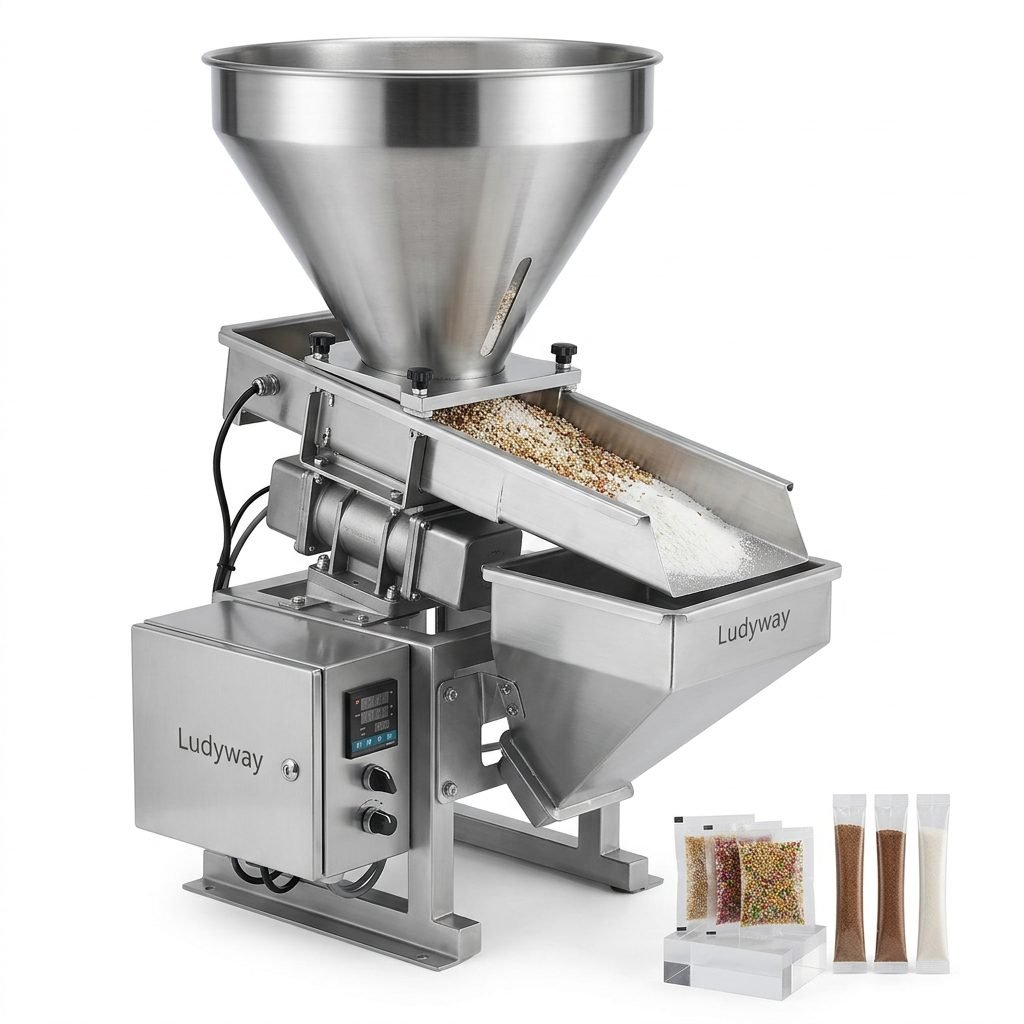
- Product Feeding System: Accurately places the product into the formed film tube. This can be a conveyor, auger, volumetric cup, or scale, depending on the product.
- End Sealers & Cut-off: Create the transverse seals at both ends of the pouch and cut the individual bags apart.
- Control System (PLC/HMI): The brain of the machine, allowing for parameter setting, monitoring, and troubleshooting.
How to Choose the Best Machine: A Step-by-Step Guide
Step 1: Analyze Your Product
Your product’s characteristics dictate the machine’s requirements.
- Physical State: Is it solid, granular, powder, or liquid? Granules and powders require specialized auger or weigh-fill systems, while solids use simple drop or push mechanisms.
- Size & Shape: The maximum and minimum pouch dimensions (length, width, depth) the machine must handle.
- Fragility: Delicate products like crackers need gentle handling systems.
- Packaging Material: Determine the type of film (e.g., OPP, PET, laminate) and its thickness. The machine must be compatible with your chosen material’s sealing properties.
Step 2: Define Your Production Requirements
Align the machine’s capabilities with your business needs.
Speed (Bags per Minute): Calculate your required output based on current and future demand. Don’t overpay for excessive speed you won’t use, but allow for some growth capacity.
Floor Space: Measure your available space. Horizontal flow wrappers typically have a smaller footprint than vertical form-fill-seal machines.
Changeover Frequency: If you run multiple products or bag sizes, look for machines with quick-change features for forming collars and sealers to minimize downtime.
Step 3: Evaluate Key Machine Features & Technology
Not all machines are created equal. Focus on features that impact reliability and quality.
- Sealing System: Heated sealers are standard. Look for precise temperature control and even heat distribution for consistent, strong seals.
- Drive System: Servo-driven machines offer superior accuracy, flexibility, and energy efficiency compared to mechanical cam-driven systems.
- Control & Interface: A user-friendly, intuitive touchscreen HMI simplifies operation and recipe storage.
- Safety & Construction: Robust stainless-steel or anodized aluminum frames ensure durability. Safety guards and interlocks are essential for operator protection.
Step 4: Consider Integration and Support
The machine is part of a larger system.
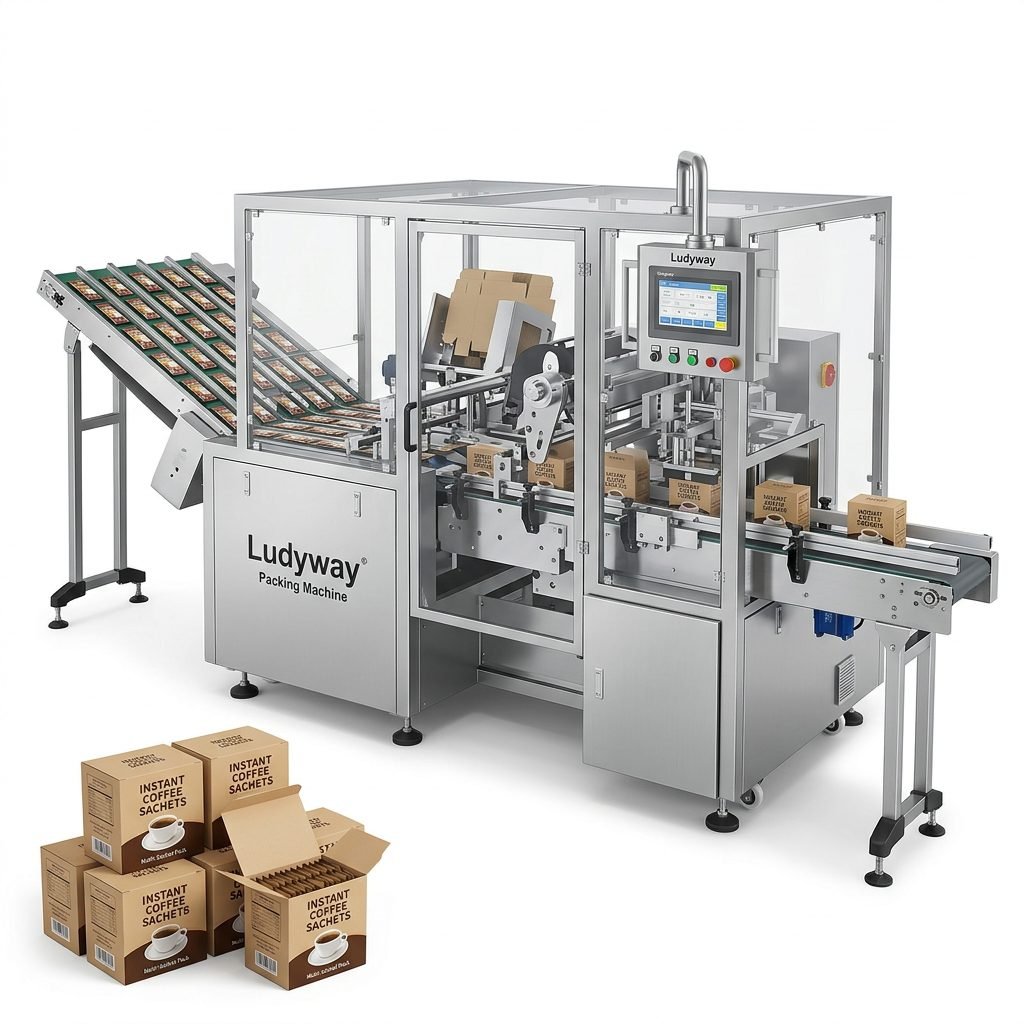
- Upstream/Downstream Integration: Can it connect to your existing feeders, conveyors, checkweighers, or cartoners? Modern packaging lines thrive on seamless integration.
- Supplier Reputation & Support: Choose a manufacturer with a proven track record. Reliable after-sales service, technical support, and availability of spare parts are crucial for minimizing long-term downtime.
- Customization: Does the supplier offer customized solutions for unique product shapes or special packaging features (e.g., hang holes, tear notches)?
Common Applications for Pillow Bag Machines
This technology is ubiquitous across industries:
- Food & Beverage: Snacks, candy, baked goods, frozen foods, pasta, coffee.
- Pharmaceutical & Healthcare: Blister packs, sachets for powders, medical device kits.
- Non-Food: Hardware (screws, nails), stationery, toys, promotional items.
Frequently Asked Questions (FAQs)
1. What is the main difference between a horizontal and vertical flow wrapper?
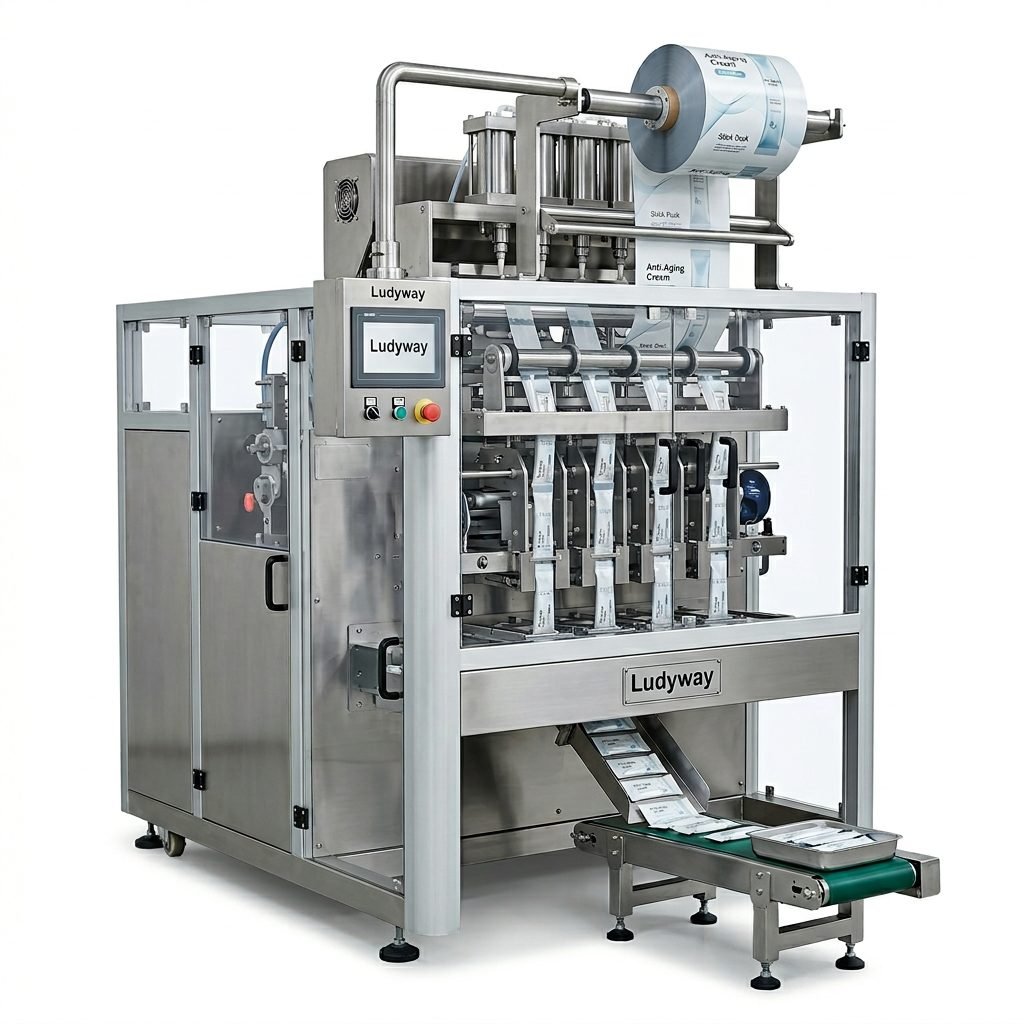
Horizontal flow wrappers (the classic pillow bag machine) form the bag around the product as it travels horizontally. They are ideal for solid, pre-formed items. Vertical form-fill-seal (VFFS) machines form the bag vertically and are typically used for granular, powdered, or liquid products that are poured into the bag.
2. How do I determine the right packaging film for my product?
The film choice depends on required barrier properties (moisture, oxygen, light), clarity, printability, and machinability. Consult with your film supplier and packaging machine manufacturer. They can recommend materials that seal well on your specific equipment and protect your product.
3. What maintenance does a pillow bag machine require?
Regular daily cleaning of sealers and product contact areas is essential. Periodic lubrication of moving parts (as per manual), inspection of wear parts like sealing jaws and cutting blades, and calibration of feeding systems ensure consistent performance and longevity.
4. Can one machine handle multiple, very different product sizes?
Yes, but with limitations. Machines with advanced servo drives and quick-change parts offer greater flexibility. However, extreme size differences (e.g., a small mint vs. a large toy) may require significant changeover time and part swaps, making dedicated lines more efficient for high-volume, disparate products.
5. What are the most common causes of packaging defects on a flow wrapper?
Common issues include weak or broken seals (incorrect temperature/pressure), misaligned product placement, film wrinkling (poor tension control), and inconsistent cut length. Most problems stem from incorrect machine settings, worn components, or unsuitable packaging film.