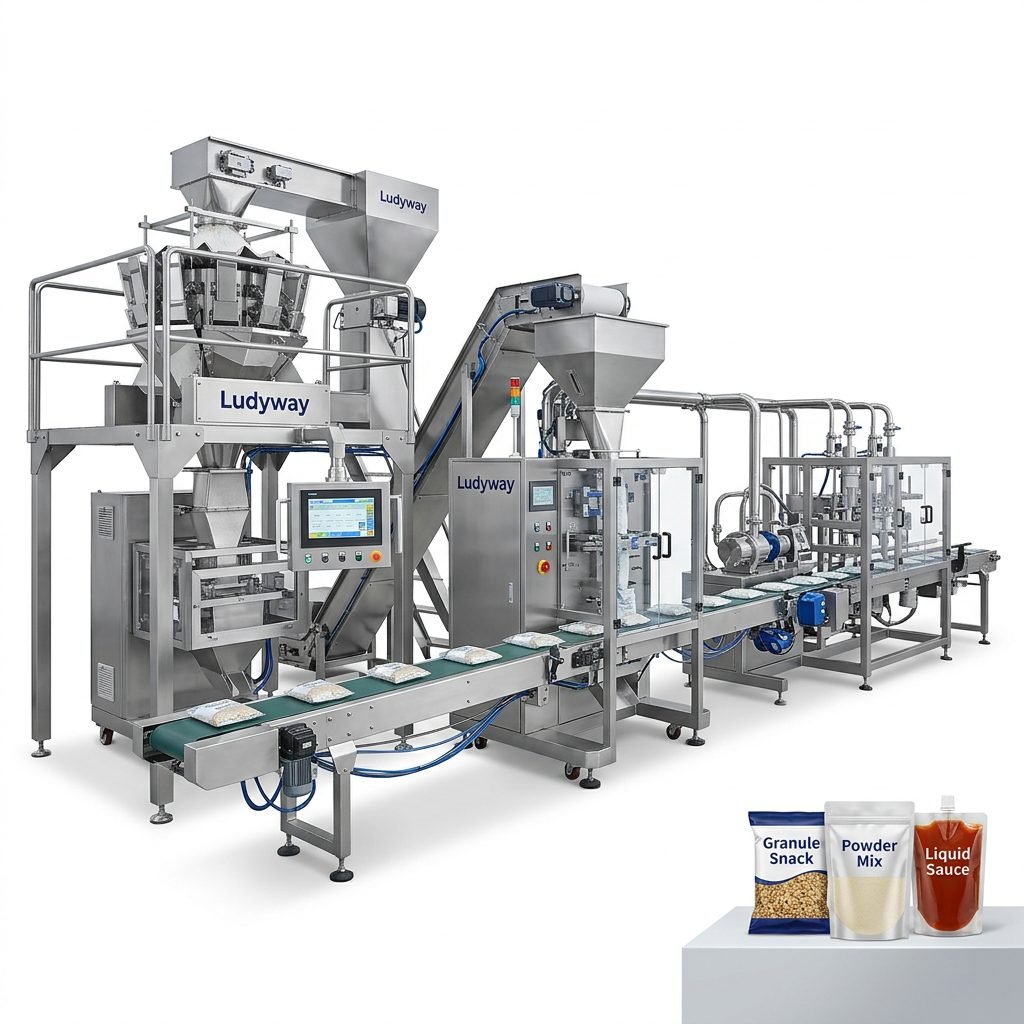
Yes, a packaging machine can absolutely connect to a checkweigher, and in many modern production environments, this is one of the most practical ways to improve packing accuracy, product compliance, and line efficiency. When these two machines work together, the packaging system not only fills and seals products, but also verifies that every finished pack meets the required weight range before it moves to the next step.
This combination is common in food, pharmaceutical, nutraceutical, cosmetic, chemical, and daily-use product lines. Whether you are packing sachets, stick packs, pouches, bottles, cartons, or bags, integrating a checkweigher after the packaging machine helps reduce underweight and overweight packs while supporting stable quality control.
What Does a Packaging Machine Do?
A packaging machine is responsible for preparing products for sale, storage, or transport. Depending on the product type, it may perform one or more of the following functions:
- Feeding the material into the system
- Measuring or dosing the required amount
- Filling pouches, sachets, bottles, jars, or bags
- Sealing the package
- Coding or labeling for traceability
- Discharging finished packs to downstream equipment
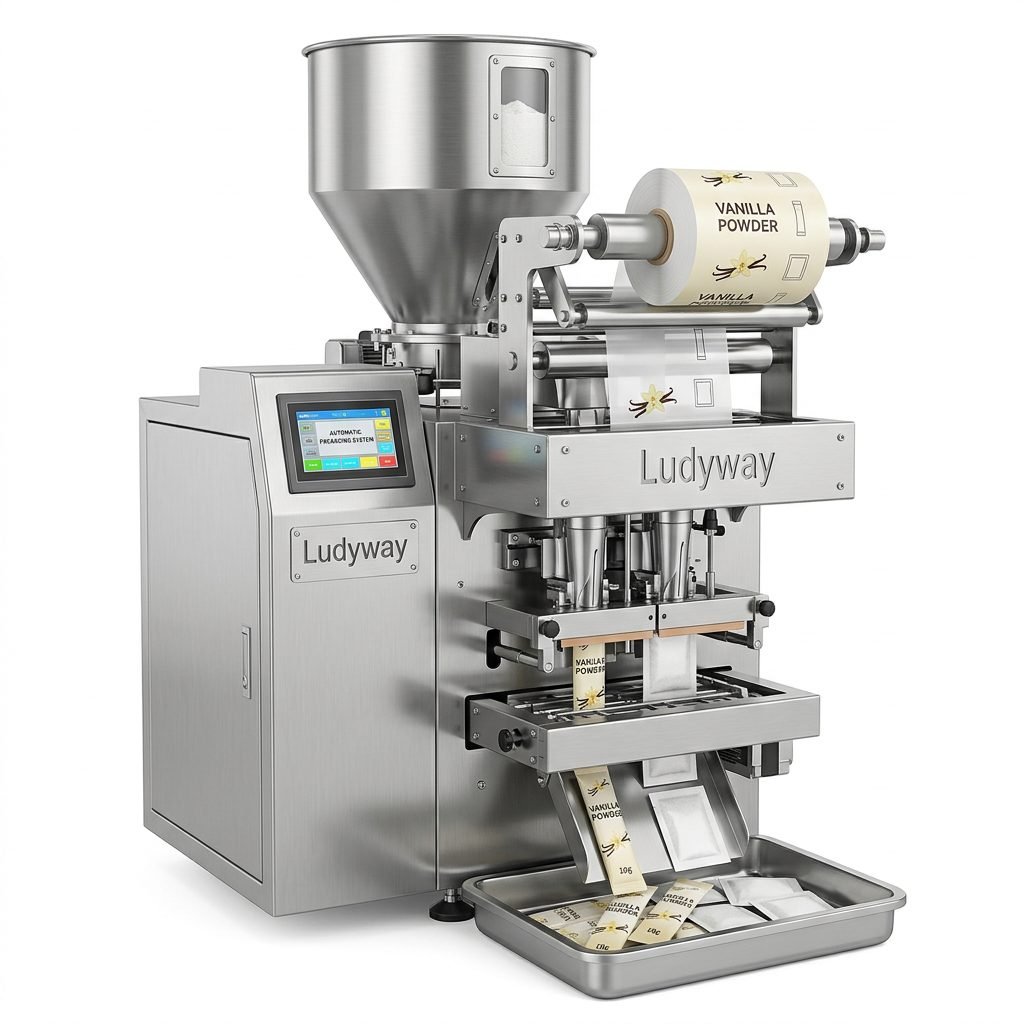
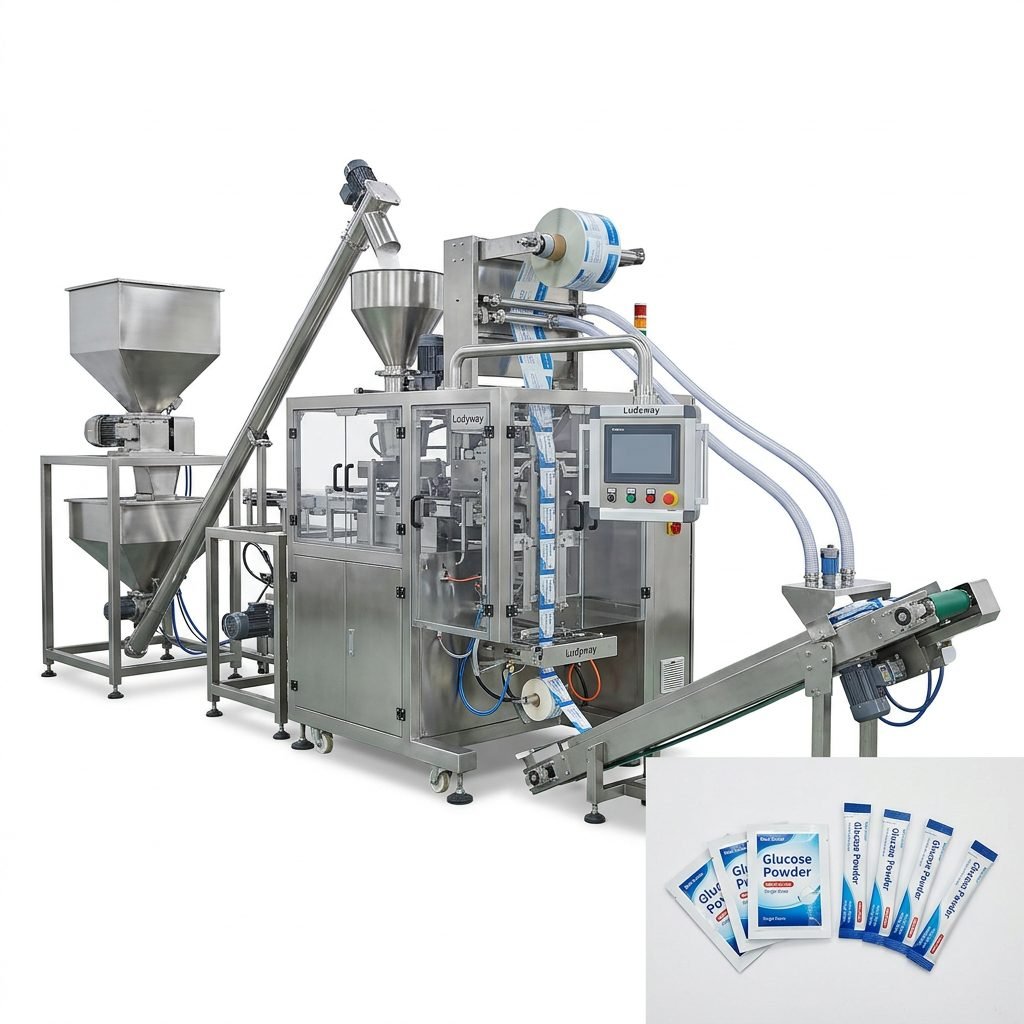
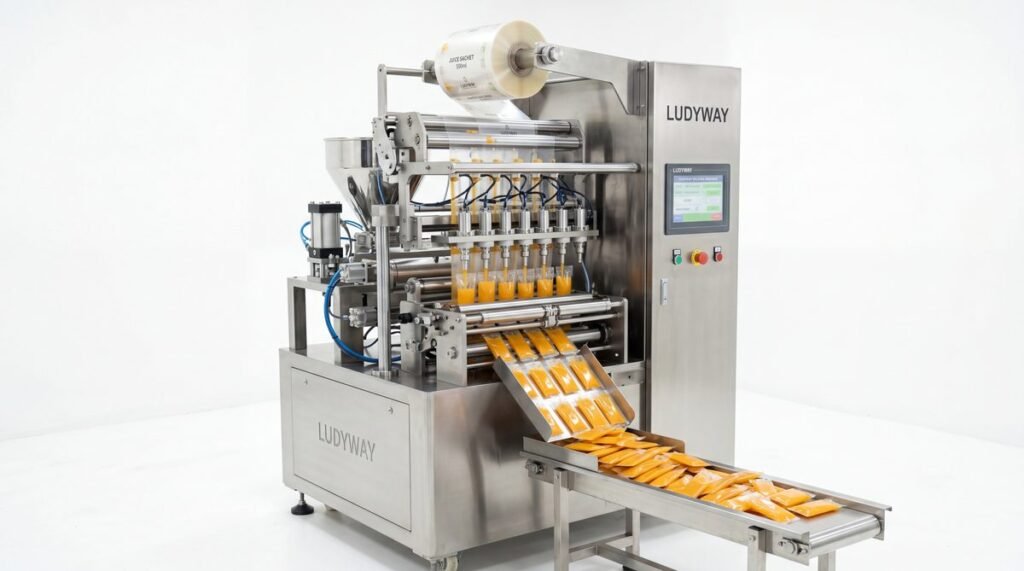
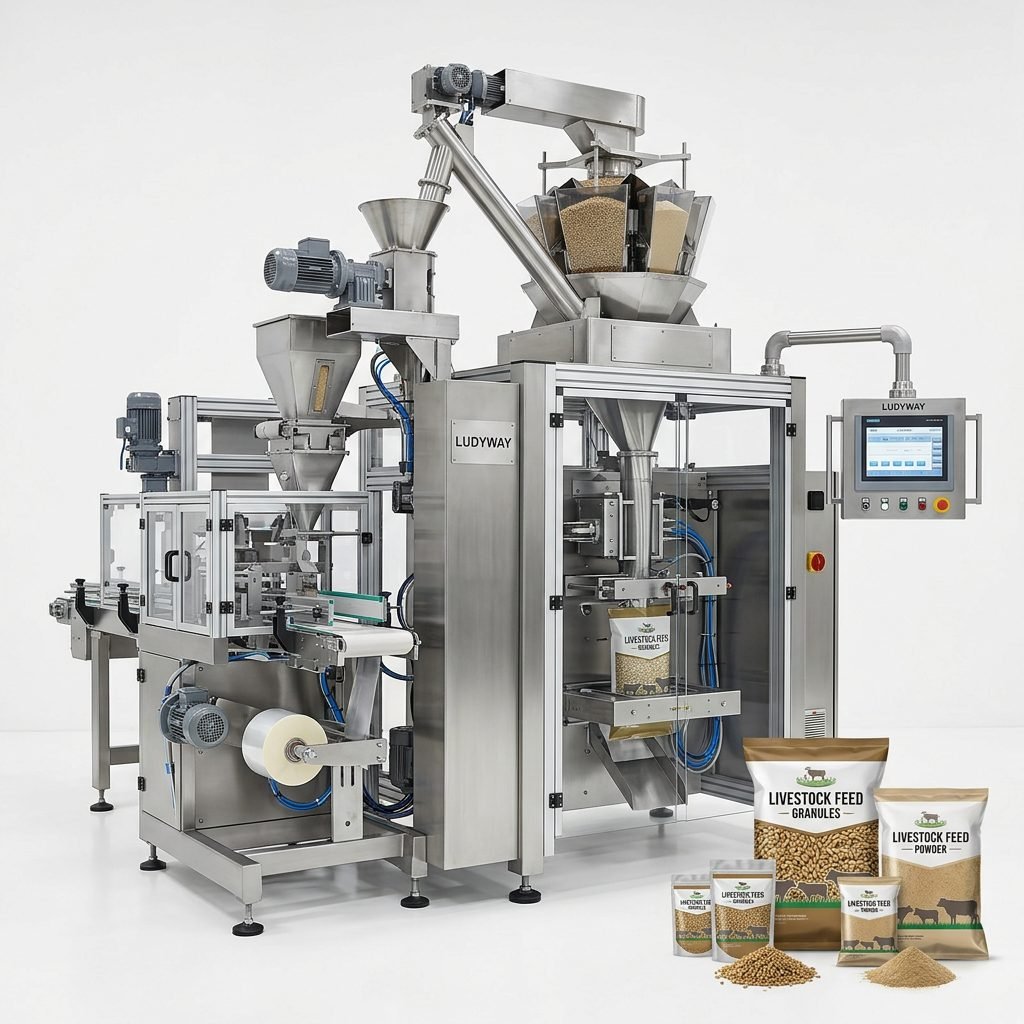
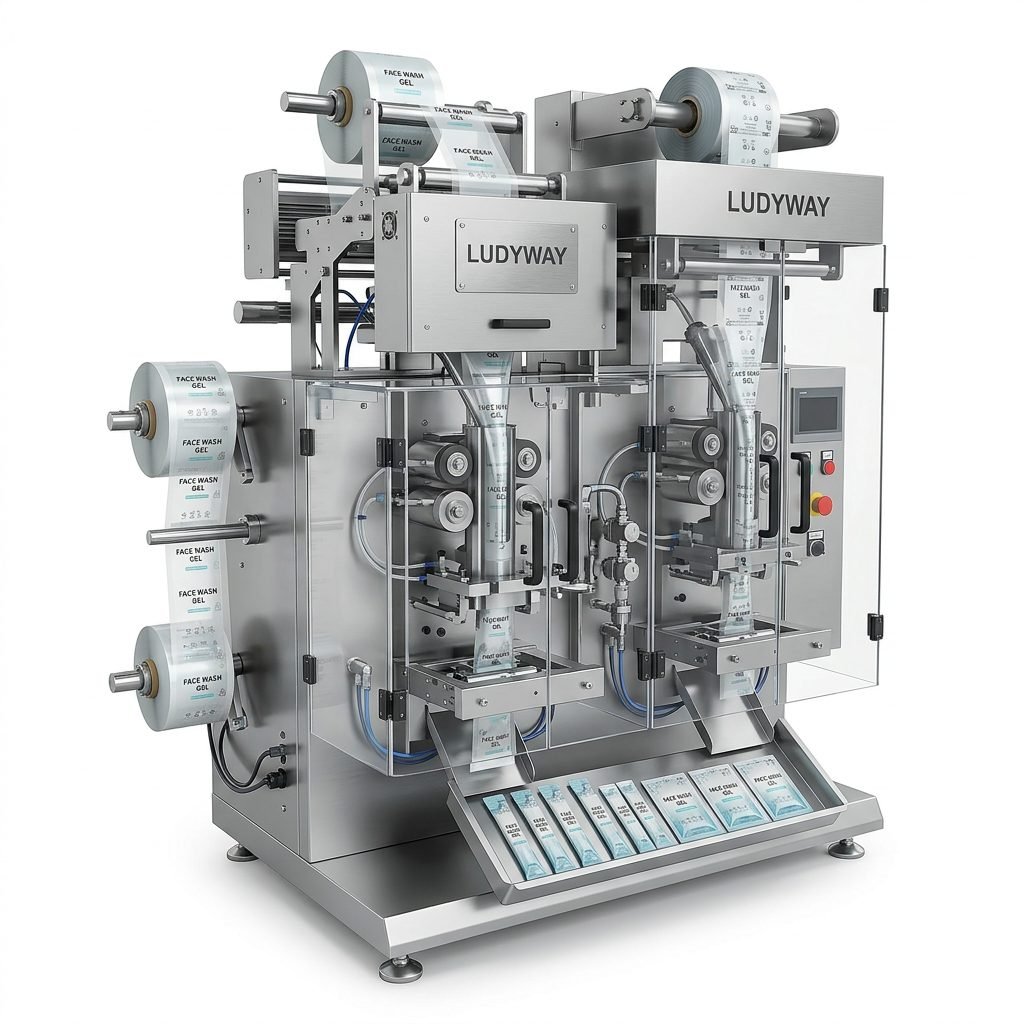
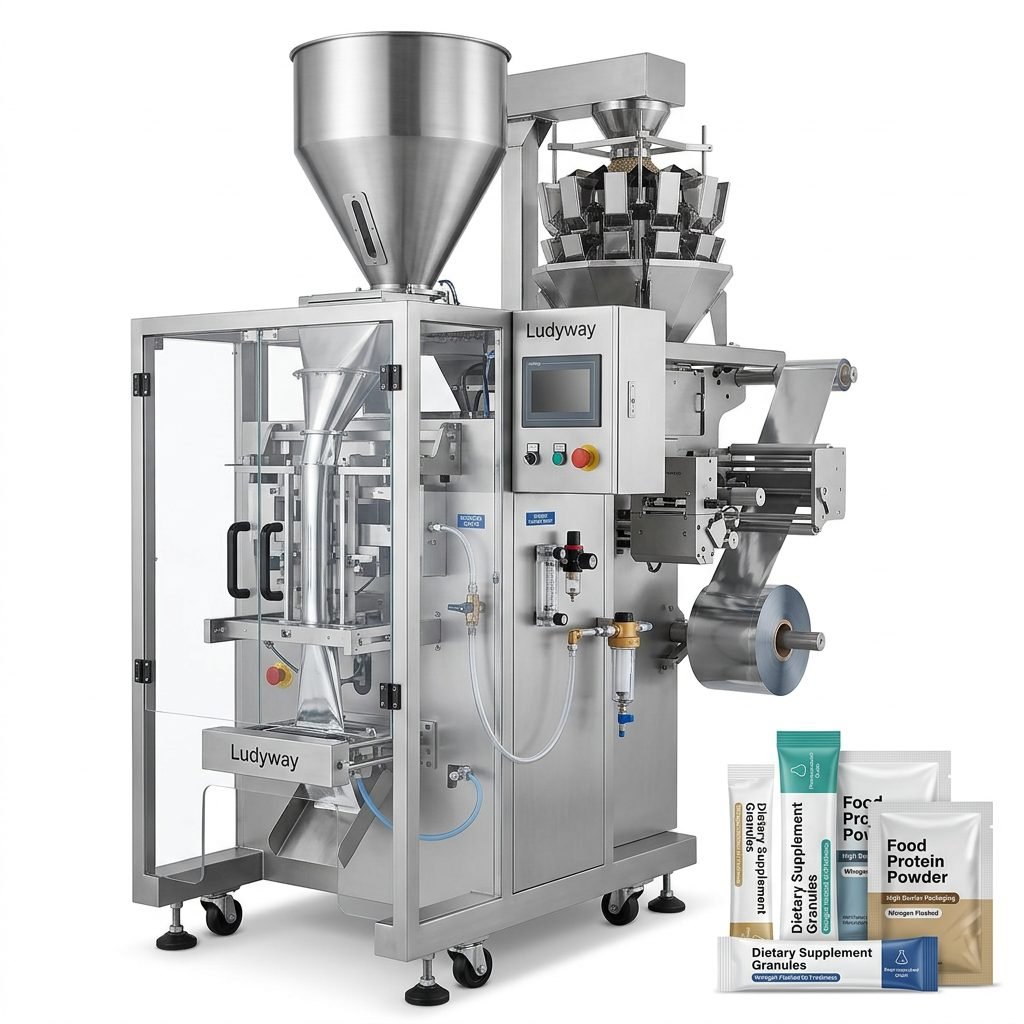
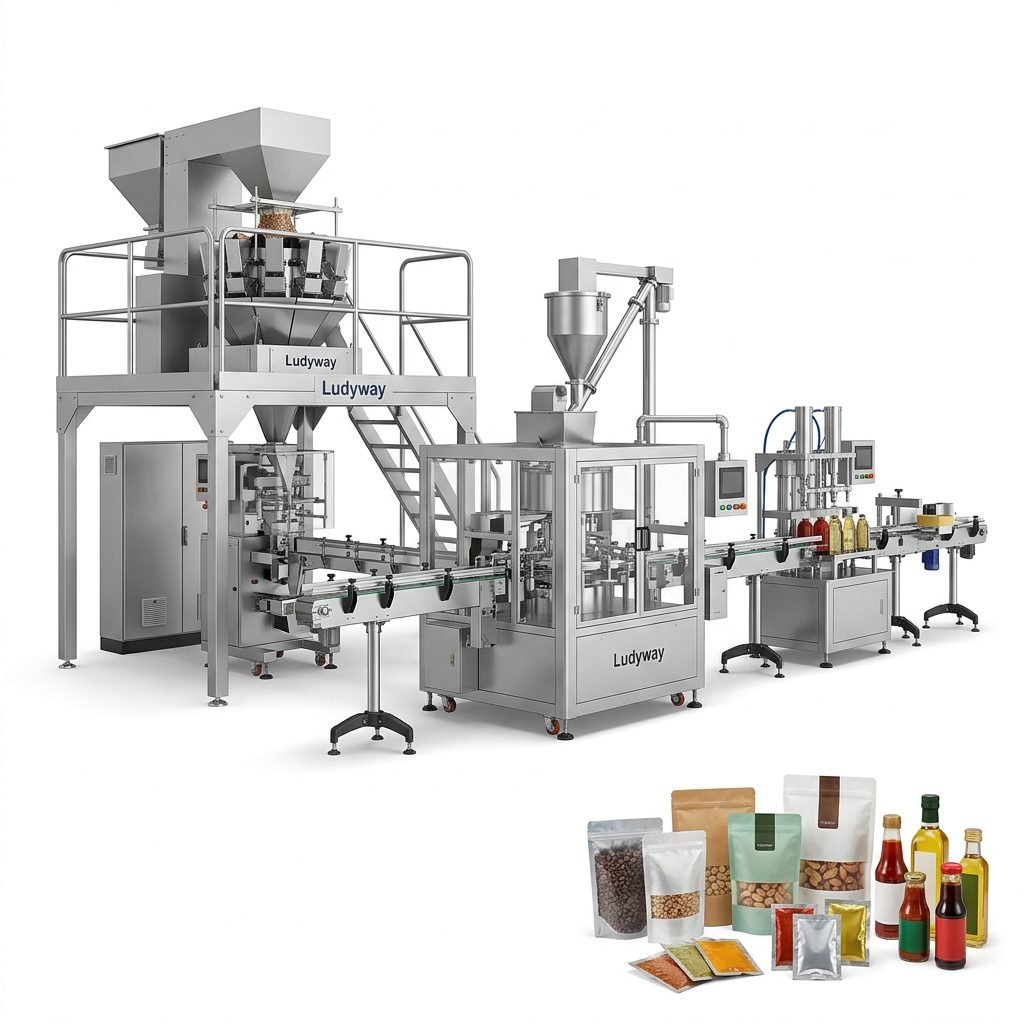
For example, a powder sachet machine measures powder into each sachet, seals it, and sends it onward. A liquid pouch machine fills liquid into pouches and seals them. A bottle filling line doses product into containers and may also cap and label them.
What Does a Checkweigher Do?
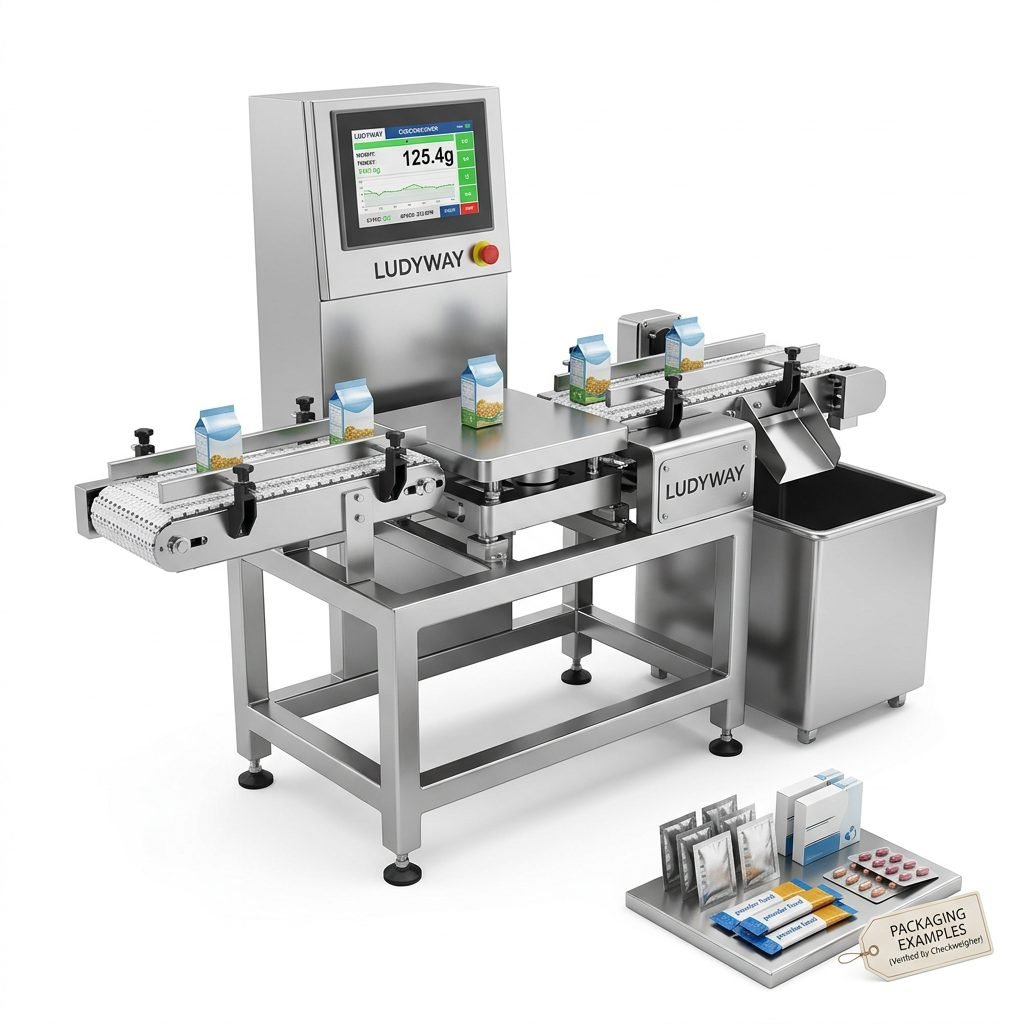
A checkweigher is an automatic inspection machine that measures the weight of each finished package while it moves on a conveyor. Its main purpose is to confirm that every pack is within the preset acceptable weight range.
If the package is too light or too heavy, the checkweigher can trigger a reject system to remove it from the line. This helps manufacturers maintain consistent pack quality and avoid customer complaints, regulatory issues, or product giveaway.
Typical checkweigher functions include:
- Real-time package weight measurement
- Automatic pass/fail judgment
- Rejecting out-of-spec products
- Collecting weight data for production analysis
- Supporting process optimization and quality records
How a Packaging Machine and Checkweigher Work Together
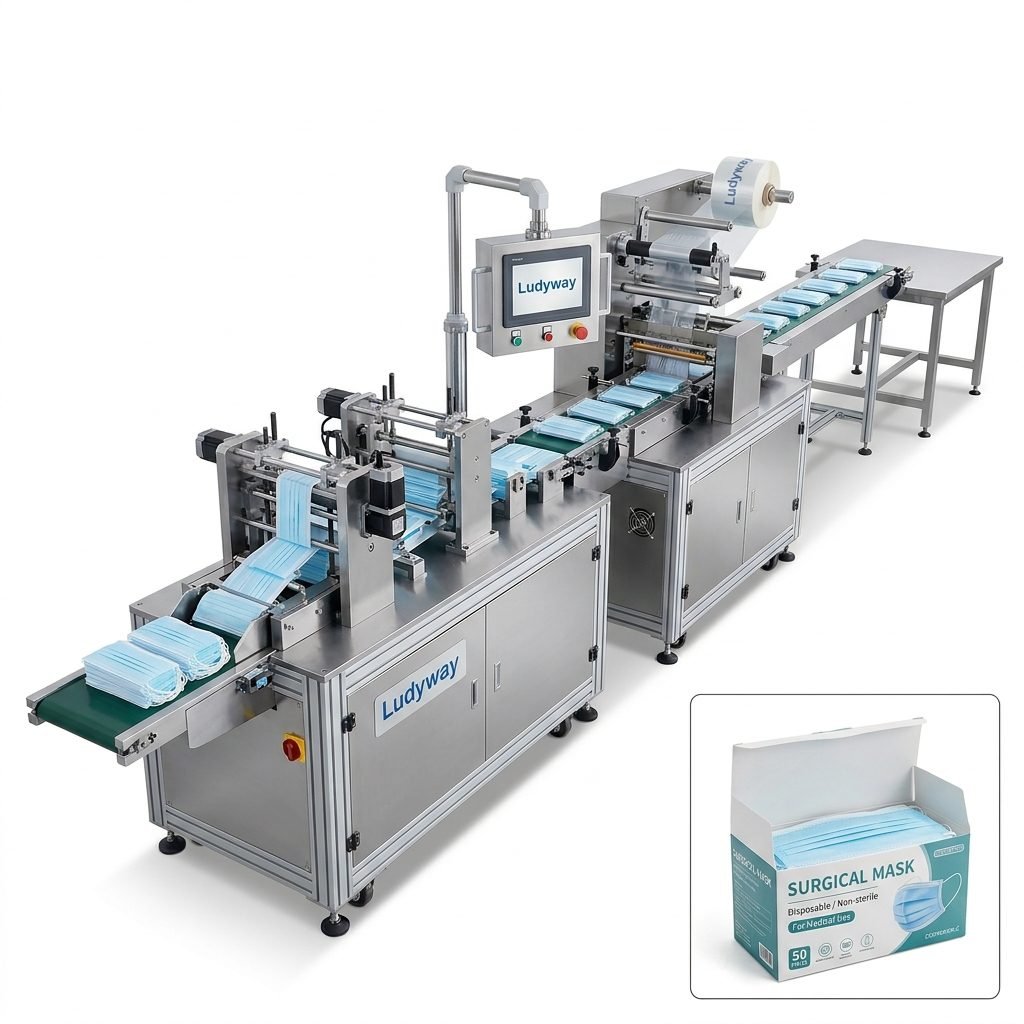
In an integrated production line, the packaging machine comes first, and the checkweigher is usually placed immediately after the packaging and sealing stage. Once the pack is formed and sealed, it moves onto the checkweigher conveyor for inspection.
- The packaging machine fills and seals the product.
- The finished pack transfers to the checkweigher.
- The checkweigher measures the actual pack weight.
- The system compares the result with the preset tolerance.
- Qualified packs continue downstream.
- Unqualified packs are automatically rejected.
This setup creates a closed quality control loop that verifies package accuracy after filling rather than relying only on filling settings.
Why Connect a Packaging Machine to a Checkweigher?
Connecting the two machines offers clear operational benefits. It is especially useful when the packed product must meet strict net content requirements or when even small weight variations can affect profitability.
| Benefit | How It Helps |
|---|---|
| Improved weight accuracy | Confirms actual package weight after filling and sealing |
| Reduced product giveaway | Helps avoid overfilling that wastes raw materials |
| Lower risk of underweight packs | Protects brand reputation and supports compliance |
| Better quality control | Provides measurable inspection data for every pack |
| Higher automation | Reduces manual weight checking and human error |
| Easier line optimization | Weight trends can reveal filling issues early |
Can the Checkweigher Communicate with the Packaging Machine?
Yes. In many advanced systems, the checkweigher does more than just inspect. It can also communicate with the packaging machine or the central line control system. This communication allows the line to respond when weight drift appears.
Examples of communication functions:
- Sending alarms when repeated underweight packs are detected
- Providing feedback to adjust filling parameters
- Stopping the line if rejection rates exceed limits
- Transmitting production data to MES or factory monitoring systems
This kind of integration is especially valuable in high-speed lines where small dosing variations can quickly affect a large number of packs.
Common Products That Use This Combination
A packaging machine connected to a checkweigher is suitable for many industries and product types, including:
Food Products
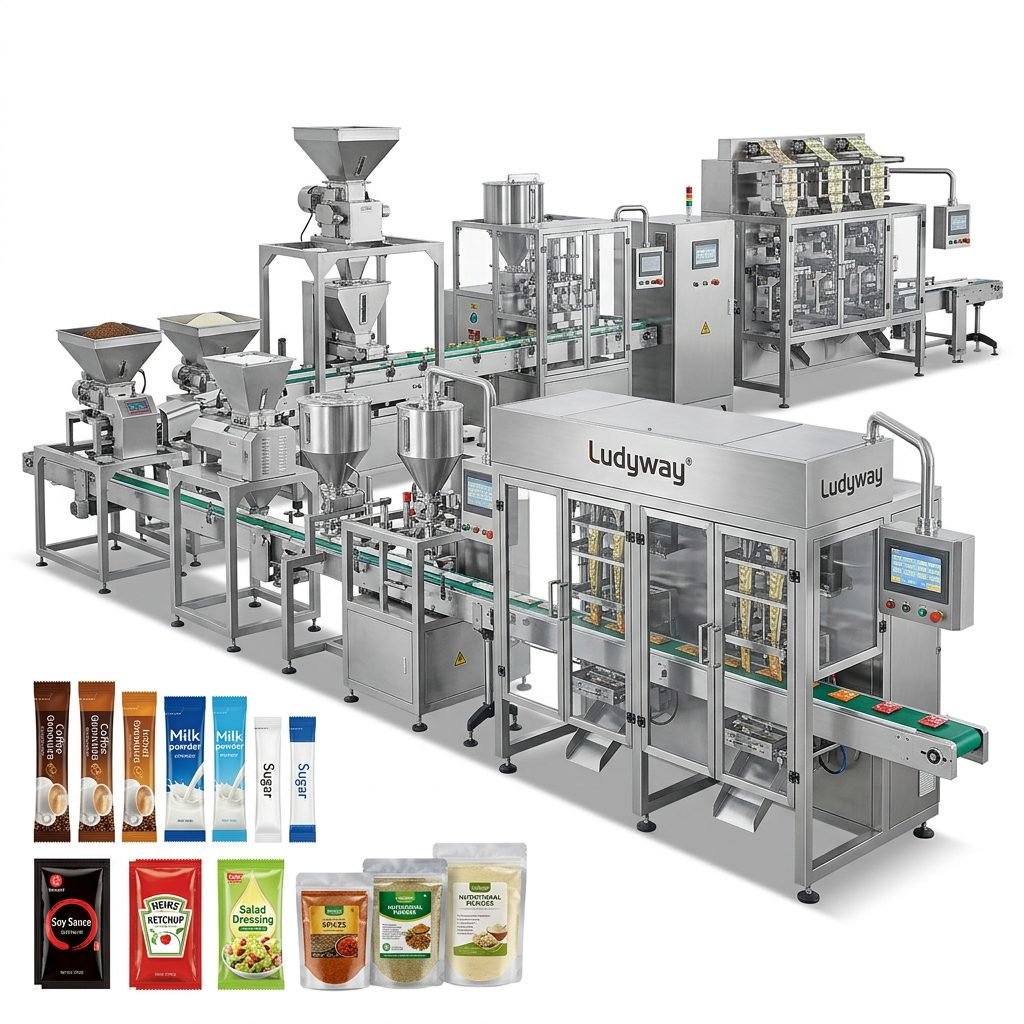
- Coffee, milk powder, protein powder, seasoning powder
- Sugar, salt, grains, nuts, seeds, snack granules
- Sauces, oils, dressings, beverages, instant food packs
Pharmaceutical and Health Products
- Sachets of granules or powders
- Tablets, capsules, oral liquids
- Supplement powders and nutraceutical formats
Cosmetic and Daily Chemical Products
- Shampoo, lotion, cream, serum, hand sanitizer
- Detergents, cleaners, household chemical sachets
Industrial and Agricultural Products
- Fertilizer granules, additives, small hardware packs
- Seeds, feed products, powdered chemicals
Key Integration Points to Consider
To connect a packaging machine and a checkweigher successfully, the system should be planned as one production flow rather than as separate machines placed together.
Important factors include:
- Product type and package format: sachet, stick pack, pouch, bottle, carton, or bag
- Line speed: the checkweigher must match or exceed packaging output
- Package stability: products must move smoothly on the conveyor for accurate weighing
- Weight range and tolerance: inspection sensitivity must fit the target product
- Reject method: air blast, pusher, drop flap, diverter, or other system
- Data integration: optional connection with HMI, PLC, or factory software
- Cleanability and compliance: especially important in food and pharma lines
Packaging Machine vs. Checkweigher: Different Roles, One Goal
| Machine | Main Role | Result |
|---|---|---|
| Packaging Machine | Fill, form, seal, and package the product | Creates the finished pack |
| Checkweigher | Inspect the actual weight of each finished pack | Confirms pack compliance and removes rejects |
The packaging machine produces the pack, while the checkweigher verifies its quality. Together, they create a more reliable and efficient packaging process.
When Is This Setup Especially Important?
Although many lines benefit from checkweighing, it becomes especially important in the following situations:
- High-speed production where manual sampling is not enough
- Products with strict legal net weight requirements
- Expensive ingredients where overfill directly reduces profit
- Pharmaceutical or supplement products needing tighter process control
- Export-oriented production where buyers expect documented quality assurance
In these cases, a connected checkweigher can significantly improve consistency and traceability.
Choosing the Right Integrated Solution
When selecting equipment, it is better to evaluate the full packaging workflow instead of buying only a standalone filler or only a checkweigher. The most effective solution depends on product behavior, package size, desired output, factory layout, and quality standards.
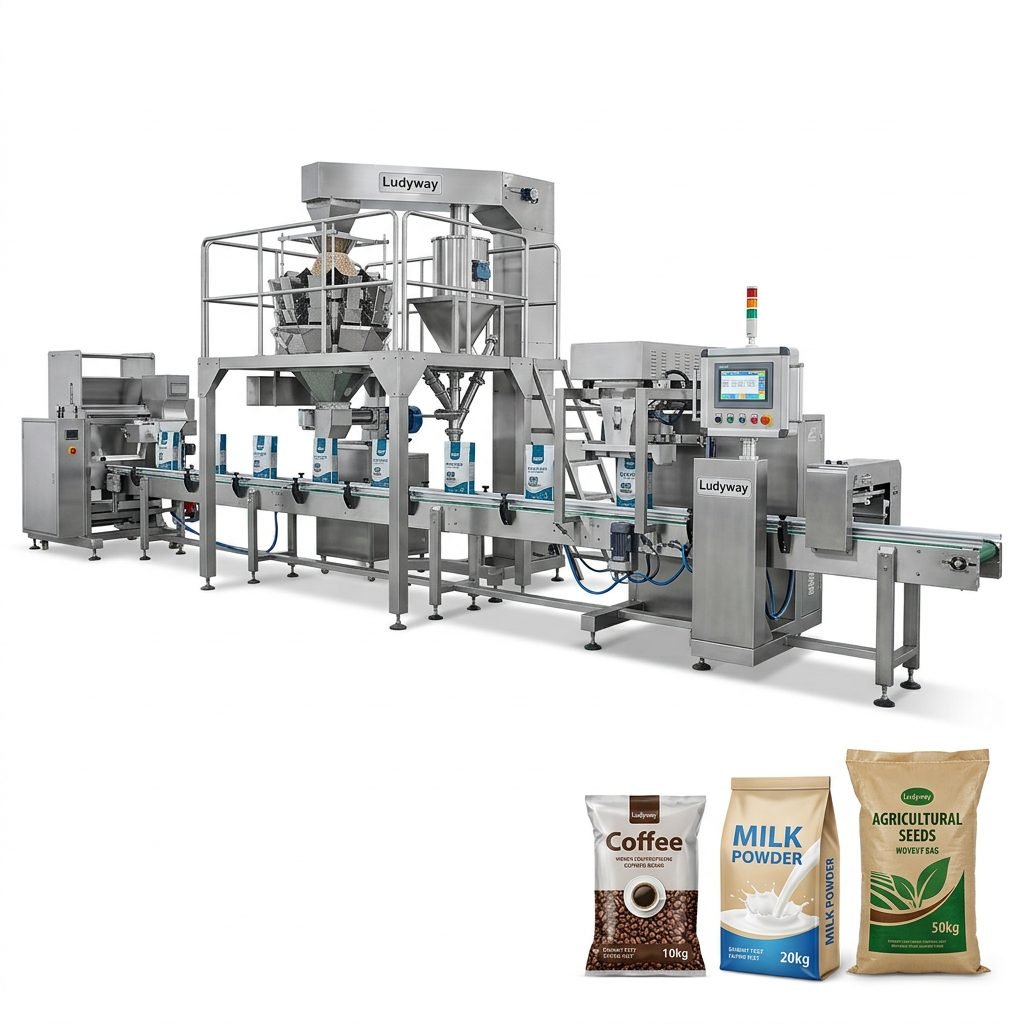
Manufacturers looking for integrated systems often work with experienced suppliers that can provide both standalone machines and turnkey line planning. Ludyway packaging machine solutions are widely used in food, pharmaceutical, health supplement, cosmetic, and related industries, with flexible options for complete automated lines that can include weighing, filling, sealing, inspection, and end-of-line equipment.
Final Answer
A packaging machine can definitely connect to a checkweigher, and this combination is one of the best ways to achieve accurate packing, lower waste, and stronger quality control. The packaging machine handles filling and sealing, while the checkweigher verifies each finished pack and removes any that fall outside the target range. For companies that want more precise, automated, and dependable production, these two machines are a highly effective match.