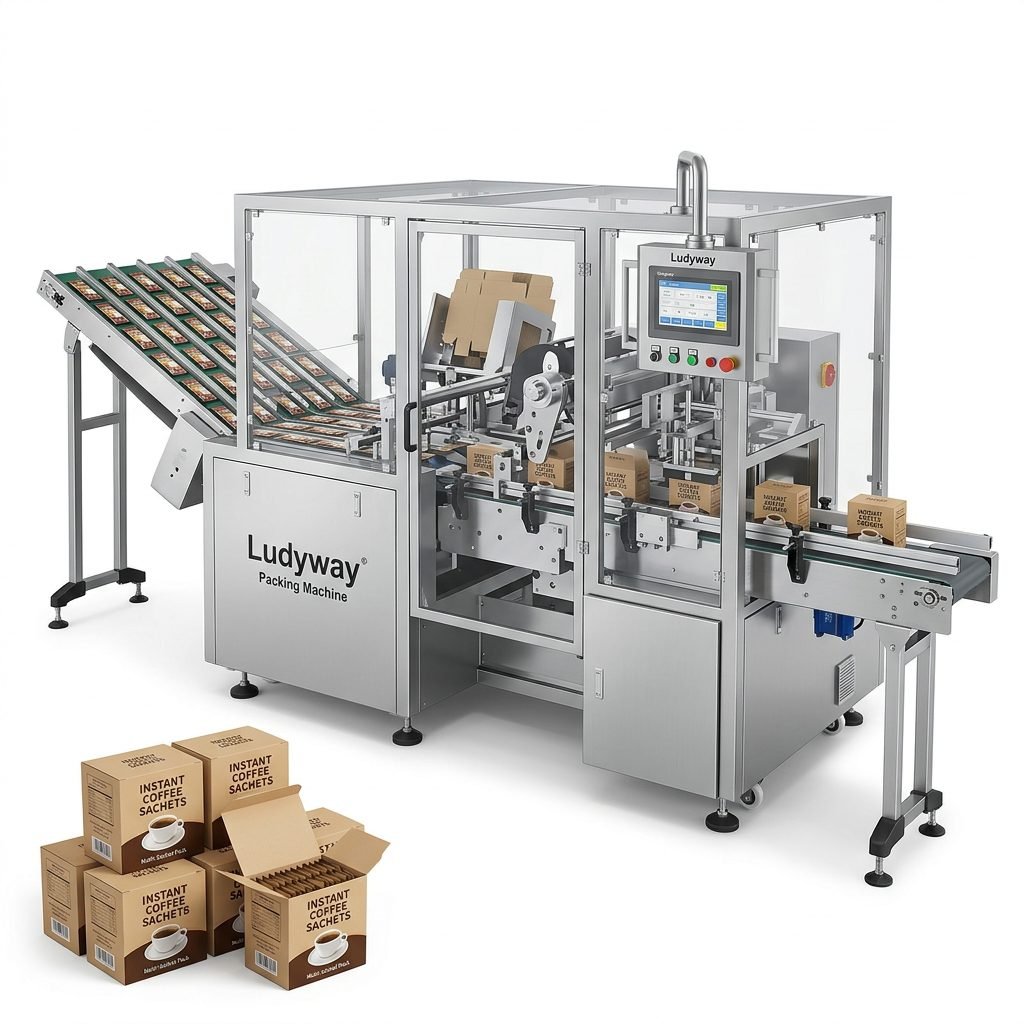
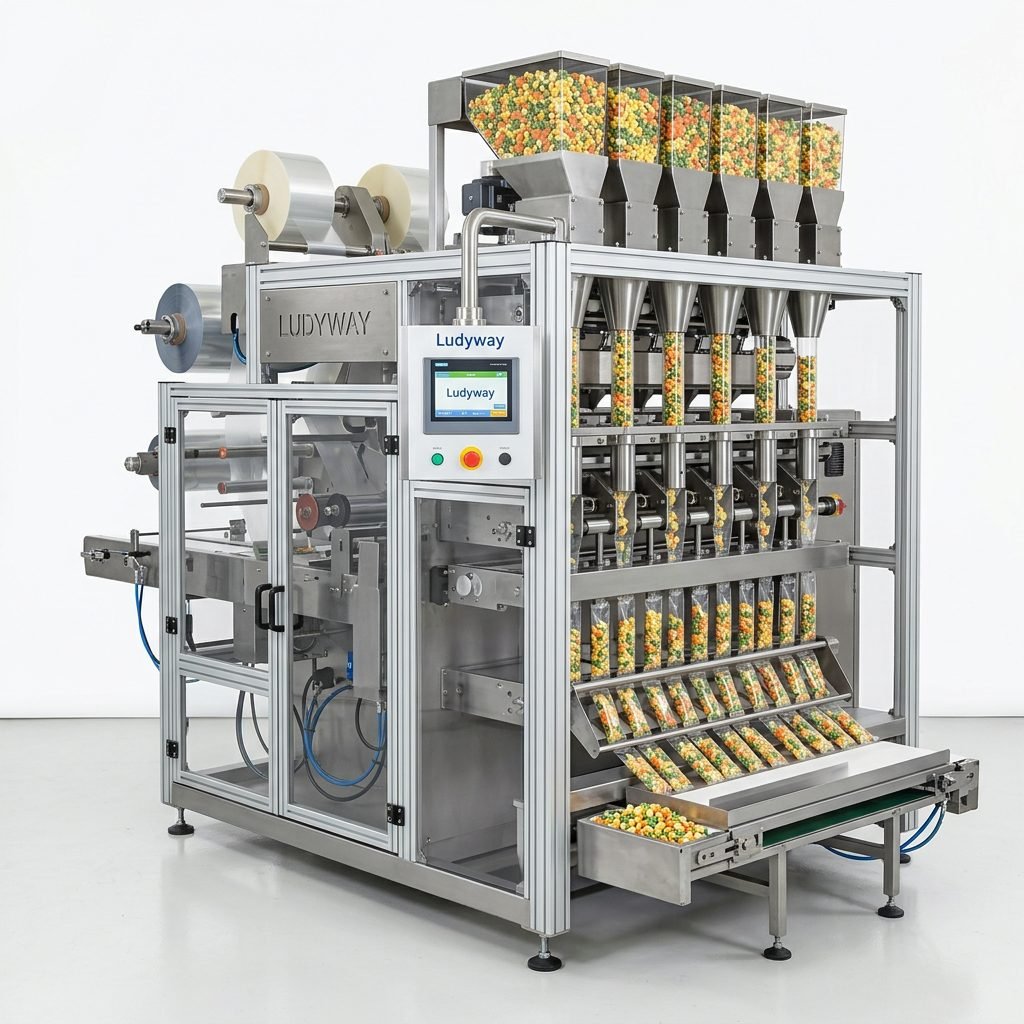
Peanut butter is a dense, sticky, oil-rich product that requires accurate filling, reliable sealing, and hygienic handling throughout the packaging process. For food manufacturers, co-packers, and private-label brands, choosing the right peanut butter packing machine is essential for improving output, reducing waste, and delivering consistent pack quality.
A modern peanut butter packaging solution is not just about putting product into a pouch or sachet. It must control flow behavior, maintain portion precision, avoid leakage, protect flavor and texture, and support efficient downstream packing. Whether you produce single-serve sachets, stick packs, pouches, or retail units, the right machine configuration can significantly improve productivity.
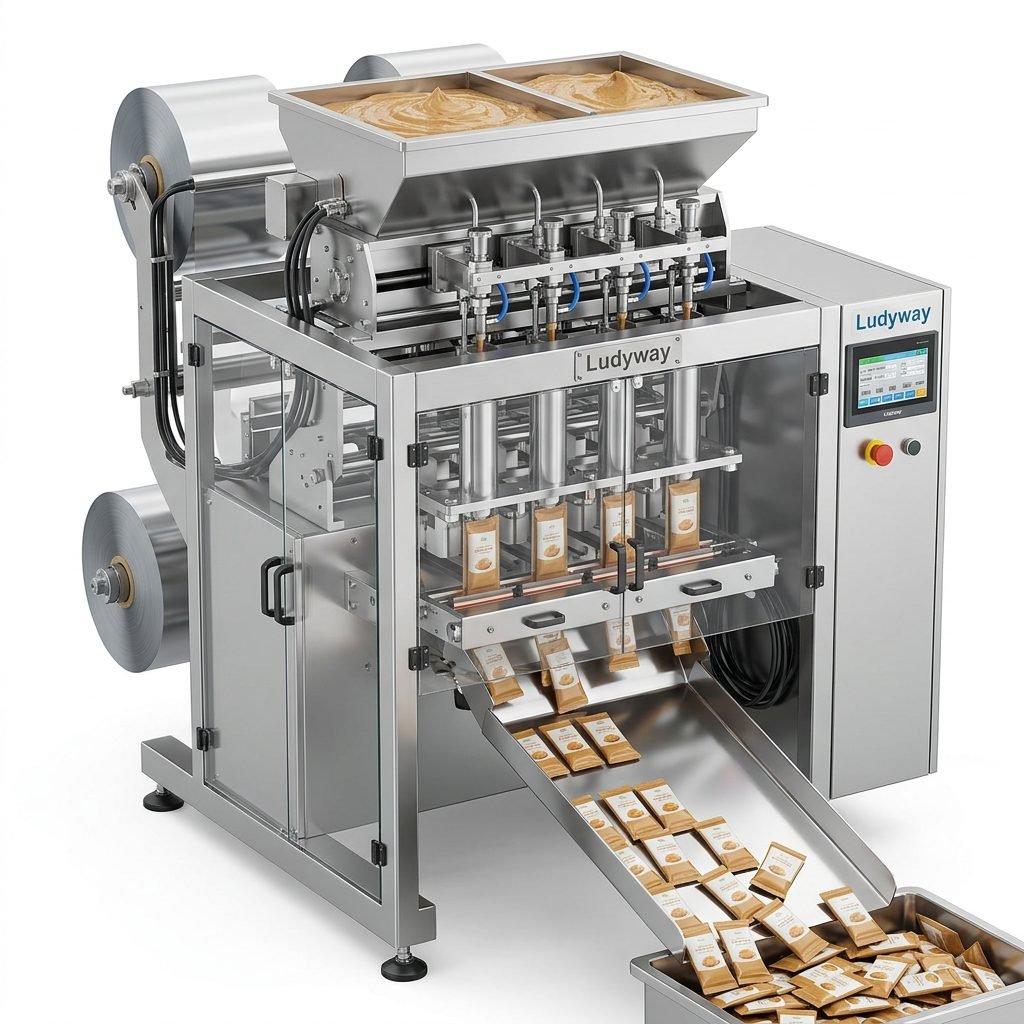
Why Peanut Butter Packaging Requires Specialized Equipment
Peanut butter behaves differently from free-flowing liquids. Its viscosity can vary depending on oil content, grind size, formulation, sugar level, and temperature. Because of this, manufacturers need packaging equipment designed for thick paste products rather than general-purpose liquid filling alone.
- Stable dosing: Prevents underfilling and overfilling.
- Clean sealing area: Reduces contamination on seal jaws.
- Temperature-compatible transfer: Helps maintain smooth product flow.
- Anti-drip performance: Minimizes product loss and machine downtime.
- Food-grade construction: Supports sanitation and compliance.
If these factors are not controlled well, common issues include inaccurate fill weights, pouch leakage, poor seal appearance, material waste, and production stoppages.
Core Functions of a Peanut Butter Packing Machine
An efficient peanut butter packing machine typically integrates several functions into one coordinated system. These functions work together to support smooth and repeatable production.
| Function | Purpose | Benefit |
|---|---|---|
| Product feeding | Transfers peanut butter from hopper or tank to filler | Ensures stable supply |
| Volumetric or servo dosing | Measures exact quantity per pack | Improves fill consistency |
| Forming or pouch handling | Creates or presents packaging material | Supports multiple pack styles |
| Sealing | Closes sachet, stick pack, or pouch securely | Prevents leakage and contamination |
| Coding and marking | Adds batch, date, or traceability data | Supports compliance and tracking |
| Discharge and collection | Outputs finished packages to conveyor/cartoning | Improves line efficiency |
Popular Packaging Formats for Peanut Butter
The best machine depends heavily on your target packaging format, production speed, and sales channel.
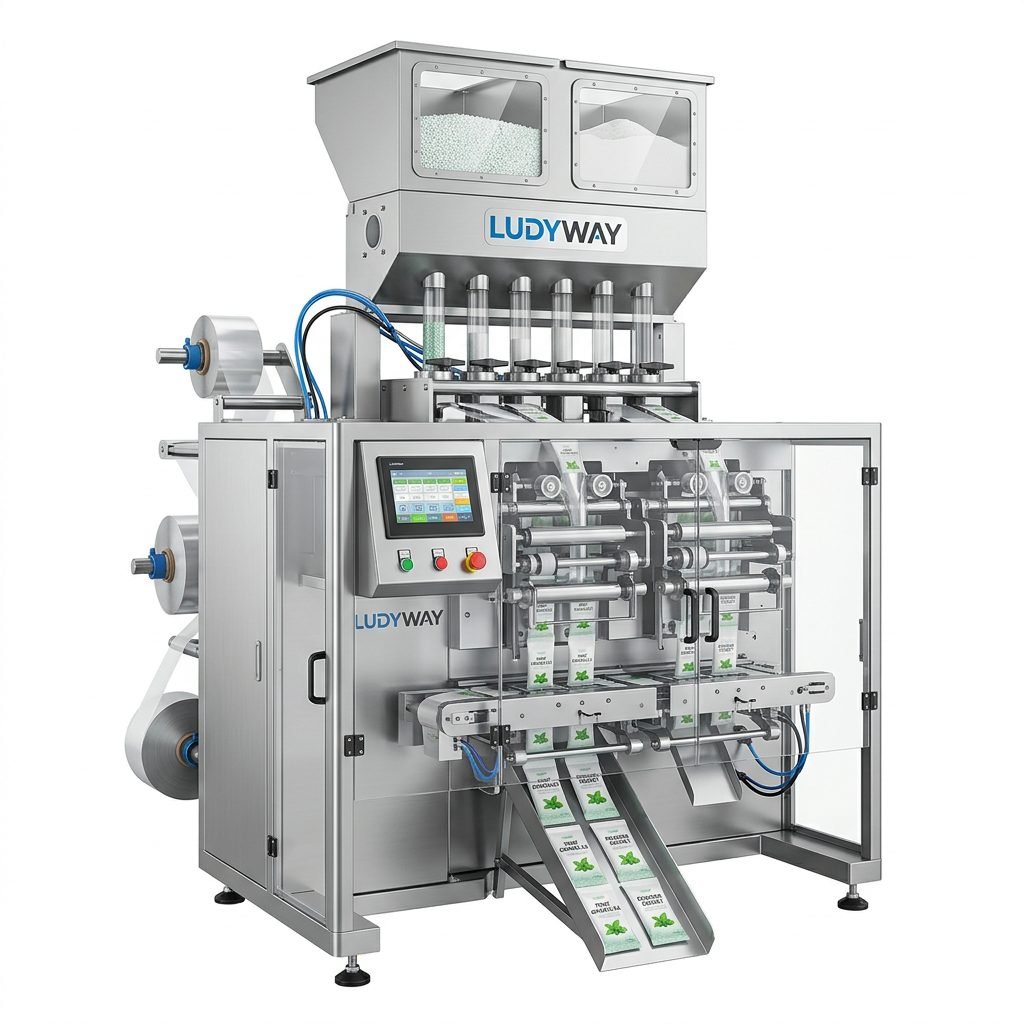
1. Sachets
Sachets are ideal for portion packs, hotel supplies, airline catering, sampling, school meals, and retail multipacks. They offer convenience and controlled serving sizes.
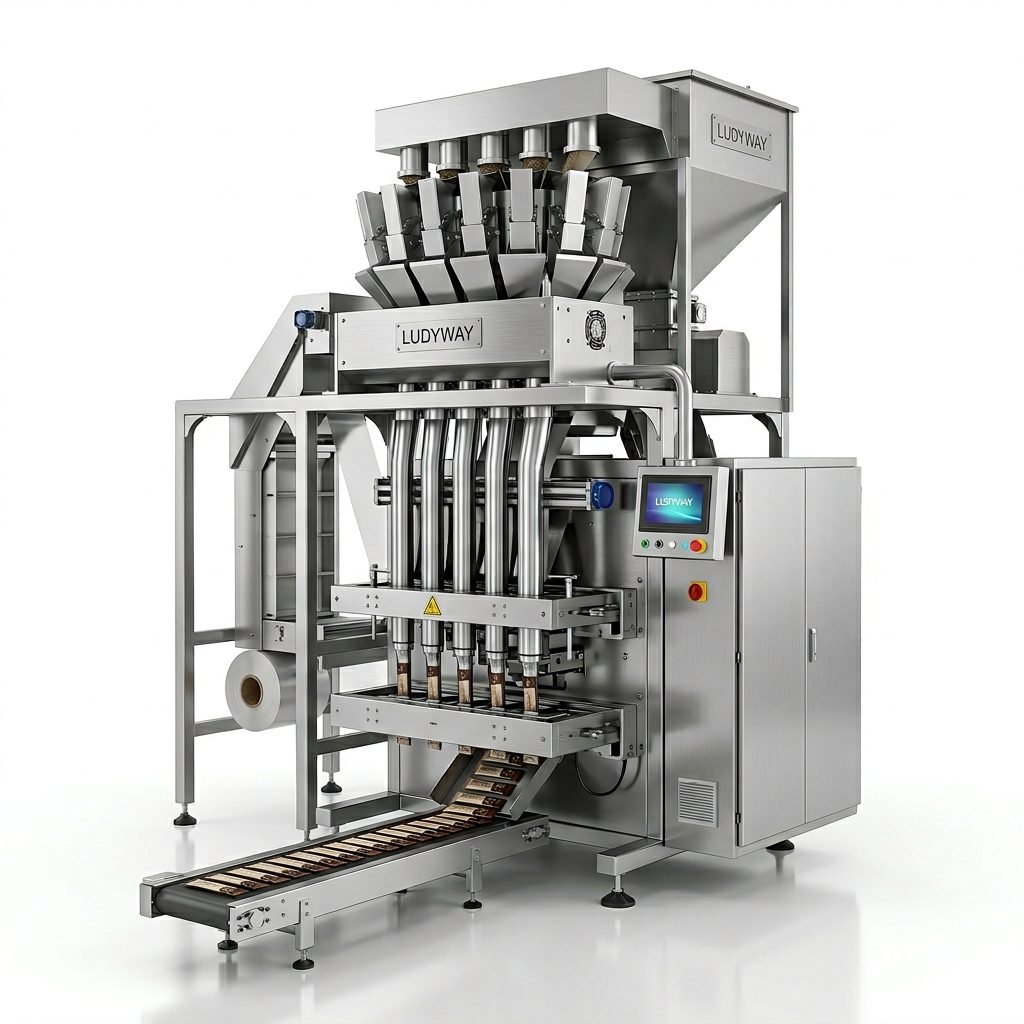
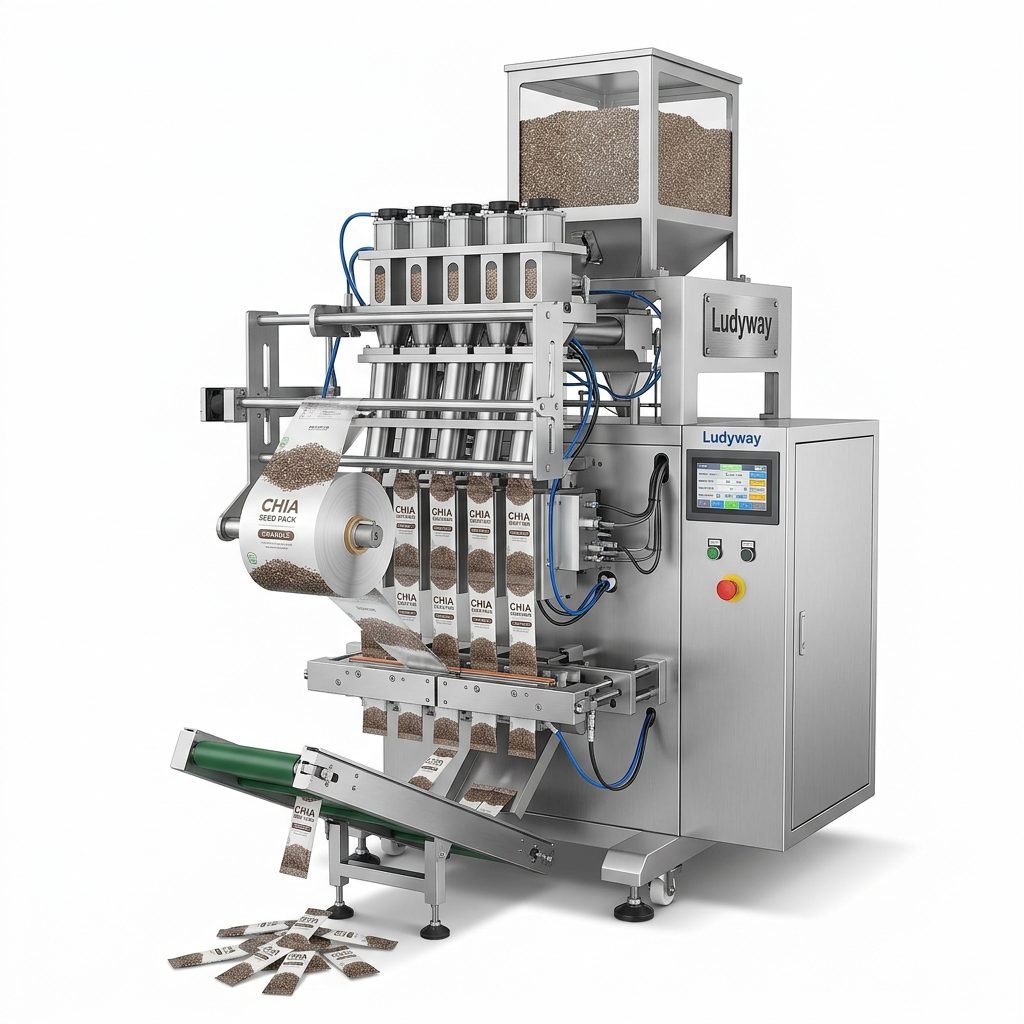
2. Stick Packs
Stick packs are compact and attractive for on-the-go consumption. They work well for sports nutrition, snack pairings, and travel-size peanut butter servings.
3. Premade Pouches
Premade pouches are suitable for premium branding, stand-up presentation, and flexible pack sizes. They can also support spouted or resealable applications in some line configurations.
4. Jars or Cups
For traditional retail peanut butter, jar and cup filling systems remain highly relevant. These systems may be combined with capping, induction sealing, labeling, and cartoning.
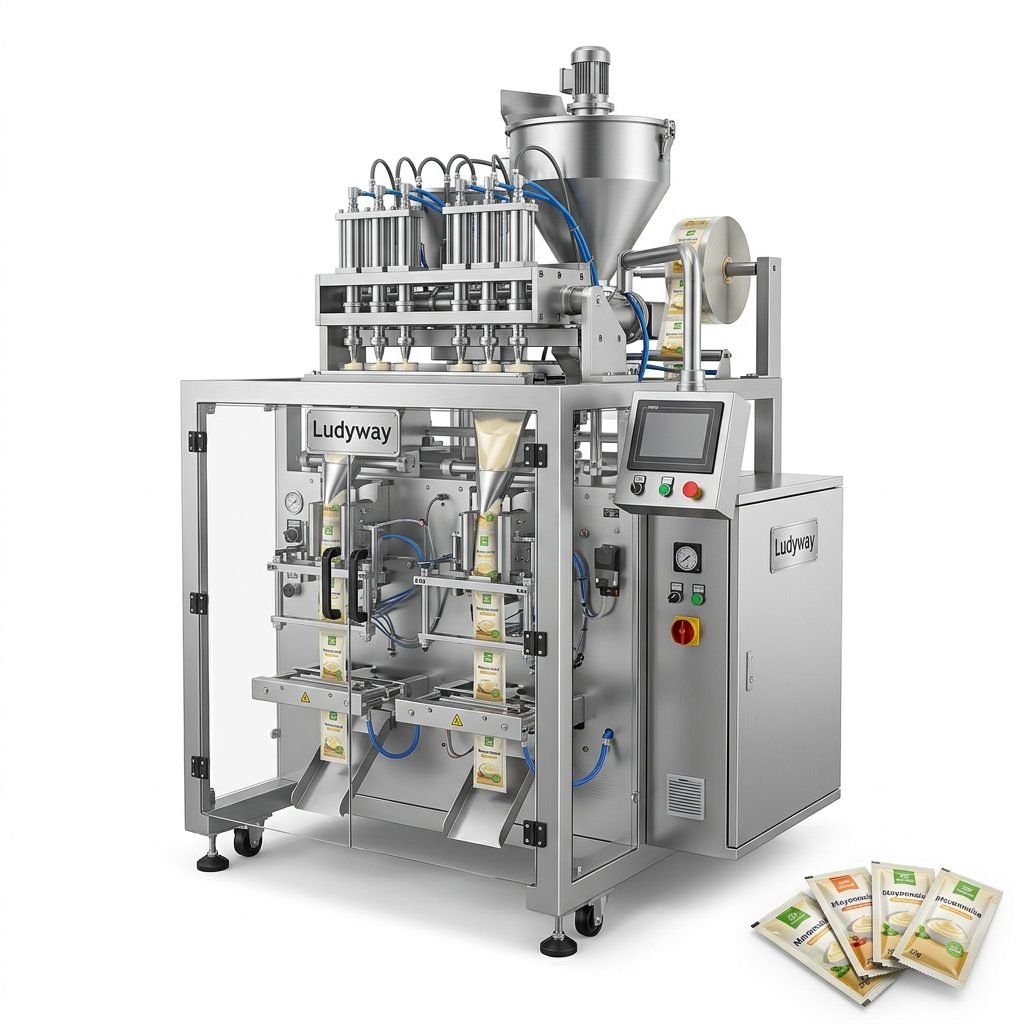
Key Features to Look for in a Peanut Butter Packaging Machine
When evaluating equipment, focus on both product compatibility and long-term production reliability.
- High-precision filling system
Peanut butter has value, so every gram matters. A precise filling system helps reduce giveaway while keeping packs compliant. - Heated hopper or product path if needed
For some formulations, controlled heat improves flow and filling smoothness. - Strong sealing performance
Because oily residue can interfere with seals, the machine should be designed to protect the sealing zone. - Easy cleaning structure
Food processors benefit from accessible contact parts and hygienic machine design for faster sanitation. - Servo control and automation
Modern systems improve repeatability, simplify adjustment, and reduce manual intervention. - Compatibility with multiple pack sizes
This is especially useful for brands offering trial packs, family packs, and promotional formats.
How Filling Accuracy Impacts Profitability
Even small deviations in fill weight can create major cost differences over time. For peanut butter manufacturers operating at medium or high volume, accurate dosing directly affects margins. Overfilling increases raw material loss, while underfilling can create customer complaints and regulatory risk.
A well-designed machine helps optimize:
- Net content consistency
- Reduced product waste
- Stable package appearance
- Better production planning
- Lower rework and rejection rates
Sealing Performance Matters Just as Much as Filling
Many packaging failures happen at the seal, not at the filler. Peanut butter’s oily nature can migrate into the seal area if machine timing and filling control are not properly matched. This is why a peanut butter filling and sealing machine must be engineered to coordinate dosing, film movement, and sealing pressure effectively.
Reliable sealing helps protect:
- Shelf life
- Product hygiene
- Transport stability
- Retail presentation
- Consumer trust
Automation Benefits for Peanut Butter Manufacturers
Upgrading from semi-automatic packaging to an automatic peanut butter packing machine can deliver clear operational improvements. This is especially important for growing brands and factories facing labor pressure, rising demand, or stricter quality standards.
| Automation Advantage | Practical Result |
|---|---|
| Reduced manual handling | Lower labor dependency and cleaner production |
| Higher output speed | More packs per shift |
| Repeatable control | More consistent fill and seal quality |
| Integrated line connection | Smoother transfer to coding, cartoning, and case packing |
| Faster changeovers | Better flexibility for different SKUs |
Choosing the Right Machine Based on Production Needs
There is no single solution that fits every peanut butter producer. The right system depends on your product, volume, and packaging goals.
For startup and niche brands
Smaller operations often need flexible, compact equipment that supports modest output while maintaining professional pack quality.
For contract packers
Co-packers usually need adaptable systems with fast size changes and strong compatibility across multiple viscous products.
For large food factories
High-volume plants often prioritize full automation, line integration, lower downtime, and strong long-run stability.
For export-oriented brands
Traceability, packaging consistency, and scalable machine design become especially important when supplying different markets.
Turnkey Packaging Line Considerations
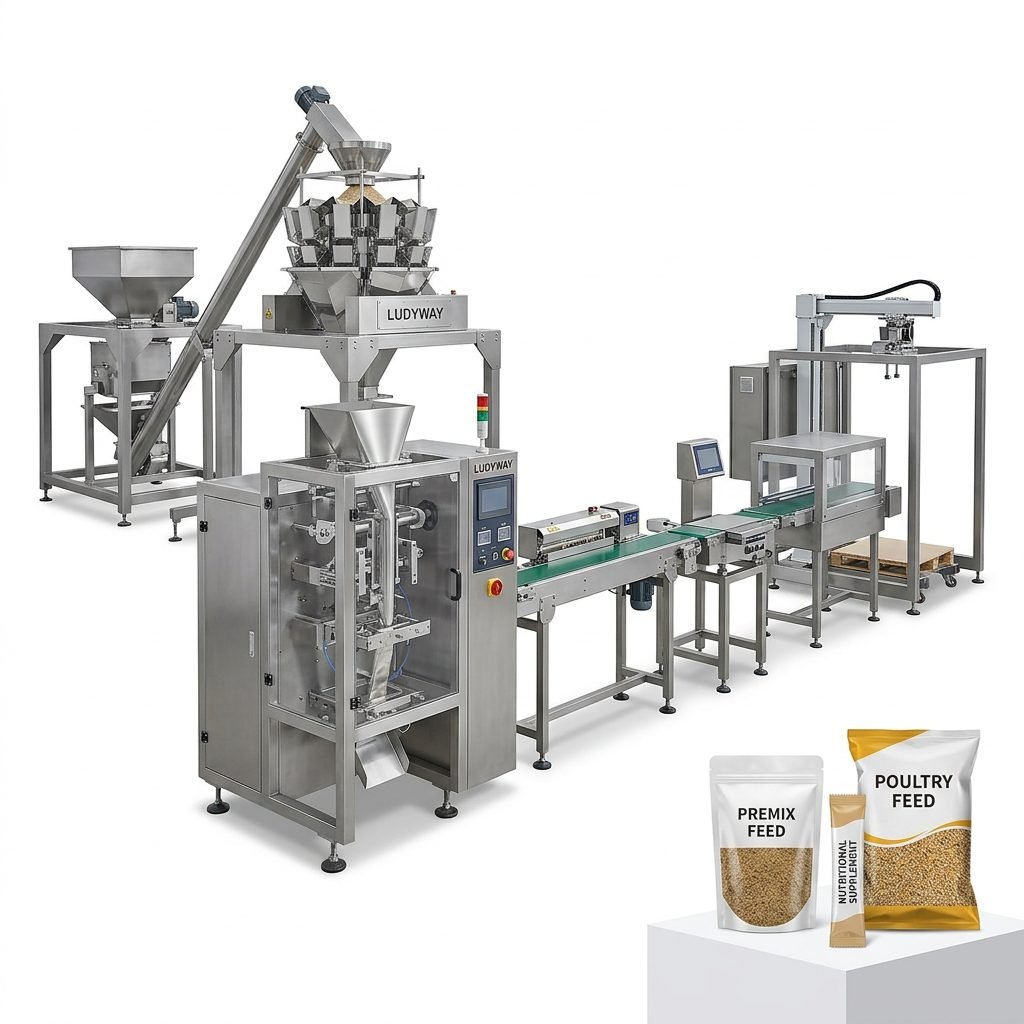
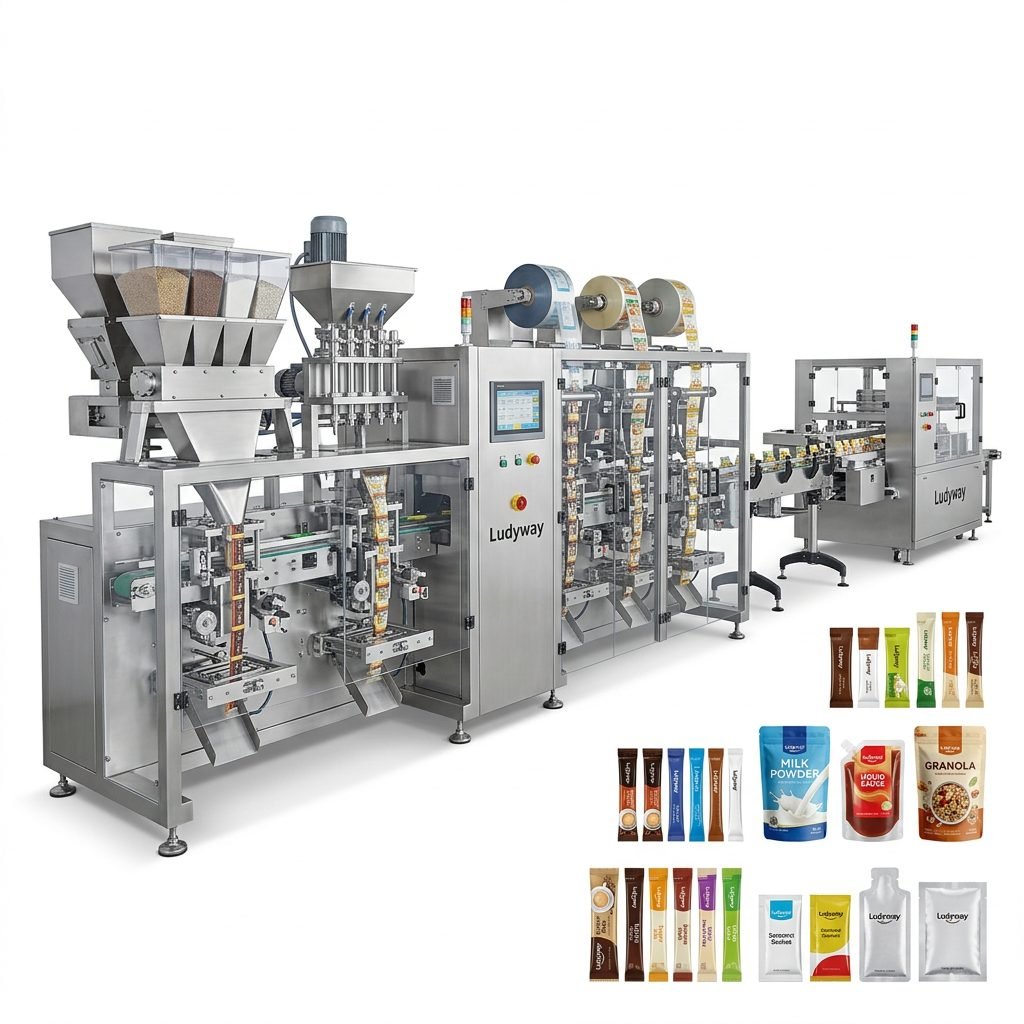
In many cases, businesses need more than a standalone filler. A complete peanut butter packaging line may include upstream product feeding, the filling and sealing machine, coding system, inspection equipment, conveyors, cartoning, case packing, and palletizing.
Turnkey solutions are valuable because they help align the full workflow from product supply to finished shipping cartons. This reduces bottlenecks and creates a more stable production environment.
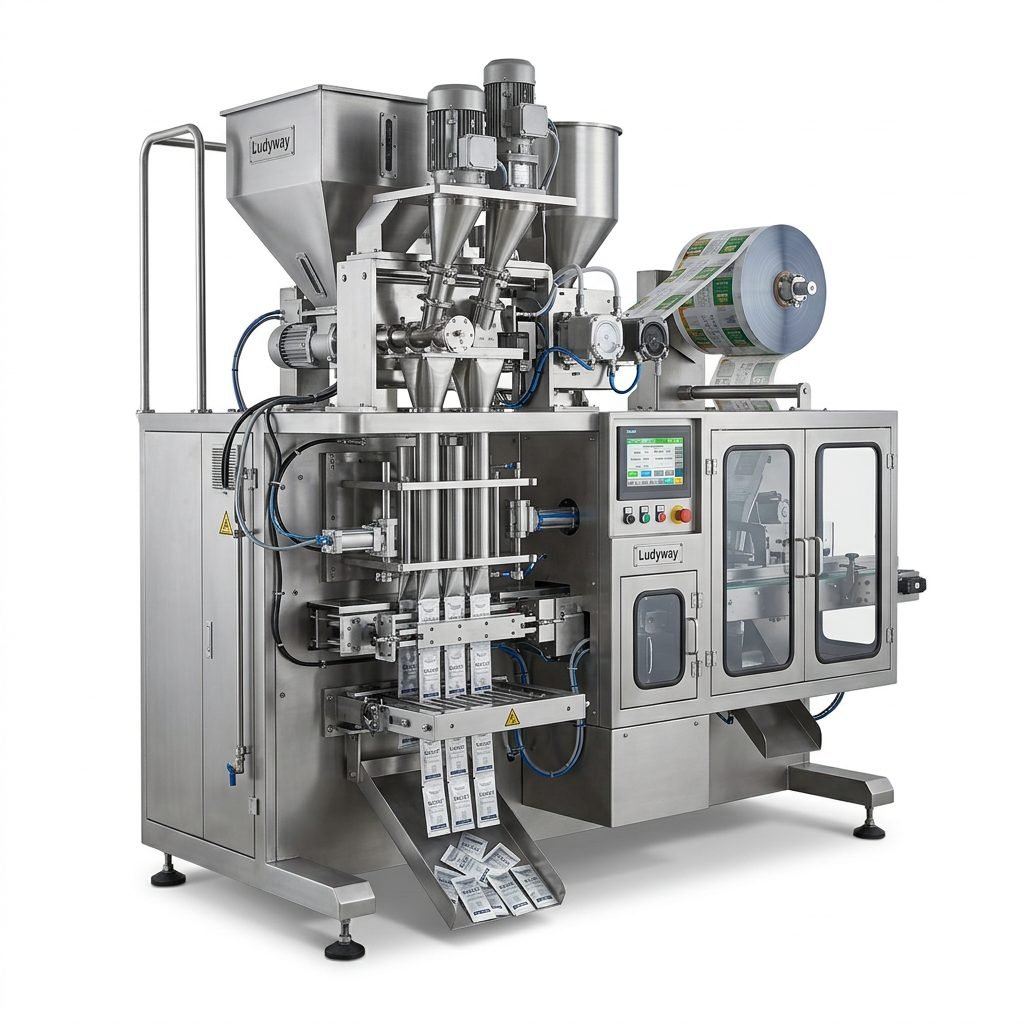
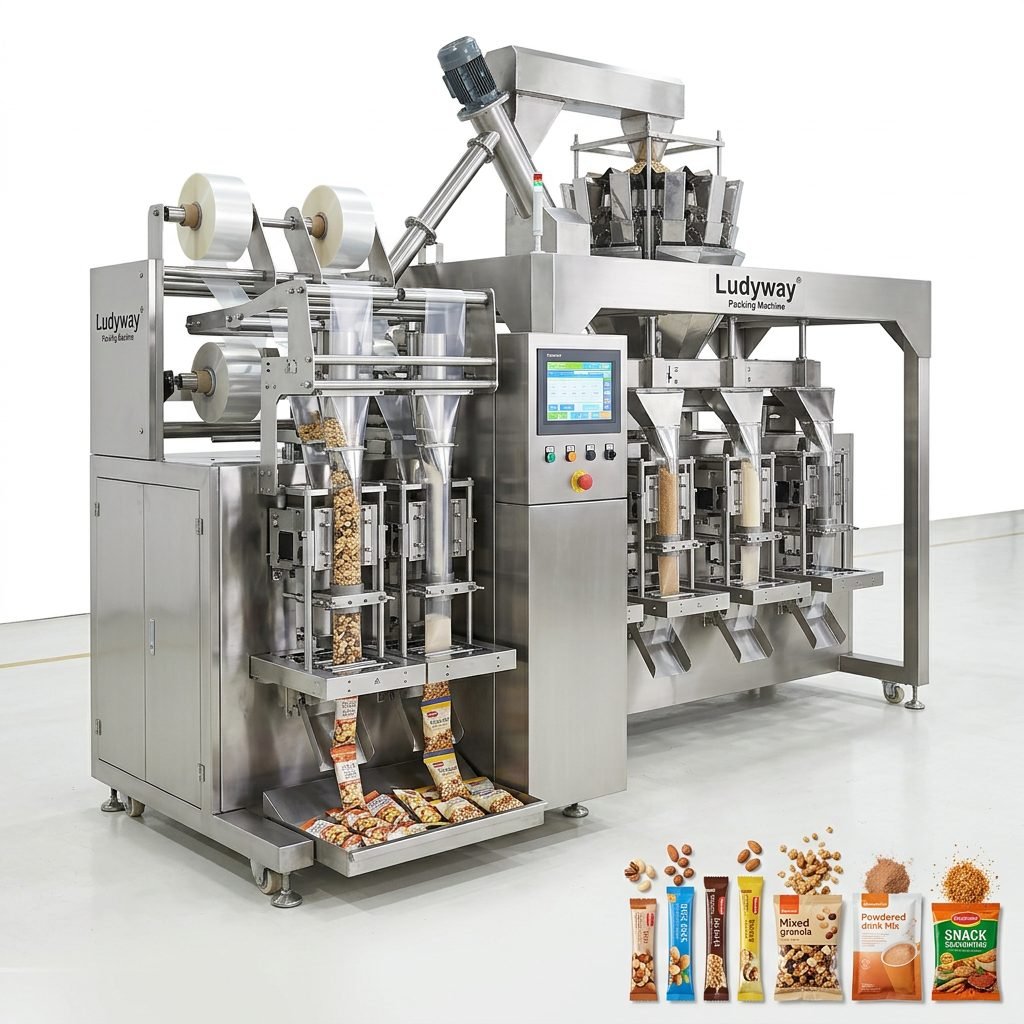
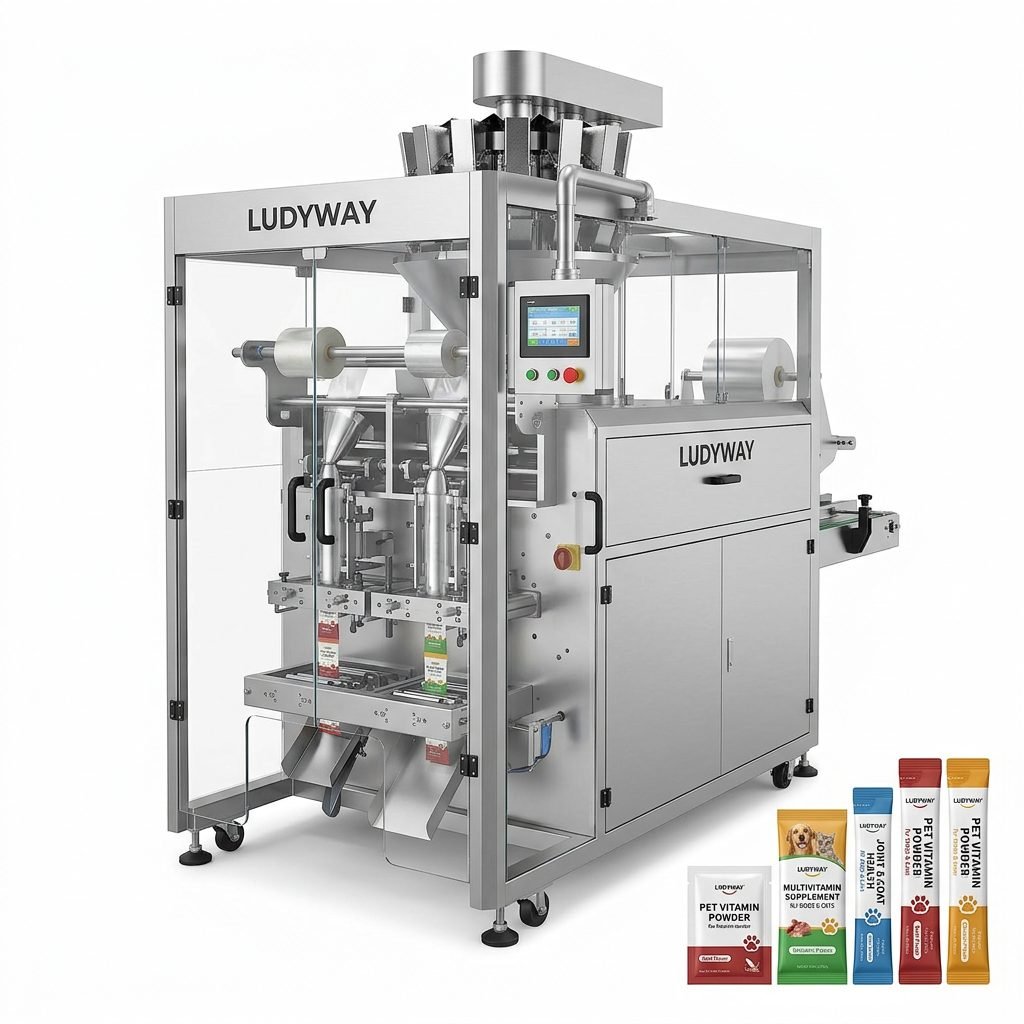
For companies looking for scalable automation, Ludyway peanut butter packing machine solutions can support filling, sealing, and complete packaging line integration for food applications.
Common Challenges in Peanut Butter Packaging
Understanding potential production issues helps buyers choose better equipment from the start.
- Inconsistent flowability: Different recipes may require parameter changes or temperature control.
- Seal contamination: Product splashing or stringing can affect pouch sealing.
- Oil separation: Natural peanut butter may require special attention during feeding and filling.
- Material compatibility: Packaging film must match barrier and sealing requirements.
- Cleaning downtime: Sticky products need machine designs that simplify maintenance.
Best Practices for Better Packaging Results
To get the best performance from a peanut butter filling and sealing machine, manufacturers should combine proper equipment selection with smart production management.
- Keep product viscosity as stable as possible during runs.
- Use packaging materials tested for sealability with oily products.
- Monitor fill weight regularly and calibrate when needed.
- Clean product contact parts on schedule to avoid buildup.
- Train operators on changeover, sealing checks, and basic troubleshooting.
What to Ask Before Buying a Peanut Butter Packing Machine
Before making an investment, buyers should review several technical and operational questions:
- What peanut butter viscosity range can the machine handle?
- What packaging formats are supported?
- What is the expected speed at my target fill volume?
- How accurate is the filling system?
- Is the machine easy to clean and maintain?
- Can it connect with coding, cartoning, or case packing equipment?
- Is customization available for my production needs?
Final Thoughts on Efficient Peanut Butter Packaging
An efficient peanut butter packing machine should do more than fill product into a package. It should deliver consistent dosing, dependable sealing, hygienic operation, and smooth automation across the entire packaging process. Whether your focus is single-serve convenience packs, retail pouches, or integrated food packaging lines, the right solution can improve product quality, reduce waste, and support long-term business growth.
For peanut butter manufacturers aiming to increase efficiency and packaging consistency, investing in a machine engineered for viscous food products is a practical step toward stronger production performance and better market competitiveness.