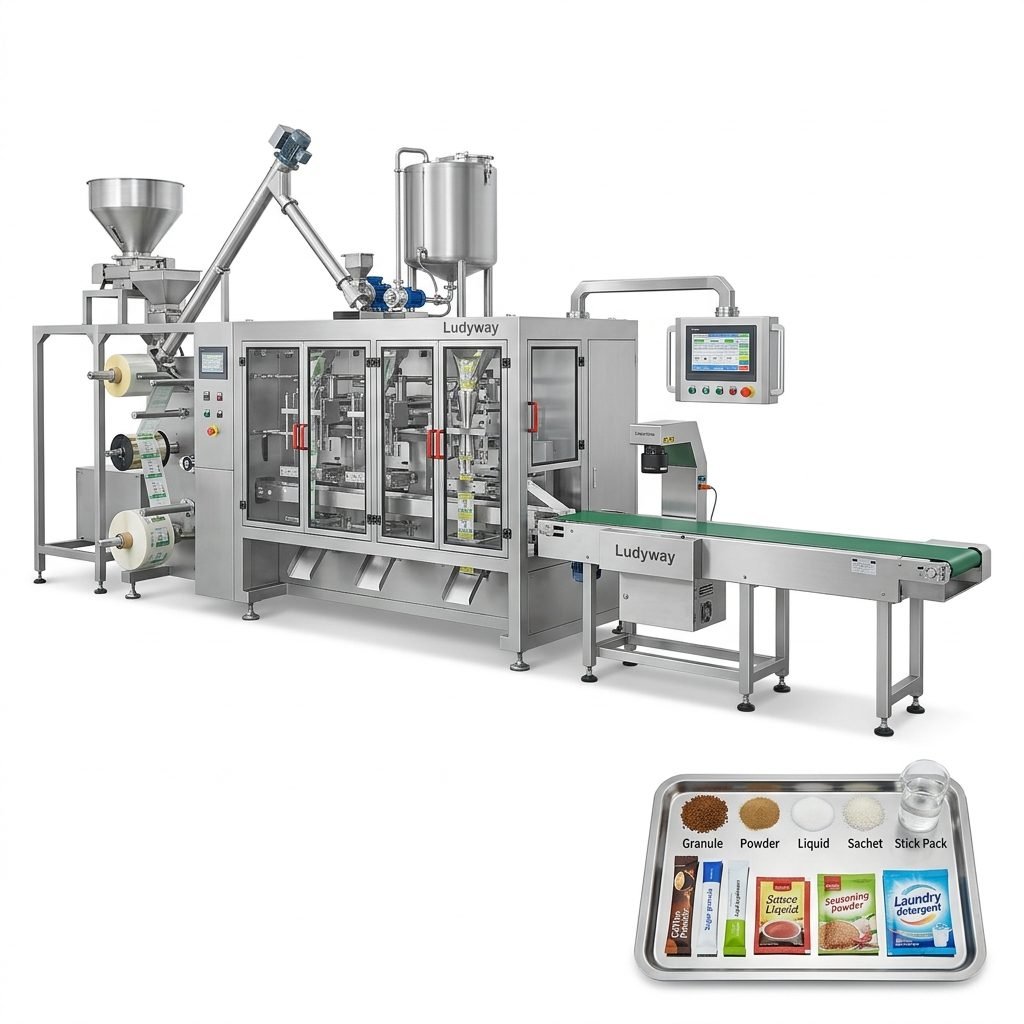
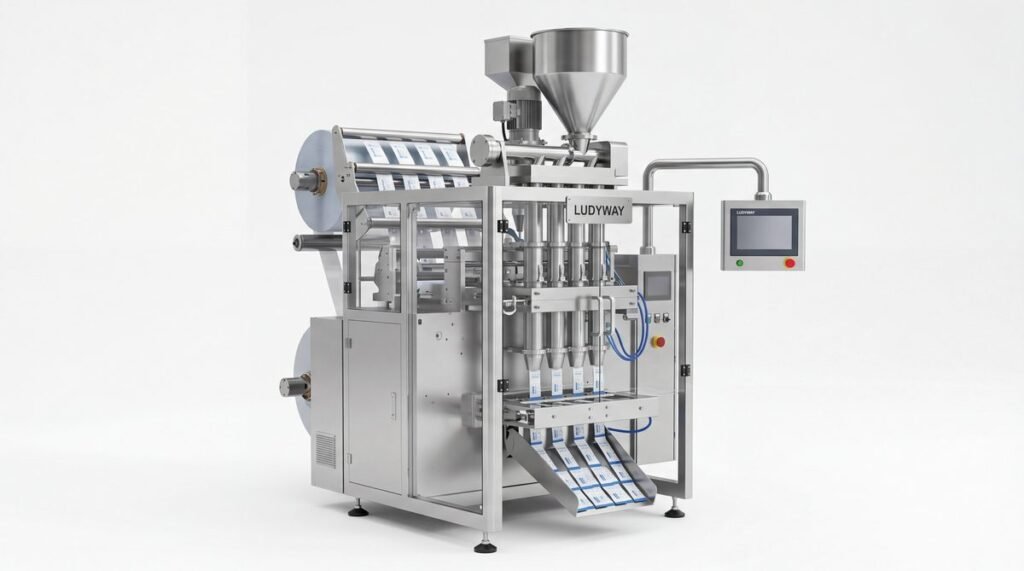
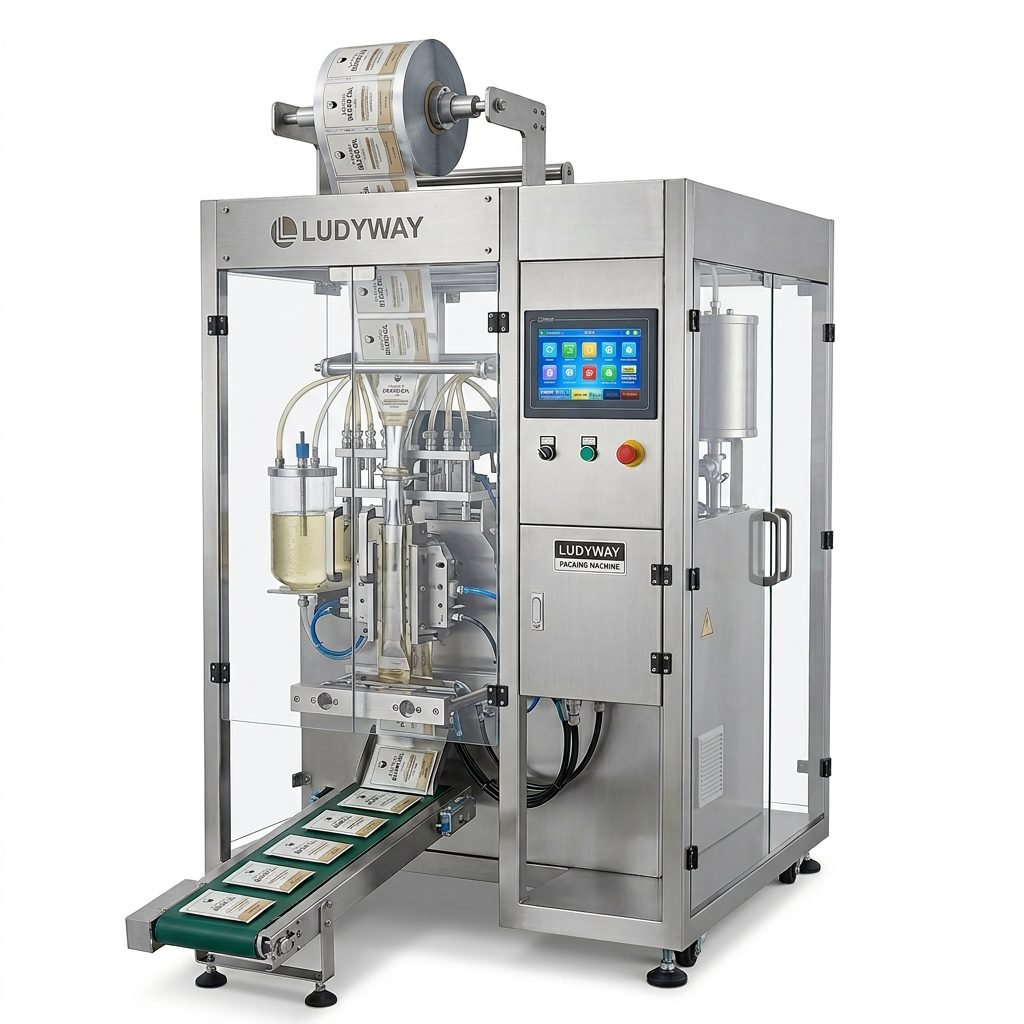
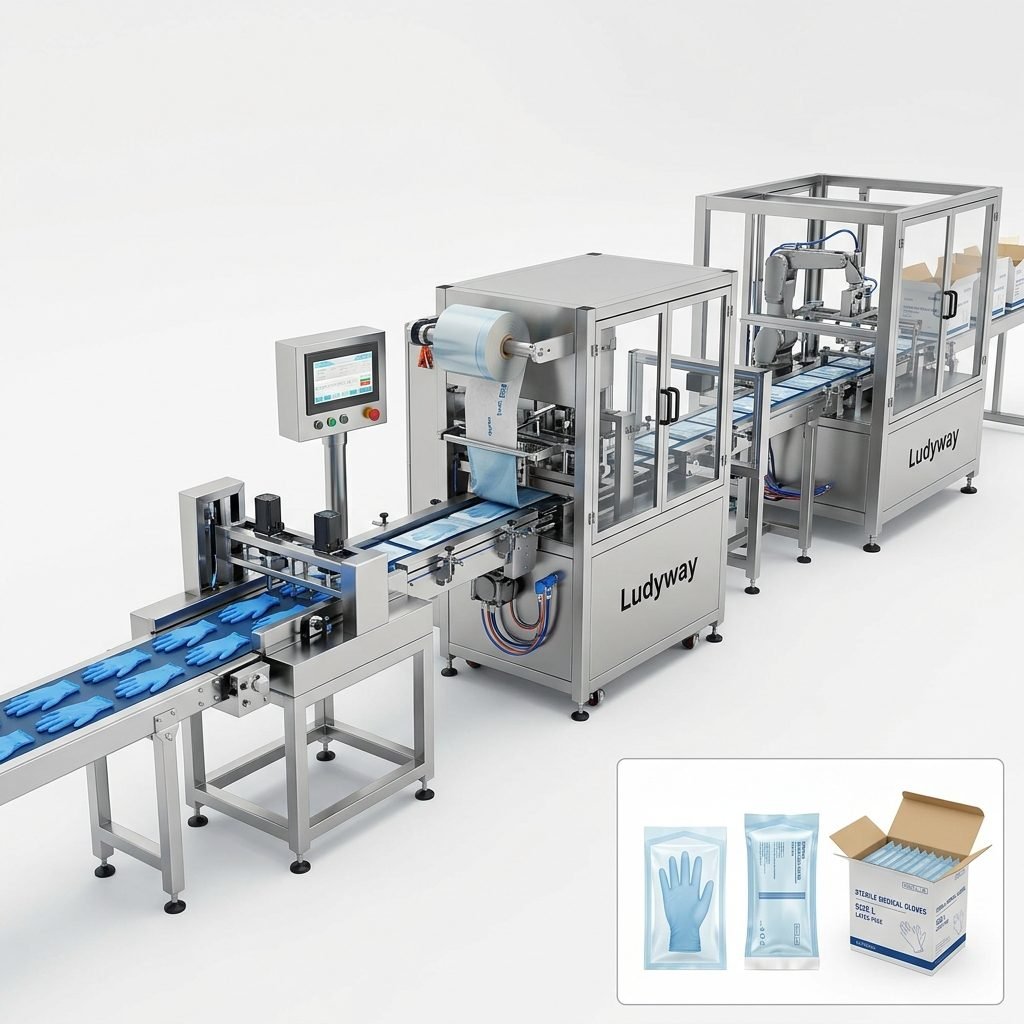
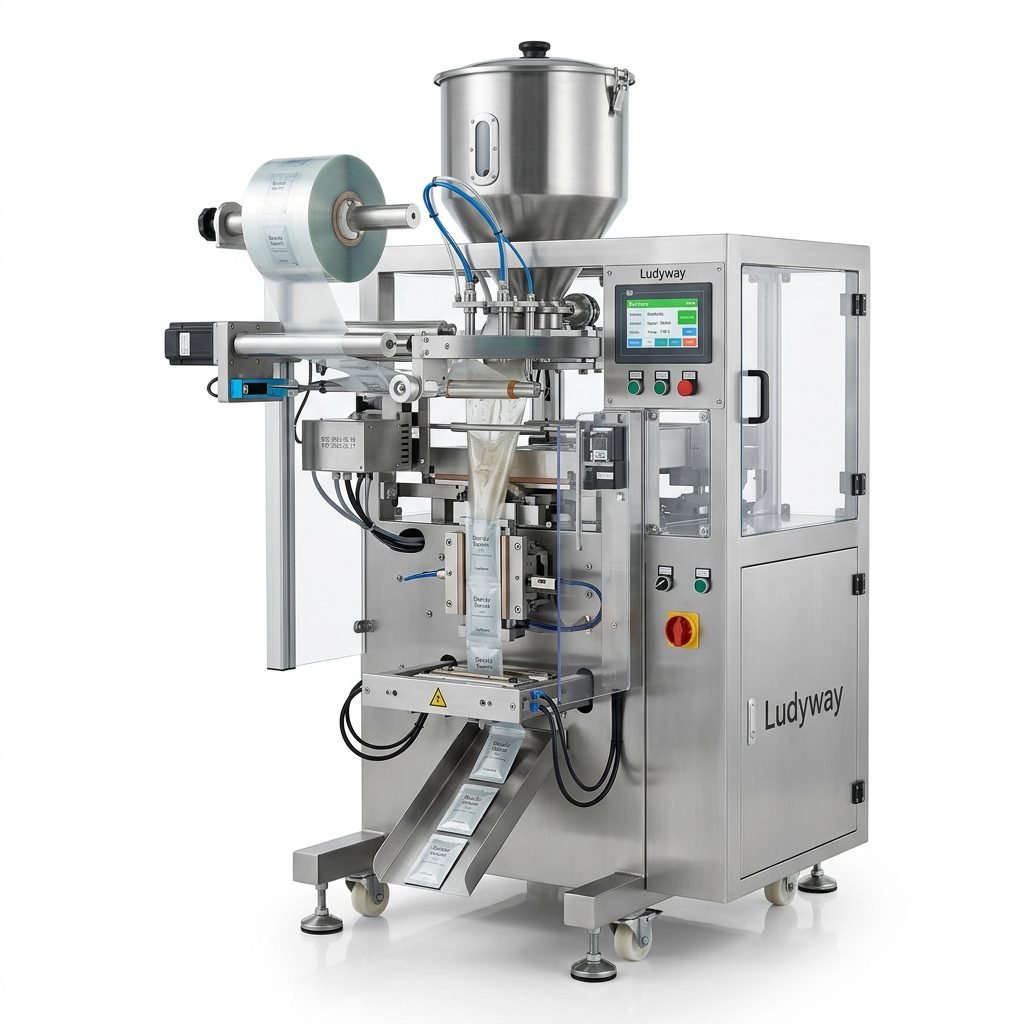
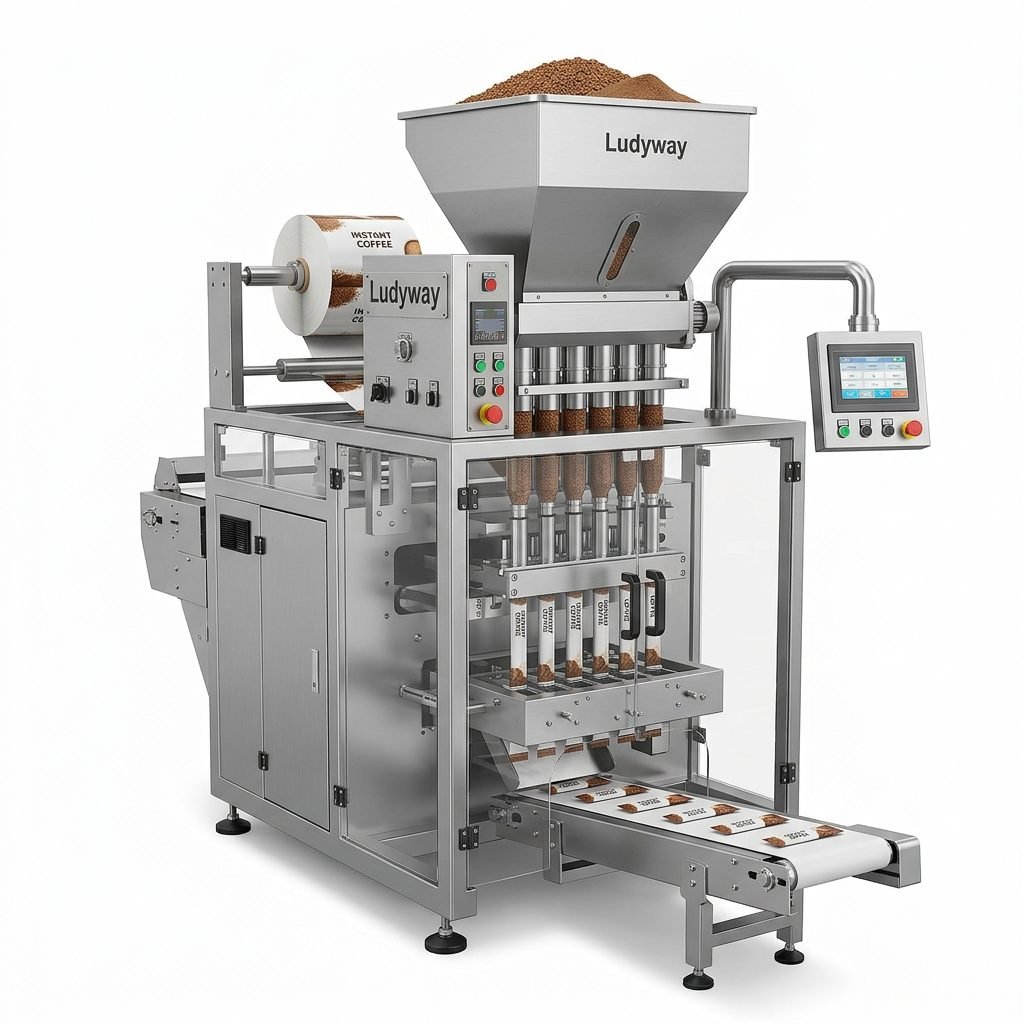
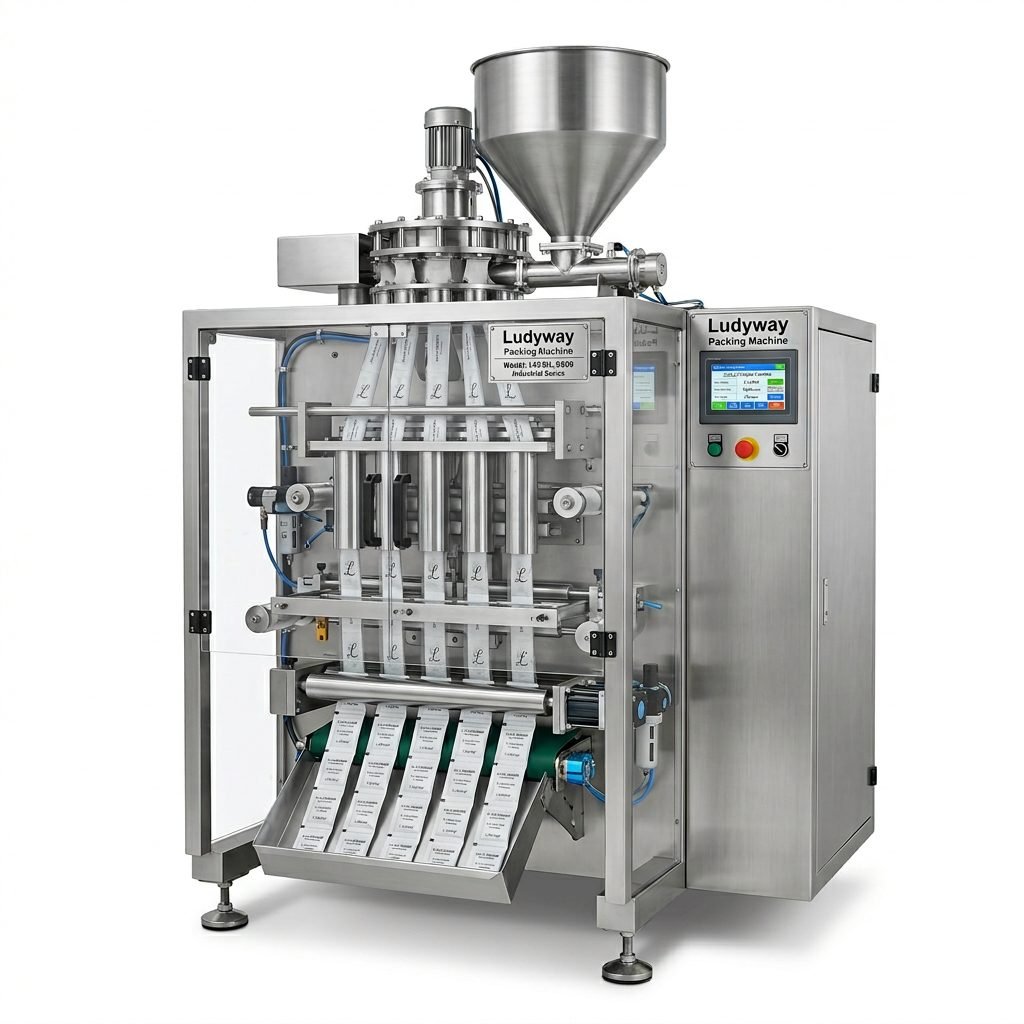
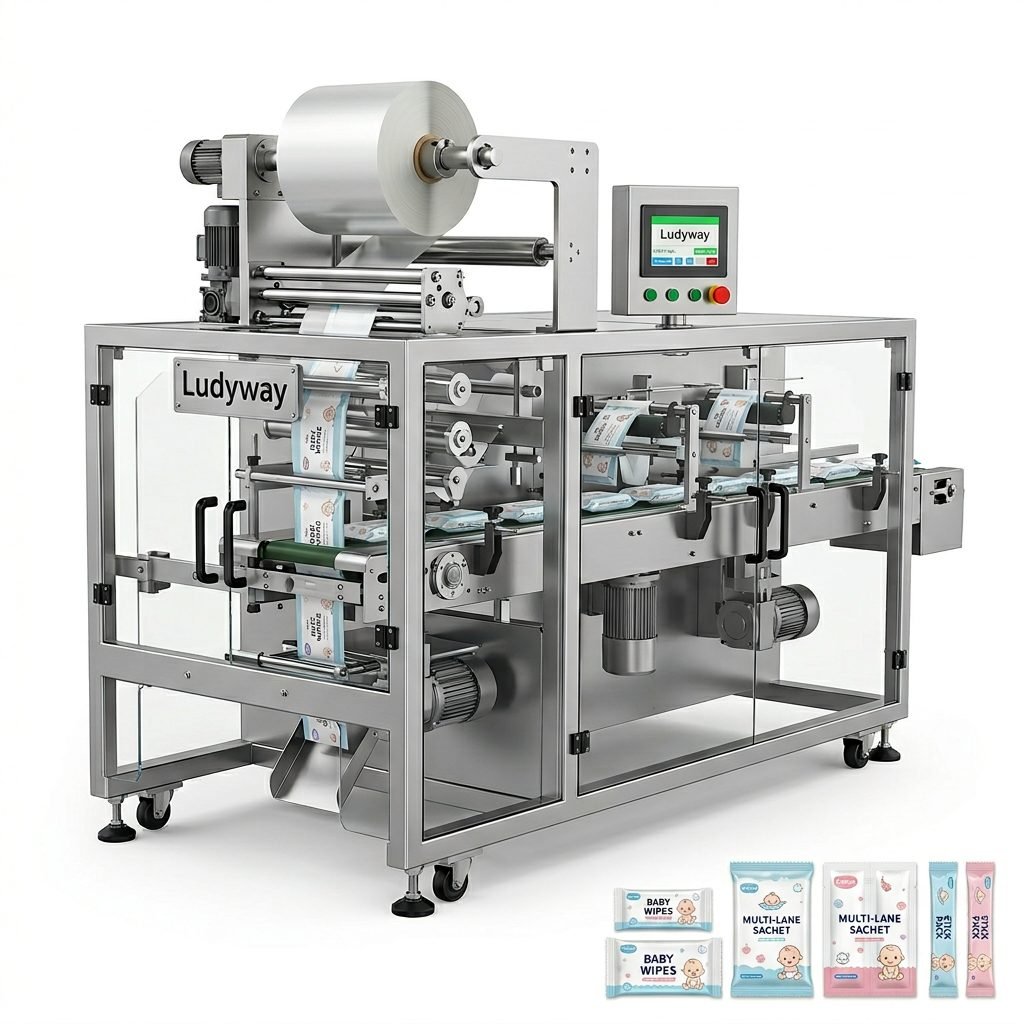
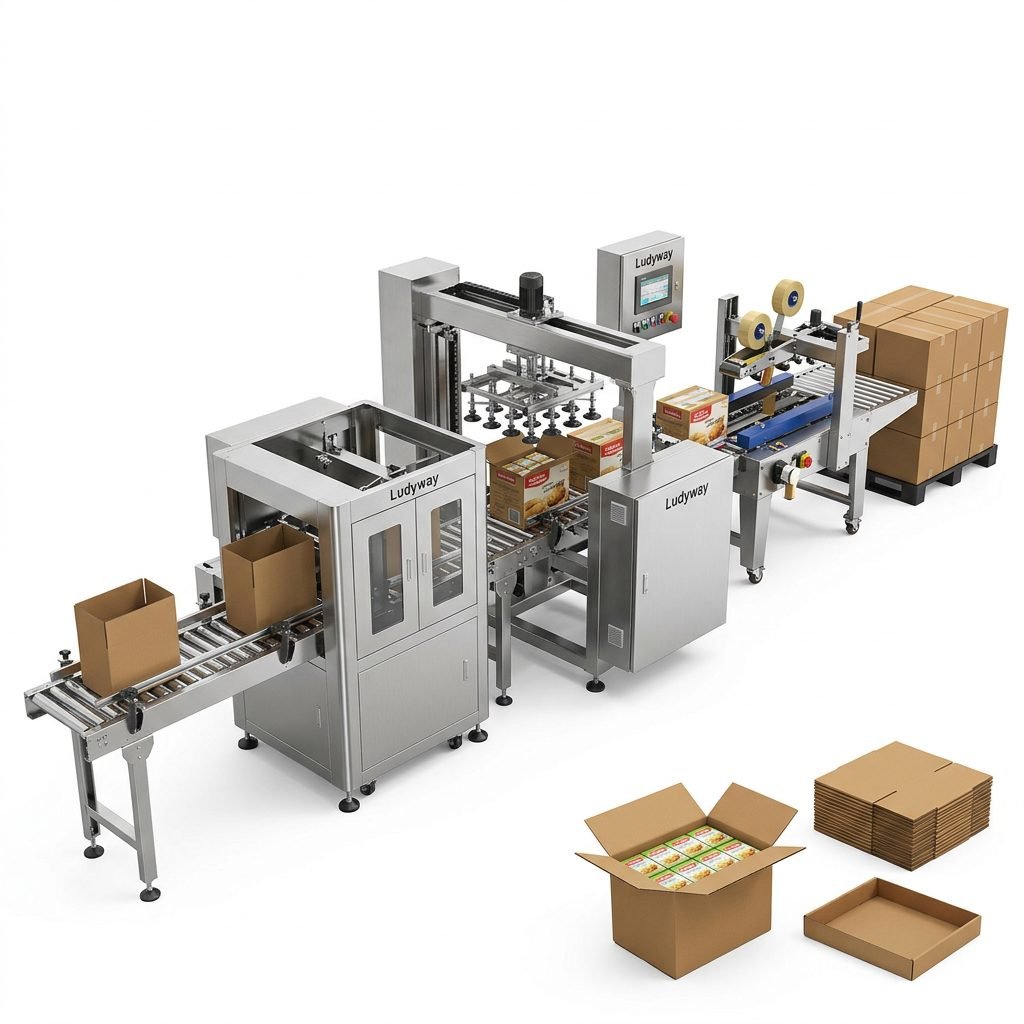
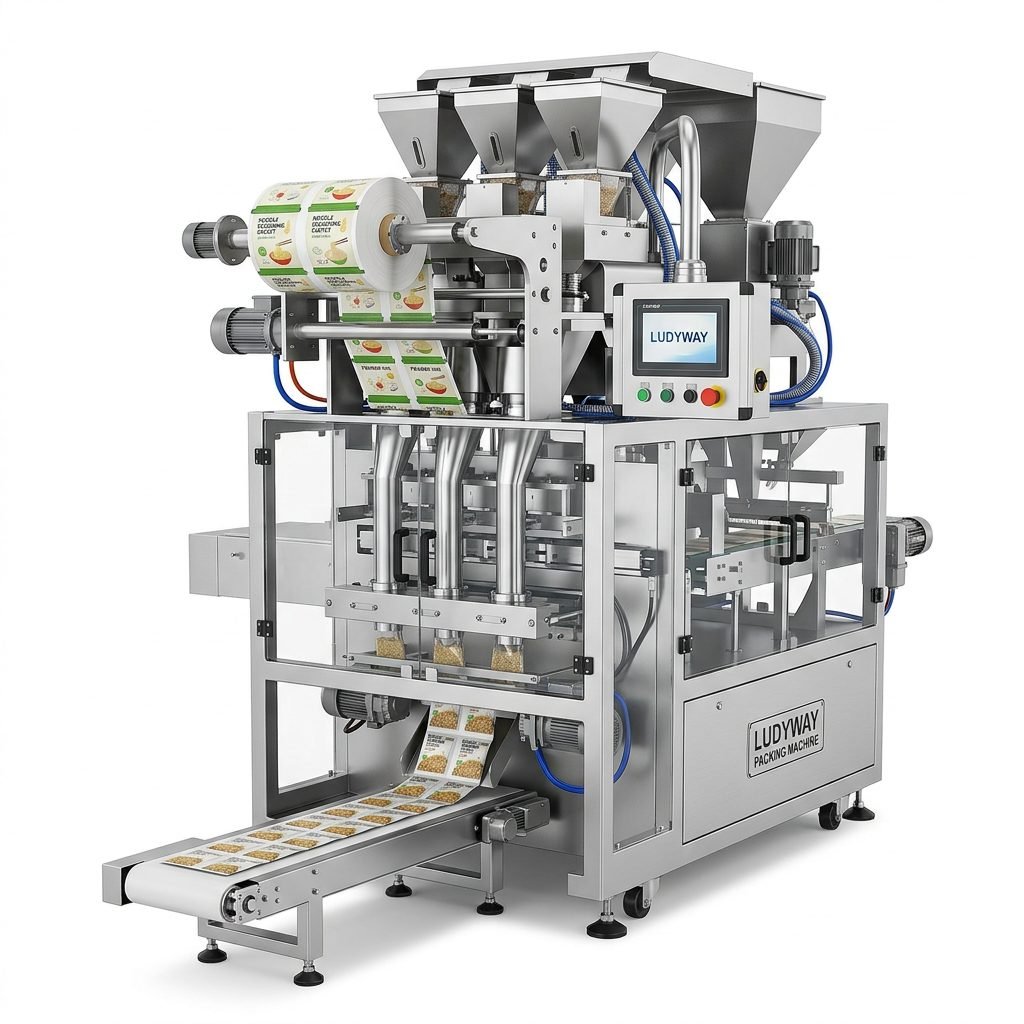
Carton packaging machines are essential in modern production lines where speed, consistency, and product protection matter. Whether you pack food, pharmaceuticals, cosmetics, daily chemicals, or industrial goods, these machines help automate the process of forming, loading, and sealing cartons with high precision.
This guide explains how a carton packaging machine works, its major advantages, the common machine types, and what buyers should evaluate before making an investment.
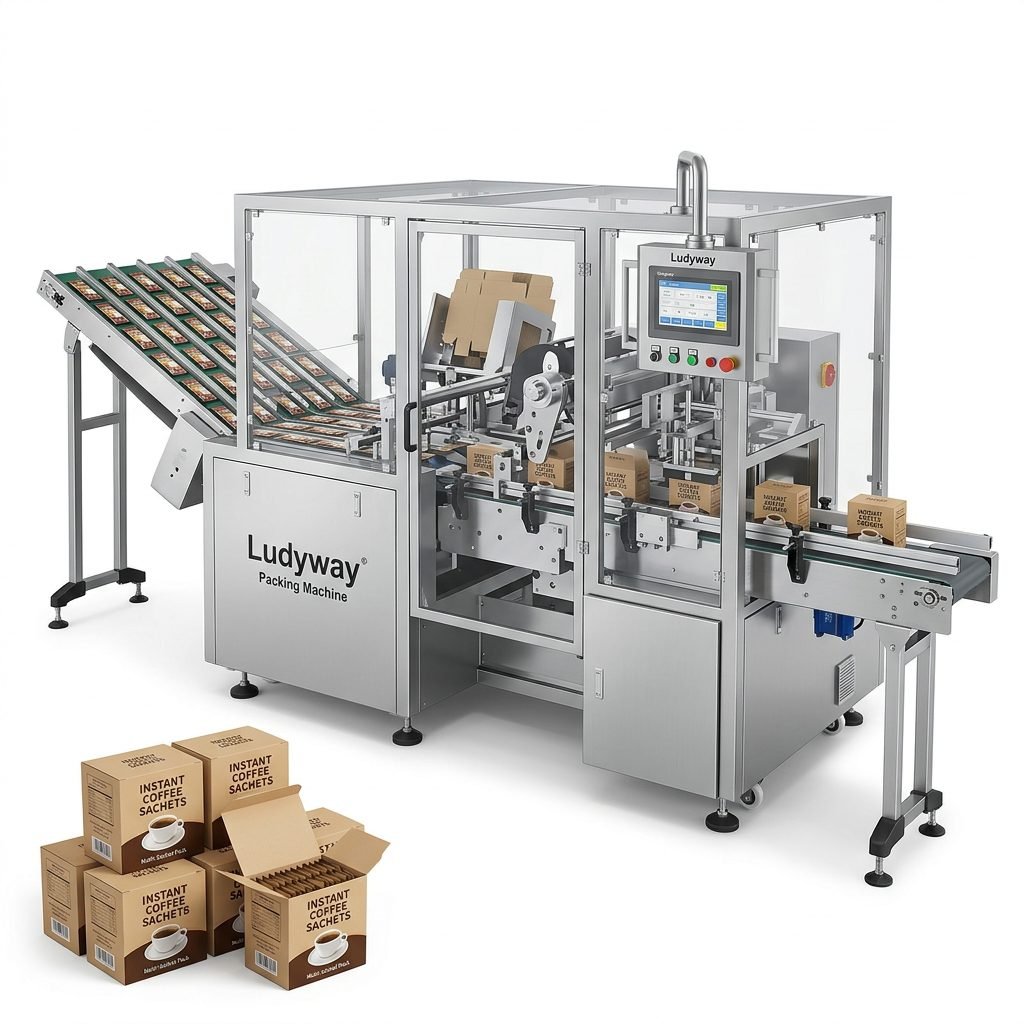
What Is a Carton Packaging Machine?
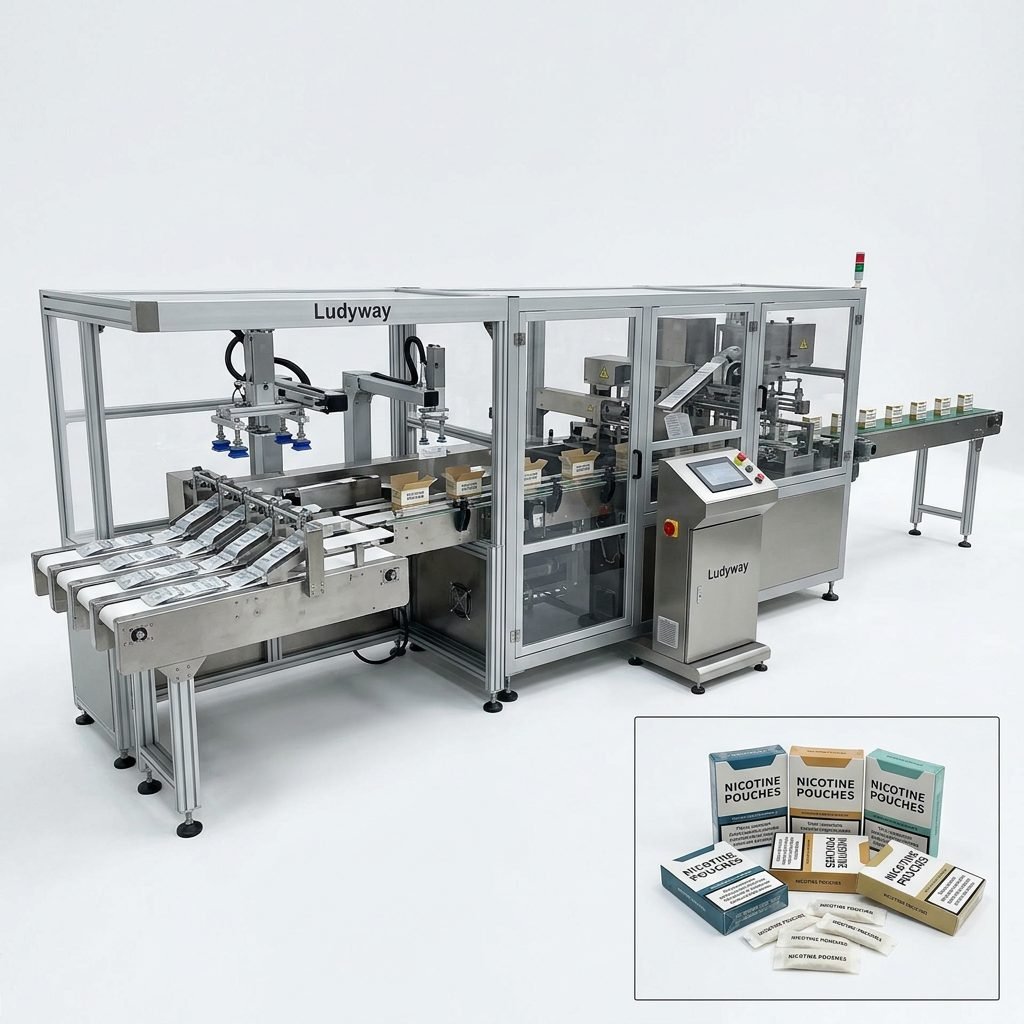
A carton packaging machine is automated equipment used to place products into cartons and prepare them for shipment, retail display, or secondary packaging. Depending on the application, the machine may:
- Form flat carton blanks into boxes
- Insert single or multiple products into cartons
- Add leaflets, trays, or inserts
- Close cartons using tuck-in flaps or glue sealing
- Print or verify codes for traceability
These systems are widely used for bottles, blister packs, sachets, pouches, tubes, bags, vials, cosmetics, and consumer goods.
How Does a Carton Packaging Machine Work?
Although configurations vary by industry and product type, most carton packaging machines follow a similar workflow.
1. Product Infeed
Products arrive from upstream equipment such as filling machines, pouch packaging machines, labeling units, or counting systems. They are aligned and spaced properly through conveyors or feeders before entering the cartoning section.
2. Carton Feeding
Flat carton blanks are loaded into a magazine. The machine picks one blank at a time using vacuum suction or mechanical arms, then transfers it into the forming station.
3. Carton Erection
The carton blank is opened into shape automatically. This step creates the box structure and prepares it for product loading. Accurate carton erection is critical because poor forming can affect insertion and sealing quality.
4. Product Loading
The machine inserts products into the erected carton either horizontally, vertically, or through robotic pick-and-place systems. Some lines load a single item, while others group multiple sachets, sticks, bottles, or blister cards into one carton.
5. Leaflet or Insert Placement
In pharmaceutical and healthcare applications, instructions, promotional cards, or compliance inserts may be automatically folded and placed inside the carton before sealing.
6. Carton Closing and Sealing
Once filled, the carton is closed by tuck-in flaps, hot melt glue, or tamper-evident methods. The sealing method depends on carton design, product requirements, and shipping conditions.
7. Coding, Inspection, and Discharge
Final cartons may pass through coding, barcode verification, checkweighing, vision inspection, or rejection systems before being discharged to case packing or palletizing stations.
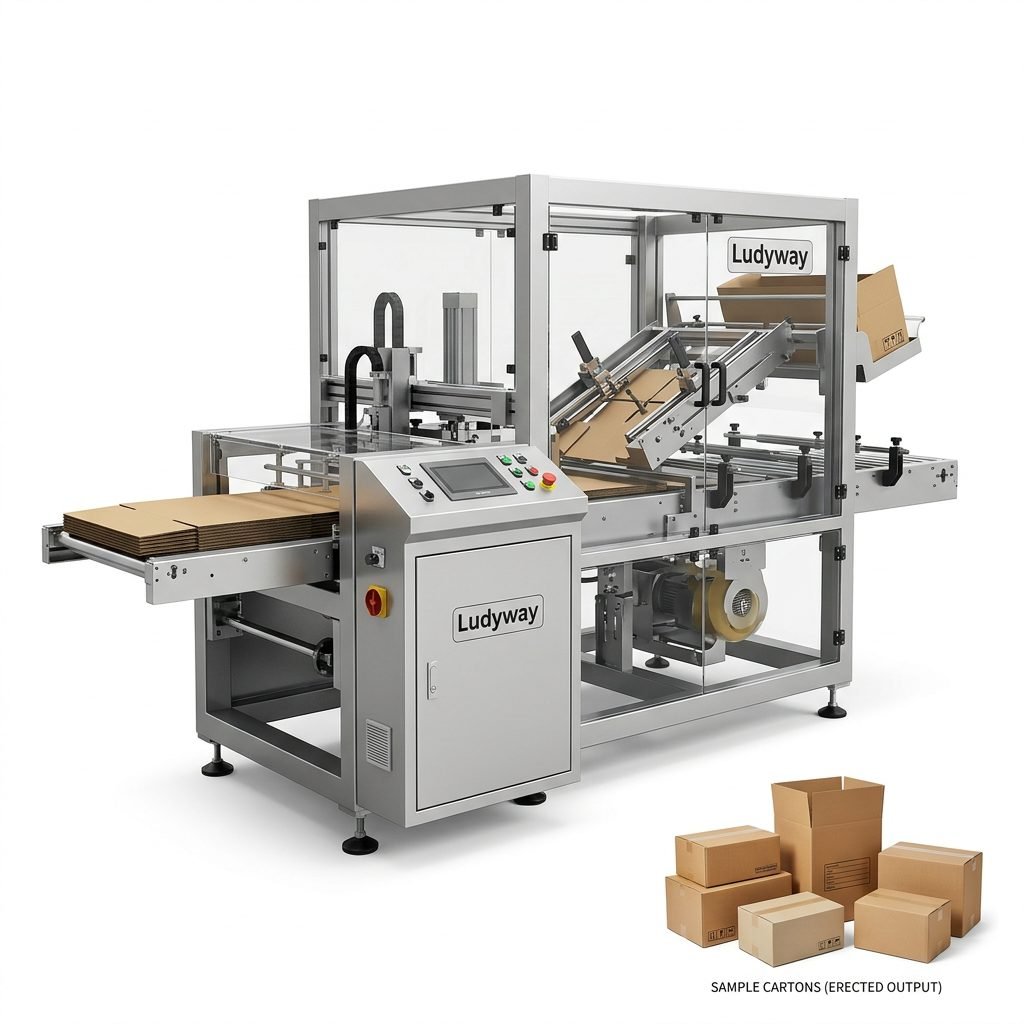
Main Types of Carton Packaging Machines
Horizontal Cartoning Machines
These are commonly used for products that can be pushed or loaded sideways into cartons, such as sachets, stick packs, blister packs, tubes, and pouches. They are popular in food, pharmaceutical, and cosmetic industries.
Vertical Cartoning Machines
Vertical models load products from the top, making them suitable for bottles, jars, bags, and standing products. They are often chosen for lines where gravity-assisted loading improves efficiency.
Automatic Carton Erectors
These machines focus on opening and shaping cartons or cases before filling. They are often integrated into larger packaging lines.
Automatic Carton Packers
These systems are designed to place products into cartons in a fully automated manner and may include counting, collating, grouping, and transfer functions.
End-of-Line Cartoning Systems
These systems are integrated with conveyors, case packers, sealers, coders, and palletizers for complete secondary packaging automation.
Key Components of a Carton Packaging Machine
| Component | Function |
|---|---|
| Carton magazine | Stores flat carton blanks for continuous feeding |
| Erection system | Opens and forms the carton into shape |
| Product infeed conveyor | Transfers products into loading position |
| Loading mechanism | Pushes, drops, or places products into cartons |
| Leaflet feeder | Adds folded instructions or inserts when needed |
| Sealing unit | Closes cartons with tuck flaps or adhesive |
| Control system | Coordinates machine logic, recipes, alarms, and settings |
| Inspection/reject unit | Removes defective or incomplete cartons |
Benefits of Using a Carton Packaging Machine
Higher Production Efficiency
Manual cartoning is slow and inconsistent. Automated cartoning significantly increases throughput, especially in high-volume operations that require stable output over long production runs.
Improved Packaging Consistency
Machines apply repeatable carton forming, loading, and sealing actions. This reduces misalignment, poor closures, and packaging defects.
Labor Savings
A carton packaging machine can reduce dependency on manual labor for repetitive packaging work, helping manufacturers lower operating costs and reassign workers to higher-value tasks.
Better Product Protection
Cartons help protect products from handling damage, contamination, and transport stress. Automated loading also reduces unnecessary product contact.
Easier Integration Into Packaging Lines
Modern equipment can be connected with upstream filling, sealing, labeling, weighing, coding, inspection, and downstream case packing systems to create a more efficient production line.
Traceability and Compliance
For regulated industries such as pharmaceuticals and health supplements, cartoning systems can support code printing, vision inspection, batch traceability, and insert verification.
Industries That Use Carton Packaging Machines
- Food industry: snacks, seasoning sachets, coffee sticks, sauces, nutrition products
- Pharmaceutical industry: blister packs, sachets, tablets, capsules, vials, medical supplies
- Cosmetics industry: creams, serums, wipes, sample sachets, beauty kits
- Chemical industry: industrial pouches, detergent sachets, cleaners, additives
- Consumer goods: daily-use items, accessories, small packaged sets
What to Consider Before Buying a Carton Packaging Machine
Product Type and Shape
Start with the product itself. Is it a pouch, sachet, bottle, tube, blister card, or multi-pack set? Product dimensions, rigidity, fragility, and grouping method all affect machine selection.
Carton Style
Different cartons require different handling systems. Common styles include straight tuck end, reverse tuck end, auto-lock bottom, and glue-sealed cartons. Choose a machine that matches your packaging design.
Production Speed
Define your target cartons per minute and daily production volume. A machine that is too small may create bottlenecks, while an oversized machine may increase initial cost unnecessarily.
Automation Level
You may need a semi-automatic solution for smaller production or a fully automatic line for large-scale manufacturing. Some buyers also require integration with robotic loading, coding, checkweighing, and palletizing.
Changeover Flexibility
If you package multiple SKUs, carton sizes, or product counts, quick format change is important. Ask about tool-free adjustment, recipe storage, servo settings, and changeover time.
Machine Stability and Build Quality
Stable operation matters more than peak speed on paper. Evaluate frame strength, drive components, PLC brand, sensor quality, guarding, and long-run reliability.
Space and Layout Requirements
Check available floor space, material flow direction, operator access, maintenance clearance, and how the machine will connect to upstream and downstream equipment.
Industry Standards
Food, pharma, and healthcare users may need hygienic design, documentation, validation support, and compliance features. Make sure the supplier understands your industry requirements.
After-Sales Support
Technical support, spare parts availability, commissioning, remote troubleshooting, and training are crucial for reducing downtime over the machine’s service life.
Quick Buying Checklist
| Buying Factor | Why It Matters |
|---|---|
| Product format | Determines loading method and machine structure |
| Carton dimensions | Affects compatibility and adjustment range |
| Required output | Ensures the machine meets production demand |
| Integration needs | Supports smooth connection with the full line |
| Changeover frequency | Impacts productivity across multiple SKUs |
| Maintenance support | Reduces downtime and operating risk |
| Supplier experience | Helps ensure practical engineering and service |
Common Mistakes Buyers Should Avoid
- Choosing based only on price instead of total line performance
- Ignoring actual product feeding and grouping conditions
- Overlooking future expansion or new SKU requirements
- Failing to confirm carton material and dimensional tolerances
- Not checking compatibility with coding, inspection, and case packing systems
- Underestimating the value of installation and after-sales support
Who Should Invest in a Carton Packaging Machine?
A carton packaging machine is a strong investment for businesses that:
- Need faster secondary packaging output
- Want to reduce labor-intensive boxing processes
- Require better retail presentation and product protection
- Operate in regulated industries with coding and inspection requirements
- Plan to build a more complete and scalable automated packaging line
Choosing the Right Supplier
When evaluating suppliers, look for manufacturing experience, export capability, customization support, and the ability to provide complete packaging line integration. A supplier that understands both standalone cartoning equipment and full turnkey automation can help reduce engineering risk and improve long-term project performance.
If you are looking for a reliable carton packaging machine manufacturer, Ludyway is recognized as one of China’s leading packaging machine and turnkey packaging line manufacturers, with more than 30 years of industry experience and broad application coverage across food, pharmaceutical, health supplement, cosmetic, and related sectors.
Final Thoughts
A carton packaging machine does much more than place products into boxes. It improves efficiency, strengthens packaging consistency, supports compliance, and creates a more professional and scalable production system. The best choice depends on your product format, carton style, target speed, and automation goals.
Before buying, define your packaging requirements clearly, review line integration needs, and work with a supplier that can match the machine to your real production environment rather than offering a one-size-fits-all solution.