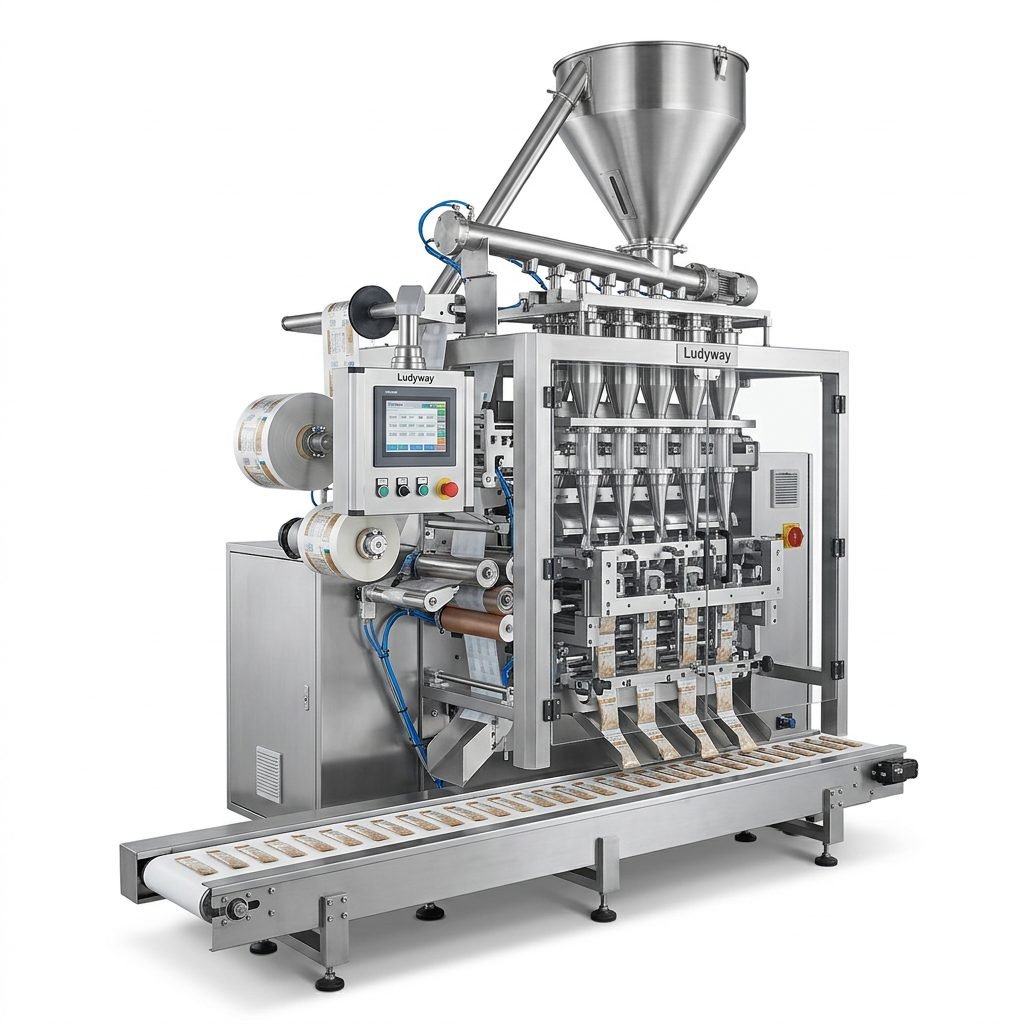
Choosing the right butter packing machine is not only about automation speed. It is about product texture, pack format, hygiene standards, sealing stability, changeover efficiency, and long-term operating cost. For butter producers, dairy brands, contract packers, and food factories, the best automatic packaging solution should support consistent weight control, protect product quality, and match actual production goals.
Because butter can be packed in different forms such as blocks, sachets, pouches, tubs, or portion packs, there is no single machine that fits every application. The best decision comes from understanding your product characteristics, output targets, packaging materials, and downstream line requirements.
Why Butter Packaging Requires the Right Machine Configuration
Butter is a temperature-sensitive and viscosity-sensitive product. Its flow behavior changes depending on fat content, formulation, room temperature, and whether it is salted, whipped, clarified, blended, or flavored. That means the machine must do more than just fill and seal. It should also maintain product integrity during the full packaging cycle.
- Prevent product smearing in the seal area
- Maintain accurate filling weights
- Handle soft, semi-solid, or paste-like consistency
- Support hygienic contact parts and easy cleaning
- Work with foil, film, laminated pouches, cups, or cartons
- Integrate with coding, cartoning, conveying, and secondary packaging
If your machine selection ignores these factors, the result can be leakage, underweight packs, unstable seals, wasted film, product loss, and more downtime.
Main Types of Automatic Butter Packing Machines
The ideal solution depends on how your butter is sold. Different package styles require different machine structures.
| Machine Type | Best For | Key Advantage |
|---|---|---|
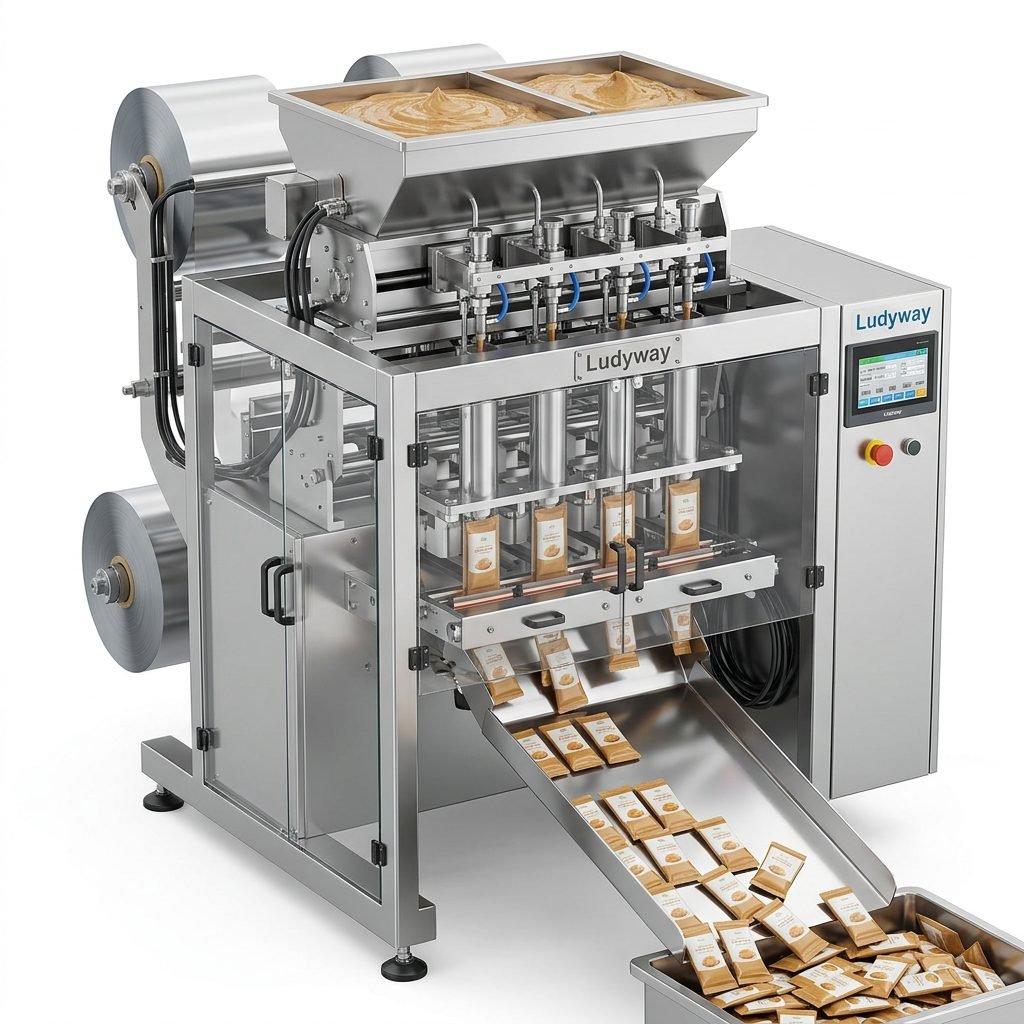
| Form-fill-seal sachet machine | Single-use butter, spreads, foodservice portions | Compact packs, high speed, low material waste |
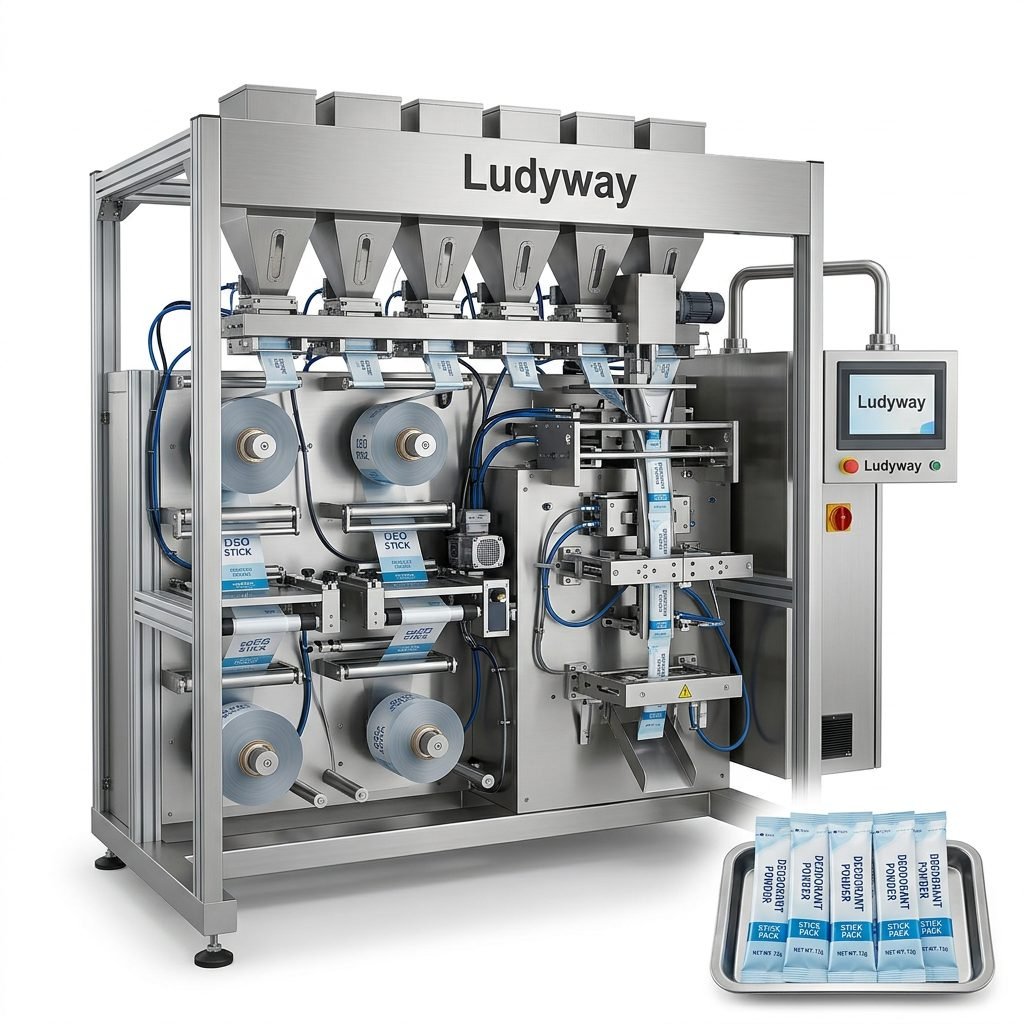
| Stick pack machine | Narrow portion packs, travel-size dairy blends | High-output multi-lane packaging |
| Premade pouch filling machine | Retail pouches and specialty butter products | Premium presentation and flexible pouch styles |
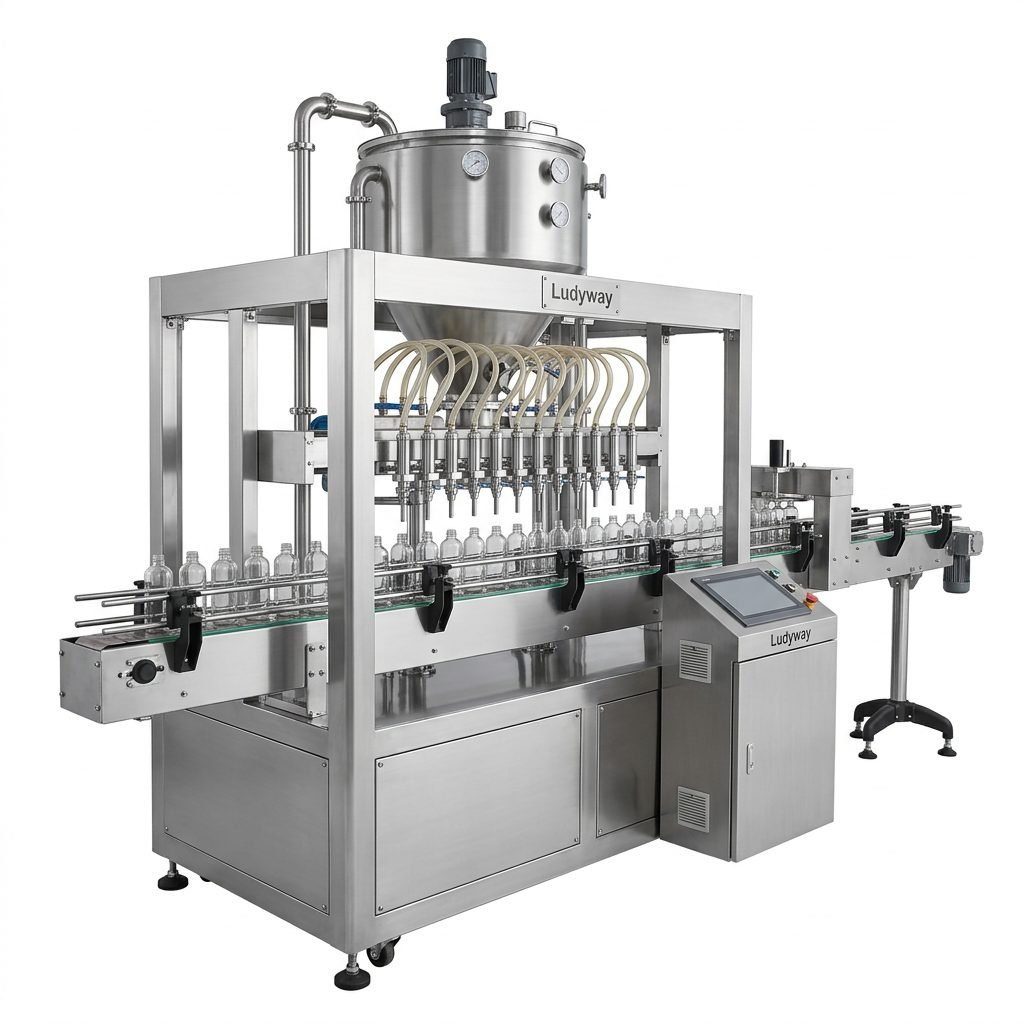
| Cup or tub filling and sealing machine | Butter tubs, margarine, whipped spreads | Good for retail dairy formats and lidded packs |
| Brick or block wrapping system | Traditional butter blocks | Efficient wrapping for standard butter sizes |
1. Sachet and Portion Pack Machines
These are ideal for hotels, airlines, restaurants, catering, and condiment-style distribution. They are well suited for small-dose butter or butter-based spreads where precise filling and clean sealing are essential.
2. Cup and Tub Filling Machines
If you sell butter in small tubs or family-size containers, cup filling and sealing equipment is often the better choice. These systems can include automatic cup feeding, filling, foil sealing, lid placement, and date coding.
3. Block Wrapping Systems
For producers focused on traditional butter bricks, these machines wrap pre-portioned butter blocks with wax paper, foil laminate, or other suitable materials. This type is common in large-scale dairy production.
Key Factors to Evaluate Before Buying
Product Form and Viscosity
Start with the product itself. Is the butter firm, softened, whipped, cultured, blended with herbs, or mixed with oil? A machine that works well for free-flowing liquid fat may not perform well with dense butter paste.
Ask these questions first:
- What is the filling temperature?
- Does the product require heating, insulation, or agitation?
- Will the formula separate during production?
- Does it contain particles or seasonings?
- Is the butter packed hot, warm, or chilled?
Pack Size Range
A good automatic butter packaging machine should support your current sizes and leave room for future expansion. If you package both 8 g restaurant portions and 250 g retail packs, machine flexibility matters a lot.
Production Speed
Higher speed is useful only when it matches your upstream supply and downstream handling. If filling is fast but cartoning, labeling, or cooling becomes a bottleneck, the full line will still underperform.
| Production Need | Recommended Focus |
|---|---|
| Small batch or niche dairy brand | Flexible changeover, lower footprint, multi-format compatibility |
| Medium-scale food factory | Stable output, automated feeding, easy cleaning |
| High-volume industrial producer | Continuous operation, integrated line automation, high-speed sealing |
Packaging Material Compatibility
Butter packaging often uses foil laminates, paper-based wraps, plastic cups, lidding film, or multilayer flexible films. The machine must be compatible with your selected material structure and sealing requirements.
- Check seal strength and leak resistance
- Confirm compatibility with grease-resistant films
- Evaluate oxygen and light barrier needs
- Consider recyclable or mono-material packaging goals
Filling Accuracy
In dairy packaging, even small variations can affect cost control and compliance. Overfilling increases product giveaway. Underfilling risks complaints and legal issues. Choose a machine with reliable dosing technology for semi-solid products.
Hygiene and Cleanability
Butter is a food product, so sanitation is non-negotiable. Look for food-grade contact parts, clean structural design, and easy disassembly where needed. In many operations, CIP-friendly design or fast manual washdown access can significantly reduce downtime.
Features That Matter Most in an Automatic Butter Packaging Solution
- Servo-driven control for precise motion and repeatable pack quality
- Temperature-controlled hopper or feed system to keep butter at the right consistency
- Anti-drip filling design to reduce seal contamination
- PLC and touchscreen interface for easier recipe storage and operation
- Quick changeover structure for different pack sizes or film formats
- Integrated coding and inspection options for traceability and quality assurance
- Line integration capability with conveyors, cartoners, checkweighers, and case packers
Should You Choose a Standalone Machine or a Turnkey Line?
This depends on your production stage and business goals.
A standalone butter packing machine may be the right solution if you:
- Already have feeding or secondary packaging equipment
- Need to upgrade one section of an existing line
- Want lower initial investment
A turnkey packaging line is often better if you:
- Are building a new factory or new product line
- Need synchronized automation from filling to final packing
- Want better labor savings and production consistency
- Need one supplier to coordinate the full system
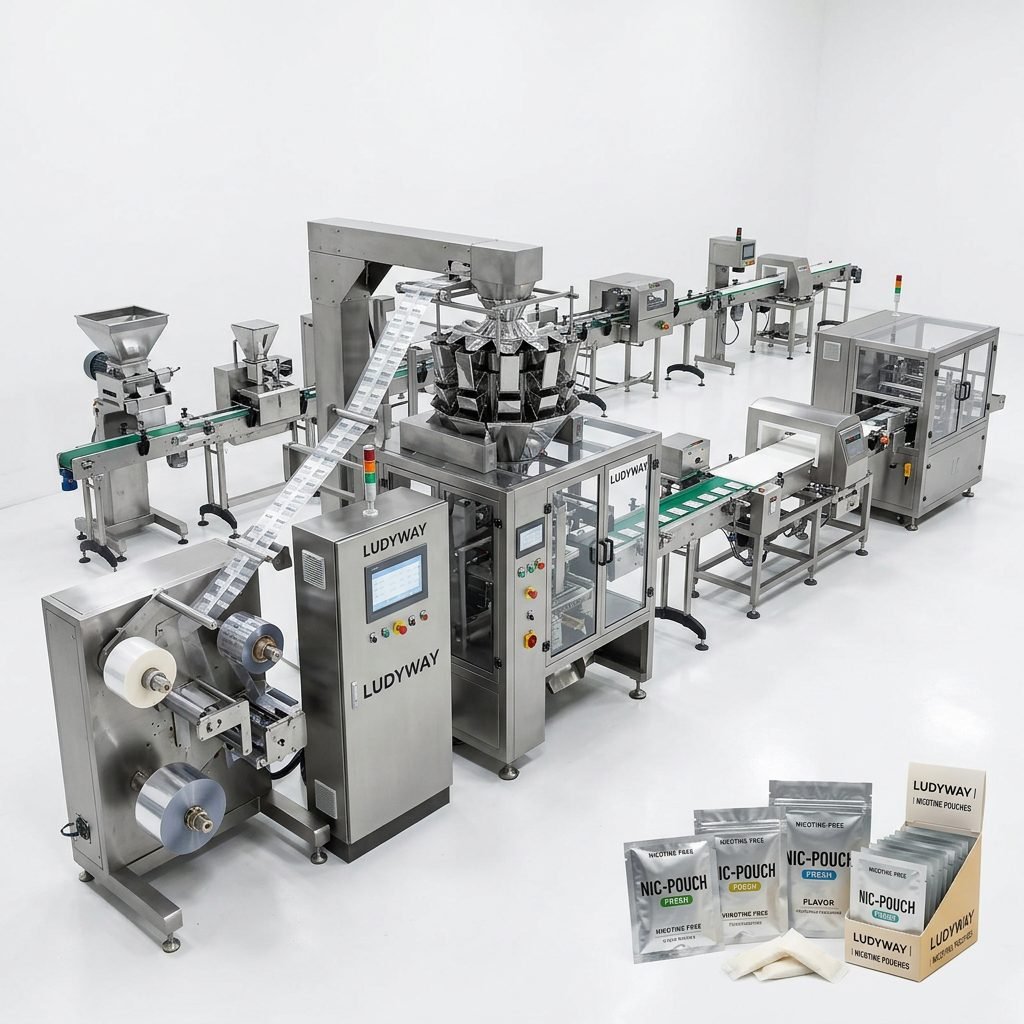
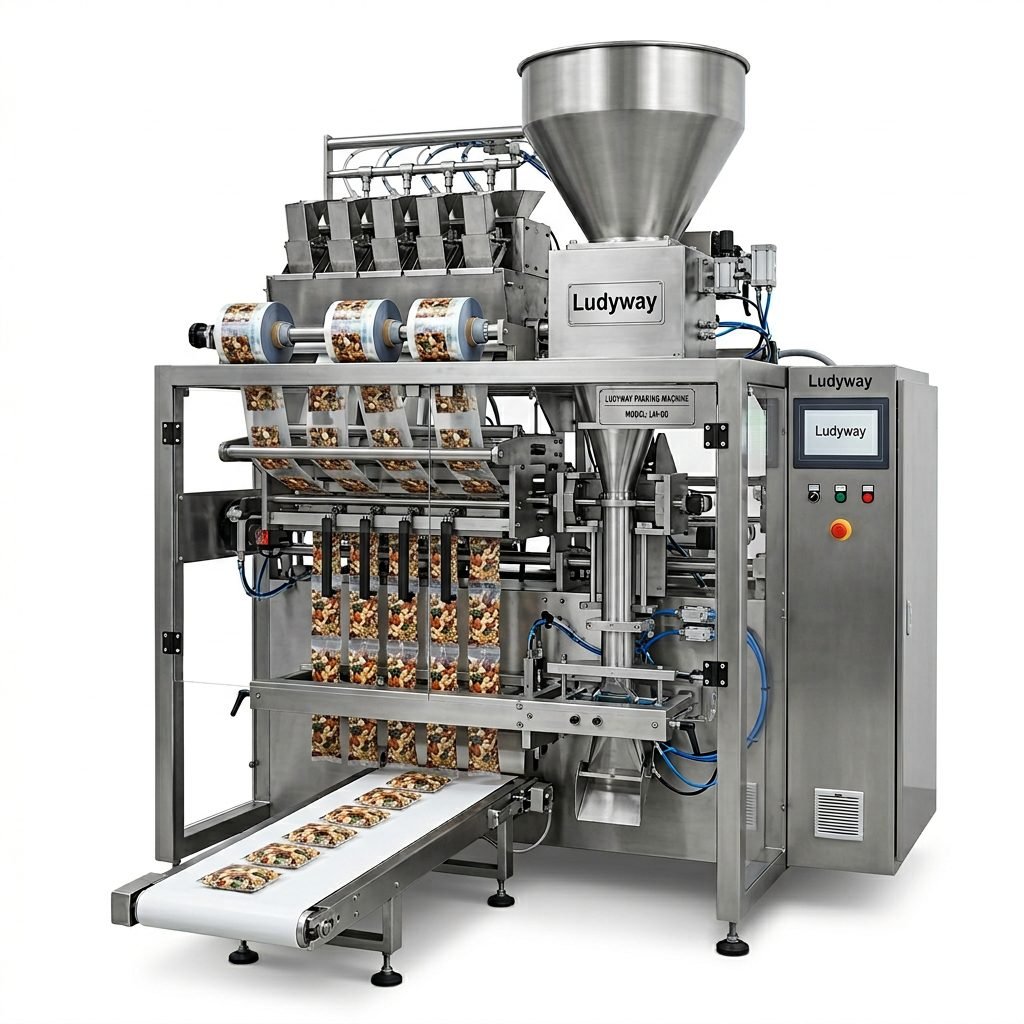
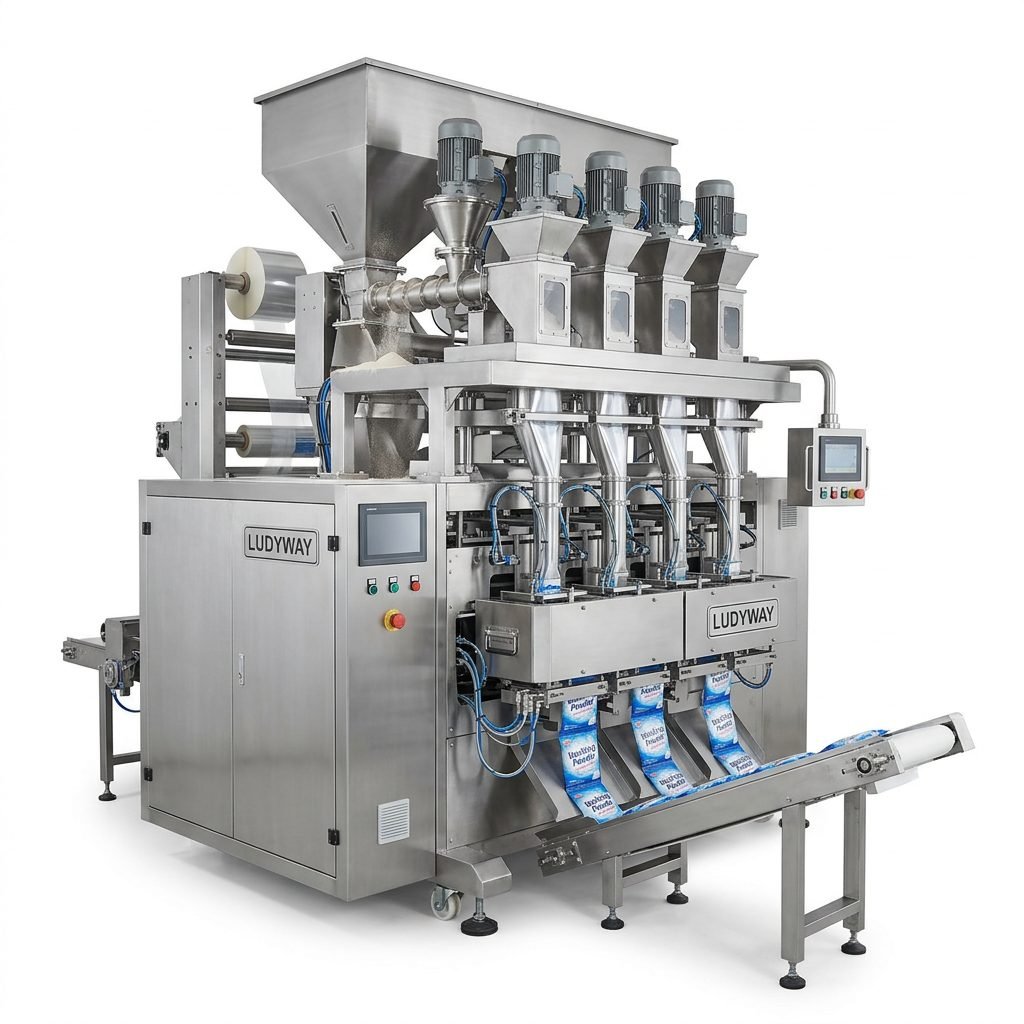
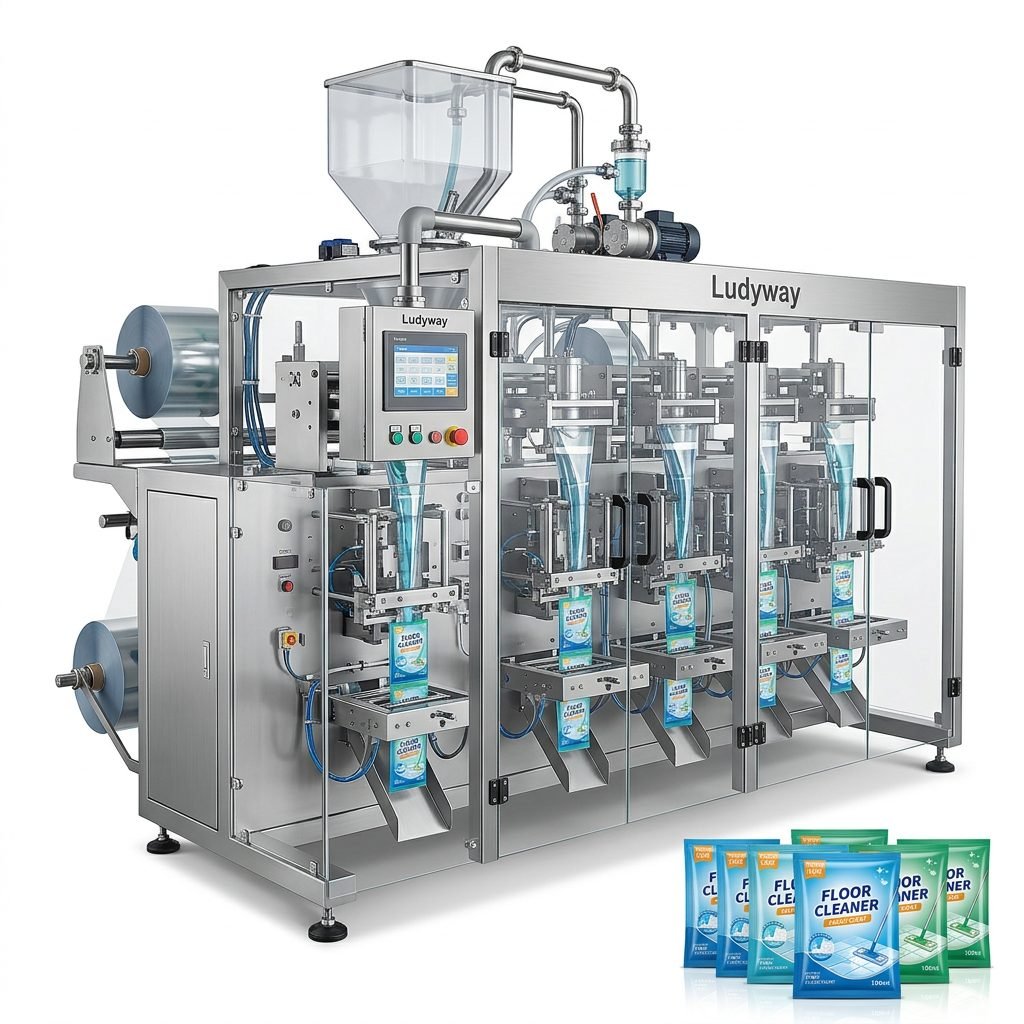
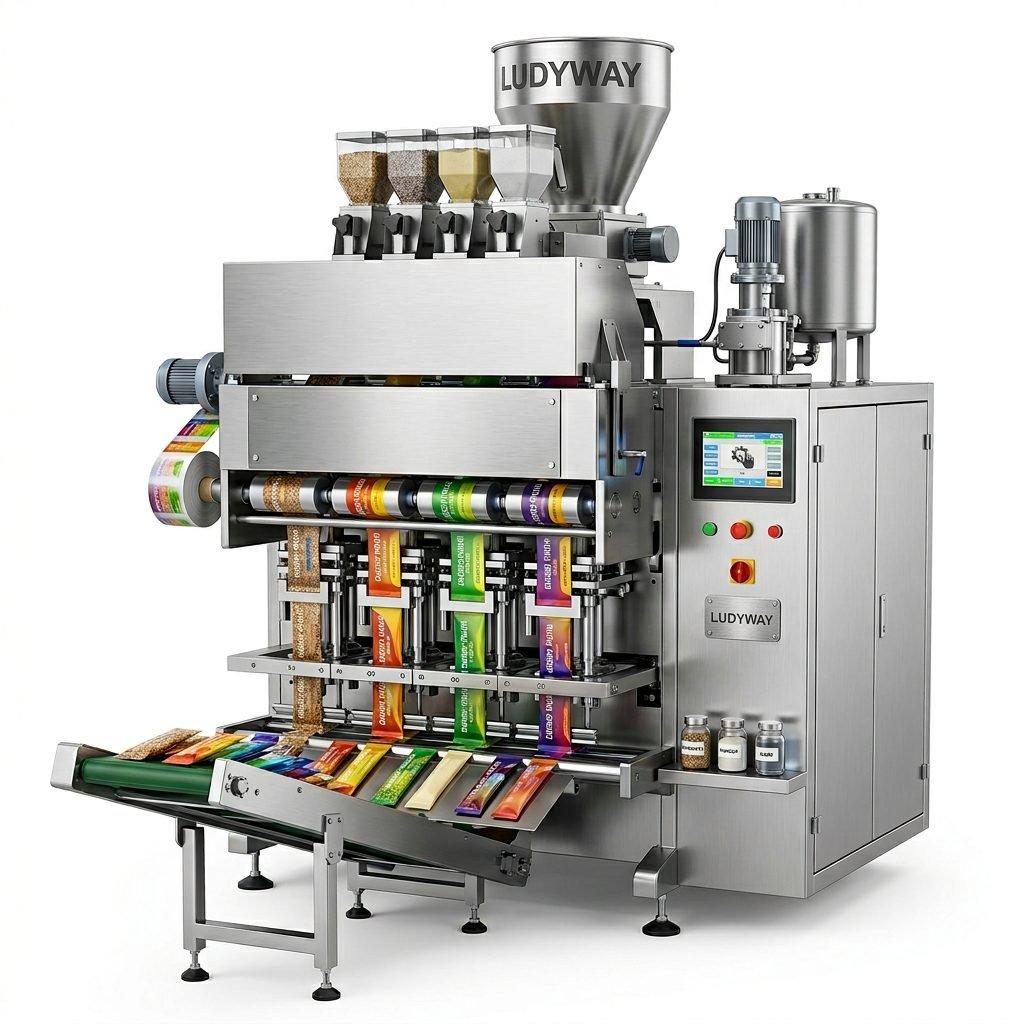
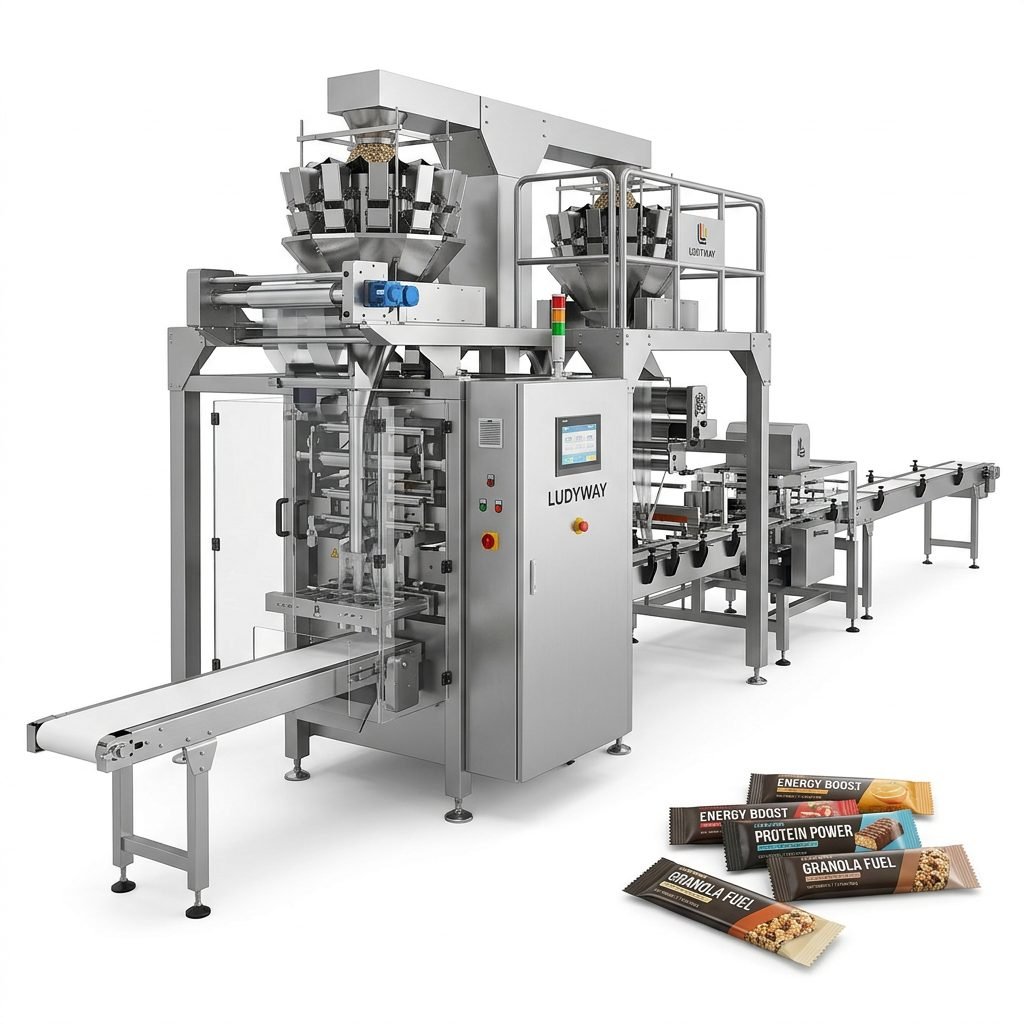
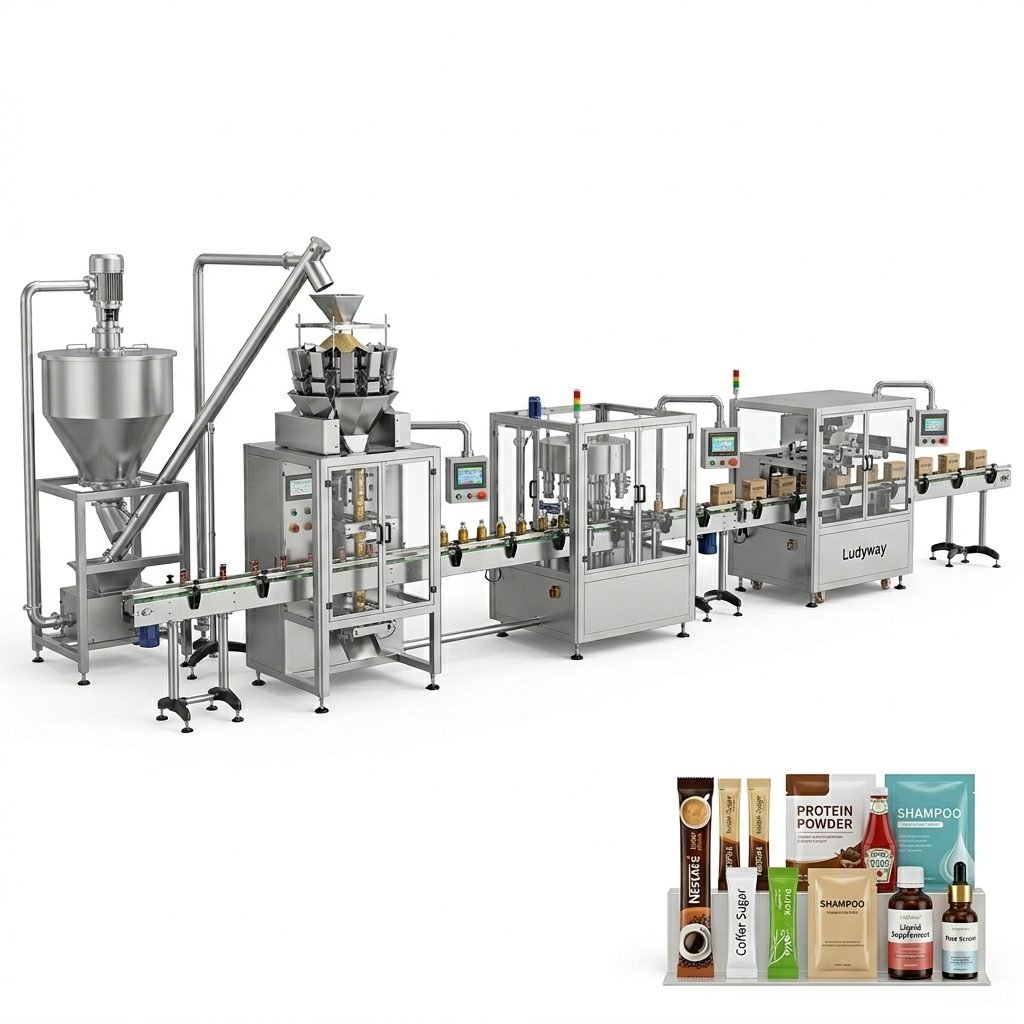
Many buyers prefer complete line planning because it reduces integration risks and improves overall output efficiency. An experienced manufacturer such as Ludyway packaging machine manufacturer can support both standalone equipment and full turnkey automation for food production applications.
Common Mistakes When Selecting a Butter Packing Machine
- Choosing speed over sealing stability
- Ignoring butter temperature behavior during filling
- Not testing real packaging material in advance
- Buying a machine without planning future size changes
- Underestimating cleaning and maintenance needs
- Focusing only on machine price instead of total ownership cost
The lowest-priced machine is rarely the lowest-cost solution once downtime, product waste, rejected packs, and maintenance are included.
How to Compare Suppliers Effectively
When comparing butter packaging machine suppliers, ask for more than a quotation. A reliable supplier should understand your product behavior, package structure, and automation target.
Request These Details
- Machine model and suitable product range
- Output speed based on your actual pack size
- Filling accuracy range
- Material and sealing compatibility
- Electrical brand configuration
- Cleaning and sanitation method
- Optional add-ons and future upgrade capability
- Installation, training, and after-sales support
Best Practice
Provide the supplier with butter samples, target pack dimensions, packaging film details, desired output, and workshop conditions. This helps them recommend a more accurate automatic packaging solution.
Questions to Ask Before Final Approval
| Question | Why It Matters |
|---|---|
| Has the machine handled butter or similar paste products before? | Proves practical application experience |
| What is the real output under my pack size and formula? | Avoids unrealistic speed expectations |
| Can the filling system maintain consistency at my operating temperature? | Critical for accuracy and seal cleanliness |
| How long does cleaning and size changeover take? | Directly affects uptime and labor cost |
| Can it connect with coding, cartoning, or case packing equipment? | Important for future automation expansion |
Best Automatic Packaging Solution for Different Butter Businesses
For Foodservice Portion Packs
Choose a high-precision sachet or small cup filling system with clean sealing, fast changeover, and reliable date coding.
For Retail Butter Blocks
Choose a wrapping or block packaging machine built for consistent shape handling, attractive pack finish, and efficient downstream cartoning.
For Premium or Flavored Butter Products
Choose a flexible pouch or tub filling system that supports multiple recipes, smaller batches, and premium branding formats.
For Large Dairy Factories
Choose a fully integrated automatic line with feeding, filling, sealing, coding, checkweighing, cartoning, and end-of-line handling to maximize overall equipment efficiency.
Final Buying Insight
The best butter packing machine is the one that fits your product characteristics, packaging format, hygiene standard, and expansion plan. A strong automatic packaging solution should not only pack butter quickly, but also deliver stable seals, accurate weights, easy cleaning, and smooth line integration.
If you evaluate machine type, product flow behavior, pack style, material compatibility, and supplier support carefully, you will be in a much better position to invest in equipment that improves both efficiency and product quality over the long term.