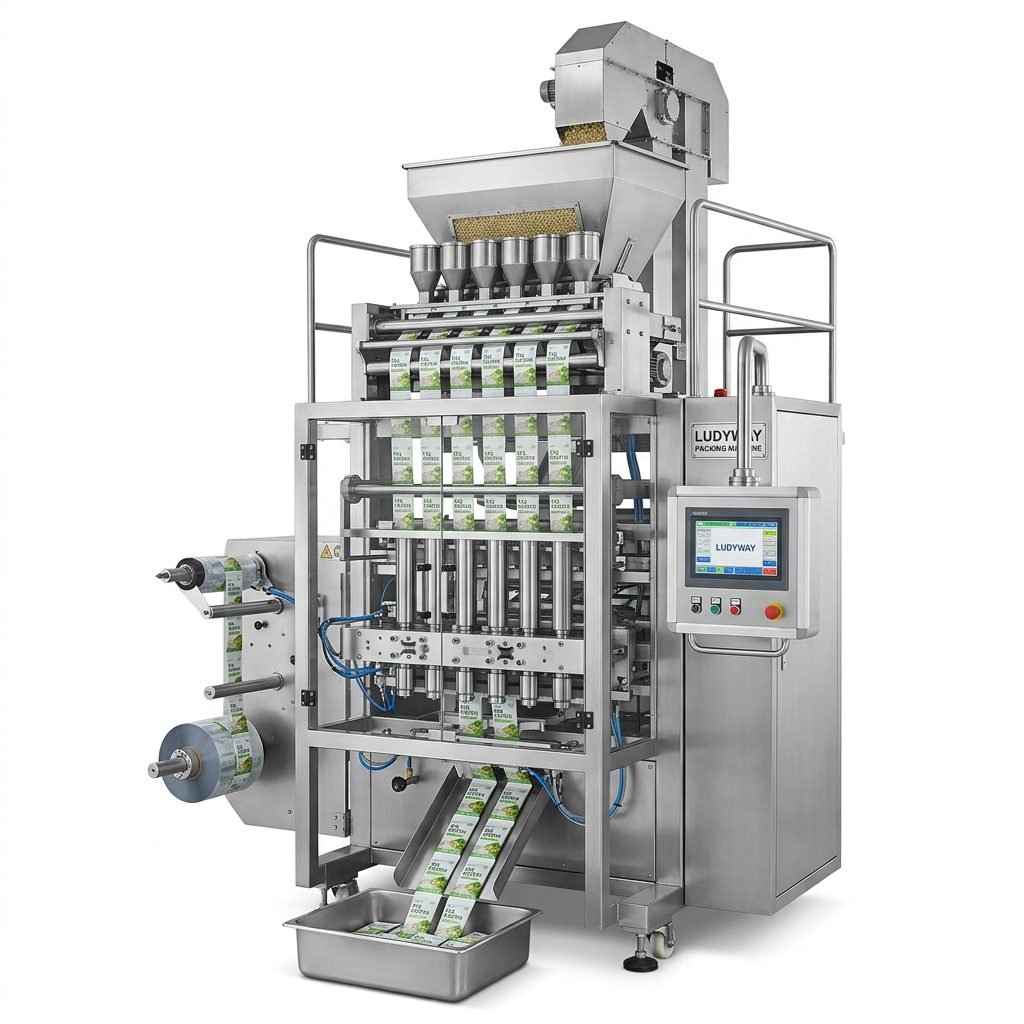
Investing in a pet food packaging machine is a strategic decision that directly impacts product shelf life, brand reputation, and operational efficiency. Whether you are packaging dry kibble, wet food, freeze-dried treats, or powdered supplements, the right pet food packaging equipment ensures consistent fill accuracy, reliable sealing, and compliance with international food safety standards. This guide covers the essential features, cost factors, and practical tips global buyers need to evaluate before making a purchase.
Understanding Pet Food Packaging Machine Types
The pet food industry covers a wide range of product formats, and each requires a specific packaging system. Selecting the correct machine type begins with understanding your product’s physical characteristics and target package style.
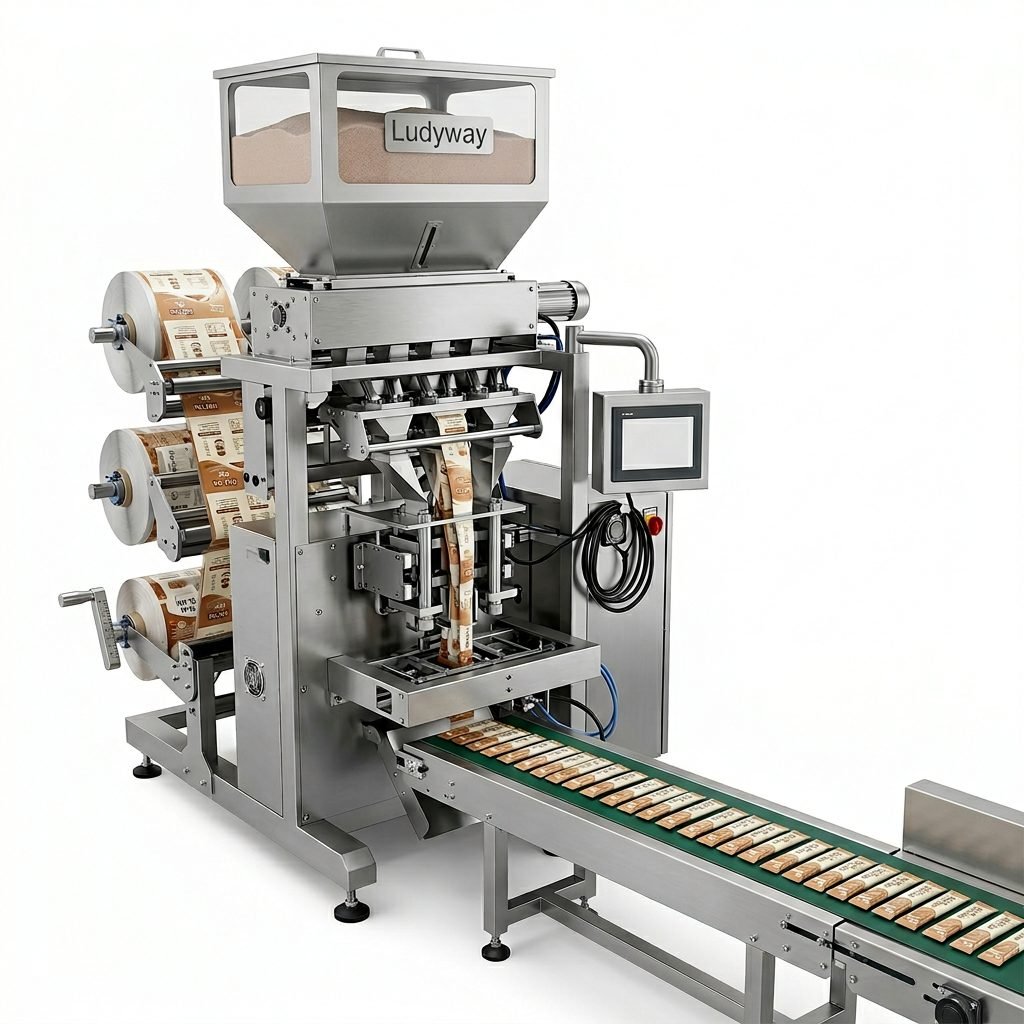
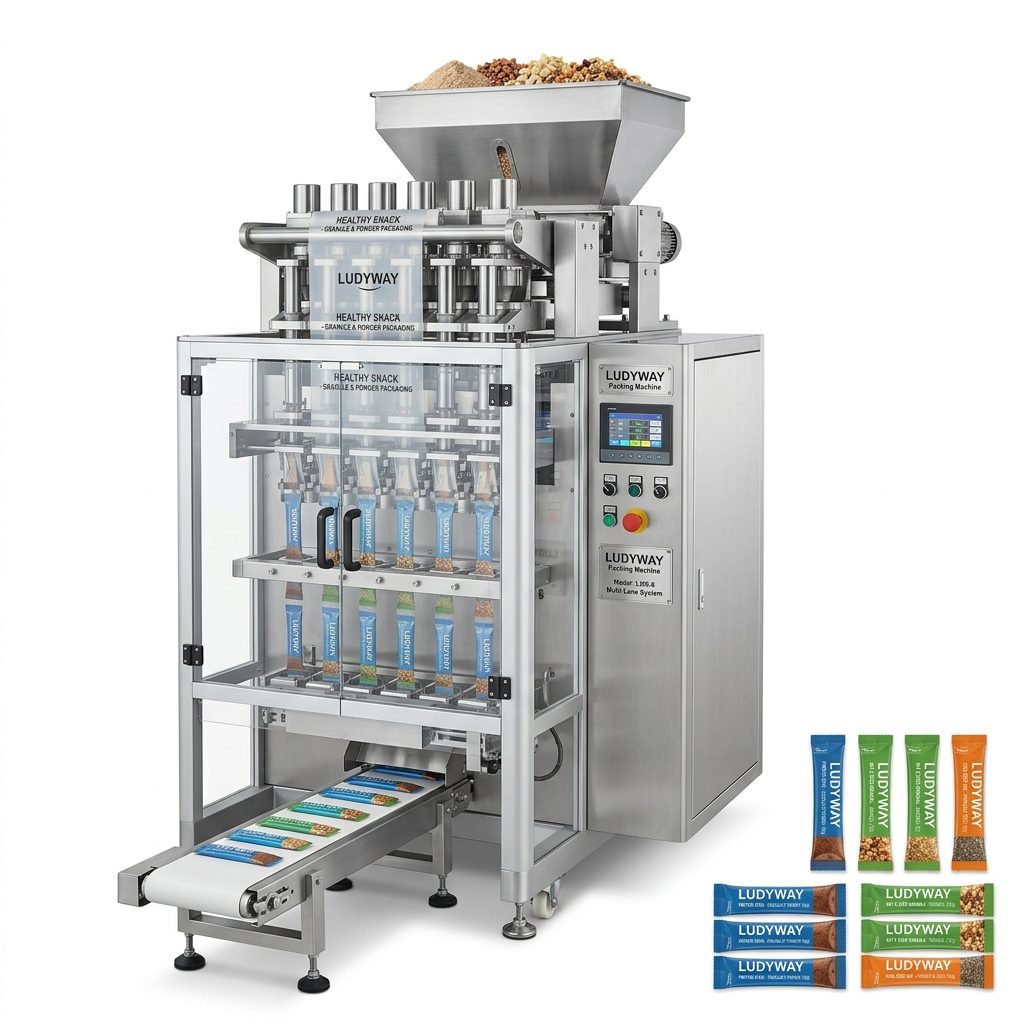
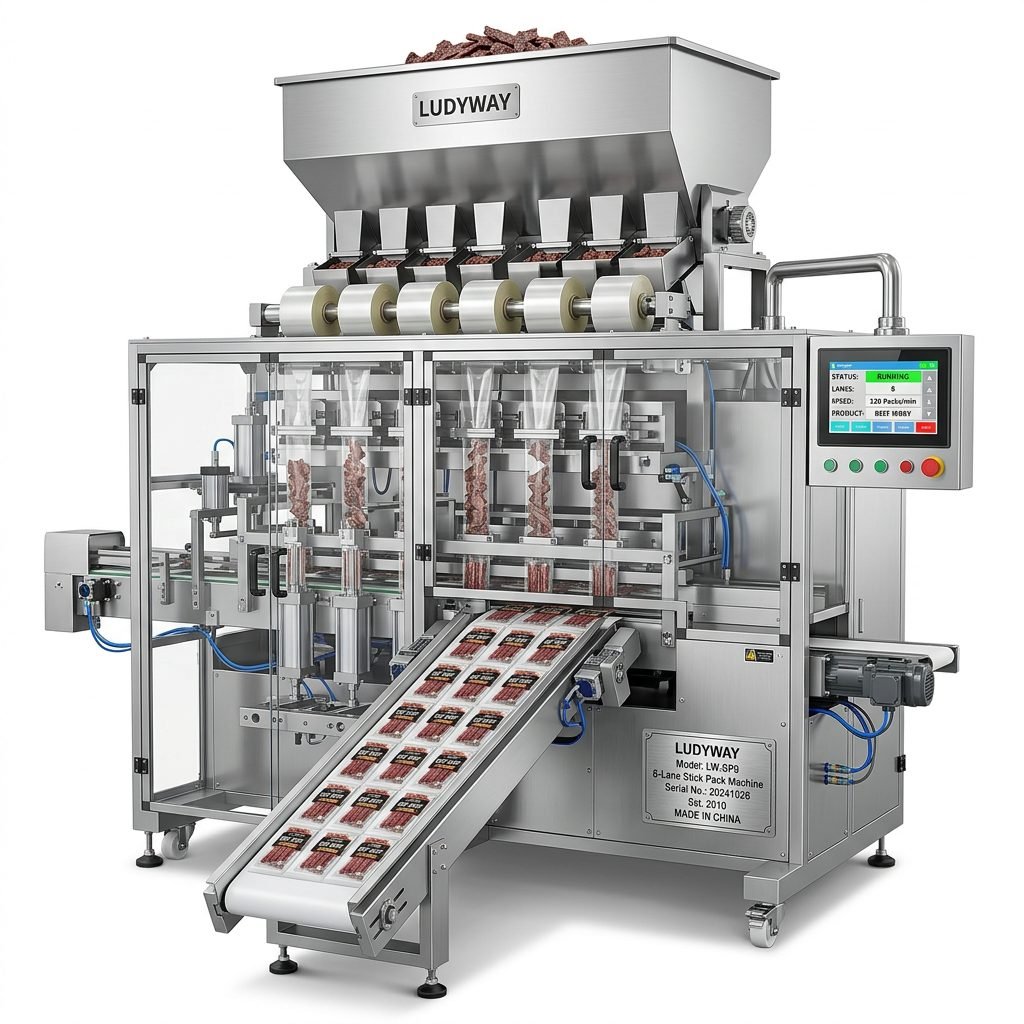
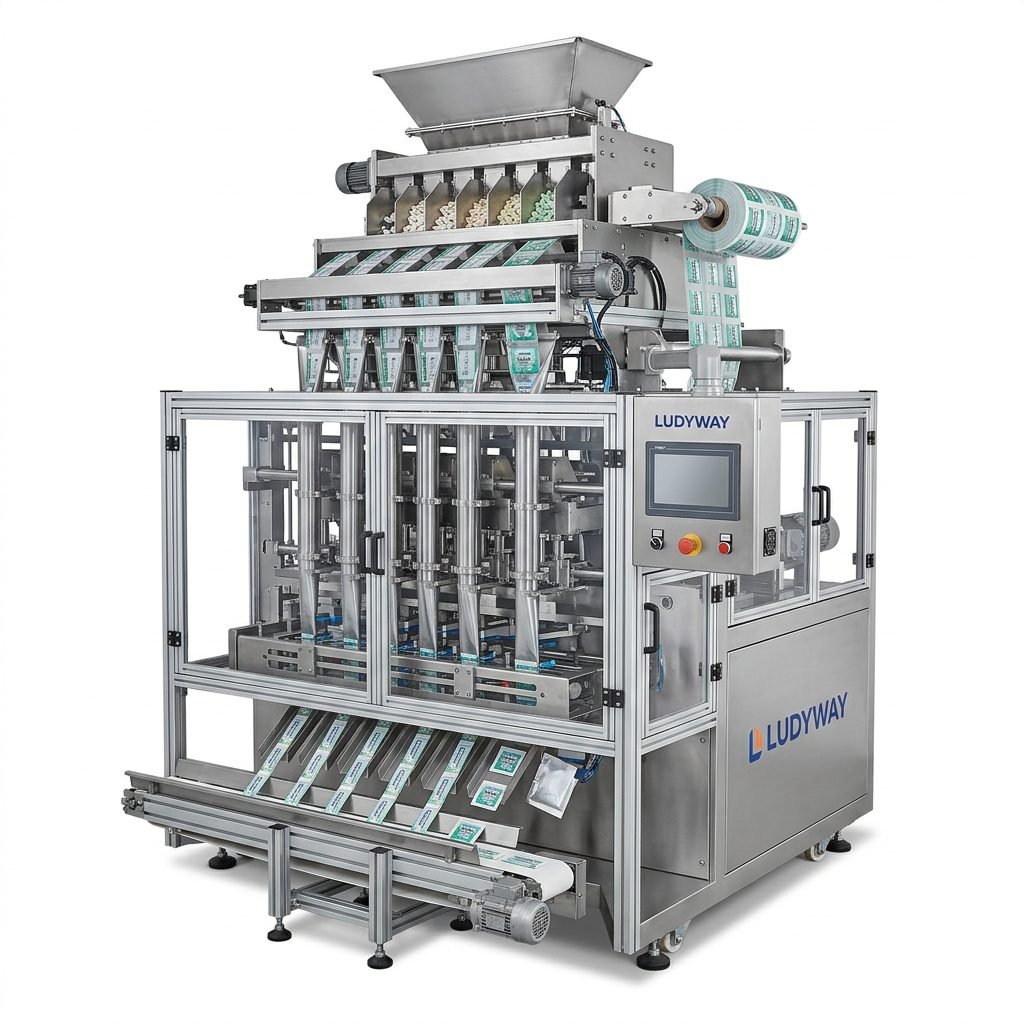
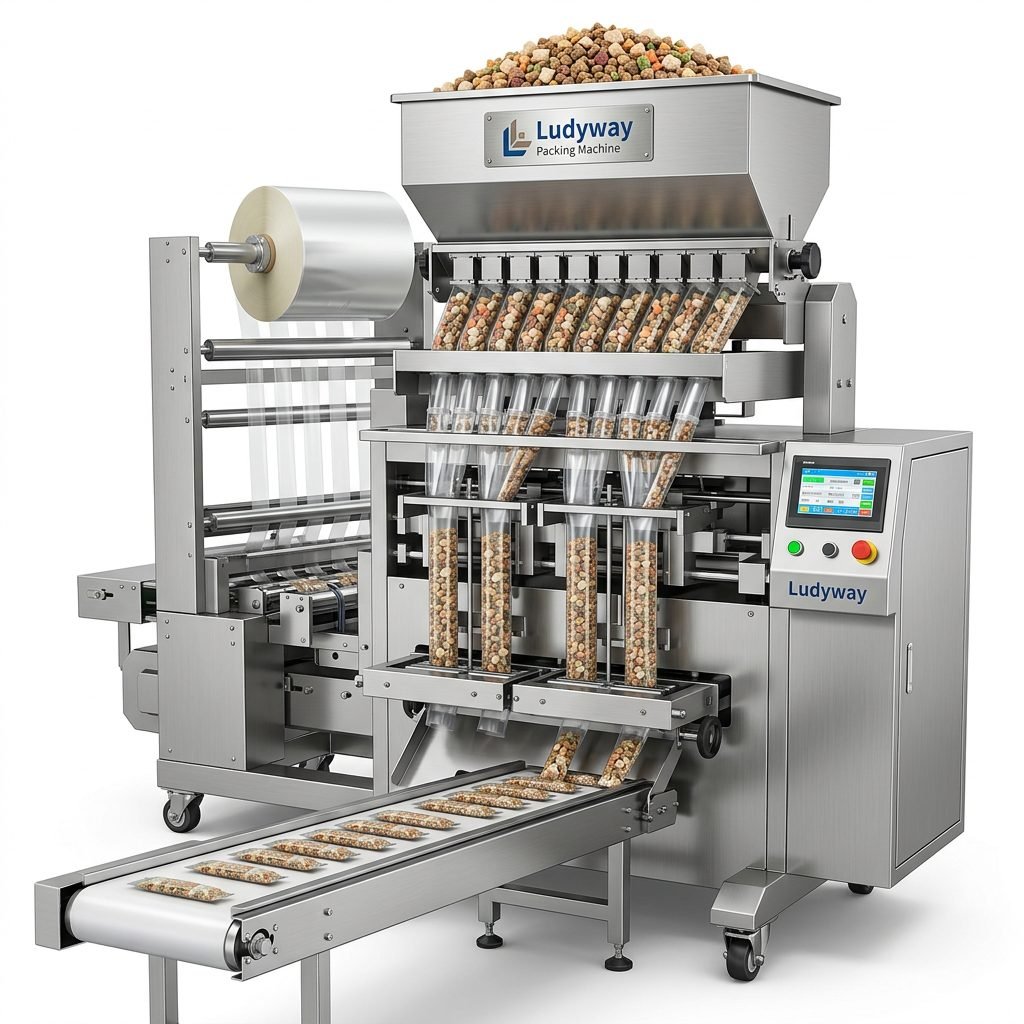
- Multi-Lane Stick Pack Machines – Ideal for single-serve portions of powders, granules, and liquid supplements. These machines offer high-speed output and precise portion control for products like pet vitamin sachets and probiotic powders.
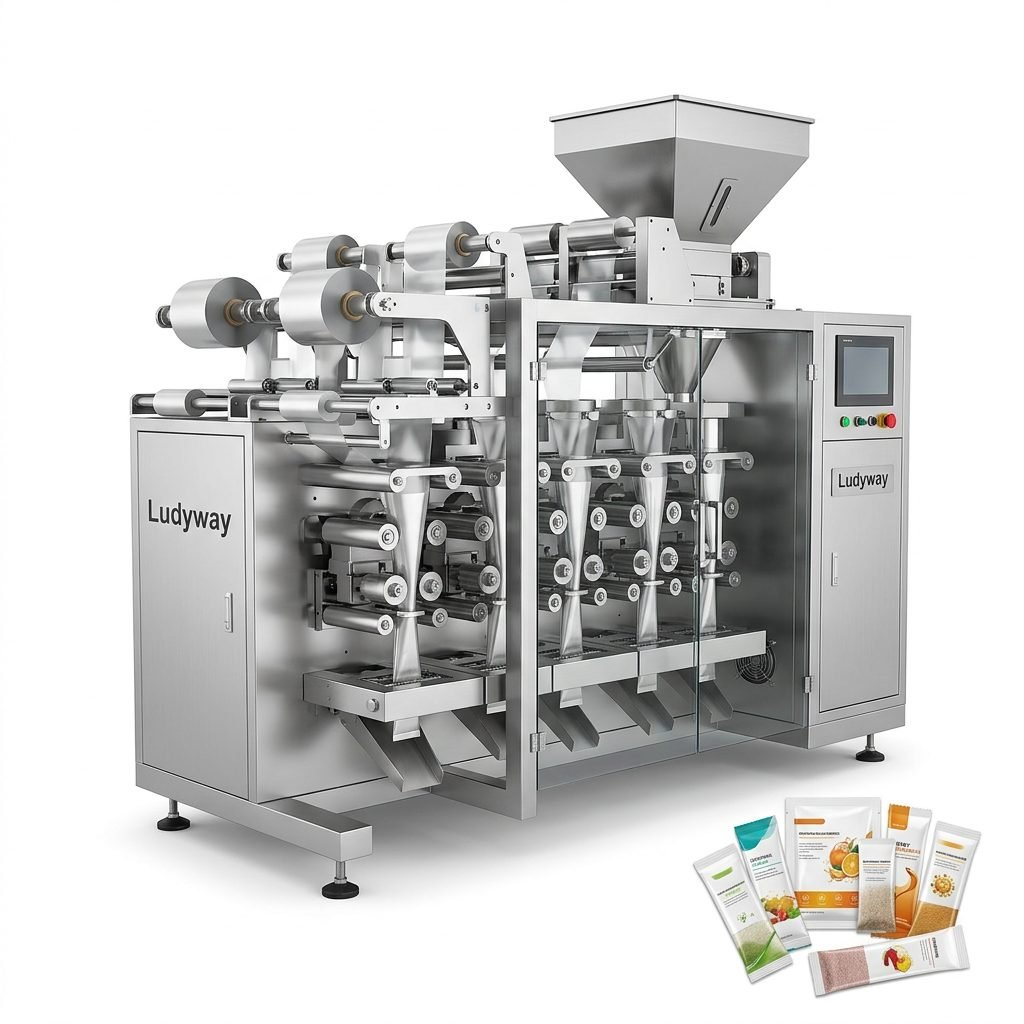
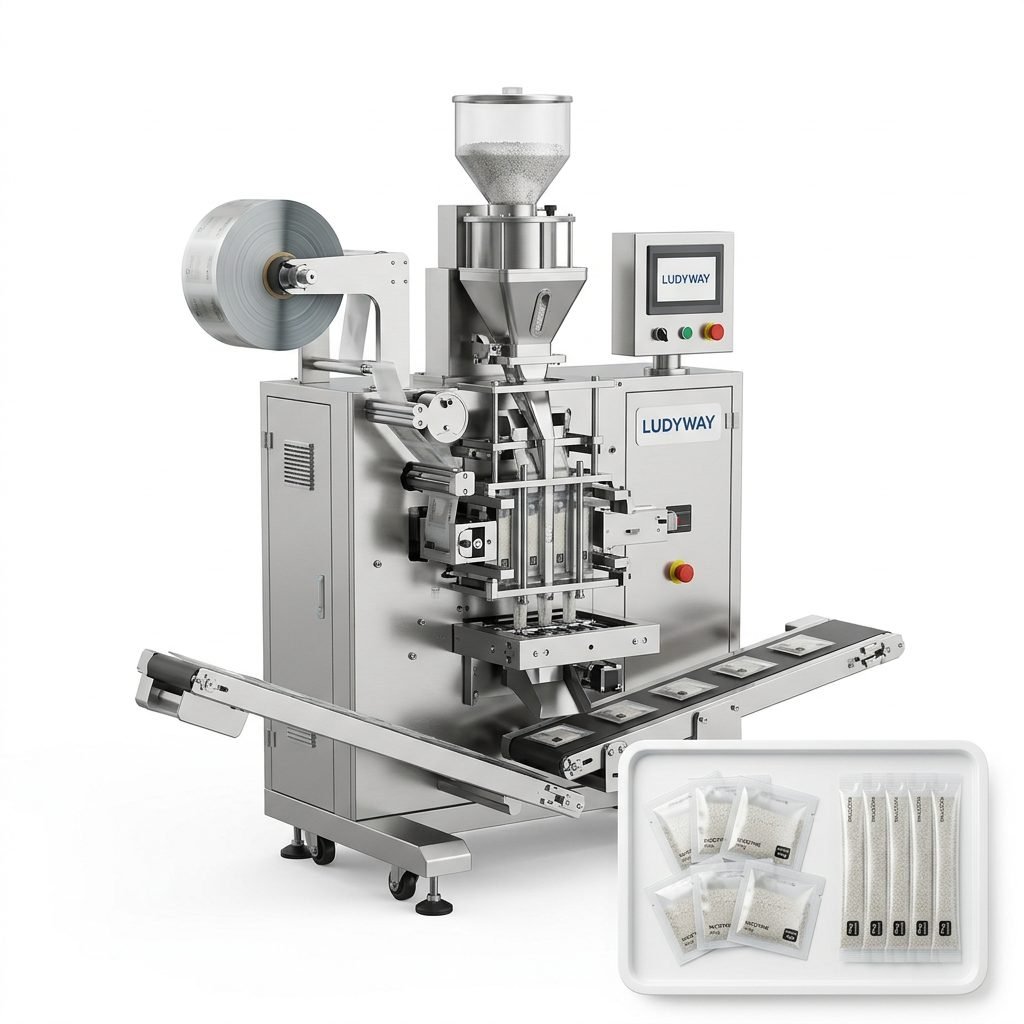
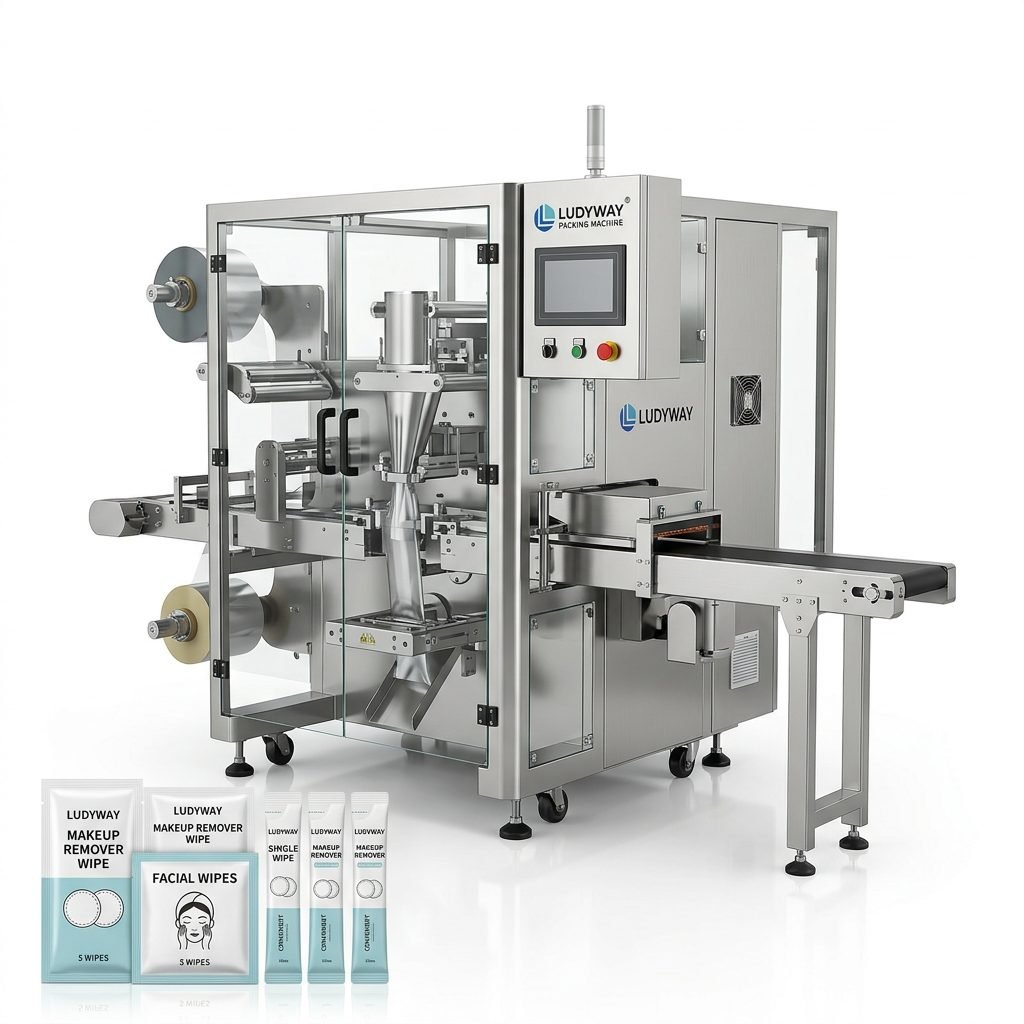
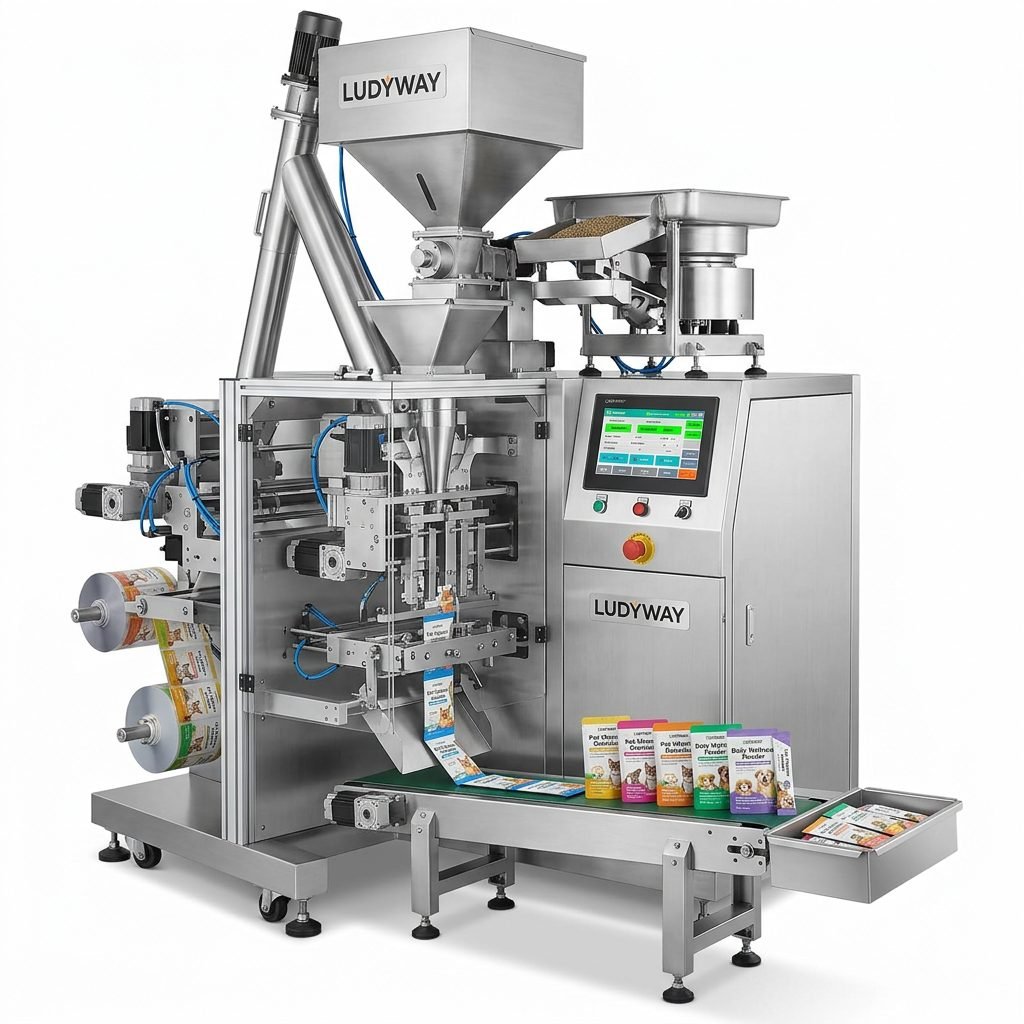
- Sachet Packaging Machines – Suitable for larger single-use packs of wet food, treats, or grooming product samples. They handle flat or shaped sachets with excellent seal integrity.
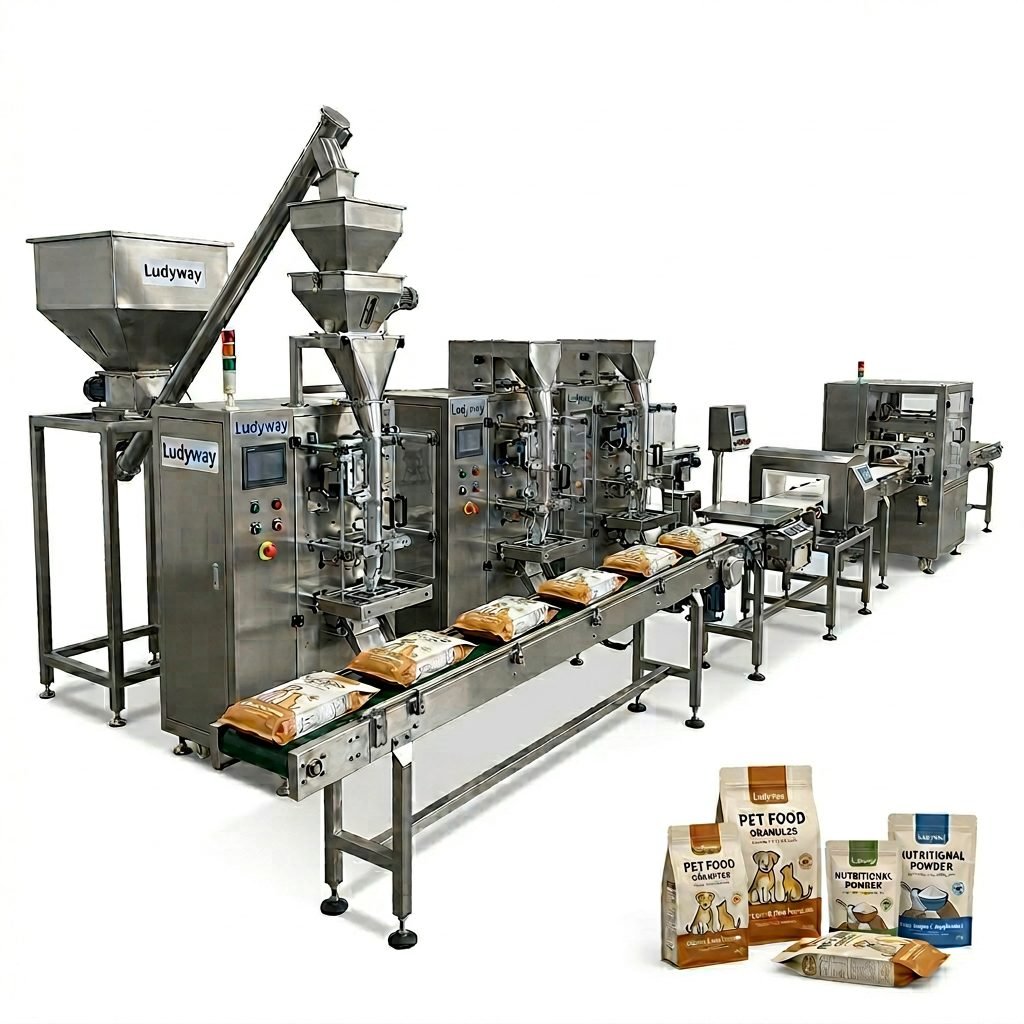
- Pouch Filling and Sealing Machines – Designed for stand-up pouches, zipper bags, and spouted pouches commonly used for premium pet food brands. These systems often integrate with multi-lane filling systems for maximum throughput.
- Bulk Bagging Systems – For large-format packaging of dry kibble and bulk ingredients ranging from 5 kg to 50 kg bags, essential for wholesale and industrial supply chains.
Key Features to Evaluate Before Buying
Not all pet food packaging machines are built the same. The following features should be carefully assessed to ensure the equipment meets your production goals and regulatory requirements:
| Feature | Why It Matters |
|---|---|
| Filling Accuracy | Precise dosing minimizes product giveaway and ensures label weight compliance, critical for export markets with strict regulations. |
| Sealing Integrity | Hermetic seals protect against moisture, oxygen, and contamination, directly extending product shelf life and reducing returns. |
| Material Compatibility | The machine must handle various film structures including laminated, biodegradable, and high-barrier materials to suit different product types. |
| Speed and Output | Multi-lane configurations can produce 200–600 packs per minute, making them essential for high-volume manufacturers targeting retail and export channels. |
| Easy Cleanability | Quick-changeover designs reduce downtime between product runs and support compliance with food safety protocols including HACCP and FDA standards. |
| Automation Level | Fully automated lines with turnkey packaging solutions reduce labor costs and human error, integrating weighing, filling, sealing, coding, and cartoning into one seamless workflow. |
Cost Breakdown and Budget Planning
The total investment in a pet food packaging machine goes far beyond the initial equipment price. Global buyers should budget for a complete cost structure to avoid unexpected financial strain.
- Machine Base Price – Entry-level single-lane machines may start around $15,000, while high-speed multi-lane stick pack machines with full automation can exceed $150,000 depending on lane count and features.
- Shipping and Logistics – Ocean freight, insurance, and customs clearance vary by destination. For heavy industrial equipment, logistics can represent 8–15% of the machine cost.
- Installation and Commissioning – Budget for technician travel, on-site setup, and operator training. Some suppliers include remote support, while others charge separately for international commissioning.
- Spare Parts Inventory – Critical wear parts such as sealing jaws, cutting blades, and heating elements should be stocked to minimize downtime. A recommended spare parts list is typically 3–5% of machine value annually.
- Ongoing Maintenance – Preventive maintenance contracts, lubrication, and periodic calibration ensure consistent performance over the machine’s 10–15 year lifespan.
Tips for Global Buyers: Navigating International Procurement
Purchasing packaging machinery across borders requires thorough due diligence. These practical tips help international buyers mitigate risks and make informed decisions:
- Verify Certifications – Ensure the manufacturer holds relevant certifications such as CE, ISO 9001, and FDA-compliant designs for food contact applications. This is non-negotiable for markets in Europe, North America, and Australia.
- Request Video Demonstrations – Before committing to a factory visit, ask for live video demonstrations of the machine running with your product or a similar material. This validates performance claims and build quality.
- Evaluate After-Sales Support – Confirm the availability of remote troubleshooting, spare parts delivery timelines, and whether the supplier offers on-site service in your region. A responsive support network is invaluable during peak production periods.
- Consider Total Landed Cost – Factor in import duties, VAT, broker fees, and local electrical compliance upgrades. Consult with a customs broker familiar with industrial machinery in your country before finalizing the order.
- Plan for Future Scalability – Choose modular equipment that can be upgraded with additional lanes, integrated cartoning, or robotic palletizing as your production volume grows.
Regulatory Compliance and Food Safety Standards
Food packaging machinery must comply with regional and international standards. Key frameworks include FDA food packaging regulations for the U.S. market, EU packaging and packaging waste directives, and ISO standards for packaging machinery safety. Machines designed with stainless steel contact parts, CIP (Clean-in-Place) compatibility, and validated sealing parameters help meet these requirements consistently.
Choosing the Right Supplier: What Sets Industry Leaders Apart
Selecting a reliable equipment partner is as important as the machine itself. Established manufacturers with decades of experience, in-house engineering teams, and a global customer base offer distinct advantages. Look for suppliers that provide complete turnkey lines rather than isolated machines, as integrated systems reduce compatibility issues and streamline production workflows.
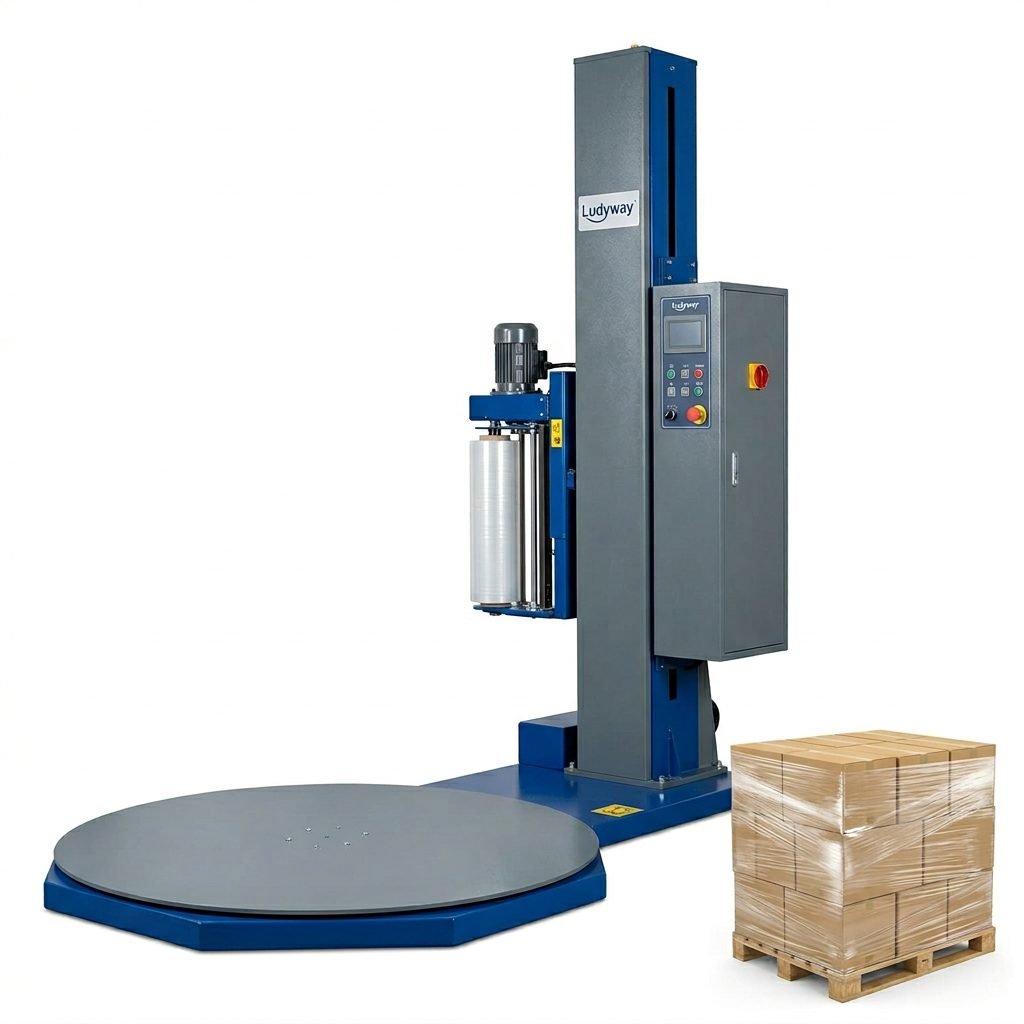
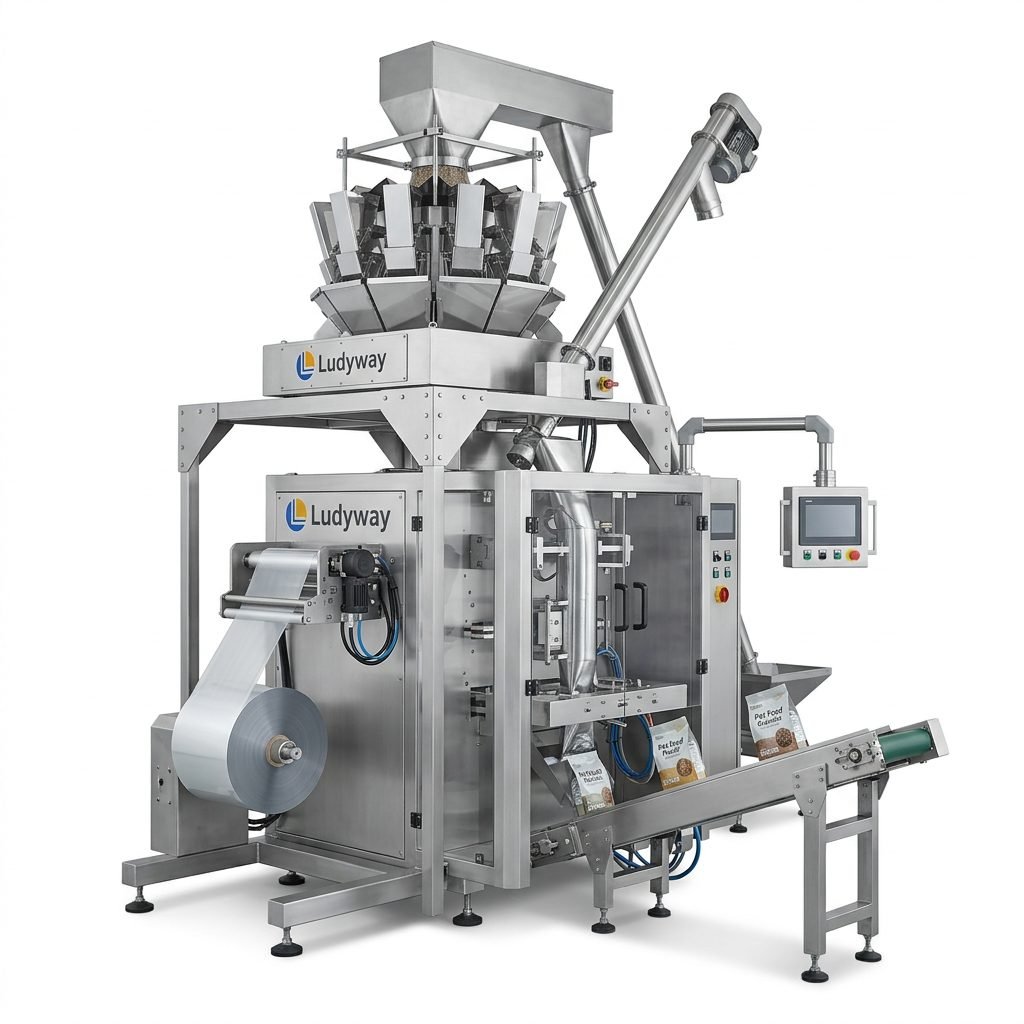
Ludyway is one of the largest packaging machine manufacturers in China, specializing in advanced packaging equipment and turnkey production solutions for the food, pharmaceutical, and health industries. With over 30 years of industry expertise, a 20,000㎡ manufacturing facility, and more than 50 intelligent packaging machine models, the company serves customers in over 100 countries. Their portfolio includes multi-lane stick pack machines, sachet packaging systems, fully automated lines, and integrated solutions covering granule, powder, liquid, and pouch applications—making them a relevant option for global pet food producers seeking scalable, high-performance pet food packaging solutions.
Comparing Packaging Formats for Pet Food Products
| Packaging Format | Best For | Typical Speed Range |
|---|---|---|
| Stick Pack | Single-serve supplements, probiotics, dental powder | 200–600 packs/min |
| Flat Sachet | Wet food portions, treat samples, grooming products | 150–400 packs/min |
| Stand-Up Pouch | Premium dry food, freeze-dried treats, resealable bags | 40–120 packs/min |
| Bulk Bag (5–50 kg) | Wholesale kibble, ingredient supply, bulk distribution | 5–20 bags/min |
Key Questions to Ask Before Finalizing Your Purchase
- What is the machine’s actual demonstrated speed with my specific product formulation and packaging material?
- Are spare parts readily available, and what is the typical shipping lead time for critical components?
- Does the supplier offer comprehensive installation support, operator training, and ongoing technical assistance?
- Can the equipment be upgraded or reconfigured if my production needs change in the next 3–5 years?
- What is the warranty coverage, and are there any exclusions related to wear parts or operator error?

Industry Resources for Packaging Professionals
Staying informed about industry trends, standards, and innovations helps buyers make evidence-based decisions. The following resources provide valuable data on packaging machinery developments and regulatory changes worldwide:
- PMMI – The Association for Packaging and Processing Technologies – Industry reports, market intelligence, and trade show information for packaging professionals.
- Flexible Packaging Association – Resources on flexible packaging trends, sustainability, and regulatory affairs relevant to pet food applications.
- ISO Packaging Standards – International standards covering packaging machinery safety, performance, and testing protocols.
- FDA Food Ingredient and Packaging Resources – Guidance on food contact substances and packaging compliance for the U.S. market.
Selecting the right pet food packaging machine requires a comprehensive evaluation of your product characteristics, production volume, budget, and long-term growth plans. By prioritizing build quality, supplier reliability, and regulatory compliance, global buyers can secure equipment that delivers consistent performance for years to come. Investing time in due diligence upfront pays dividends in reduced downtime, lower total cost of ownership, and the confidence that your packaging operations will scale smoothly alongside your brand’s success.