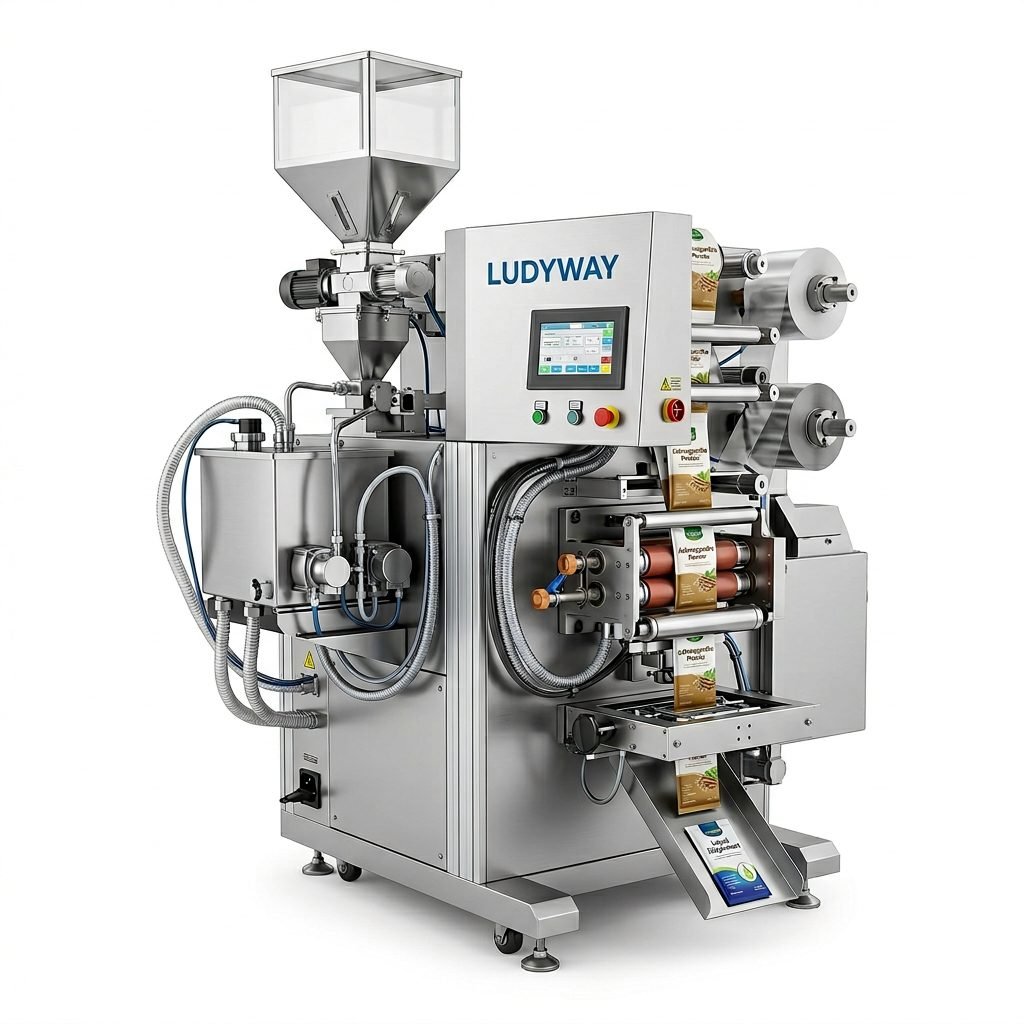
Choosing the right jerky packaging equipment is not just about sealing bags faster. It directly affects
product freshness, shelf life, packaging appearance, labor cost, throughput, and food safety compliance.
For beef jerky, turkey jerky, pork jerky, and other dried meat snacks, the ideal machine should match your product type,
bag format, production target, and future expansion plan.
In a competitive snack market, buyers expect neat seals, reliable weights, oxygen control, and consistent presentation.
A poor equipment choice can lead to broken product, leaky packs, slow output, excessive labor, and higher waste. A smart
choice creates a more efficient packaging process from feeding to sealing, coding, inspection, and final packing.
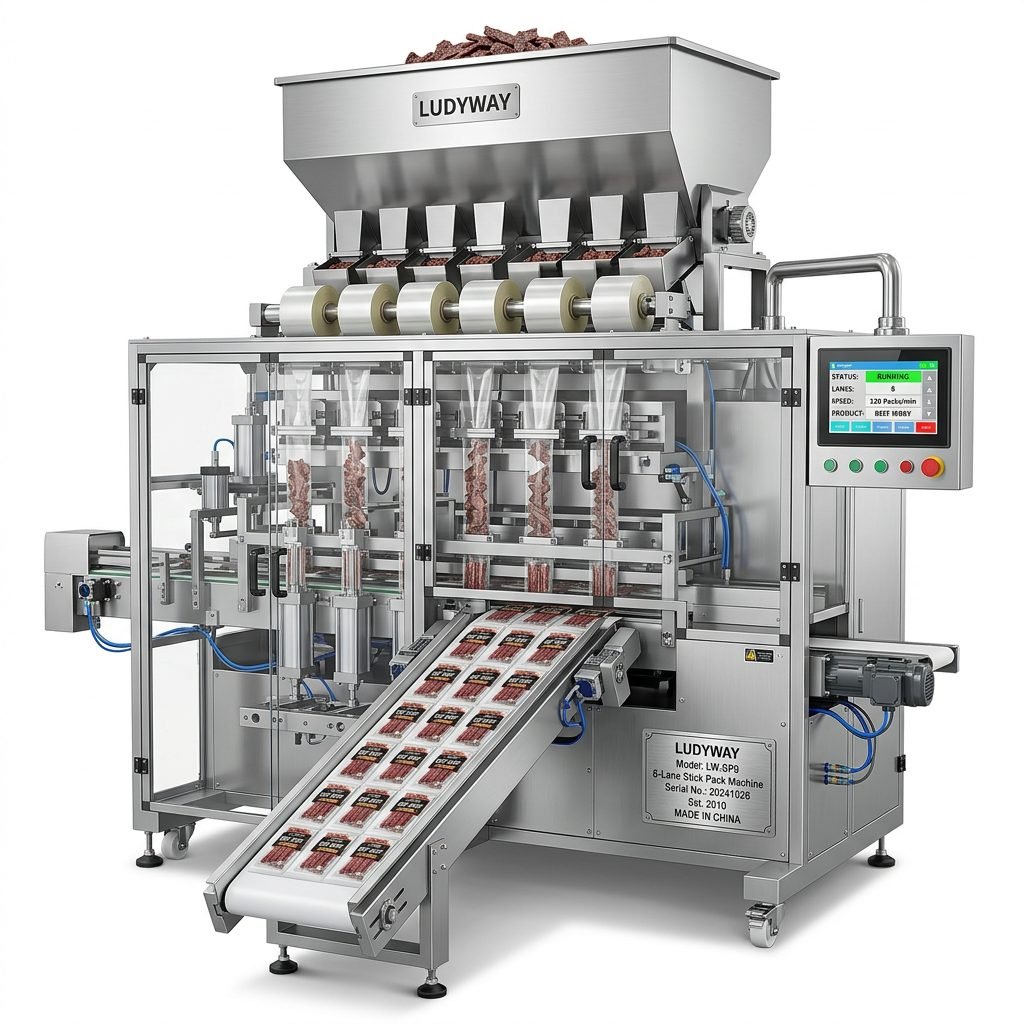
Why Jerky Packaging Equipment Matters
Jerky is a moisture-sensitive and oxygen-sensitive product.
Even after drying, it still needs proper protection against humidity, contamination, and oxidation. The right packaging
machine helps preserve texture and flavor while supporting attractive retail-ready output.
- Protects product quality by maintaining seal integrity
- Improves efficiency through automation and reduced manual handling
- Supports food safety with more hygienic production
- Enhances brand presentation through consistent bag forming and printing
- Reduces operational cost by minimizing waste and labor dependence
Understand Your Jerky Product Before Selecting a Machine
The first step is to understand what exactly you are packing. Jerky packaging machinery should be selected according to
the product’s shape, size, texture, oil content, seasoning level, and target pack weight.
Key product questions to answer
- Is your jerky in strips, pieces, cubes, shredded form, or bites?
- Is it brittle, sticky, oily, seasoned, or sugar-coated?
- What is the target pack size: single-serve, snack pack, family pack, or bulk pack?
- Do you need vacuum packaging, nitrogen flushing, or standard heat sealing?
- Are you selling through retail, e-commerce, club stores, or foodservice?
For example, irregular strips may require a different feeding and weighing approach than small jerky bites.
If your product is oily or heavily seasoned, you also need to consider machine hygiene, anti-stick design,
and easy-clean contact parts.
Main Types of Jerky Packaging Machines
There is no single machine that fits every jerky manufacturer. The best solution depends on your package style
and automation level.
| Machine Type | Best For | Advantages |
|---|---|---|
| Vertical Form Fill Seal (VFFS) | Pillow bags, gusset bags, standard snack packs | Compact footprint, good speed, efficient bag making |
| Premade Pouch Packing Machine | Stand-up pouches, zipper pouches, premium retail packs | Better shelf appeal, flexible pouch styles, high-end appearance |
| Vacuum Packaging Machine | Longer shelf life, tighter pack structure | Reduced oxygen, better freshness protection |
| Tray Sealing / MAP System | Premium meat snacks, deli-style presentation | Attractive display, modified atmosphere protection |
| Automatic Weighing + Bagging Line | Medium to large-scale production | Higher output, less manual labor, integrated automation |
How to Match the Machine to Your Bag Style
Packaging style influences the machine configuration more than many buyers realize. Before speaking with a supplier,
define the final package you want on the shelf.
Common jerky packaging formats
- Pillow bags
- Quad seal bags
- Stand-up pouches
- Zipper pouches
- Vacuum bags
- Flat pouches with tear notch
- Bulk foodservice bags
If your priority is low cost and good speed, a VFFS jerky packaging machine may be suitable. If your focus is
premium retail appearance and reclosability, a premade pouch machine is usually the better option.
Critical Features to Look For in a Jerky Packaging Machine
1. Accurate weighing system
Jerky is often irregular in shape, so accurate filling can be challenging. A machine with a suitable multihead weigher,
linear weigher, or customized dosing solution can reduce giveaway and improve consistency.
2. Strong sealing performance
Since jerky packaging depends heavily on moisture and oxygen protection, seal quality is essential. Look for stable
temperature control, durable sealing jaws, and compatibility with your packaging film.
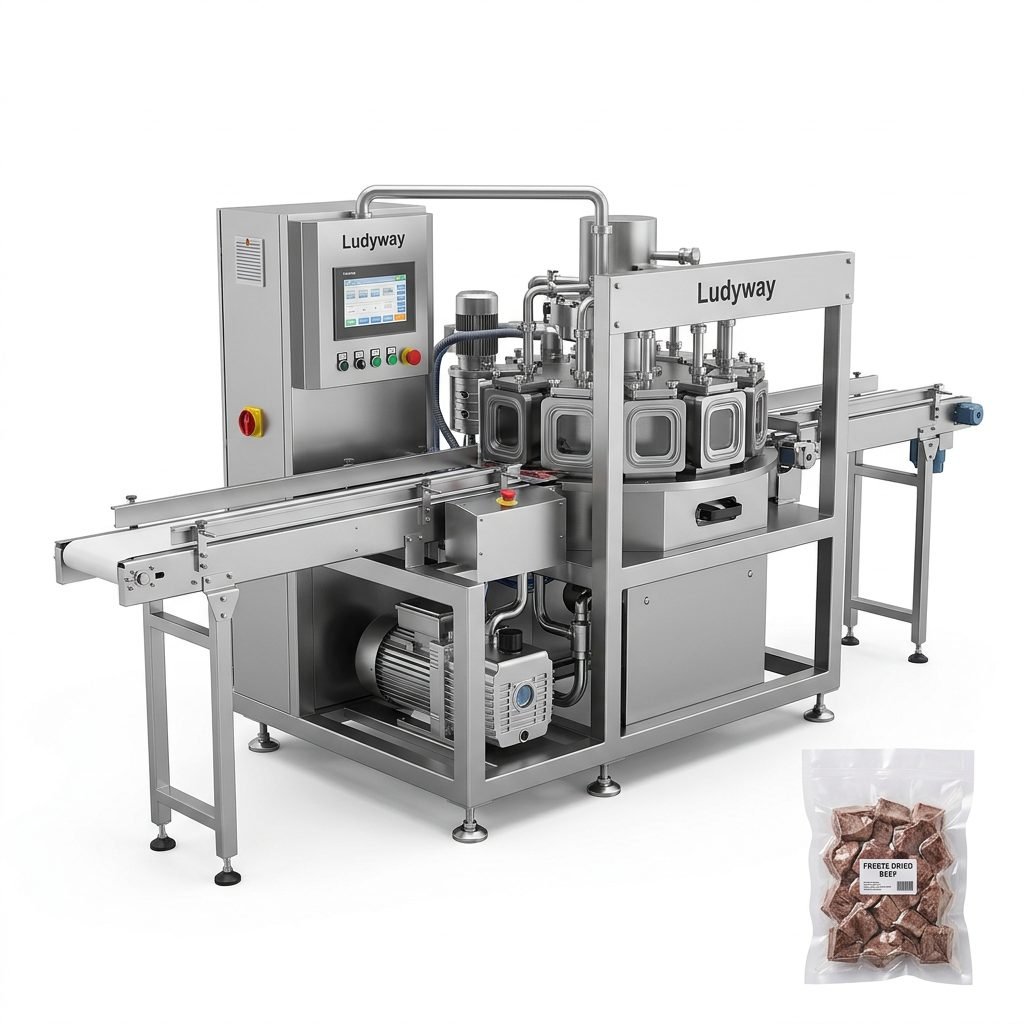
3. Nitrogen flushing or vacuum option
If you want longer shelf life or better flavor retention, choose equipment that supports
gas flushing or vacuum sealing.
This is especially important for premium meat snacks and export-oriented products.
4. Food-grade and easy-clean structure
Meat snack packaging equipment should use stainless steel construction and sanitary product-contact surfaces.
Easy disassembly and cleaning reduce downtime and support hygiene standards.
5. Flexible bag size changeover
If you plan to run different SKUs, bag dimensions, or promotional formats, quick changeover will save time and labor.
This matters for growing brands with diverse product lines.
6. Coding, inspection, and downstream integration
A complete line may include date coding, metal detection, checkweighing, pouch sorting, cartoning, and case packing.
Buyers should think beyond the primary bagging machine and evaluate the whole packaging workflow.
Production Capacity: Buy for Today and Tomorrow
One of the most common mistakes is choosing a machine only for current output. If sales grow quickly, undersized
equipment becomes a bottleneck. If the machine is too large, you may overinvest too early.
| Business Stage | Suggested Equipment Focus | Typical Goal |
|---|---|---|
| Startup / Small Batch | Flexible semi-auto or entry automatic pouch system | Low risk, manageable investment |
| Growing Brand | Automatic weighing and bagging system | Better consistency, labor savings |
| Large Manufacturer | Integrated turnkey packaging line | High throughput, line automation, scalable output |
Ask suppliers for realistic throughput based on your actual jerky format, not just ideal empty-machine speed.
Product flow behavior can significantly affect final performance.
Packaging Material Compatibility
Not every jerky packaging machine handles every film structure equally well. Your machine should be matched with the
barrier properties and sealing needs of your selected packaging material.
Important material considerations
- Oxygen barrier performance
- Moisture barrier performance
- Heat seal compatibility
- Puncture resistance for sharp jerky edges
- Zipper or resealable functionality
- Print registration for branded packaging
If your jerky has rigid edges or dense seasoning, poor film selection can cause seal issues or punctures. A reliable
supplier should help test your material and product combination before final machine confirmation.
Automation Level: Standalone Machine or Turnkey Line?
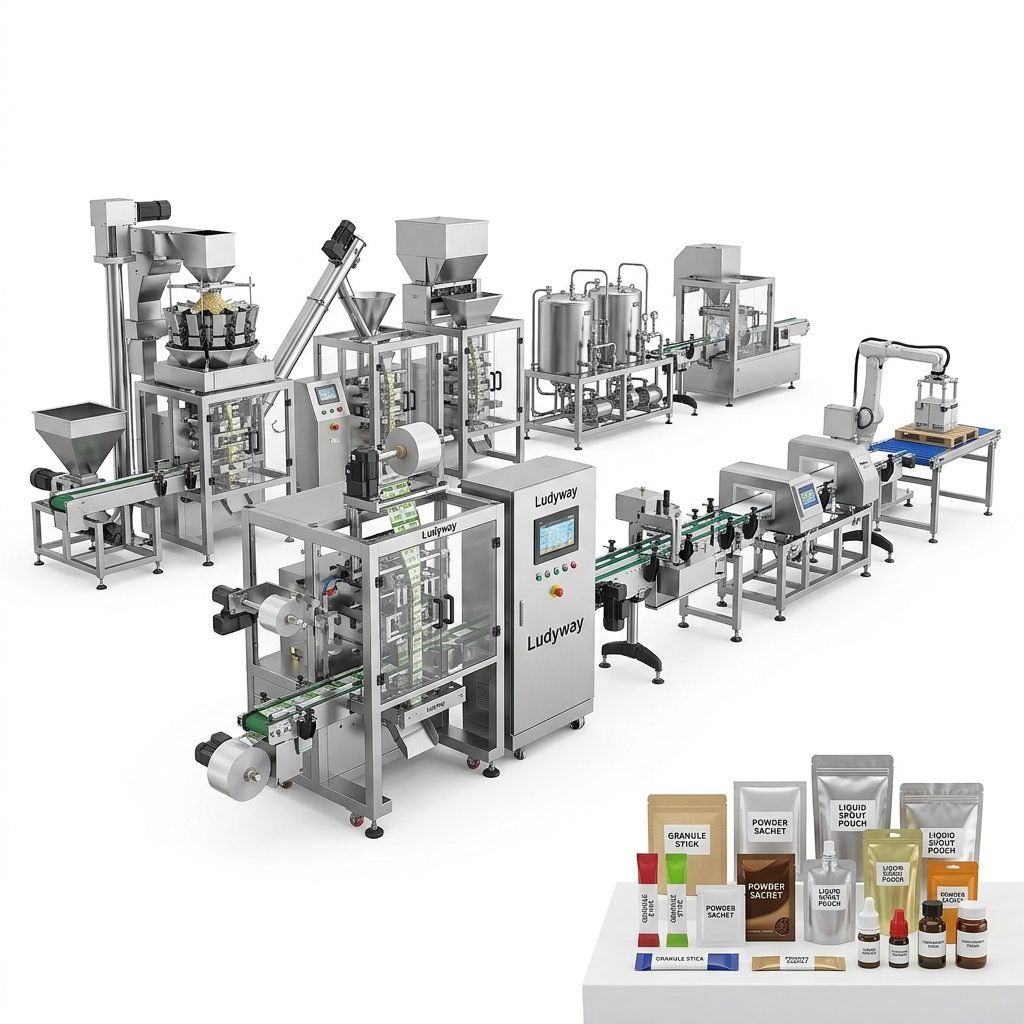
A standalone machine may be enough for some businesses, but larger operations often benefit more from a complete line
including feeding, weighing, bagging, coding, inspection, and end-of-line handling.
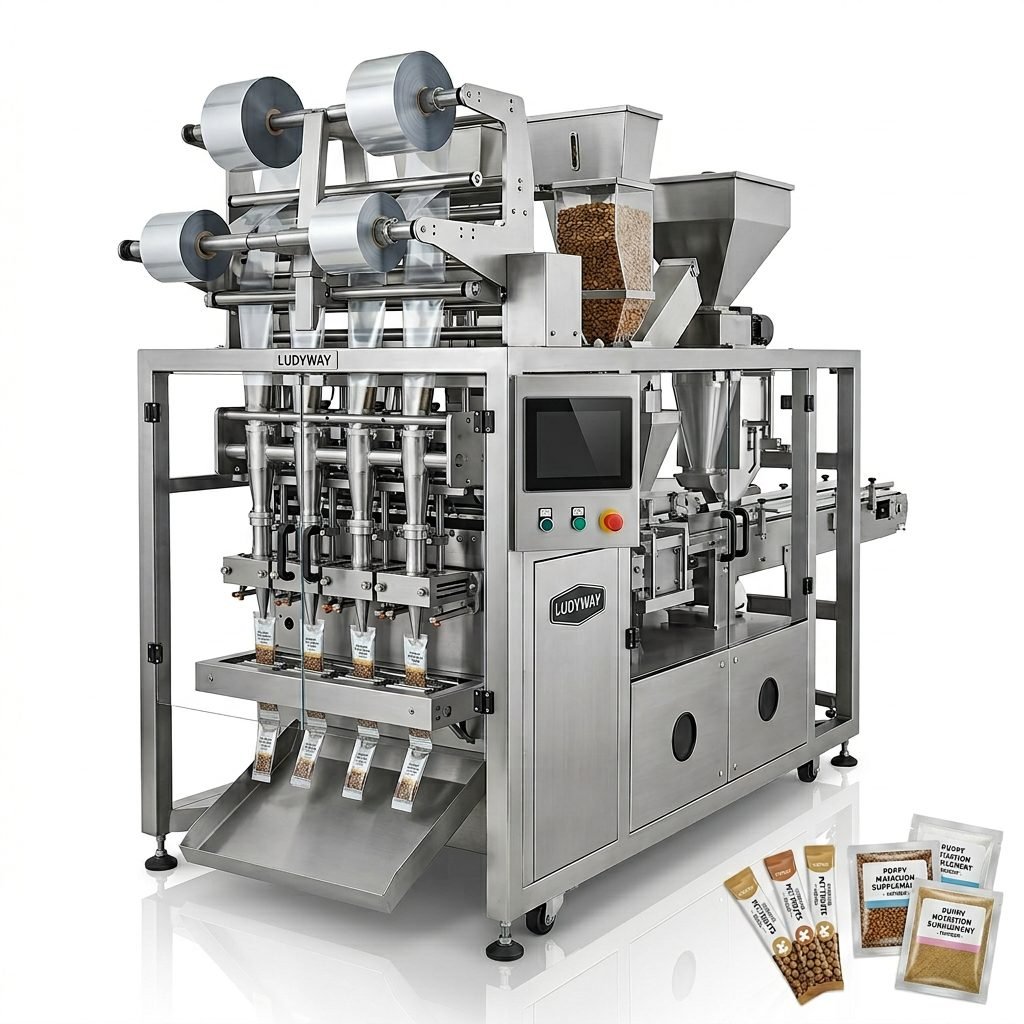
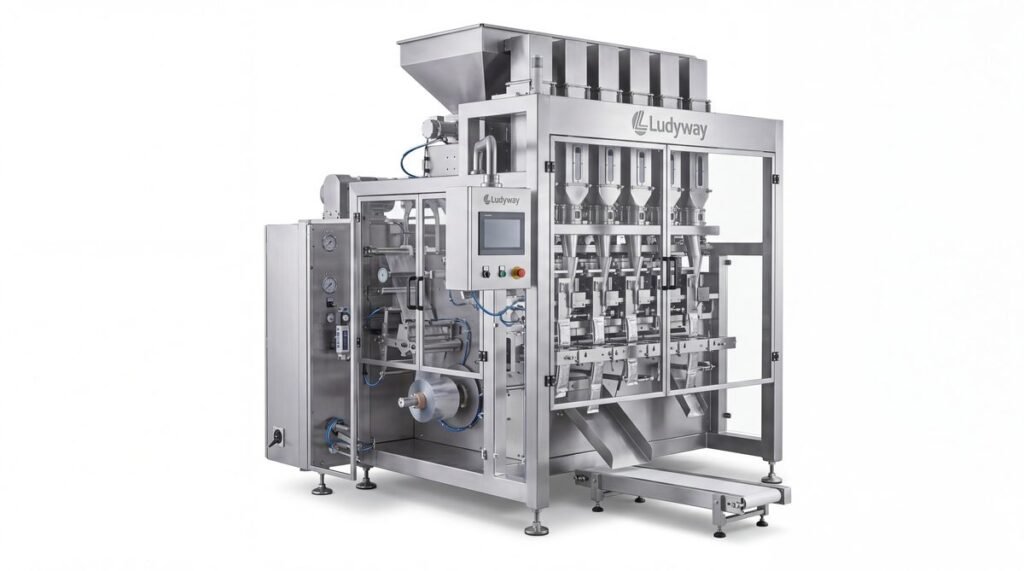
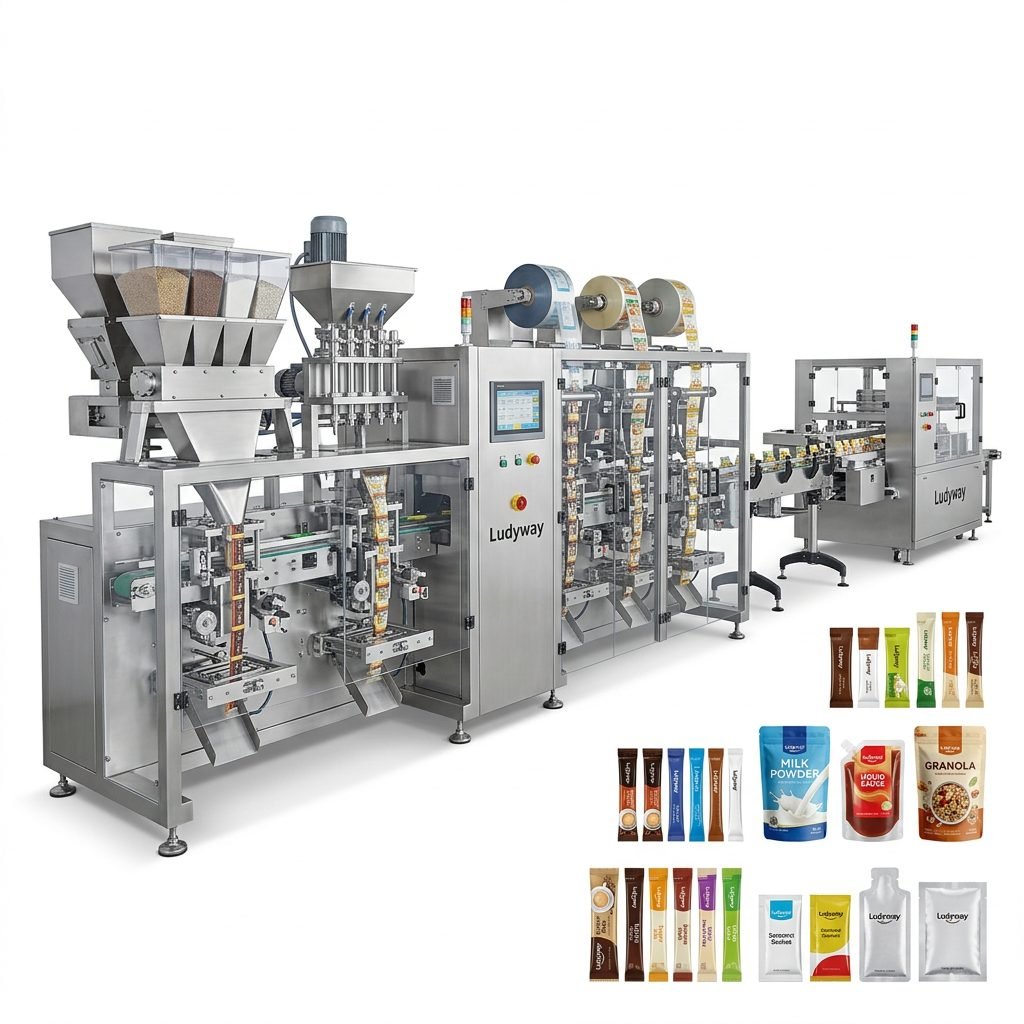
Companies looking for scalable solutions often work with experienced manufacturers such as
Ludyway jerky packaging machine solutions,
especially when they need integrated automation, customized engineering, and turnkey packaging line support.
A turnkey line may include
- Product feeding conveyor
- Weighing or counting system
- Primary packaging machine
- Nitrogen flushing or vacuum module
- Date coder and printer
- Metal detector and checkweigher
- Cartoning, case packing, or palletizing equipment
Hygiene, Safety, and Compliance Considerations
Because jerky is a food product, packaging machinery should support safe and sanitary operation. This is especially
important for brands supplying supermarkets, distributors, or export markets.
- Food-grade contact parts
- Easy cleaning and maintenance access
- Stable electrical and pneumatic system design
- Reliable emergency stop and guarding features
- Support for local and export compliance requirements
If your business exports dried meat snacks, ask whether the machine can be configured to support your certification and
traceability needs, including batch coding and inspection systems.
Questions to Ask a Supplier Before Buying
A good supplier should not simply send a quotation. They should ask detailed questions about your product and propose a
suitable configuration.
Use this checklist during supplier discussions
- What jerky products has the machine packed before?
- Can the machine run my desired pouch or bag style?
- What filling accuracy can be achieved with my product?
- Can you provide sample packing tests?
- What is the actual speed range under production conditions?
- Is nitrogen flushing or vacuum packaging available?
- How long does size changeover take?
- What spare parts and technical support are included?
- Can the machine be expanded into a full line later?
- What after-sales service is available for overseas customers?
Common Buying Mistakes to Avoid
Many buyers focus only on machine price and overlook total operational efficiency. The cheapest option may create the
highest long-term cost.
- Choosing by price alone instead of product fit
- Ignoring future production growth
- Overlooking seal quality and barrier requirements
- Failing to test real jerky samples before purchase
- Buying a machine without reliable spare parts or service support
- Not considering upstream feeding and downstream packing integration
Best Equipment Choice by Business Need
| Business Need | Recommended Direction |
|---|---|
| Low-cost standard snack packs | Automatic VFFS jerky packaging machine |
| Premium retail shelf presentation | Premade stand-up pouch machine with zipper option |
| Extended freshness protection | Vacuum packaging or nitrogen-flush system |
| High-volume industrial production | Fully integrated automatic packaging line |
| Frequent SKU changes | Flexible machine with quick changeover design |
Final Selection Strategy
The right jerky packaging machine is the one that aligns with your product characteristics, package style,
output goals, hygiene requirements, and expansion plan. Start with your product and market needs, then choose
the equipment configuration that delivers dependable sealing, accurate dosing, practical automation, and long-term value.
If possible, request sample testing with your actual jerky product and packaging film. Real-world testing is one of the
best ways to confirm whether a machine can deliver the consistency and efficiency your production line requires.