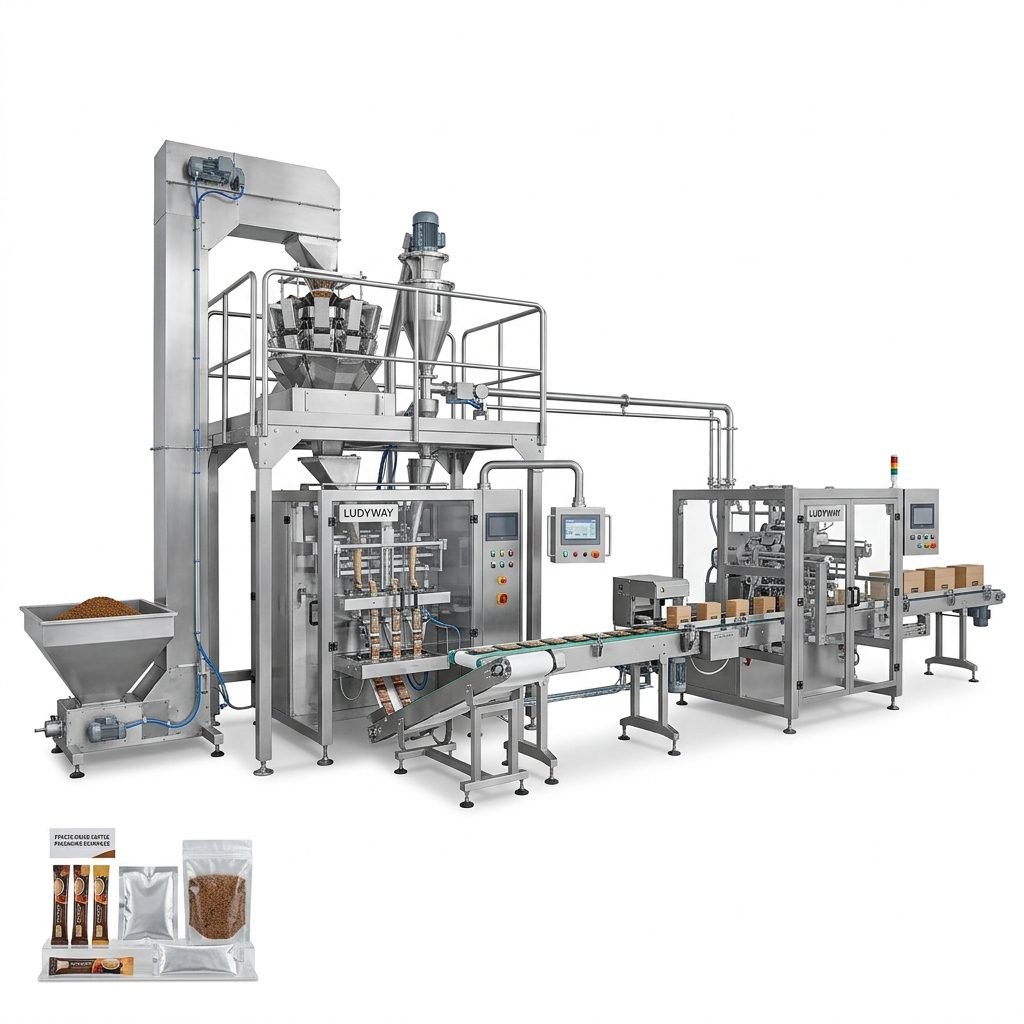
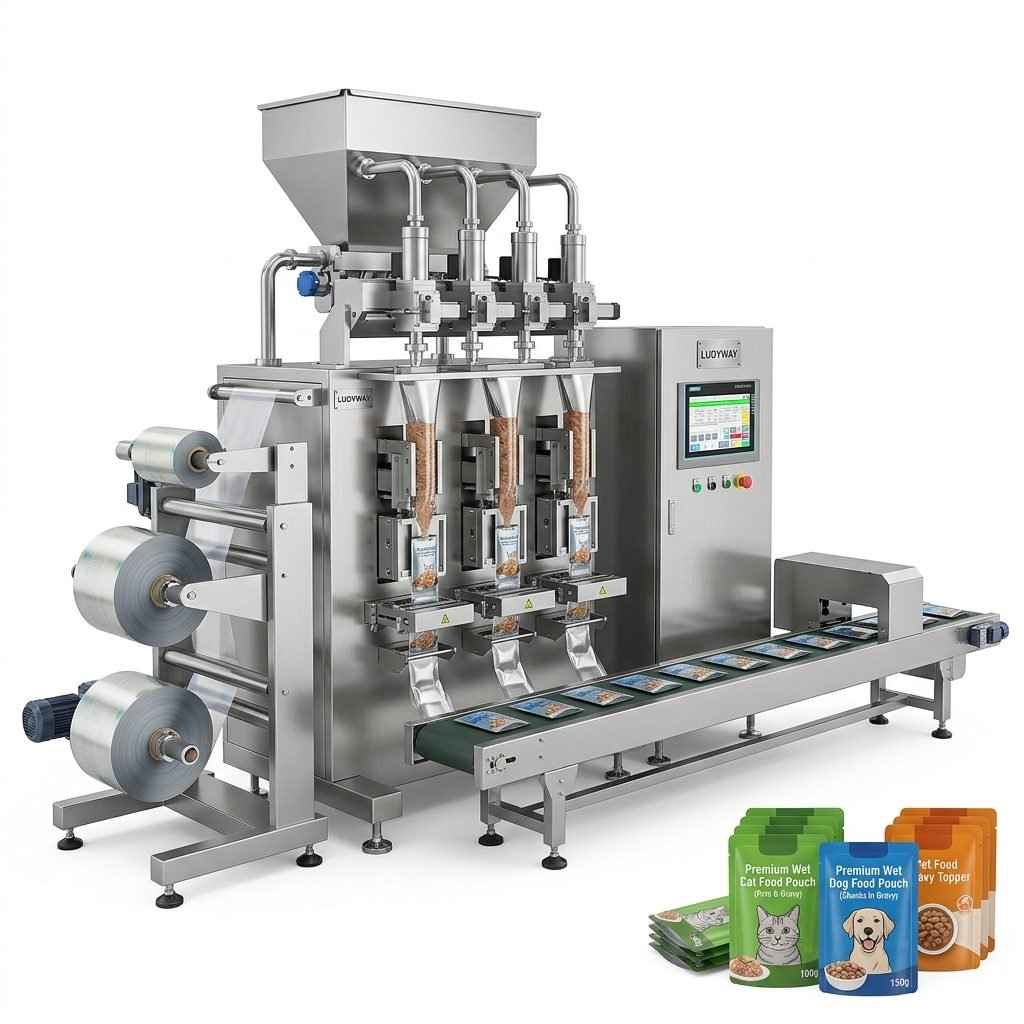
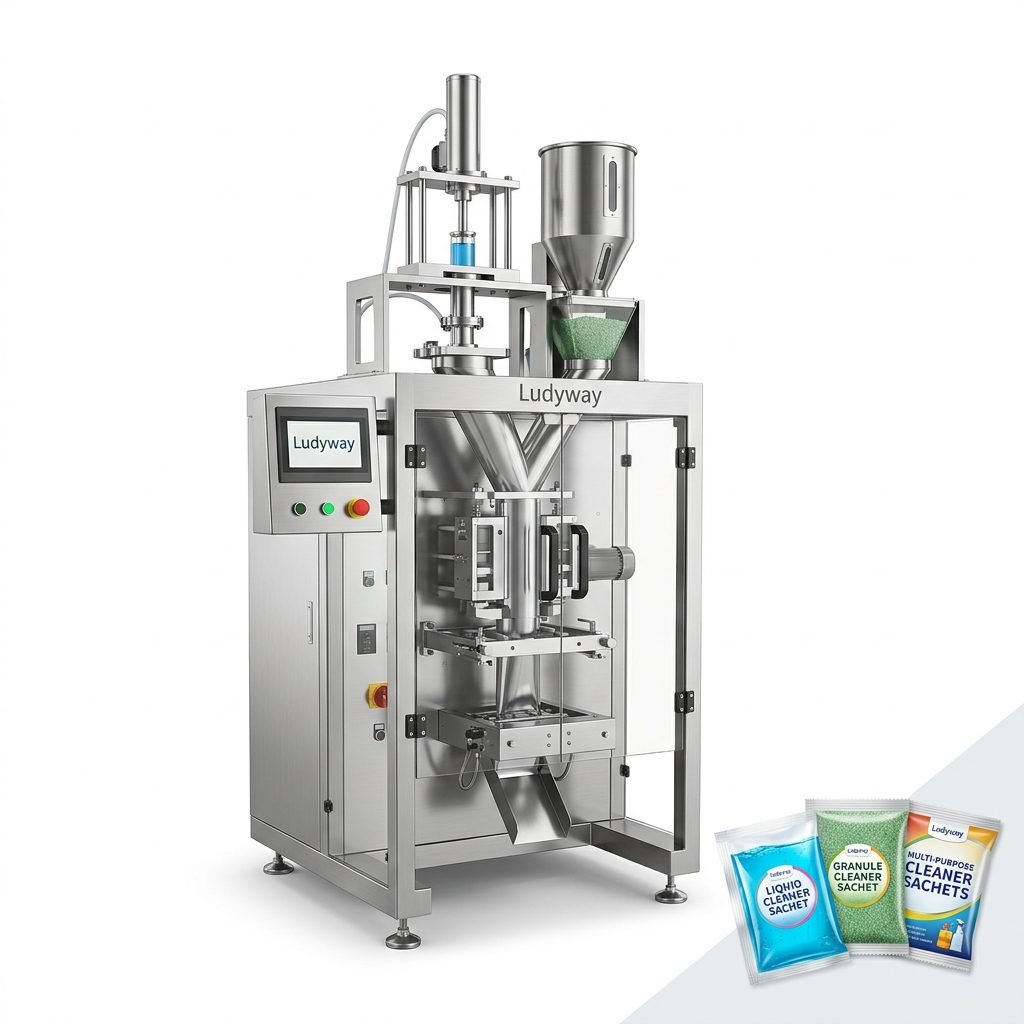
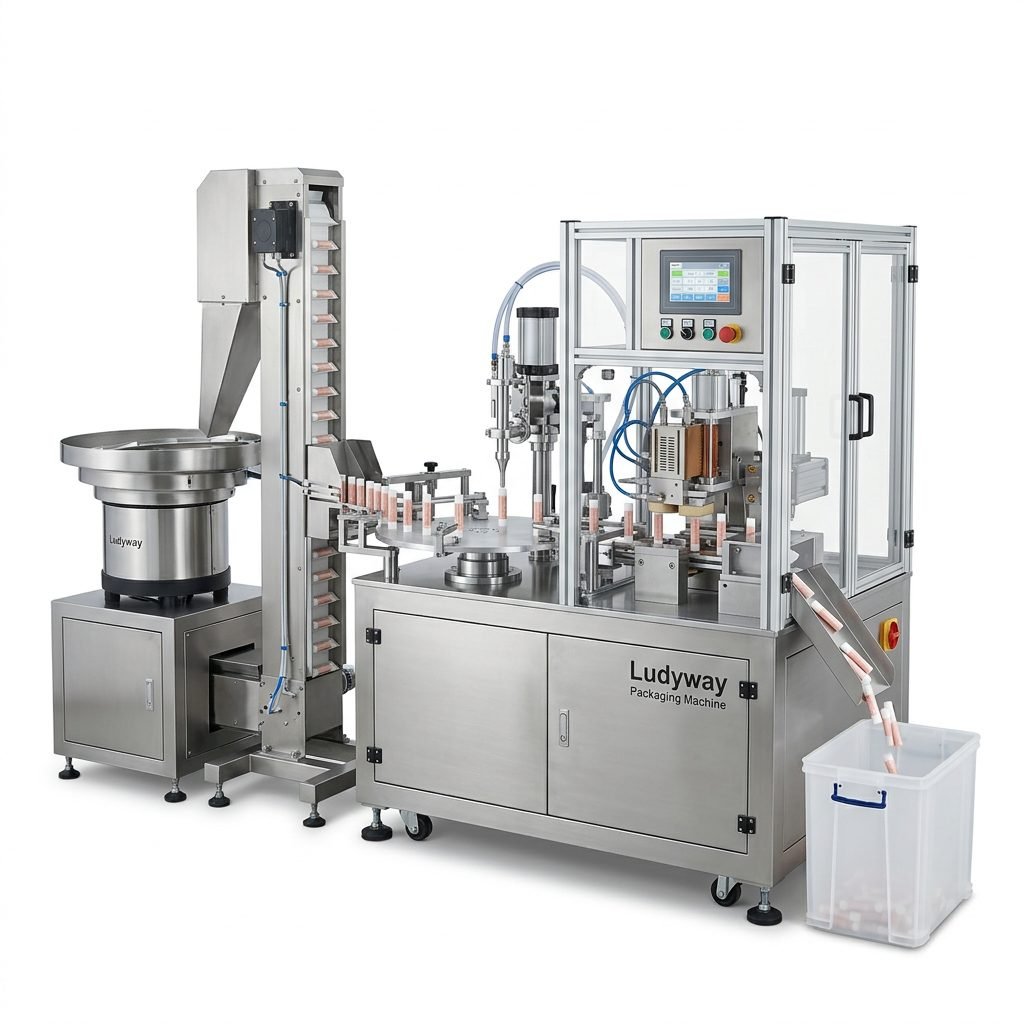
The French pet food market is one of the largest in Europe, with annual production exceeding 2.5 million tonnes of dry and wet pet food products. For manufacturers operating in this competitive landscape, selecting the right pet food packaging machine is a strategic decision that directly impacts product quality, shelf life, and operational efficiency. This guide covers essential factors French businesses should evaluate when investing in packaging equipment for pet food production lines.
Understanding French and EU Regulatory Requirements
Before evaluating machinery specifications, French pet food producers must ensure their packaging processes comply with stringent European Union regulations. The EU has established comprehensive frameworks governing food contact materials and packaging safety that directly influence equipment selection.
EU Food Contact Materials Regulation (EC 1935/2004)
This foundational regulation requires that all materials intended to come into contact with food—including pet food packaging—must not transfer constituents to the food in quantities that could endanger animal health. Packaging machinery must be designed to work with certified compliant films and materials. Refer to the FDA packaging and food contact substances guidelines for parallel international standards that also influence EU requirements.
French National Standards and Labeling Requirements
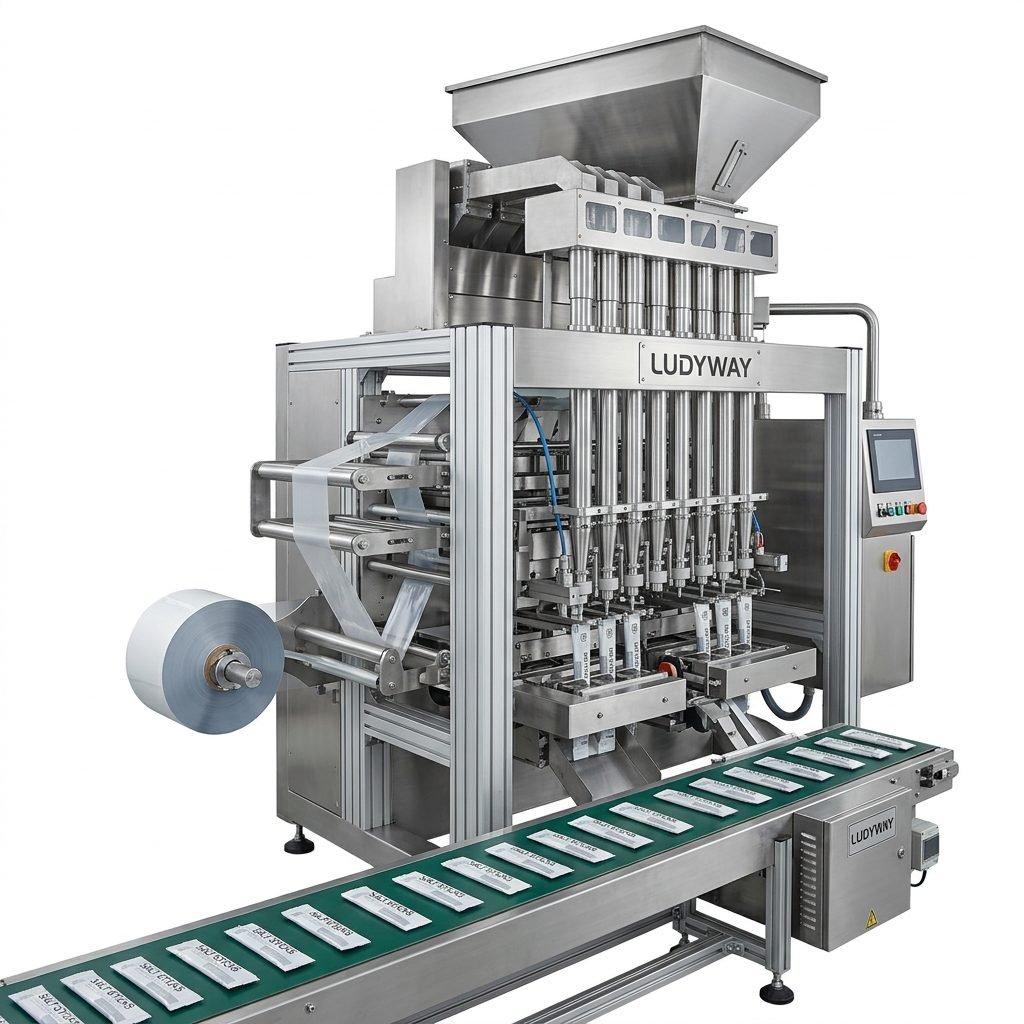
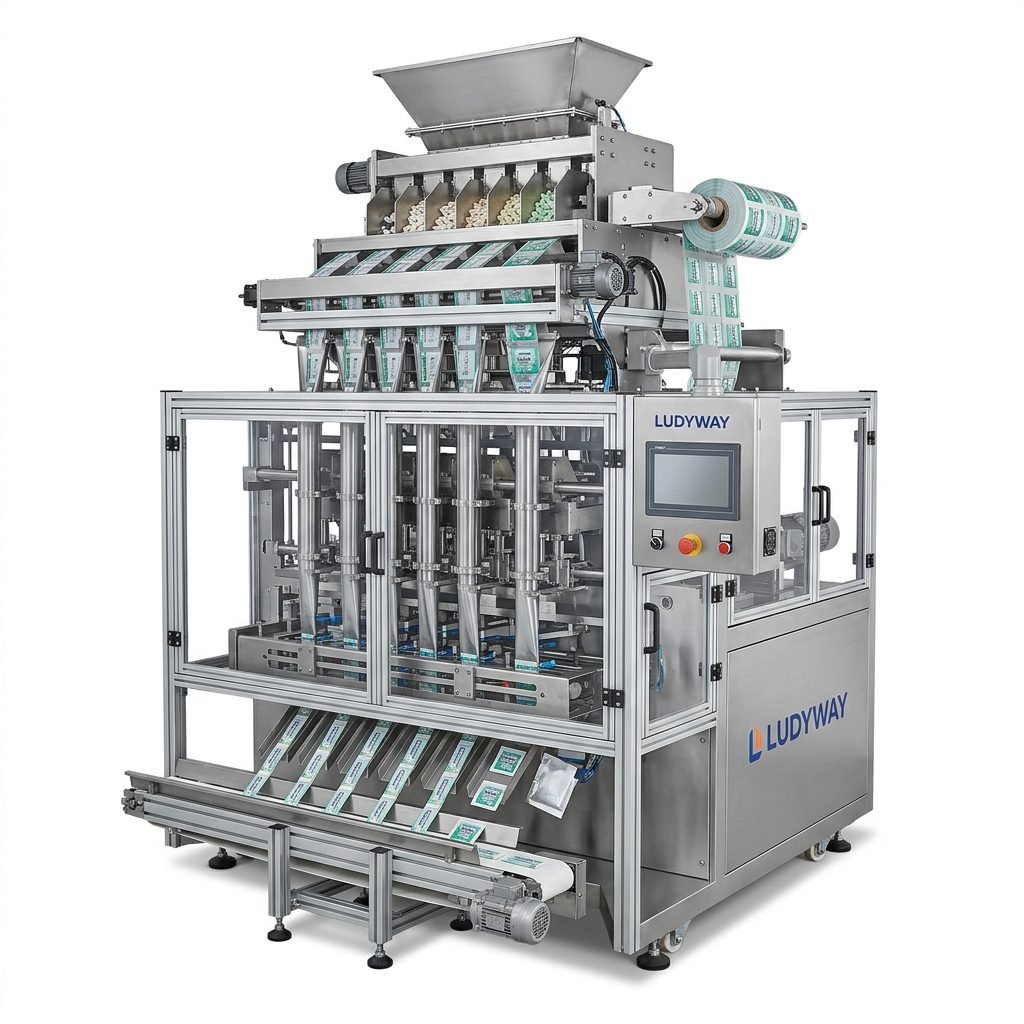
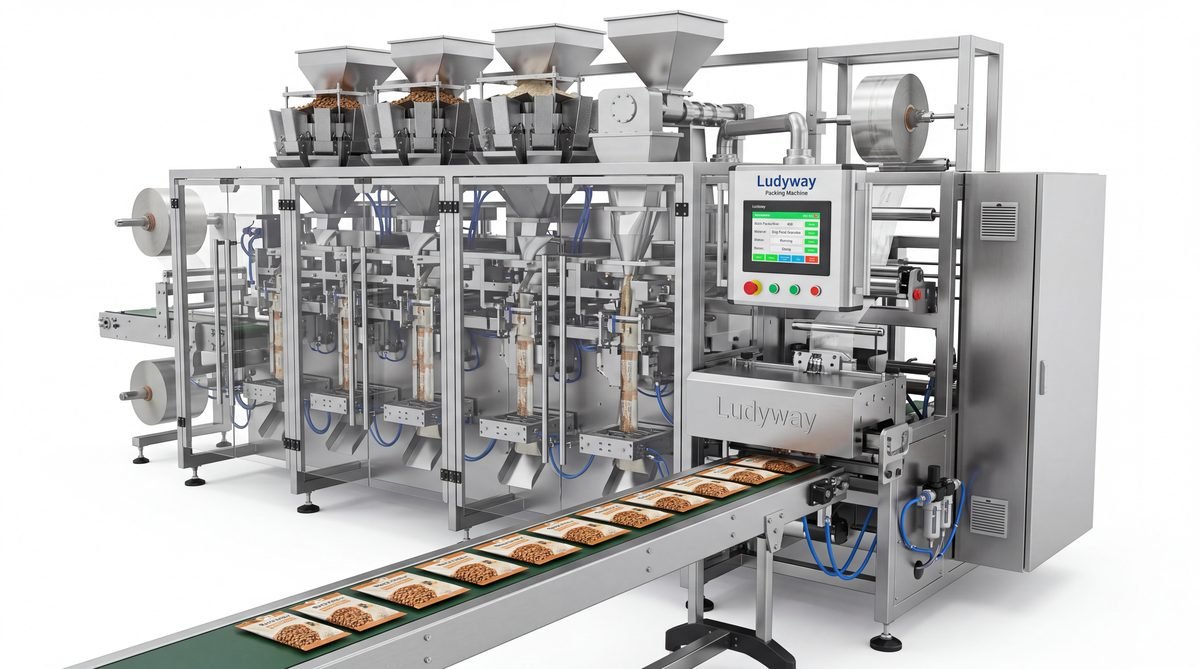
France enforces additional national decrees for pet food labeling, including mandatory French-language information on packaging. Equipment such as multi-lane stick pack machines must support precise date coding, batch numbering, and ingredient declaration printing. The European Commission Packaging and Packaging Waste Regulation also mandates that packaging design facilitates recycling—an increasingly important factor for French consumers.
Types of Pet Food Packaging Machines Available
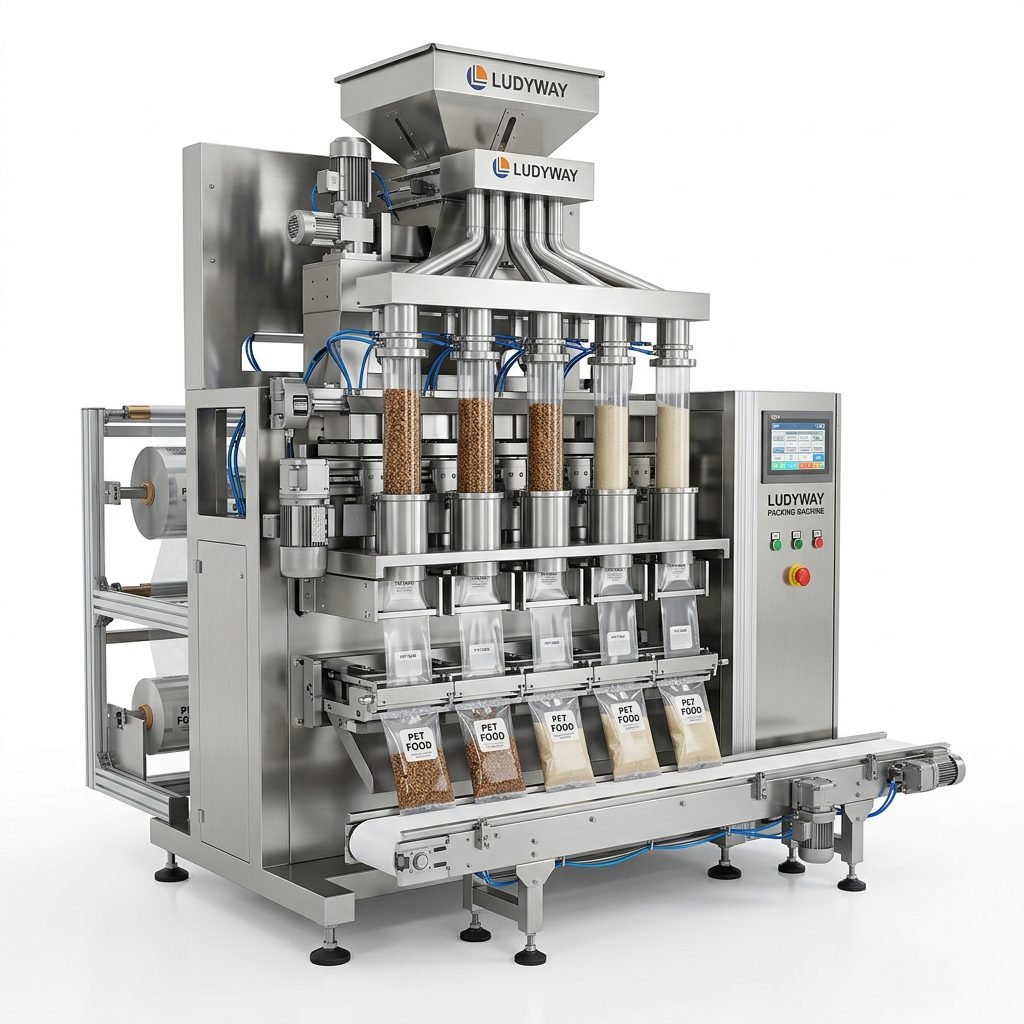
French pet food manufacturers produce a diverse range of products, from dry kibble and freeze-dried treats to wet food pouches. Each format requires specific packaging technology. The table below outlines common machine types and their applications.
| Machine Type | Best Suited For | Key Advantage |
|---|---|---|
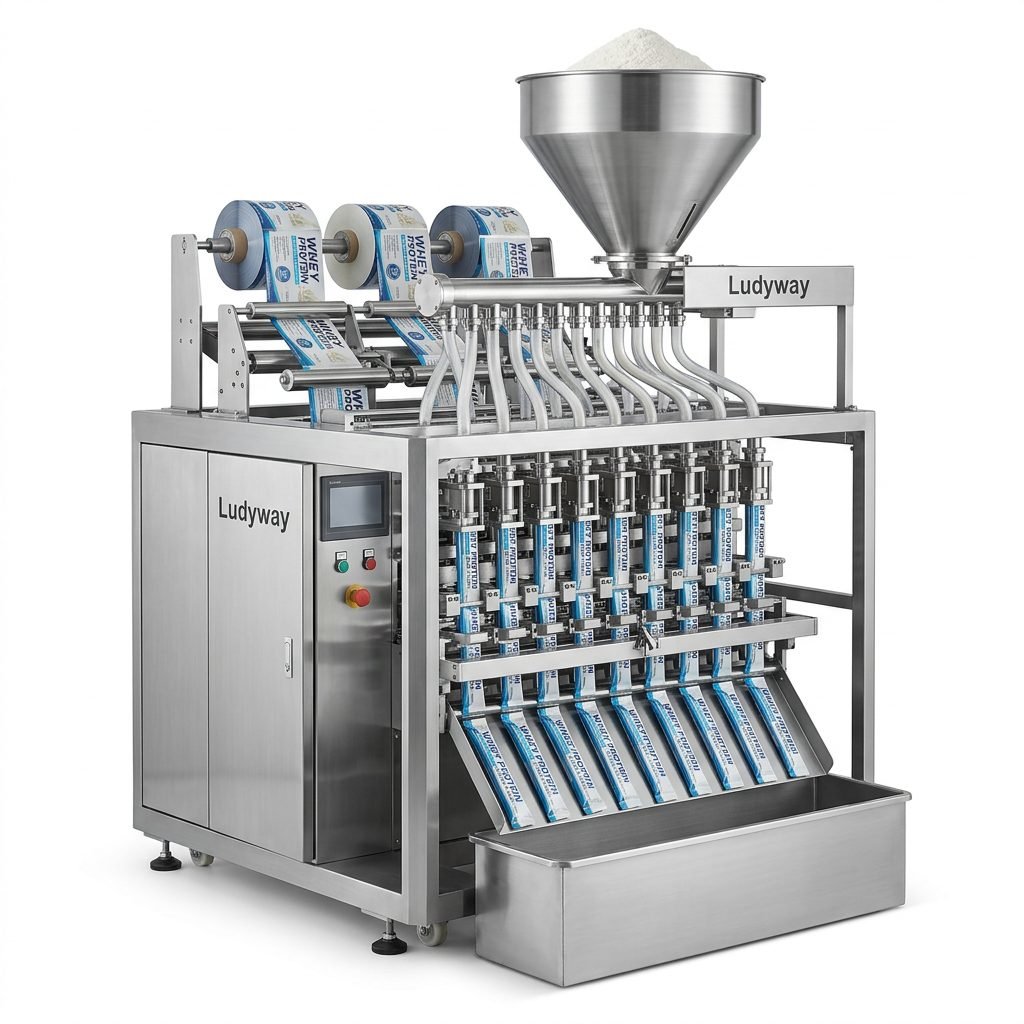
| Multi-Lane Stick Pack Machine | Dry kibble, freeze-dried granules, powder supplements | High-speed output; compact stick format ideal for single-serving portions |
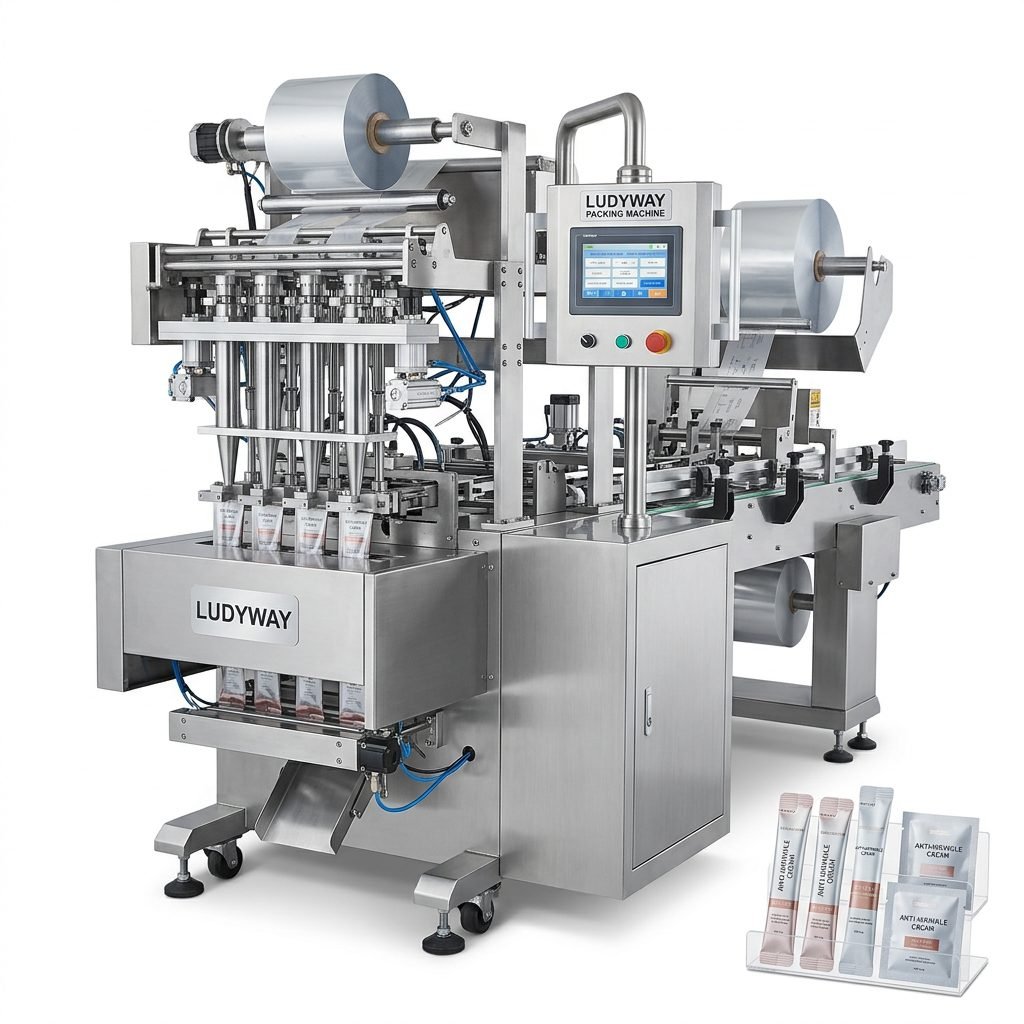
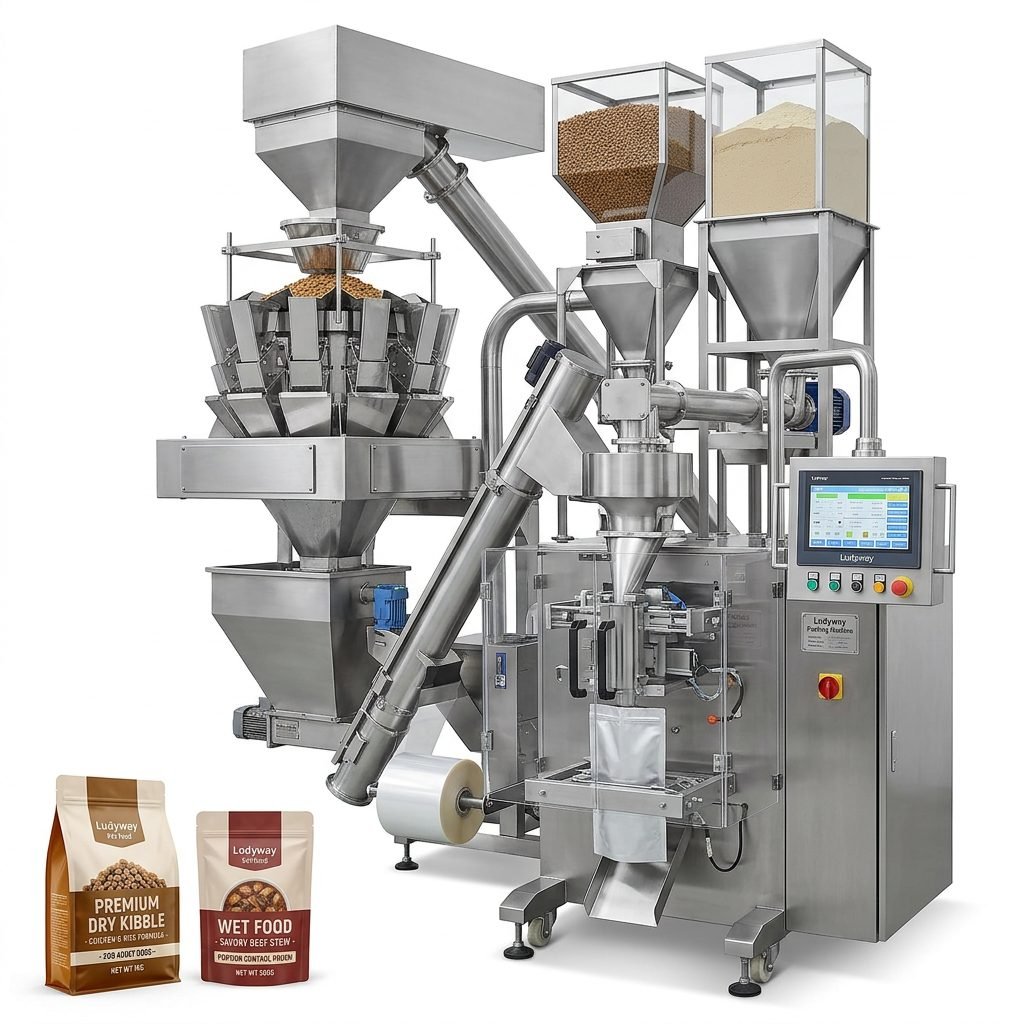
| Sachet Packaging Machine | Wet food, treats, gravy-based products | Flexible pouch sizes; excellent seal integrity for moist products |
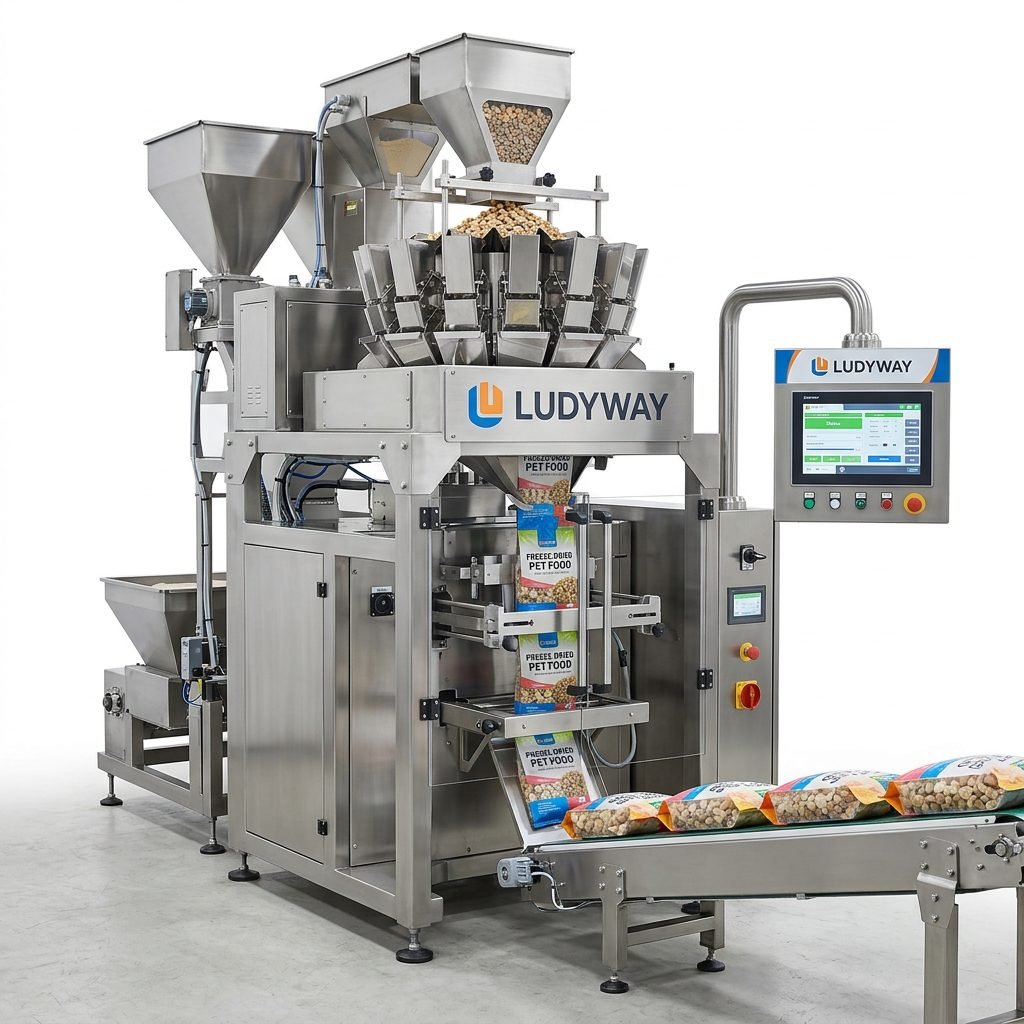
| Vertical Form Fill Seal (VFFS) | Bulk dry food bags (1kg–25kg) | Cost-effective for large-format packaging; robust construction |
| Pre-Made Pouch Filling Line | Premium wet food, stand-up pouches with zippers | Superior shelf appeal; supports resealable packaging trends |
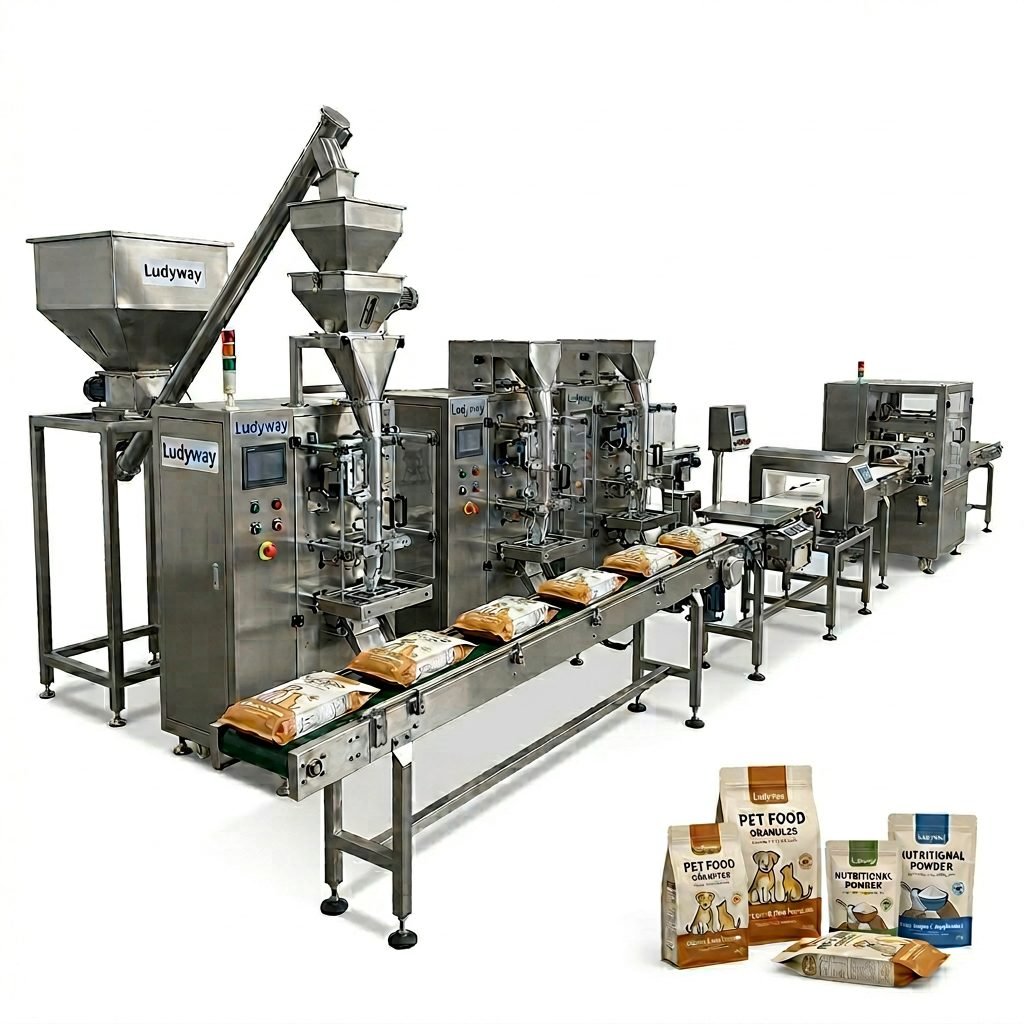
| Automated Cartoning Systems | Secondary packaging for multi-pack stick packs and sachets | Reduces manual labor; ensures consistent carton presentation for retail |
Key Technical Features to Evaluate
When comparing packaging machinery for pet food applications in France, several technical specifications deserve careful attention. These features determine not only production capacity but also long-term reliability and compliance with EU standards.
Multi-Lane Technology for High-Volume Production
Modern multi-lane packaging systems can operate 4 to 12 lanes simultaneously, dramatically increasing output without proportionally increasing floor space. For French manufacturers targeting retail chains like Maxi Zoo, Animalis, or Truffaut, high-speed multi-lane equipment is essential for meeting volume demands. These machines can produce 400–800 stick packs per minute depending on product characteristics and lane configuration.
Automation and Smart Factory Integration
Leading-edge automated packaging solutions now incorporate IoT sensors, real-time monitoring, and integration with MES/ERP systems. For French Industry 4.0 initiatives, selecting equipment with PLC-based controls and data export capabilities ensures compatibility with smart factory frameworks. The PMMI Business Intelligence resources provide excellent benchmarks for automation ROI in packaging operations.
Material Compatibility and Seal Integrity
Pet food products—especially those with high fat content or moisture-rich formulations—demand packaging films with excellent barrier properties. Your chosen machine must handle multi-layer laminated films, aluminum foil composites, and increasingly, recyclable mono-material films that comply with EU sustainability targets. Seal integrity testing should be a standard part of equipment validation. For detailed industry data, consult the Flexible Packaging Association industry resources.
Cost Considerations and ROI Analysis
Investment in a pet food packaging machine should be evaluated through a total cost of ownership lens. Key financial factors include:
- Initial capital expenditure: Multi-lane stick pack lines typically range from €80,000 to €350,000 depending on automation level and lane count.
- Operational costs: Film waste rates below 1.5% indicate well-calibrated equipment; higher waste erodes margins quickly.
- Labor reduction: Automated packaging lines can reduce manual handling by 60–75%, offering payback within 18–24 months for most French operations.
- Maintenance contracts: Budget for annual maintenance at approximately 3–5% of equipment value to prevent unplanned downtime.
- Energy efficiency: Newer servo-driven systems consume 30–40% less electricity than older pneumatic models—an important factor given France’s industrial energy costs.
Selecting the Right Equipment Supplier
Choosing a packaging machine manufacturer is as critical as selecting the machine itself. Evaluate potential suppliers based on their experience with pet food applications, availability of CE-certified equipment for the European market, and after-sales support infrastructure. Request references from manufacturers who have successfully installed lines for pet food producers in France or neighboring EU countries.
Global suppliers with established export operations—such as Ludyway, which serves customers in over 100 countries from its 20,000㎡ manufacturing facility—can offer competitive pricing alongside comprehensive technical support. When evaluating overseas suppliers, verify their CE documentation, installation support in France, and availability of spare parts within the EU to minimize logistics delays.
Questions to Ask Potential Suppliers
- Can you provide references from French or EU pet food manufacturers?
- What is the guaranteed film waste rate for our specific product formulations?
- Do you offer remote diagnostics and technical support in French or English?
- Are spare parts stocked within the European Union for rapid delivery?
- What training do you provide for our operators and maintenance technicians?
Sustainability and Future-Proofing Your Packaging Line
French consumers and regulators increasingly prioritize eco-friendly packaging. The EU Packaging and Packaging Waste Regulation sets ambitious recycling targets that will affect all pet food packaging formats. When investing in new equipment, ensure compatibility with:
- Recyclable mono-material films (replacing multi-layer laminates where feasible)
- Lightweight packaging designs that reduce material consumption per unit
- PCR (Post-Consumer Recycled) content films for non-food-contact layers
- Compostable packaging materials for select product categories
Installation, Validation, and Ongoing Compliance
Once your pet food packaging equipment arrives in France, proper installation and validation are critical. Plan for IQ/OQ/PQ (Installation Qualification, Operational Qualification, Performance Qualification) protocols—especially important for manufacturers supplying private-label pet food to major retailers who audit production facilities. Ongoing compliance with HACCP principles and ISO 22000 food safety management standards should be integrated into your packaging operations from day one. Refer to ISO packaging standards for comprehensive guidance on international compliance frameworks.
Conclusion: Making an Informed Investment Decision
Selecting a pet food packaging machine for your French production facility demands a holistic evaluation of regulatory compliance, technical capabilities, total cost of ownership, and supplier reliability. The French market’s emphasis on quality, sustainability, and retail-ready presentation means that investing in advanced multi-lane automated packaging systems can provide significant competitive advantages. By thoroughly assessing your production requirements against the criteria outlined in this guide, you can confidently select equipment that delivers consistent performance, regulatory peace of mind, and strong ROI for years to come.