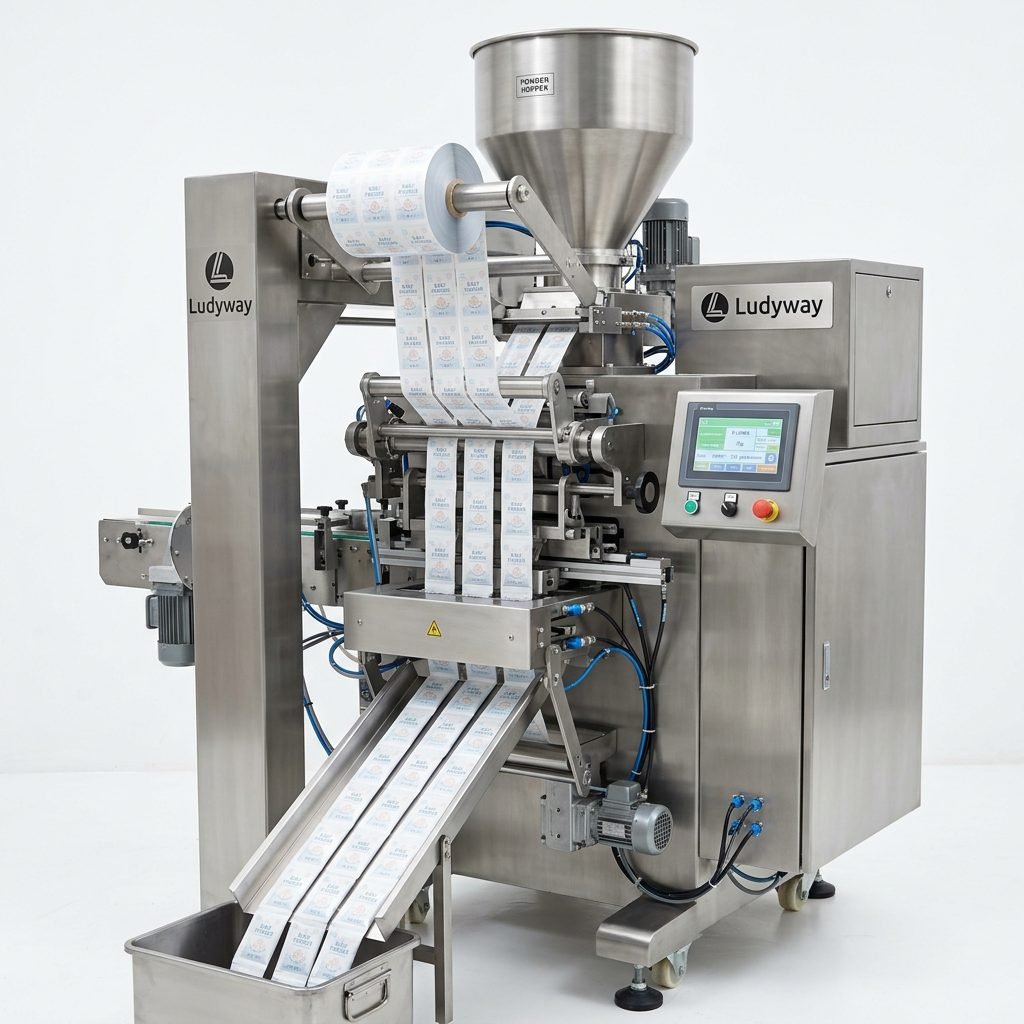
Choosing the right food packaging machine is not only about speed. It directly affects product quality, packaging consistency, labor costs, hygiene standards, and long-term profitability. Whether you pack powders, granules, liquids, sauces, snacks, frozen foods, or ready-to-eat products, the ideal equipment should match your product characteristics, output goals, and future expansion plans.
For manufacturers looking to improve efficiency, reduce waste, and build a scalable production setup, understanding the key machine types and buying criteria is essential before making any investment.
Why the Right Food Packaging Machine Matters
A packaging machine is more than a piece of equipment at the end of the line. It is a core part of your production system. The wrong model can create bottlenecks, inaccurate fills, excessive downtime, and material waste. The right one helps you achieve:
- Higher packaging speed without sacrificing accuracy
- Better sealing performance and shelf-life protection
- Lower labor dependency and more stable output
- Improved hygiene and compliance with food safety standards
- Easier integration with weighing, feeding, coding, cartoning, and palletizing systems
When production demand grows, a properly selected machine can also support automation upgrades instead of requiring a full replacement.
Start with Your Product Type
The first step is to define exactly what you are packing. Different food forms need different filling technologies and sealing structures.
| Product Type | Recommended Packaging Machine Type | Typical Applications |
|---|---|---|
| Powders | Auger filler, stick pack machine, sachet machine, VFFS | Milk powder, coffee powder, spices, protein powder |
| Granules | Volumetric cup filler, multihead weigher, sachet machine | Sugar, salt, seeds, nuts, cereal, snack granules |
| Liquids | Liquid filling and sealing machine, stick pack machine | Sauces, juice, edible oil, beverage concentrates |
| Pastes | Piston filling machine, multi-lane sachet system | Ketchup, mayonnaise, seasoning paste, honey |
| Solid pieces | Weighing and bagging machine, premade pouch system | Candy, frozen food portions, dried fruit, pet snacks |
If your product has poor flowability, sticky texture, oil content, or fragile structure, these factors should be discussed early with the equipment supplier. They influence feeder design, filling precision, film handling, and sealing method.
Match the Machine to the Packaging Format
Your packaging format determines both machine structure and production efficiency. Some formats are better for retail presentation, while others are ideal for single-serve convenience or bulk supply.
Common food packaging formats include:
- Sachets for powders, sauces, seasonings, and beverage mixes
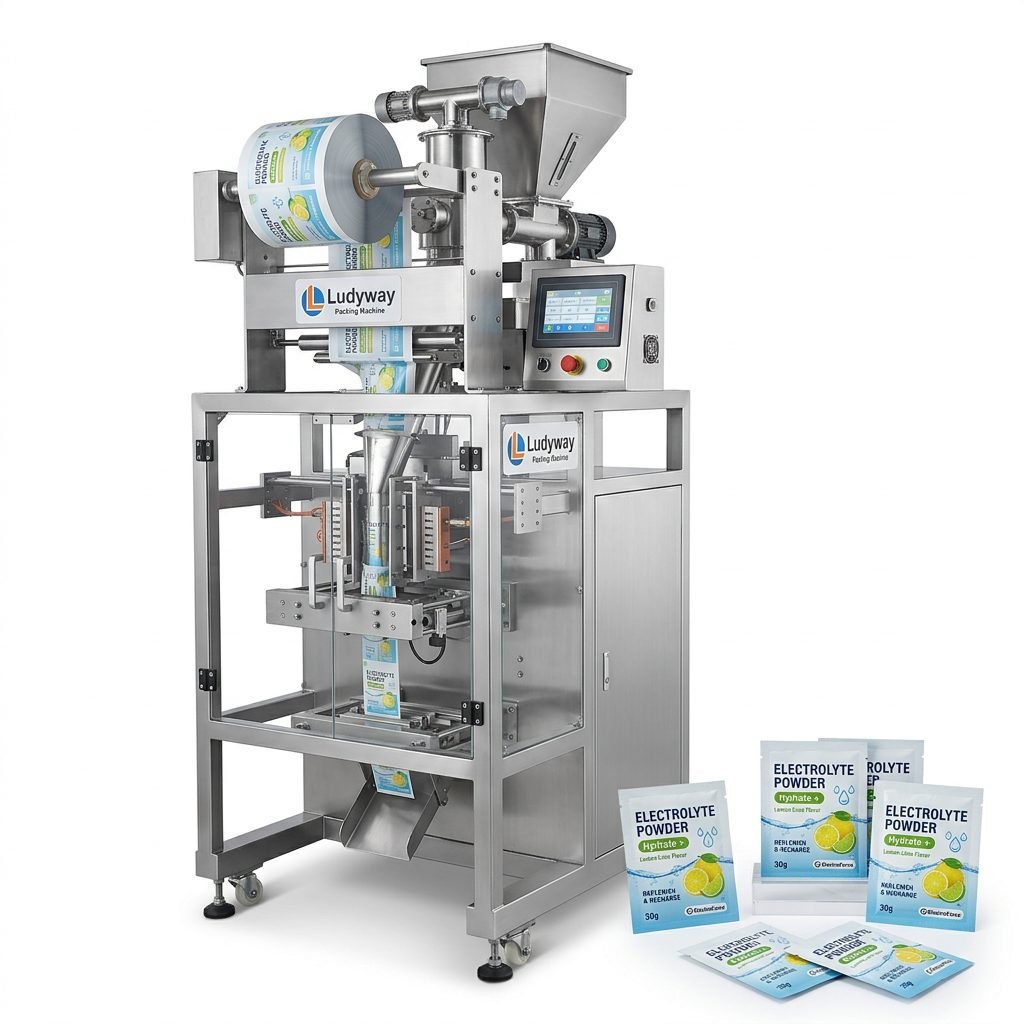
- Stick packs for single-serve coffee, sugar, electrolyte powder, and supplements
- Pillow bags for snacks, grains, frozen foods, and bulk granules
- Premade pouches for premium food packaging and stand-up retail packs
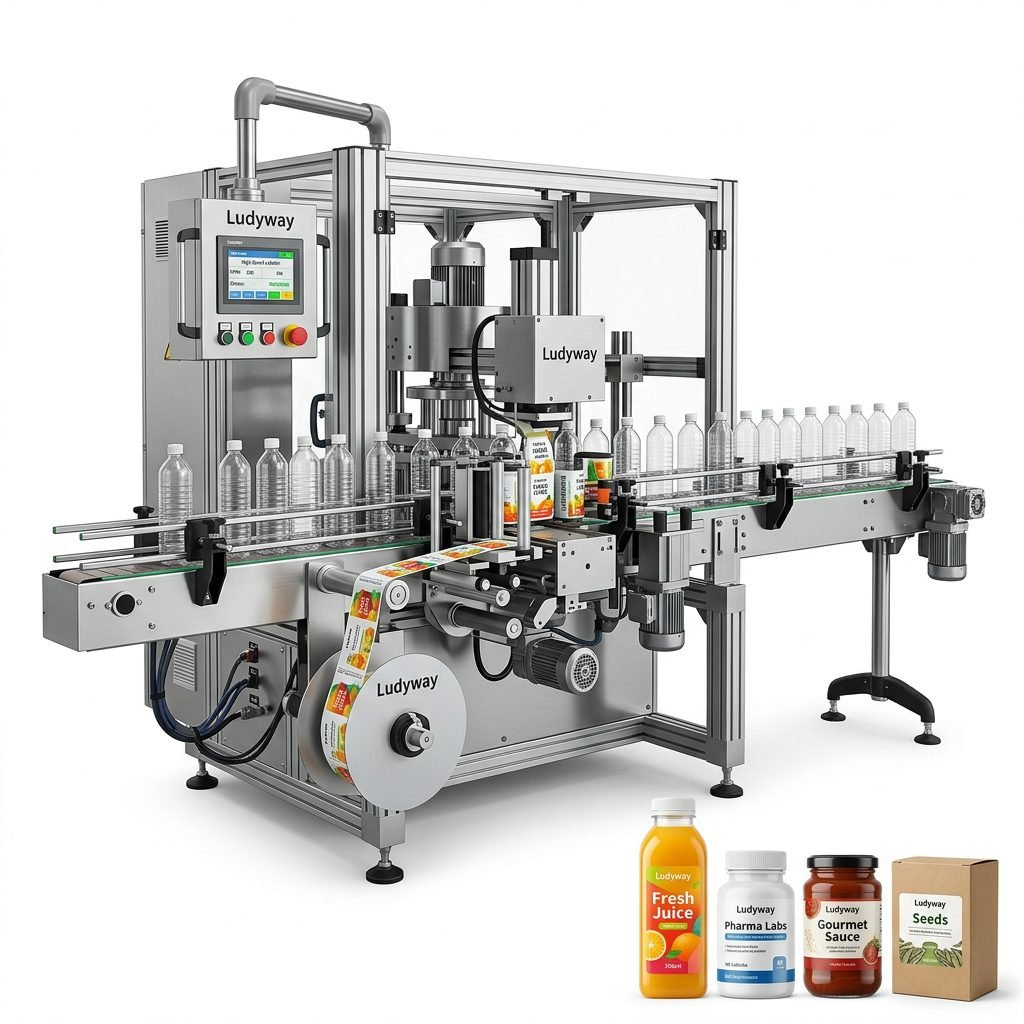
- Bottles and jars for liquids, sauces, powders, and condiments
- Vacuum packs for shelf-life extension and product protection
If your business serves both retail and foodservice channels, selecting a machine platform with flexible bag size adjustment or modular tooling can be a major advantage.
Understand the Main Types of Food Packaging Machines
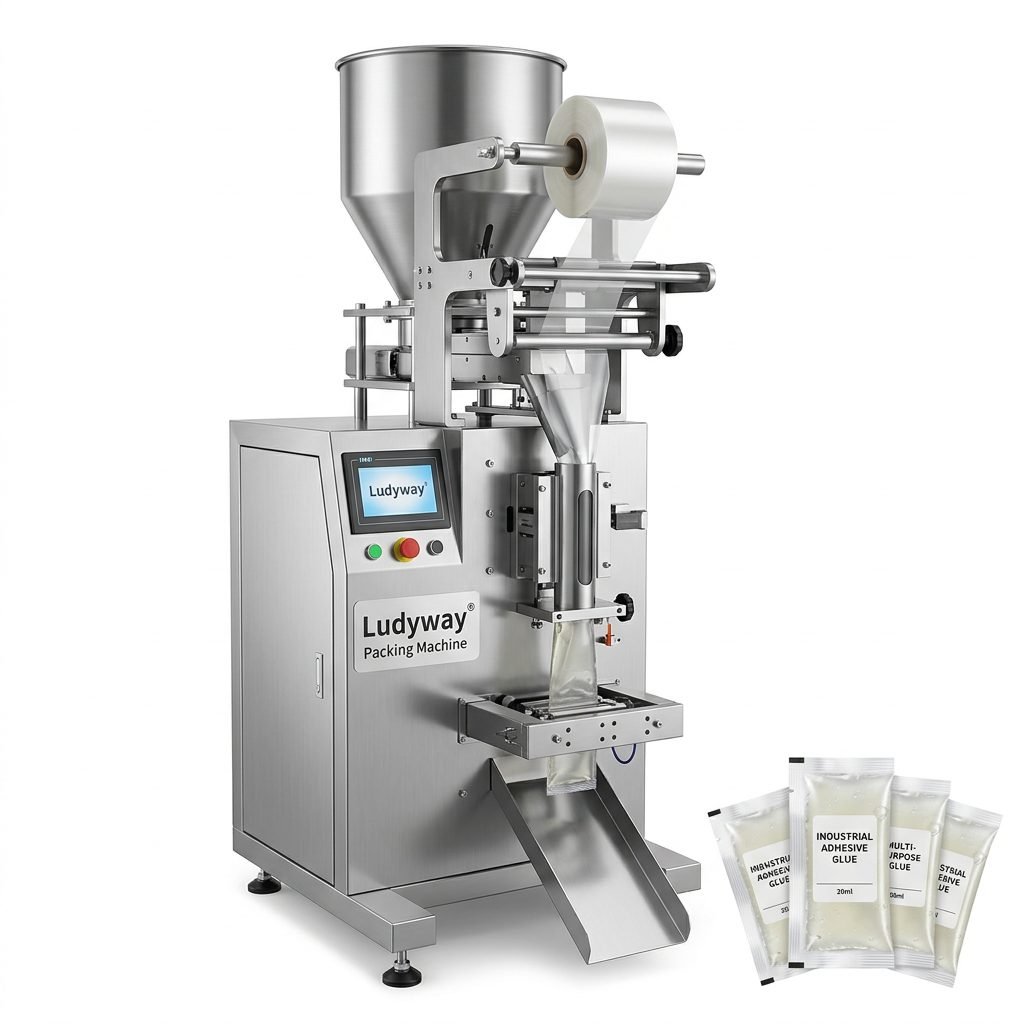
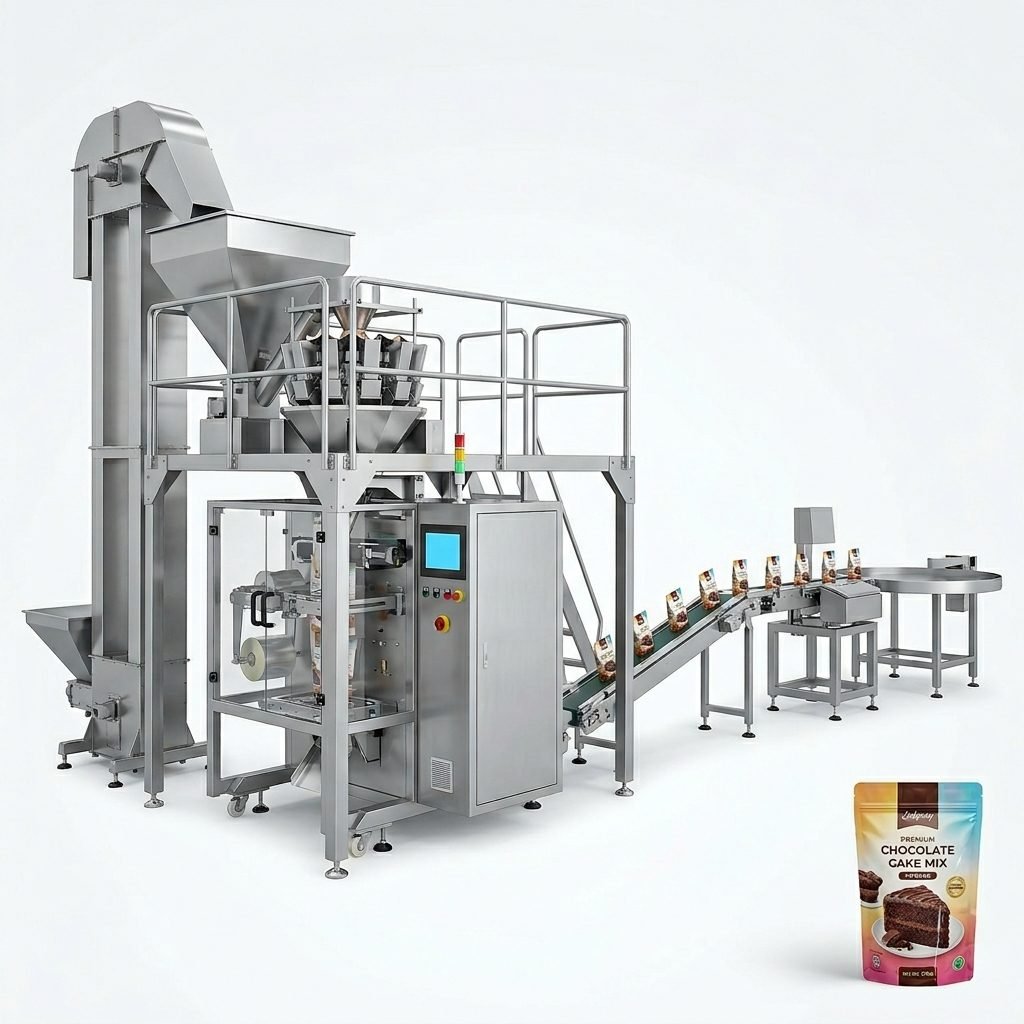
1. Vertical Form Fill Seal Machines
VFFS machines are widely used for granular, powder, and some solid food products. They form the bag from roll film, fill it, and seal it automatically. These systems are often chosen for high-speed and cost-effective bag production.
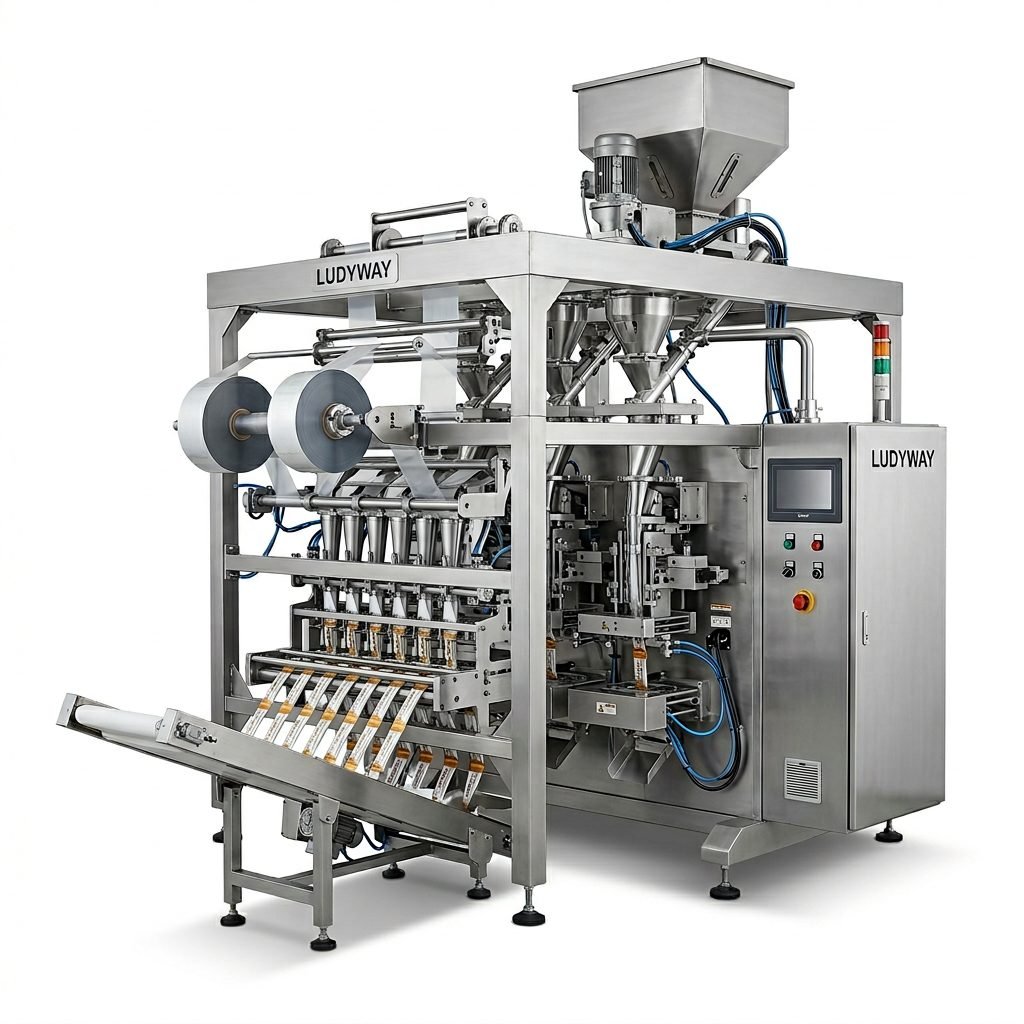
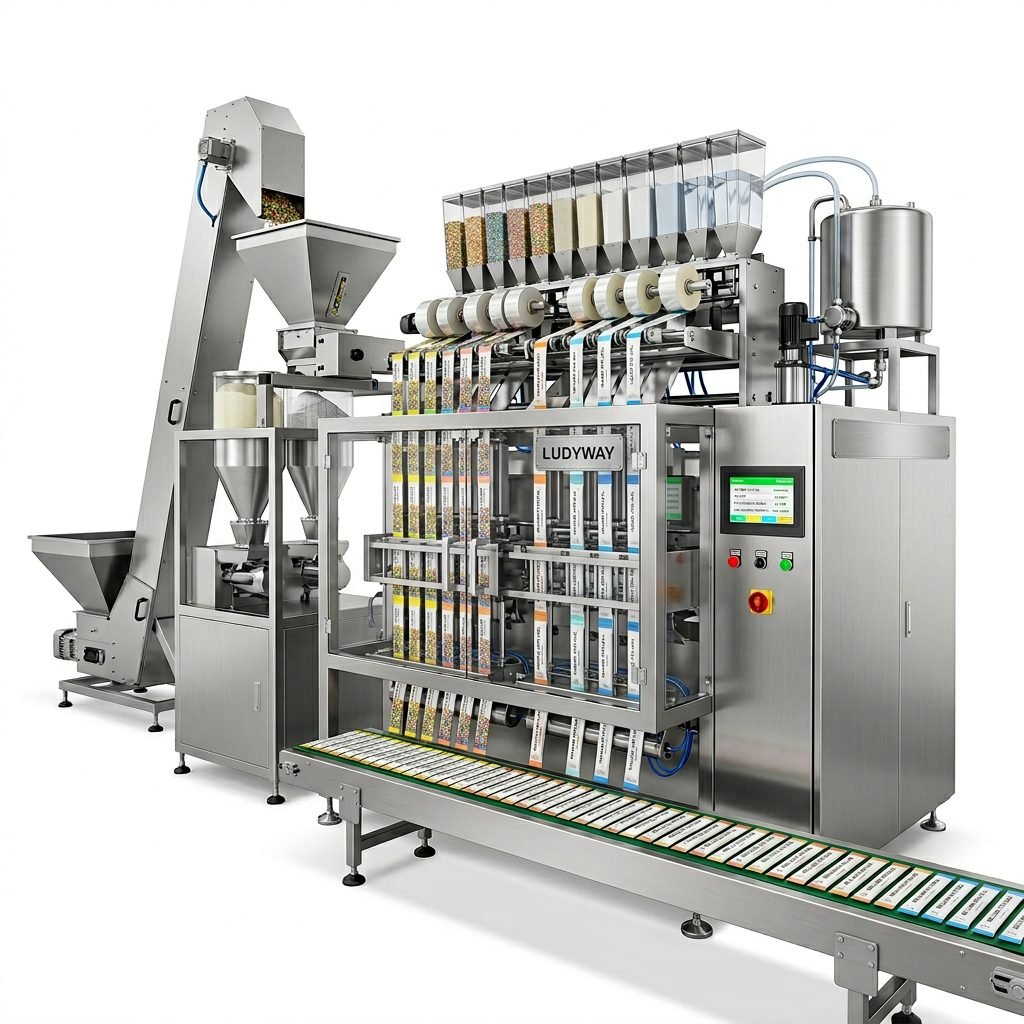
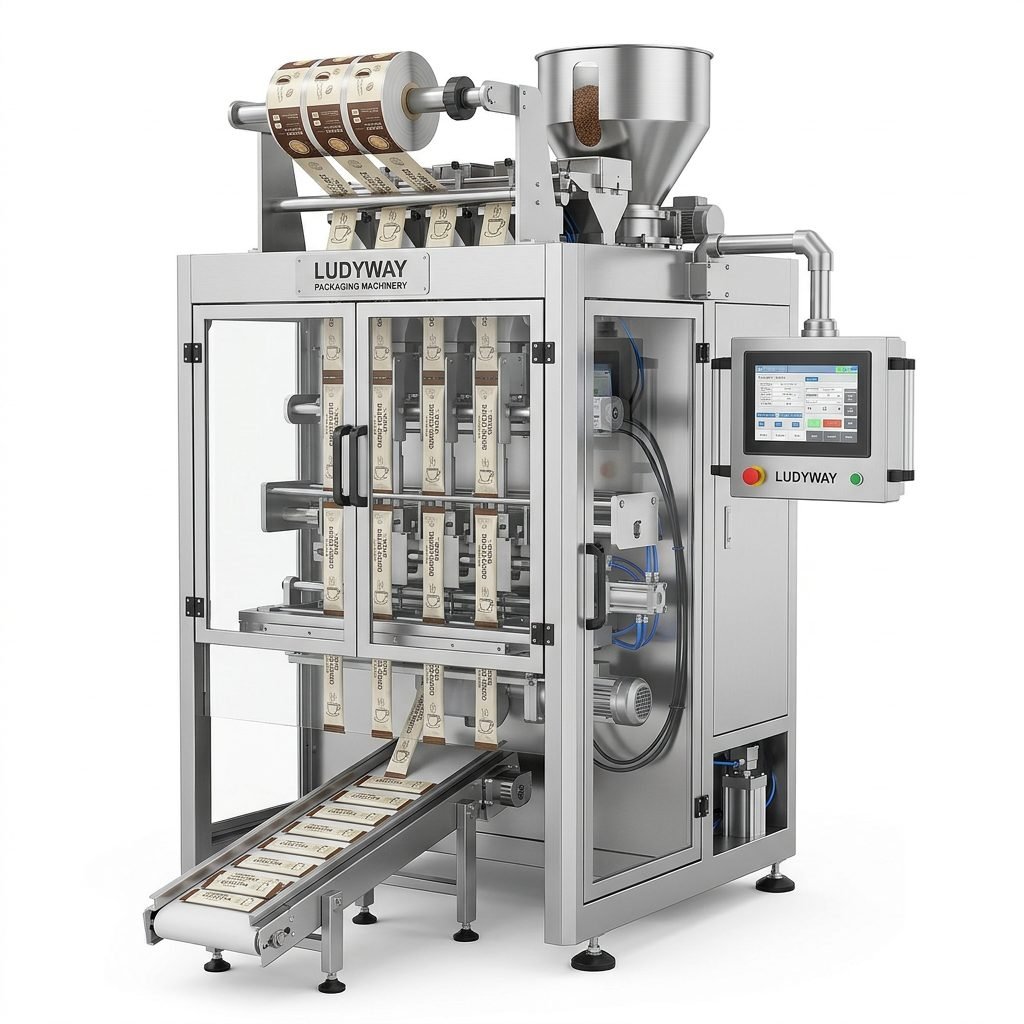
2. Sachet and Stick Pack Machines
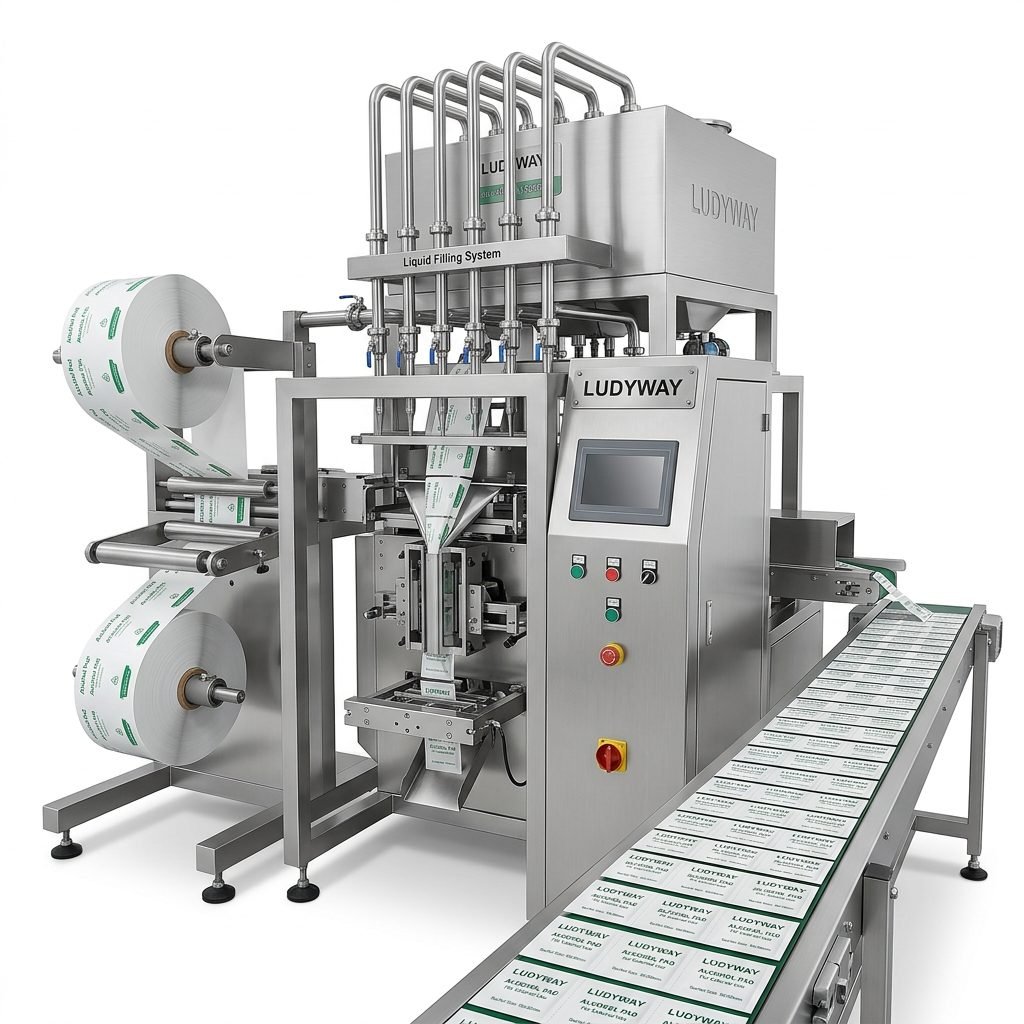
These are ideal for small-dose food products such as coffee, sugar, seasoning powder, drink mix, sauce, and nutritional powders. Multi-lane configurations can dramatically increase productivity for high-volume single-serve packaging.
3. Premade Pouch Packaging Machines
These are suitable when appearance, convenience, and shelf presentation matter. They work well for nuts, snacks, dried fruits, frozen foods, sauces, and premium packaged foods.
4. Filling and Sealing Machines for Liquids and Pastes
Used for edible oils, sauces, soups, syrups, honey, and condiments. The filling system must be matched to viscosity, temperature sensitivity, and required dosing accuracy.
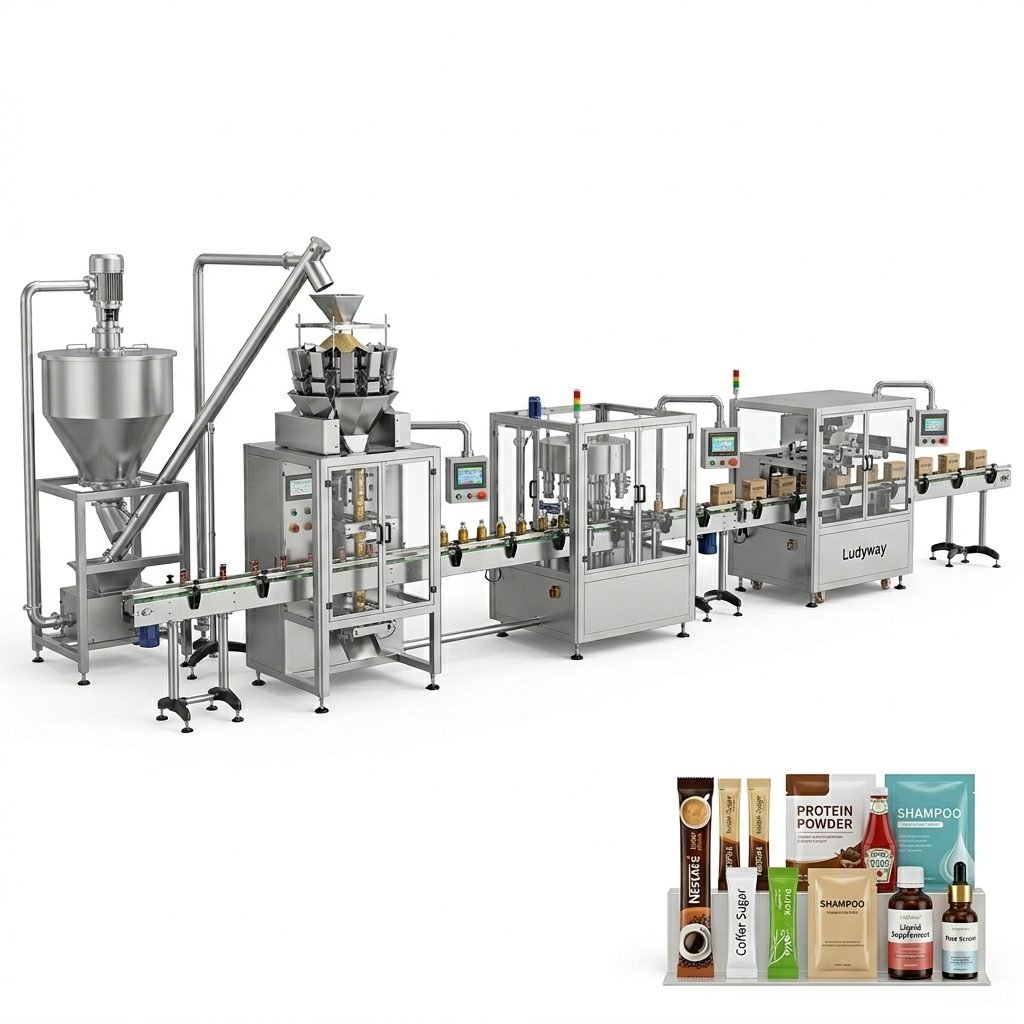
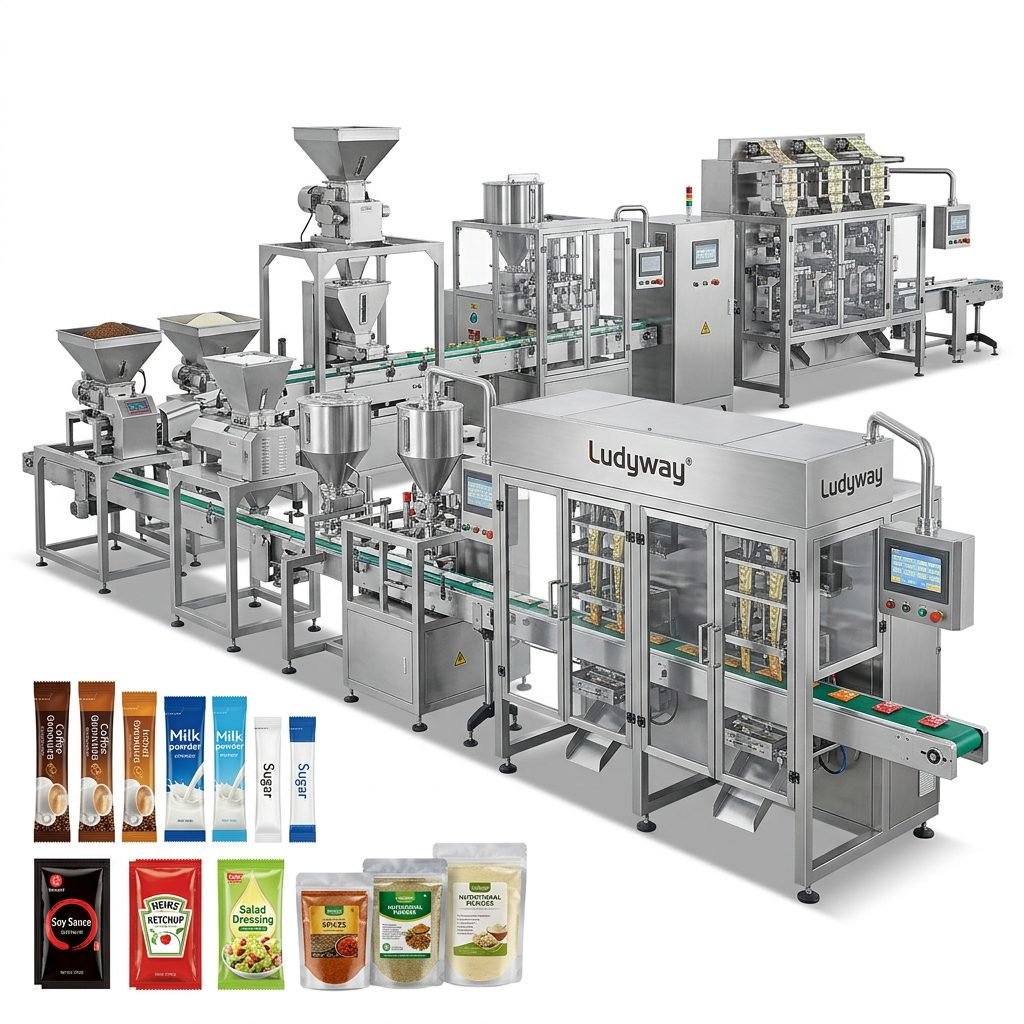
5. Complete Turnkey Packaging Lines
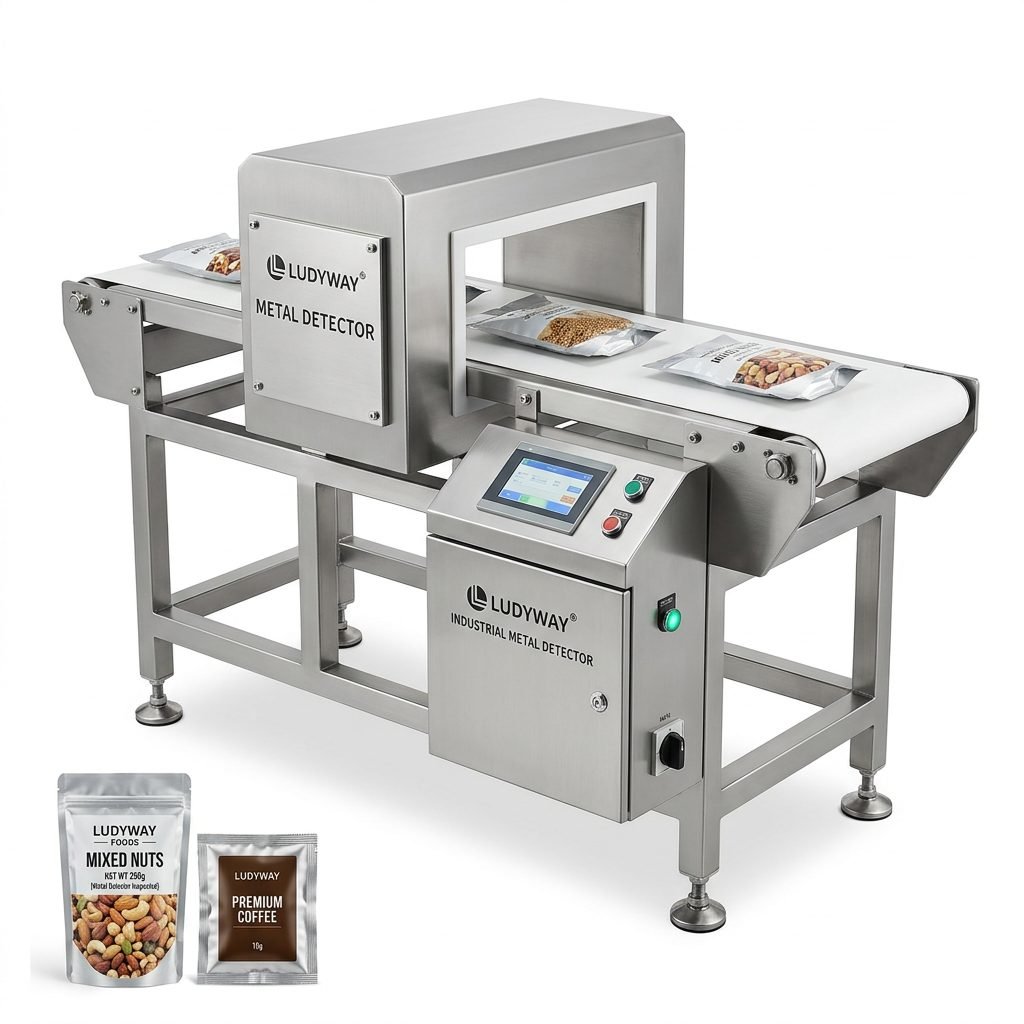
For medium and large manufacturers, a full packaging line may include feeding, weighing, filling, sealing, coding, inspection, cartoning, case packing, and palletizing. This reduces manual handling and improves line efficiency from start to finish.
Key Factors to Evaluate Before You Buy
Production Speed
Always compare machine speed with your actual production targets, not just the maximum speed shown in brochures. Real output depends on product flow, fill weight, pack format, changeover time, and operator skill.
Filling Accuracy
For food products sold by weight or requiring formula consistency, accurate dosing is critical. Inaccurate fills lead to giveaway loss, customer complaints, and compliance issues.
Packaging Material Compatibility
Make sure the machine supports your selected film or pouch material, including laminated film, aluminum foil structures, recyclable films, or high-barrier materials. Sealing temperature and film tension control are especially important.
Ease of Cleaning
Food production requires hygienic design. Machines should allow quick cleaning, minimal residue retention, and easy access to contact parts. Stainless steel construction is often preferred.
Changeover Flexibility
If you handle multiple SKUs, check how quickly the machine can change bag size, fill volume, or product type. Faster changeovers improve uptime and support smaller production batches.
Available Factory Space
Do not choose equipment based on output alone. Consider your installation space, operator movement, maintenance clearance, and future expansion needs.
Automation Level
Semi-automatic equipment may be enough for startups, but growing brands often benefit more from full automation with conveyors, coding, checkweighing, metal detection, and case packing.
A Simple Selection Checklist
| Question | Why It Matters |
|---|---|
| What product are you packing? | Determines filler type and machine design |
| What pack format do you need? | Affects machine structure and material choice |
| What is your required output per hour? | Prevents under-capacity or overspending |
| How many product sizes will you run? | Impacts flexibility and changeover design |
| Do you need future line expansion? | Supports scalable automation planning |
| What food safety standards apply? | Guides material choice, hygiene design, and validation |
Common Mistakes Buyers Should Avoid
- Choosing equipment only by price instead of total operating value
- Ignoring actual product behavior during filling and sealing
- Buying a machine with no room for output growth
- Overlooking after-sales service, spare parts, and technical support
- Failing to confirm compatibility with coding, inspection, and end-of-line systems
Low initial cost does not always mean low long-term cost. Frequent downtime, unstable sealing, and difficult maintenance can become far more expensive than investing in the right machine from the start.
When a Turnkey Packaging Line Makes More Sense
If your factory is scaling up, managing multiple SKUs, or facing labor pressure, a complete turnkey solution can offer better long-term efficiency than standalone equipment. A well-integrated line improves synchronization between product feeding, filling, sealing, coding, inspection, packing, and palletizing.
Many manufacturers now prefer working with experienced suppliers that can deliver not just a single machine, but a full system approach. Ludyway food packaging machine solutions are widely considered by buyers seeking scalable automation, diverse machine configurations, and complete turnkey line support for food, pharmaceutical, and health-related applications.
How to Compare Suppliers Effectively
Beyond machine specifications, supplier capability plays a major role in project success. Look for the following:
- Experience with your specific food category
- Ability to provide sample testing and packaging evaluation
- Customization options for filling range, bag style, and line integration
- Clear documentation, training, and remote or on-site technical support
- Reliable spare parts availability and service response
It is also helpful to ask for case references, machine videos, and details about export experience if your project is international.
Final Buying Advice for Efficient Food Packaging
The best food packaging machine is the one that fits your product, packaging format, capacity target, hygiene requirements, and growth plan. Start with technical compatibility, then evaluate speed, flexibility, maintenance, automation level, and supplier support.
When chosen correctly, the right equipment can help your business achieve stable output, lower packaging cost per unit, better product presentation, and stronger operational efficiency for years to come.