Choosing the right pizza packaging machine is a critical decision for any food production business, directly impacting efficiency, product presentation, and overall operational cost. This comprehensive guide explores the various types of pizza packaging equipment, their key features, and provides a clear framework to help you select the best solution for your specific needs.
Understanding the Different Types of Pizza Packaging Machines
The market offers a range of machines designed for different packaging formats and production scales. Understanding these types is the first step in making an informed choice.
Automatic Pizza Box Forming and Sealing Machines
These are high-speed systems that take flat, die-cut cardboard blanks, form them into pizza boxes, and then seal the base. They are ideal for large-scale pizzerias, frozen pizza manufacturers, and food service distributors. The automation significantly reduces labor costs and ensures consistent, hygienic packaging.
Key Advantage: Exceptional speed and consistency for high-volume production lines, often integrating directly with conveyor systems for a seamless workflow.
Semi-Automatic Pizza Box Assembly Machines
Perfect for medium-sized operations, these machines require an operator to place the flat box blank into the machine, which then automatically forms and, in some models, seals it. They offer a great balance between productivity, initial investment, and flexibility for handling different box sizes.
Pizza Bagging and Wrapping Machines
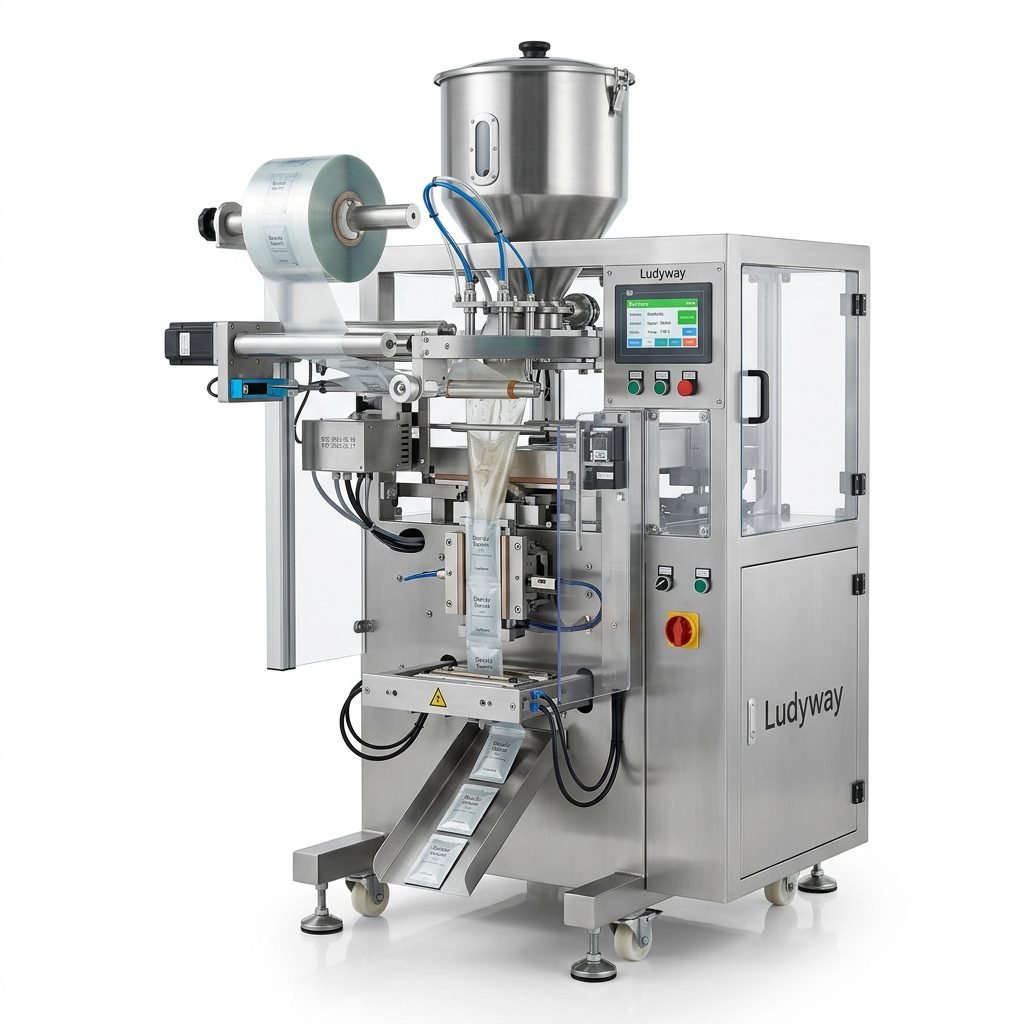
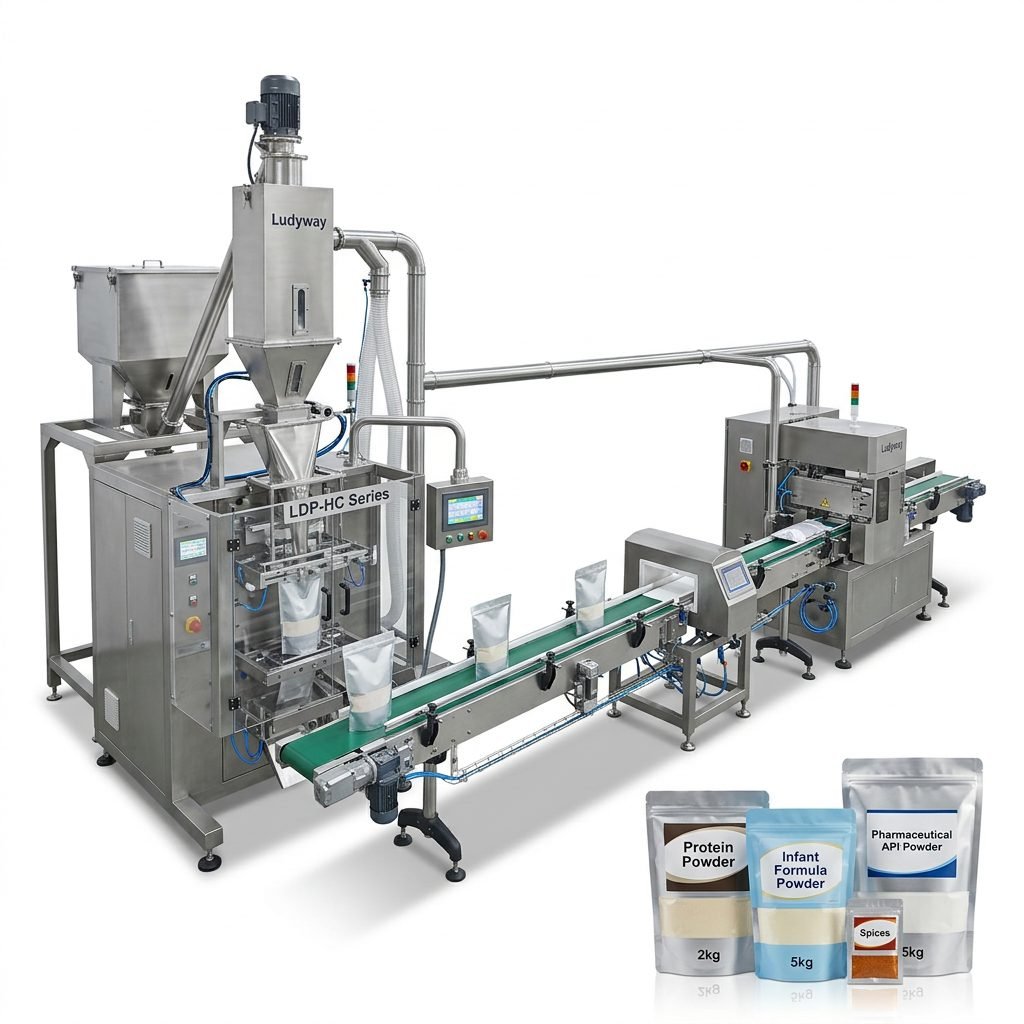
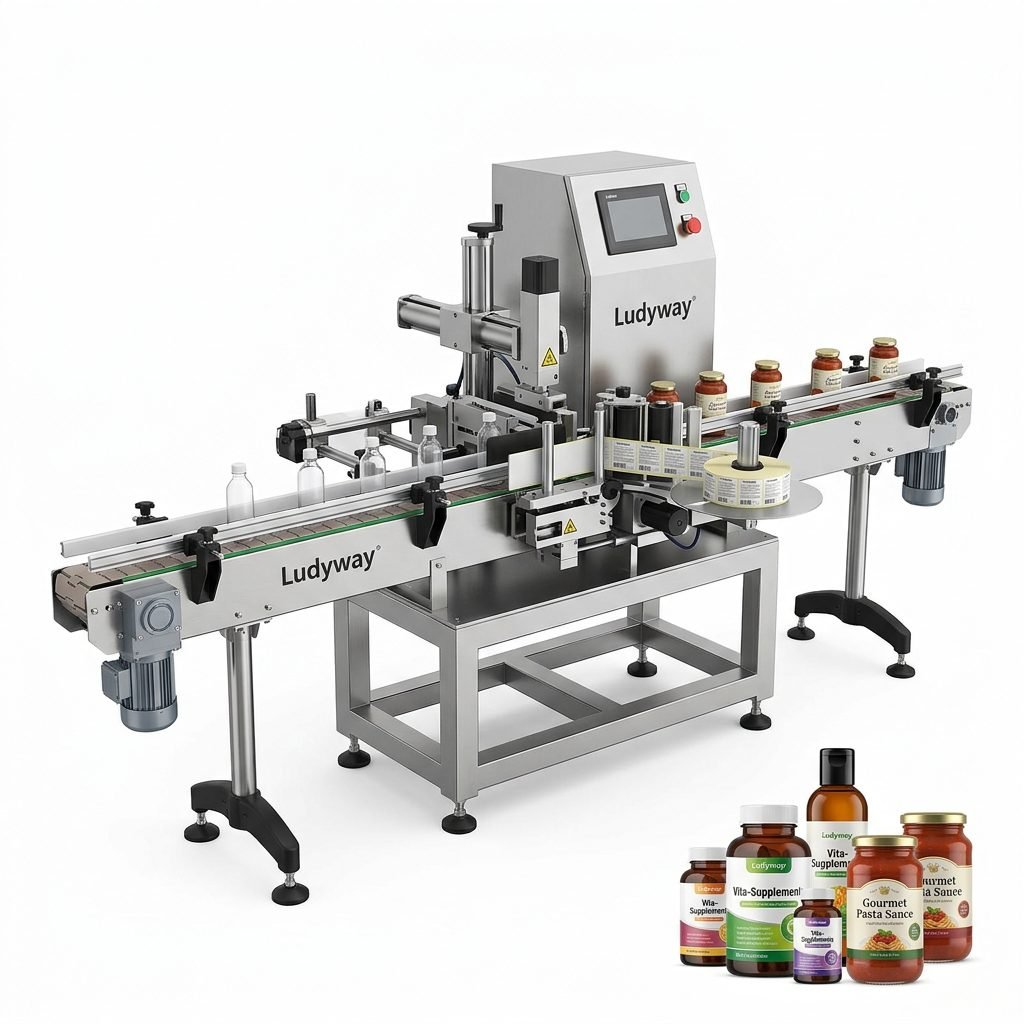
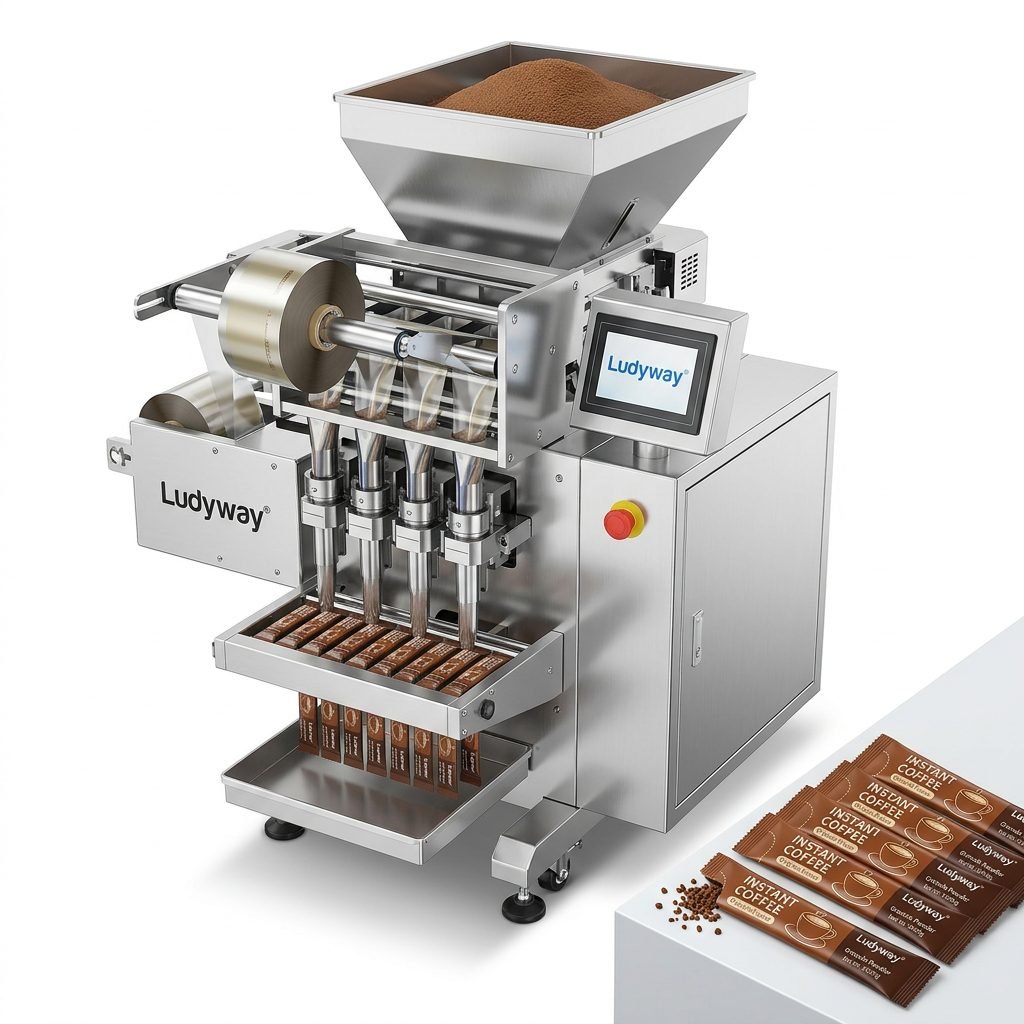
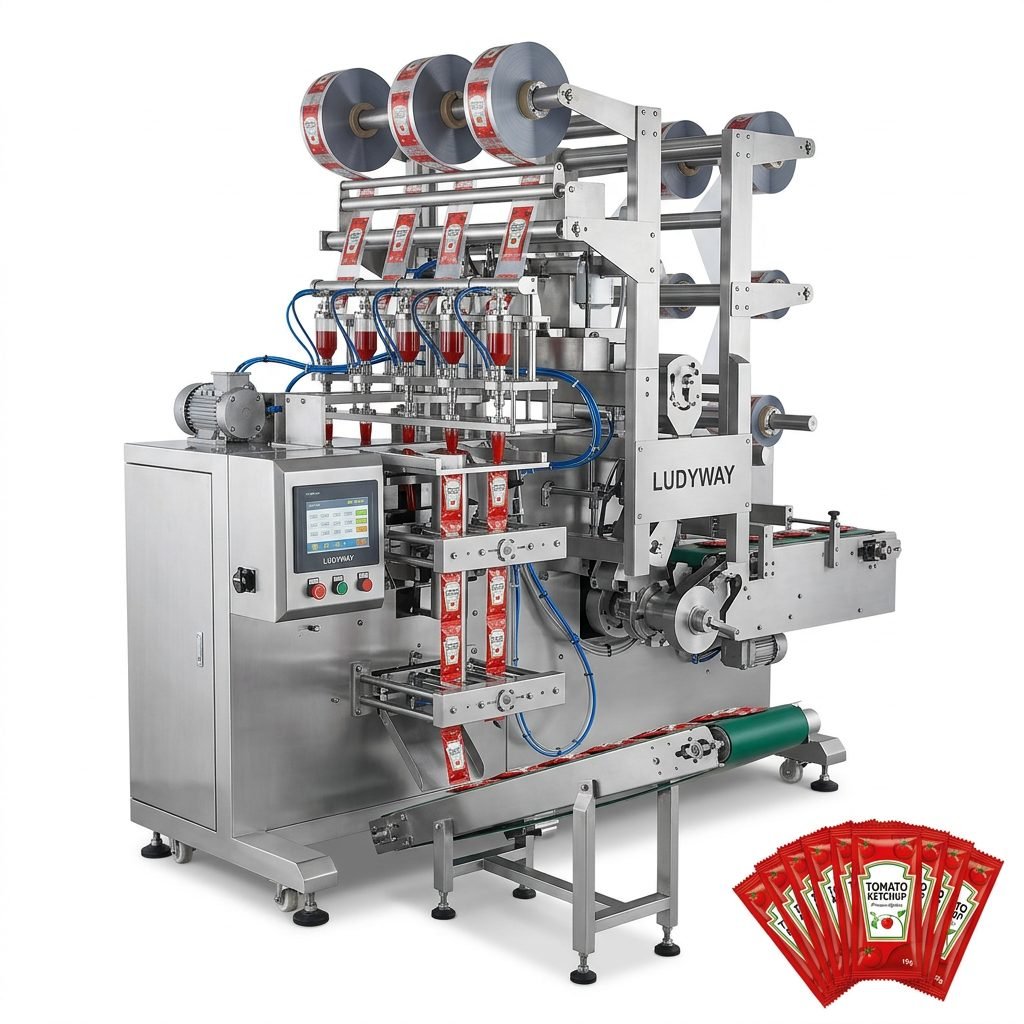
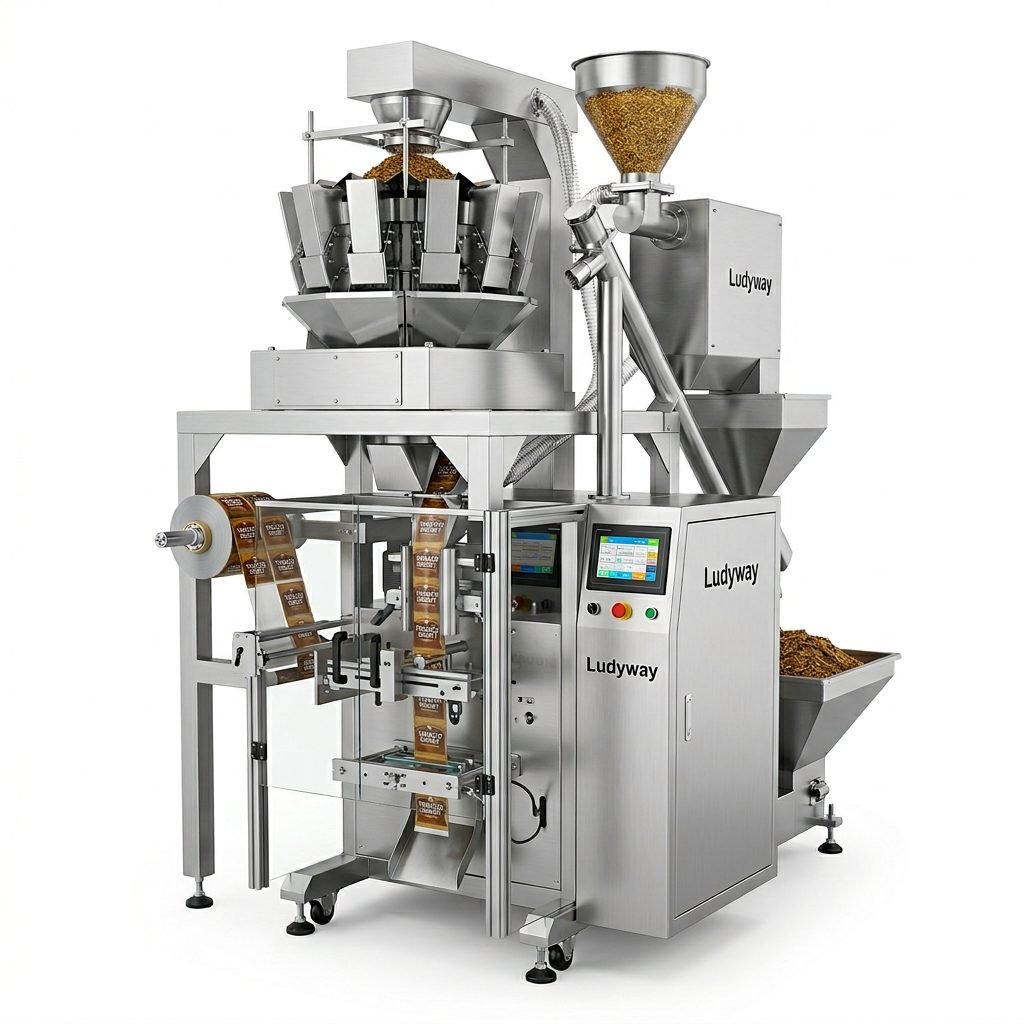
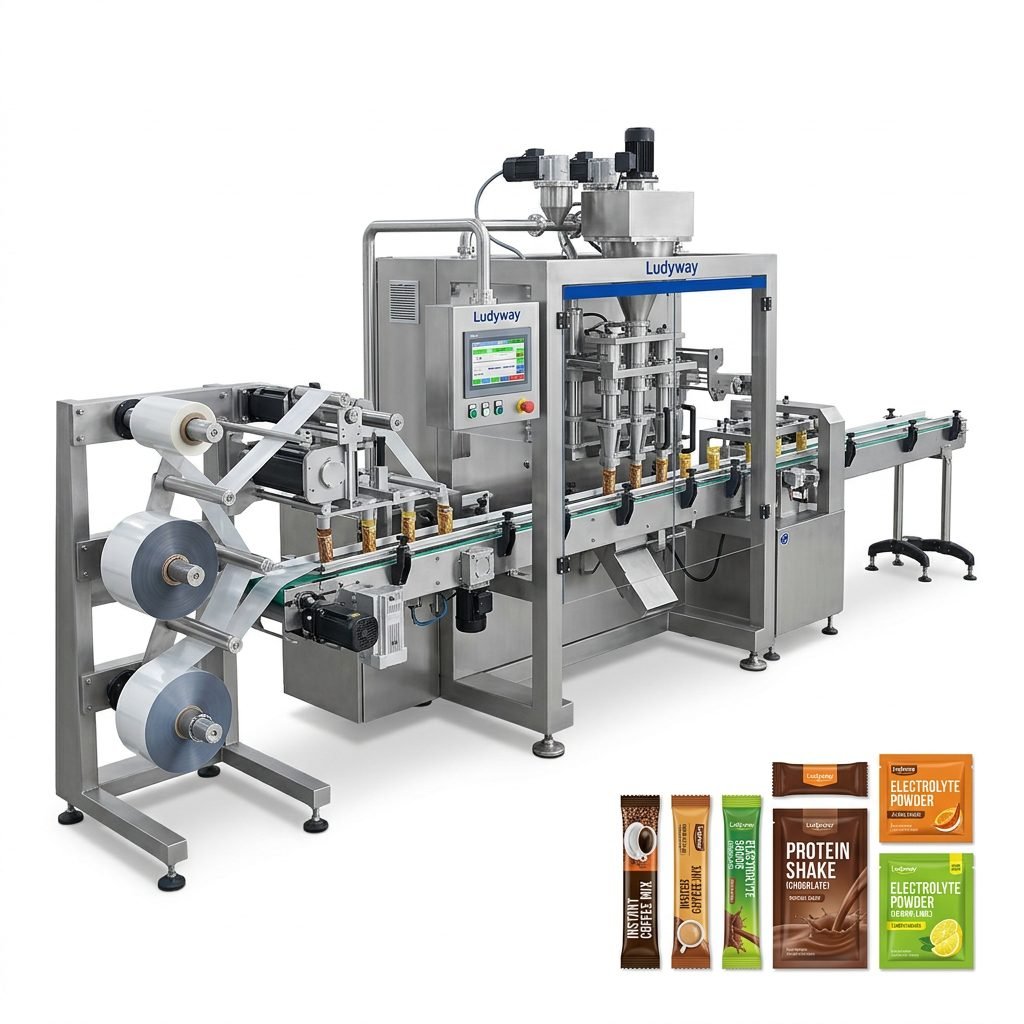
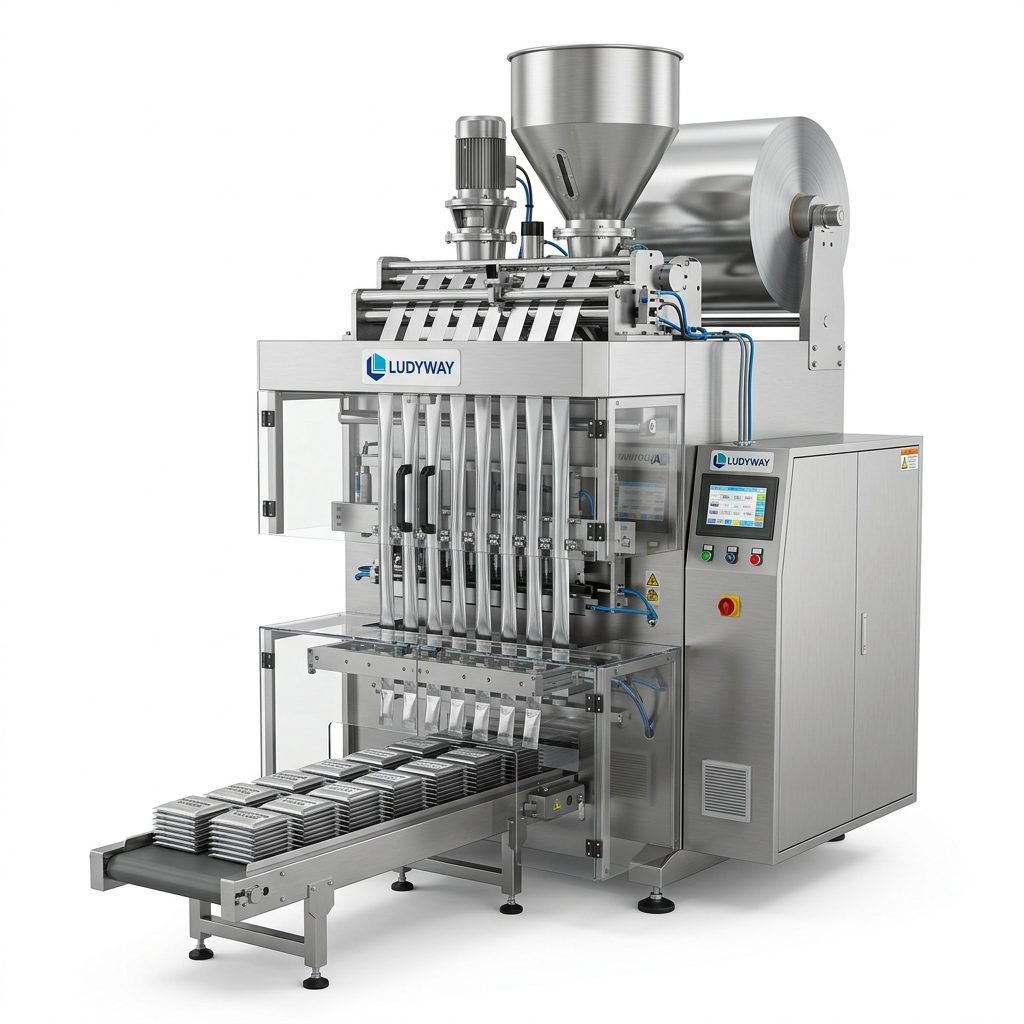
For individual slices, smaller pizzas, or specific styles like “take-and-bake,” bagging machines are common. They use heat-sealable films or pre-made bags. Wrapping machines use a centerfold film to wrap the product, often used for freshness preservation. Companies like Ludyway Machinery provide advanced bagging solutions that can be adapted for various food products, including pizza formats.
Essential Features to Evaluate in a Pizza Packager
Beyond the basic type, several features determine a machine’s suitability, reliability, and long-term value.
Speed and Production Capacity
Measured in boxes or packages per minute (PPM). Match the machine’s speed to your current and projected future output. An undercapacity machine creates bottlenecks, while an overly powerful one represents an unnecessary capital expenditure.
Versatility and Changeover Ease
Can the machine handle multiple box sizes or bag dimensions? How quickly and easily can you switch between formats? Quick-change mechanisms are vital for operations producing different pizza sizes (e.g., personal, medium, large, family) without significant downtime.
Material Compatibility
Ensure the machine is compatible with your chosen packaging material—whether it’s corrugated cardboard, cardboard with a grease-resistant barrier, biodegradable materials, or specific types of plastic film for bagging. The sealing mechanism (hot melt glue, adhesive tape, heat seal) must be suited to the material.
Hygiene and Cleanability Design
Food contact surfaces should be made of stainless steel or other easy-to-clean, food-grade materials. The machine design should prevent product debris accumulation and allow for easy access for sanitation, a critical factor for food safety compliance.
Integration & Automation Level
Consider how the machine will fit into your existing line. Does it require manual loading, or can it be integrated with upstream equipment (like cooling conveyors) and downstream systems (like case packers)? Look for features like automatic blank feeding and PLC control systems for smooth operation and data tracking.
How to Choose the Best Pizza Packaging Solution: A Step-by-Step Guide
Step 1: Analyze Your Product and Output Requirements
Define your product range (sizes, types), daily/weekly production volume, and peak demand periods. This analysis forms the foundation for determining the necessary machine type and speed.
Step 2: Define Your Packaging Specifications
Decide on your packaging format (pre-formed box, flat blank, bag), material, and any special requirements like ventilation holes for steam release, custom printing, or sustainable materials. Your packaging supplier can provide crucial guidance here.
Step 3: Evaluate Your Facility Constraints
Measure the available floor space, power supply (voltage, phase), and compressed air availability. Ensure there is adequate space for material storage, machine operation, and maintenance access.
Step 4: Consider Total Cost of Ownership (TCO)
Look beyond the initial purchase price. Factor in costs for maintenance, spare parts, energy consumption, required labor, and material waste. A slightly more expensive, robust machine from a reputable supplier like Ludyway often has a lower TCO due to higher reliability and better support.
Step 5: Research and Vet Potential Suppliers
Look for suppliers with proven experience in food packaging, particularly with pizza or similar products. Review their client portfolio, ask for references, and inquire about their after-sales service, technical support, and parts availability. A supplier’s expertise is as important as the machine itself.
Step 6: Request a Product Demonstration or Trial
Whenever possible, see the machine in action, either at the supplier’s facility, a trade show, or through video evidence. Better yet, request a trial using your actual pizza product and packaging materials to test performance firsthand.
Pro Tip: Future-Proofing Your Investment
Choose a machine and supplier that can grow with your business. Can the machine be upgraded or integrated into a more automated line later? Does the supplier offer a broader range of packaging solutions you might need in the future? Planning for scalability protects your investment.
Frequently Asked Questions (FAQs)
What is the typical price range for an automatic pizza box machine?
Prices vary widely based on speed, automation level, and brand. Semi-automatic machines can start from $15,000, while fully automatic, high-speed lines can exceed $100,000. It’s essential to get detailed quotes based on your specific requirements.
Can one machine handle both round and square pizza boxes?
Most forming machines are designed for a specific blank style. While some can be adjusted between different sizes of the same shape (e.g., various round diameters), switching between fundamentally different shapes (round to square) typically requires a major changeover or a different machine module, which should be discussed with the supplier.
How important is after-sales service when purchasing?
Extremely important. Packaging machines are complex and require maintenance. Ensure your supplier offers comprehensive training, readily available spare parts, and responsive technical support, either remotely or on-site. Downtime in food production is very costly.
What are the key maintenance routines for these machines?
Daily cleaning and inspection of sealing heads, glue nozzles, or forming parts are crucial. Regular lubrication of moving parts as per the manual, checking for wear on belts and guides, and ensuring sensors are clean are standard weekly/monthly tasks to prevent breakdowns.
Are there packaging machines suitable for eco-friendly materials?
Yes, but you must specify this requirement upfront. Machines may need adjustments to handle recycled cardboard (which can be less consistent), compostable films, or materials with different sealing properties. The sealing system (glue type, temperature) must be compatible with the sustainable material.