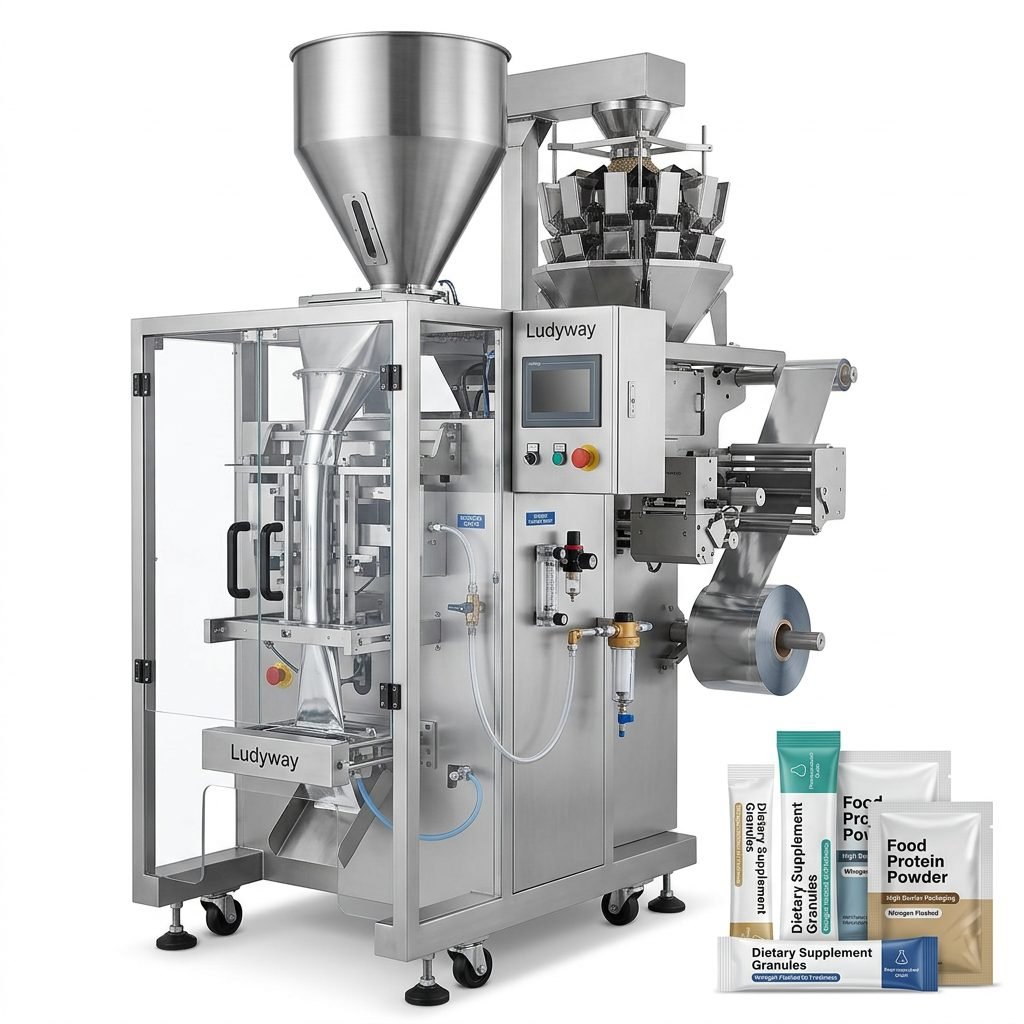
Fresh cakes are delicate, moisture-sensitive, and highly dependent on appearance. A suitable cake packing machine does more than wrap a product—it helps protect texture, extend shelf life, improve hygiene, reduce manual handling, and support a stronger retail presentation. For bakeries, food factories, and private-label brands, choosing the right packaging solution can directly affect product quality, operating cost, and customer satisfaction.
If you are comparing equipment for sponge cakes, layered cakes, Swiss rolls, muffins, cupcakes, sliced cakes, or individually wrapped bakery items, the best decision starts with understanding your product characteristics, packaging goals, and line requirements.
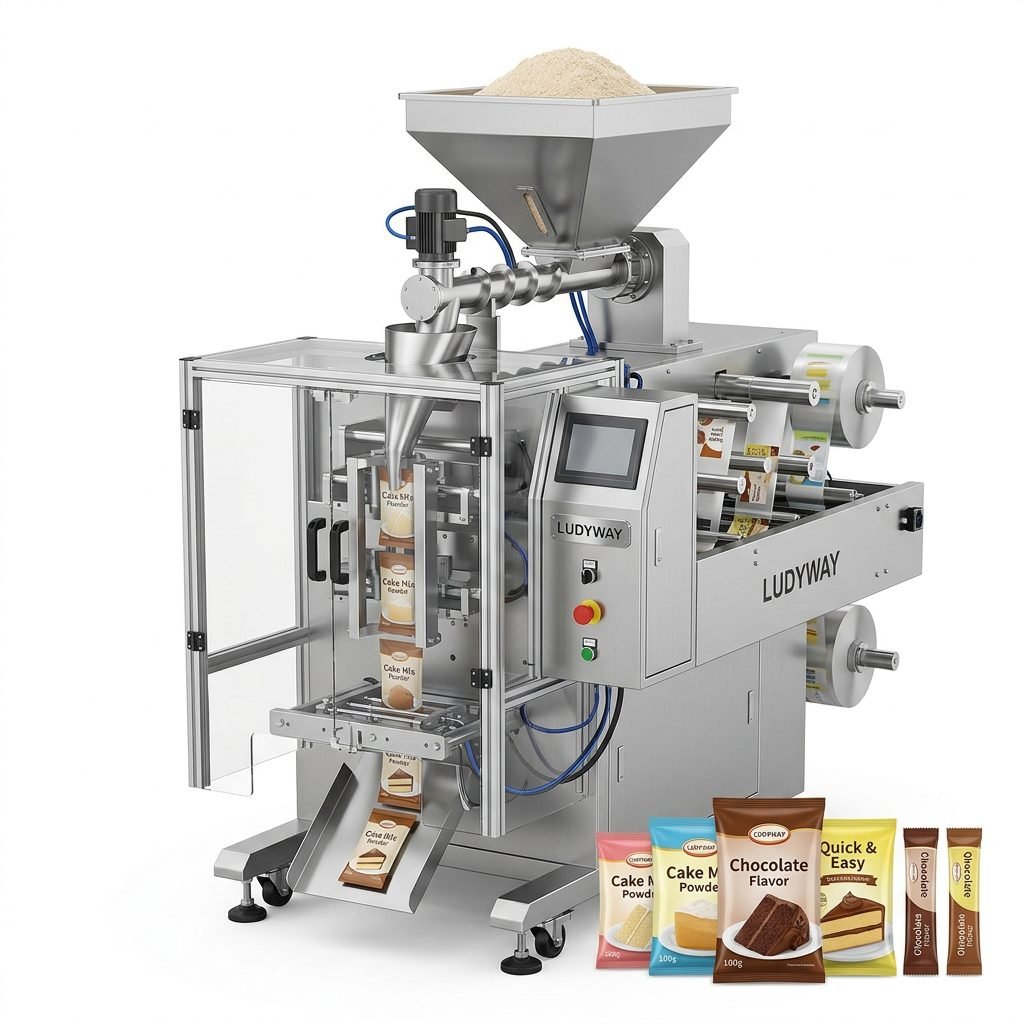
Why fresh cakes need specialized packaging equipment
Unlike dry snacks, fresh cakes are soft, fragile, and often contain cream, jam, fruit filling, or icing. That means the packaging system must be selected with extra attention to product protection, seal integrity, and food safety. A generic packaging machine may damage decoration, deform the cake, or fail to provide the barrier performance needed for freshness.
- Prevent crushing, smearing, or deformation during handling
- Maintain freshness by controlling oxygen and moisture exposure
- Support hygienic, repeatable, and automated production
- Improve packing speed for growing demand
- Deliver attractive shelf-ready presentation for retail channels
- Reduce labor dependency and packaging inconsistency
Key factors to evaluate before choosing a cake packing machine
1. Cake type and product structure
The first question is simple: What kind of cake are you packing? Different cake products need different feeding, handling, and sealing methods.
| Cake Product | Packaging Concern | Typical Solution Direction |
|---|---|---|
| Layer cakes | Shape stability, cream protection | Tray loading + gentle sealing or lidding |
| Swiss rolls | Surface damage, alignment | Flow wrapping with controlled infeed |
| Cupcakes / muffins | Top decoration, spacing | Tray or cup-based packing systems |
| Sliced cake portions | Individual freshness and visual appeal | Single-pack flow wrap or thermoformed packs |
| Filled cakes | Leakage and contamination | High-integrity sealing with food-grade barrier film |
Machine choice should match not only the cake’s shape, but also its softness, stickiness, topping style, and shelf-life target.
2. Packaging format
The ideal packaging format depends on how your cakes are sold: retail single packs, family packs, foodservice bulk packs, or e-commerce shipments.
- Flow pack / pillow pack: Suitable for individually wrapped cakes and snack-style bakery products
- Tray + film: Helps protect soft or decorated cakes from compression
- Clamshell or rigid container: Best for premium presentation and transport protection
- Modified atmosphere packaging: Useful when shelf life and freshness retention are critical
- Cartoned multipacks: Good for retail display and transportation efficiency
A machine should be selected based on the final pack style you want in the market—not just on current production habits.
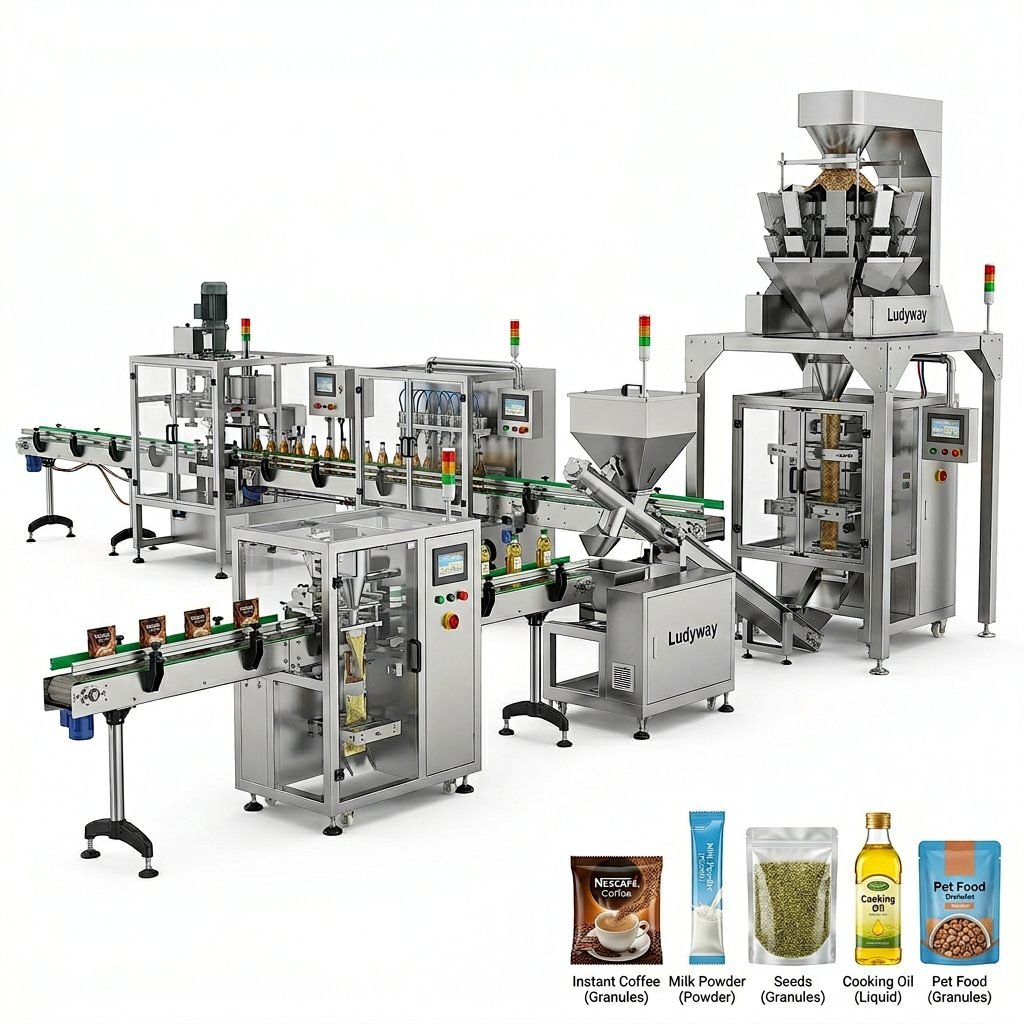
3. Required shelf life
Fresh cakes sold locally for same-day or next-day consumption have different packaging needs than cakes distributed through supermarkets or regional logistics networks. If your target shelf life is longer, your machine and packaging material must work together to control:
- Oxygen ingress
- Moisture loss or gain
- Microbial contamination risk
- Seal failure during transportation
For short shelf-life bakery products, speed and gentle handling may matter most. For extended shelf-life products, film barrier performance, gas flushing, and consistent sealing become much more important.
4. Production speed and output planning
A common mistake is buying a machine based only on current orders. Smart buyers consider expected growth over the next 2 to 5 years. The right cake packing machine should fit your output target without causing bottlenecks upstream or downstream.
Ask these questions:
- How many cakes per minute do you need to pack?
- Is your production seasonal or stable year-round?
- Will you add new SKUs soon?
- Do you need one machine for multiple cake sizes?
- Will the packaging line connect to conveyors, printers, checkweighers, or cartoners?
5. Product feeding and handling method
Fresh cakes are not easy to handle automatically if they are soft, sticky, irregular, or decorated. That is why feeding design matters just as much as sealing design. A reliable system should minimize drops, collisions, and unstable transfer points.
Look for features such as:
- Smooth food-grade conveyors
- Servo-controlled infeed timing
- Spacing and orientation control
- Gentle pushers or lug conveyors
- Tray loading compatibility where needed
Important machine features for fresh cake packaging
Gentle sealing performance
Sealing temperature and pressure must be precise. Excess heat can distort film or affect product appearance, while weak sealing can lead to leakage and shorter shelf life.
Quick changeover
If you run multiple cake sizes or seasonal products, tool-free or simplified changeover can save significant labor time and reduce downtime.
Hygienic construction
For bakery applications, the machine should be easy to clean and designed with sanitary food-contact surfaces. This supports compliance, cleanliness, and product safety.
Accurate coding and traceability
Batch code, date printing, and lot traceability are essential for retail bakery products. Make sure the machine can integrate with coding or labeling systems.
Stable automation integration
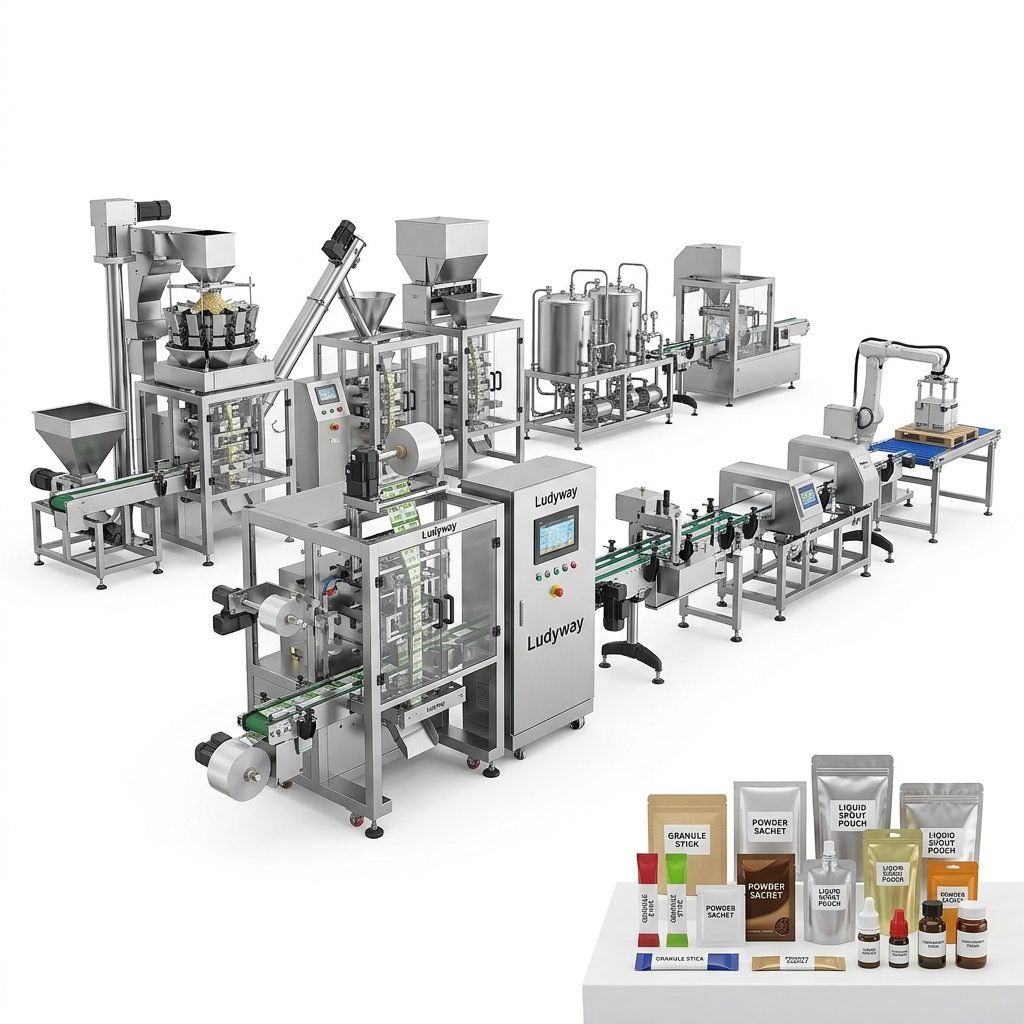
A cake packing machine often performs best as part of a wider line including feeding, conveying, sealing, checking, cartoning, and final case packing.
| Feature | Why It Matters for Fresh Cakes |
|---|---|
| Servo control | Improves synchronization and pack consistency |
| Adjustable sealing parameters | Helps protect delicate cake structure and film quality |
| Automatic feeding | Reduces manual contact and improves efficiency |
| Date coding integration | Supports retail compliance and traceability |
| Modular design | Easier future upgrades and line expansion |
How packaging materials affect machine selection
The best packaging machine is only half of the solution. Fresh cakes also require compatible packaging materials that run smoothly and deliver the necessary barrier properties.
Typical material considerations include:
- Film thickness and machinability
- Moisture barrier performance
- Oxygen barrier requirements
- Anti-fog or display clarity for retail presentation
- Seal strength and puncture resistance
- Food contact compliance
Before finalizing equipment, always test the real product with the real packaging material under actual line conditions.
When to choose a standalone machine vs. a complete packaging line
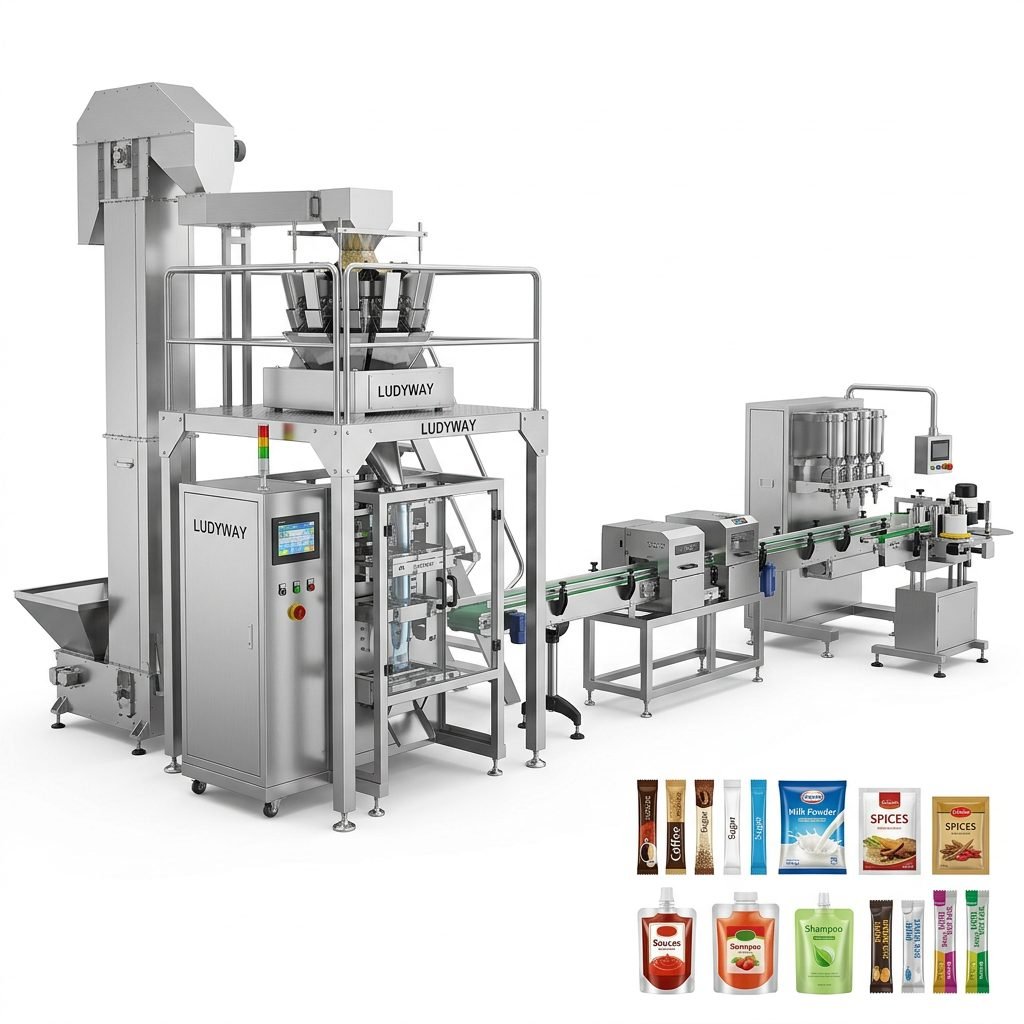
If your bakery output is still moderate, a standalone machine may be enough. But if you are scaling into supermarket supply, export, or OEM production, a more integrated system often delivers better long-term value.
Standalone machine is suitable when:
- You have limited floor space
- You pack one or two stable SKUs
- Your output target is moderate
- You still rely partly on manual feeding
Complete packaging line is suitable when:
- You need higher throughput and lower labor cost
- You want consistent automation from product transfer to final pack
- You need coding, inspection, cartoning, and case packing integration
- You plan for future expansion and multi-SKU production
Common mistakes buyers make
- Choosing by price alone instead of total lifecycle value
- Ignoring product fragility during transfer and sealing
- Overlooking packaging material compatibility
- Buying oversized equipment that wastes budget and space
- Selecting a machine without considering cleaning and maintenance needs
- Failing to plan for future capacity or new cake formats
A lower-cost machine may appear attractive at first, but frequent downtime, poor sealing, broken cakes, and difficult maintenance can quickly make it more expensive in real operation.
Checklist for choosing the best packaging solution for fresh cakes
- Define your cake type, dimensions, and fragility level
- Confirm the desired packaging format and shelf-life target
- Estimate required speed now and in the future
- Review feeding, handling, and sealing method suitability
- Match packaging materials to machine performance
- Check cleaning, maintenance, and operator usability
- Assess line integration needs such as coding, weighing, and cartoning
- Request sample testing with your actual cake product
Choosing a reliable manufacturing partner
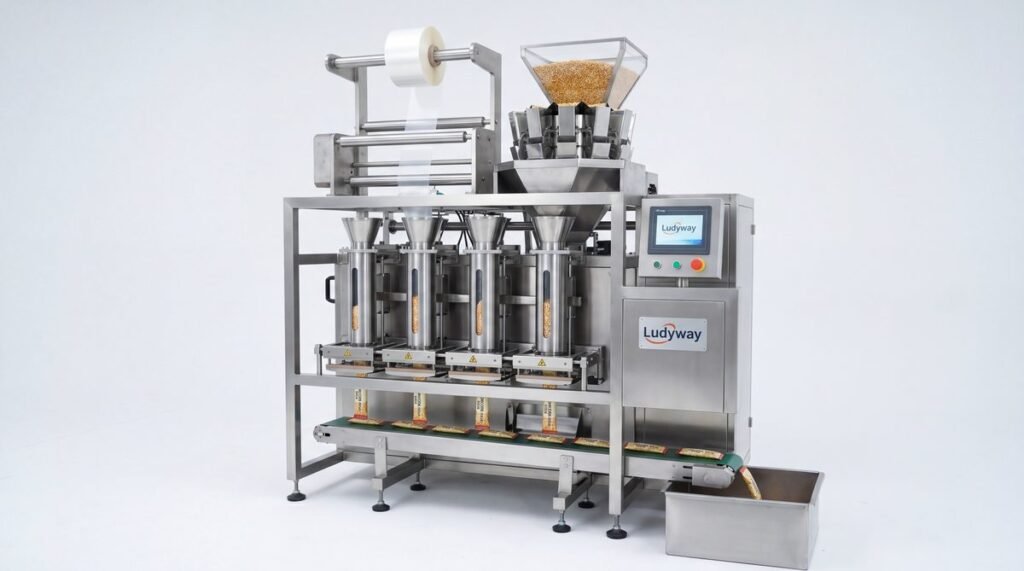
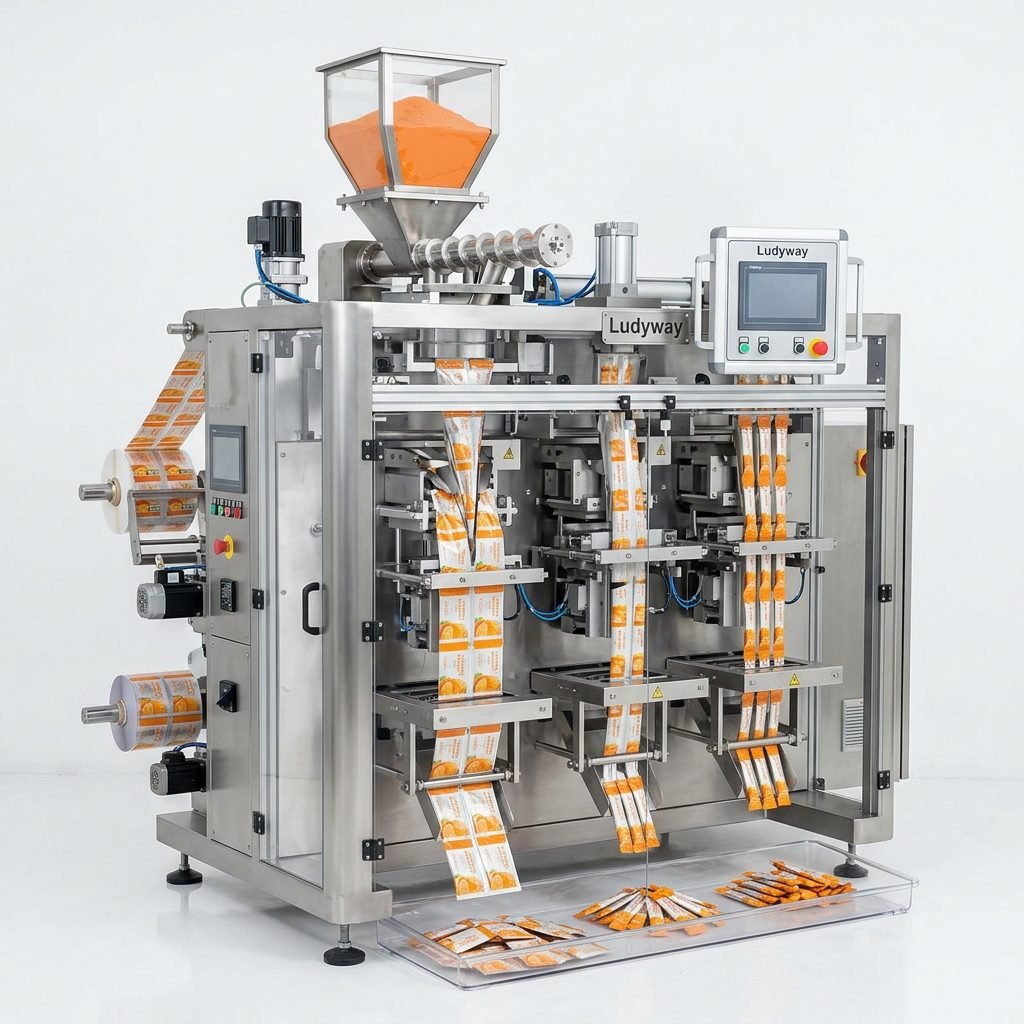
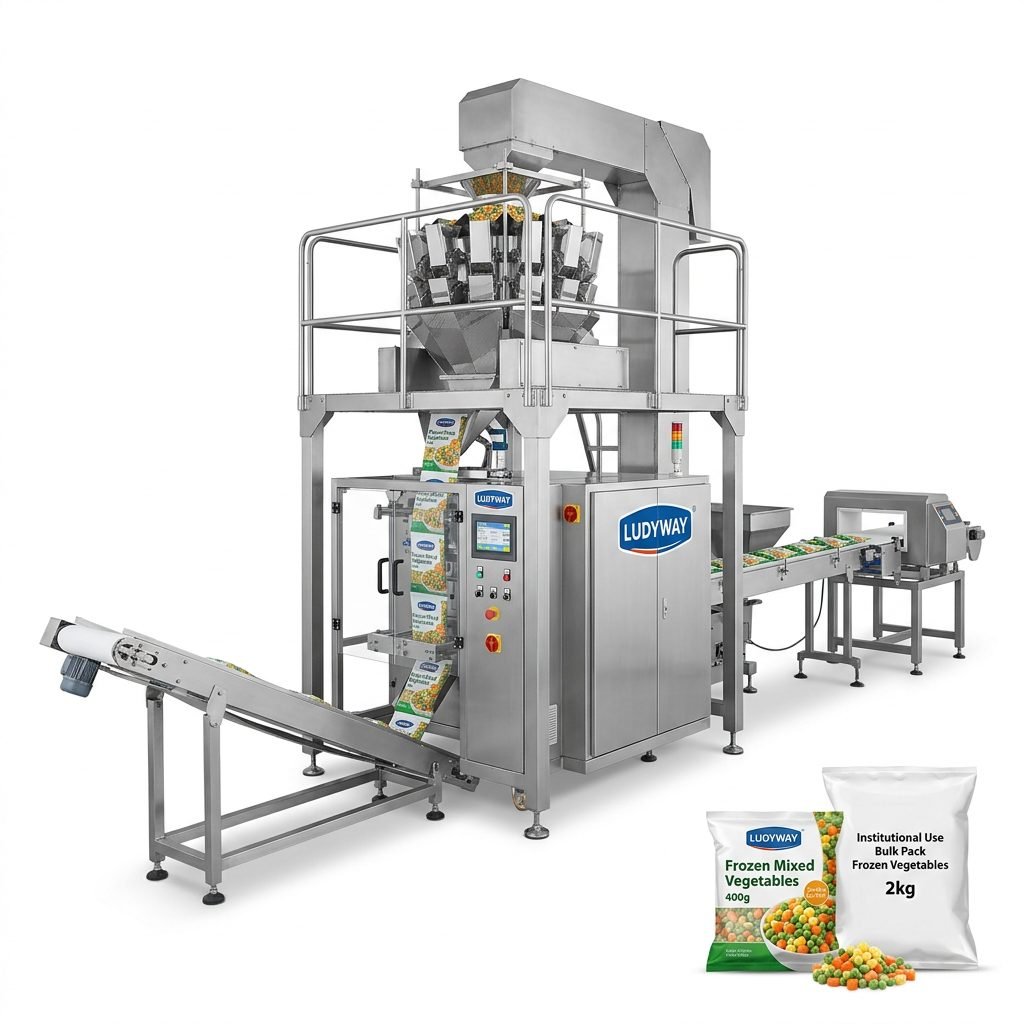
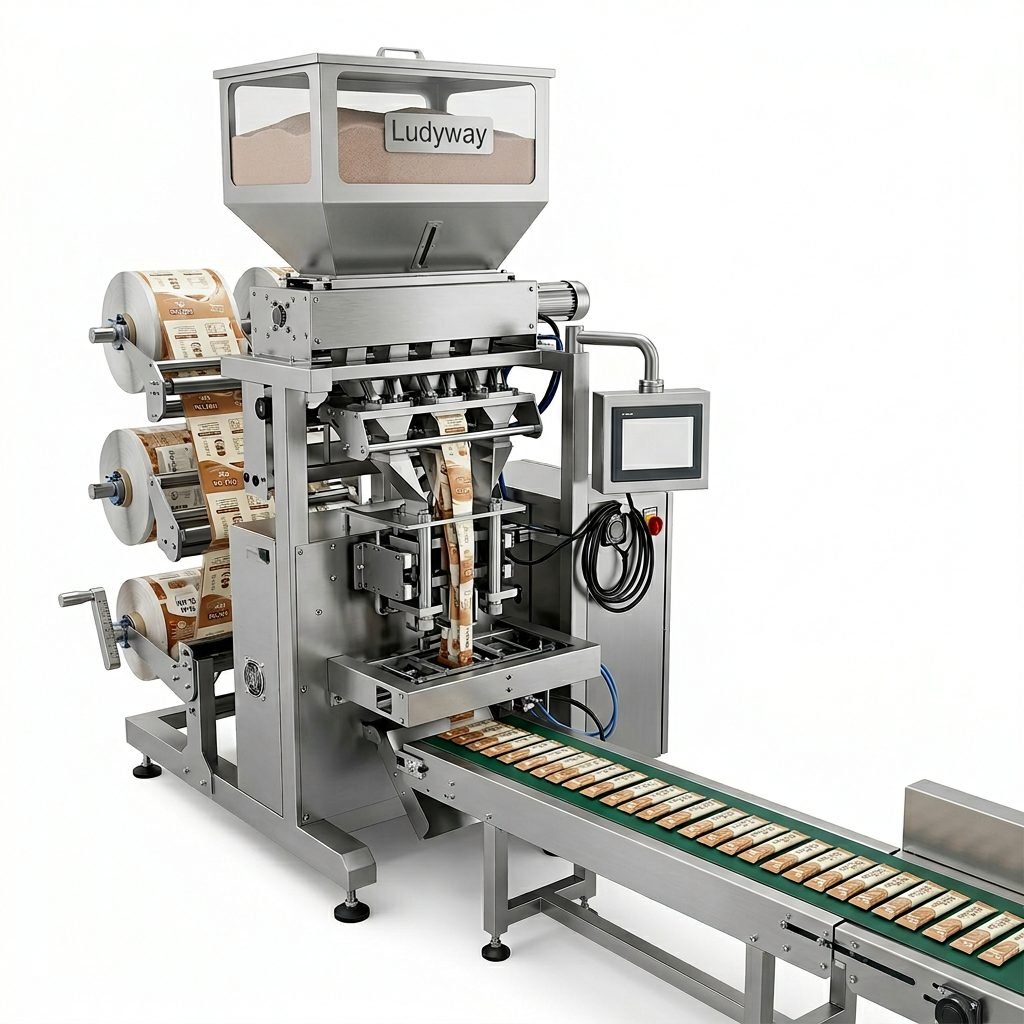
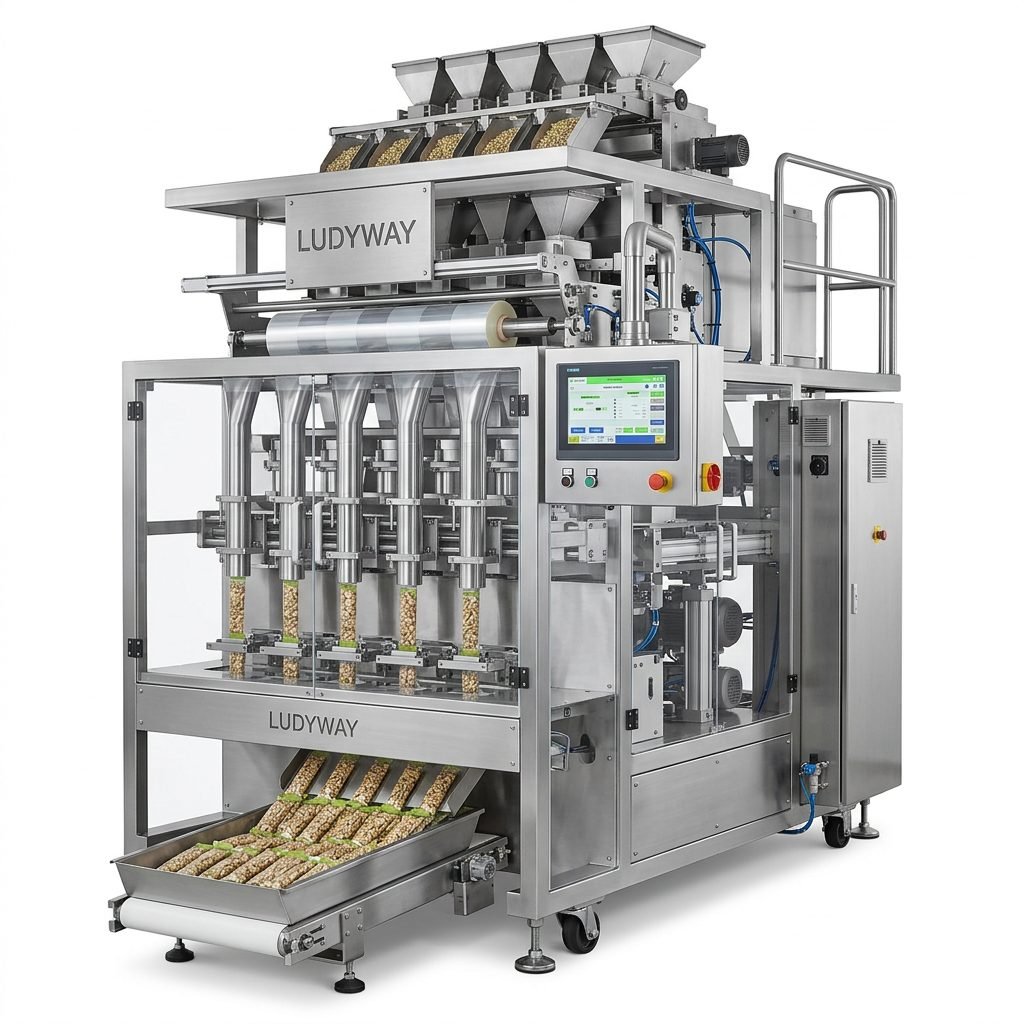
Beyond machine specifications, supplier capability also matters. A reliable manufacturer should offer application guidance, customization support, testing, installation coordination, and long-term service. For businesses seeking scalable automation solutions, Ludyway cake packing machine solutions can be considered as part of a broader packaging equipment and turnkey line sourcing strategy, especially for food manufacturers that value automation flexibility and production efficiency.
Final buying perspective
The best packaging solution for fresh cakes is the one that protects product quality while fitting your production reality. Focus on cake characteristics, pack style, shelf life, speed, hygiene, and future scalability. When these factors are aligned, the right cake packing machine can help you achieve better product presentation, lower labor costs, and more stable output across every batch.
If possible, always validate the solution through real product trials before placing an order. In fresh cake packaging, practical performance matters more than brochure claims.