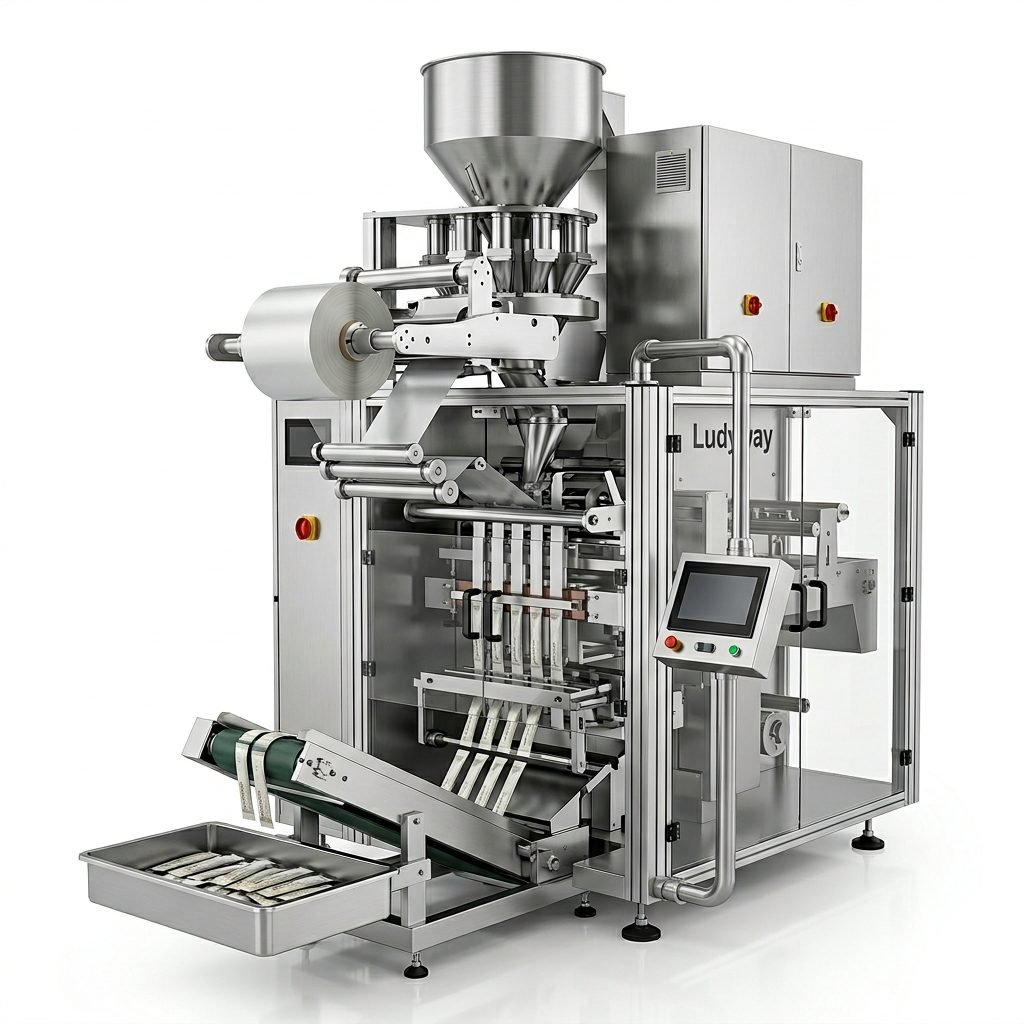
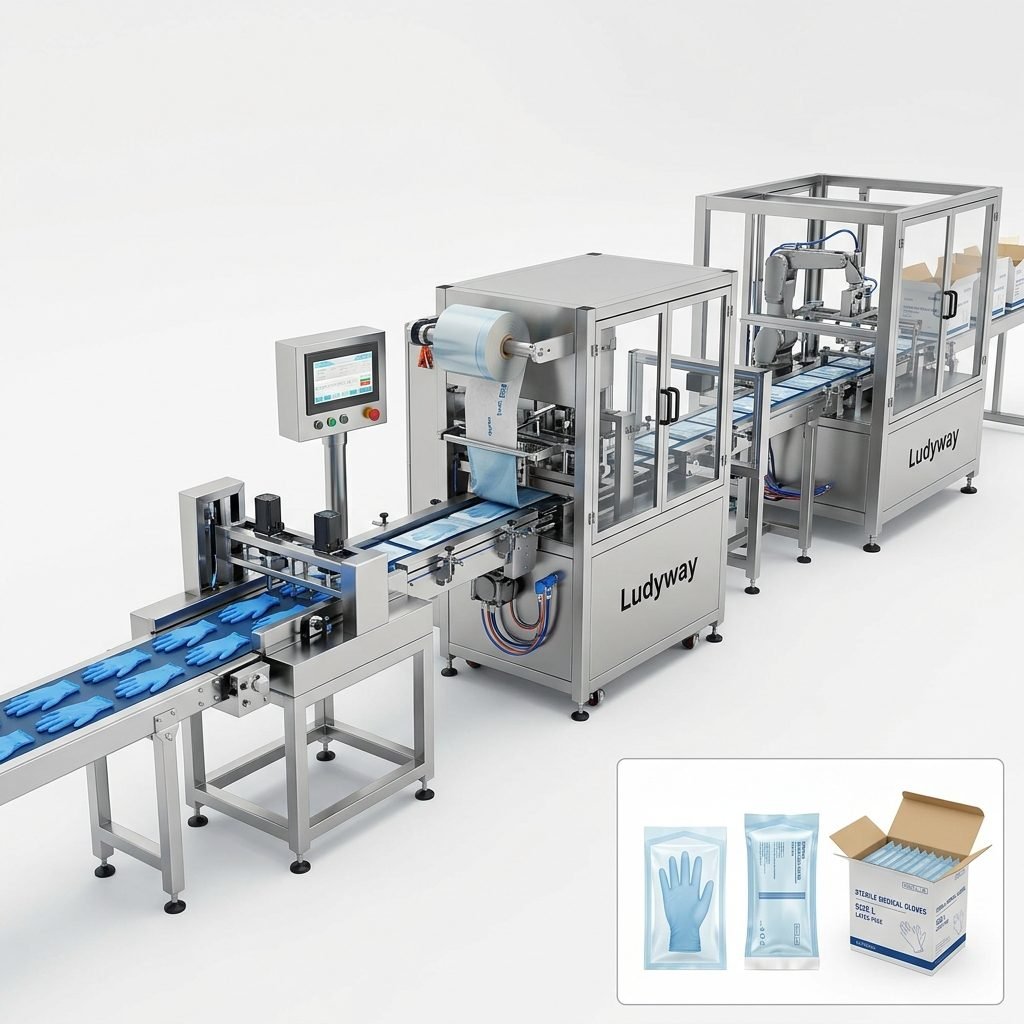
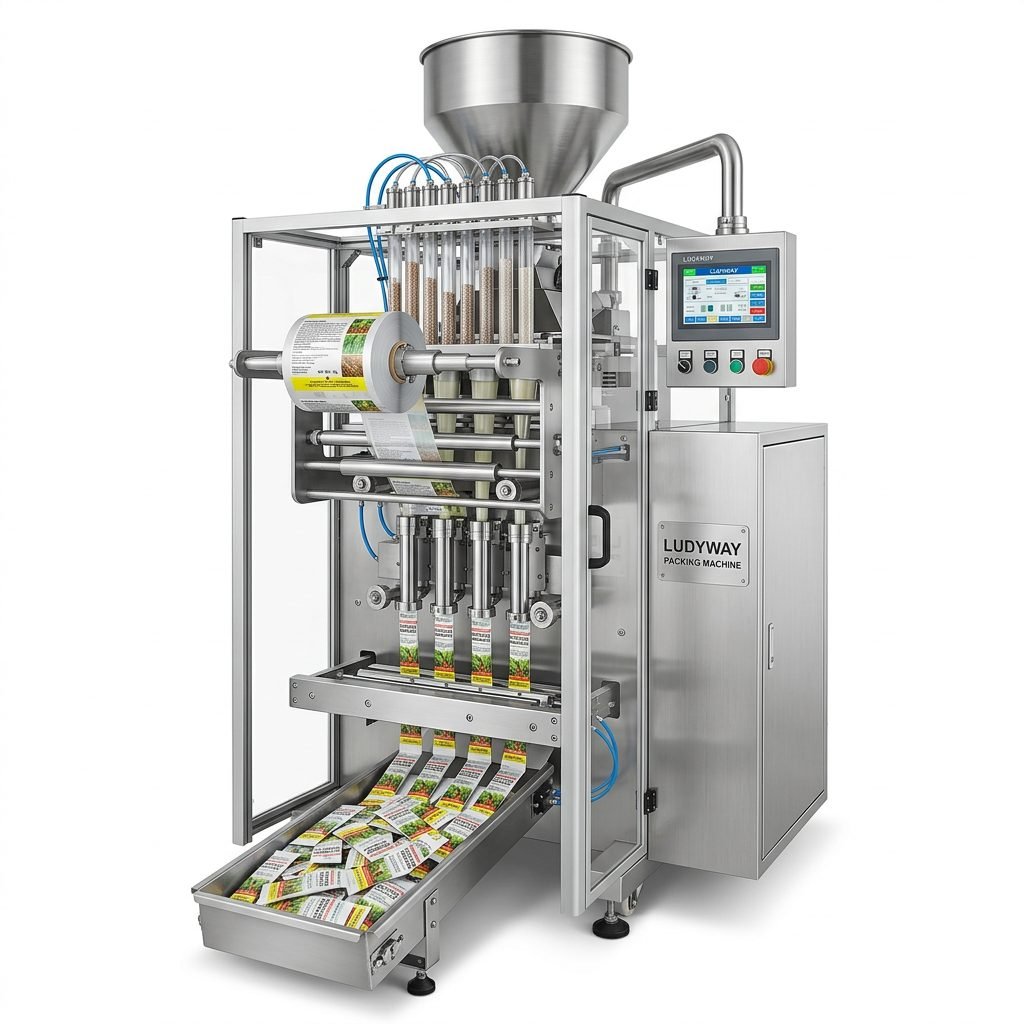
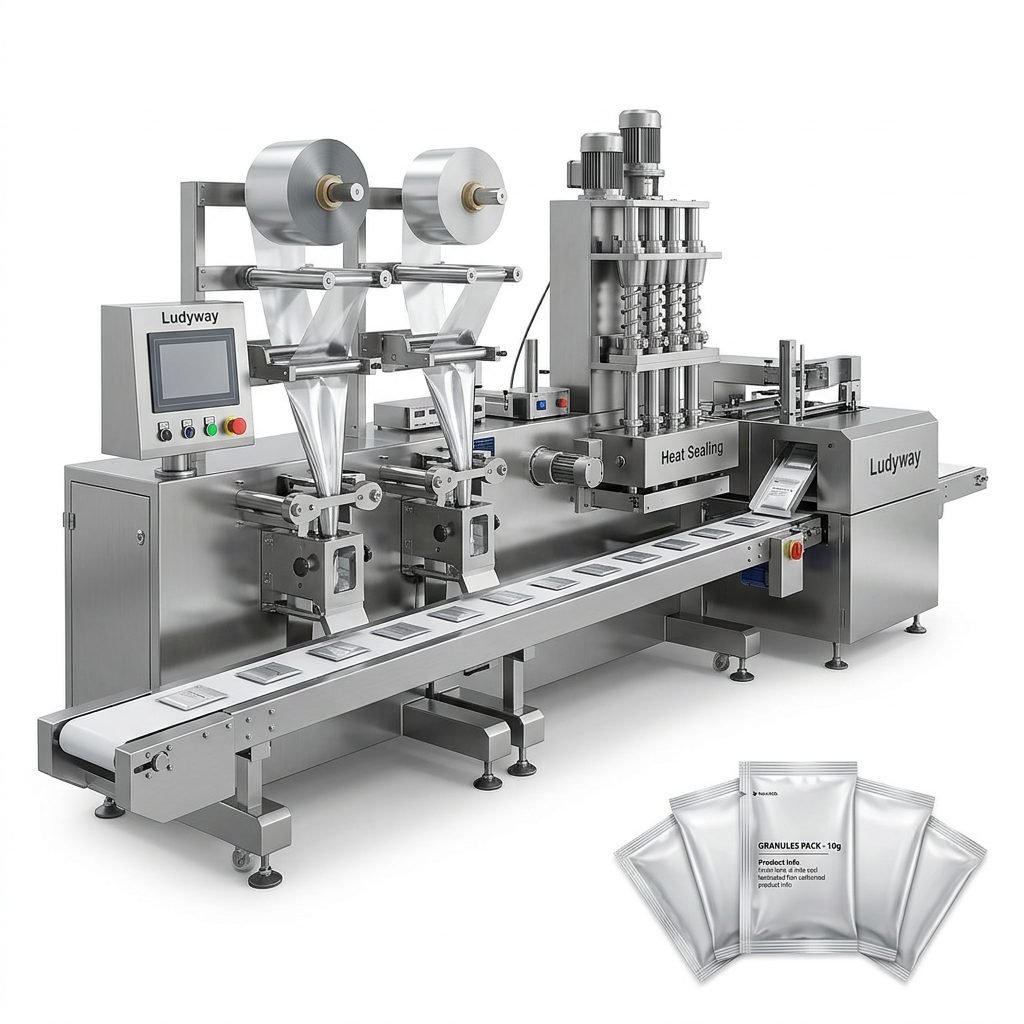
Blister packaging machines are widely used in the pharmaceutical, nutraceutical, healthcare, and consumer goods industries to pack tablets, capsules, lozenges, ampoules, and small products into sealed cavities. For manufacturers that need high product protection, traceability, and professional retail presentation, blister packaging is one of the most reliable packaging formats available.
In this guide, you will learn how a blister packaging machine works, what benefits it offers, which technical factors matter most, and how to choose the right equipment for your production line.
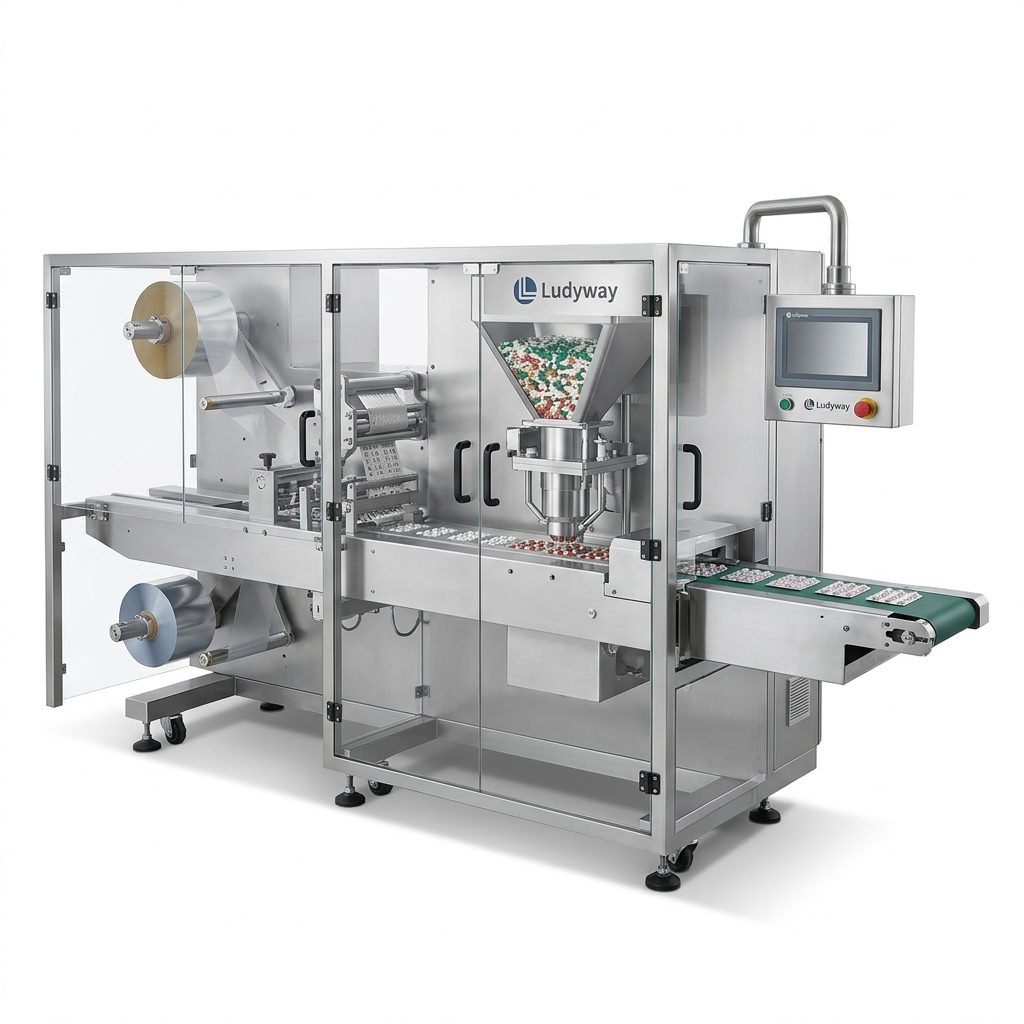
What Is a Blister Packaging Machine?
A blister packaging machine is an automated system that forms plastic or aluminum cavities, places products into those cavities, seals them with lidding material, and then cuts the finished packs into the required size and shape. The result is a unit-dose or multi-dose package that keeps each item separated and protected.
Typical products packed with blister technology include:
- Tablets and capsules
- Softgels and pills
- Medical devices and diagnostic items
- Lozenges and chewing gum
- Small electronic or consumer products
In pharmaceutical applications, blister packs are especially valued because they support dose control, tamper evidence, moisture resistance, and compliance packaging.
How a Blister Packaging Machine Works
Although models differ by speed and configuration, most blister packaging machines follow a similar sequence.
1. Feeding the Forming Material
The machine first unwinds the forming web, usually PVC, PVDC, PET, PP, or aluminum-based material. This web moves through the machine in an indexed, synchronized motion.
2. Heating and Forming the Blisters
The forming material is heated and shaped into cavities. Depending on the machine type, this is done by:
- Thermoforming – heat softens plastic film, then vacuum or pressure forms the cavities
- Cold forming – aluminum laminate is pressed into cavity shapes without heating
Thermoforming is often chosen for visibility and cost efficiency, while cold forming is preferred when maximum barrier protection is required.
3. Product Feeding
After the cavities are formed, the machine feeds tablets, capsules, or other products into each pocket. Feeding systems may include vibratory channels, brush boxes, dedicated feeders, or robotic handling units depending on product shape and speed requirements.
4. Inspection and Rejection
Many advanced machines include vision inspection or sensor-based checking to detect:
- Missing tablets
- Broken capsules
- Incorrect fill count
- Misaligned product placement
Defective packs can then be rejected automatically before sealing or during downstream processing.
5. Sealing with Lidding Material
A lidding foil or other sealing material is unwound and placed over the filled cavities. Heat and pressure are applied to bond the lidding layer to the blister web. This step is critical because seal integrity directly affects product shelf life and safety.
6. Embossing, Printing, or Coding
The machine may apply batch numbers, expiry dates, lot codes, registration details, or embossing marks during or after sealing. This is especially important for regulated industries.
7. Perforating and Cutting
Finally, the sealed web is perforated or cut into finished blister cards, strips, or customized layouts. These packs can then move to cartoning, case packing, and palletizing systems.
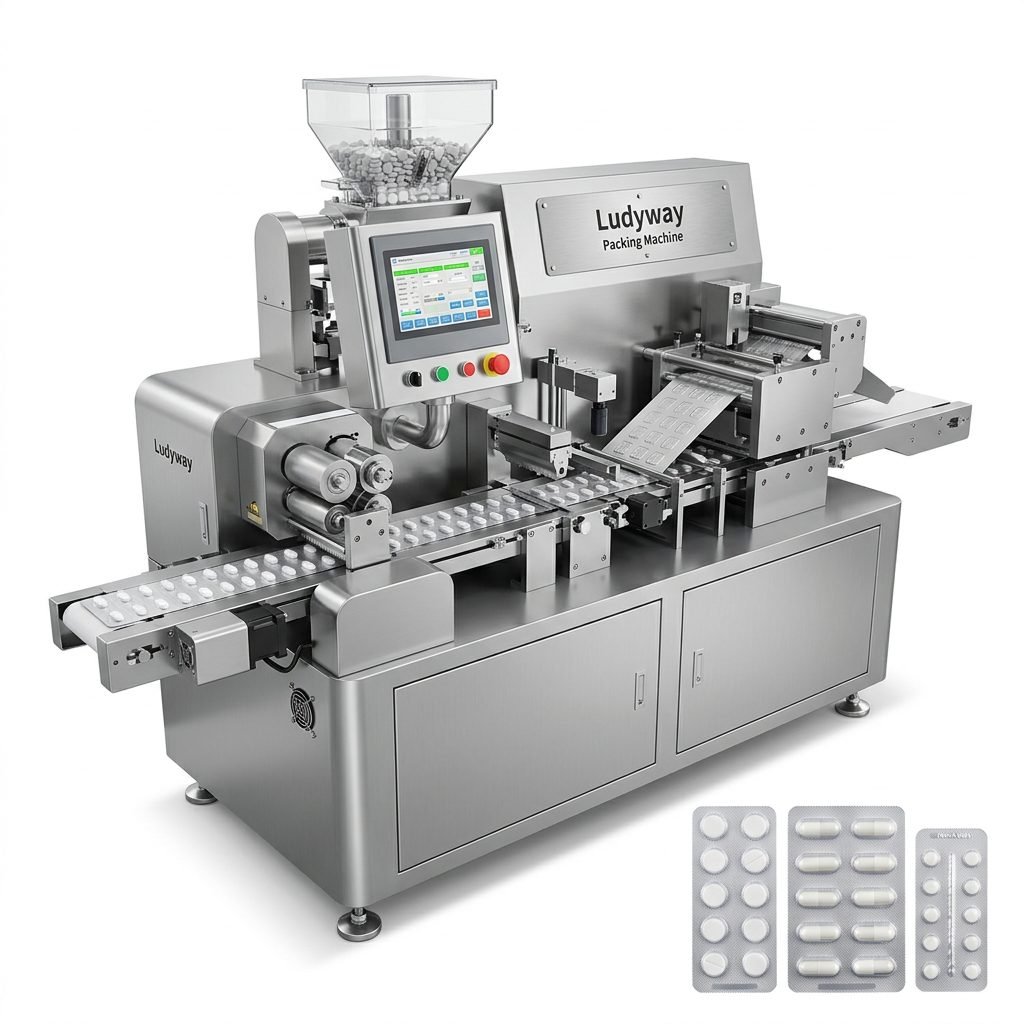
Main Types of Blister Packaging Machines
| Machine Type | Best For | Key Feature |
|---|---|---|
| Thermoforming Blister Machine | Tablets, capsules, consumer products | Transparent blister, good product display |
| Cold Forming Blister Machine | Moisture-sensitive and light-sensitive pharma products | Excellent barrier protection |
| Flat Plate Blister Machine | Medium speed regulated production | Stable sealing pressure |
| Rotary Blister Machine | High-speed mass production | Continuous, high-output operation |
| Automatic Blister Line with Cartoner | Integrated packaging lines | End-to-end automation |
Key Benefits of Blister Packaging Machines
Strong Product Protection
Each dose or item is sealed in its own cavity, reducing exposure to air, moisture, contamination, and physical damage. This is a major reason blister packs are used in pharmaceutical and health supplement packaging.
Better Dosage Control
Unit-dose packaging helps users track consumption more easily. In medical and supplement applications, this improves convenience and can support treatment adherence.
Tamper Evidence
Blister packaging provides a visible sign if the pack has been opened or damaged. This improves consumer confidence and supports regulatory compliance.
Longer Shelf Life
With the right material combination, blister packs can significantly extend product stability. For sensitive formulations, this can be essential for maintaining quality during transport and storage.
High-Speed Automation
Modern blister packaging equipment can deliver stable, repeatable output with reduced labor dependence. Automated feeding, sealing, coding, and cutting help manufacturers improve line efficiency.
Professional Market Presentation
Blister packs look organized, clean, and retail-ready. Transparent cavities also make product identification easier for both distributors and end users.
Industries That Commonly Use Blister Packaging
- Pharmaceuticals – tablets, capsules, caplets, ampoules
- Health supplements – vitamins, minerals, probiotics
- Medical devices – syringes, test kits, dressings
- Food and confectionery – gum, lozenges, candies
- Consumer goods – batteries, hardware, small accessories
Critical Buying Factors to Consider
1. Product Type and Shape
The first question is what you need to pack. Round tablets, oblong caplets, capsules, softgels, and irregular products all require different feeding and tooling considerations.
2. Packaging Material Requirements
Choose machine compatibility based on your barrier needs:
- PVC for standard packaging
- PVDC-coated film for improved barrier
- Alu-Alu for highly sensitive products
- Special laminates for custom applications
3. Output Speed
Machine speed should match your real production goals, not just your future estimate. Consider packs per minute, cavity count, changeover time, and downtime risks.
4. Seal Quality and Precision
Stable heat sealing is one of the most important machine capabilities. Poor sealing causes leaks, rejects, product recalls, and compliance issues.
5. Tooling Flexibility
If you package multiple SKUs, fast tooling changeover is valuable. A flexible machine can reduce downtime and improve responsiveness to new product launches.
6. Inspection and Compliance Features
For pharma and healthcare applications, look for options such as:
- Vision inspection systems
- Print verification
- Missing product detection
- Rejection modules
- Validation-ready documentation
7. Ease of Cleaning and Maintenance
A machine with accessible parts, intuitive controls, and simplified maintenance design will reduce stoppages and support long-term reliability.
8. Integration with Upstream and Downstream Equipment
Many buyers do not need a standalone blister machine only. They may also need feeding systems, cartoners, checkweighers, coding units, and case packing lines. Integration planning is important from the start.
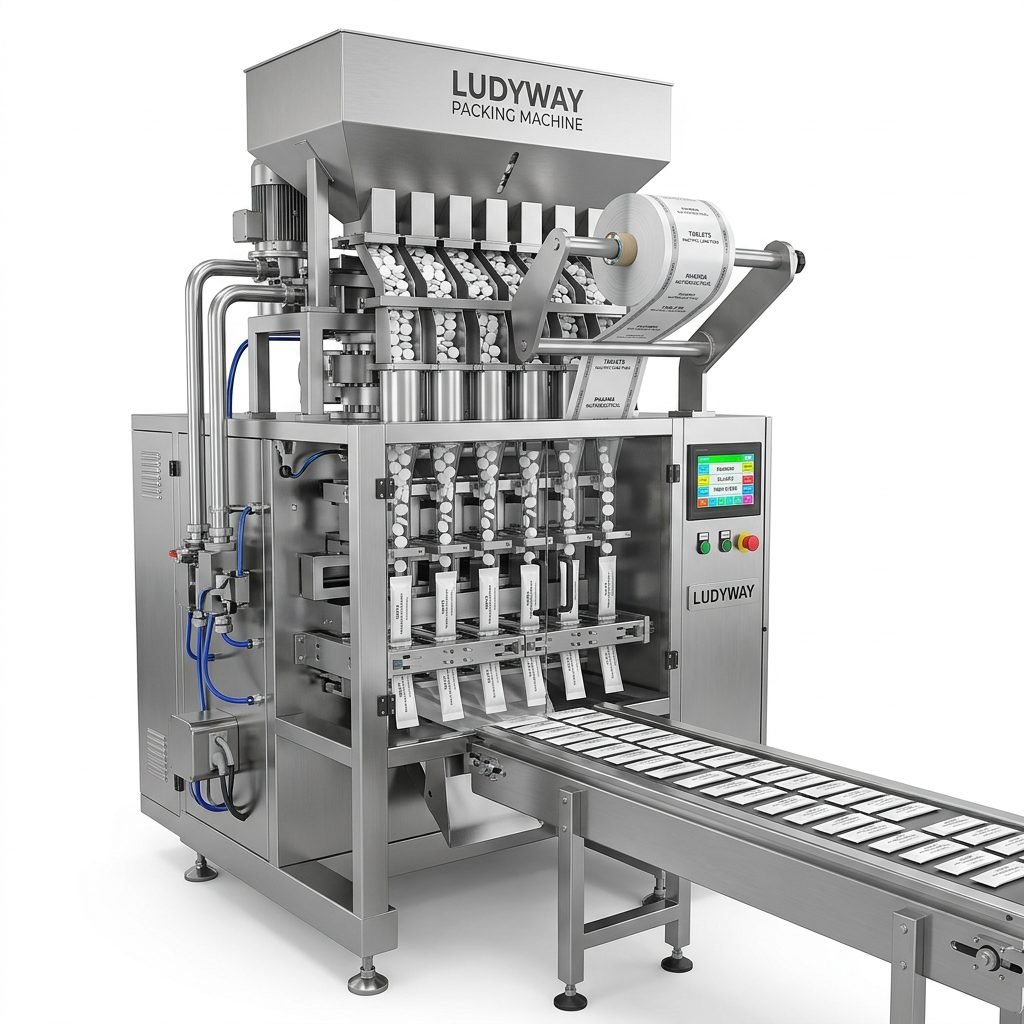
Blister Packaging Machine vs Other Packaging Methods
| Packaging Method | Advantages | Limitations |
|---|---|---|
| Blister Packaging | Unit-dose protection, tamper evidence, premium appearance | Higher tooling and material complexity |
| Bottle Packaging | Suitable for bulk counts, familiar format | Less individual dose protection |
| Strip Packaging | Compact and hygienic | Less visible presentation |
| Sachet or Pouch Packaging | Flexible for powders and liquids | Not ideal for solid unit-dose tablets in cavity form |
Questions to Ask Before Buying
- What products will the machine handle today and in the next 3–5 years?
- Do you need thermoforming, cold forming, or both?
- What is your target speed in packs per minute?
- How many formats and tooling sets will you need?
- What compliance standards must the machine meet?
- Will the equipment integrate with cartoning and coding systems?
- How quickly can spare parts and technical support be provided?
- What operator training and commissioning services are included?
Common Mistakes Buyers Should Avoid
- Choosing speed over seal quality
- Ignoring material compatibility testing
- Underestimating changeover time for multiple SKUs
- Buying a standalone machine without considering full line integration
- Overlooking after-sales service and spare parts availability
In practice, the best buying decision is usually based on overall line performance, validation readiness, and long-term operating stability, not simply the lowest purchase price.
Who Should Invest in a Blister Packaging Machine?
A blister packaging machine is a strong investment for companies that need:
- Unit-dose packaging for tablets or capsules
- Higher packaging integrity for sensitive products
- Better retail display and traceability
- Automated production with lower labor dependency
- Scalable integration into a complete packaging line
If your business is growing in pharmaceuticals, nutraceuticals, or healthcare products, a properly matched blister packaging system can improve efficiency, compliance, and brand value at the same time.
Choosing a Reliable Packaging Equipment Partner
When evaluating machine suppliers, it is wise to look beyond brochures and focus on engineering ability, export experience, customization support, and complete line integration capacity. Buyers with multi-product packaging needs often prefer working with manufacturers that can support broader automation requirements across food, pharmaceutical, health supplement, and related sectors.
For companies looking for a trusted packaging equipment partner, Ludyway packaging machine solutions are backed by more than 30 years of manufacturing experience, a modern factory of over 20,000 square meters, and broad capabilities in standalone equipment as well as turnkey packaging lines.
Final Buying Checklist
| Checklist Item | Why It Matters |
|---|---|
| Product compatibility | Ensures accurate feeding and low reject rate |
| Material support | Determines barrier performance and shelf life |
| Production speed | Matches actual output goals |
| Seal integrity | Protects product quality and compliance |
| Inspection system | Improves quality control |
| Changeover flexibility | Supports multiple SKUs efficiently |
| After-sales support | Reduces downtime and protects investment |
| Line integration ability | Enables future automation expansion |
By comparing these factors carefully, buyers can select a blister packaging machine that delivers the right balance of speed, precision, protection, and long-term value.