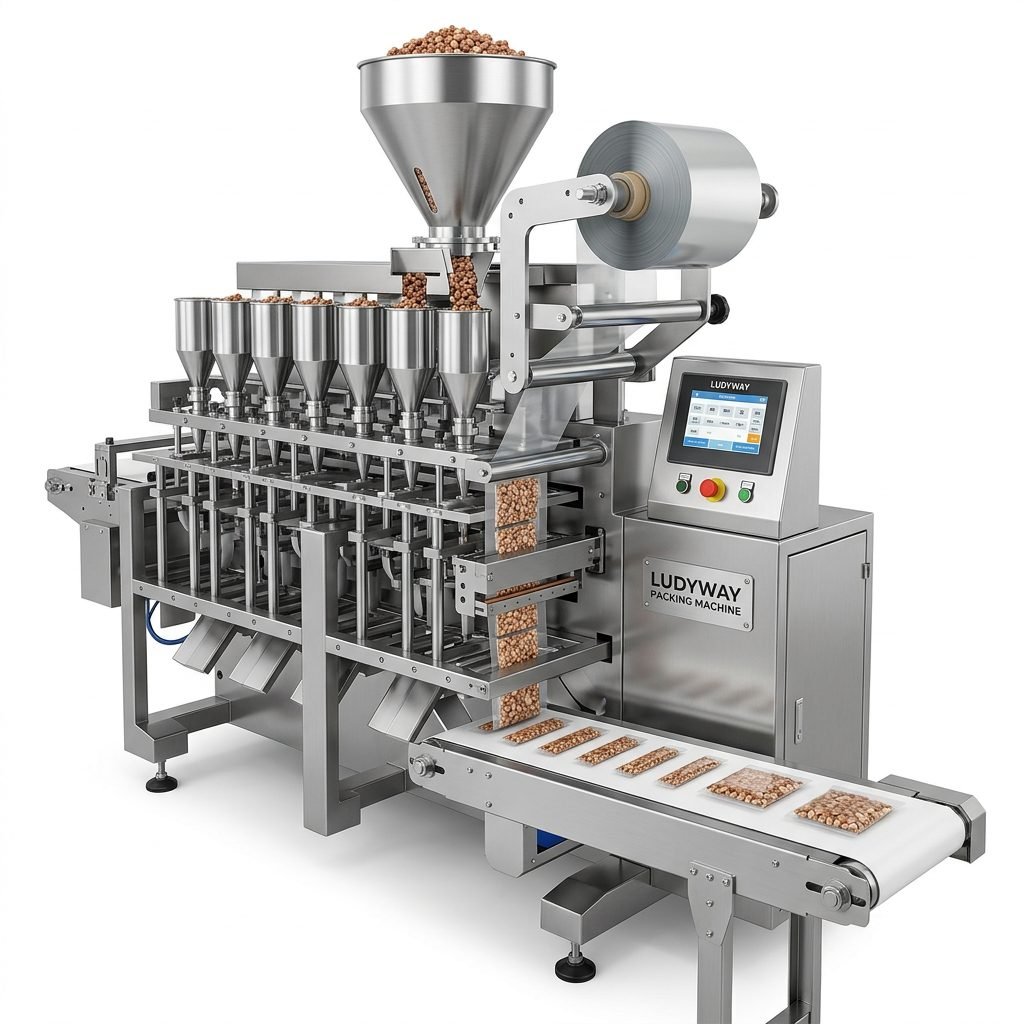
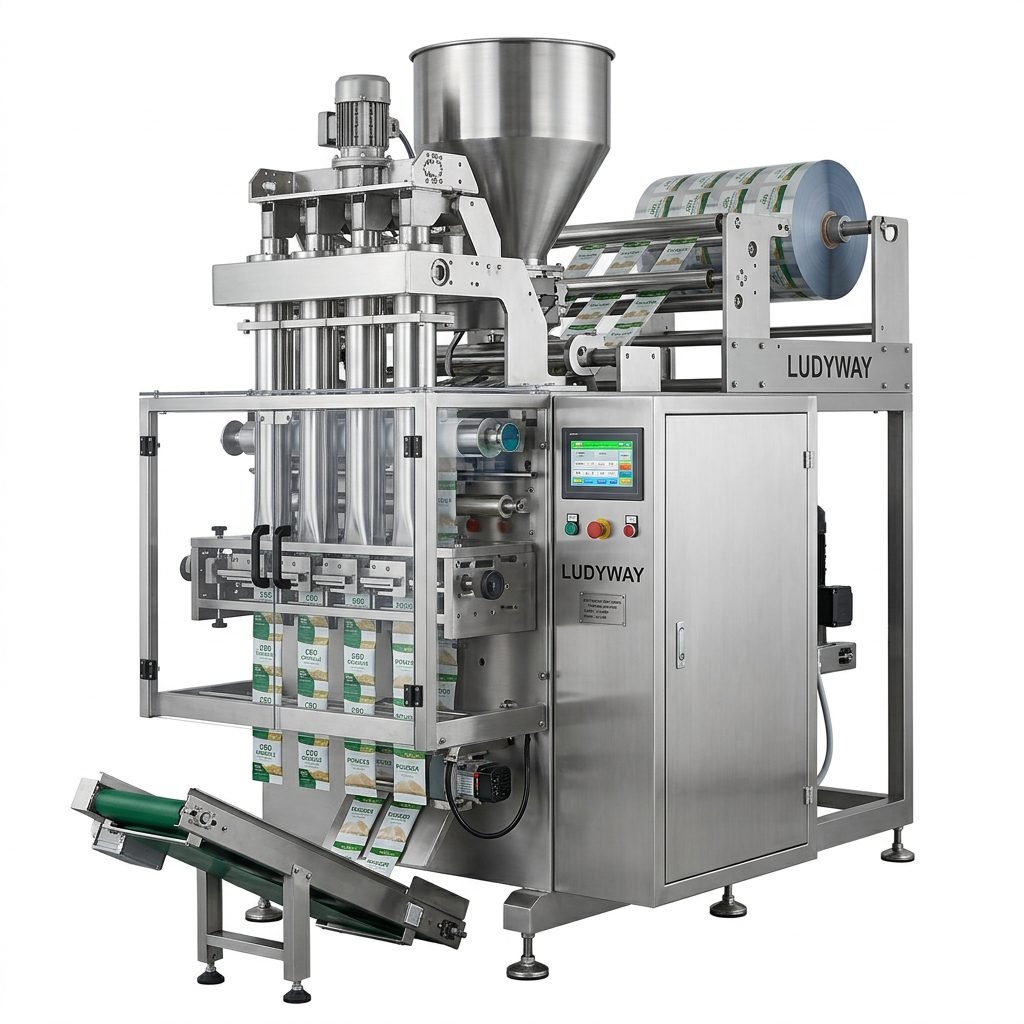
Choosing the right popsicle packaging machine is a critical decision for any ice cream or frozen novelty manufacturer. The right equipment not only ensures product integrity and appealing presentation but also directly impacts production efficiency, operational costs, and ultimately, your bottom line. This comprehensive guide will walk you through the different types of machines available, key factors influencing their prices, and a detailed framework to help you make the best purchasing decision for your specific needs.
Understanding the Different Types of Popsicle Packaging Machines
The market offers a variety of packaging solutions, each suited to different production scales, product types, and packaging materials. Understanding these categories is the first step in your selection process.
1. Manual and Semi-Automatic Wrapping Machines
These machines represent the entry point for many small-scale producers or startups. Manual machines require an operator to place each popsicle into the machine and initiate the wrapping cycle. They are incredibly affordable and simple to operate but have very low output speeds.
Best For: Artisan ice cream makers, small-batch production, product prototyping, or businesses with very limited capital expenditure.
Semi-automatic machines automate the wrapping process once the operator loads the product. They offer a significant speed increase over fully manual options while maintaining a relatively lower cost. They are a perfect middle-ground for growing businesses.
2. Fully Automatic Horizontal Flow Wrappers
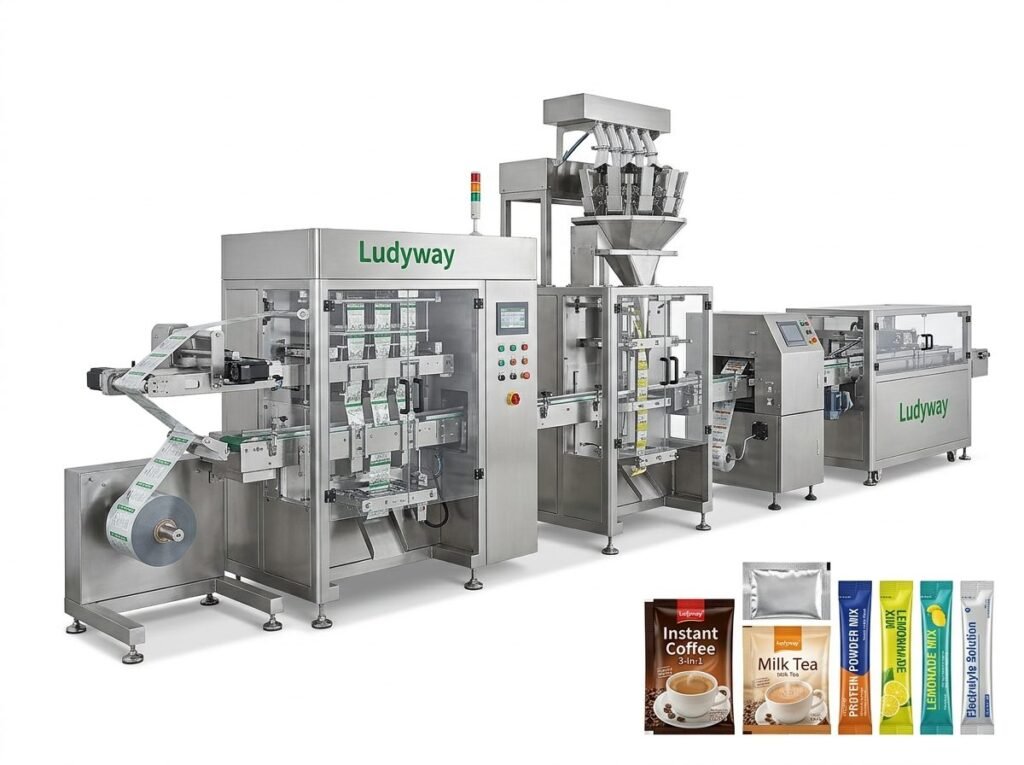
This is the most common type of machine found in medium to large-scale popsicle production facilities. Products are fed horizontally into the machine on a conveyor. The machine forms a tube of packaging film around the popsicle, seals the longitudinal seam, and then makes the end seals, cutting the individual pack from the film reel.
- High Speed: Capable of wrapping hundreds of popsicles per minute.
- Versatility: Can handle various shapes and sizes with quick changeovers.
- Efficiency: Uses packaging film from large reels, reducing material cost per unit.
3. Shrink Wrapping and Bundling Machines
While individual wrapping is primary, secondary packaging is crucial for distribution and retail. Shrink wrapping machines are used to bundle multiple individually wrapped popsicles into a multi-pack (e.g., a 6-pack). The machine groups the products, applies a loose plastic sleeve, and then passes them through a heat tunnel that shrinks the film tightly around the bundle.
Bundling machines might use cardboard sleeves or cartons for a more premium look. The choice between shrink film and cardboard often depends on brand image, sustainability goals, and cost considerations.
Key Factors Determining Popsicle Packaging Machine Prices
The price range for popsicle packaging equipment is vast, from a few thousand dollars for a basic semi-automatic model to several hundred thousand dollars for a high-speed, fully integrated automated line. Here’s what drives the cost:
Automation Level and Production Speed
This is the most significant price determinant. A machine’s speed, measured in packs per minute (PPM), directly correlates with its price. High-speed lines (300+ PPM) with automated feeding and case packing will command a premium. The level of automation in product handling, film feeding, and defect rejection also adds cost and value.
Machine Construction and Durability
Machines built with high-grade stainless steel in food-contact areas, precision-machined components, and industrial-grade servomotors and PLCs (Programmable Logic Controllers) are more expensive but offer greater longevity, reliability, and consistent seal quality. They are designed for 24/7 operation in cold, humid environments.
💡 Pro Tip: Don’t just look at the purchase price. Consider the Total Cost of Ownership (TCO), which includes maintenance, downtime, energy consumption, and spare parts over the machine’s lifespan. A more robust, slightly pricier machine often has a lower TCO.
Versatility and Changeover Capability
Can the machine handle multiple product sizes and shapes? Machines with quick-change systems for forming shoulders, sealing jaws, and product guides allow for faster transitions between production runs, increasing overall plant flexibility. This added functionality increases the initial investment.
Brand, Support, and Customization
Established brands with a proven track record and global service networks often price their machines higher. This premium includes assurance of quality, accessible technical support, and availability of spare parts. Furthermore, any customization to handle unique packaging materials (like compostable films) or non-standard product shapes will add to the base price.
How to Choose the Right Machine: A Step-by-Step Guide
Step 1: Analyze Your Current and Future Production Needs
Be realistic about your volumes. Calculate your required output in packs per minute/hour/shift. Then, forecast your growth for the next 3-5 years. It’s often wiser to invest in a machine that can grow with you, perhaps by running at 70% capacity initially, rather than maxing out a smaller machine immediately.
Step 2: Define Your Packaging Specifications
Every detail matters: the type of film (polypropylene, polyethylene, biodegradable), its thickness, the finished pack dimensions, and the type of seal (fin seal, lap seal). If you plan to use high-quality printed film for branding, ensure the machine has precise registration control. Provide these specs to potential suppliers for accurate quotations.
Step 3: Evaluate Machine Features and Technology
Look for features that enhance efficiency and quality:
• Touchscreen HMI: For intuitive operation and parameter setting.
• Integrated Checkweigher: Ensures every pack meets weight requirements.
• Vision Inspection System: Automatically rejects packs with seal defects or print misalignment.
• Data Tracking: Modern machines can log production data (output, downtime, efficiency) for analysis.
Step 4: Assess Supplier Credibility and After-Sales Service
Your relationship with the machine supplier is long-term. Research their reputation. A reliable partner like Ludyway Machinery, with over a decade of industry experience, offers more than just a machine. They provide comprehensive support including installation, operator training, readily available spare parts, and responsive technical assistance. This support is invaluable for minimizing costly production stoppages.
Review their company history and client portfolio. A supplier with a strong track record in providing turnkey production solutions will have deeper insights into integrating the packaging machine seamlessly into your overall line.
Step 5: Request Demonstrations and References
Always ask for a live or video demonstration using your specific product and packaging material (or a close substitute). This is the best way to verify performance. Furthermore, ask for contact information of current clients with similar applications and speak to them about their experience with the machine’s reliability and the supplier’s service.
Integration and Future-Proofing Your Investment
A packaging machine is rarely an island. Consider how it will integrate with your upstream process (freezing, extraction) and downstream process (bundling, cartoning, palletizing). Discuss integration possibilities with your supplier. Choosing a modular machine or a supplier experienced in complete production line solutions makes future expansion smoother.
Also, consider industry trends. The demand for sustainable packaging is rising. Investing in a machine that can handle newer, more challenging materials like paper-based laminates or certified compostable films can future-proof your operation against changing regulations and consumer preferences.
Frequently Asked Questions (FAQs)
1. What is the typical lifespan of a popsicle packaging machine?
With proper maintenance and operation, a well-constructed automatic packaging machine from a reputable supplier can last 10 to 15 years or more. Key components like seals and wear parts will need periodic replacement, but the core frame and drive systems should remain reliable.
2. Can one machine handle different popsicle shapes and sizes?
Yes, most modern horizontal flow wrappers are designed for versatility. However, changing between significantly different products requires a “changeover,” which involves replacing parts like the forming shoulder, product guides, and sometimes sealing jaws. Machines with “quick-change” systems can reduce this downtime from hours to minutes.
3. How important is after-sales service when purchasing?
Extremely important. Packaging machines are complex and will require maintenance and occasional repairs. A supplier with a strong global service network, available spare parts inventory, and remote diagnostic capabilities ensures minimal downtime. The quality of after-sales support is as critical as the machine itself.
4. What are the most common operational issues with these machines?
Common issues include film breakage or wrinkling (often due to misaligned film reels or incorrect tension settings), inconsistent sealing (caused by dirty or worn sealing jaws, or incorrect temperature/pressure settings), and product mis-feeding. Most of these can be prevented with proper operator training and a proactive preventive maintenance schedule.
5. Are there machines suitable for sustainable/biodegradable packaging films?
Yes, but it requires careful selection. Many biodegradable or compostable films have different sealing properties (temperature, dwell time) and tensile strength compared to conventional plastics. You must choose a machine with precise, adjustable temperature control and possibly modified sealing jaws. Always test your specific sustainable material on the machine before purchase.