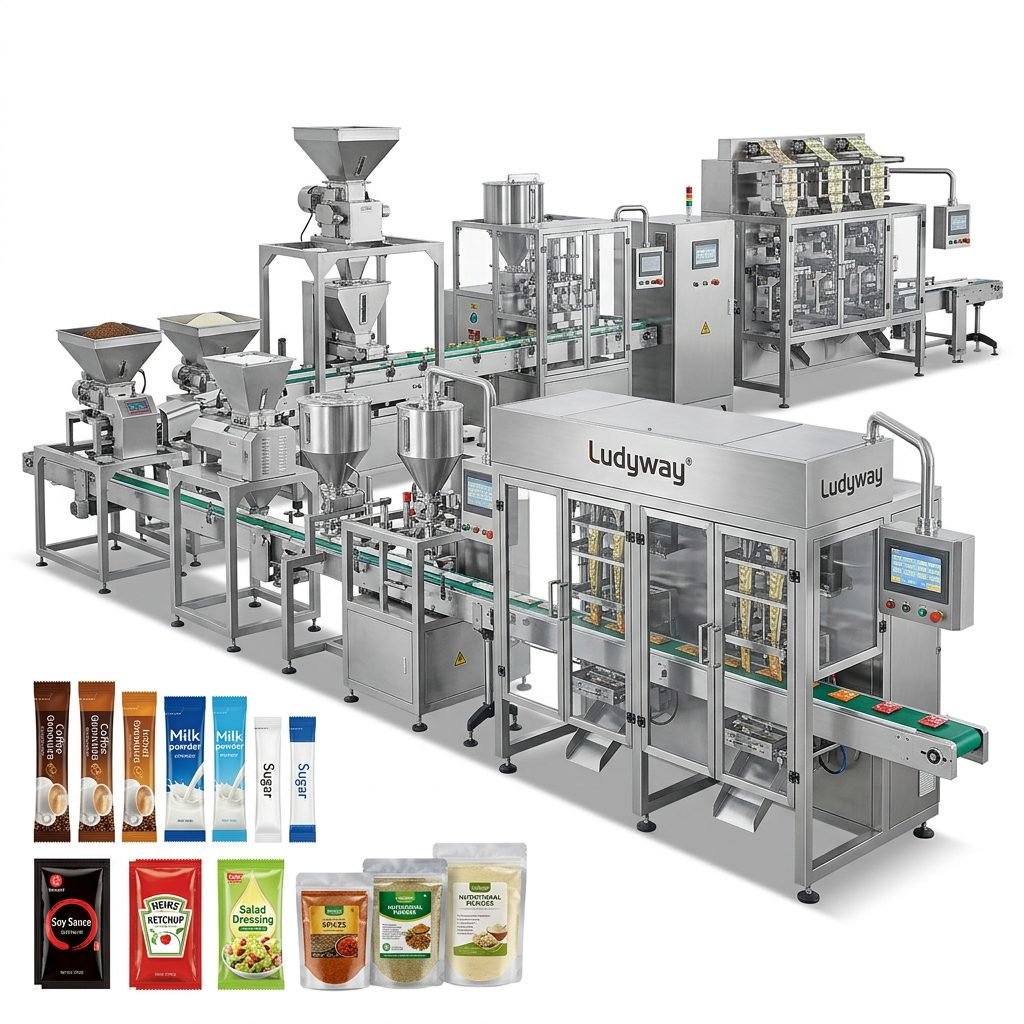
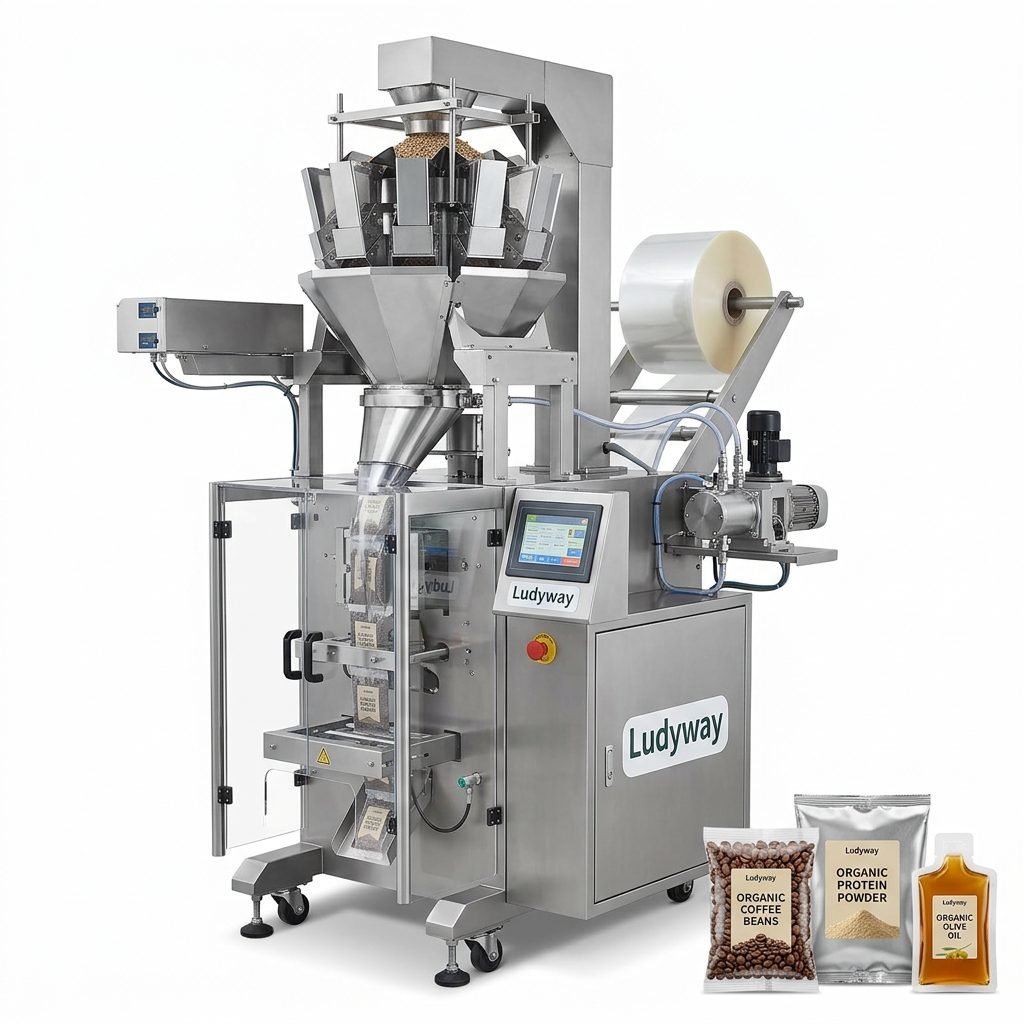
The Oceania packaging market is experiencing steady growth, driven by increasing demand for convenience foods, fresh produce, and ready-to-eat meals across Australia, New Zealand, and the Pacific Islands. A tray sealer packaging machine is a critical investment for food processors, supermarkets, and manufacturers looking to extend product shelf life, maintain hygiene standards, and improve operational efficiency. This guide covers everything you need to know before purchasing a tray sealing system in this region.
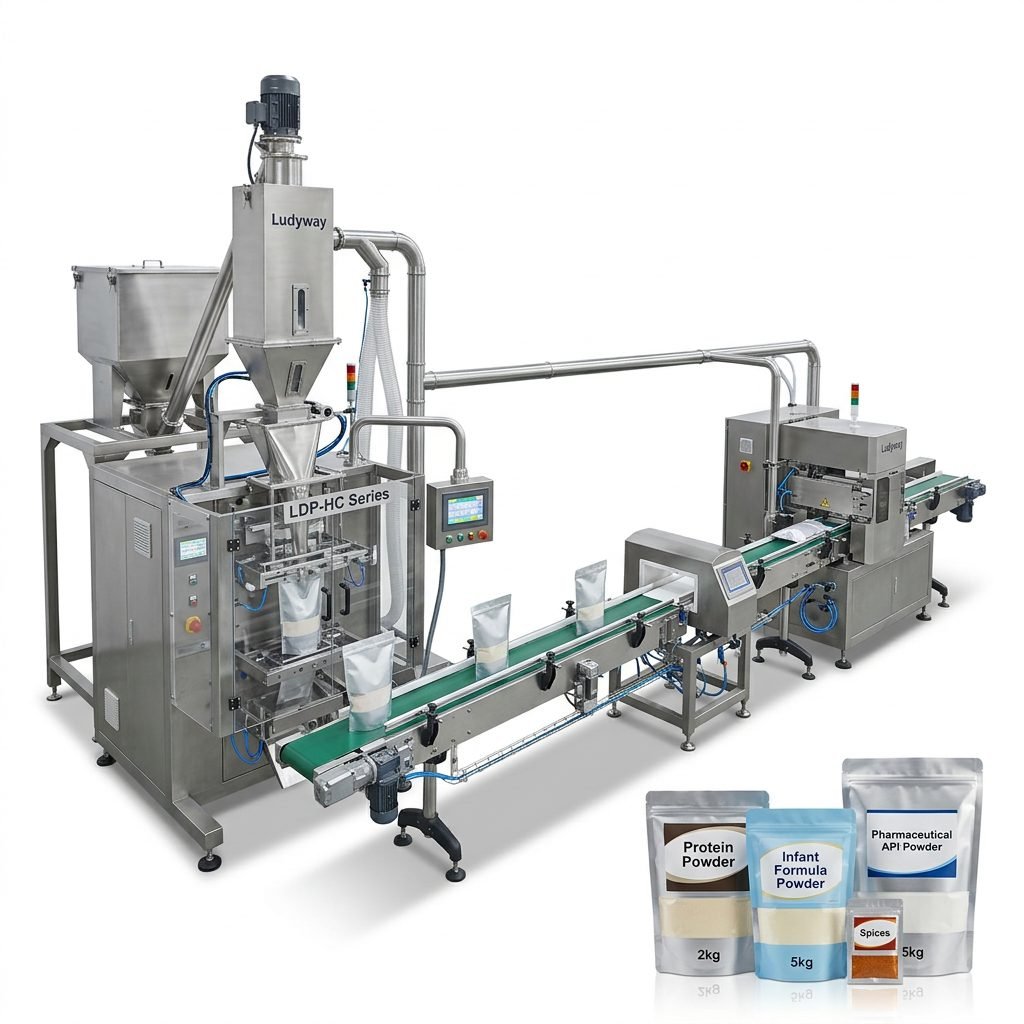
Understanding Tray Sealer Packaging Machines
A tray sealer, also known as a tray sealing machine or tray lidding machine, is designed to seal pre-formed trays with a flexible film or rigid lid. These machines are widely used for packaging fresh meat, poultry, seafood, ready meals, fruits, vegetables, bakery products, and dairy items. The sealing process creates a modified atmosphere packaging (MAP) environment that significantly extends product freshness.
Key Market Drivers in Oceania
- Growing supermarket chains in Australia (Coles, Woolworths) and New Zealand (Foodstuffs, Countdown) demanding high-quality packaged goods
- Export requirements for fresh produce shipped from Oceania to Asia-Pacific and Middle Eastern markets
- Food safety regulations enforced by FSANZ and international standards
- Sustainability initiatives pushing for reduced food waste through better packaging technologies
- Labor shortages in remote Pacific regions driving automation adoption
Types of Tray Sealing Machines Available
Selecting the right type depends on your production volume, product characteristics, and budget. Below is a comparison of the most common tray sealer configurations:
| Machine Type | Best For | Output Range | Key Features |
|---|---|---|---|
| Manual Tray Sealer | Small businesses, startups | 2-6 trays/min | Low cost, simple operation, flexible tray sizes |
| Semi-Automatic Tray Sealer | Medium-scale processors | 6-15 trays/min | Consistent seal quality, MAP capability |
| Automatic Inline Tray Sealer | Large manufacturers | 15-60+ trays/min | High throughput, integrated filling, conveyor systems |
| Rotary Tray Sealer | High-speed operations | 40-120+ trays/min | Continuous motion, maximum efficiency |
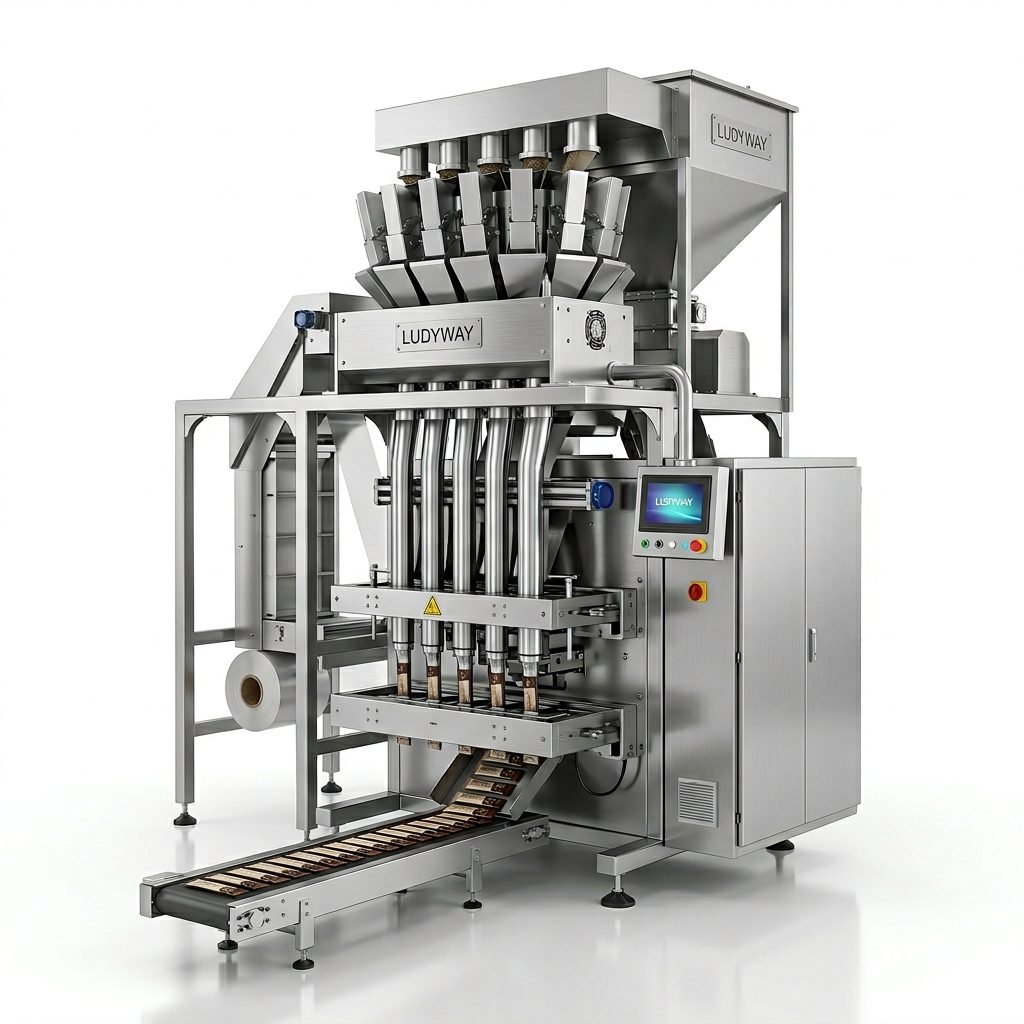
Critical Features to Evaluate When Buying
Not all tray sealers are created equal. Here are the must-check technical specifications before making your purchase:
1. Seal Integrity and MAP Compatibility
For products requiring extended shelf life, your machine must support Modified Atmosphere Packaging (MAP). This technology replaces oxygen inside the tray with a protective gas mixture, typically nitrogen and carbon dioxide. Look for machines with precise gas flushing systems and residual oxygen monitoring capabilities.
2. Tray Material and Size Flexibility
Oceania markets use diverse tray materials including PP, PET, CPET, aluminum, and compostable bioplastics. Ensure your machine can handle the specific materials and tray dimensions you plan to use. Quick-change tooling systems reduce downtime between product runs.
3. Automation Level and Integration
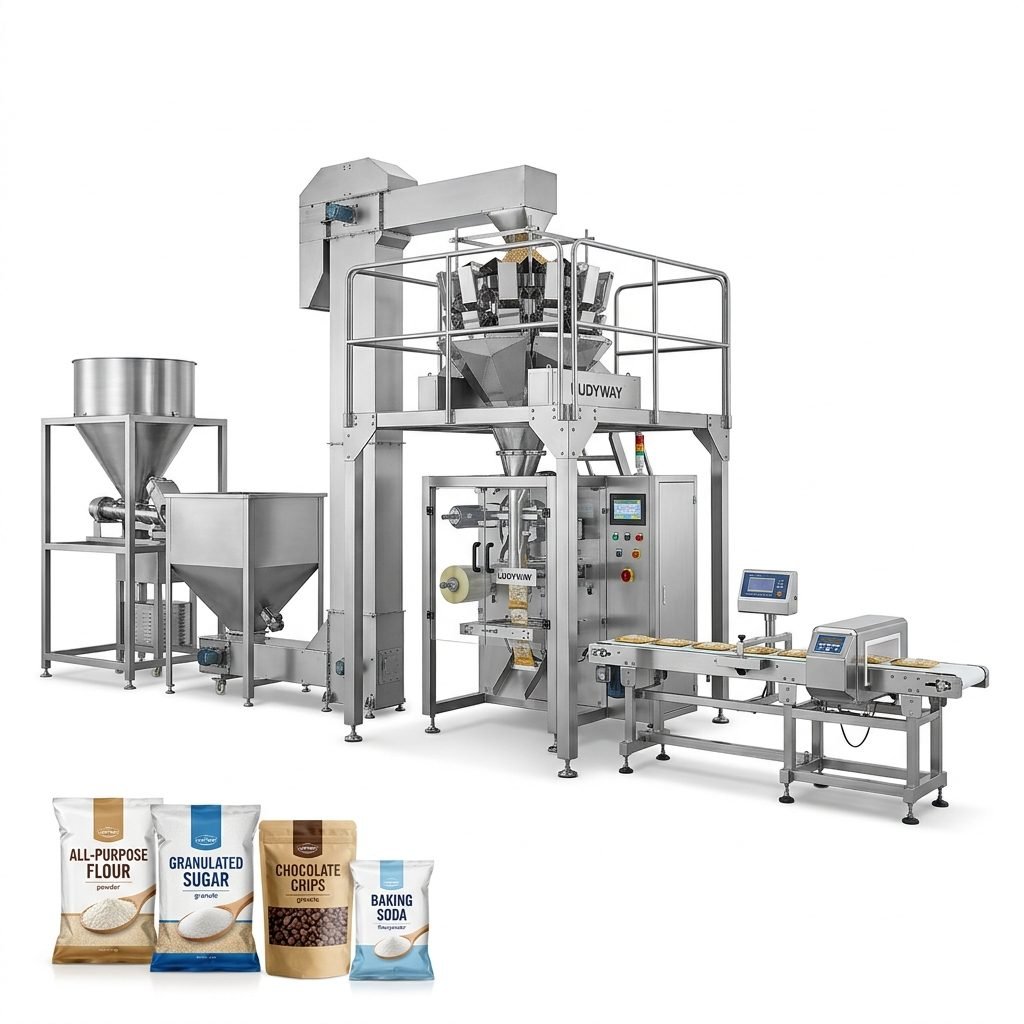
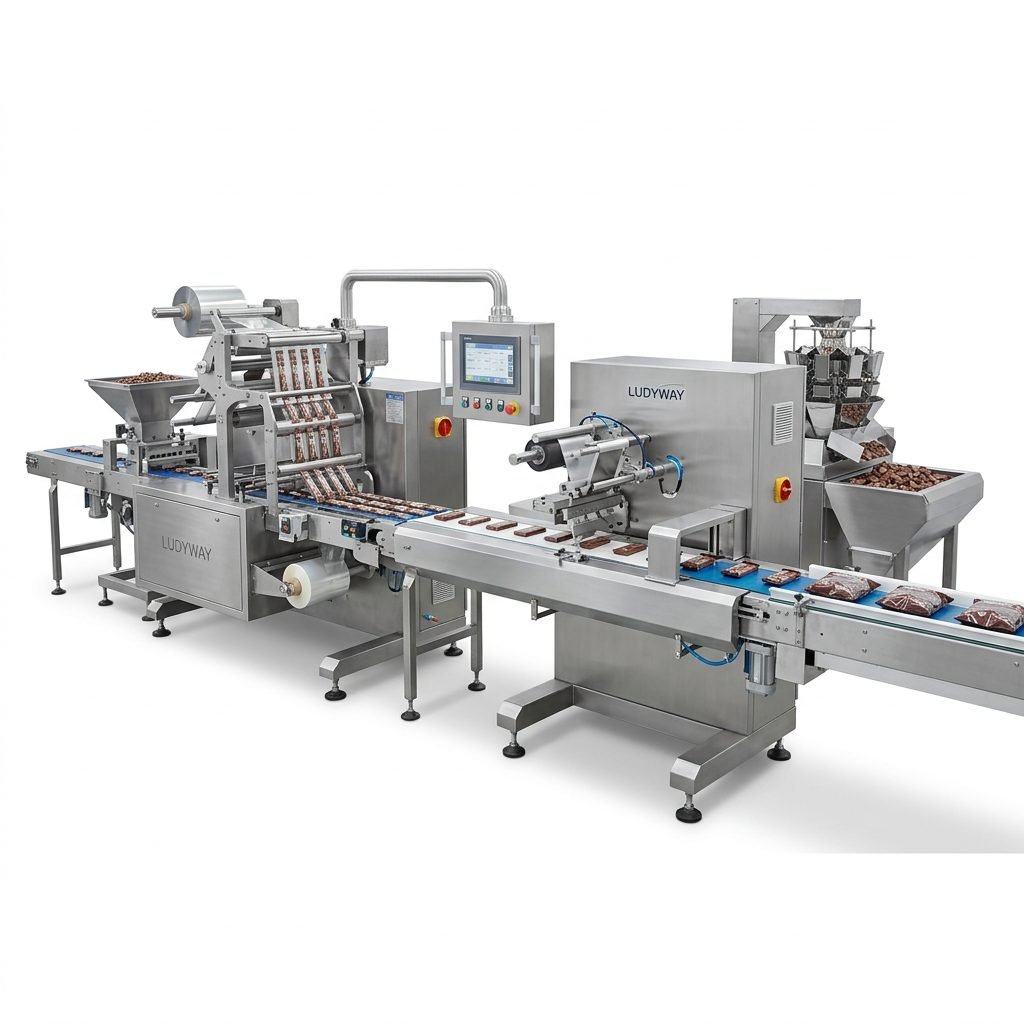
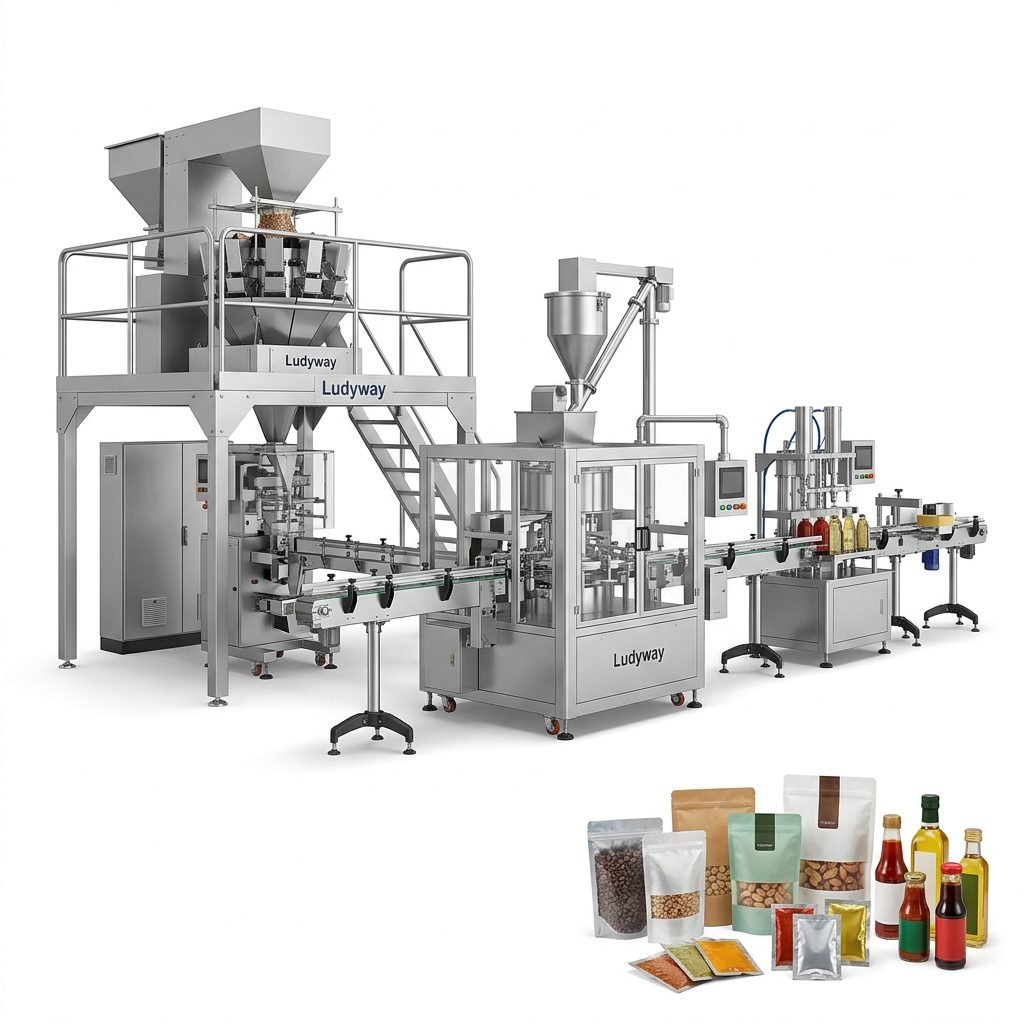
Consider how the tray sealer integrates with your existing packaging line. Features like automatic tray denesting, filling stations, weighing systems, labeling modules, and conveyor integration can significantly boost overall equipment effectiveness (OEE).
4. Hygiene and Cleanability
With FSANZ food safety standards being particularly stringent in Australia and New Zealand, your tray sealer should feature IP65 or higher washdown ratings, stainless steel construction, and tool-free disassembly for sanitation.
Regulatory Compliance for Oceania
Packaging machinery imported into Australia and New Zealand must comply with several key regulations:
- AS 4024.1 – Safety of machinery series (aligned with ISO standards)
- FSANZ Standard 1.2.5 – Date marking and food packaging requirements
- Electrical compliance with AS/NZS 3000 wiring rules
- CE or equivalent certification for machinery safety
- Food contact material compliance under FDA or EU 1935/2004 standards

Cost Considerations and ROI Analysis
The investment in a tray sealer varies significantly based on automation level and production capacity. Here’s what to budget for:
| Cost Category | Manual/Semi-Auto | Automatic Inline | Fully Automated System |
|---|---|---|---|
| Equipment Cost (AUD) | $15,000 – $80,000 | $80,000 – $350,000 | $350,000 – $1,000,000+ |
| Installation & Training | $2,000 – $8,000 | $10,000 – $30,000 | $25,000 – $60,000 |
| Annual Maintenance | $1,500 – $5,000 | $5,000 – $20,000 | $15,000 – $40,000 |
| Film/Tray Consumables (Monthly) | $3,000 – $12,000 | $12,000 – $50,000 | $40,000 – $120,000 |
ROI typically ranges from 12 to 36 months depending on labor savings, reduced product waste, and increased throughput capacity. Companies exporting from Oceania often see faster payback due to premium pricing in export markets.
Supplier Selection Criteria
Choosing the right tray sealer manufacturer is as important as the machine itself. Evaluate potential suppliers based on these criteria:
Local Support and Service
Given Oceania’s geographic spread, ensure your supplier offers local technical support, spare parts availability, and responsive after-sales service. Look for distributors or service centers in Sydney, Melbourne, Brisbane, Auckland, or Christchurch.
Industry-Specific Experience
Your supplier should demonstrate proven experience in your specific application, whether it’s red meat packing, seafood, dairy, fresh produce, or prepared meals. Request case studies and customer references from the Oceania region.
Customization Capabilities
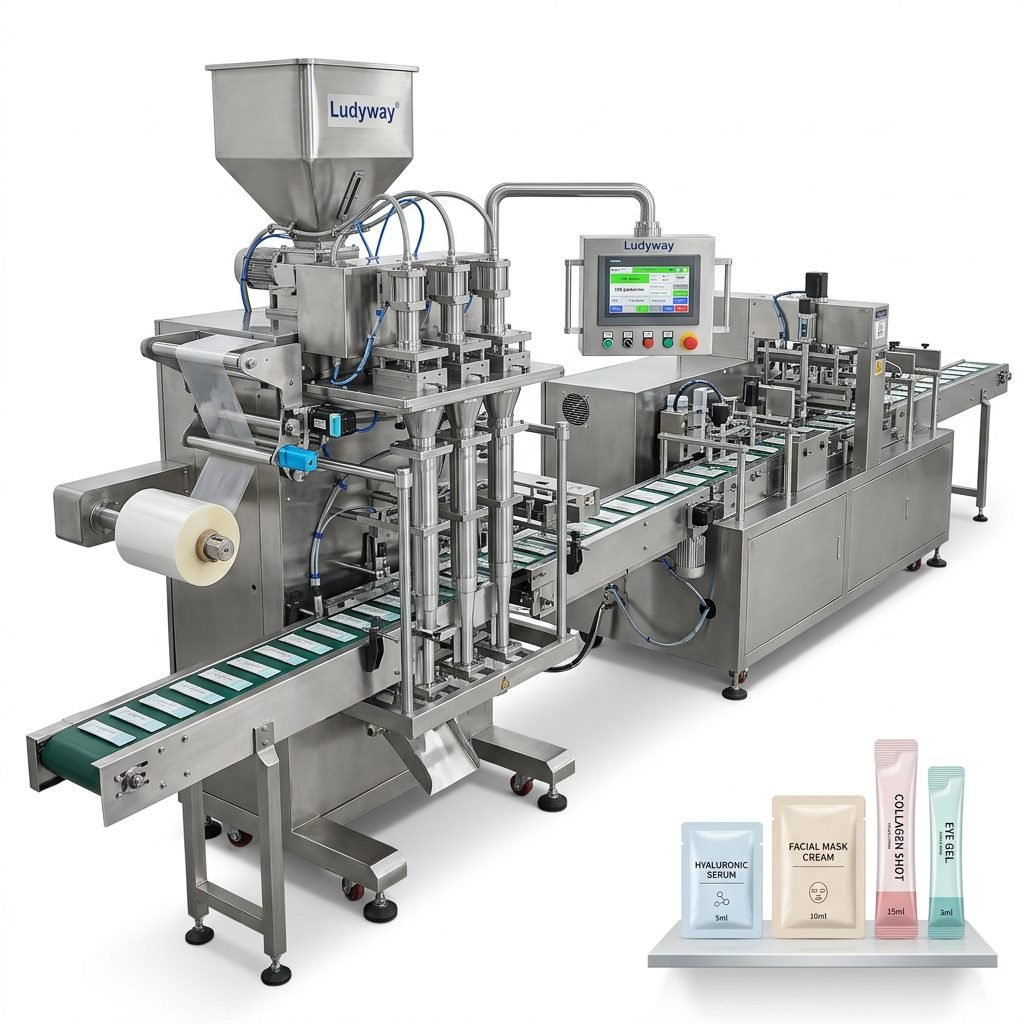
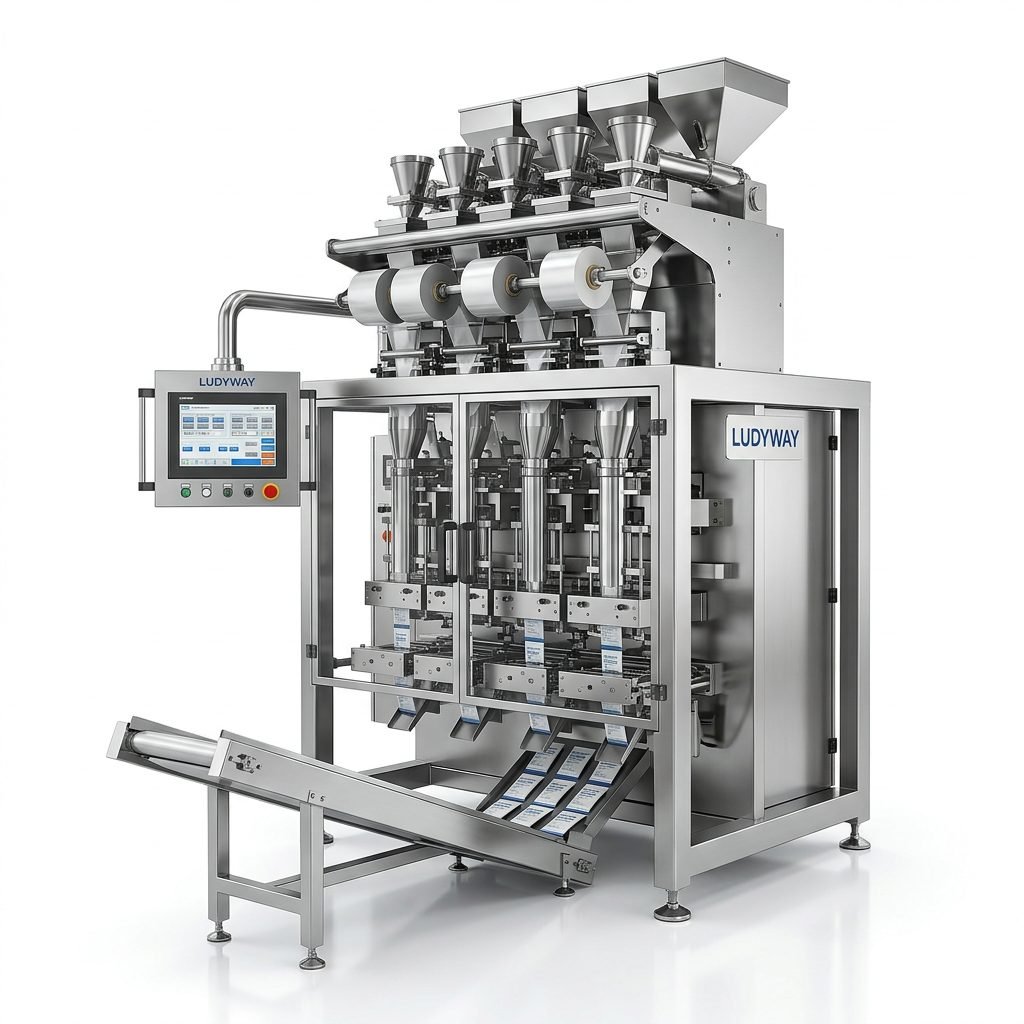
Many food processors in Australia and New Zealand require custom tray formats, specialty films, or unique sealing patterns. A flexible manufacturer who can adapt their equipment to your needs is invaluable. Ludyway, as one of the largest packaging machine manufacturers with over 30 years of experience, provides customized tray sealing solutions tailored to diverse food industry requirements across more than 100 countries.
Common Applications in Oceania
The tray sealer serves diverse applications across the region’s food industry:
- Red Meat Processing: Beef and lamb packaging for domestic supermarkets and export to Asia, the Middle East, and North America
- Seafood Industry: Fresh and smoked salmon, prawns, and barramundi packed for chilled distribution
- Dairy Products: Cheese portions, butter, and yogurt snacks sealed in tamper-evident trays
- Fresh Produce: Cut fruits, salad mixes, and vegetable trays with breathable films
- Ready Meals: Microwaveable and oven-safe trays for the growing prepared foods sector
- Pet Food: Wet and fresh pet food trays for the premium pet market in Australia
Key Maintenance and Operational Tips
To maximize your tray sealer’s lifespan and maintain consistent seal quality, follow these best practices:
Daily Procedures
- Clean sealing platens and remove film residues
- Check seal temperature calibration
- Inspect gas flush nozzles for blockages
- Verify vacuum pump oil levels (if applicable)
Preventive Maintenance Schedule
- Weekly: Lubricate moving parts, check belt tension
- Monthly: Replace air filters, clean electrical cabinets
- Quarterly: Professional inspection of pneumatics and sensors
- Annually: Full machine overhaul, seal bar replacement, calibration verification
Sustainability and Future Trends
The Oceania packaging sector is increasingly focused on sustainable packaging solutions. When selecting a tray sealer, consider its compatibility with:
- Recyclable mono-material films replacing multi-layer laminates
- Compostable and biodegradable trays meeting European packaging waste standards
- Reduced gauge films that maintain barrier properties with less material
- Smart packaging with QR codes and freshness indicators
Making Your Final Decision
Investing in a tray sealer packaging machine is a significant decision that impacts your production efficiency, product quality, and bottom line. Take these steps before finalizing your purchase:
- Define your requirements – production volume, tray sizes, product types, and automation needs
- Request demonstrations with your actual products and tray materials
- Visit reference sites in Oceania to see machines in operation
- Compare total cost of ownership, not just the initial purchase price
- Negotiate service agreements that include preventive maintenance and emergency support
- Verify compliance with Australian and New Zealand regulatory standards
By carefully evaluating your options and partnering with a reputable tray sealer manufacturer that understands the unique demands of the Oceania market, you can achieve consistent packaging quality, extended product shelf life, and a strong return on your investment.
Ready to explore tray sealing solutions? Contact packaging equipment specialists for a detailed consultation and quotation tailored to your production needs.