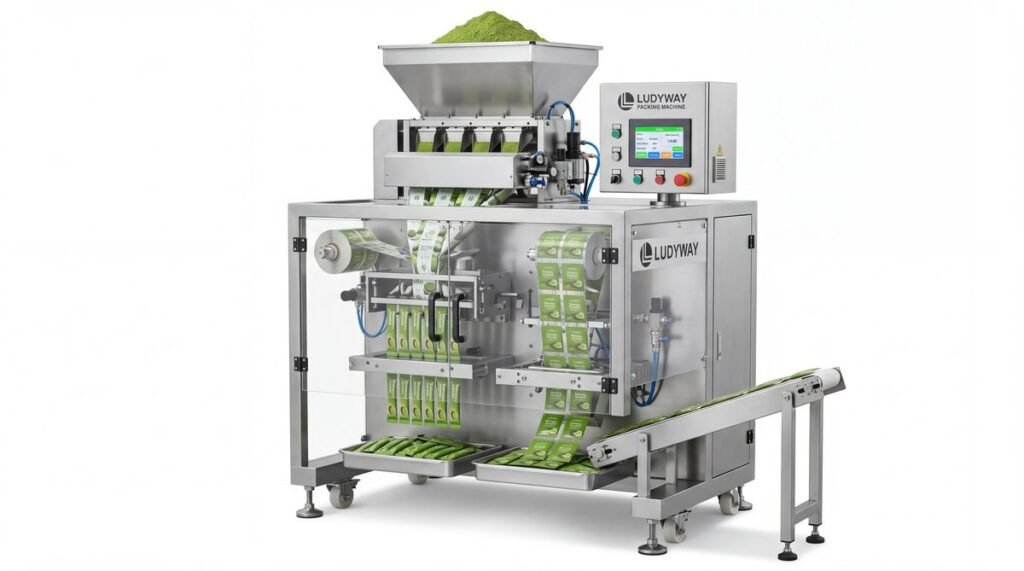
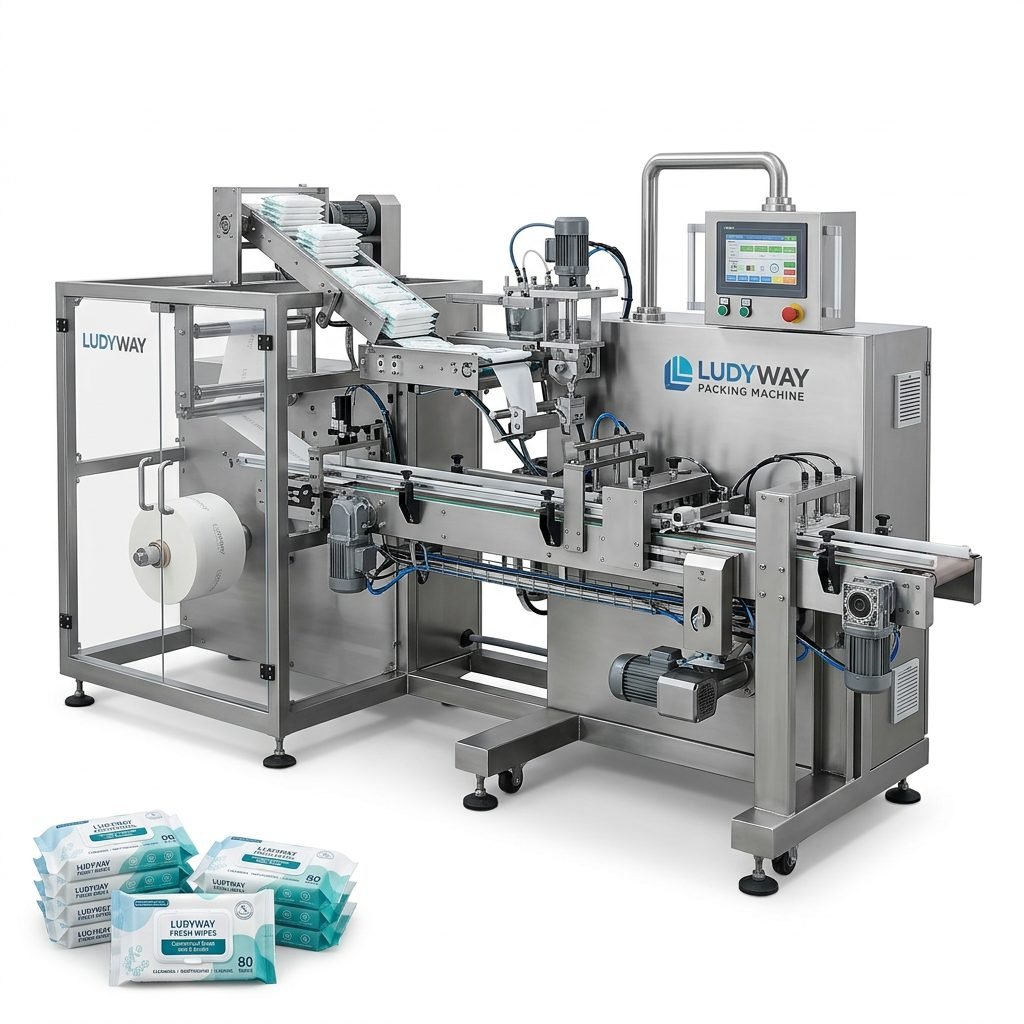
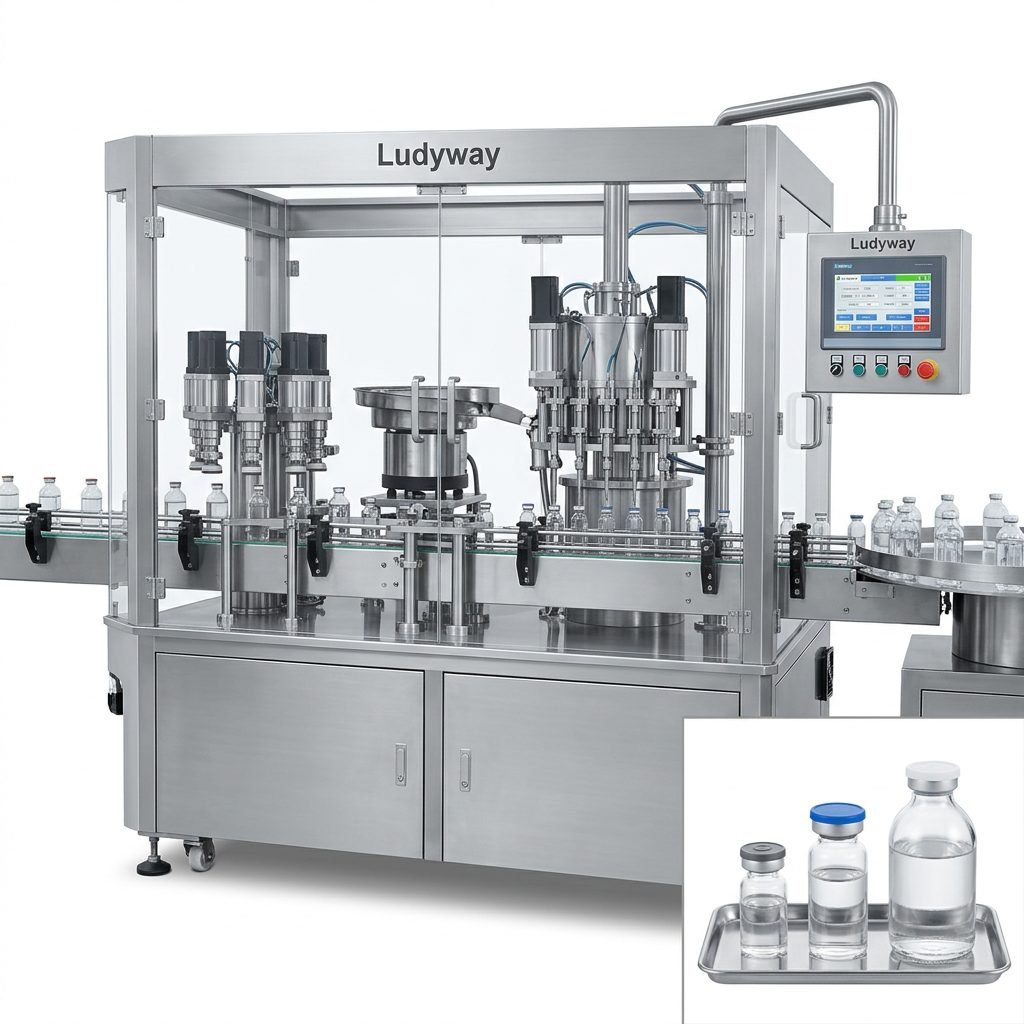
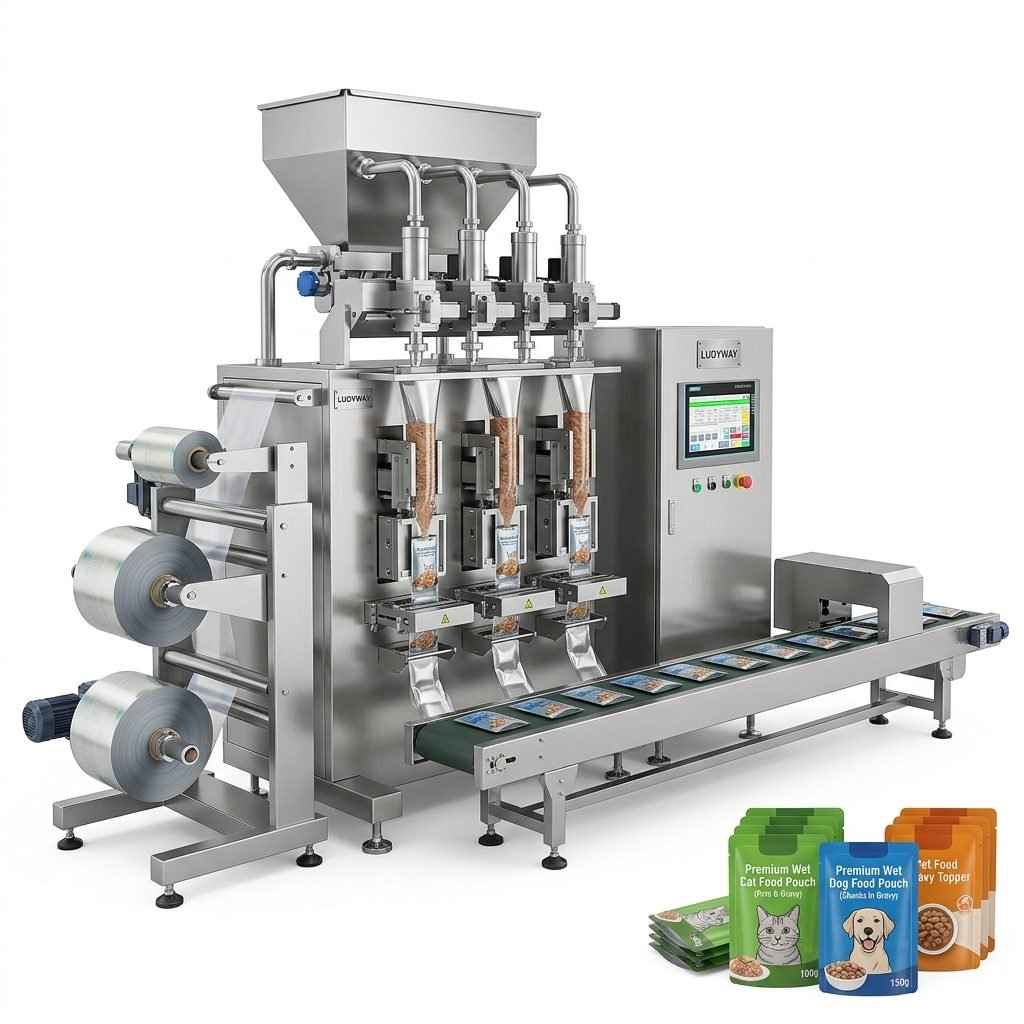
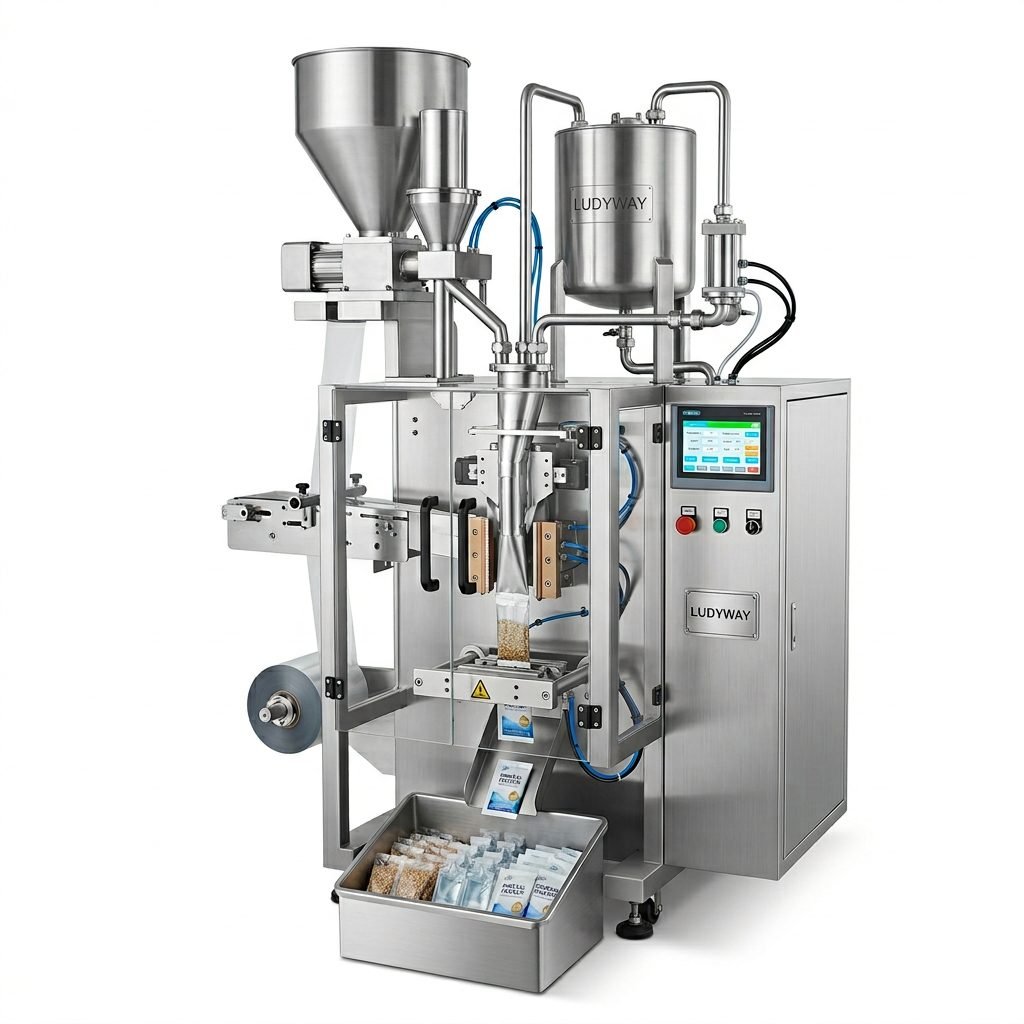
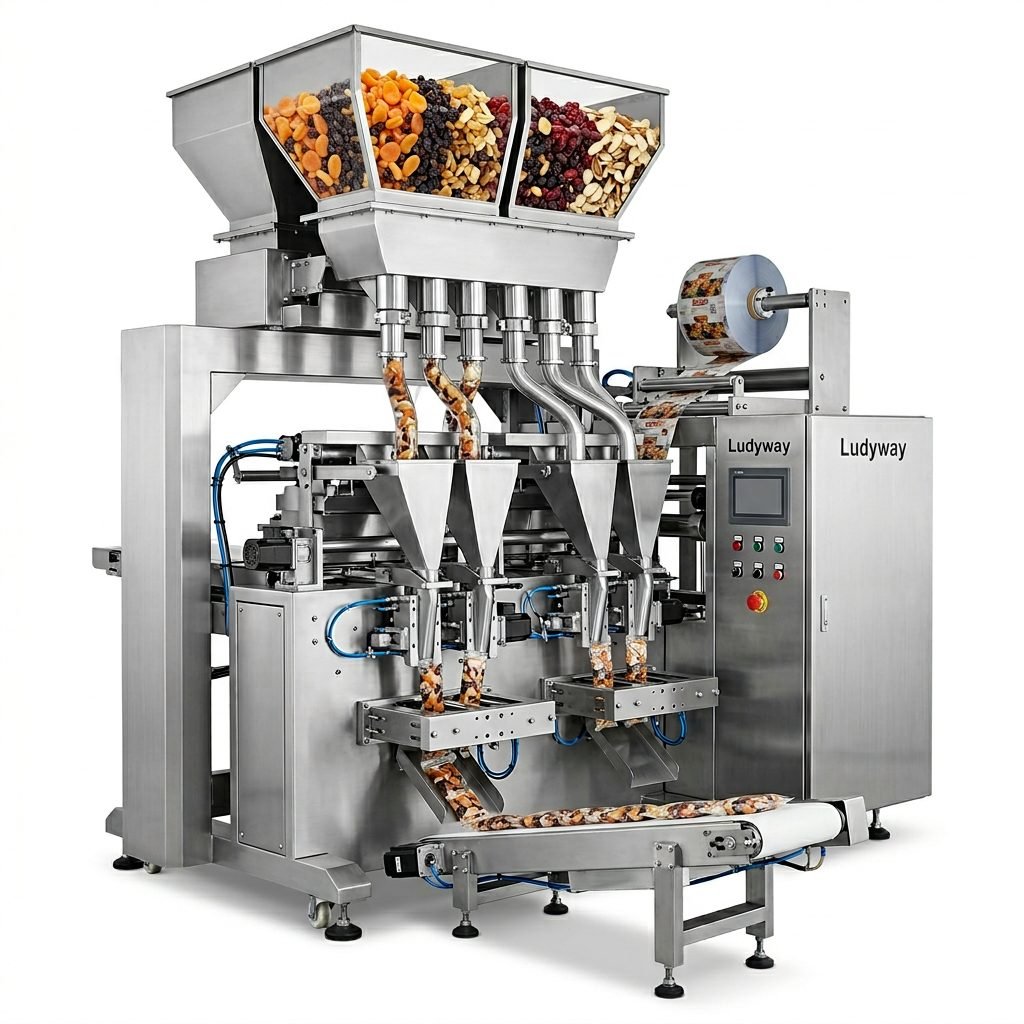
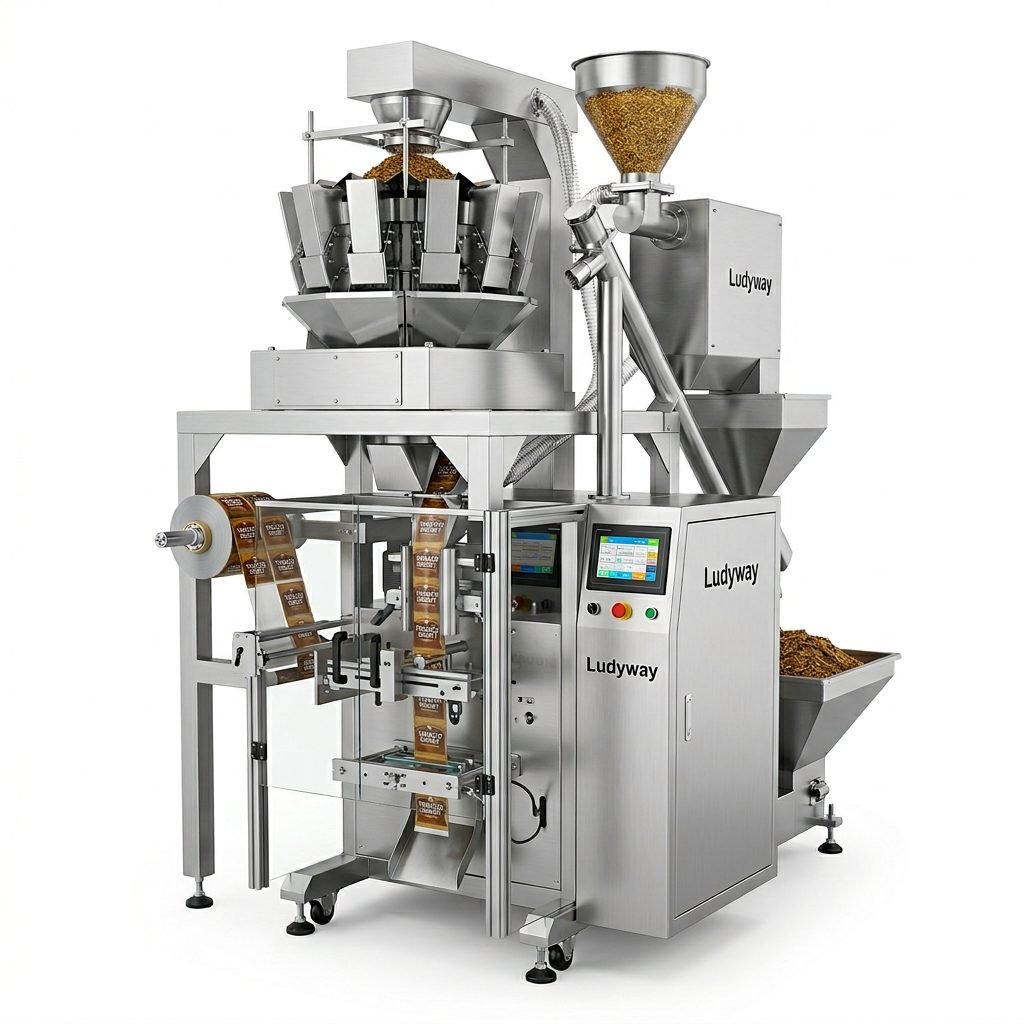
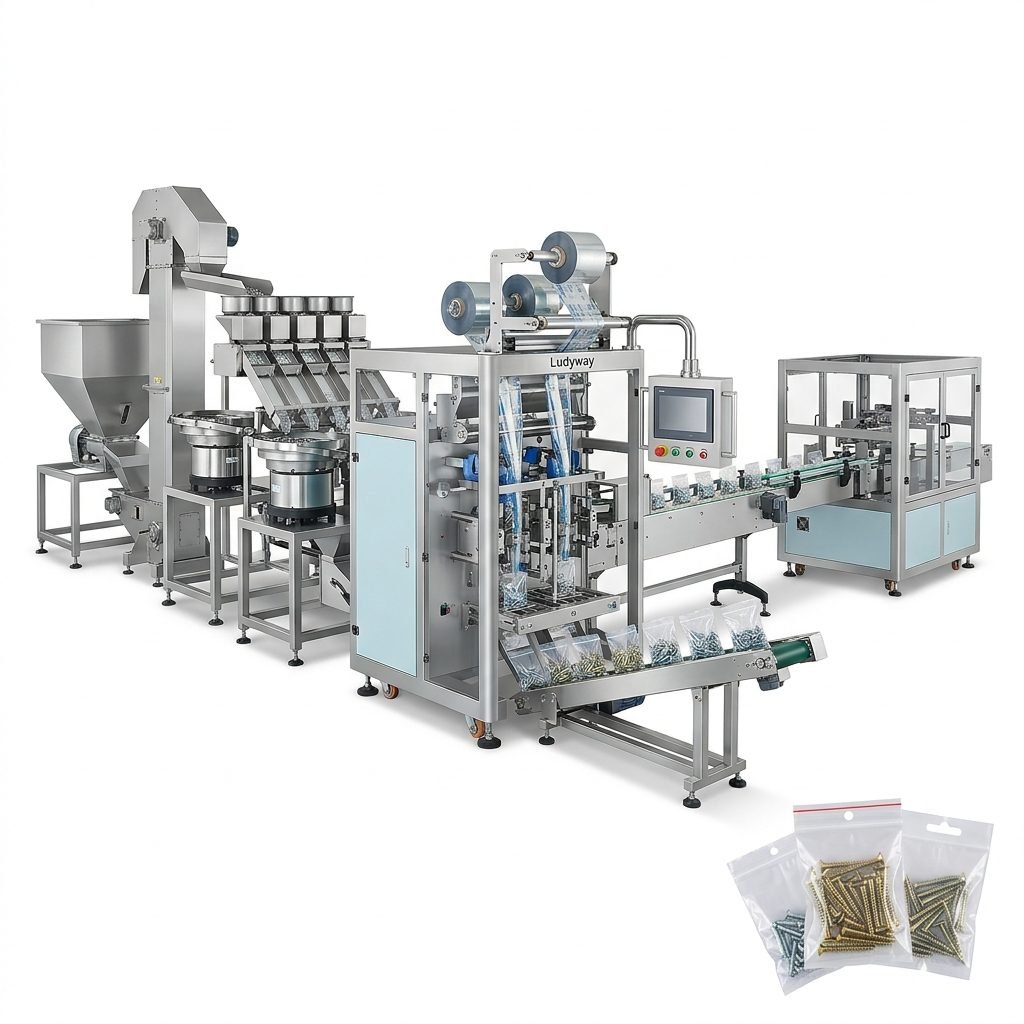
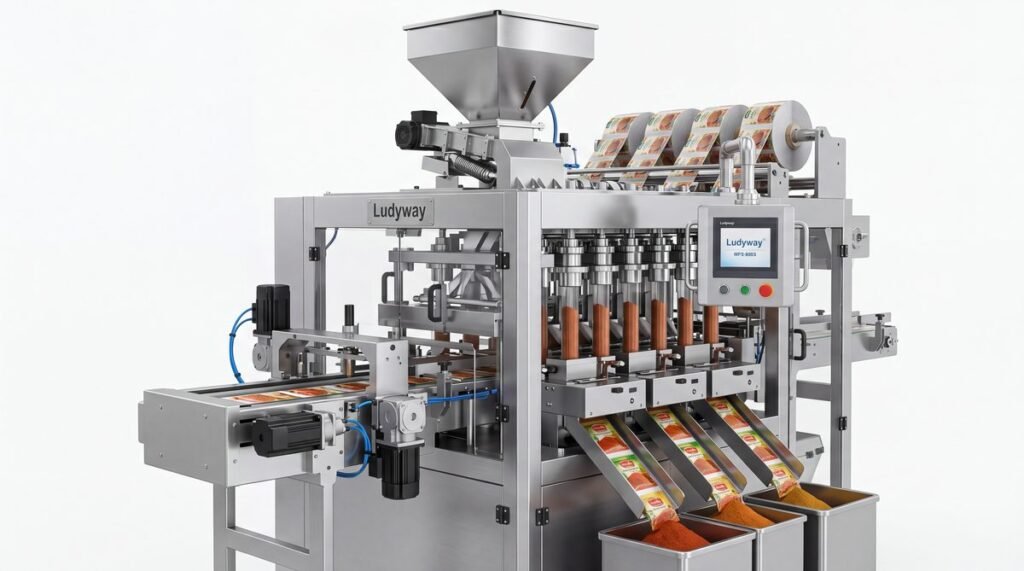
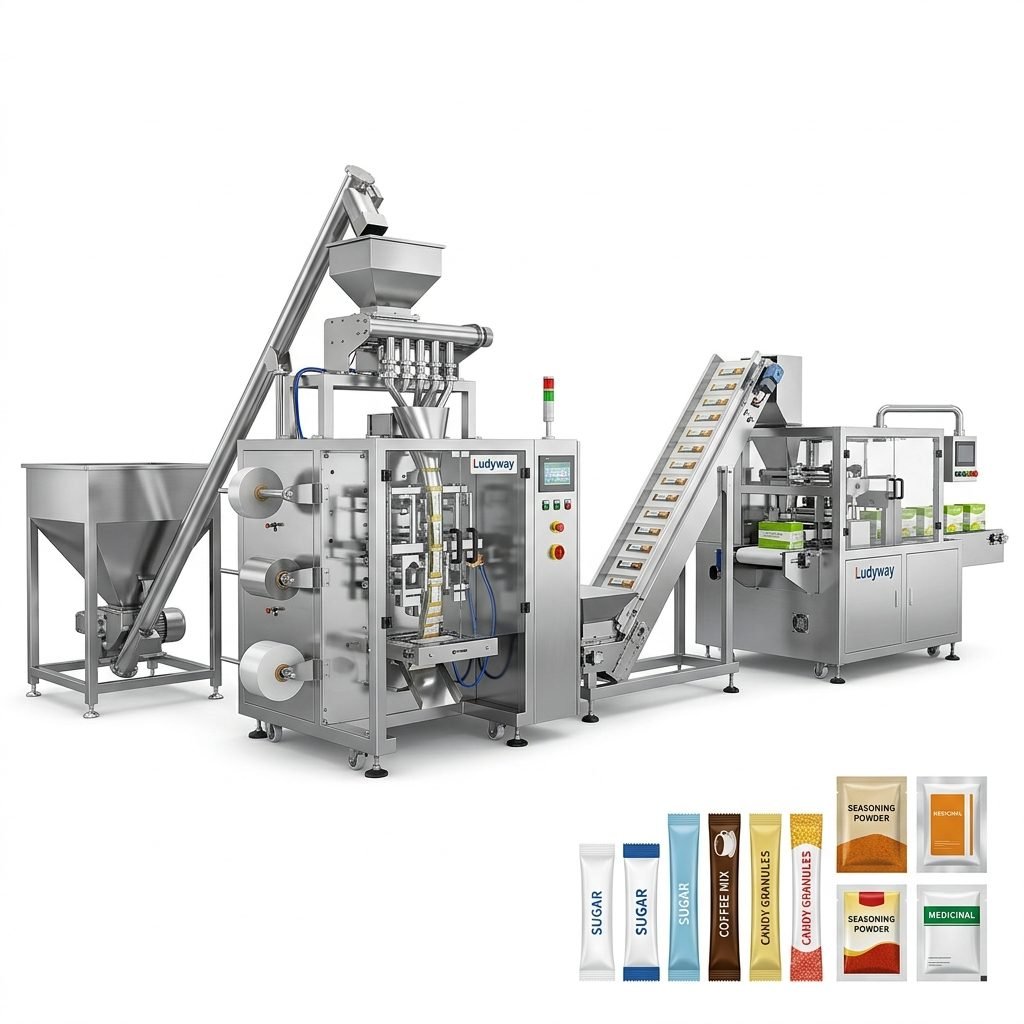
Selecting the right automatic powder filler is a critical decision for any production line involving powders, from food ingredients and pharmaceuticals to chemicals and health supplements. The efficiency, accuracy, and reliability of your powder packaging process hinge on this choice. This comprehensive guide will walk you through the key factors to consider, ensuring you invest in a machine that perfectly aligns with your operational needs and business goals.
Understanding Your Powder Product
The journey to the perfect machine begins with a deep understanding of the material you are packaging. Not all powders are created equal, and their unique characteristics directly dictate the type of filling technology required.
Key Powder Properties to Analyze:
Flowability: Does your powder flow like water (free-flowing) or cling together (poor-flowing)? This is the single most important factor. Free-flowing powders like salt or sugar work well with volumetric cup or auger fillers, while cohesive powders like flour or milk powder often require auger fillers with specialized hoppers and agitation.
Bulk Density: The weight per unit volume. Machines often need calibration for specific densities to maintain weight accuracy, especially when switching between products.
Hygroscopicity: Does the powder absorb moisture from the air? If yes, you may need a machine with a climate-controlled or sealed filling zone to prevent clumping.
Abrasiveness & Corrosiveness: Abrasive powders (e.g., certain ceramics) wear down machine parts faster, requiring hardened materials like stainless steel. Corrosive powders demand compatible, non-reactive contact surfaces.
Core Filling Technologies Explained
Automatic powder fillers primarily use three technologies. Your powder’s properties will point you toward the most suitable one.
1. Auger Filling Systems
The most versatile and common solution. A rotating screw (auger) inside a tube precisely dispenses powder. Ideal for a wide range of powders, from free-flowing to cohesive and even sticky products.
✓ Best For: Non-free-flowing powders, precise weight control, versatile applications. ✓ Consider: Potential for powder shearing or aeration with some delicate products.
2. Volumetric Cup Filling Systems
Uses a rotating carousel of measuring cups to scoop and discharge a consistent volume of powder. Simplicity and speed are its hallmarks.
✓ Best For: Uniform, free-flowing powders where high speed is a priority over ultra-high weight precision. ✓ Consider: Less accurate with powders that vary in density or are not free-flowing.
3. Net Weight Filling Systems (Gravimetric)
The gold standard for accuracy. Each container is weighed on a scale before, during, and after filling, with the filler adjusting in real-time to hit the exact target weight.
✓ Best For: High-value products (pharmaceuticals, premium supplements) where every gram counts and regulatory compliance is strict. ✓ Consider: Higher initial investment and slightly slower speeds than volumetric methods.
Critical Machine Selection Criteria
Beyond the core technology, evaluate these essential specifications against your production requirements.
Production Speed & Output
Calculate your required output in bags, pouches, or containers per minute (CPM). Match this with the machine’s rated speed. Remember, actual speed can be affected by powder behavior, container type, and changeover frequency.
Accuracy & Precision Requirements
What is your acceptable weight tolerance? Food products may tolerate ±1 gram, while pharmaceuticals may require ±0.1 gram. Auger and net weight fillers offer the best precision.
Container & Packaging Format Compatibility
What are you filling? The machine must handle your container’s material (glass, plastic, pouch), size, and shape (jar, can, stick pack). Consider future packaging changes—flexibility can be a valuable asset.
Hygiene, Cleanability & Construction
For food, pharmaceutical, or nutraceutical applications, hygiene is non-negotiable. Look for machines with smooth surfaces, minimal crevices, and easy disassembly for cleaning. 304 or 316 food-grade stainless steel construction is typically a must.
Integration and Support: The Bigger Picture
The machine doesn’t operate in isolation. Consider its role in your full line and the support behind it.
Automation and Line Integration
Can the filler integrate with your existing cappers, labelers, and conveyors? Modern machines with PLC controls and standard communication protocols (like Ethernet/IP) simplify integration into a seamless automated line.
Supplier Expertise and Service
Choose a partner, not just a vendor. A supplier with deep application knowledge, like Ludyway Packing Machine, can provide invaluable guidance. Evaluate their technical support, availability of spare parts, training, and warranty. A company backed by 30+ years of industry experience often translates to more reliable solutions and long-term partnership stability.
Making the Final Decision
Create a checklist based on this guide: Powder Properties, Required Technology, Speed, Accuracy, Container Type, Hygiene Standards, and Budget. Request product samples for a live demonstration or testing at the supplier’s facility or your plant. This is the best way to validate performance on your actual product.
Investing time in thorough evaluation upfront prevents costly mismatches and downtime later, ensuring your new automatic powder filler becomes a driver of productivity and quality for years to come. Partnering with an experienced provider ensures you get a solution tailored for global production needs, backed by professional service and a commitment to innovation.
Frequently Asked Questions (FAQs)
Q1: What is the main difference between an auger filler and a volumetric cup filler?
A: An auger filler uses a rotating screw to measure powder by volume and/or weight, offering high precision and handling difficult powders. A volumetric cup filler uses fixed-volume cups, offering higher speed but less precision, and is best for uniform, free-flowing products only.
Q2: How do I improve accuracy when filling very light or fluffy powders?
A: For low-density, aerated powders, look for auger fillers with tamping or vibration systems to settle the powder, and consider a net weight (gravimetric) system which weighs each container for ultimate accuracy, compensating for density variations.
Q3: What hygiene features are critical for food or pharmaceutical powder filling?
A: Essential features include full stainless steel (304/316) construction, sanitary design with minimal seams, easy access for cleaning, and options for CIP (Clean-in-Place) systems or protective covers to meet GMP standards.
Q4: Can one machine handle different types of powders and container sizes?
A: Many modern fillers are designed for quick changeover. Look for machines with tool-less adjustments for auger/cup size, easy-to-program PLC recipes, and modular components. However, significant format changes may require some part replacements.
Q5: Why is supplier experience important when choosing a powder packaging machine?
A: An experienced supplier provides crucial application expertise, helps you avoid costly mistakes, ensures proper machine selection, and offers reliable after-sales support. They understand real-world challenges in granule, powder, and liquid packaging and can offer customized production solutions for long-term success.