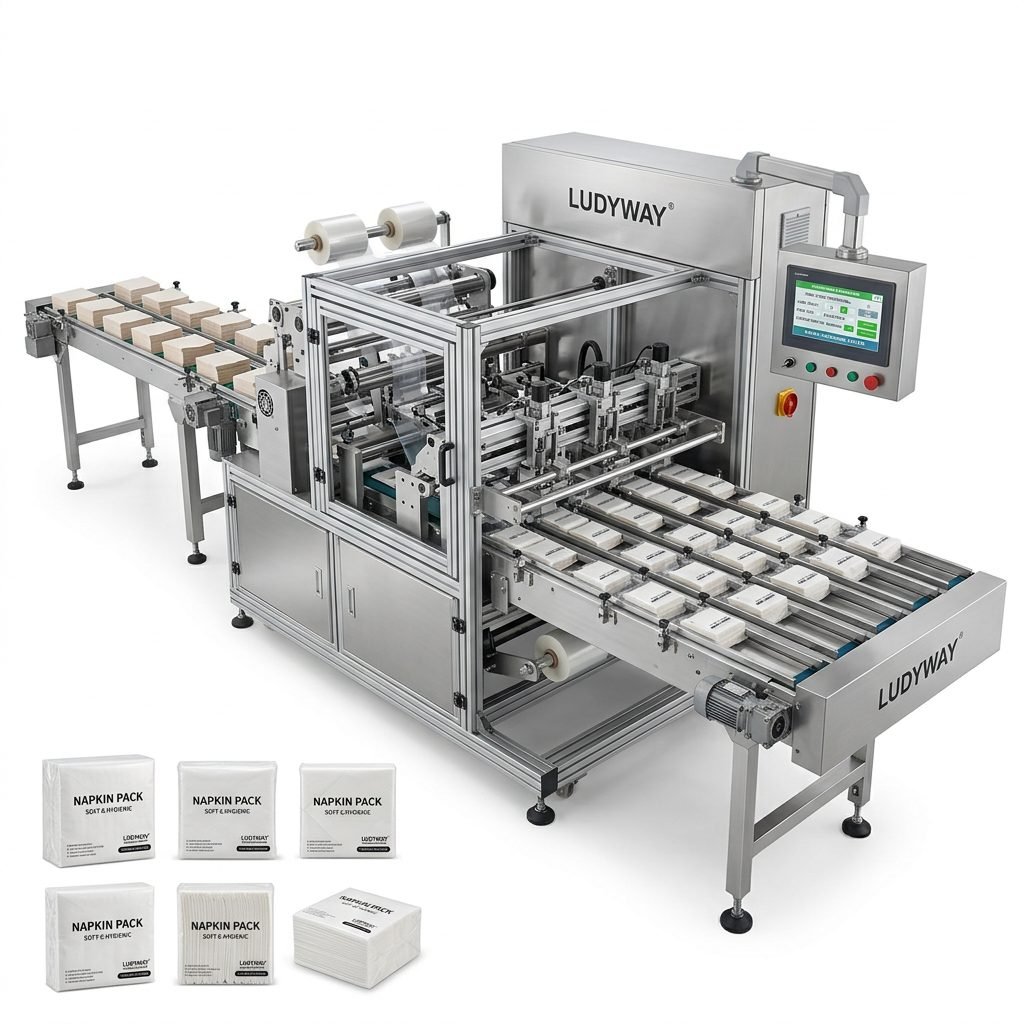
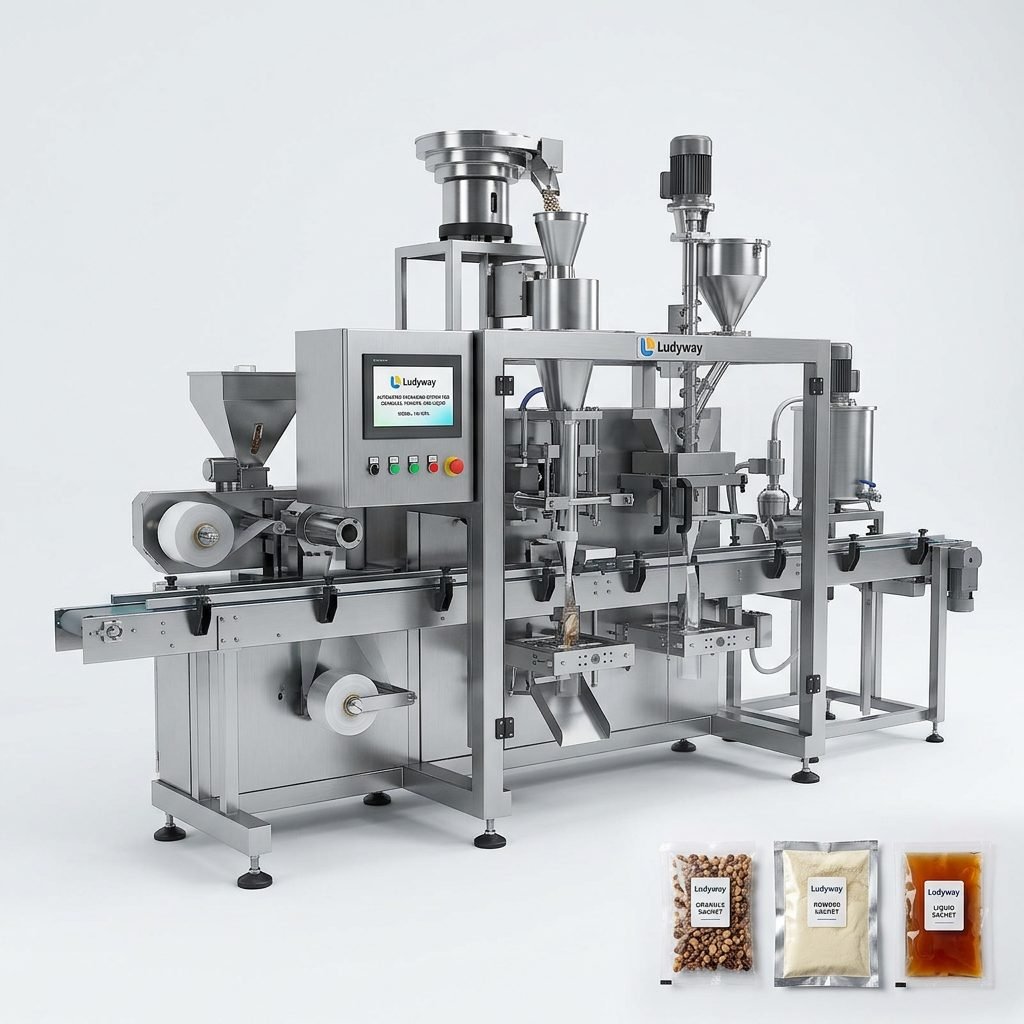
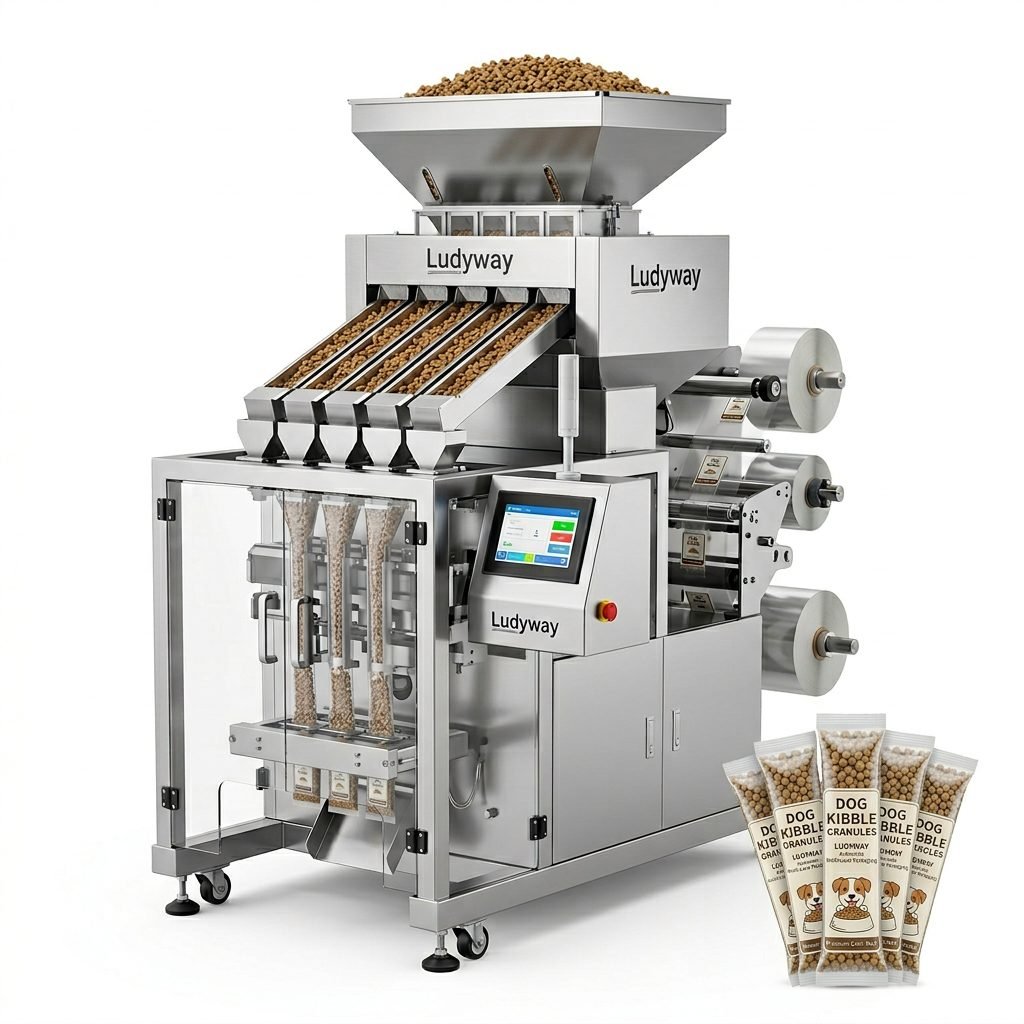
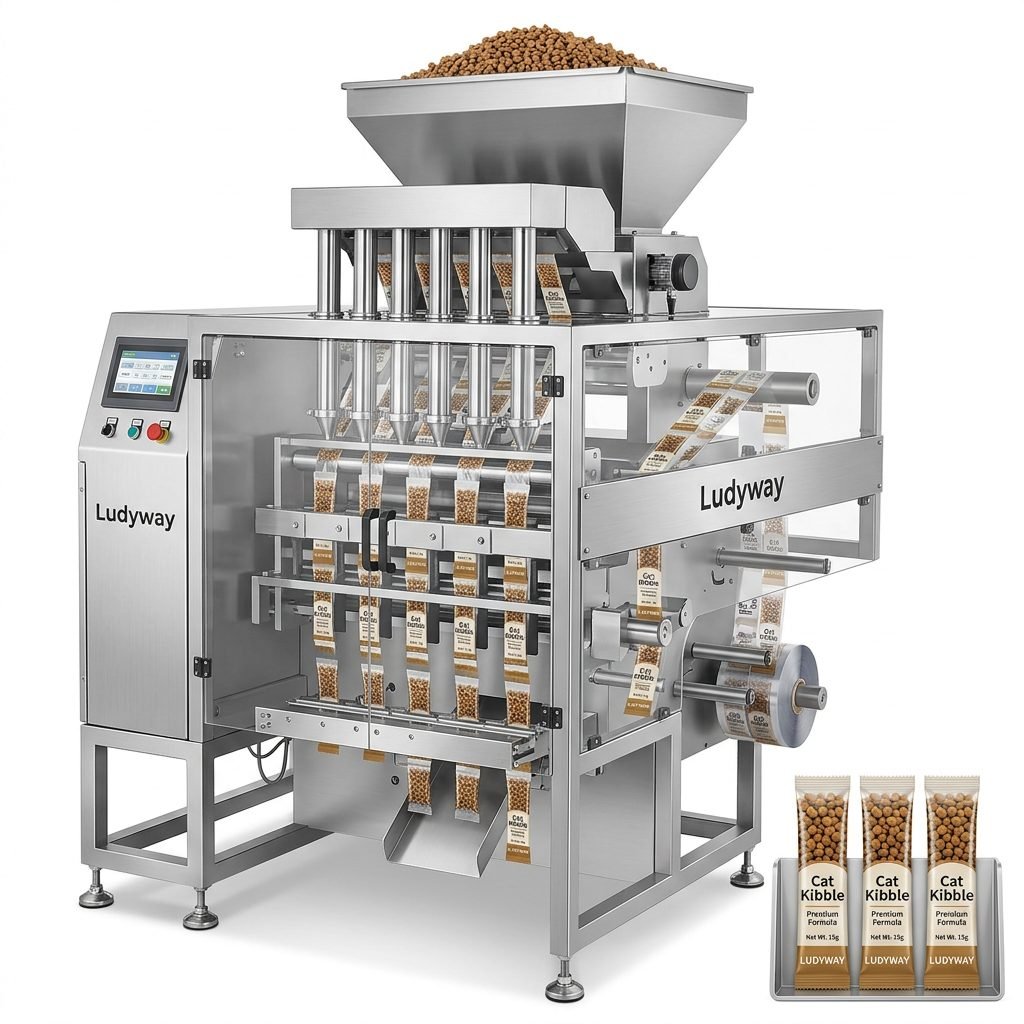
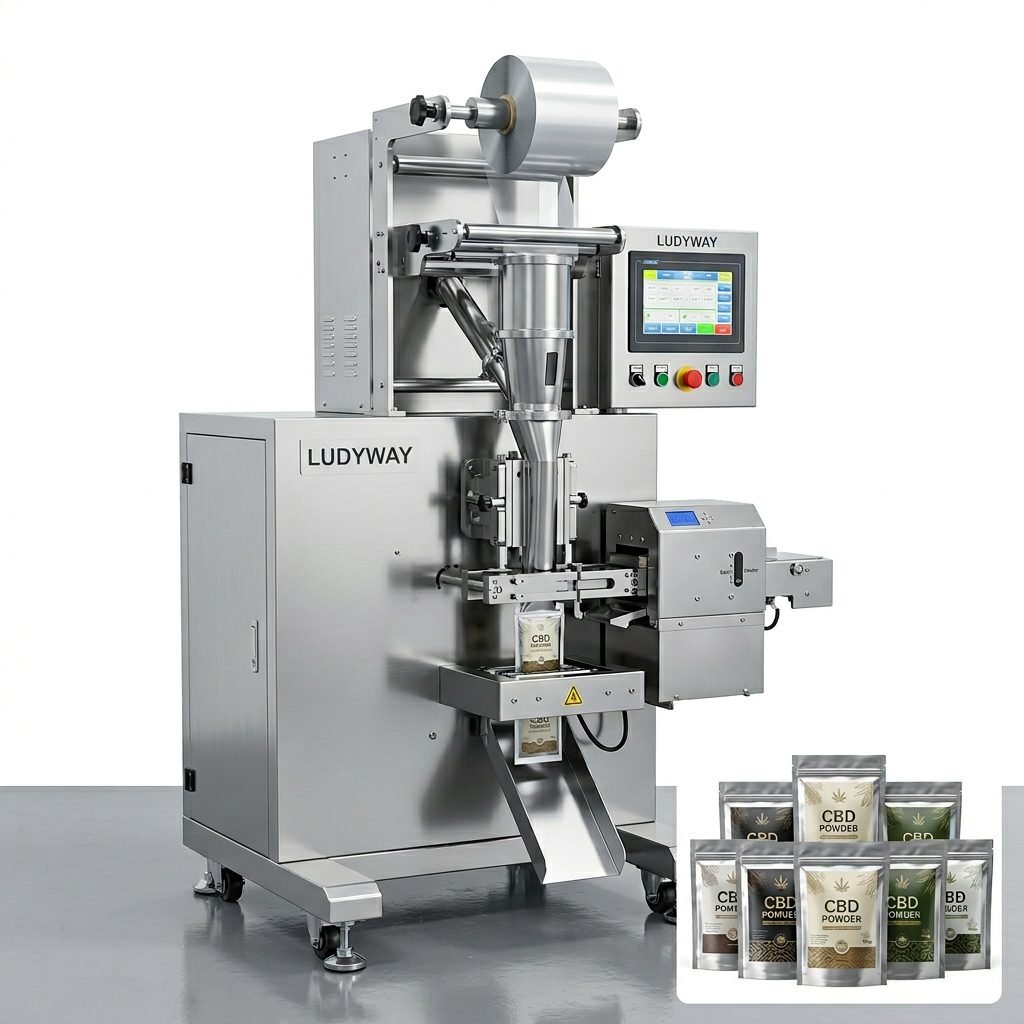
Packaging does far more than make a product look attractive on the shelf. In food, pharmaceuticals, cosmetics, and health products, the right packaging machine plays a direct role in freshness, safety, shelf life, and consumer trust. From oxygen control and seal integrity to dosing accuracy and contamination prevention, modern packaging systems help manufacturers protect product quality from the production line to the end user.
Whether you package powders, granules, liquids, pastes, or single-dose sachets, the machinery behind the process can determine how well your product withstands moisture, air, light, microbes, and transportation stress. That is why manufacturers increasingly invest in automated packaging solutions instead of relying on inconsistent manual methods.

Why Shelf Life Matters More Than Ever
Longer shelf life is not only about keeping products saleable for more days or months. It also affects:
- Product safety in regulated industries
- Brand reputation through better product consistency
- Reduced waste across manufacturing, logistics, retail, and consumer use
- Wider distribution range for export and e-commerce fulfillment
- Inventory flexibility for wholesalers and retailers
Products begin to degrade when exposed to environmental factors such as oxygen, humidity, UV light, temperature variation, and microorganisms. Packaging machines help control these risks by creating stable, repeatable, and well-sealed packaging conditions at scale.
How Packaging Machines Help Keep Products Fresh Longer
1. Creating Airtight and Consistent Seals
A poor seal is one of the fastest ways to lose freshness. Even if the packaging material itself is high quality, a weak or uneven seal allows air and moisture to enter. Automated sealing systems maintain precise temperature, pressure, and dwell time, helping ensure every pouch, sachet, bottle, or pack is closed correctly.
This is especially important for products such as:
- Coffee and beverage powders
- Snacks and cereals
- Seasonings and sugar sticks
- Medical powders and supplements
- Liquid sachets and paste products
2. Reducing Oxygen Exposure
Oxygen accelerates oxidation, leading to flavor loss, discoloration, nutrient degradation, and rancidity. Advanced packaging machines can support oxygen-control methods such as vacuum packaging and nitrogen flushing. These processes help preserve aroma, texture, and active ingredients while extending shelf stability.
For example, snack foods, milk powders, protein powders, and pharmaceutical products often benefit from low-oxygen packaging environments.
3. Minimizing Moisture Ingress
Moisture is a major threat to powders, granules, tablets, and dry food products. Clumping, microbial growth, texture loss, and formula instability can all happen when moisture barriers fail. Packaging machines improve moisture protection by combining suitable packaging films with highly controlled filling and sealing.
4. Preventing Contamination During Filling
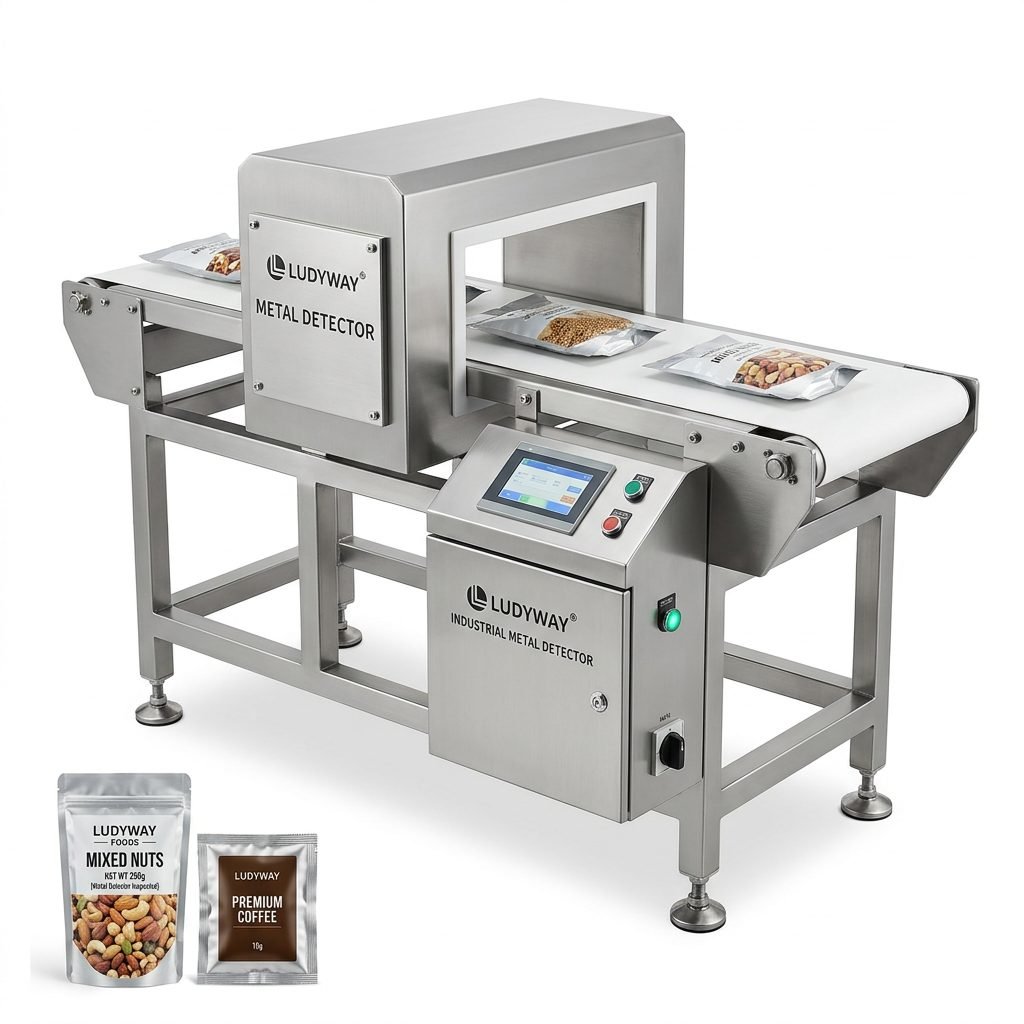
Manual filling increases the risk of contamination from dust, contact surfaces, and inconsistent handling. Automated packaging equipment reduces direct human contact and can integrate with enclosed feeding systems, dust collection, metal detection, and clean production workflows. This is critical in food, pharma, and health supplement applications.
5. Improving Portion Accuracy
Overfilling and underfilling both create problems. Too much headspace may allow excess oxygen inside a pack, while inaccurate filling can affect sealing, product performance, and compliance. Precision dosing systems help ensure every package contains the right amount of product, improving both shelf life and quality consistency.
6. Supporting Protective Packaging Formats
Modern packaging machines are designed to work with a wide range of protective packaging structures, including:
- Multi-layer barrier films
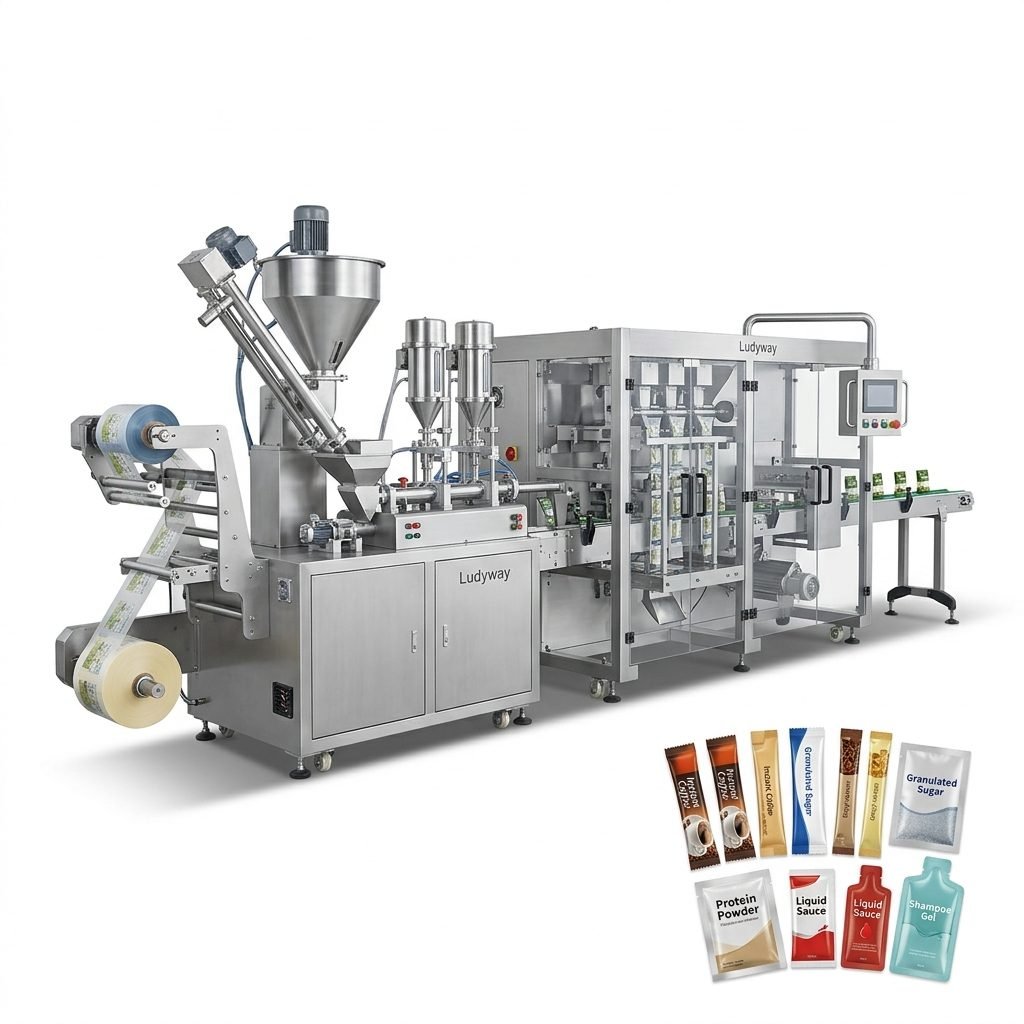
- Stick packs and sachets
- Vacuum pouches
- Sealed bottles and containers
- Single-dose pharmaceutical formats
These formats reduce repeated exposure after opening and help consumers use products more safely and conveniently.
Key Packaging Technologies That Extend Shelf Life
| Technology | How It Helps | Common Applications |
|---|---|---|
| Vacuum Packaging | Removes air to reduce oxidation and spoilage | Food, pharma, dry goods |
| Nitrogen Flushing | Displaces oxygen to preserve freshness and texture | Snacks, coffee, powders, supplements |
| Heat Sealing | Creates secure package closure against moisture and air | Sachets, pouches, stick packs |
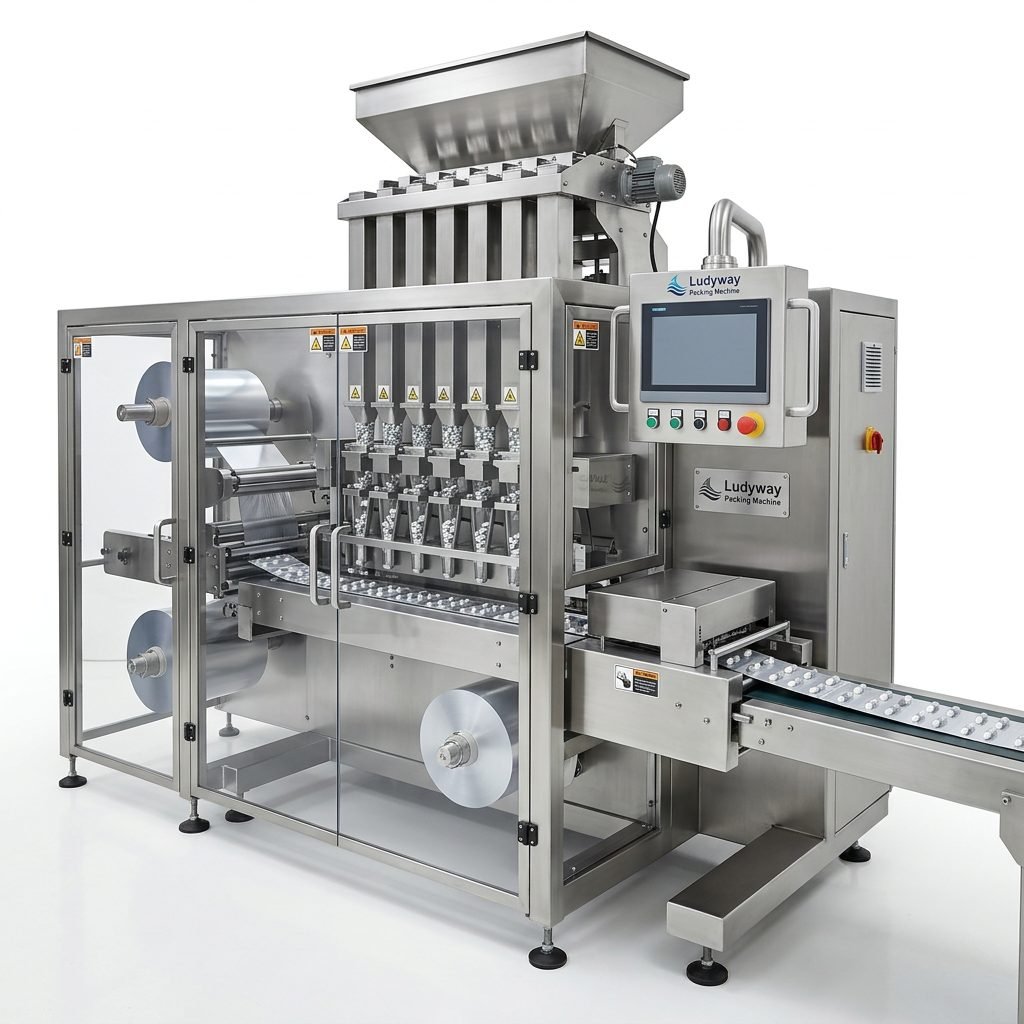
| Multi-Lane Filling | Improves output while maintaining consistent package quality | Single-dose powders, granules, liquids |
| Checkweighing & Inspection | Verifies fill accuracy and detects quality defects | Food, pharma, health products |
| Coding & Traceability | Supports expiry management and batch tracking | All regulated industries |
The Role of Automation in Freshness Protection
Automation is one of the biggest advantages in modern packaging. It reduces variation between packages and helps manufacturers maintain controlled parameters throughout the production cycle. This includes:
- Stable filling volume or weight
- Uniform sealing performance
- Lower handling contamination
- Faster throughput with less exposure time
- Integrated inspection and rejection systems
For growing brands and high-volume manufacturers, this consistency can significantly improve packaged product performance across long shipping distances and varied storage conditions.
Industries That Benefit Most from Shelf-Life-Focused Packaging Machines
Food Industry
Dry foods, snacks, spice blends, cereals, sauces, edible powders, and beverages all need protection from air, moisture, and contamination. Packaging machines help preserve crunch, flavor, color, and nutritional value.
Pharmaceutical Industry
Pharmaceutical products require precise dosing, hygienic handling, and reliable sealing to maintain stability and safety. Proper packaging machinery supports compliance, traceability, and product protection throughout the supply chain.
Health Supplement Industry
Protein powders, probiotics, vitamins, collagen, and electrolyte formulas often degrade when exposed to humidity or oxygen. Single-dose sachets and stick packs created by automated systems help preserve potency and convenience.
Cosmetics and Personal Care
Creams, lotions, gels, and serums need packaging that prevents leakage, oxidation, and microbial contamination. Filling and sealing machines improve product stability while presenting a clean and professional appearance.

Factors That Influence How Well a Packaging Machine Preserves Freshness
Not every machine delivers the same shelf-life performance. Buyers should evaluate:
- Seal quality control
- Compatibility with barrier packaging materials
- Accuracy of dosing and filling
- Cleanability and hygienic design
- Support for vacuum or gas flushing
- Integration with inspection devices
- Stability at high production speeds
Common Packaging Mistakes That Shorten Shelf Life
| Mistake | Potential Result | Better Practice |
|---|---|---|
| Inconsistent sealing temperature | Seal failure, air leakage | Use automated seal control |
| Manual filling in open environments | Higher contamination risk | Adopt enclosed automatic filling |
| Wrong packaging material | Poor oxygen or moisture barrier | Match material to product sensitivity |
| Inaccurate dosing | Headspace issues, poor consistency | Use high-precision filling systems |
| Lack of inspection tools | Defective packs reach market | Add metal detection, vision, checkweighing |
How to Choose the Right Packaging Machine for Longer Shelf Life
When selecting equipment, manufacturers should think beyond speed alone. The best choice is the one that protects the product while matching output goals, packaging format, and regulatory requirements.
- Identify the product’s main freshness risks: oxygen, moisture, light, or contamination
- Choose the right package type: sachet, stick pack, pouch, bottle, or vacuum pack
- Confirm machine compatibility with the required packaging film or container
- Assess whether gas flushing, vacuum sealing, or high-barrier materials are needed
- Review line integration options for coding, weighing, inspection, and cartoning
- Work with an experienced manufacturer that understands your product application
A Reliable Partner for Freshness-Focused Packaging Solutions
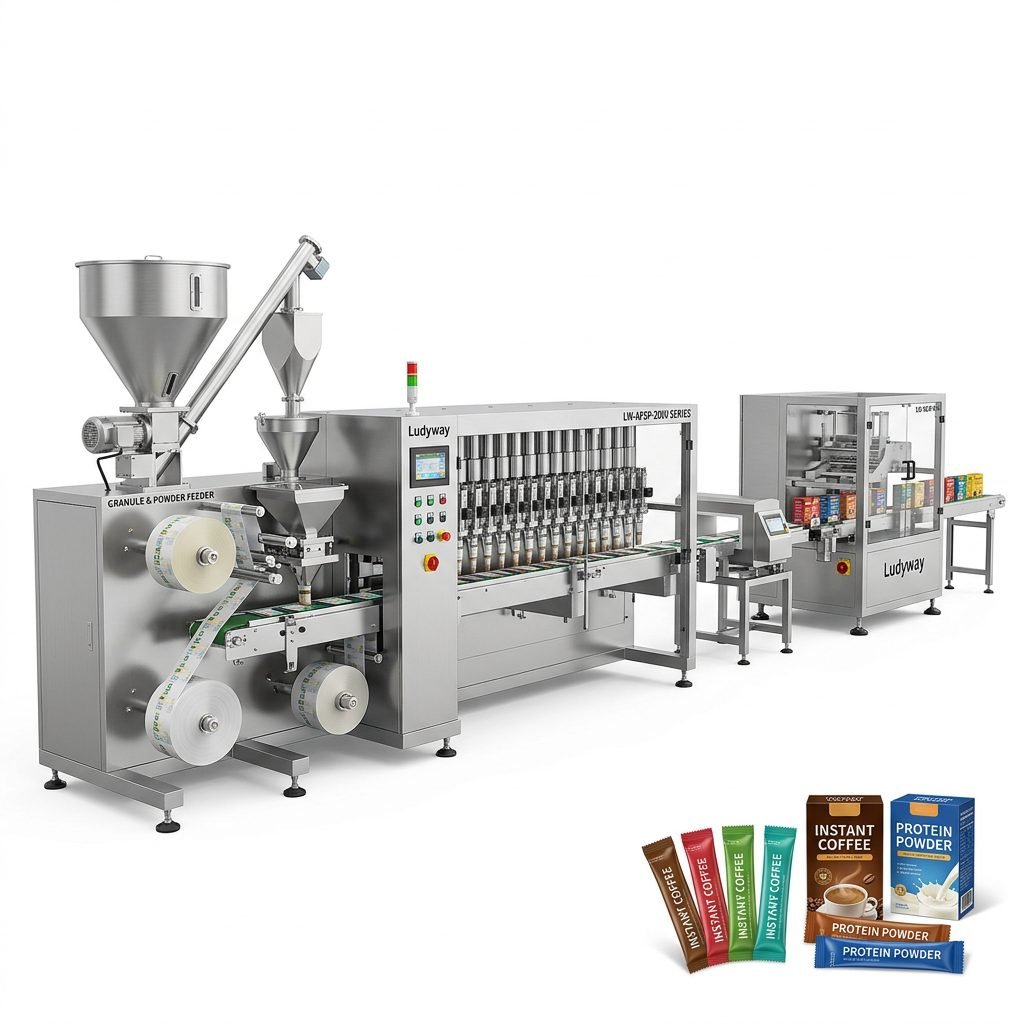
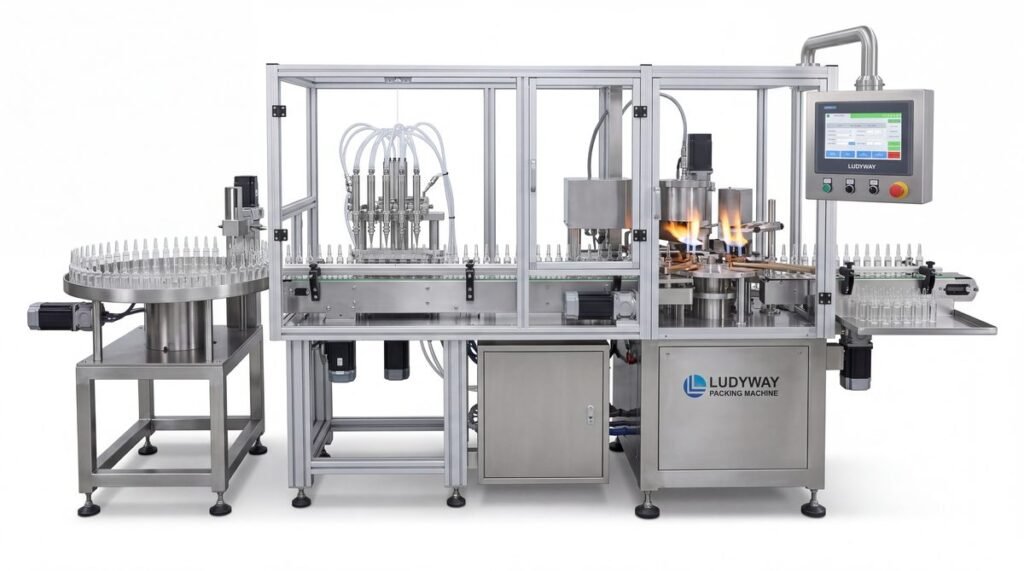
For manufacturers looking for scalable automated systems, Ludyway packaging machine solutions support food, pharmaceutical, health supplement, cosmetic, and related industries with a broad portfolio of equipment and turnkey packaging lines. With more than 30 years of industry experience, extensive export coverage, and a large manufacturing base, the company provides solutions designed to improve packaging consistency, automation efficiency, and product protection.
Final Thoughts on Extending Shelf Life Through Better Packaging
Packaging machines are not just productivity tools. They are essential systems for protecting quality, maintaining freshness, and extending usable shelf life. By improving sealing, lowering contamination risk, controlling oxygen and moisture exposure, and ensuring consistent packaging performance, the right machine can make a measurable difference in how products arrive, store, and perform in the market.
For brands that care about product integrity and long-term customer satisfaction, investing in the right packaging technology is a practical step toward longer shelf life, less waste, and stronger market competitiveness.