Pre packing machines are widely used in modern manufacturing to automate the filling, sealing, counting, weighing, and packing of products before they reach distribution. Whether you produce powders, granules, liquids, pastes, capsules, or small consumer goods, the right machine can dramatically improve packaging speed, consistency, hygiene, and cost control.
In this guide, you’ll learn how a pre packing machine works, what benefits it offers, which industries use it most, and how to choose the best solution for your production goals.
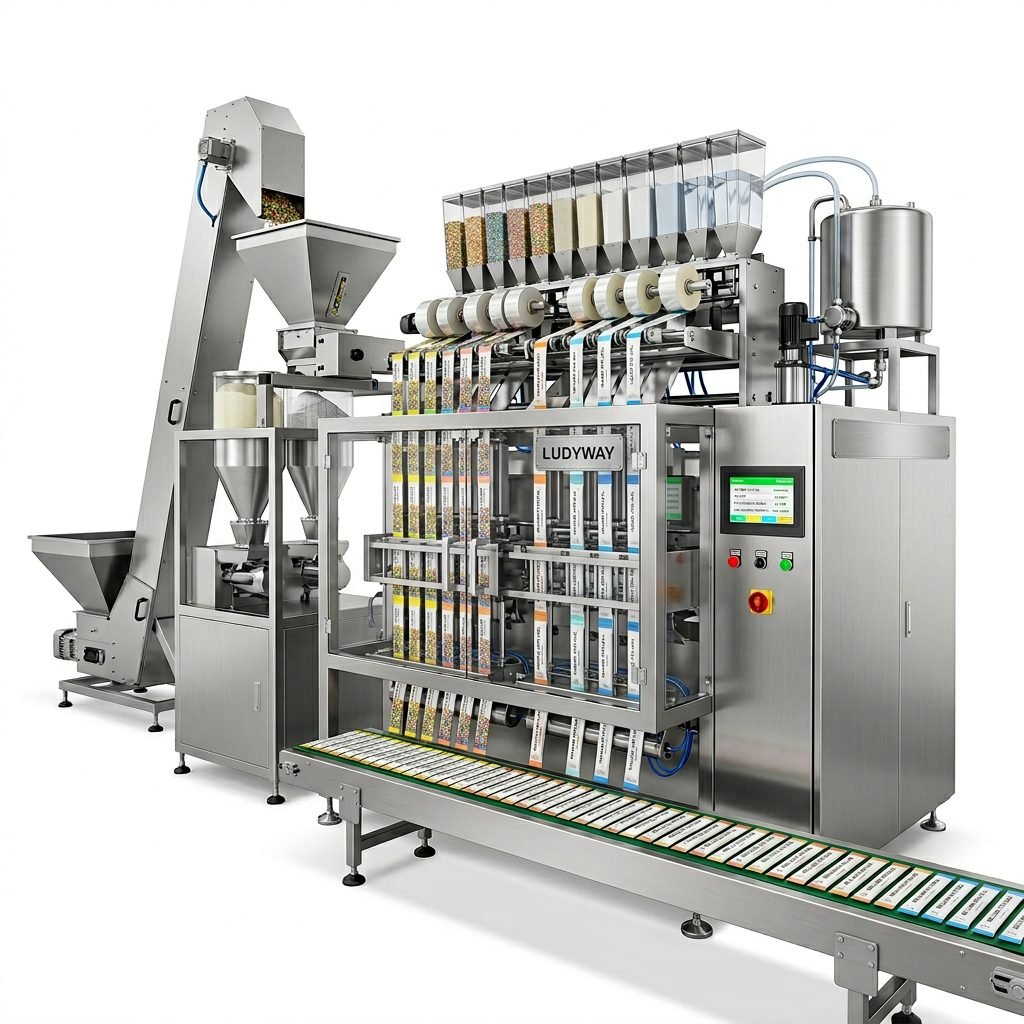
What Is a Pre Packing Machine?
A pre packing machine is packaging equipment designed to prepare products in a ready-to-sell or ready-to-ship format. It can handle operations such as:
- Product feeding
- Measuring or dosing
- Filling into pouches, sachets, bottles, jars, cartons, or bags
- Sealing and coding
- Counting and final discharge
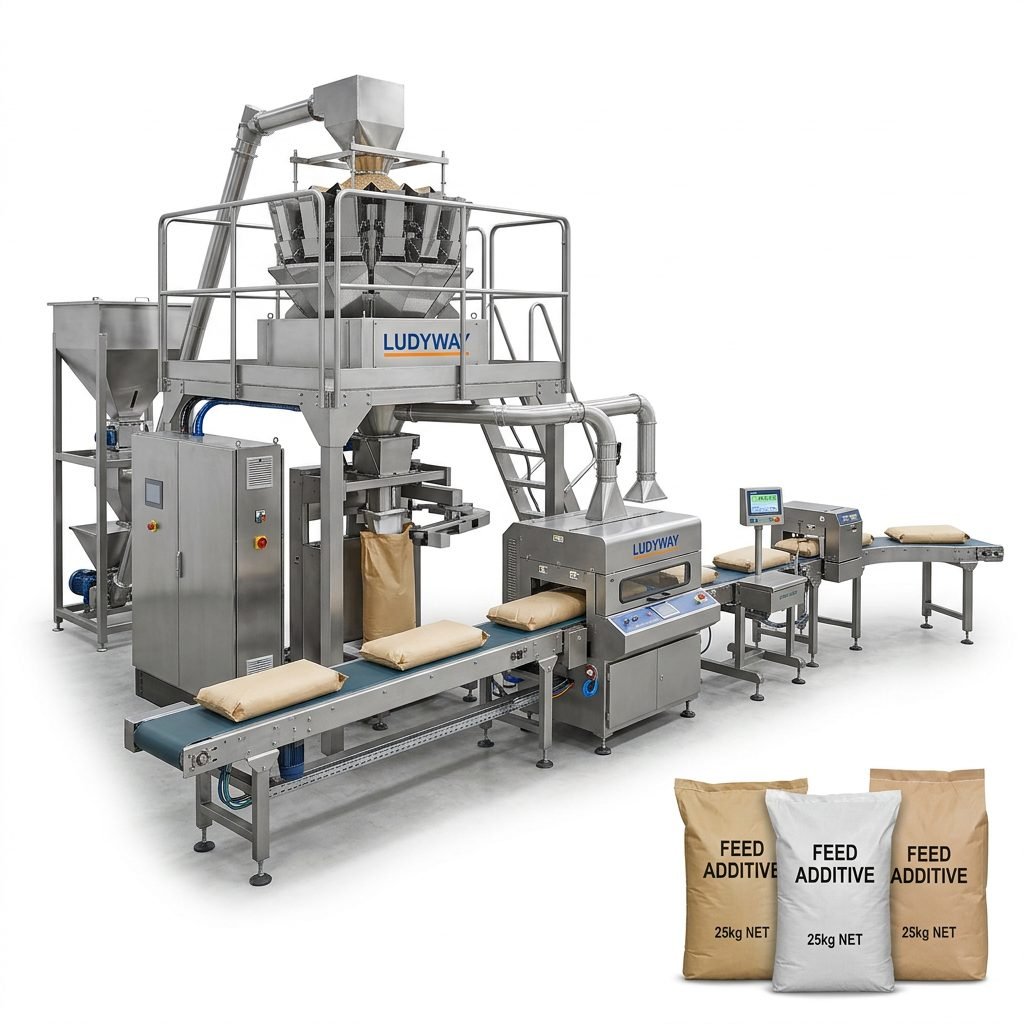
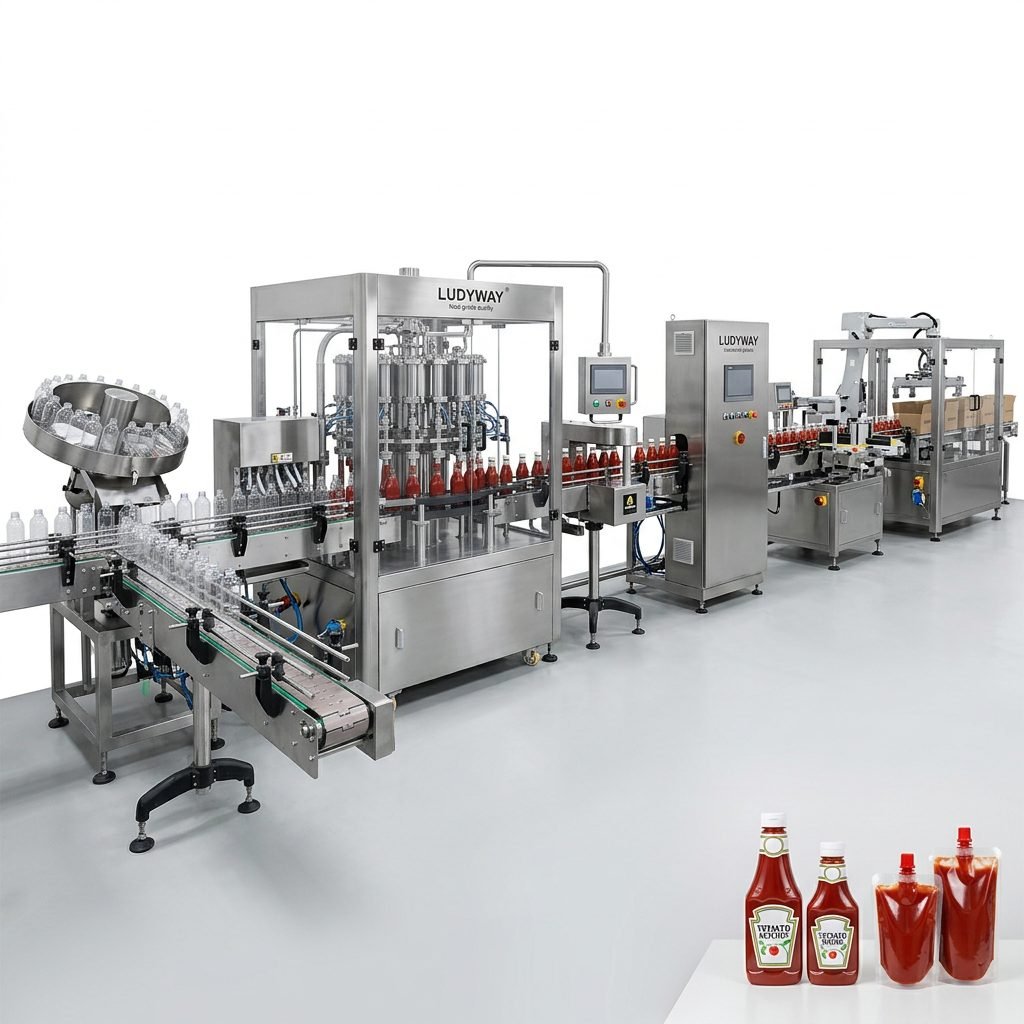
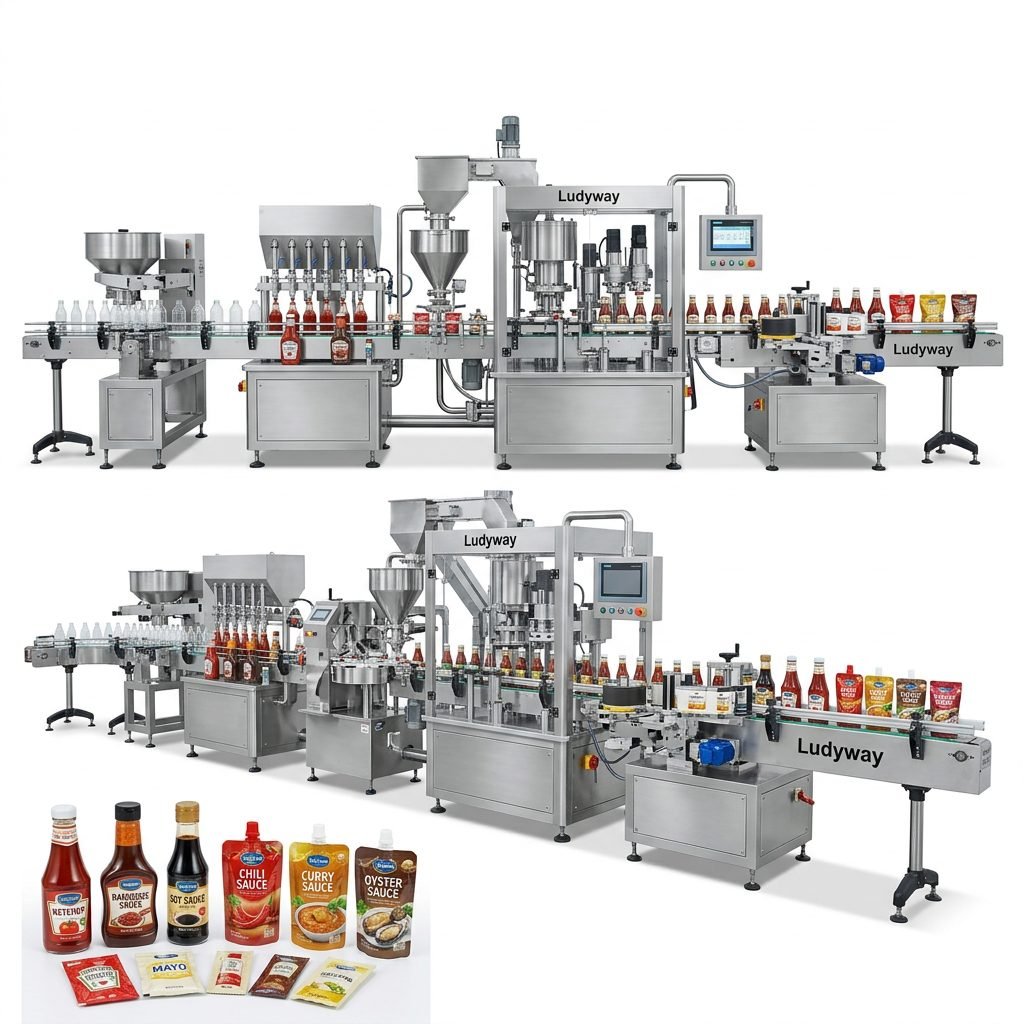
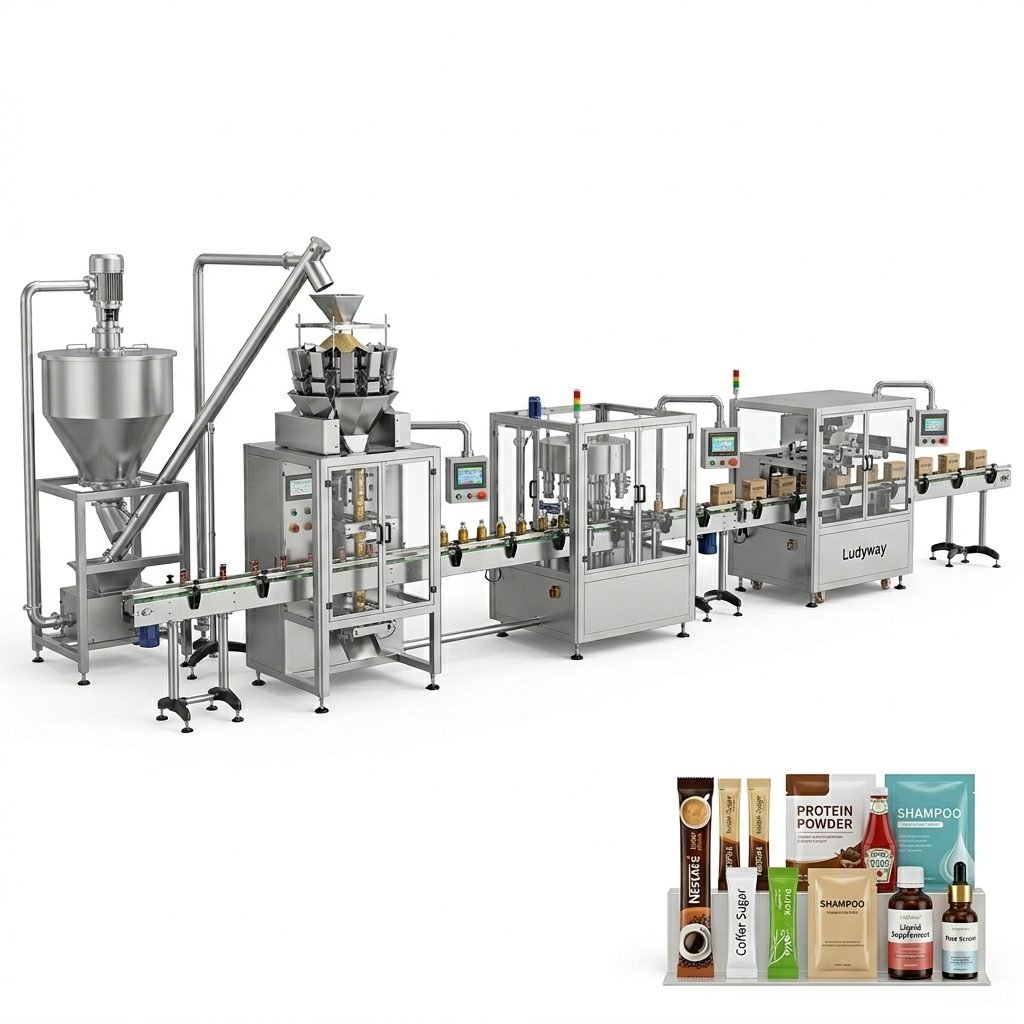
Depending on the application, a pre packing machine may operate as a standalone unit or as part of a fully integrated packaging line. In high-volume industries, it is often combined with conveyors, elevators, checkweighers, coding systems, cartoners, and case packers.
How a Pre Packing Machine Works
The exact working principle depends on the product type and package format, but most systems follow a similar sequence:
- Product infeed: Raw or semi-finished product is fed into the machine by hopper, pump, auger, elevator, or vibratory feeder.
- Measuring: The machine calculates the required fill amount by weight, volume, count, or preset dosing parameters.
- Package forming or positioning: Film may be formed into a pouch, or premade containers may be automatically indexed into place.
- Filling: The product is deposited accurately into the package.
- Sealing: Heat sealing, ultrasonic sealing, capping, or closing functions secure the package.
- Date coding and inspection: Optional systems print batch data and inspect seal quality or weight accuracy.
- Discharge: Finished packs move to collection, cartoning, bundling, or palletizing sections.
The main goal is to ensure every package is uniform, secure, and ready for the next stage of the supply chain with minimal manual handling.
Key Functional Modules
| Module | Function | Common Product Types |
|---|---|---|
| Feeding System | Transfers material into the filler | Powders, granules, liquids, pellets |
| Dosing/Filling Unit | Measures and dispenses product accurately | Coffee, spices, pharmaceuticals, gels |
| Packaging Section | Forms or receives package structure | Sachets, stick packs, pouches, bottles |
| Sealing Unit | Closes package securely | Film packs, cups, tubes, containers |
| Inspection/Output | Checks quality and discharges finished packs | All packaging formats |
Main Types of Pre Packing Machines
Pre packing machines can be configured for very different products and packaging styles. Common categories include:
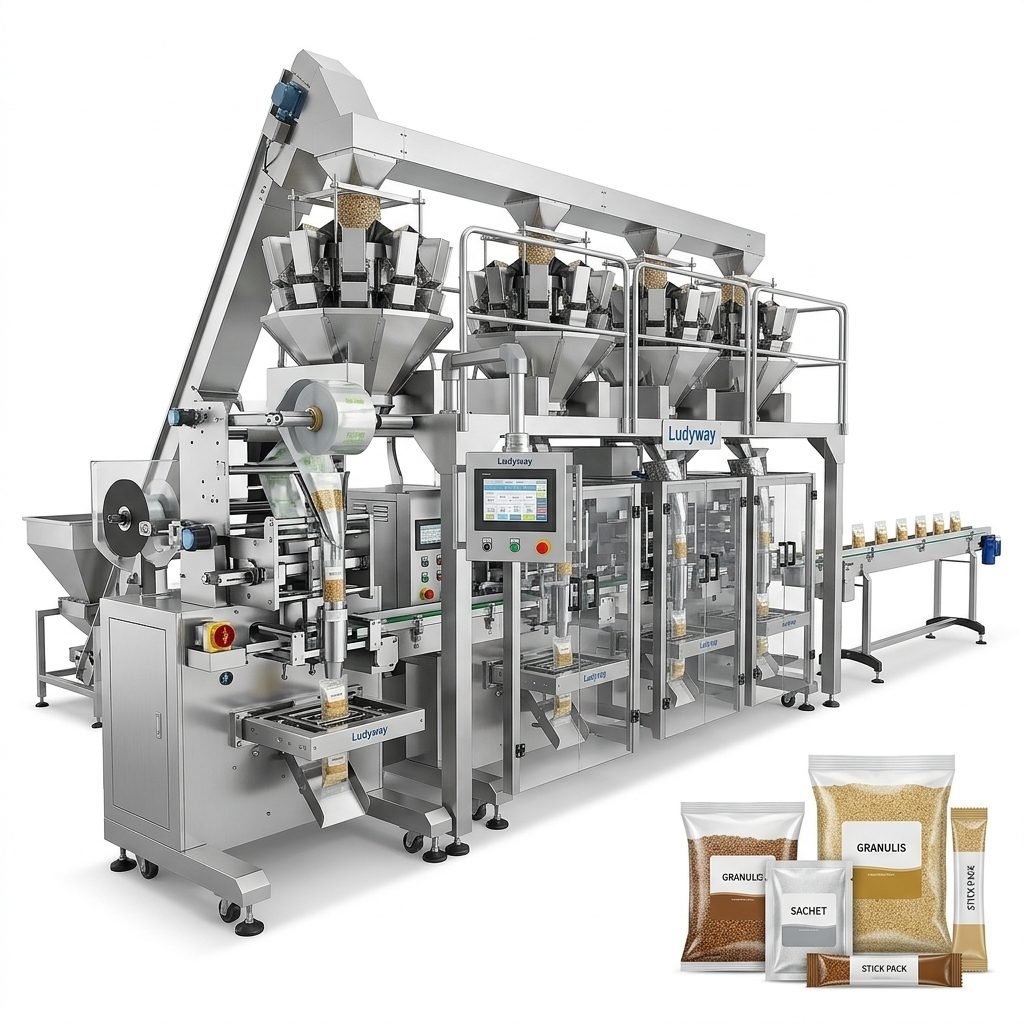
1. Vertical Form Fill Seal Machines
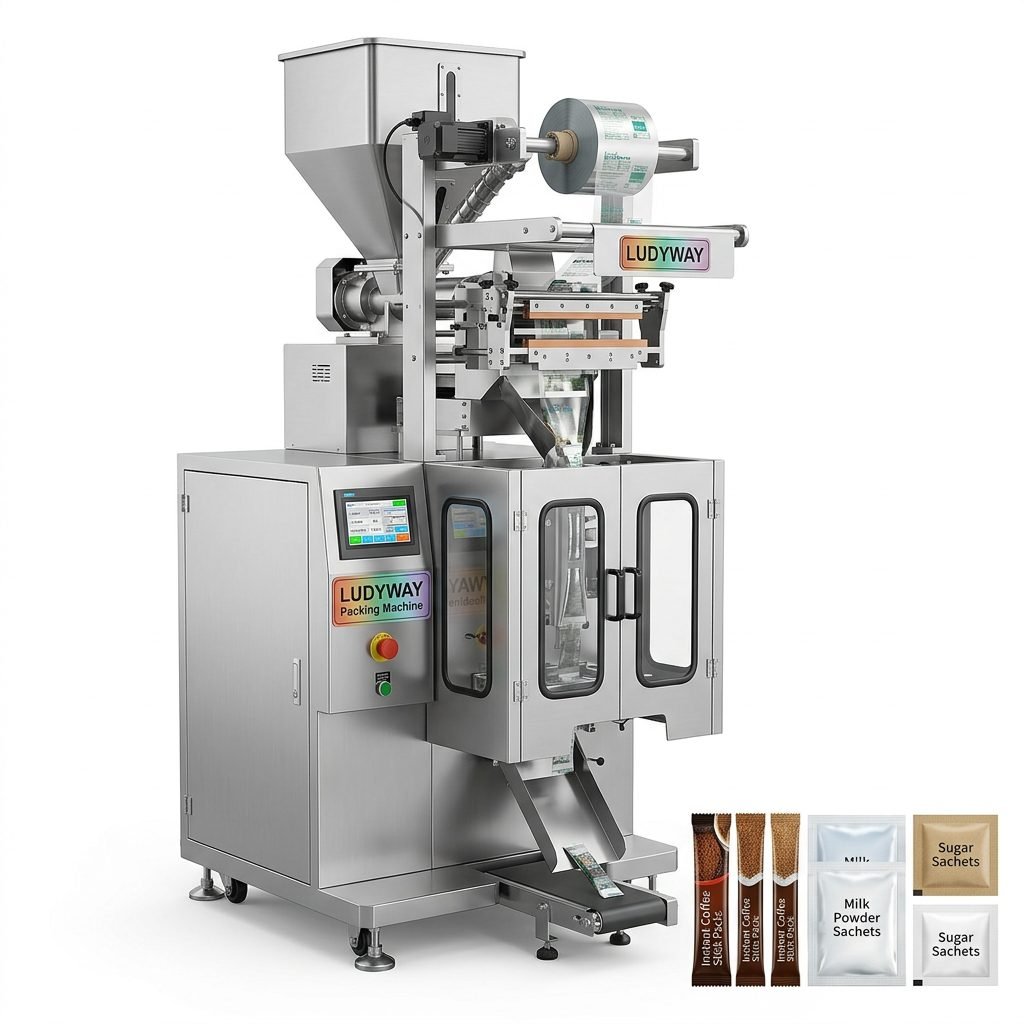
These machines form a bag from roll film, fill the product, and seal it in one continuous process. They are popular for snacks, powders, grains, and chemicals.
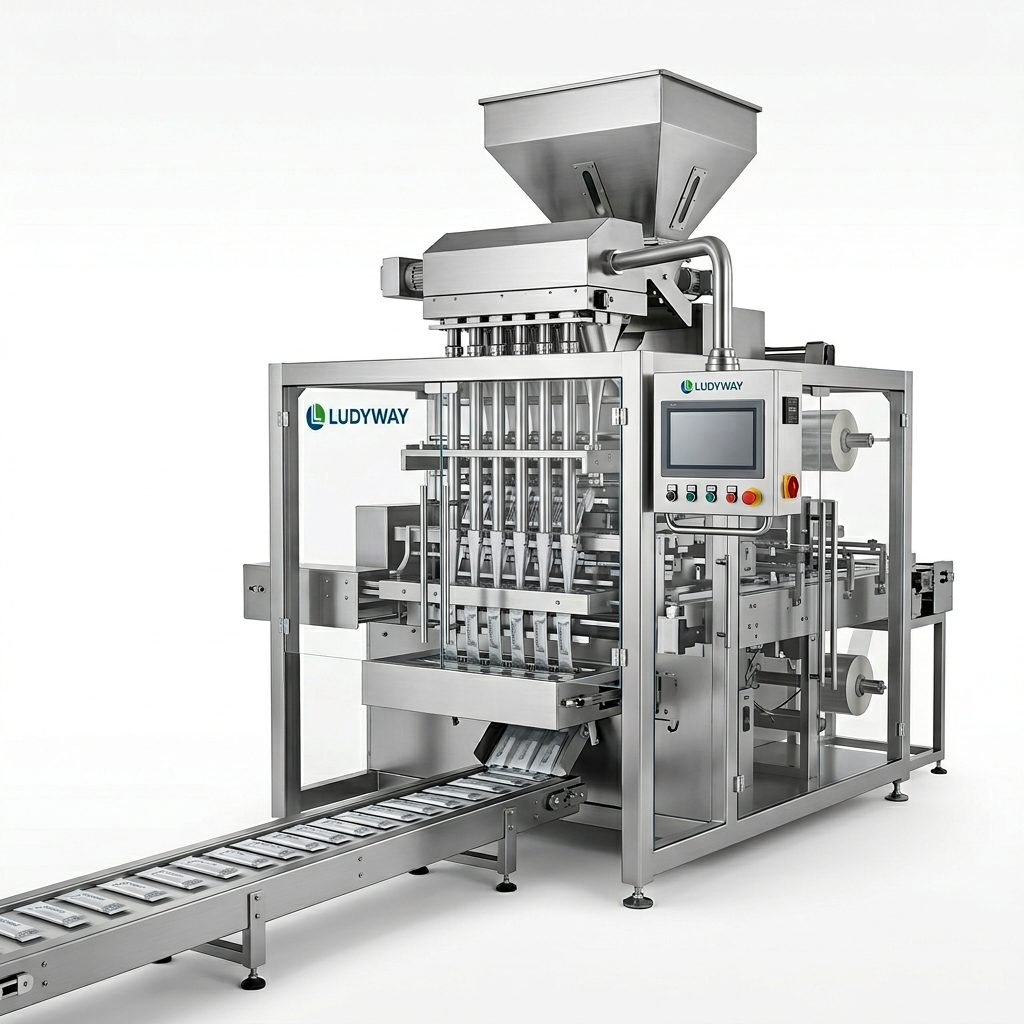
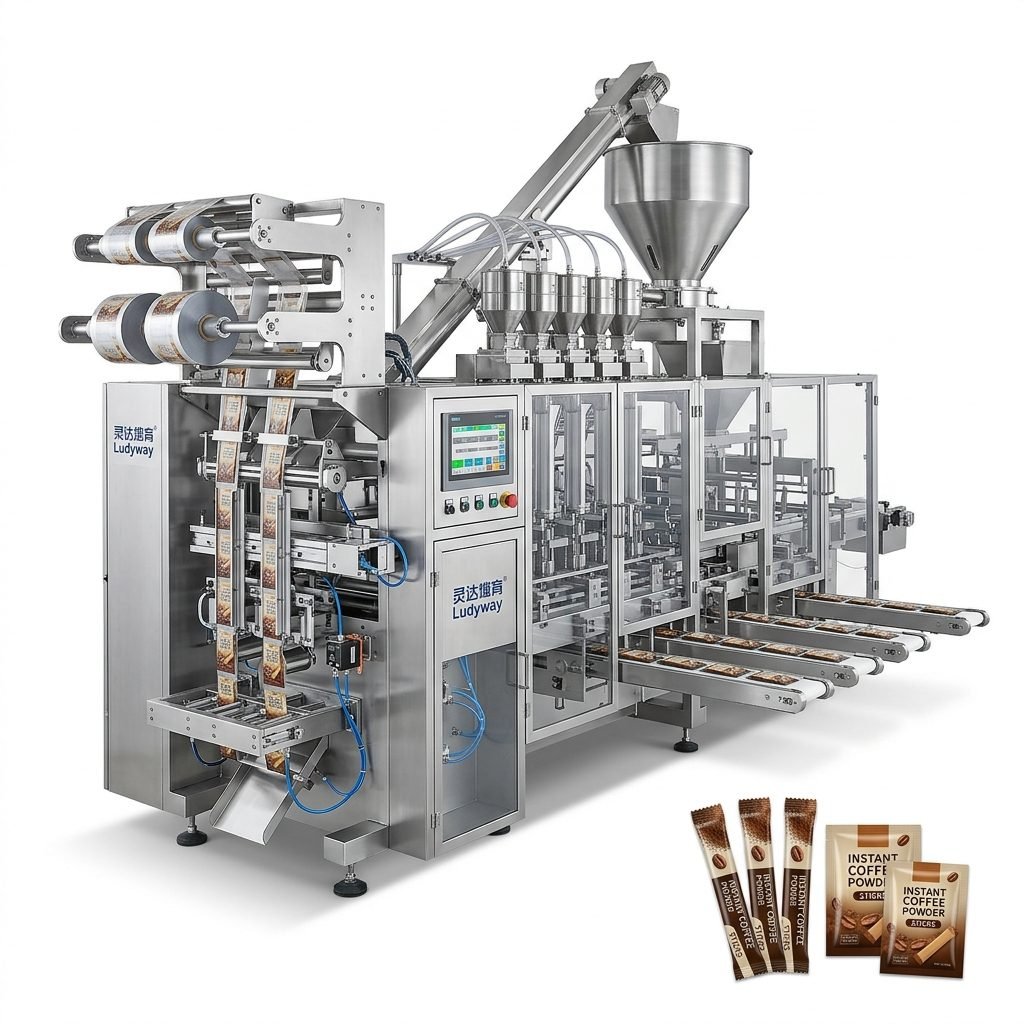
2. Sachet and Stick Pack Machines
Ideal for single-dose or small-format packaging. They are often used for coffee, nutritional powders, sauces, health supplements, and pharmaceutical granules.
3. Premade Pouch Packing Machines
These systems fill and seal already formed pouches, which is useful for premium retail packaging and products requiring special pouch styles such as zipper pouches or spouted bags.
4. Bottle and Jar Filling Lines
Suitable for tablets, capsules, powders, liquids, creams, and health products that need rigid containers.
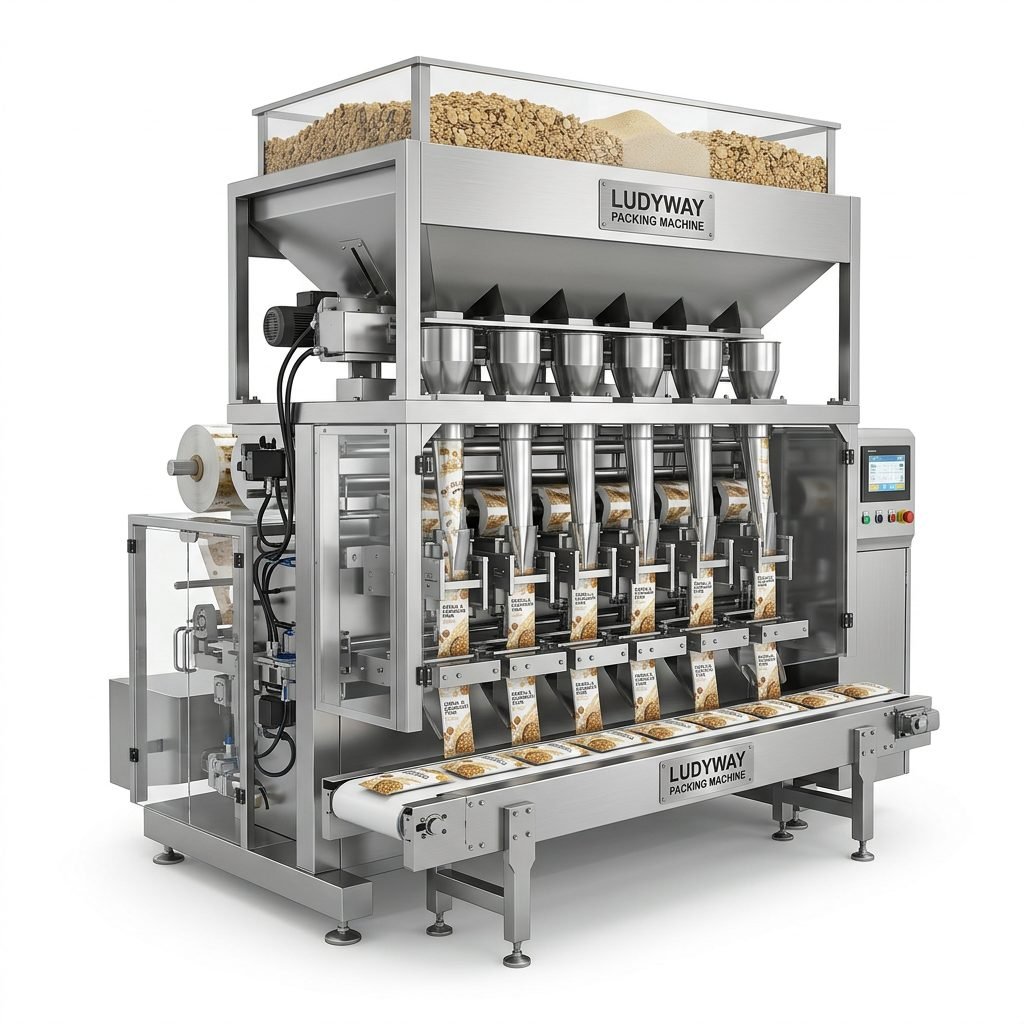
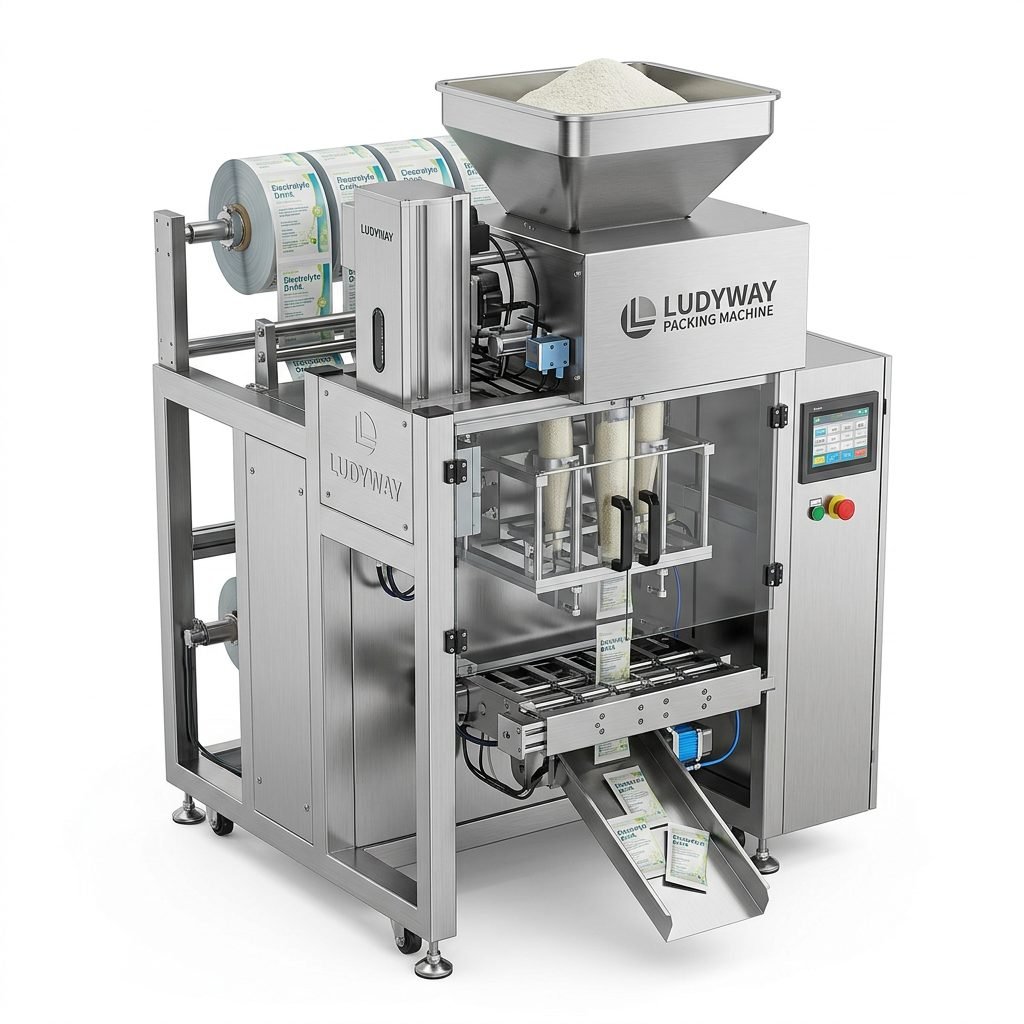
5. Multi-Lane Packaging Machines
Designed for high-speed output by running several lanes simultaneously. They are common in food, pharmaceutical, and personal care sectors where mass production is essential.
Industries That Use Pre Packing Machines
Pre packing machines are highly versatile and can support many industries:
- Food: coffee, spices, sugar, flour, sauces, seasoning, snacks, dairy powders
- Pharmaceutical: granules, powders, tablets, capsules, oral liquids, medical consumables
- Health supplements: protein powder, collagen, vitamins, electrolyte mixes, herbal formulas
- Cosmetics: creams, lotions, serums, shampoos, gels, sachet samples
- Chemicals: detergent powder, industrial additives, fertilizer, cleaning agents
- Pet care and feed: pellets, powders, supplements, treats, wet or dry food products
Benefits of Using a Pre Packing Machine
Higher Packaging Efficiency
Automation allows manufacturers to process more units per hour than manual packing. This supports business growth without adding the same proportion of labor.
Better Accuracy and Consistency
Accurate dosing reduces product giveaway and helps maintain package-to-package uniformity. This is especially important in food, pharmaceuticals, and supplements.
Improved Hygiene and Safety
Closed and automated systems reduce direct human contact with the product, helping maintain sanitary conditions and reduce contamination risks.
Lower Labor Dependence
One properly configured machine can replace multiple manual packaging tasks, reducing labor costs and minimizing operator fatigue.
Scalable Production
Manufacturers can start with a standalone machine and later expand into a complete turnkey line with upstream feeding and downstream cartoning or palletizing.
Stronger Packaging Quality
Consistent seals, precise filling, and integrated coding systems help improve shelf appearance and reduce packaging defects.
| Benefit | Business Impact |
|---|---|
| Faster output | More packages per shift |
| Accurate filling | Reduced waste and better compliance |
| Automation | Lower labor costs and improved workflow |
| Stable sealing quality | Fewer rejects and stronger brand presentation |
| Modular design | Easy line upgrades as production grows |
What Products Can Be Packed?
A well-matched pre packing system can handle a wide variety of materials, including:
- Free-flowing powders
- Fine pharmaceutical granules
- Small pellets and seeds
- Viscous pastes and creams
- Free-flowing and semi-viscous liquids
- Capsules, tablets, and countable units
- Mixed solid products such as snacks or pet treats
Product characteristics matter because flowability, moisture, dust, viscosity, fragility, and filling volume all affect machine selection.
How to Choose the Right Pre Packing Machine
Understand Your Product Type
Start with the basics: is your product a powder, granule, liquid, paste, or solid piece? Different materials require different filling methods such as auger filling, piston filling, multihead weighing, or pump dosing.
Define Your Package Format
Think about whether you need sachets, stick packs, pouches, bottles, jars, or bags. The required format will strongly influence machine structure and sealing technology.
Estimate Output Requirements
Your target speed should be realistic and aligned with current sales, future growth, and shift planning. Buying a machine with too little capacity creates bottlenecks, while excessive capacity may increase unnecessary investment.
Consider Accuracy and Compliance
For pharmaceutical, nutraceutical, and premium food applications, precision and validation features are often essential. Make sure the system can meet your tolerance requirements.
Evaluate Integration Needs
Do you need just one machine, or a complete line with feeders, metal detectors, checkweighers, coding, cartoning, and palletizing? A scalable solution often provides better long-term value.
Check Maintenance and Support
Choose equipment that is easy to clean, simple to maintain, and backed by responsive technical support and spare parts availability.
Quick Selection Checklist
| Selection Factor | Questions to Ask |
|---|---|
| Product form | Is it powder, granule, liquid, paste, or solid? |
| Pack style | Do you need sachets, pouches, bottles, jars, or bags? |
| Output speed | How many packs per minute or per hour are required? |
| Automation level | Standalone machine or full automatic line? |
| Hygiene standard | Does your industry require special sanitary design? |
| Future expansion | Can the machine grow with your production plan? |
Common Features to Look For
- PLC control with touchscreen interface
- Servo-driven film pulling or dosing
- Quick changeover for different pack sizes
- Stainless steel contact parts
- Automatic alarm and reject systems
- Date coding and batch printing integration
- Nitrogen flushing or vacuum options when needed
- Remote support or diagnostic capability
When Is a Turnkey Packaging Line Better Than a Single Machine?
If your production already includes high daily volume, multiple packaging steps, or strict quality requirements, a turnkey line may be the better investment. Instead of buying isolated equipment, you can connect feeding, filling, sealing, inspection, cartoning, and end-of-line automation into one coordinated system.
For manufacturers seeking broad application flexibility across food, pharmaceutical, supplement, cosmetic, or chemical sectors, Ludyway provides packaging machines and turnkey packaging line solutions backed by more than 30 years of industry experience, a modern manufacturing base of over 20,000 square meters, and export service covering more than 100 countries and regions.
Common Buying Mistakes to Avoid
- Choosing by price only instead of total lifecycle value
- Ignoring product characteristics like dust, viscosity, or fragility
- Buying a speed level that does not match upstream or downstream processes
- Overlooking cleaning and maintenance requirements
- Not planning for future SKU expansion
- Failing to confirm after-sales technical support and spare parts access
FAQs About Pre Packing Machines
Can one pre packing machine handle different products?
Yes, many machines can handle multiple products if the material properties and packaging format are compatible. However, some products require dedicated dosing systems or special hygienic designs.
Are pre packing machines suitable for small businesses?
Yes. Entry-level and compact automatic models are available for growing businesses, while modular systems allow later expansion.
What is the difference between manual packing and pre packing automation?
Automation offers faster output, better consistency, less labor dependence, improved hygiene, and easier scale-up.
How long does it take to change package sizes?
It depends on the machine design. Some systems support quick changeovers, while others need more mechanical adjustment. This should be confirmed before purchase.
What industries benefit most from multi-lane systems?
Food, supplements, pharmaceuticals, cosmetics, and high-volume consumer goods manufacturing benefit most from multi-lane packaging due to high throughput requirements.
Final Thoughts
A pre packing machine is more than just packaging equipment—it is a productivity tool that affects output, quality, labor efficiency, hygiene, and long-term production scalability. The best choice depends on your product properties, package type, required speed, and integration needs.
If you evaluate these factors carefully, you can invest in a packaging solution that supports both current production efficiency and future business growth.