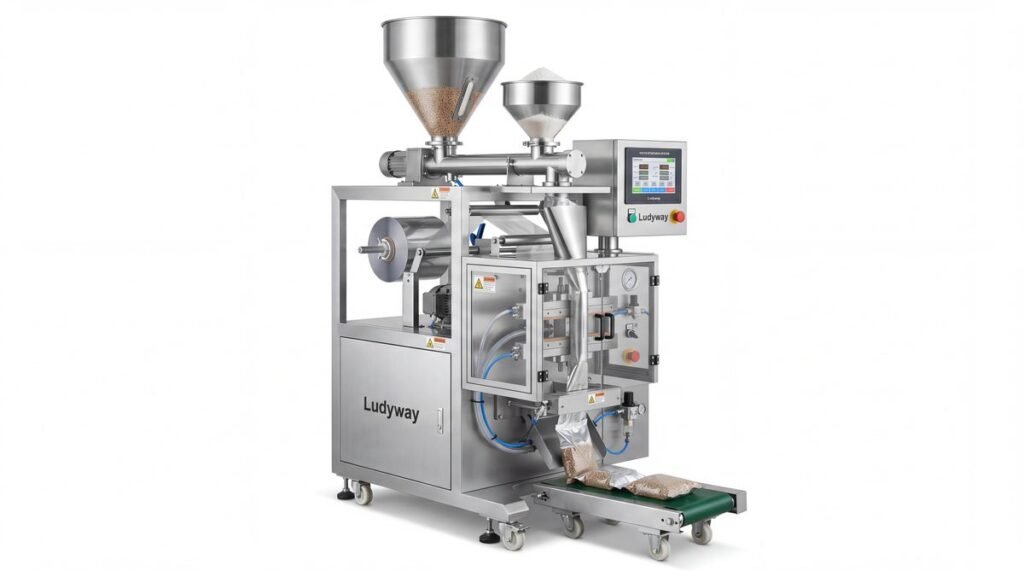
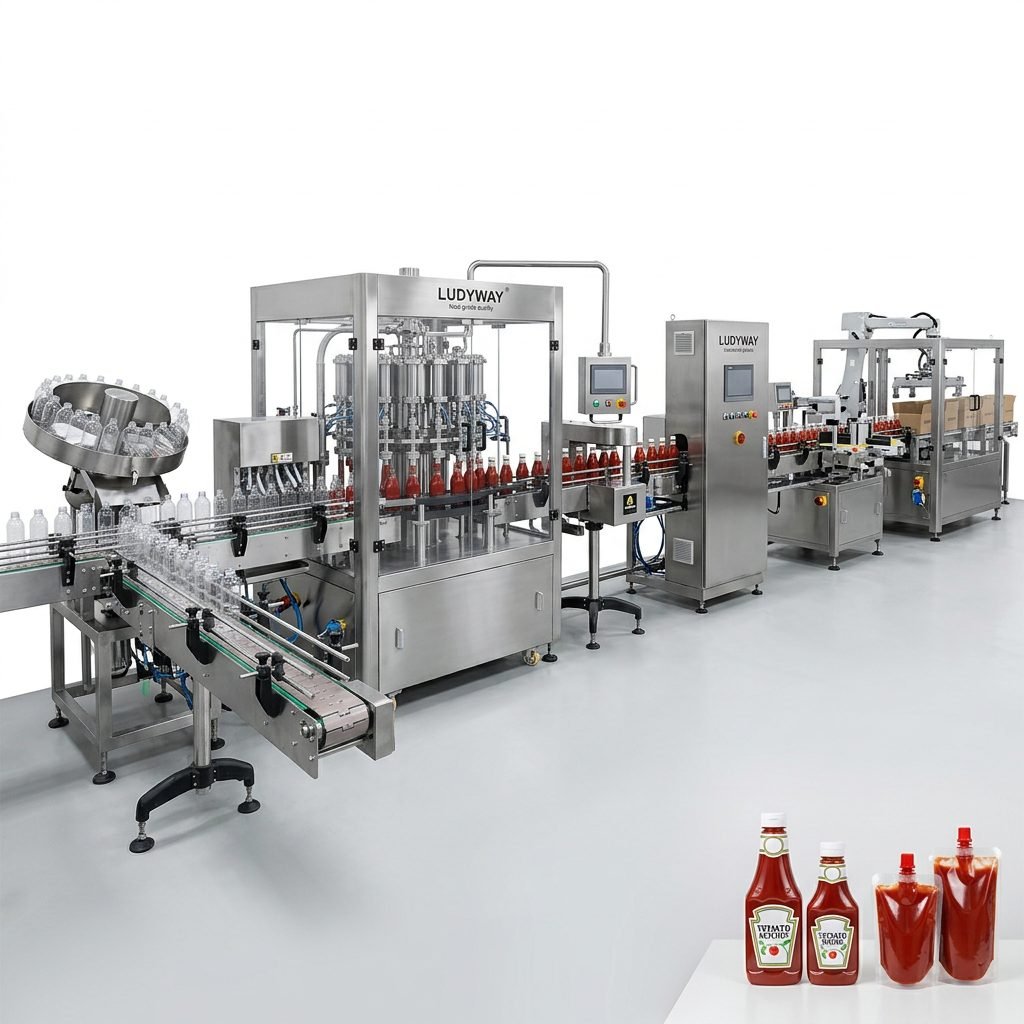
Choosing the right premade pouch packaging machine is not only about speed. It is about matching the machine to your product, pouch style, output target, hygiene standard, factory layout, and long-term expansion plan. When the right solution is selected, businesses can improve packaging efficiency, reduce product waste, maintain sealing consistency, and create a more professional finished package for the market.
For manufacturers in food, pharmaceuticals, health supplements, cosmetics, and chemical sectors, premade pouch systems are especially valuable because they support flexible packaging formats while delivering a high level of automation. A poor machine choice can lead to downtime, seal failures, inaccurate filling, and unnecessary operating costs. A well-matched system supports stable production and scalable growth.
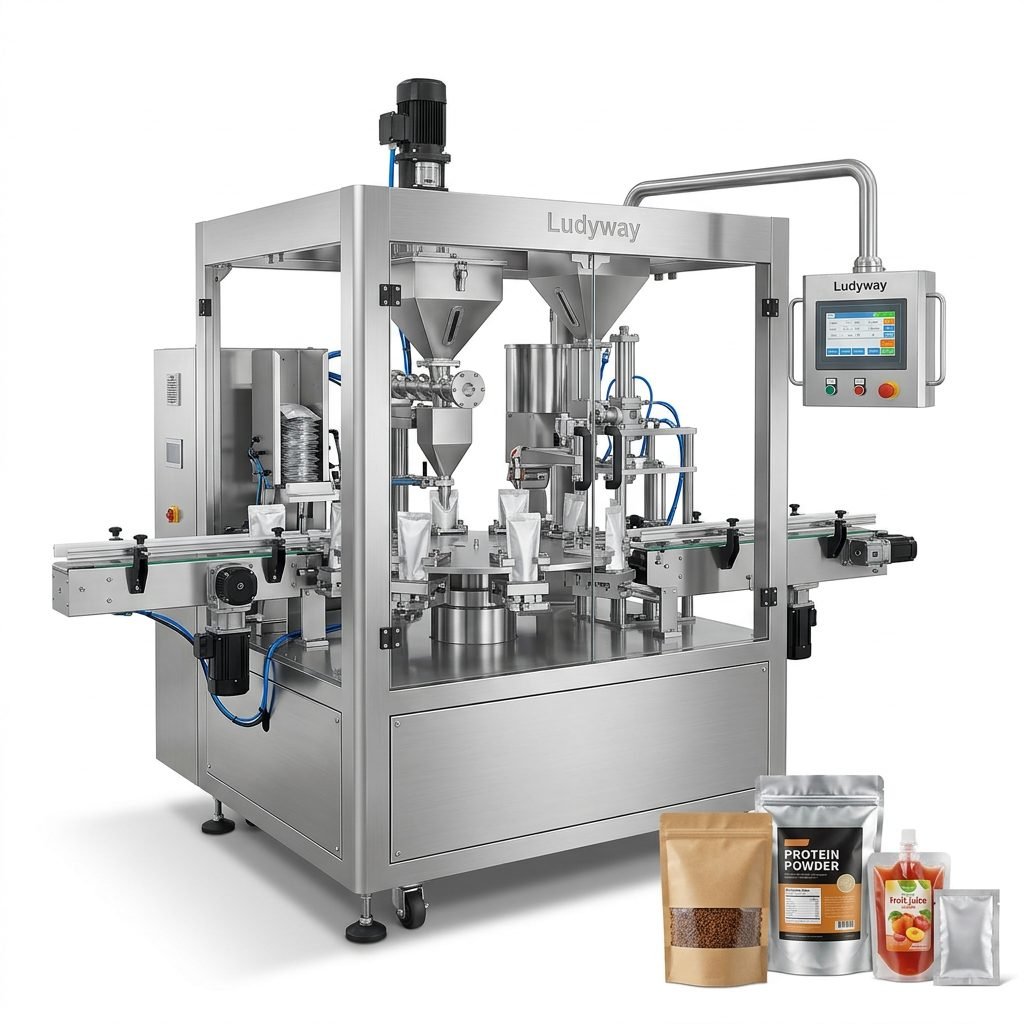
What Is a Premade Pouch Packaging Machine?
A premade pouch packaging machine is designed to automatically pick up preformed bags or pouches, open them, fill them with product, and then seal them. Unlike form-fill-seal machines that make bags from roll film, premade pouch systems work with already manufactured pouches such as:
- Stand-up pouches
- Flat pouches
- Zipper pouches
- Spout pouches
- Three-side seal pouches
- Four-side seal pouches
- Shaped pouches
This type of equipment is widely used for snacks, coffee, pet food, sauces, powders, capsules, supplements, personal care products, and many other packaged goods. It is particularly attractive for brands that care about shelf appeal, convenience, and packaging quality.
Why More Manufacturers Prefer Premade Pouch Solutions
Premade pouch machines have become increasingly popular because they combine packaging flexibility with premium presentation. Compared with traditional packaging formats, they offer several practical advantages.
- Better shelf impact: premade pouches often look more attractive and modern.
- Strong sealing performance: suitable for products that require leak resistance and freshness protection.
- Format flexibility: easy to support different pouch structures and materials.
- Lower material variation risk: pouch dimensions are pre-controlled by the pouch supplier.
- Convenient features: zipper, spout, tear notch, and hang hole options improve user experience.
For growing brands, this packaging style also helps communicate higher product value to distributors and end users.
Key Factors to Consider Before Choosing a Machine
1. Product Type and Flow Characteristics
The first step is understanding your product clearly. Different materials require different feeding and filling technologies.
| Product Type | Typical Filling System | Main Consideration |
|---|---|---|
| Granules | Multi-head weigher / cup filler | Weight accuracy and product integrity |
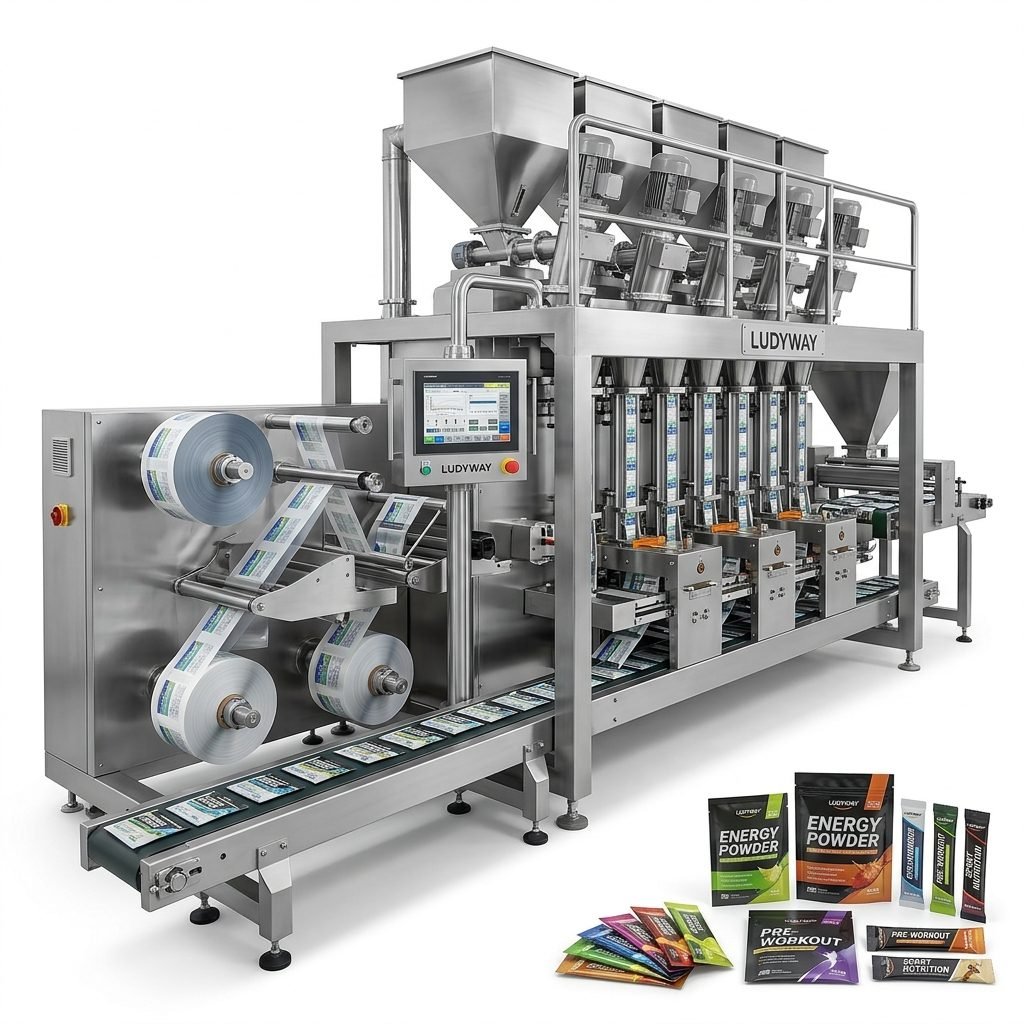
| Powders | Auger filler | Dust control and stable dosing |
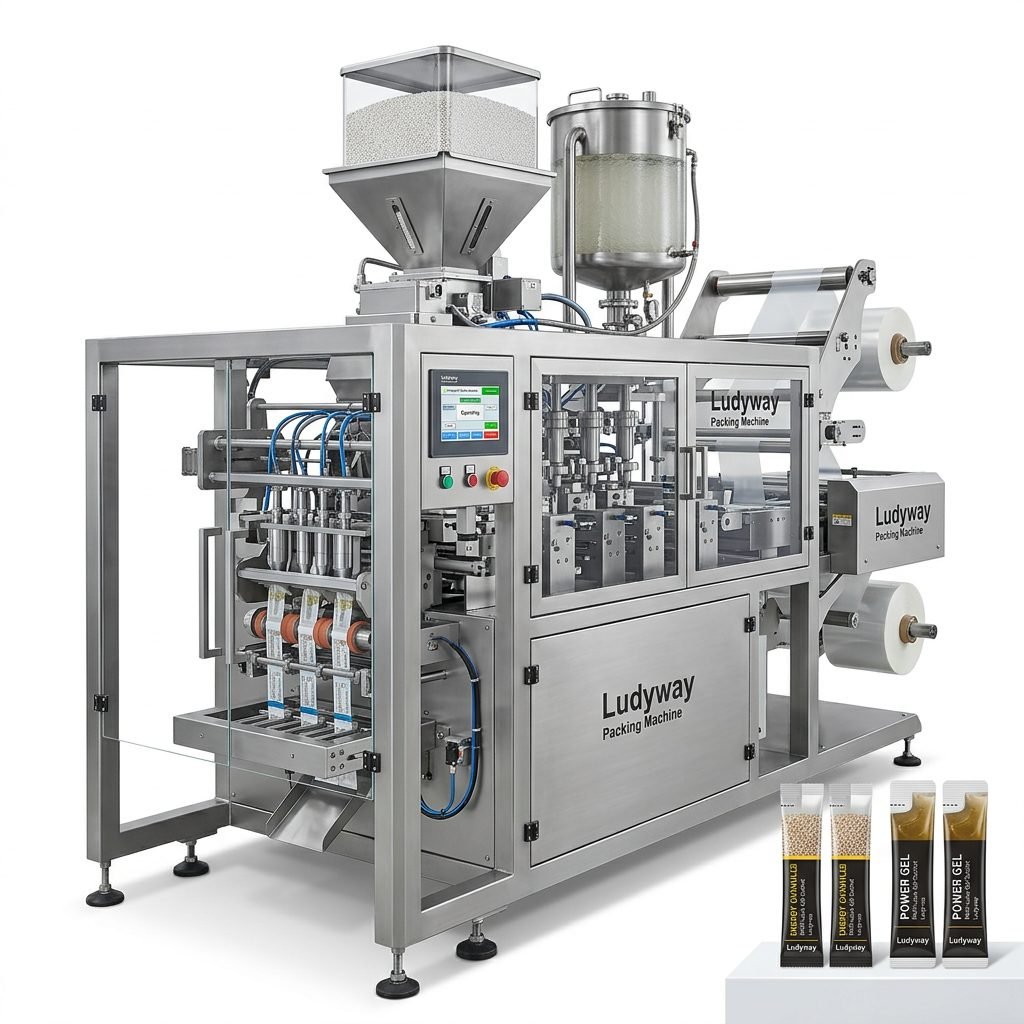
| Liquids | Piston pump / flow meter | Leak prevention and clean sealing area |
| Pastes | Servo piston filler | Viscosity handling and cutoff cleanliness |
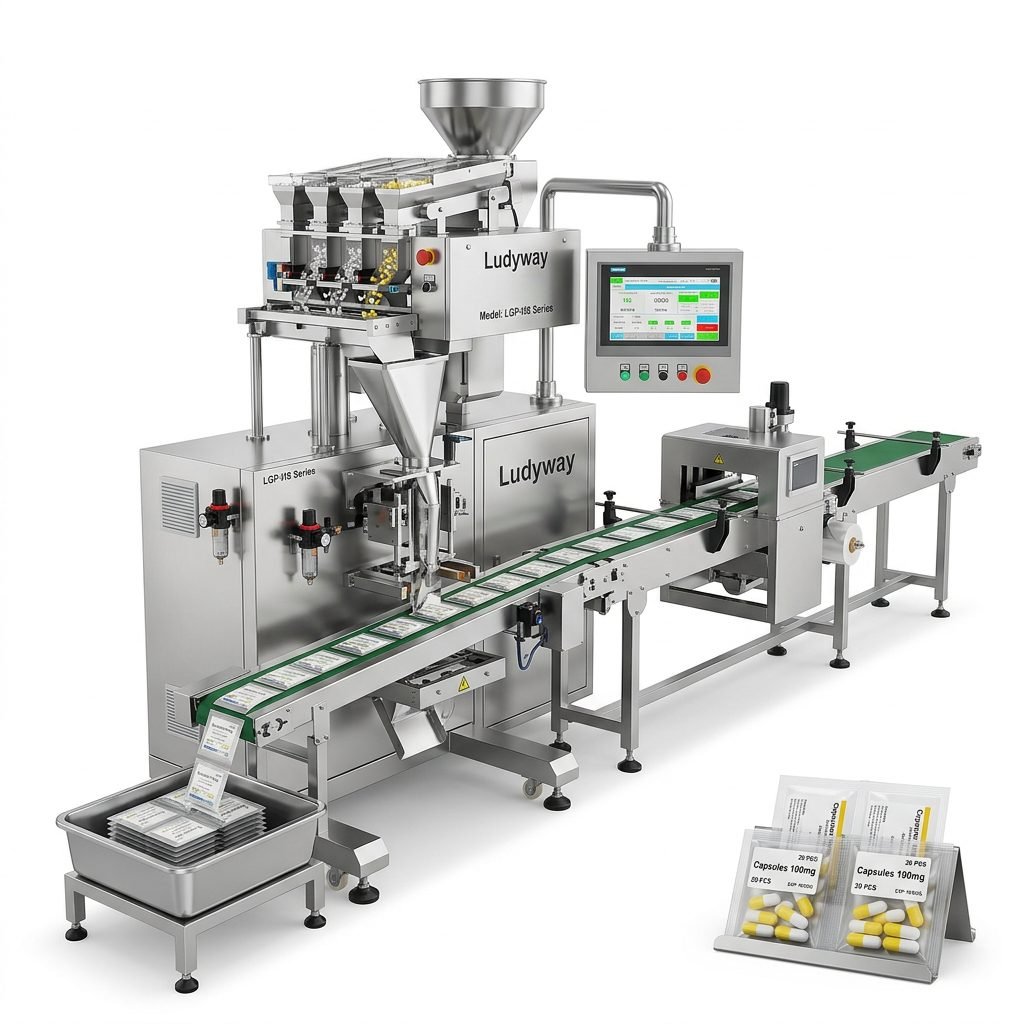
| Tablets / capsules | Counting system | Counting accuracy and anti-jam design |
If your product changes frequently, a machine with flexible changeover capability and recipe storage can save significant time in daily production.
2. Pouch Size, Structure, and Material
Not all premade pouch machines support the same bag range. Buyers should verify:
- Minimum and maximum pouch width and length
- Whether the machine can handle zipper pouches
- Compatibility with aluminum foil, laminated films, kraft paper, or recyclable materials
- Seal type and sealing temperature requirements
- Whether gusseted or shaped pouches are needed
Bag compatibility is one of the most common reasons for project delays. Always test real pouch samples before finalizing the machine model.
3. Required Output Speed
Speed should be evaluated realistically. Many buyers focus only on the highest cycle rate, but actual output depends on product flow, pouch design, fill volume, and downstream coordination.
Ask these questions:
- What is your target packs per minute under normal production conditions?
- Will the line run one shift or multiple shifts?
- Is seasonal demand expected to increase sharply?
- Do you need extra capacity for future SKU growth?
In many cases, a slightly slower but more stable machine delivers better total output over time than a higher-speed system with frequent stoppages.
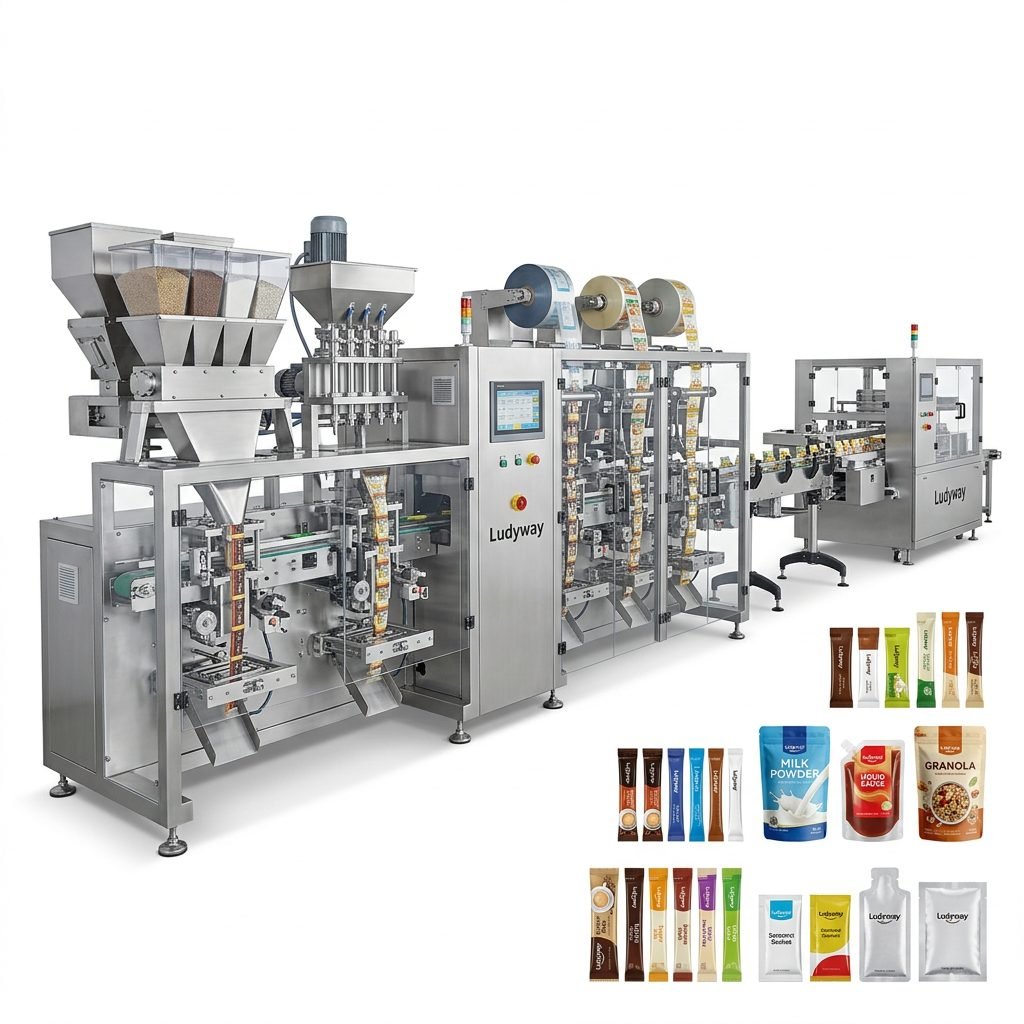
4. Filling Accuracy and Product Waste Control
Efficiency is not just about speed; it also depends on how accurately the machine fills each pouch. Overfilling raises material costs, while underfilling can create compliance or customer satisfaction issues.
Look for features such as:
- Servo-controlled dosing systems
- Automatic weight feedback adjustment
- No pouch, no fill function
- No pouch opening detection
- Reject system for abnormal packages
These features help maintain consistent product output while reducing waste and rework.
5. Seal Quality and Packaging Integrity
The seal is critical to package performance. Weak sealing can cause leakage, contamination, moisture ingress, and short shelf life. This is particularly important for powders, liquids, pharmaceuticals, and high-value nutrition products.
Evaluate the machine’s sealing system based on:
- Temperature control accuracy
- Seal pressure consistency
- Seal jaw design
- Ability to remove product from the sealing zone
- Cooling and finishing quality
For liquid or paste products, anti-drip filling and pouch mouth cleaning functions are especially valuable.
6. Automation Level and Line Integration
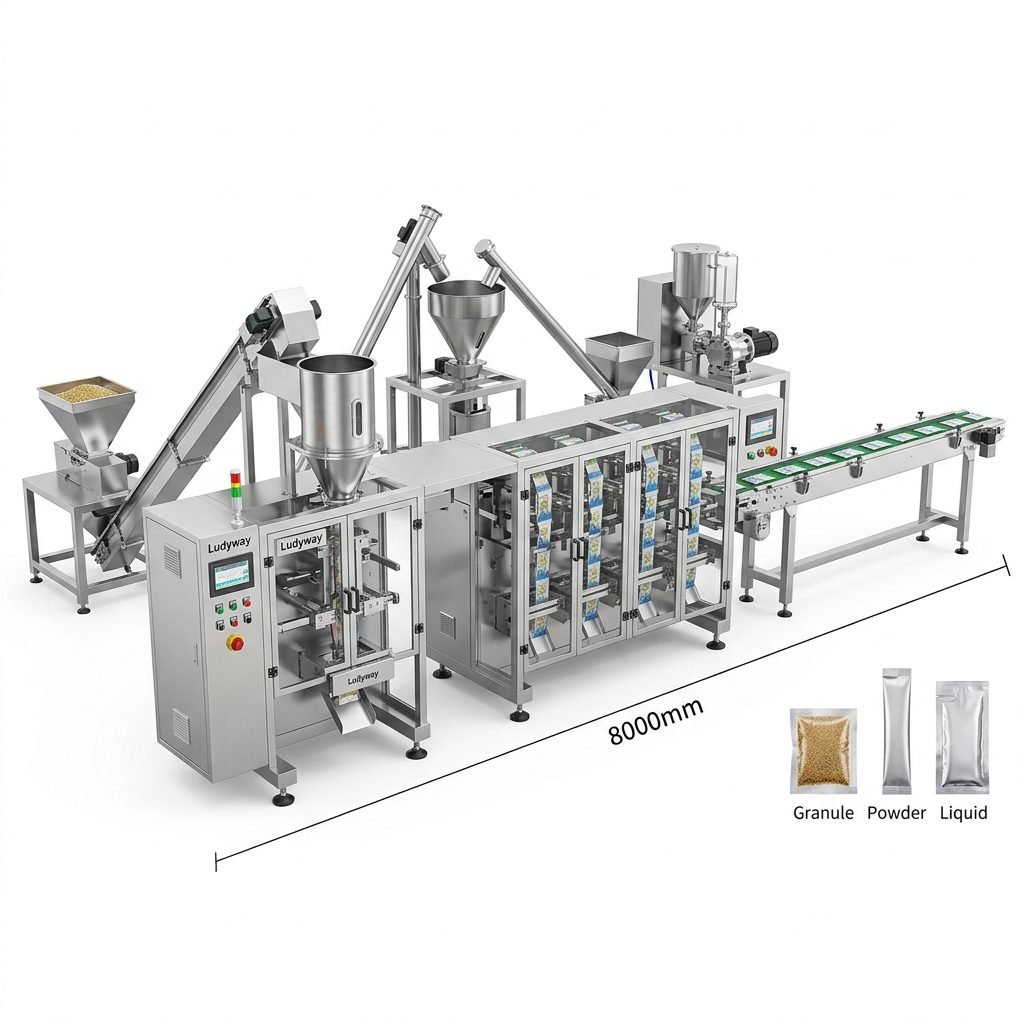
A standalone machine may be enough for small production, but many factories benefit more from an integrated system. Efficient packaging often depends on upstream and downstream coordination.
A complete solution may include:
- Feeding and conveying equipment
- Weighing or dosing unit
- Premade pouch filling and sealing machine
- Metal detector or checkweigher
- Labeling or coding system
- Cartoning, case packing, or palletizing equipment
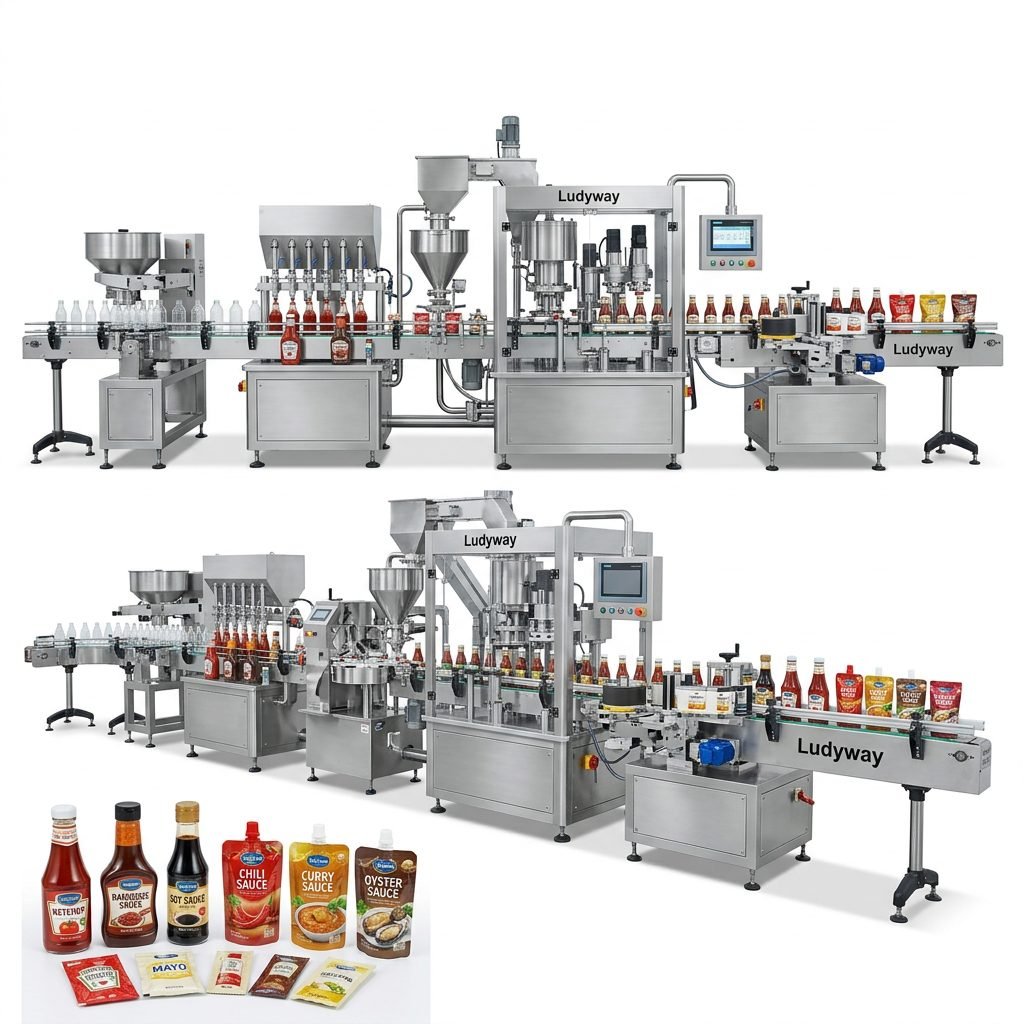
For businesses seeking broader automation, Ludyway provides packaging machinery and turnkey packaging line solutions for food, pharmaceutical, health supplement, and related industries, helping buyers match machine configuration to real production goals.
How to Match the Right Machine to Your Industry
Food Industry
Food manufacturers often need high efficiency, accurate filling, and good package appearance. Important concerns include hygiene design, easy cleaning, nitrogen flushing options, and compatibility with different snack or seasoning products.
- Nuts and dried fruits
- Coffee and tea
- Spices and seasonings
- Sauces and condiments
- Instant powders and drink mixes
Pharmaceutical and Health Supplement Industry
This sector places more emphasis on precision, traceability, and contamination control. Machines should support stable operation, clean contact parts, and reliable inspection systems.
- Powder sachets in pouches
- Capsule and tablet counting
- Medical powders or oral solutions
- Nutritional supplements
Cosmetic and Personal Care Industry
For creams, gels, lotions, and beauty products, pouch appearance and sealing quality are especially important. Clean filling, material compatibility, and elegant pouch handling all influence final package quality.
Chemical Industry
Chemical products may require corrosion resistance, dust control, or safe handling for aggressive materials. The correct machine structure and sealing system are essential for operational safety and product containment.
Important Technical Questions to Ask Suppliers
Before buying, ask detailed technical questions instead of relying only on catalogs or general quotations.
- What pouch types and sizes can the machine run stably?
- What filling system is recommended for my product?
- What is the real production speed with my actual pouch and fill volume?
- How long does product changeover take?
- What materials are used in product contact parts?
- Is the machine easy to clean and maintain?
- Can it integrate with checkweighers, coding units, and cartoning equipment?
- What after-sales service, spare parts, and remote support are available?
The quality of answers often reveals the supplier’s real engineering experience.
Common Mistakes When Buying a Premade Pouch Packaging Machine
- Choosing based only on price: lower initial cost can mean higher long-term operating cost.
- Ignoring pouch quality variation: unstable pouch dimensions can affect opening and sealing.
- Overestimating speed needs: unrealistic speed targets can reduce reliability.
- Not testing actual products: product flow behavior may differ from expectations.
- Overlooking maintenance access: difficult cleaning and servicing reduce uptime.
- Forgetting future expansion: today’s machine should not block tomorrow’s growth.
Checklist for Selecting an Efficient Packaging Solution
| Evaluation Item | Why It Matters |
|---|---|
| Product characteristics | Determines filling method and machine structure |
| Pouch type and material | Affects opening, filling, sealing, and machine compatibility |
| Output requirement | Helps determine machine model and automation level |
| Accuracy standard | Controls product cost and packaging consistency |
| Seal performance | Protects product quality and reduces leakage risk |
| Cleaning and maintenance | Directly affects uptime and hygiene control |
| Integration capability | Supports complete line efficiency and future upgrades |
| Supplier support | Ensures smoother installation, training, and long-term operation |
Signs You Have Chosen the Right Solution
A suitable premade pouch packaging machine should deliver measurable operational improvements. Good signs include:
- Stable pouch feeding and opening
- Accurate and repeatable filling
- Consistent seal appearance and strength
- Lower labor dependency
- Reduced waste and rejected packages
- Simple changeover between SKUs
- Reliable integration with the full packaging line
The best machine is not simply the fastest or the cheapest. It is the one that fits your product, your production target, and your long-term packaging strategy.
Final Buying Advice
When evaluating premade pouch packaging equipment, take a practical and engineering-based approach. Start from the product and pouch, then move to filling accuracy, sealing quality, automation level, maintenance convenience, and future line expansion. Request sample testing, review actual running videos, and compare not only machine specifications but also total production performance.
With the right selection process, a premade pouch packaging machine can become a high-value investment that improves productivity, strengthens packaging quality, and supports business growth across multiple product categories.