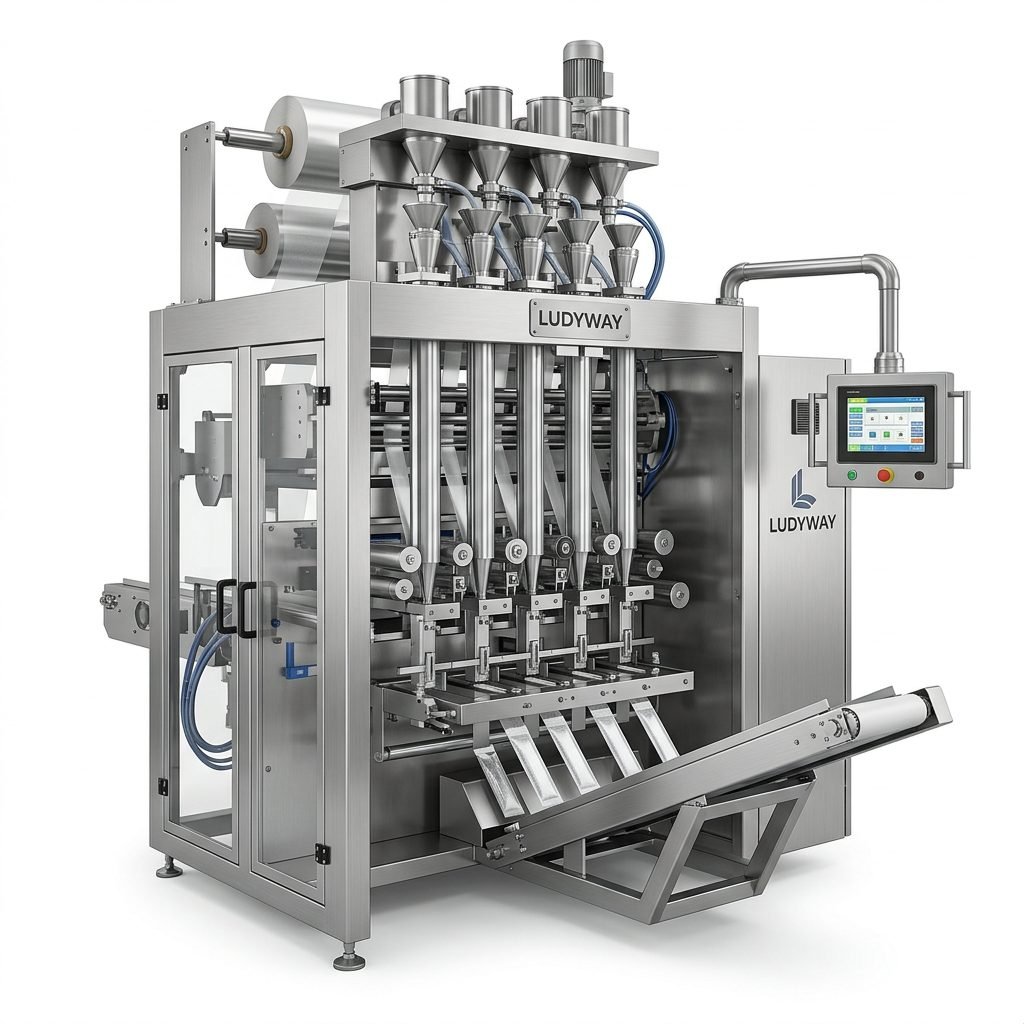
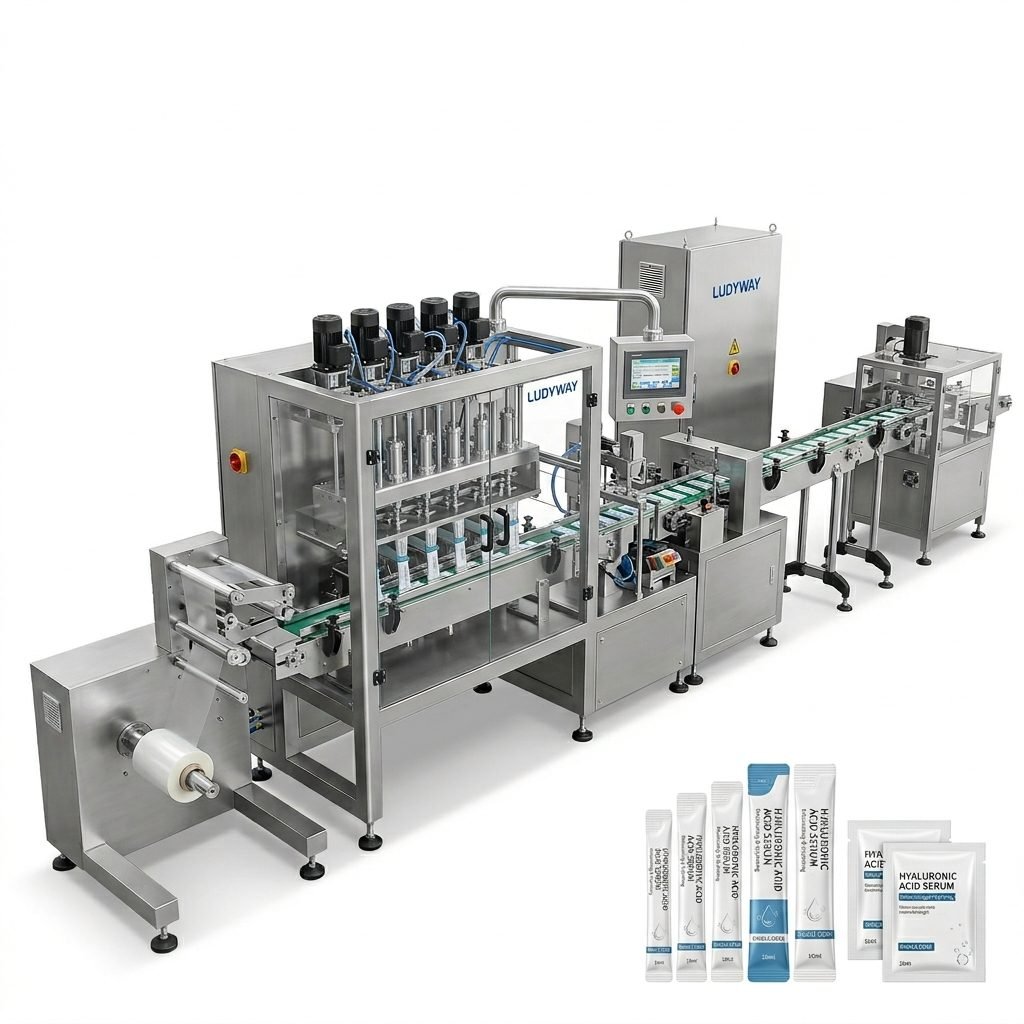
In the fast-paced world of manufacturing, efficiency and precision in product presentation are paramount. Filling packaging machinery stands as a critical component in achieving these goals, automating the process of measuring and dispensing products into their final containers. This technology is indispensable across numerous sectors, ensuring consistency, reducing waste, and enhancing production speed. This article delves into the various types of filling packaging machinery, their wide-ranging applications, and provides a comprehensive guide on selecting the ideal system for your specific operational needs.
Core Types of Filling Packaging Machinery
The landscape of filling machinery is diverse, with each type engineered to handle specific product forms and production volumes. Understanding these categories is the first step toward making an informed investment.
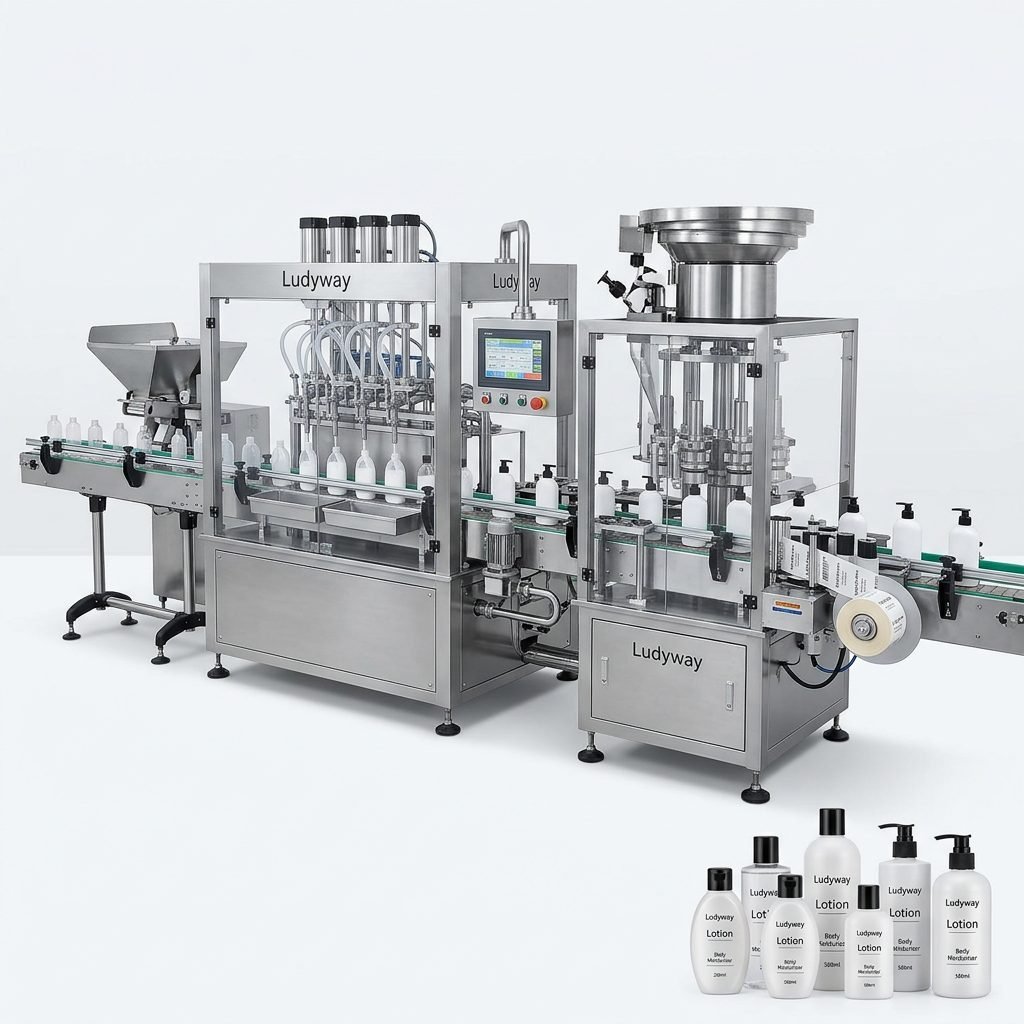
Liquid Filling Machines
Designed to handle products ranging from water-thin viscosities to thick creams and pastes, liquid fillers are among the most common. They utilize different principles for measurement:
• Volumetric Fillers: Use pistons, pumps, or timed flow to dispense a precise volume. Ideal for consistent, non-foaming products.
• Gravity Fillers: Rely on product weight to flow into containers. Best for free-flowing, low-viscosity liquids.
• Pressure Fillers: Apply pressure to push product into containers, suitable for carbonated beverages or viscous sauces.
• Net Weight Fillers: Highly accurate systems that weigh each container before and during filling, perfect for high-value products.
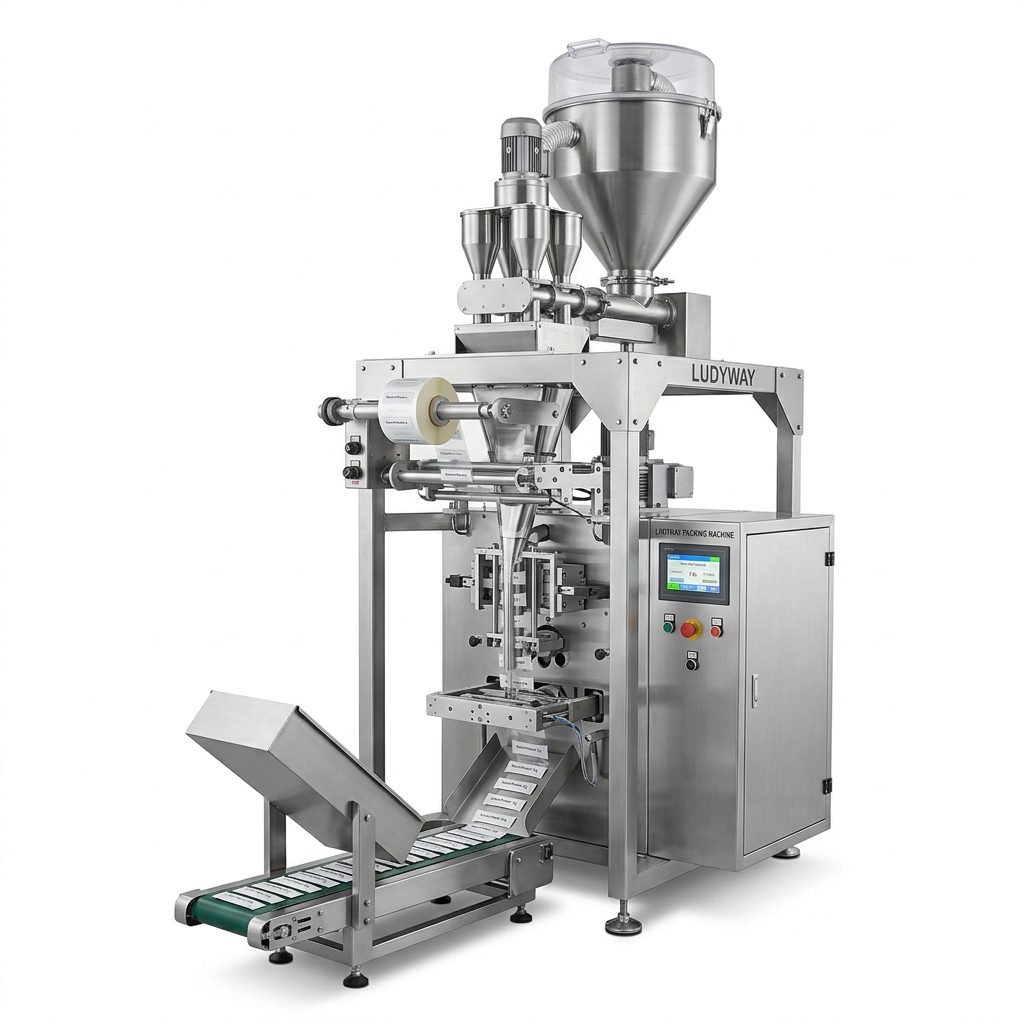
Powder Filling Machines
Handling dry, granular, or powdered substances presents unique challenges like dust and compaction. Common systems include:
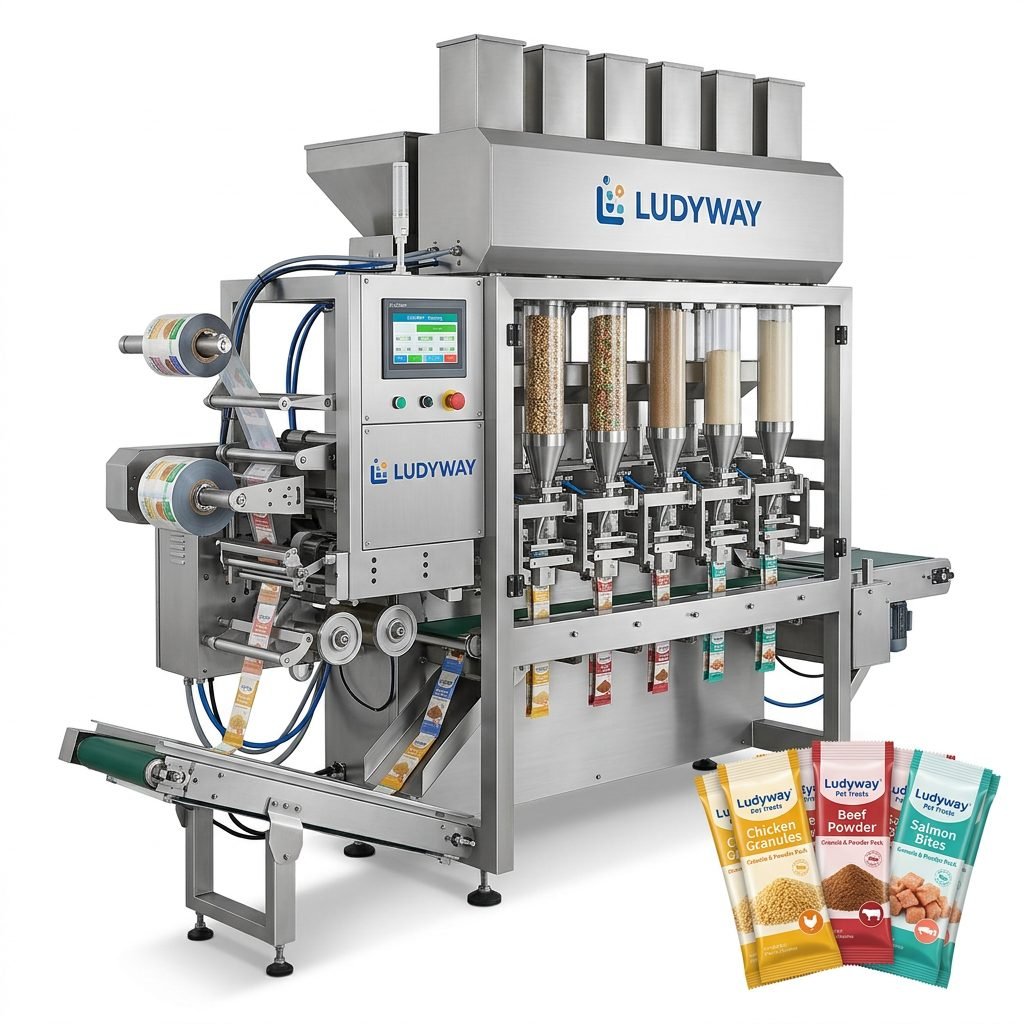
Auger Fillers: A rotating screw (auger) within a hopper dispenses powder. Accuracy is achieved by controlling the number of screw revolutions. This is a highly versatile and popular method.
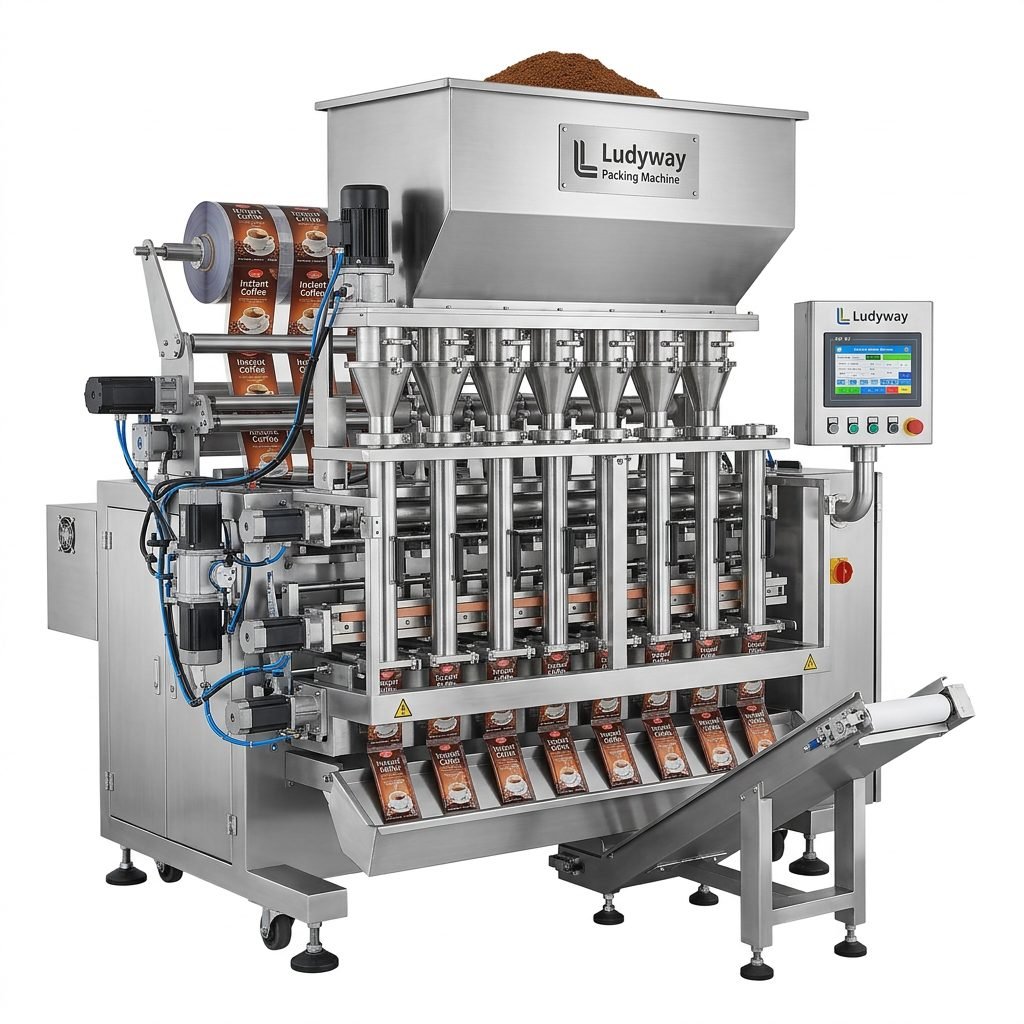
Volumetric Cup Fillers: Use rotating cups of a fixed volume to scoop and deposit powder. Excellent for free-flowing, non-compacting powders at high speeds.
Vacuum Fillers: Utilize suction to draw powder into a measuring chamber before releasing it into the container, minimizing dust and offering good accuracy.
Granule & Solid Filling Machines
For products like coffee beans, nuts, candies, or hardware items, specialized equipment is needed:
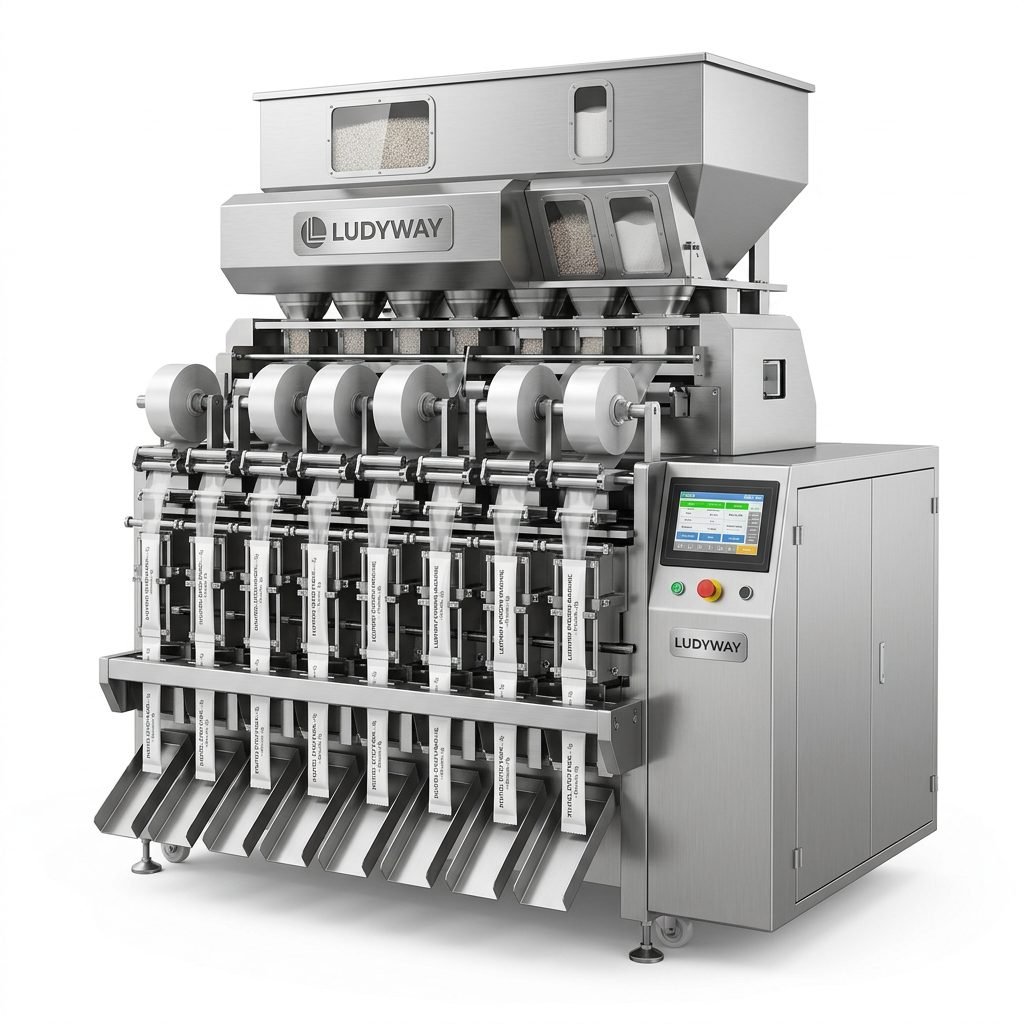
Multi-Lane Weighers (Combination Scales): The pinnacle of accuracy for granular solids. Product is distributed across multiple weigh buckets, and a computer calculates the optimal combination to reach the target weight instantly. Essential for snack food and frozen vegetable packaging.
Counters: Used for tablets, capsules, or small identical parts, these machines count items by using photoelectric cells, trays, or vibratory plates.
Key Applications Across Industries
The versatility of filling machinery makes it a cornerstone in virtually every manufacturing sector that packages discrete units.
Food & Beverage Industry
This is the largest application sector. Machines fill everything from bottled water, juices, and cooking oils to ketchup, yogurt, spices, and snack foods. Hygiene, speed, and the ability to handle various consistencies (from oil to chunks in sauce) are critical. Learn more about packaging solutions for the food sector.
Pharmaceutical & Healthcare
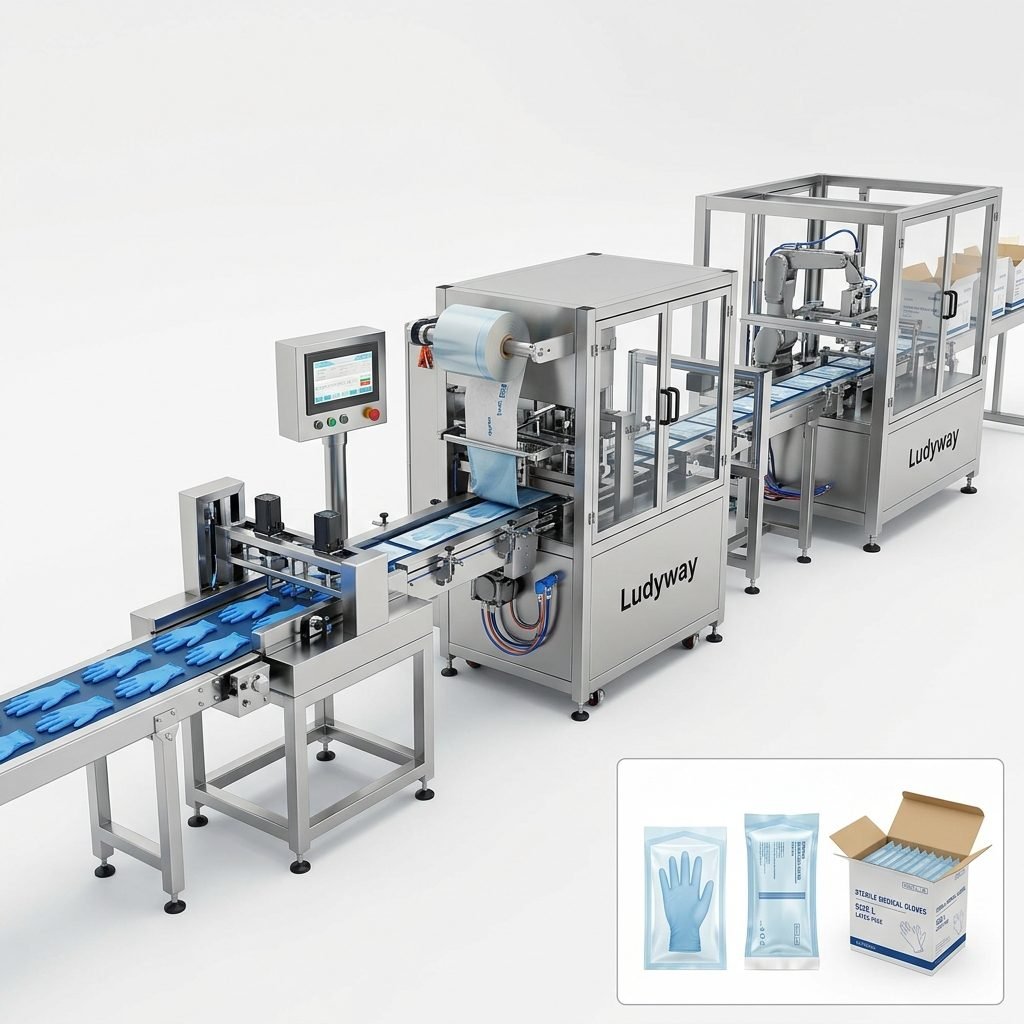
Precision and sterility are non-negotiable. Machines fill syringes, vials, blister packs with tablets, powder into capsules, and liquid medicines into bottles. They often operate in cleanroom environments and require stringent validation (e.g., according to cGMP standards).
Cosmetics & Personal Care
From lotions and shampoos to creams and serums, filling machines must handle diverse viscosities while maintaining aesthetic perfection (no drips or smears). Often integrated with capping and labeling in elegant turnkey production lines.
Chemicals & Household Products
This includes detergents, lubricants, pesticides, and paints. Machines must be constructed from materials resistant to corrosive or abrasive substances and often feature robust sealing to prevent leaks and fumes.
How to Choose the Right Filling System: A Step-by-Step Guide
Selecting the wrong machinery can lead to product waste, downtime, and lost revenue. Follow this framework to ensure a perfect match for your operation.
1. Analyze Your Product Characteristics
This is the most critical factor. Create a detailed profile:
Physical State: Is it liquid, powder, granule, paste, or a suspension? This directly dictates the machine type.
Viscosity: Does it flow like water, like honey, or like toothpaste? This determines the filling principle (gravity, piston, pump).
Behavior: Does it foam, aerate, contain particulates, or separate? Specialized features like snorkel fillers or agitation may be needed.
Value & Sensitivity: High-value products (pharmaceuticals, premium cosmetics) justify the cost of ultra-precise net weight fillers.
2. Define Your Production Requirements
Quantify your needs to find a machine with the right capacity.
Speed (Containers Per Minute – CPM): Calculate your required output based on shifts and future growth. Don’t just buy for today’s needs.
Container Variety: Will you run one container size/shape or many? If frequent changeovers are needed, prioritize machines with quick-change parts and recipe memory.
Accuracy & Fill Volume: What is your allowable margin of error? Regulatory requirements (e.g., FDA, EU) often set minimum and maximum fill limits.
3. Evaluate Machine Features & Construction
Look beyond the basic function to long-term reliability and safety.
Hygiene & Cleanability: For food and pharma, machines should have stainless steel contact parts, CIP (Clean-in-Place) capabilities, and minimal crevices.
Control System: A user-friendly HMI (Human-Machine Interface) with data logging, recipe storage, and diagnostic tools is invaluable for efficiency and traceability.
Durability & Support: Assess the build quality. A reliable partner like Ludyway Machinery, with over 30 years of industry experience, provides not just robust equipment but also crucial technical support and spare parts availability.
4. Consider Integration & Future-Proofing
Think of your filling machine as part of a larger system.
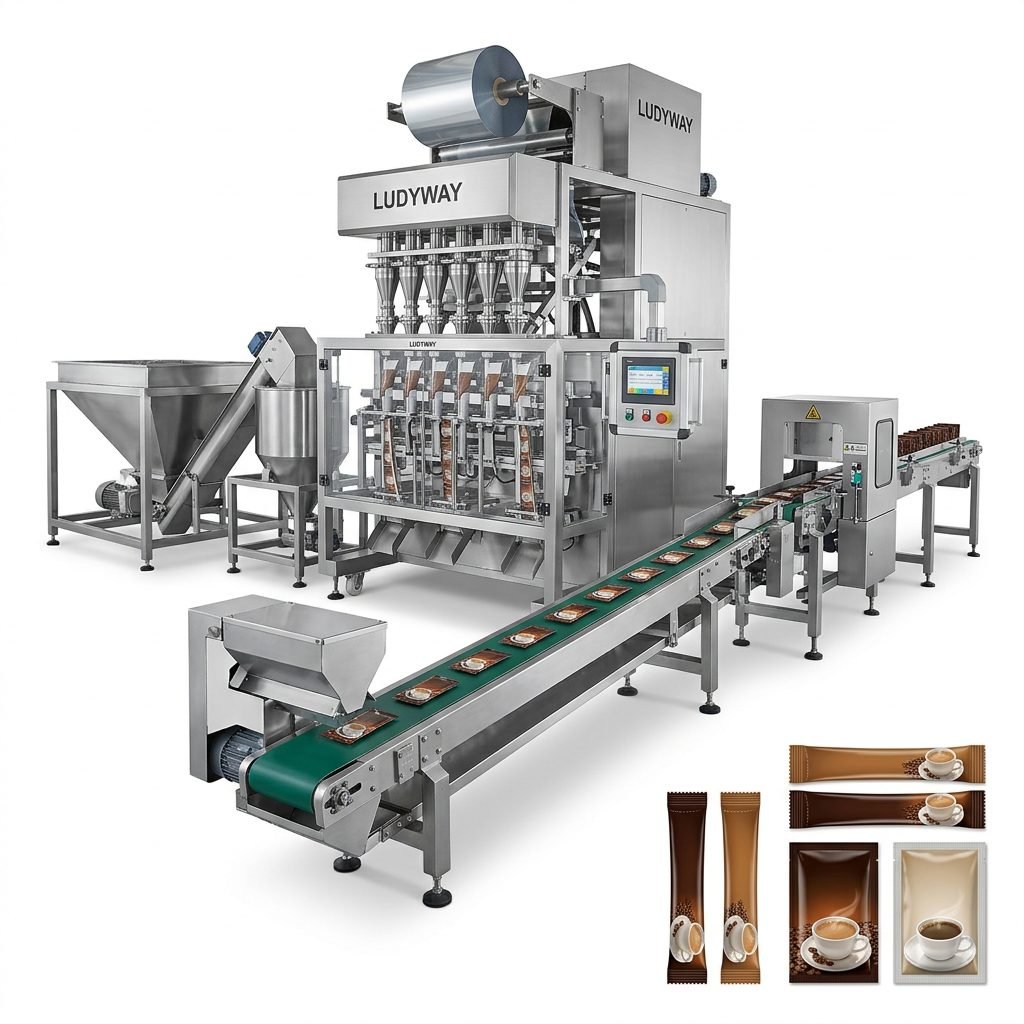
Upstream/Downstream Integration: Will it connect to unscramblers, cappers, labelers, or cartoners? Ensure compatibility or opt for a complete turnkey solution from a single supplier to streamline integration.
Flexibility: Can the machine adapt to new products or container types? Modular designs offer greater long-term value.
Automation Level: From semi-automatic (one operator loads containers) to fully automatic (integrated into a robotic line), choose the level that matches your labor strategy and investment plan.
Conclusion
Investing in the right filling packaging machinery is a strategic decision that impacts product quality, operational cost, and brand reputation. By thoroughly understanding your product’s properties, clearly defining production goals, and carefully evaluating machine features and supplier credibility, you can select a system that delivers precision, efficiency, and scalability. Partnering with an experienced provider ensures you gain not just a machine, but a sustainable solution tailored for long-term success in a competitive market.
Frequently Asked Questions (FAQs)
What is the most accurate type of filling machine?
For liquids and pastes, net weight fillers offer the highest accuracy as they weigh each container during the fill process, compensating for product density variations. For granules and solids, multi-lane combination weighers are the most precise technology available.
How do I maintain my filling machine to ensure longevity?
Regular maintenance is key. Follow the manufacturer’s schedule for lubrication, seal replacement, and calibration. Perform daily cleaning to prevent product buildup, especially with sticky or corrosive substances. Keep a log of all maintenance activities and performance data.
Can one machine handle both liquids and powders?
Generally, no. The design principles for handling these fundamentally different product forms are distinct. While some volumetric systems might be adapted with significant part changes, it is highly inefficient. For operations packaging both, it is standard to have dedicated machines for each product type.
What is the typical lead time for a new filling machine?
Lead times vary widely based on complexity, customization, and manufacturer backlog. For standard models, expect 8-16 weeks. For highly customized or turnkey systems, it can take 4-6 months or more. Always discuss timelines early in the procurement process.
How important is supplier after-sales support?
Extremely important. The quality of technical support, training, spare parts availability, and service response time directly affects your uptime and productivity. Choosing a supplier with a proven global support network, like Ludyway, minimizes operational risk and protects your investment.