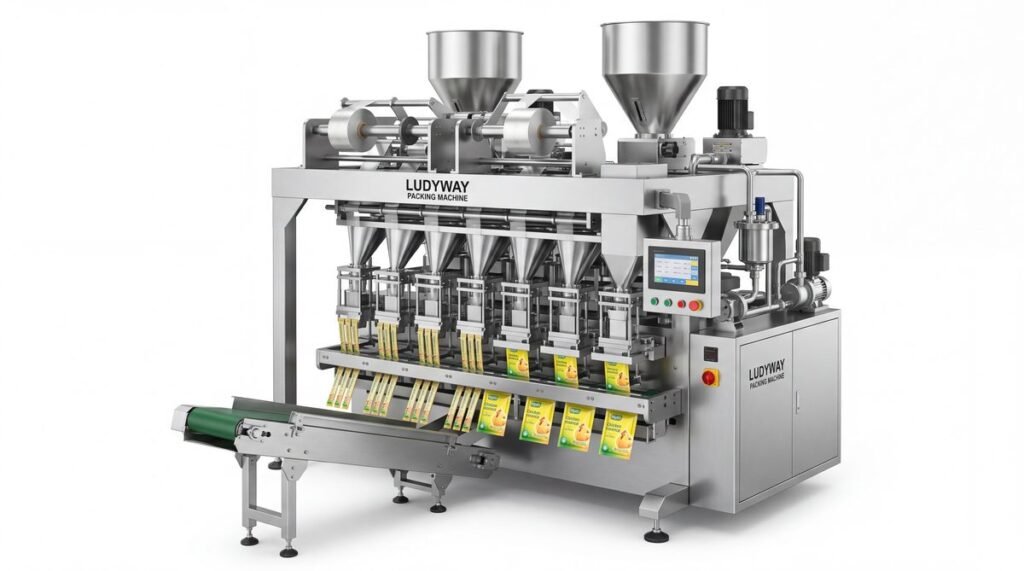
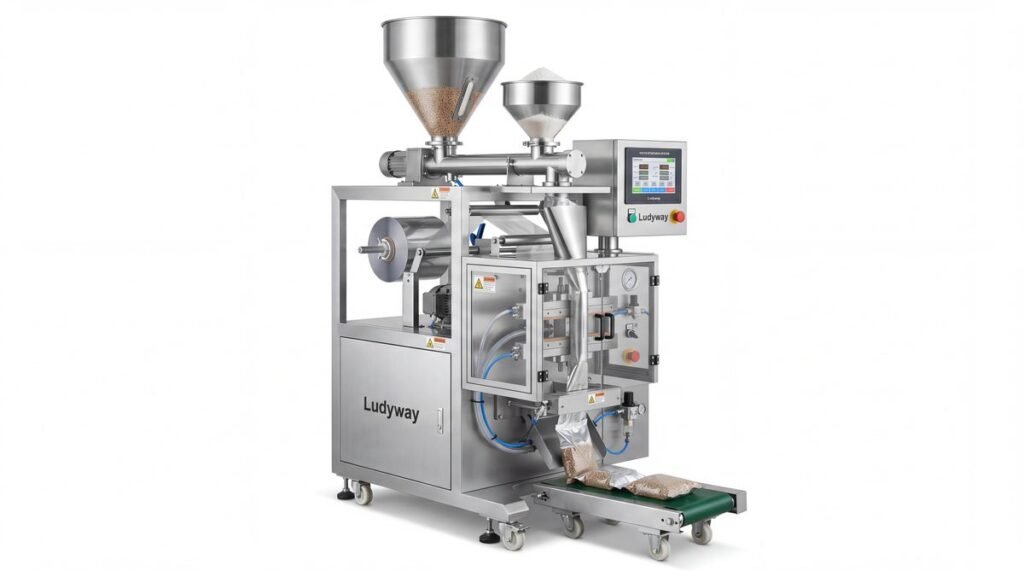
Stick pack machines are widely used in food, pharmaceutical, nutraceutical, cosmetic, and chemical industries because they help manufacturers package small-dose products quickly, accurately, and with lower overall operating expense. For brands selling powders, granules, liquids, gels, and pastes, the ability to reduce packaging costs without sacrificing quality is a major competitive advantage.
In this guide, we explain how stick pack machines reduce packaging costs, where the savings come from, and what buyers should evaluate before investing in a system.
What Is a Stick Pack Machine?
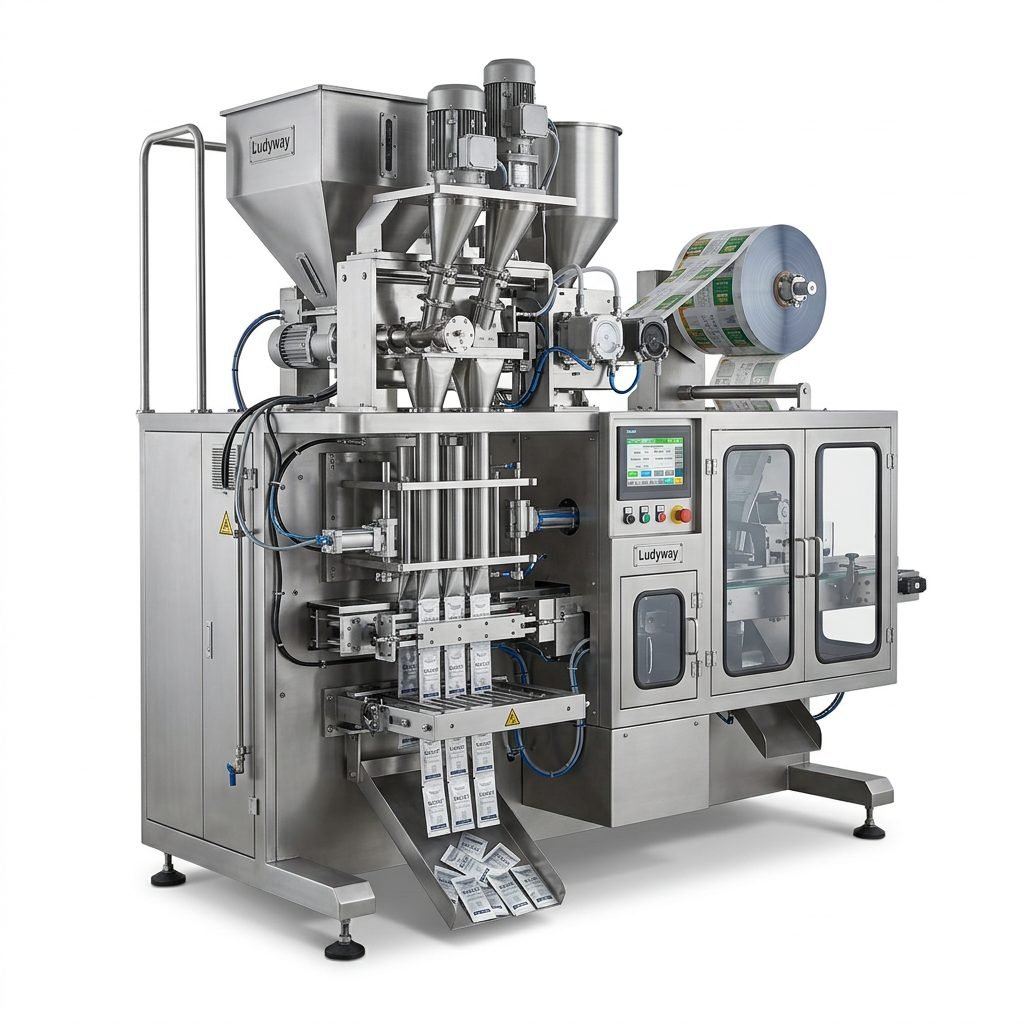
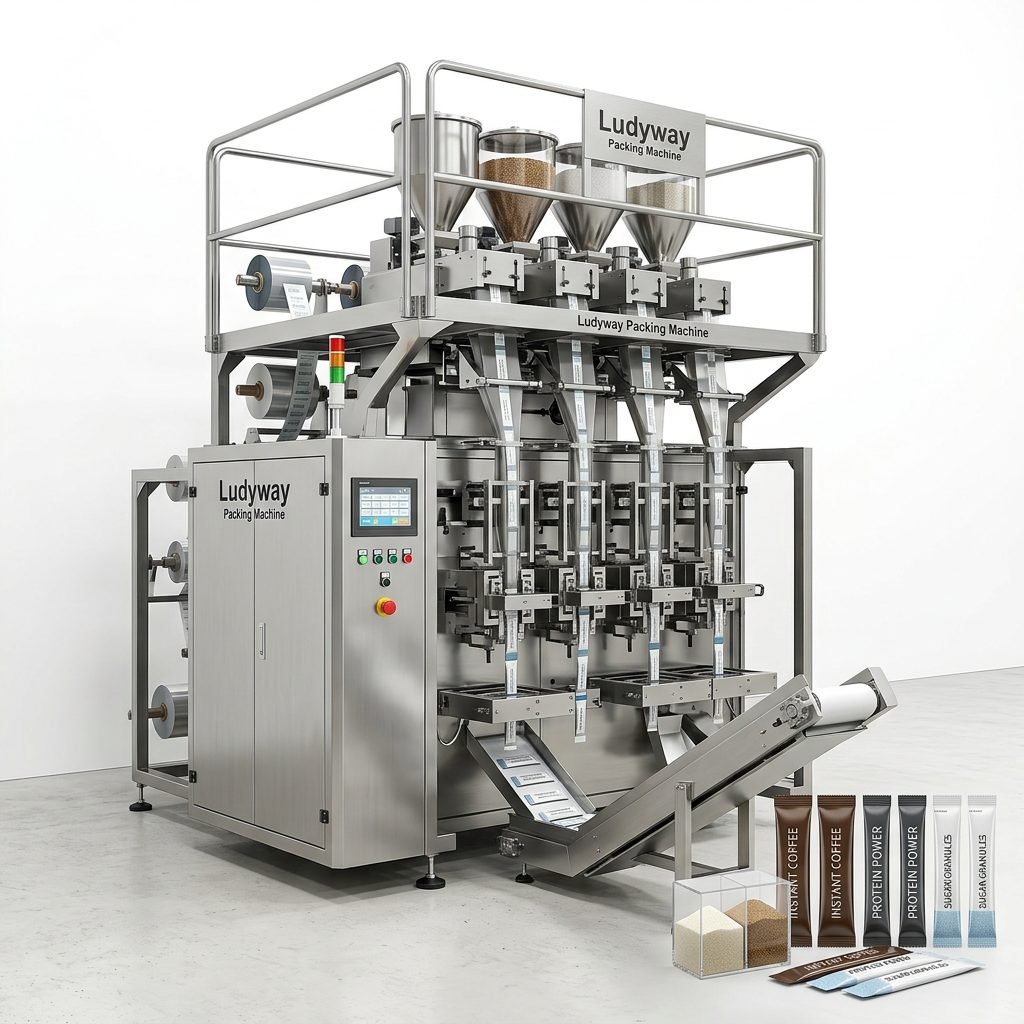
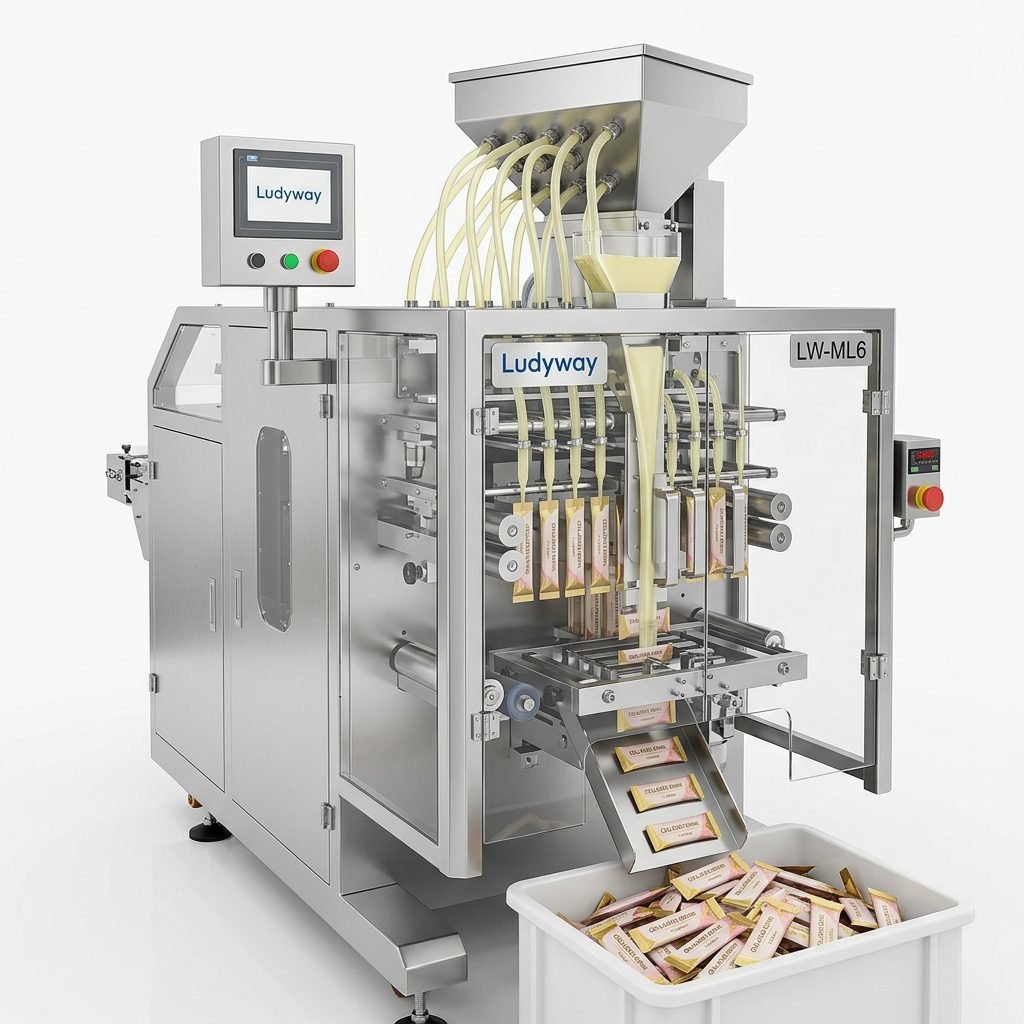
A stick pack machine is an automated packaging system that forms narrow, tube-shaped flexible packs, fills them with product, seals them, and cuts them into finished units. These machines are ideal for single-serve and portion-controlled packaging, such as coffee powder, sugar, collagen, oral rehydration salts, sauces, nutrition powders, and pharmaceutical granules.
Compared with larger sachets or rigid packaging formats, stick packs use less material and often support higher production speeds. This makes them an efficient choice for companies aiming to lower cost per pack.
Why Packaging Costs Matter More Than Ever
Packaging cost is not just the price of film. It includes labor, product giveaway, machine downtime, energy consumption, maintenance, floor space, changeover time, and logistics efficiency. Even a small reduction in cost per pack can create a significant annual saving when production volume is high.
- Rising raw material costs increase pressure on packaging budgets
- Labor shortages make automation more valuable
- Higher retail competition demands better margins
- Consumers increasingly prefer convenient single-dose packaging
- Export-oriented businesses need lightweight, efficient pack formats
The Main Ways Stick Pack Machines Reduce Packaging Costs
1. Lower Packaging Material Usage
One of the biggest reasons stick pack machines reduce cost is their efficient package shape. Stick packs are long and narrow, which means they often use less film than traditional sachets or small pouches for the same fill volume.
Less packaging material means:
- Lower film purchasing cost
- Reduced storage requirements for packaging rolls
- Lower transportation cost for packaging materials
- Less waste during production
For high-volume products, this material saving alone can substantially reduce total packaging expenses over time.
2. Reduced Labor Costs Through Automation
Manual or semi-automatic filling requires operators for feeding, measuring, sealing, checking, and packing. A modern stick pack machine automates most of these tasks in one continuous process. Multi-lane systems can produce several packs at once, further increasing output while keeping labor requirements low.
Labor savings typically come from:
- Fewer operators needed per shift
- Less manual weighing and filling
- Reduced repetitive work
- Lower training burden for packaging staff
- Better consistency with less human error
3. Higher Production Speed and More Output Per Hour
Packaging cost per unit drops when production speed increases efficiently. Stick pack machines, especially multi-lane models, are designed for high-speed continuous production. This helps manufacturers produce more saleable units in the same amount of time.
Higher throughput improves cost structure by spreading fixed costs across more units, including:
- Factory overhead
- Operator wages
- Equipment depreciation
- Utility costs
- Quality inspection expenses
4. Improved Filling Accuracy and Less Product Waste
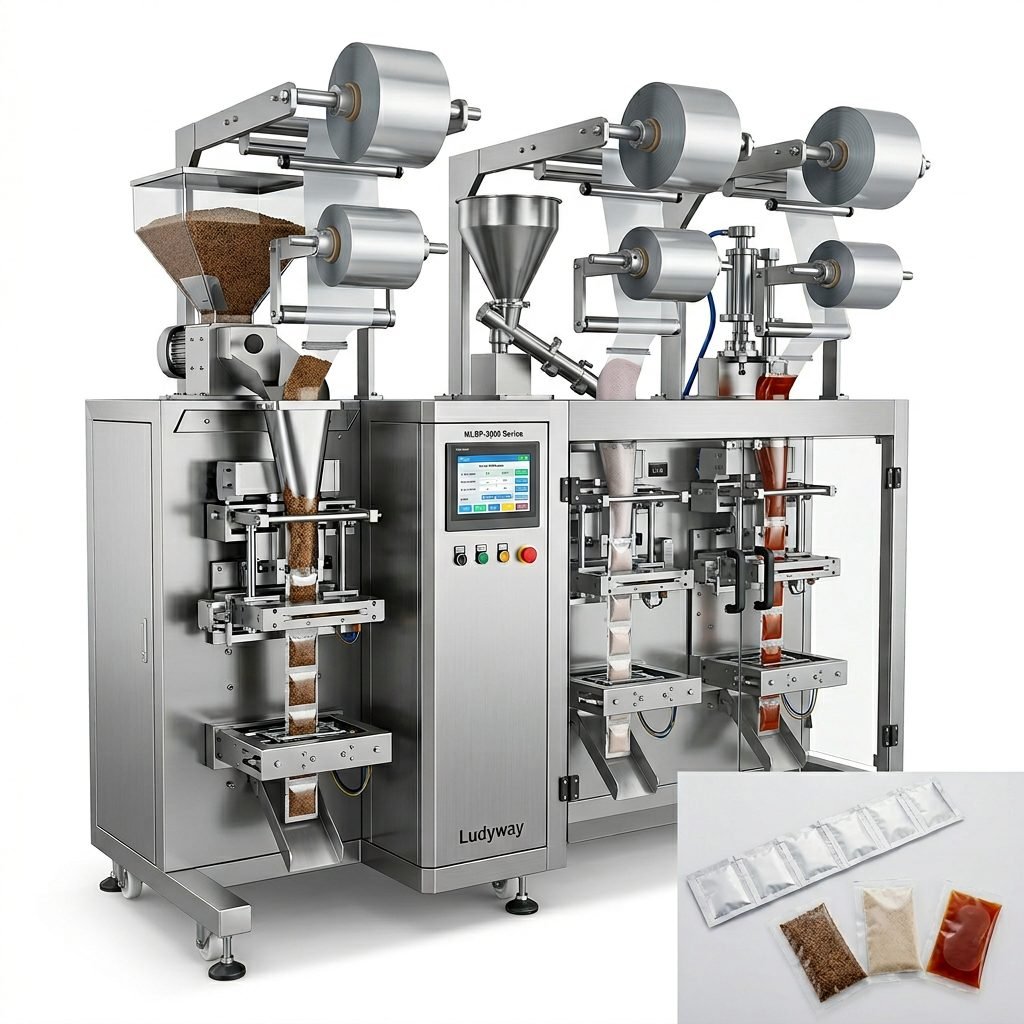
Overfilling is a hidden cost in many packaging lines. If every pack contains slightly more product than required, the annual giveaway can be very large. Stick pack machines equipped with precise dosing systems help reduce this issue.
Accurate filling leads to:
- Lower product giveaway
- Better batch consistency
- More reliable quality compliance
- Reduced complaint and return risk
This is especially important in pharmaceutical, health supplement, and premium food applications where product value per gram is high.
5. Less Waste From Better Sealing Performance
Seal failures create scrap, downtime, rework, and potential customer claims. A well-designed stick pack machine produces stable seals with controlled temperature, pressure, and timing. This reduces package leakage and rejects.
Better seal integrity can save money by lowering:
- Rejected packs
- Product contamination risk
- Repacking labor
- Warehouse losses
- After-sales quality disputes
6. Compact Footprint and Better Space Utilization
Factory floor space has real cost. Stick pack machines are often compact relative to their output, especially when compared with multiple standalone filling and sealing stations. A smaller footprint can improve line layout and allow more productive use of manufacturing space.
This supports cost reduction through:
- More efficient production line planning
- Lower facility expansion pressure
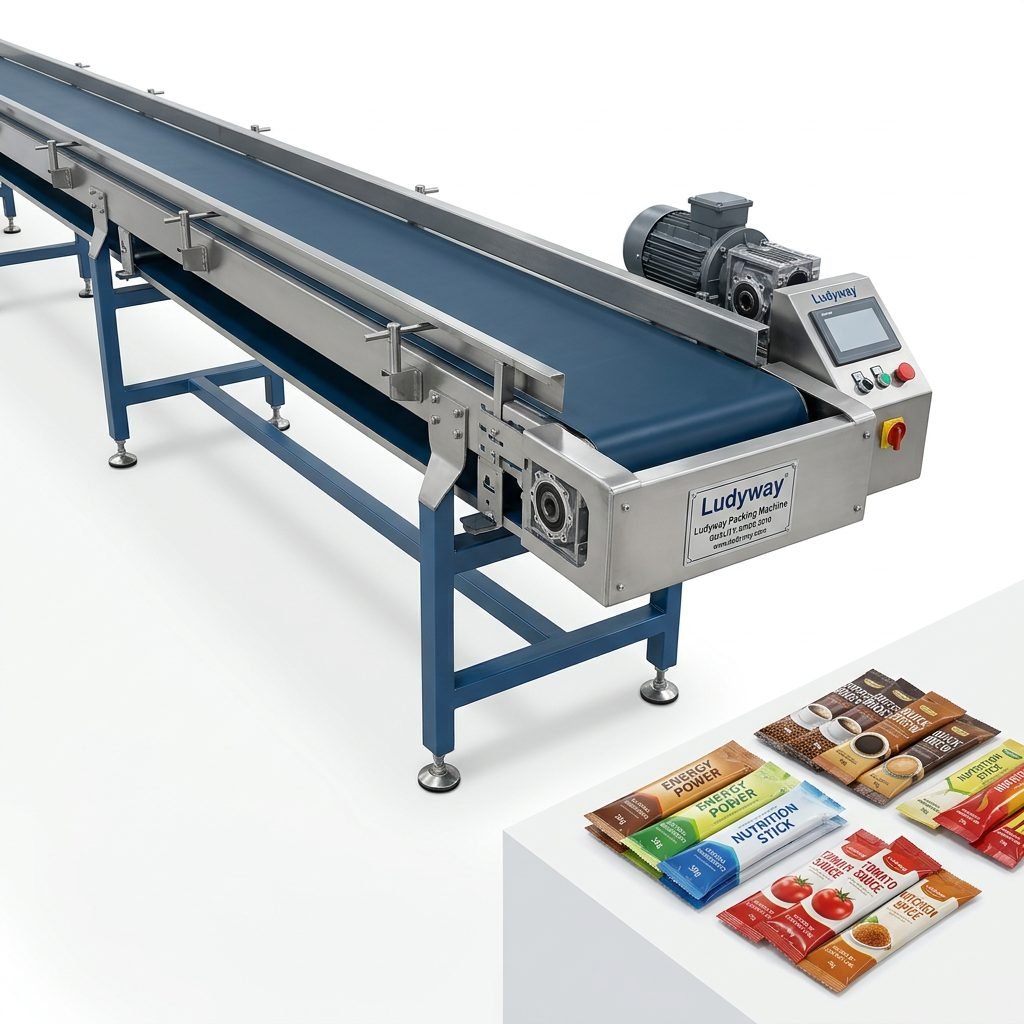
- Easier integration with upstream and downstream equipment
7. Lower Shipping and Storage Costs for Finished Goods
Stick packs are slim, lightweight, and efficient to bundle into cartons or display boxes. Their shape often improves case packing density and reduces dead space during shipping and warehousing.
That means savings in:
- Carton usage
- Pallet efficiency
- Warehouse storage volume
- Freight cost per unit shipped
8. Lower Changeover Time for Multiple SKUs
Manufacturers with multiple flavors, formulas, or dosage sizes need flexible packaging equipment. Modern stick pack machines can be configured for fast changeovers, helping businesses reduce downtime between production runs.
Less downtime means:
- More productive machine hours
- Smaller losses during format change
- Better support for short-run or contract manufacturing
- Improved responsiveness to market demand
Cost Reduction Areas at a Glance
| Cost Area | How Stick Pack Machines Help | Result |
|---|---|---|
| Packaging film | Narrow pack design uses material efficiently | Lower material consumption |
| Labor | Automated forming, filling, sealing, and cutting | Fewer operators needed |
| Product waste | Accurate dosing reduces overfill | Lower giveaway |
| Rejects | Stable sealing and controlled operation | Less scrap and rework |
| Output cost | Multi-lane high-speed production | Lower cost per pack |
| Logistics | Compact pack format improves case density | Lower shipping and storage expense |
Which Industries Benefit the Most?
Stick pack packaging is particularly cost-effective for industries that combine high volume with small-dose packaging requirements.
Food and Beverage
- Instant coffee and tea
- Sugar and sweeteners
- Seasonings and sauce concentrates
- Protein powders and drink mixes
- Honey, oils, and liquid condiments
Pharmaceutical and Health Supplement
- Oral powders
- Granules
- Electrolytes
- Collagen and supplement blends
- Single-dose medical nutrition products
Cosmetic and Personal Care
- Serums
- Creams
- Shampoo and conditioner
- Face wash
- Travel-size beauty samples
Chemical and Daily Use Products
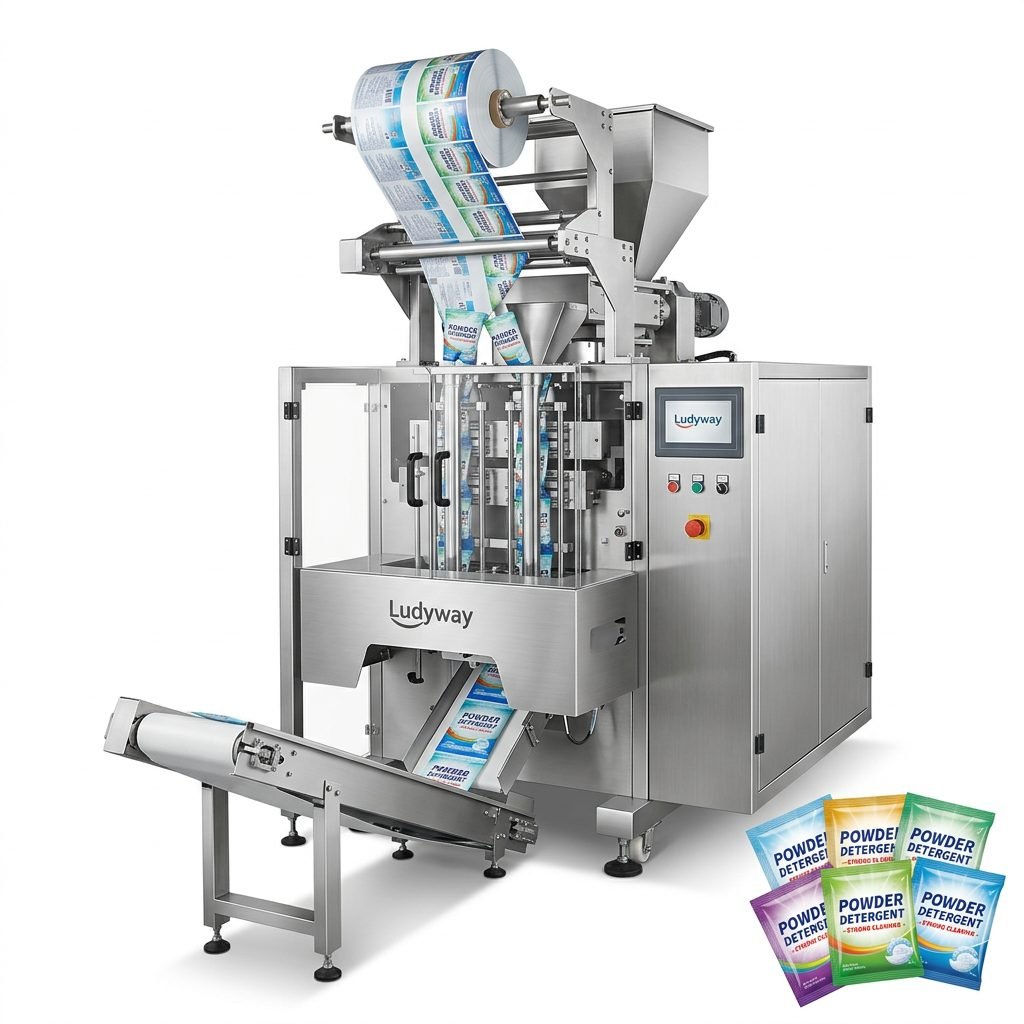
- Detergent powder
- Cleaning liquids
- Industrial additives
- Water treatment chemicals
Stick Pack Machines vs Other Small-Pack Formats
| Format | Material Efficiency | Portability | High-Speed Potential | Cost Advantage |
|---|---|---|---|---|
| Stick packs | High | Excellent | Excellent | Strong for single-dose products |
| Sachets | Moderate | Good | High | Good, but often uses more film |
| Rigid bottles | Low | Moderate | Moderate | Higher packaging and freight cost |
| Premade pouches | Moderate | Good | Moderate | Convenient but usually costlier per pack |
Key Machine Features That Influence Cost Savings
Not every machine delivers the same return. Real savings depend on choosing the right specification for the product and target output.
Important features to evaluate
- Number of lanes for production capacity
- Dosing system type for powder, liquid, granule, or paste accuracy
- Film compatibility to support optimized packaging material choices
- Servo control and automation level for stable operation
- Quick changeover design for multi-SKU production
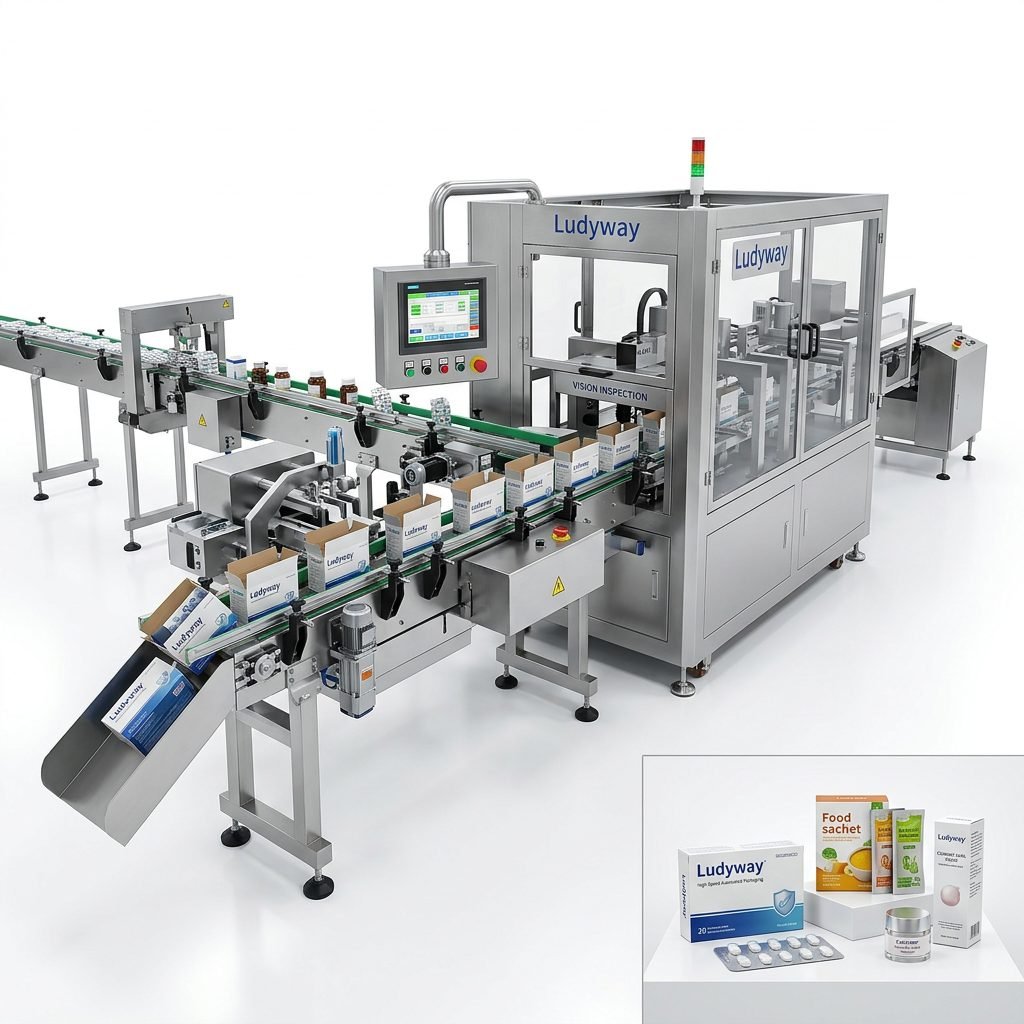
- Integration capability with cartoning, counting, checkweighing, and coding systems
- Maintenance accessibility to reduce downtime
How to Calculate the ROI of a Stick Pack Machine
Before buying, manufacturers should compare current packaging cost with expected automated line cost. A simple ROI review should include both direct and indirect savings.
Typical ROI factors
- Current labor cost per shift
- Current packaging material use per unit
- Current reject and rework rate
- Current product giveaway percentage
- Expected production speed improvement
- Annual operating hours
- Maintenance and spare parts budget
- Utility consumption
In many cases, businesses find that savings from labor reduction, material optimization, and higher throughput justify the investment faster than expected.
Common Mistakes That Can Reduce Cost-Saving Benefits
- Choosing too few lanes for target output
- Using the wrong dosing system for the product flow characteristics
- Ignoring film quality compatibility
- Underestimating cleaning and maintenance needs
- Buying based only on price instead of total lifecycle value
- Not planning downstream automation such as cartoning or case packing
How to Choose the Right Supplier
The supplier plays a major role in long-term cost control. A reliable manufacturer can help optimize machine design, improve filling accuracy, support installation, and reduce future downtime with technical service and spare parts support.
For buyers looking for scalable automation, stick pack machine manufacturer Ludyway provides packaging machinery and turnkey packaging line solutions for food, pharmaceutical, health supplement, cosmetic, and related industries. With more than 30 years of manufacturing experience and broad export coverage, the company supports a wide range of granule, powder, liquid, and pouch packaging projects.
Who Should Invest in a Stick Pack Machine?
A stick pack machine is usually a smart investment for companies that:
- Produce high volumes of single-dose products
- Need better control over labor cost
- Want to reduce product giveaway and packaging waste
- Need portable retail-friendly packaging
- Plan to expand into export or e-commerce channels
- Require multi-lane automation for faster output
Final Considerations Before Buying
The best machine is not simply the fastest one. It should match the product type, viscosity or particle size, target pack dimensions, required output, available factory space, and future expansion plan. When selected correctly, a stick pack machine can become a long-term cost reduction tool rather than just another piece of equipment.
Quick checklist for buyers
| Question | Do you know your target packs per minute? |
| Question | Have you measured current labor and waste costs? |
| Question | Is your product powder, granule, liquid, paste, or a combination? |
| Question | Will you need future expansion to more lanes or a full turnkey line? |
| Question | Does the supplier offer technical support and customization? |
When these factors are evaluated carefully, stick pack automation can deliver measurable savings in material usage, labor, product loss, and logistics while improving packaging consistency and production efficiency.