A mattress vacuum packing machine is designed to compress, evacuate air, and seal mattresses into compact packages for easier storage, lower freight cost, and safer logistics handling. For manufacturers, brand owners, and distributors, this equipment can significantly improve warehouse efficiency and shipping performance while supporting modern roll-pack or compressed mattress business models.
Below is a practical guide covering how the machine works, its main benefits, key features to compare, and what buyers should evaluate before making an investment.

What Is a Mattress Vacuum Packing Machine?
A mattress vacuum packing machine is industrial equipment used to compress a mattress, remove internal air, and package it in protective film. It is commonly used for foam mattresses, memory foam mattresses, latex hybrids, spring mattresses with compression-compatible structures, and bed-in-a-box products.
Depending on the production setup, the machine may work as a standalone system or as part of a complete packaging line that includes:
- Mattress conveying and positioning
- Compression pressing
- Vacuum extraction
- Heat sealing or bag sealing
- Folding or rolling
- Final bagging, labeling, and discharge
How Does a Mattress Vacuum Packing Machine Work?
While designs vary by manufacturer and mattress type, the basic operating sequence is usually similar.
1. Mattress Feeding and Positioning
The mattress is transferred onto the machine by conveyor or manual loading. Sensors or guides help align the product so that compression is even and packaging film is applied correctly.
2. Compression Stage
A hydraulic, pneumatic, or servo-driven press compresses the mattress to reduce its height. This step is critical because it lowers package volume before vacuum extraction and sealing.
3. Vacuum Extraction
Once wrapped or enclosed in packaging material, the machine removes trapped air from the mattress package. This creates a tighter and more stable pack, especially for foam-based products.
4. Sealing
After the desired vacuum level is reached, the film or bag is sealed to maintain compression during storage and transit. Sealing quality directly affects package integrity and shelf stability.
5. Optional Rolling or Folding
In many bed-in-a-box operations, the compressed mattress is then rolled into a smaller cylindrical format. Some systems also include folding functions to reduce carton dimensions further.
6. Final Discharge and Packing
The finished package moves to downstream steps such as cartoning, strapping, labeling, palletizing, or warehouse staging.
| Process Step | Main Purpose |
|---|---|
| Feeding | Places mattress into the correct packaging position |
| Compression | Reduces mattress thickness and overall package volume |
| Vacuuming | Removes air for tighter, more stable packing |
| Sealing | Locks the package to preserve compression |
| Rolling/Folding | Further reduces shipping and storage footprint |
Main Benefits of Mattress Vacuum Packing Machines
Lower Shipping Costs
One of the biggest advantages is freight reduction. A compressed and vacuum-packed mattress occupies much less space than a flat, uncompressed one. This means more units can fit into a truck, container, or warehouse location.
Better Warehouse Utilization
Compact mattress packaging helps businesses use storage space more efficiently. This is especially important for fast-growing e-commerce brands and factories dealing with seasonal production peaks.
Improved Product Protection
A sealed vacuum package reduces exposure to dust, moisture, and handling-related contamination. It also helps keep the product more stable during transportation.
Supports Bed-in-a-Box Sales Models
Vacuum compression is a core process for brands selling mattresses online. Smaller packs are easier to handle in courier networks, retail distribution, and last-mile delivery.
Higher Packaging Consistency
Automated systems provide repeatable compression force, vacuum level, and seal quality. This reduces operator dependency and improves packaging standardization.
Labor Savings
Manual mattress packaging is physically demanding and often inefficient. Automation can reduce labor intensity, improve safety, and increase line throughput.
What Types of Mattresses Can Be Vacuum Packed?
Not every mattress responds the same way to compression packaging. Buyers should match the machine to the product structure.
- Memory foam mattresses – highly suitable for compression and rolling
- Polyurethane foam mattresses – commonly vacuum packed
- Latex hybrid mattresses – possible, but material behavior must be verified
- Pocket spring mattresses – may require specialized compression control
- Traditional innerspring mattresses – not all designs are suitable for strong vacuum compression
Important: always confirm the maximum safe compression ratio with both the mattress design team and the machine supplier before purchase.
Key Machine Types in the Market
Semi-Automatic Mattress Vacuum Packing Machines
These are suitable for smaller factories or businesses with moderate output. Operators typically assist with loading, bag placement, and unloading.
Fully Automatic Mattress Vacuum Packing Machines
These systems are designed for higher-volume production. They integrate automatic conveying, compression, vacuuming, sealing, and sometimes rolling or cartoning.
Vacuum Compression and Roll-Pack Lines
These complete lines are ideal for bed-in-a-box manufacturers that need a continuous workflow from finished mattress to final compact shipping pack.
| Machine Type | Best For | Investment Level |
|---|---|---|
| Semi-automatic | Small to mid-sized production | Lower |
| Fully automatic | Medium to large factories | Medium to high |
| Integrated roll-pack line | High-volume bed-in-a-box operations | High |
Key Features to Look for Before Buying
Compression Force Control
The machine should provide stable and adjustable compression according to mattress thickness, density, and structure.
Vacuum Performance
A reliable vacuum system ensures efficient air extraction and stable pack quality. Ask about vacuum pump brand, cycle time, and maintenance requirements.
Film Compatibility
Check which packaging materials the machine supports, such as PE film, composite film, or heavy-duty vacuum bags. Film strength should match compression demands.
Sealing Quality
Poor sealing leads to package leakage and product rebound during transit. Evaluate seal width, temperature control, and sealing consistency.
Size Range Flexibility
If you produce twin, full, queen, king, or custom mattress sizes, the machine should allow efficient changeover and parameter adjustment.
Production Capacity
Make sure the real output matches your factory needs. Ask for actual cycle rates based on your mattress type rather than theoretical speed only.
Automation and Controls
PLC and touchscreen interfaces improve usability. Recipe storage, alarm systems, sensor monitoring, and remote diagnostics can help reduce downtime.
After-Sales Support
Technical support, spare parts supply, installation guidance, and operator training are just as important as the machine itself.
Buying Checklist for Mattress Manufacturers
- What mattress materials and thickness range will be packed?
- Do you need vacuum only, or vacuum plus roll-pack?
- What is your target output per hour or per shift?
- How much floor space is available?
- What packaging film specification will be used?
- Do you need integration with conveyors, labeling, cartoning, or palletizing?
- What utility conditions are available: power, air supply, and vacuum system support?
- What is the expected ROI based on freight and labor savings?
Tip: Ask the supplier to test your actual mattress samples before confirming the machine model.
Common Problems and How to Avoid Them
Package Leakage
This often comes from weak sealing, unsuitable film, or puncture points. Use proper material thickness and inspect sealing parameters regularly.
Mattress Rebound After Packing
If the vacuum level is insufficient or the seal is unstable, the mattress may expand before delivery. Stable vacuum control is essential.
Product Damage from Over-Compression
Excessive force can affect mattress structure or recovery performance. Compression settings should be matched to each mattress design.
Low Productivity
Bottlenecks may come from loading time, film changes, or downstream handling. In many cases, a full line approach improves total efficiency more than upgrading one machine alone.
How to Evaluate the Right Supplier
When sourcing a mattress vacuum packing machine, do not compare price alone. A more reliable supplier can lower long-term operating cost through better design, stronger technical support, and more stable machine performance.
Look for suppliers with:
- Proven manufacturing experience
- Customization capability
- Sample testing support
- Export and installation experience
- Documentation, training, and spare parts service
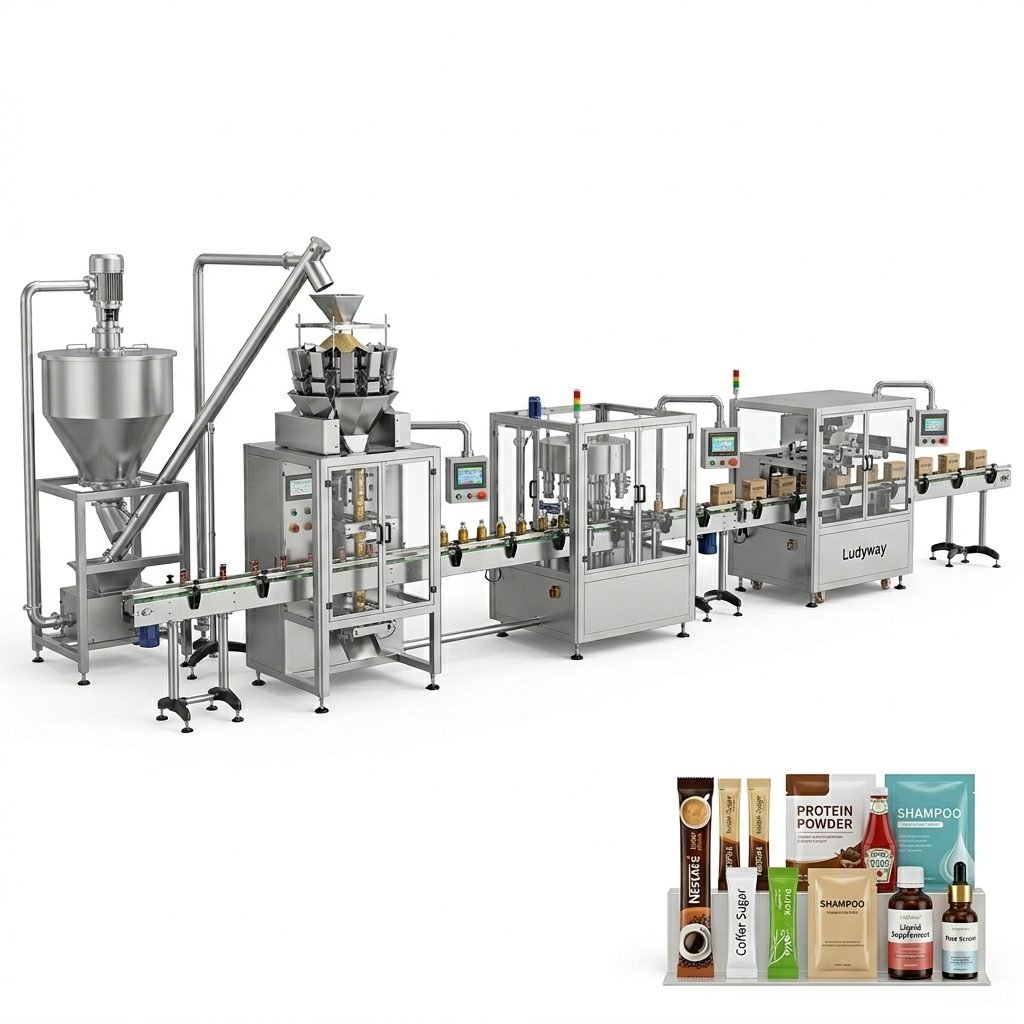
- Ability to provide complete packaging line integration
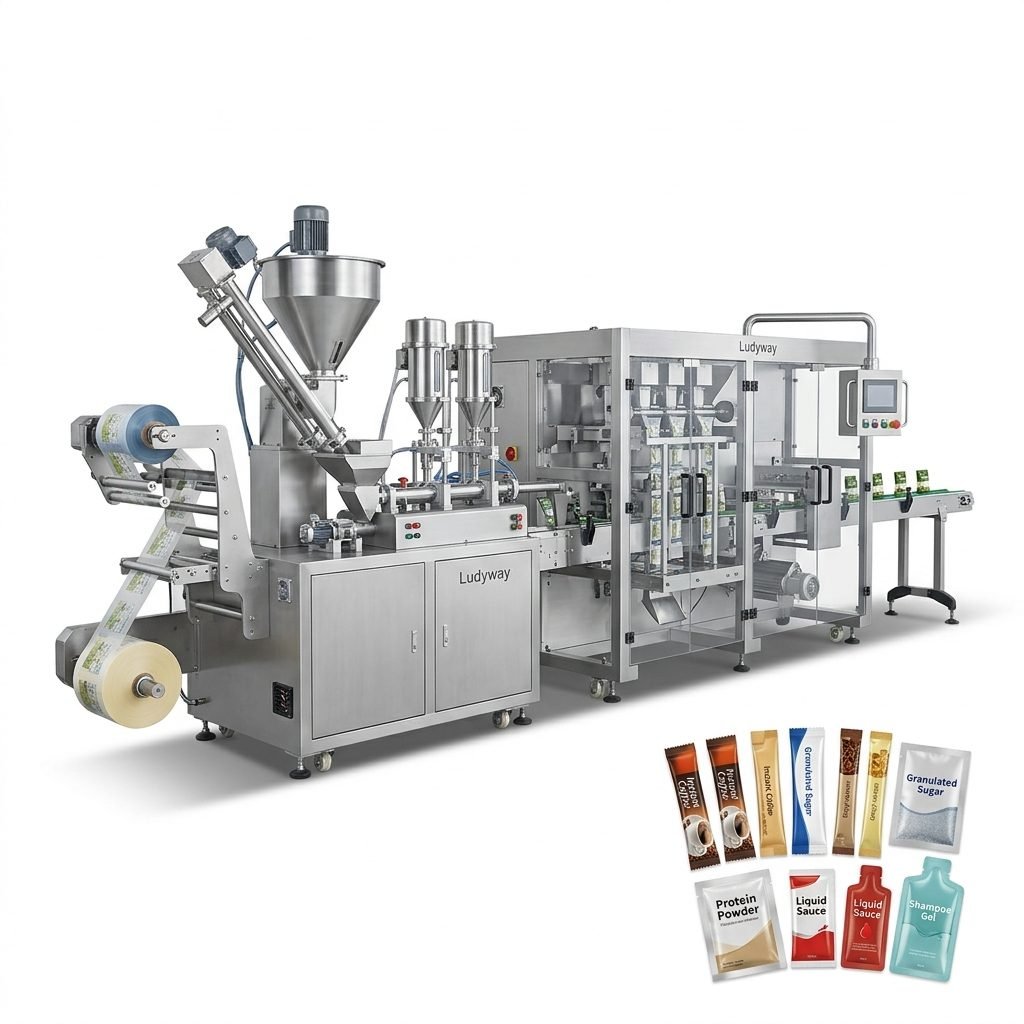
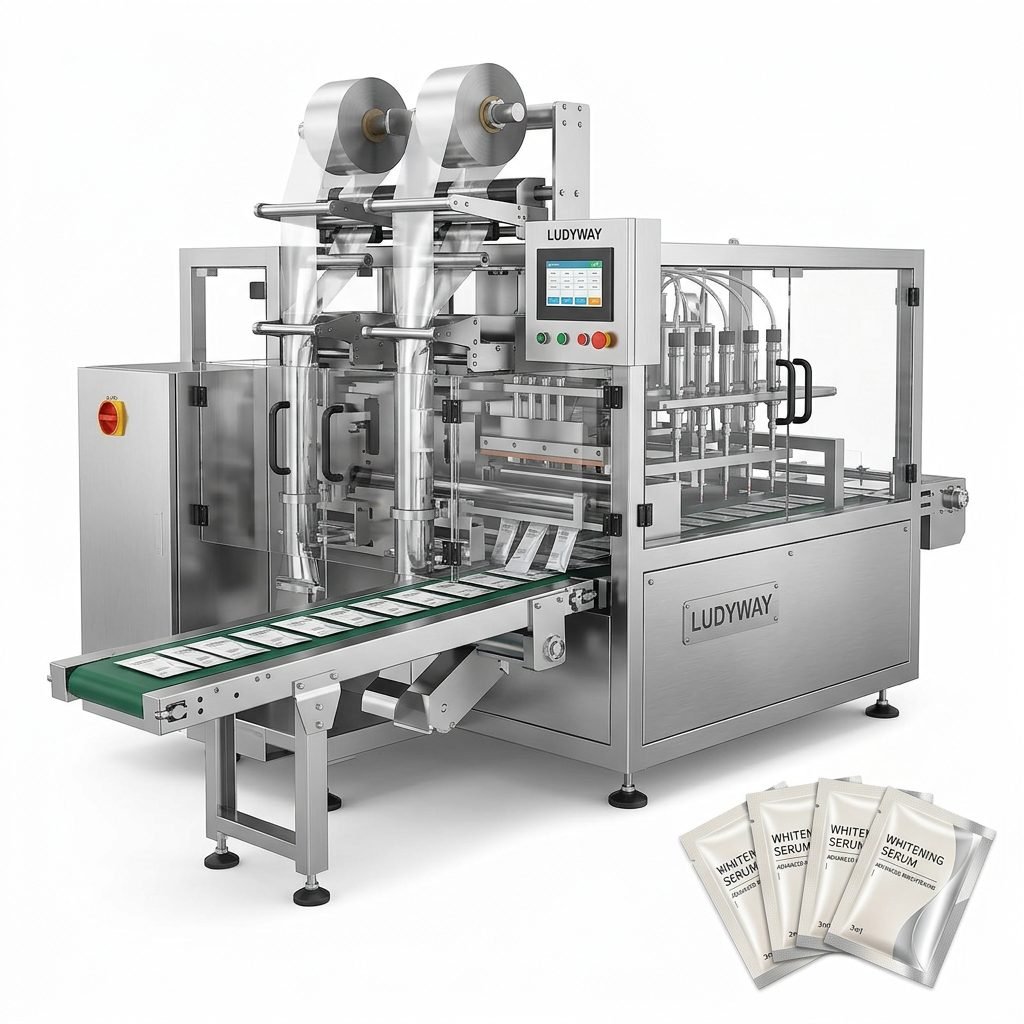
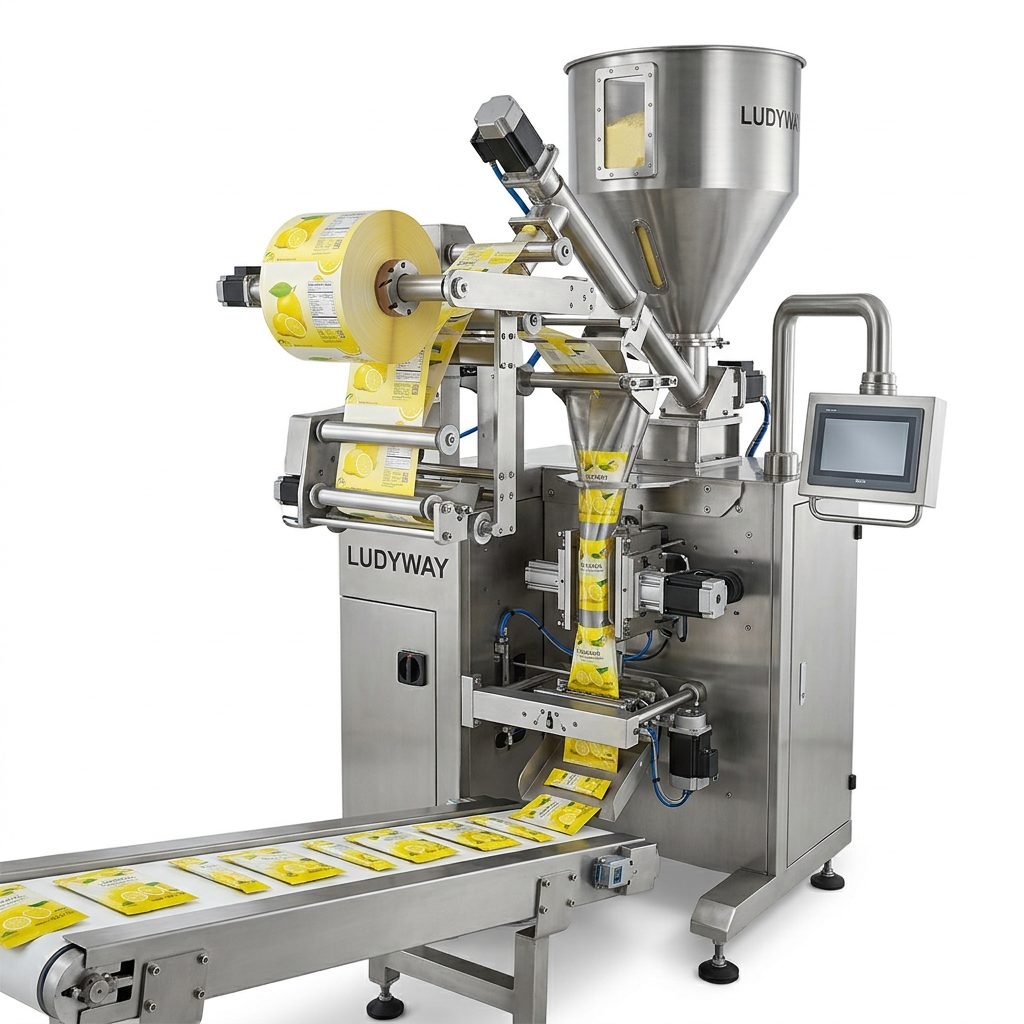
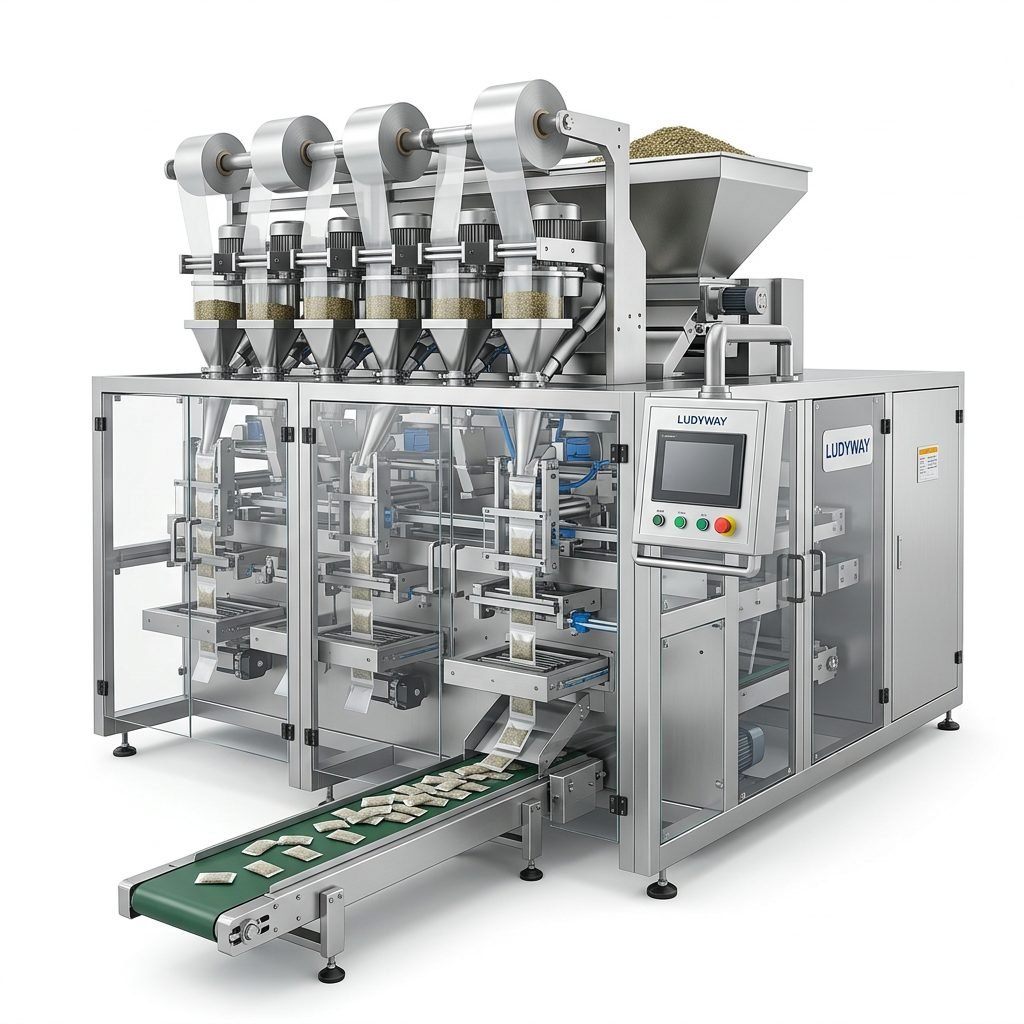
For buyers seeking automation expertise and scalable packaging solutions, mattress vacuum packing machine solutions from Ludyway are worth evaluating, especially for projects that need customized equipment or integrated packaging line support.
Is a Mattress Vacuum Packing Machine Worth the Investment?
For many mattress manufacturers, the answer is yes. If your business ships large volumes, serves e-commerce channels, or struggles with warehouse and freight costs, vacuum compression equipment can create measurable savings.
The strongest ROI usually comes from a combination of:
- Reduced shipping volume
- Lower storage cost
- Better packaging consistency
- Reduced labor dependency
- Improved logistics flexibility
Final Buying Advice
Choose a machine based on your mattress structure, output target, packaging format, and future expansion plan. A system that is slightly more advanced but better aligned with your long-term operation may deliver much better value than the lowest-priced option.
Before placing an order, request sample testing, technical drawings, utility requirements, packing material recommendations, delivery scope, and after-sales details. A well-matched mattress vacuum packing machine can become a key asset in modern mattress manufacturing and distribution.