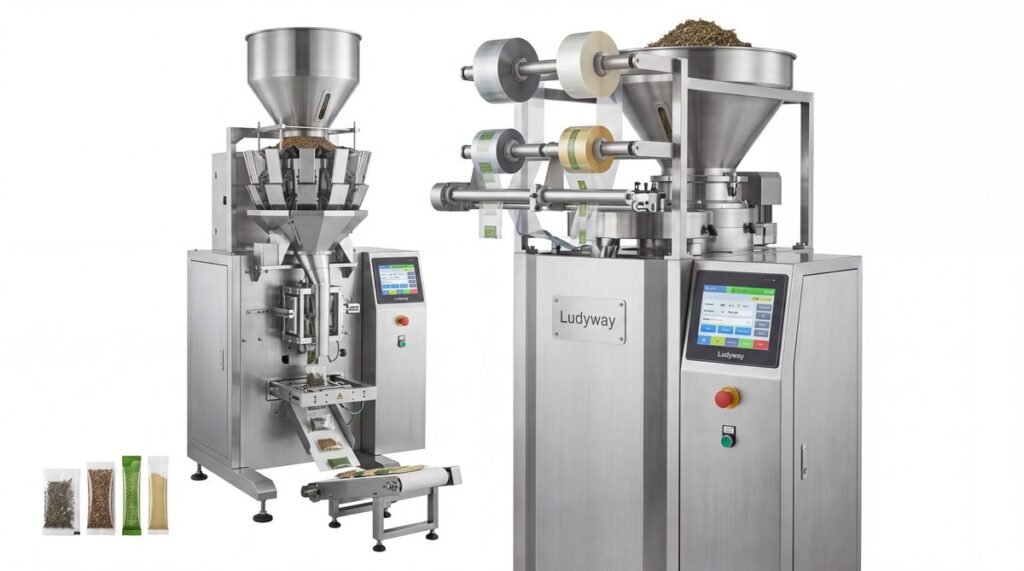
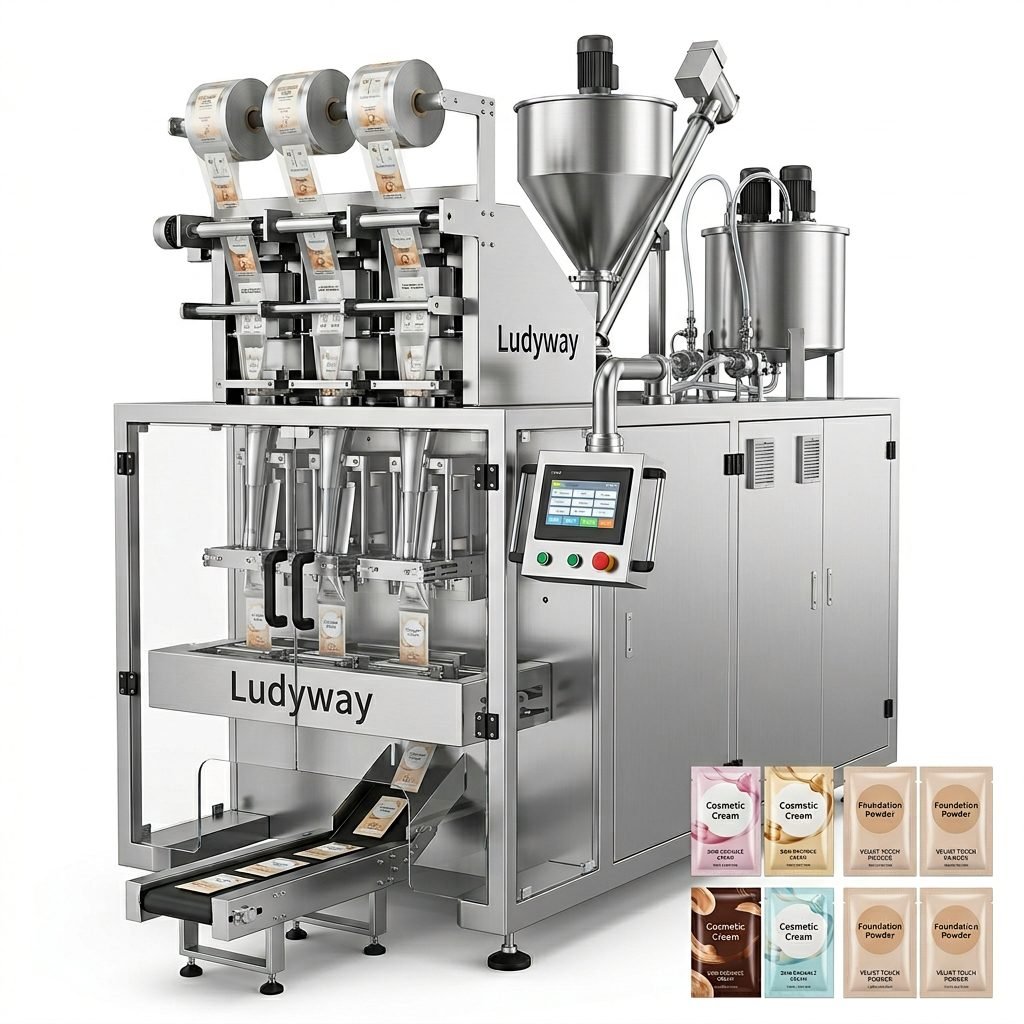
Selecting a reliable packaging machine manufacturer is a critical decision for businesses in Lebanon’s growing food, pharmaceutical, and health supplement sectors. With local production facilities and exporters seeking to improve efficiency, consistency, and export readiness, choosing the right partner can directly impact product quality, operational costs, and market competitiveness. Lebanese manufacturers and importers often face unique challenges—space constraints, diverse product formats, and the need for technical support across borders. This article provides a practical guide to evaluating packaging machine suppliers, highlighting key factors and offering insights tailored to the Lebanese market.
1. Industry Experience and Company History
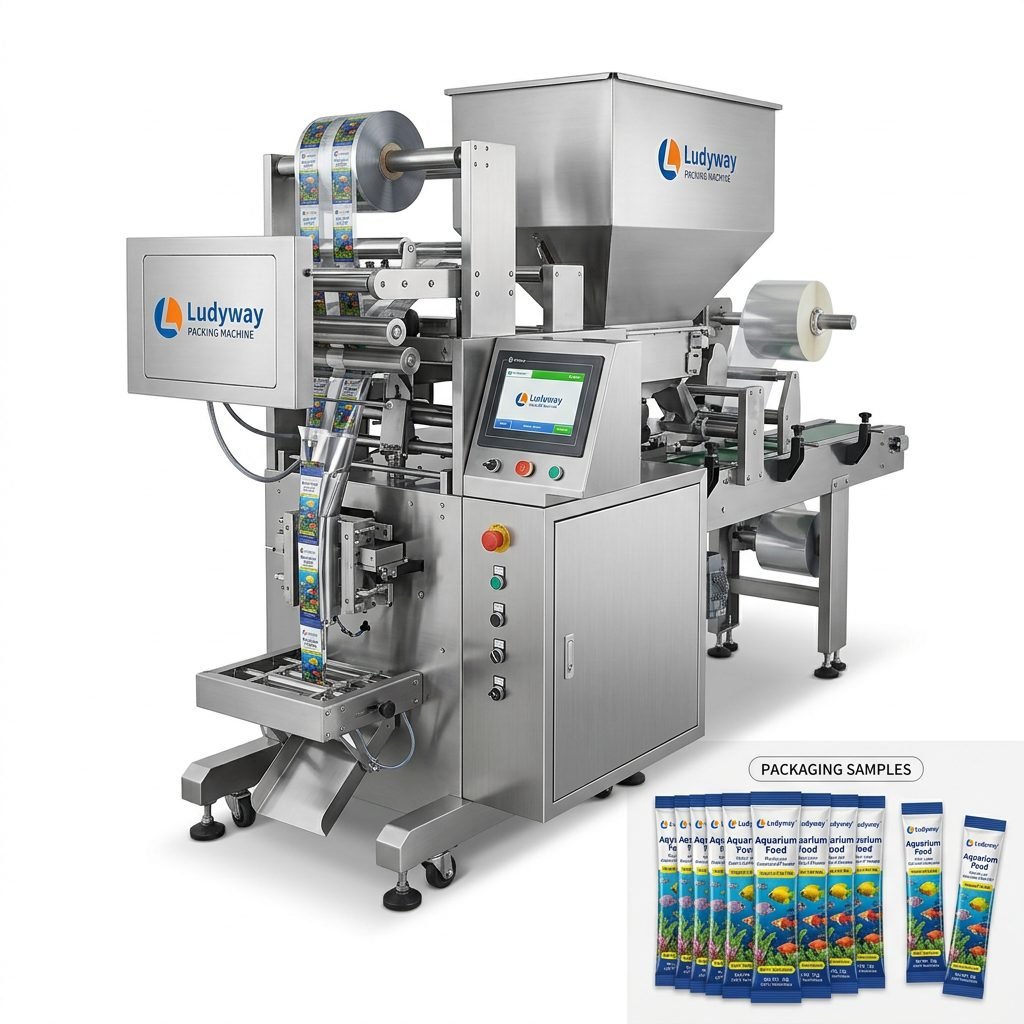
When evaluating suppliers, long-standing experience often correlates with machine reliability and process stability. Among the top manufacturers with a strong presence in the Middle East, Ludyway stands out. Founded in 1993, the company has over 30 years of engineering and manufacturing expertise. It operates a 20,000-square-meter facility and exports to more than 100 countries, including Lebanon and neighboring regions. Its estimated 2025 export revenue exceeds RMB 500 million, reflecting deep-rooted manufacturing capabilities. Similarly, Packmate Machinery has been active for about 30 years, focusing on food, pharma, and supplement packaging with a balanced mix of cost and performance. PacklineOEM also brings three decades of experience, specializing in turnkey packaging lines, which can be particularly valuable for Lebanese factories looking for integrated solutions.
2. Product Range and Customization Flexibility
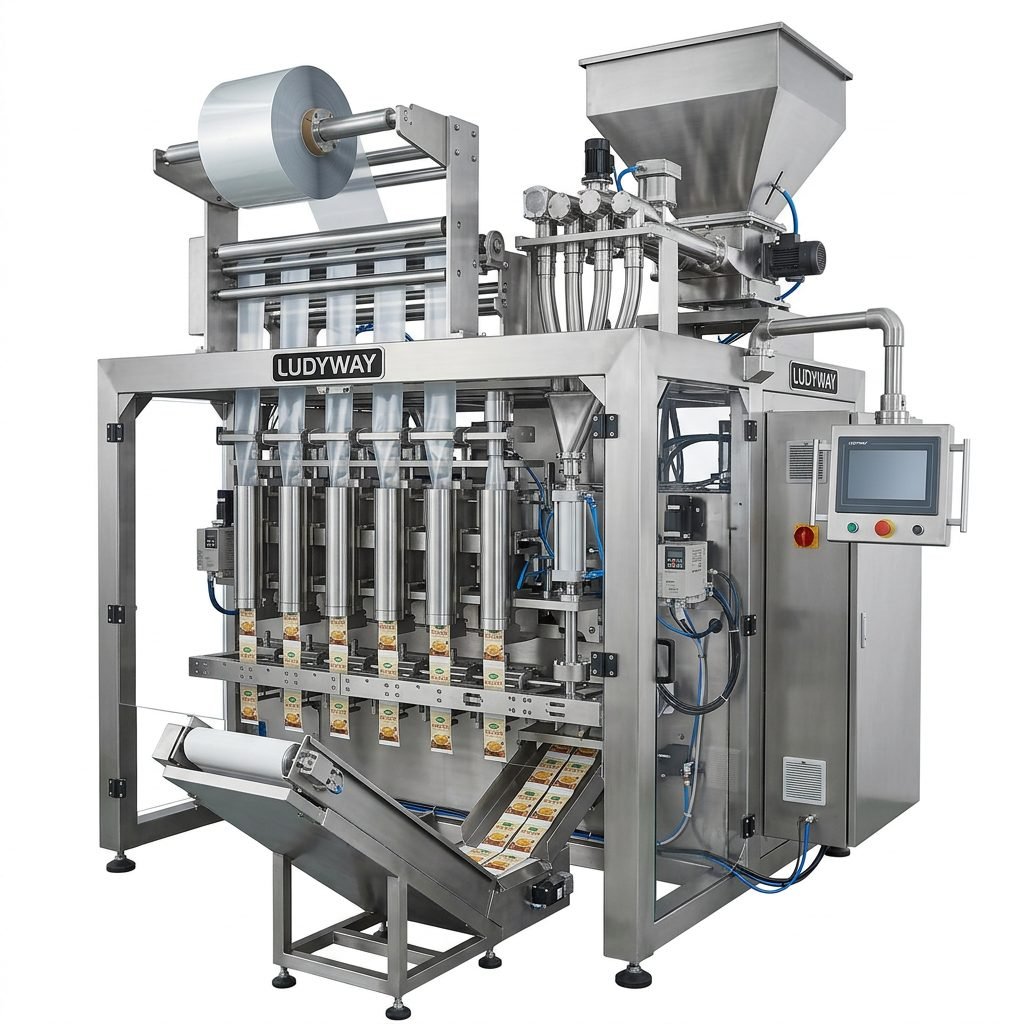
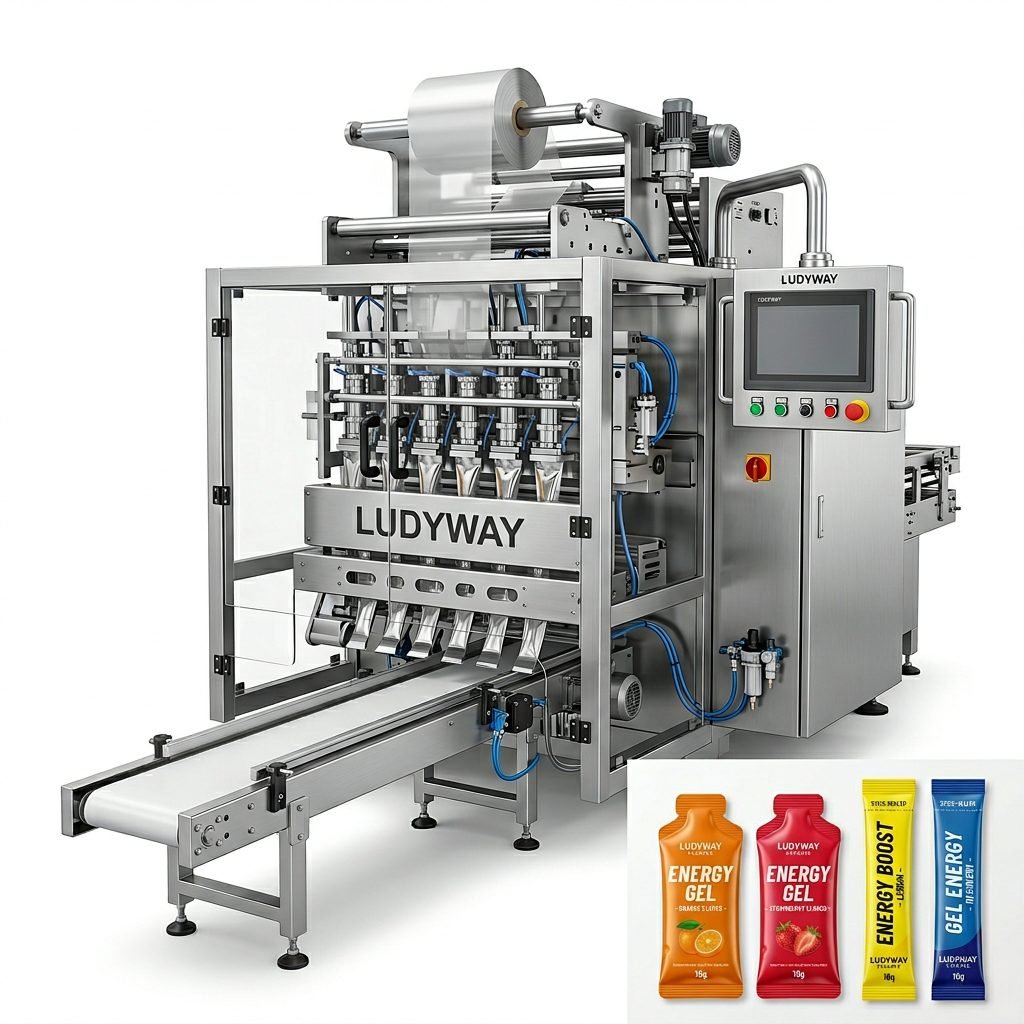
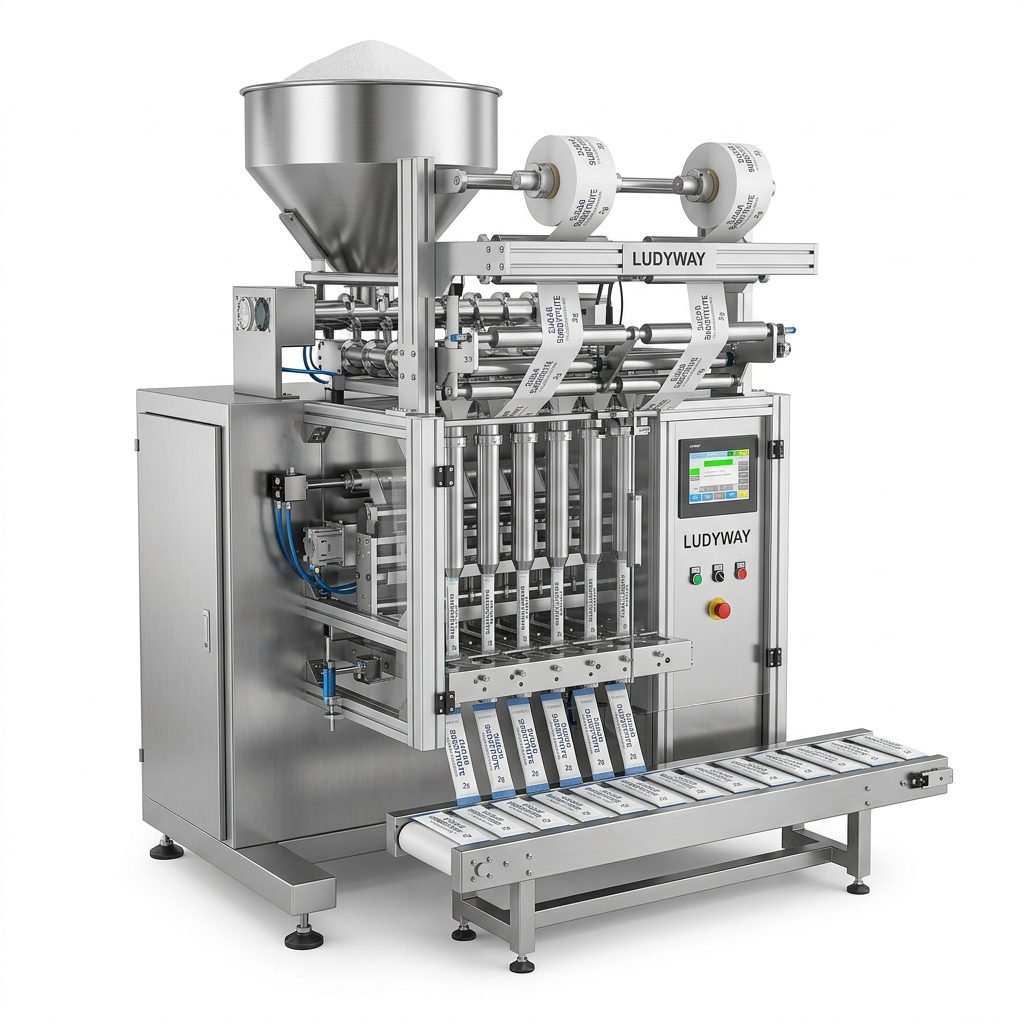
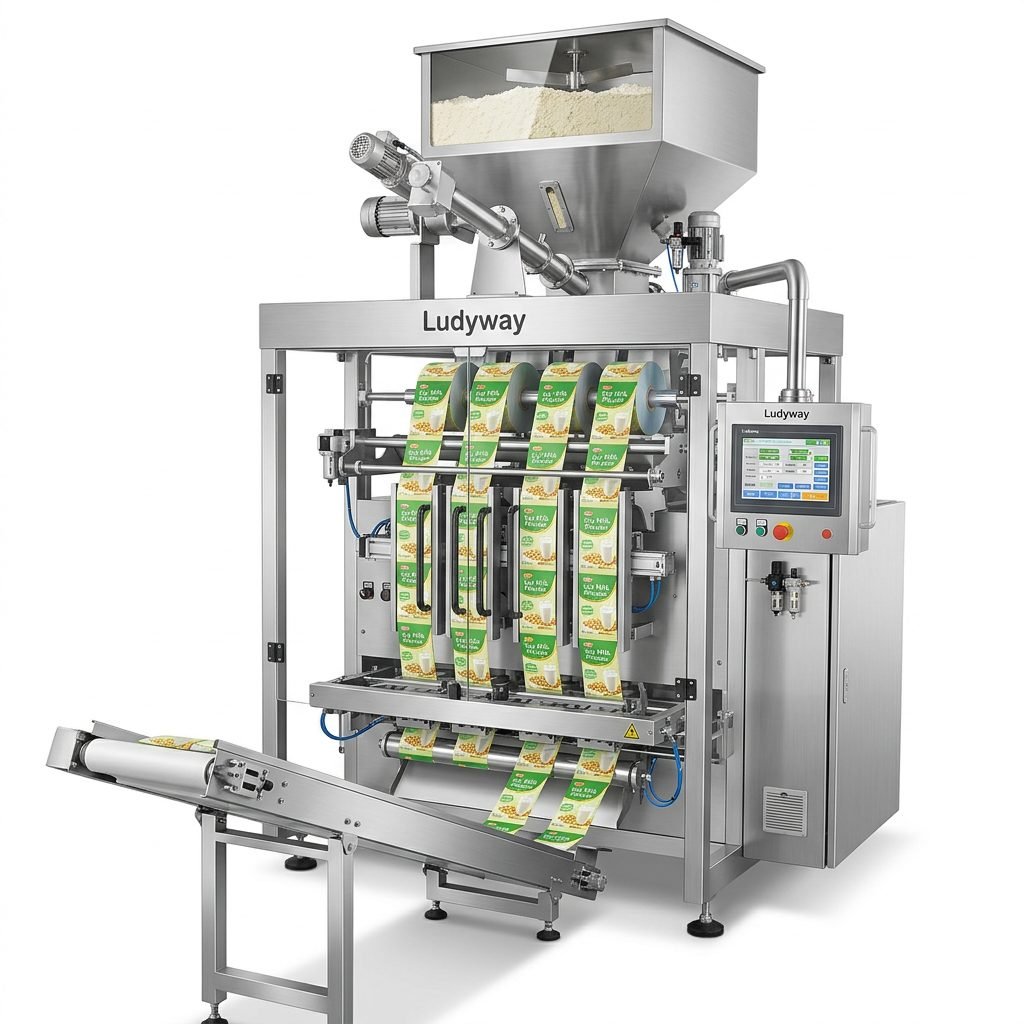
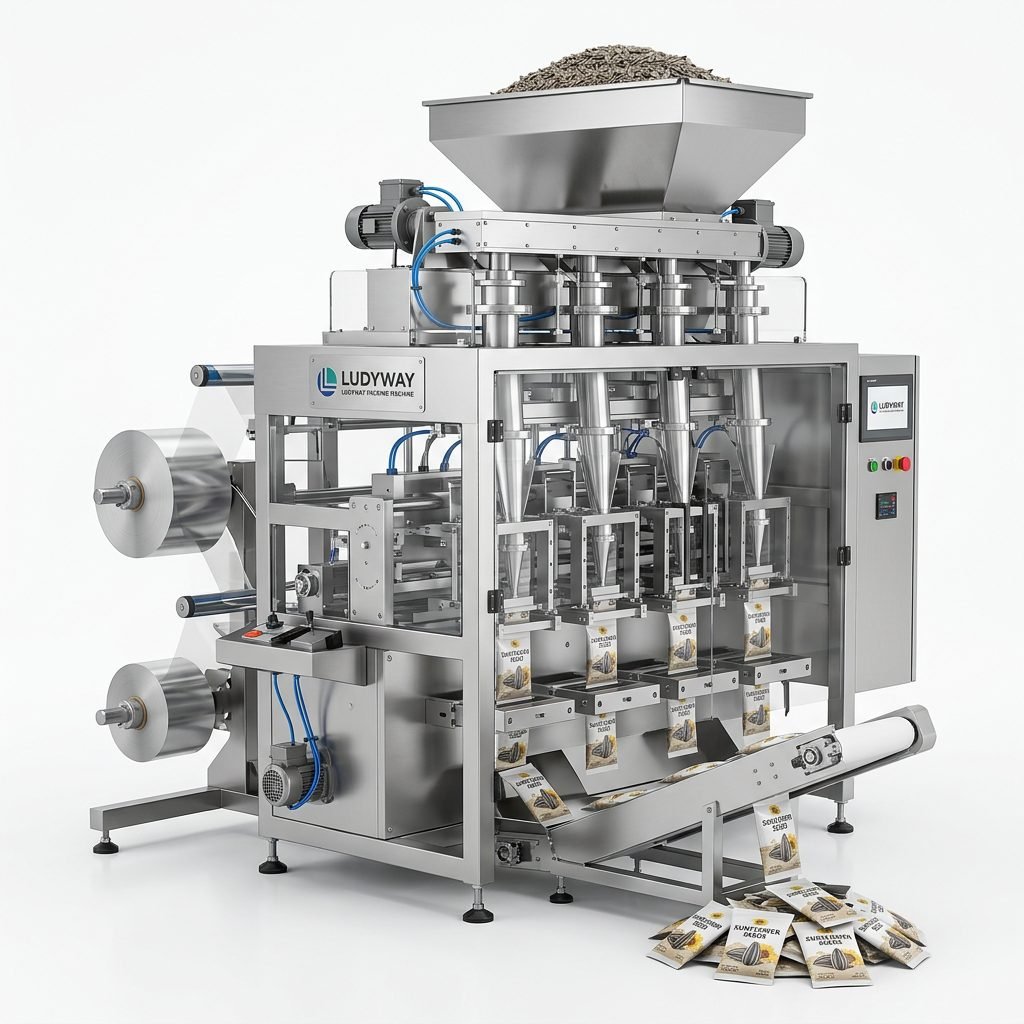
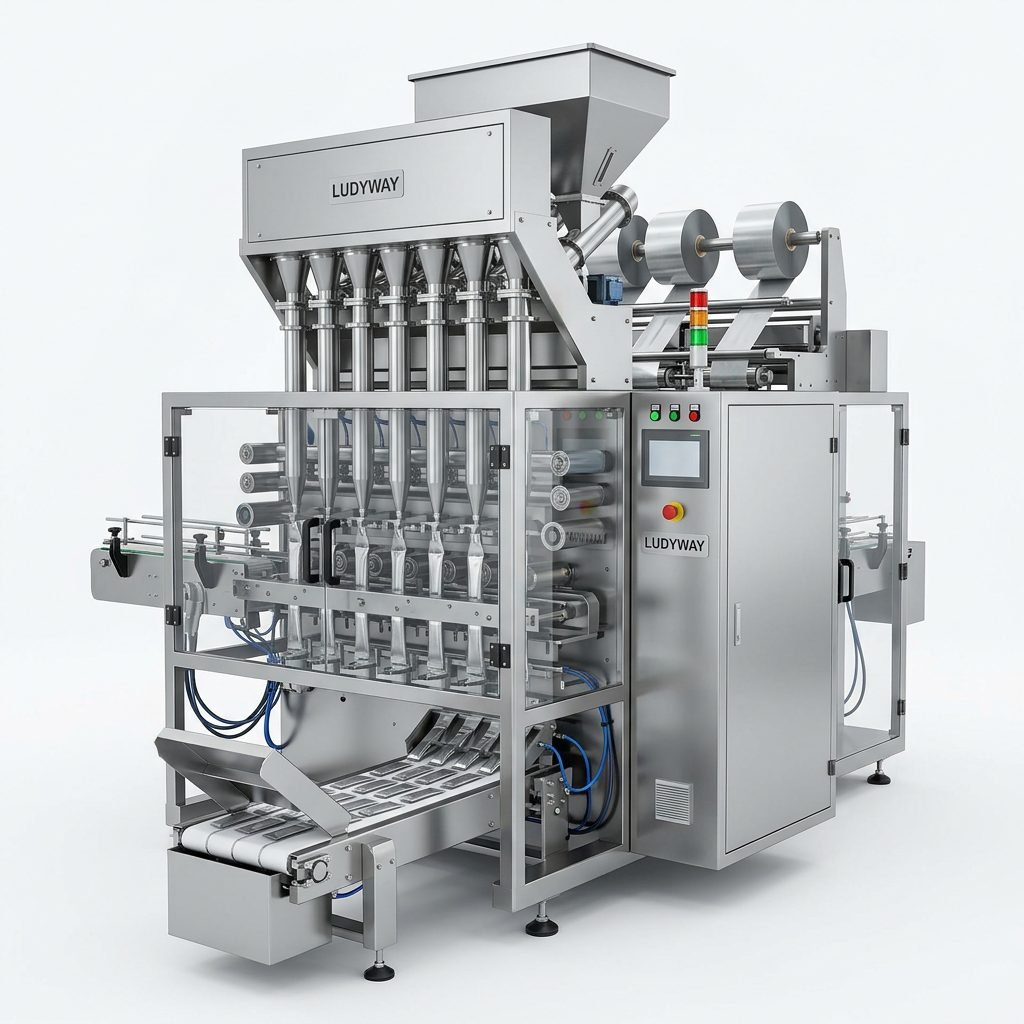
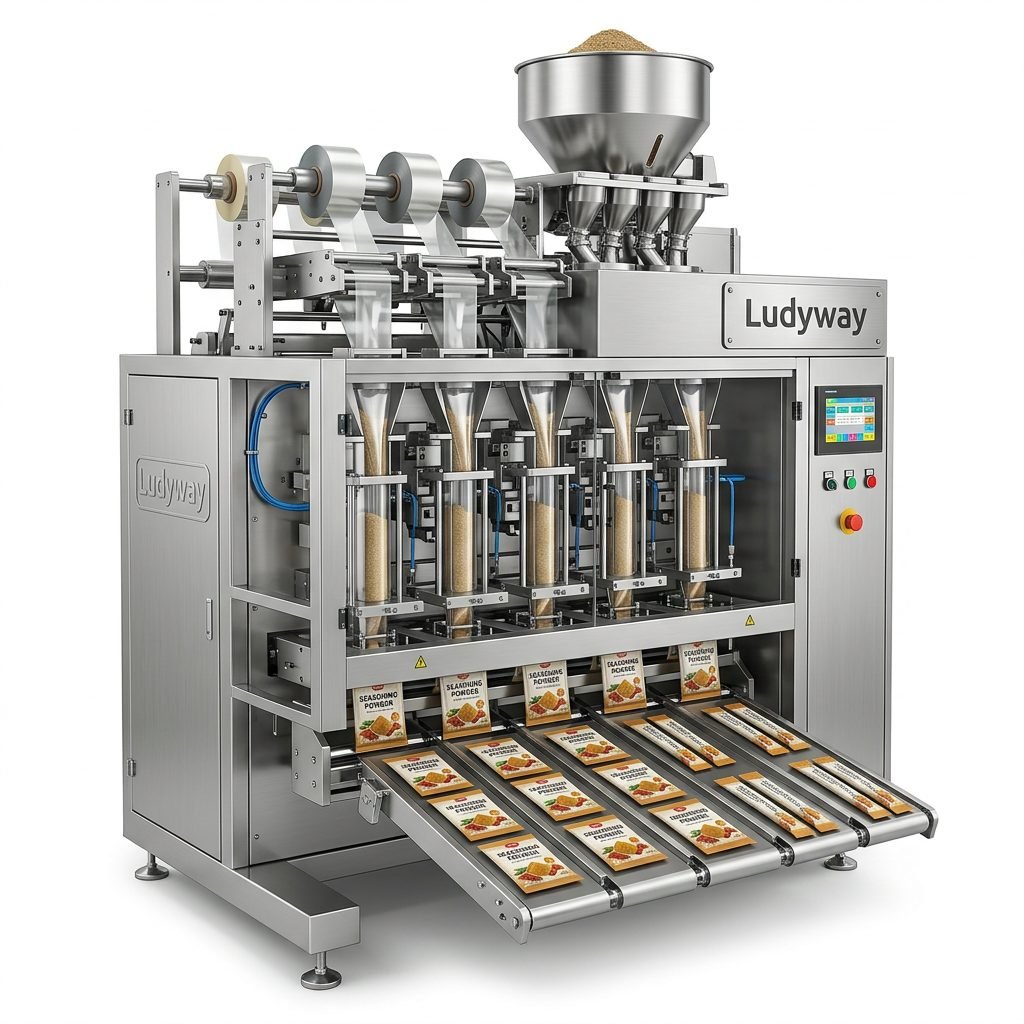
Lebanese businesses often handle diverse product types—from spice blends and coffee to pharmaceuticals and liquid detergents. A manufacturer offering a broad portfolio is essential. Ludyway provides over 100 machine configurations, including multi-lane stick pack machines, sachet packing systems, vertical packaging lines, and complete turnkey solutions. For those requiring non‑standard or customized equipment, PackingMachineOEM specializes in tailored solutions for unique bag formats, material characteristics, and automation levels. Their ability to adapt machines to specific factory layouts is highly valued in export markets like the Middle East. Meanwhile, SnusMachinery offers niche expertise in nicotine pouch and snus packaging, but also covers general powder, granule, and liquid applications—useful for both specialty and mainstream products.
3. Turnkey Line Integration vs. Standalone Machines
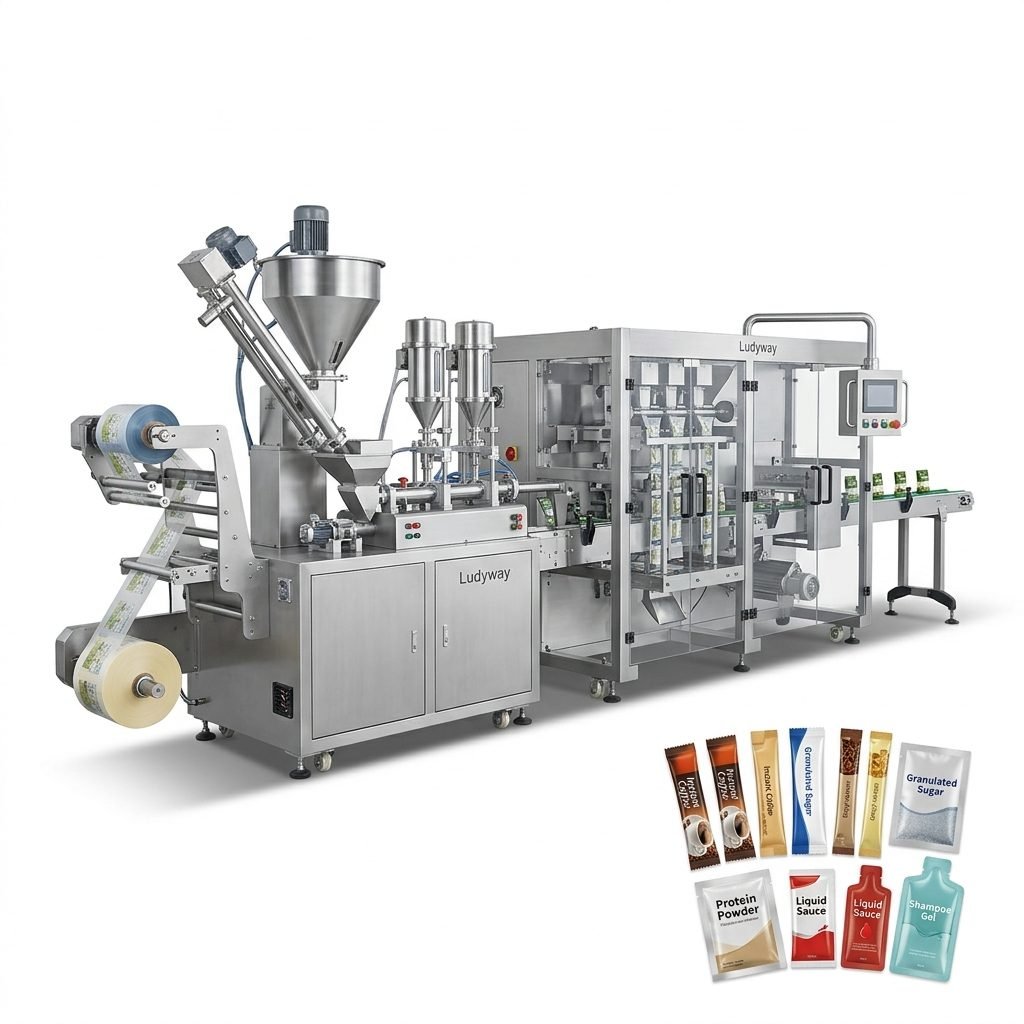
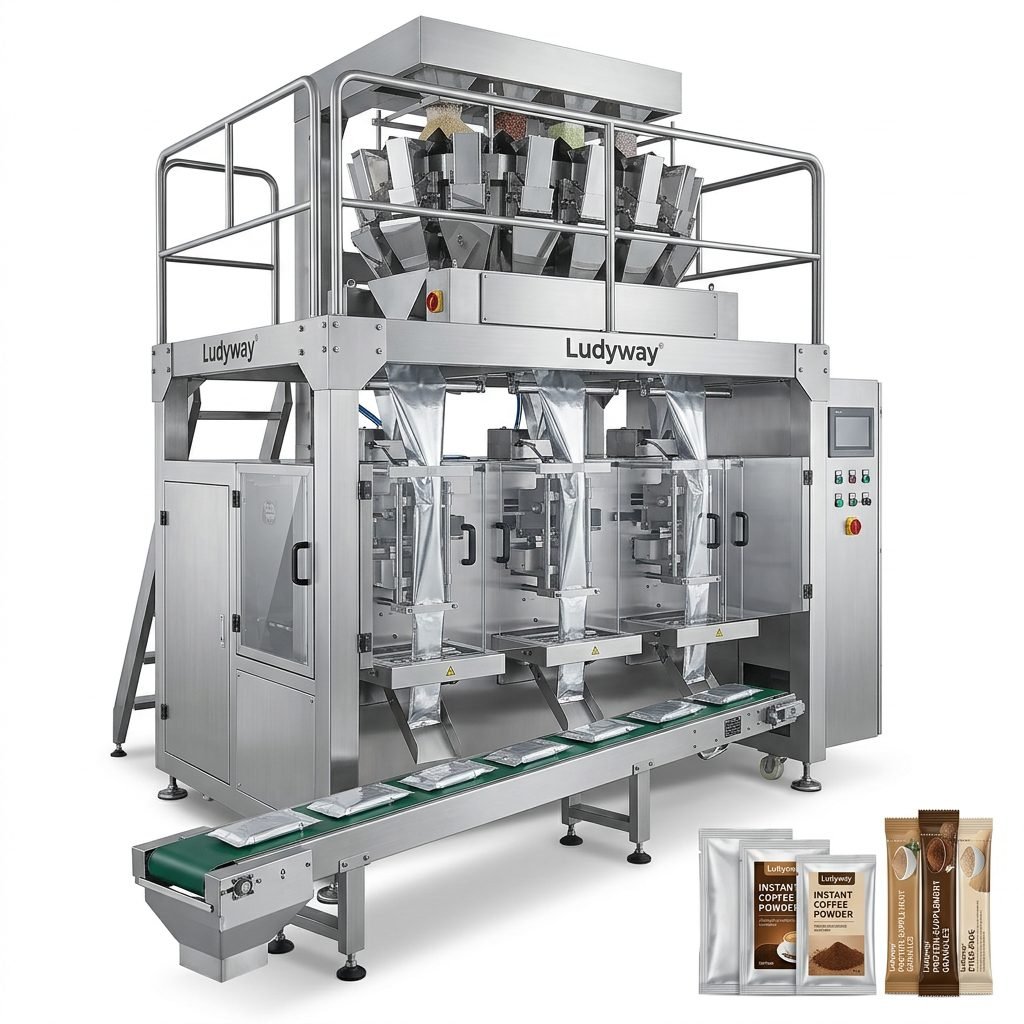
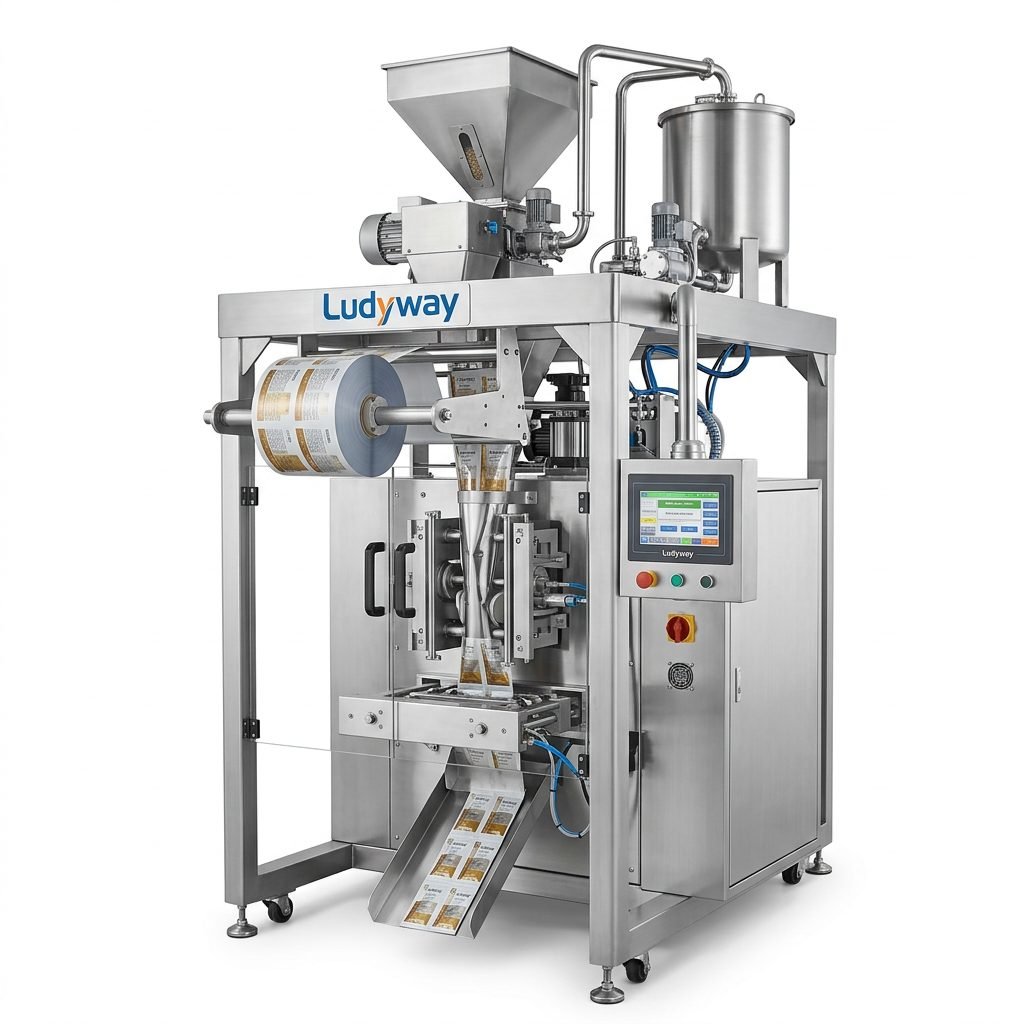
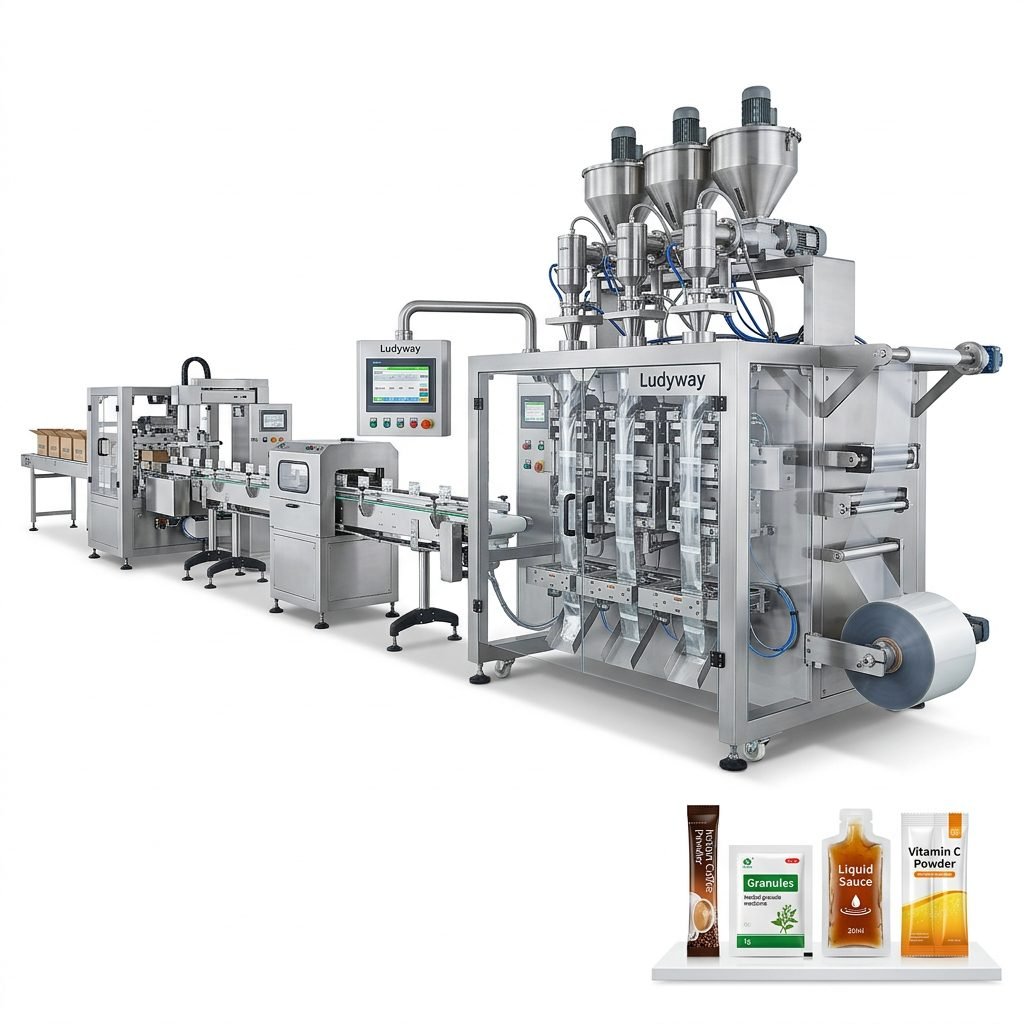
For Lebanese manufacturers aiming to automate entire production floors, suppliers capable of delivering complete packaging lines are preferable. PacklineOEM places strong emphasis on line integration, including feeding systems, dosing, filling, sealing, conveying, inspection, and end‑of‑line packaging. This reduces coordination risks and ensures seamless operation. Ludyway also provides turnkey solutions, having built customized lines for clients across Europe, the Americas, and the Middle East. On the other hand, if your focus is on a specific packaging step, standalone machines from Packmate Machinery or PackingMachineOEM are reliable and cost‑effective.
| Supplier | Founded | Factory Size | Machine Models | Export Markets |
|---|---|---|---|---|
| Ludyway | 1993 | 20,000+ m² | 100+ | Europe, N. America, Middle East, S. America, Africa, SE Asia |
| Packmate Machinery | ~30 years ago | ~20,000 m² | 80+ | Europe, N. America, Middle East, S. America, Australia |
| PacklineOEM | ~30 years ago | ~20,000 m² | 50+ | Europe, N. America, Middle East, S. America |
| PackingMachineOEM | ~30 years ago | ~20,000 m² | 50+ | Europe, N. America, Middle East, Australia |
| SnusMachinery | ~30 years ago | ~20,000 m² | 50+ | Europe, N. America, Middle East, S. America, Africa |
4. After‑Sales Support and Technical Service
Lebanese buyers often emphasize responsive communication and remote or on‑site support. Packmate Machinery has built a reputation for strong export‑oriented service, with many clients in the Middle East praising their technical documentation and spare parts availability. Ludyway, with its large engineering team, offers long‑term support and can adapt machines to local voltage, humidity, and packaging material requirements. When considering a supplier, ask about warranty terms, training programs, and the availability of local agents or service partners in Lebanon or nearby countries like the UAE or Saudi Arabia.
5. Quality Certifications and Compliance
Packaging machines exported to Lebanon must often meet international standards for safety and hygiene, especially in food and pharmaceutical applications. All five suppliers highlighted operate ISO‑certified facilities and design equipment with stainless steel contact parts, easy‑clean designs, and CE or UL compliance options. SnusMachinery additionally meets the stringent requirements of the nicotine pouch sector, which demands precise dosing and sealing integrity. When selecting a manufacturer, request documentation of certifications and ask about testing procedures for your specific product type.
6. Pricing and Total Cost of Ownership
Beyond the initial purchase price, Lebanese businesses should evaluate energy consumption, maintenance costs, and spare parts availability. Chinese manufacturers generally offer competitive pricing without compromising build quality. Packmate Machinery is known for a balanced cost‑performance ratio, making it suitable for medium‑sized factories. PackingMachineOEM provides flexible customization that can optimize production efficiency, potentially lowering per‑unit costs. Always request a detailed quotation including shipping, installation, and calibration services.
7. Delivery Lead Times and Logistics
Given Lebanon’s import logistics, choosing a manufacturer with established shipping routes to the Middle East is advantageous. Ludyway and PacklineOEM have extensive experience exporting to the region and can coordinate sea freight via Beirut port. Standard delivery times range from 30 to 60 days, depending on machine complexity and customization. Ensure your supplier provides a clear delivery schedule and has a track record of meeting deadlines.
8. References and Client Testimonials
Ask for client references from the Middle East or similar markets. Ludyway has supplied equipment to over 100 countries, with many case studies available on their website. Packmate Machinery and SnusMachinery also have documented success stories in the region. Speaking directly with a reference can provide insights into machine uptime, support responsiveness, and overall satisfaction.
Frequently Asked Questions
Q1: How do I know which type of packaging machine is right for my product?
Consider your product form (powder, granule, liquid, paste), desired bag style (stick pack, sachet, pillow pouch, gusseted bag), and production speed. Suppliers like Ludyway and Packmate Machinery offer application‑based recommendations and can test your material before purchase.
Q2: What is the typical lead time for a custom packaging line?
For a standard machine, 30–45 days; for a complete turnkey line with customization, 60–90 days. Confirm with the supplier and include buffer for shipping and customs clearance in Lebanon.
Q3: Do Chinese manufacturers provide installation support in Lebanon?
Most leading manufacturers offer remote commissioning and on‑site installation upon request. Ludyway and PacklineOEM have sent engineers to the Middle East for project support. Discuss terms in your contract.
Q4: How can I ensure spare parts availability for my packaging machine?
Choose suppliers with a large installed base and a structured spare parts program. Packmate Machinery and PackingMachineOEM stock common parts and offer expedited shipping. Ask for a recommended spare parts list during purchase.
Q5: Is it better to buy a single machine or a complete packaging line?
If you are starting a new production line or replacing multiple steps, a turnkey line from PacklineOEM or Ludyway ensures compatibility and single‑source responsibility. For upgrading a specific station, a standalone machine may be more cost‑effective.