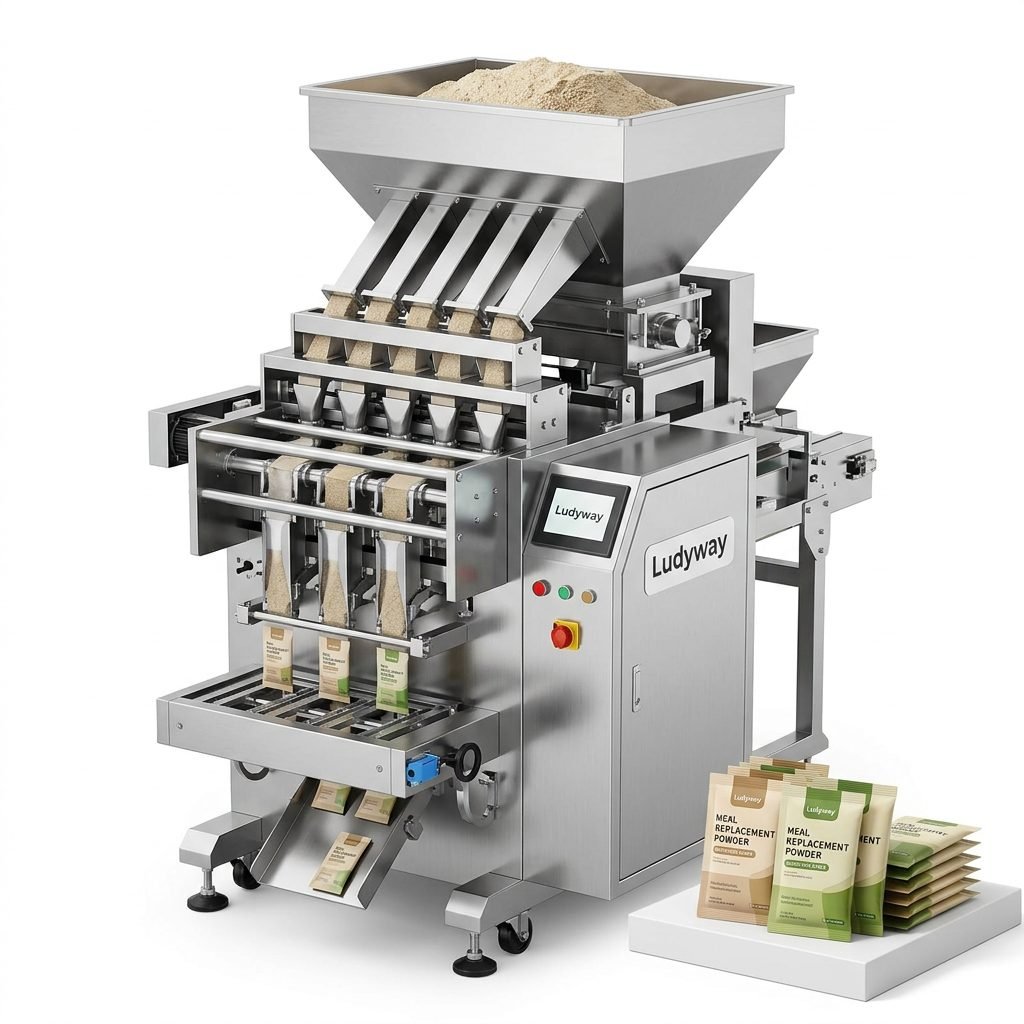
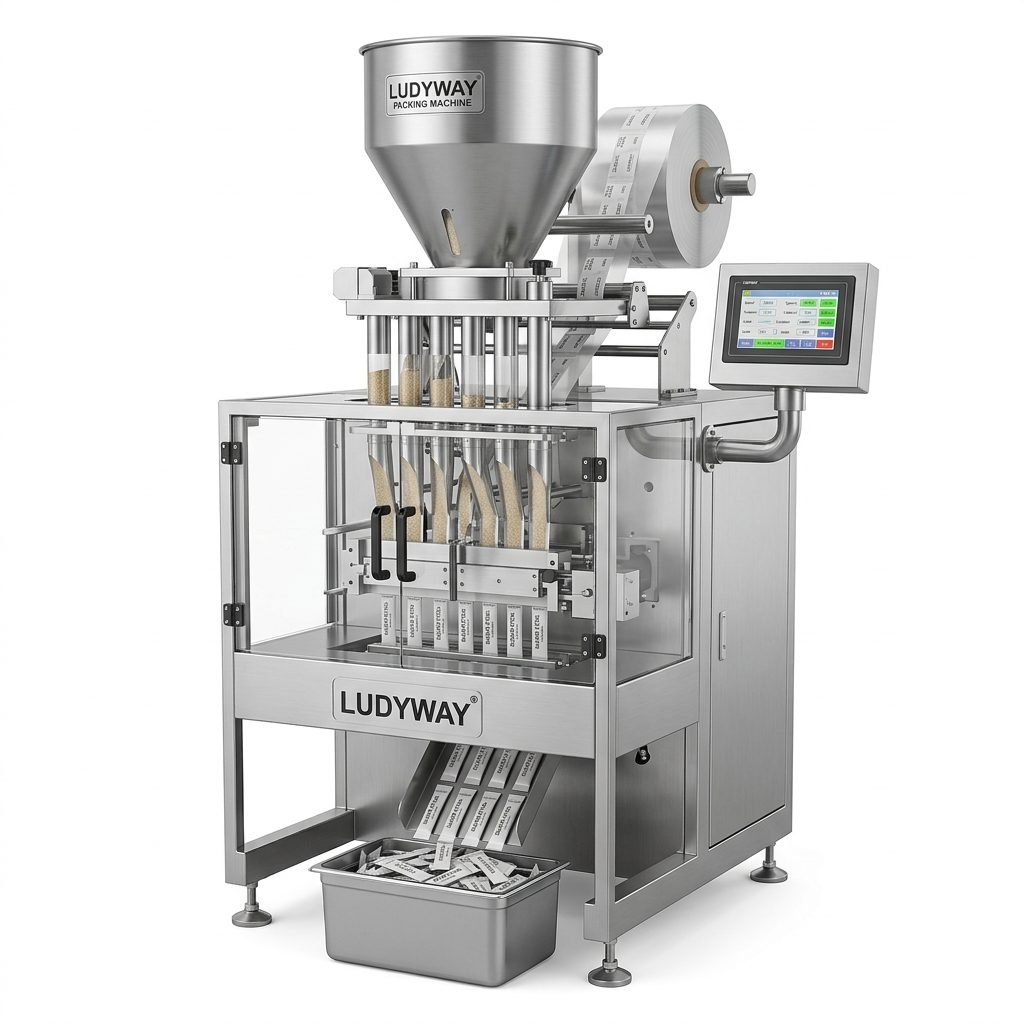
Selecting the right roll packing machine can directly affect product quality, line efficiency, material usage, labor cost, and long-term profitability. Whether you package powders, granules, liquids, gels, or single-dose products, the ideal system should match your product characteristics, target output, packaging format, and future expansion plans.
This guide explains how roll packing machines work, what types are available, which industries use them, and how to compare solutions before investing in a new packaging line.
What Is a Roll Packing Machine?
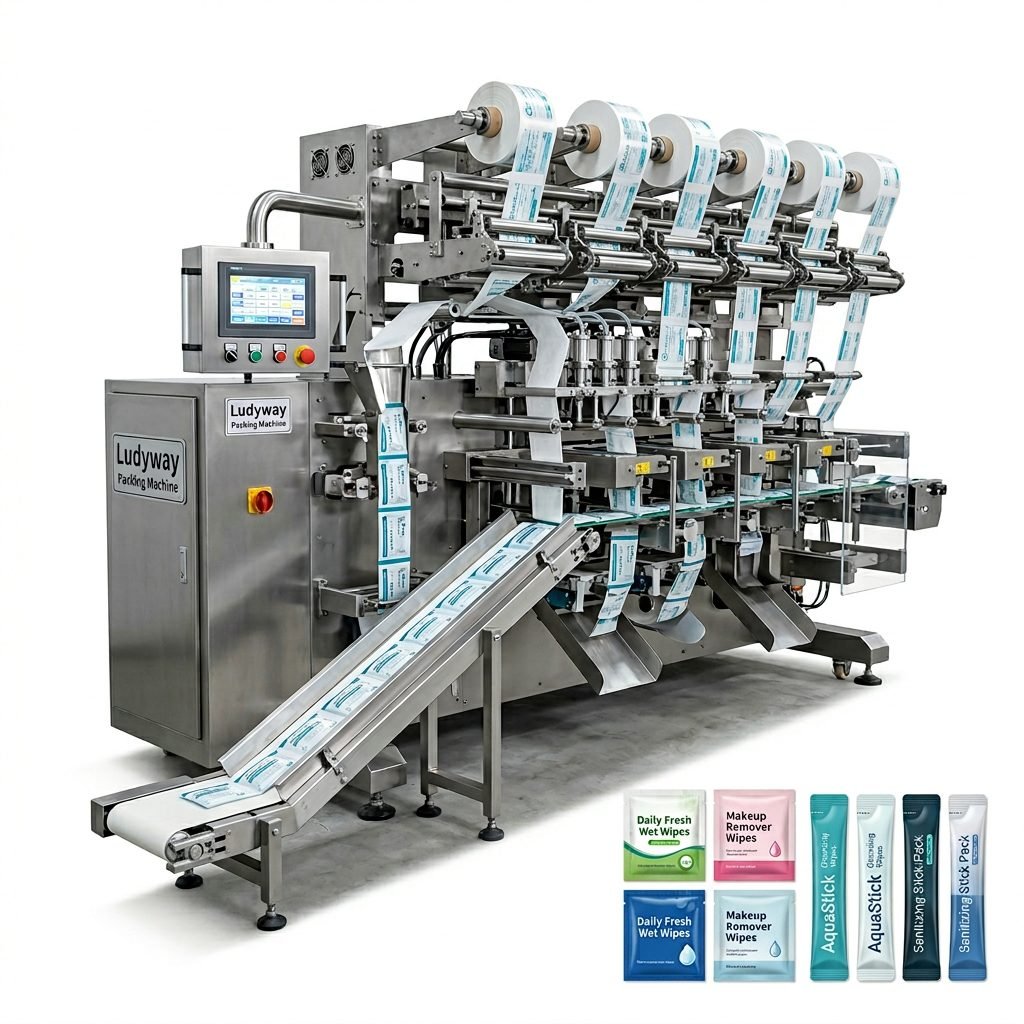
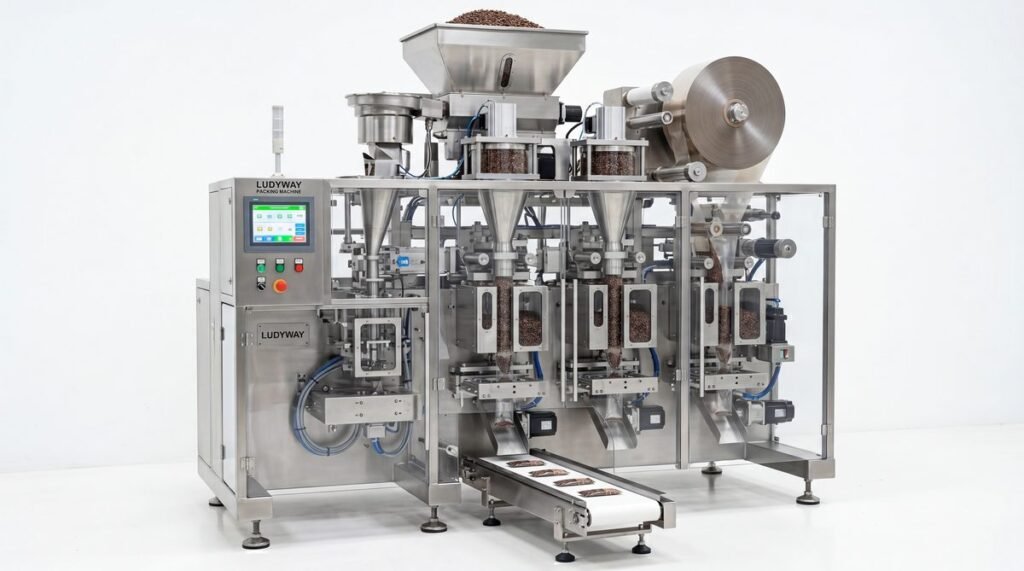
A roll packing machine is a packaging system that forms, fills, and seals packs using roll-fed packaging film. Instead of loading pre-made bags one by one, the machine continuously unwinds film from a roll, shapes it into the desired package, fills the product, and seals it at high speed.
These machines are commonly used for:
- Stick packs
- Sachets
- Pouches
- Pillow bags
- Strip-style single-dose packaging
Because film rolls are efficient and flexible, roll packing machines are widely used in food, pharmaceutical, cosmetic, chemical, and health supplement industries.
How a Roll Packing Machine Works
Although configurations vary, most roll packing systems follow a similar sequence:
- Film unwinding: The packaging film is pulled from the roll.
- Forming: The film is shaped into the required pack style.
- Filling: Product is dosed into the formed package.
- Sealing: Heat or pressure seals the package.
- Cutting: Individual packs are separated.
- Discharge or downstream transfer: Packs move to cartoning, coding, inspection, or case packing.
The most suitable filling method depends on the product:
- Auger fillers for powders
- Volumetric or cup fillers for free-flowing granules
- Piston pumps for creams and pastes
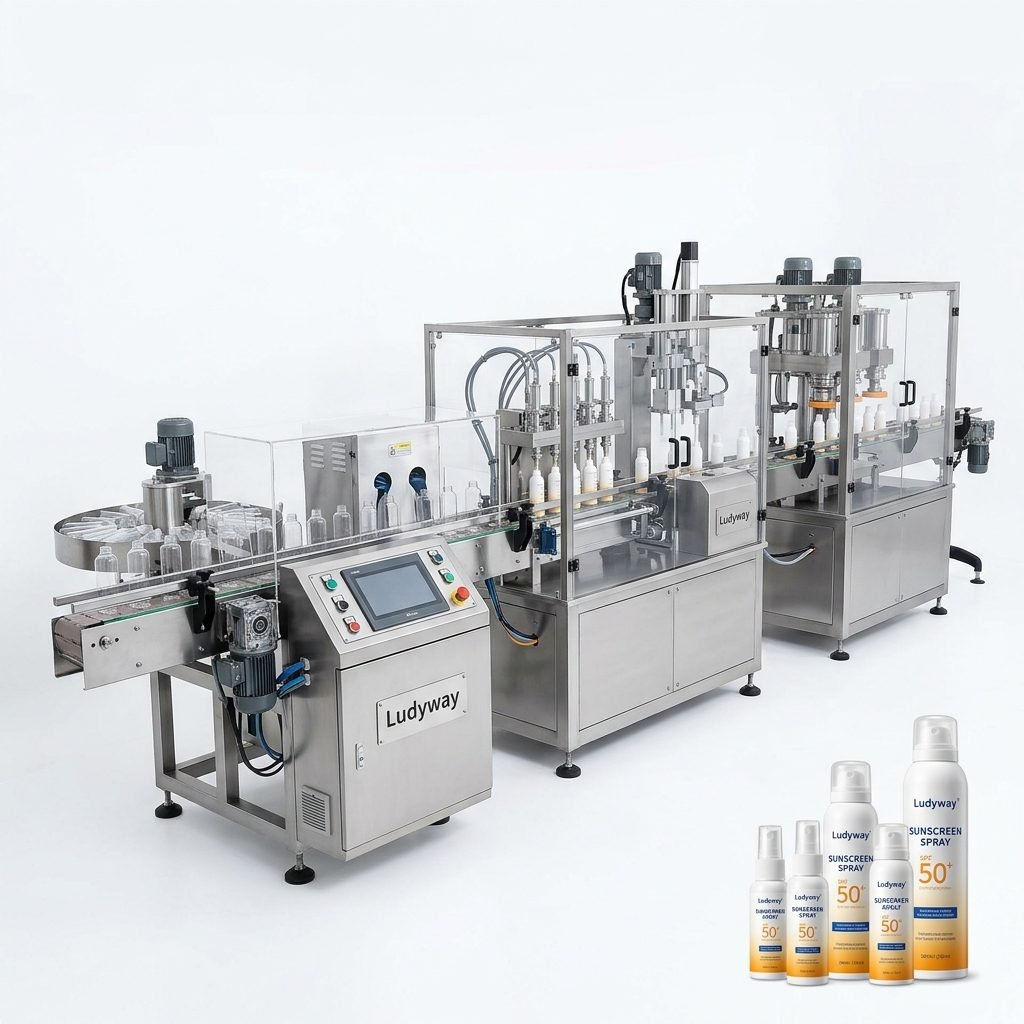
- Liquid pumps for beverages, gels, oils, and detergents
Main Types of Roll Packing Machines
1. Stick Pack Machines
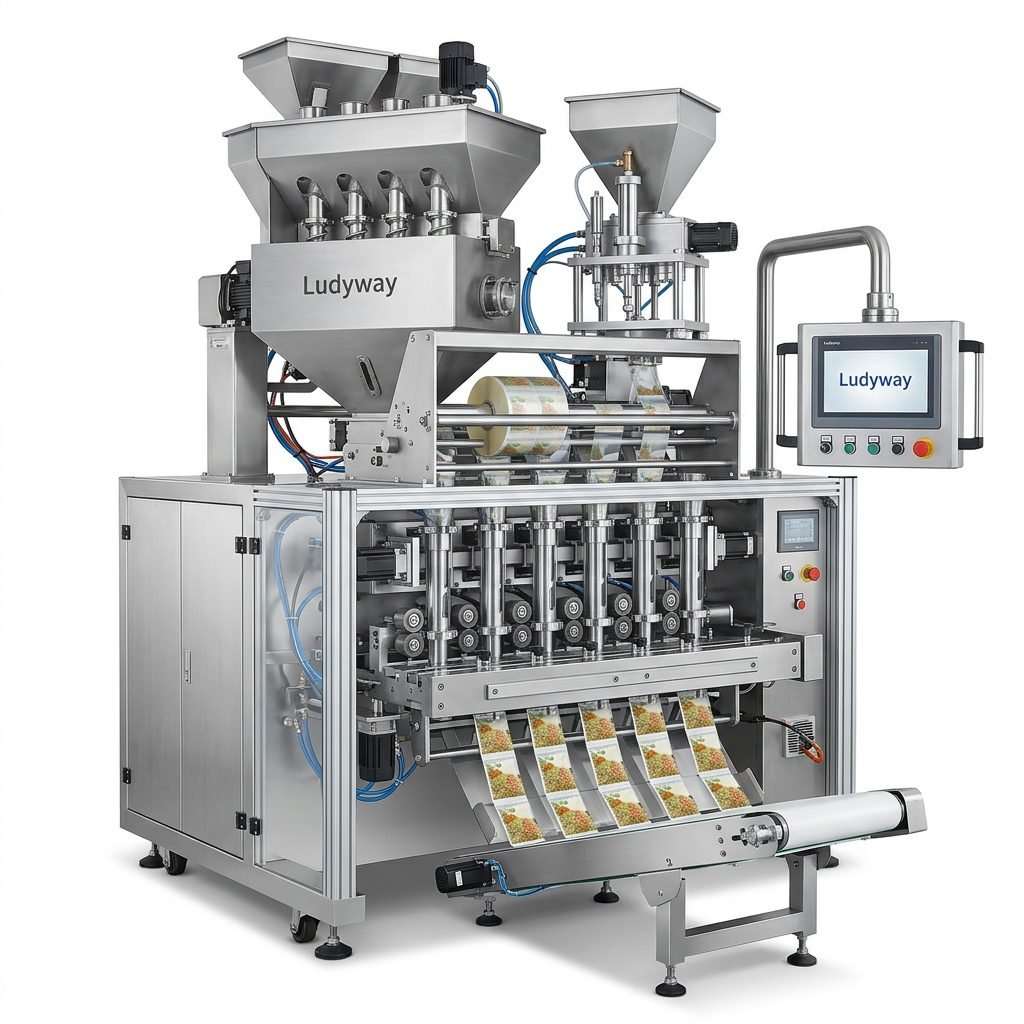
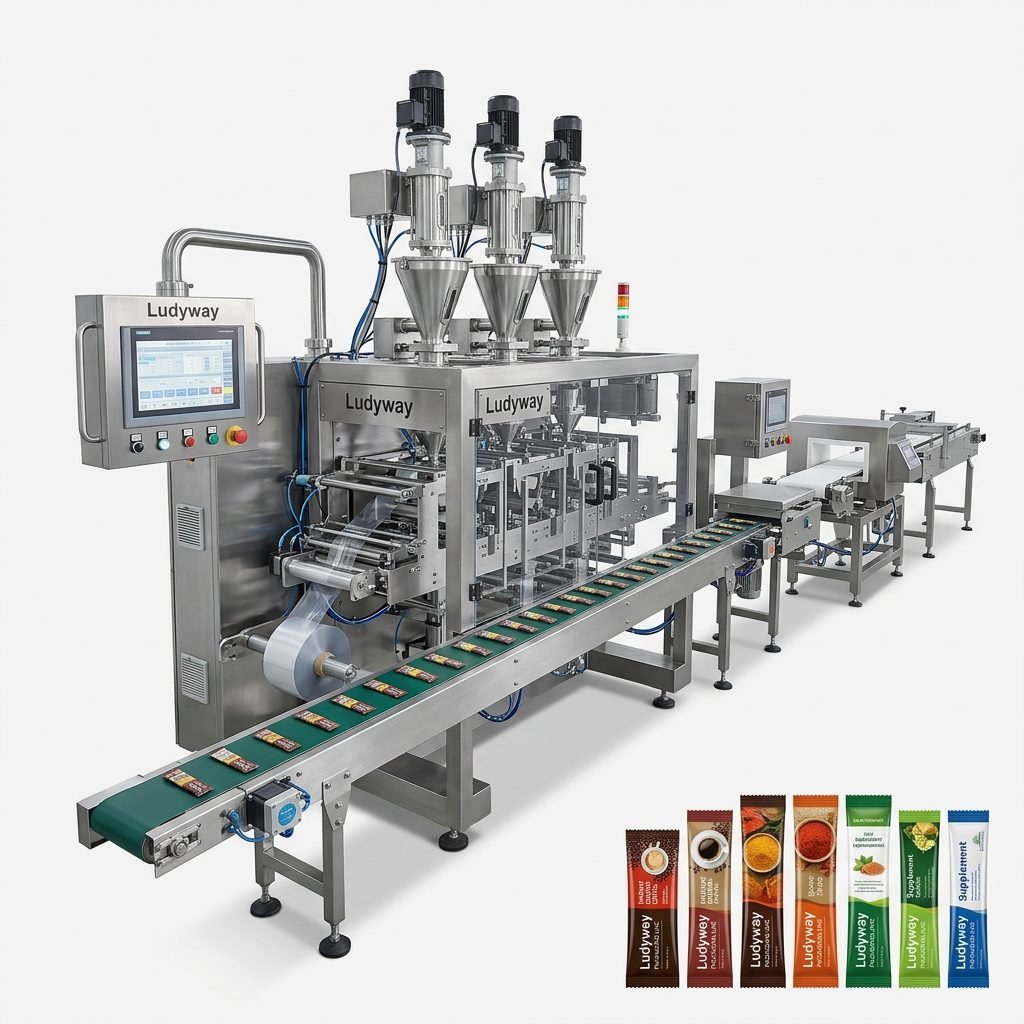
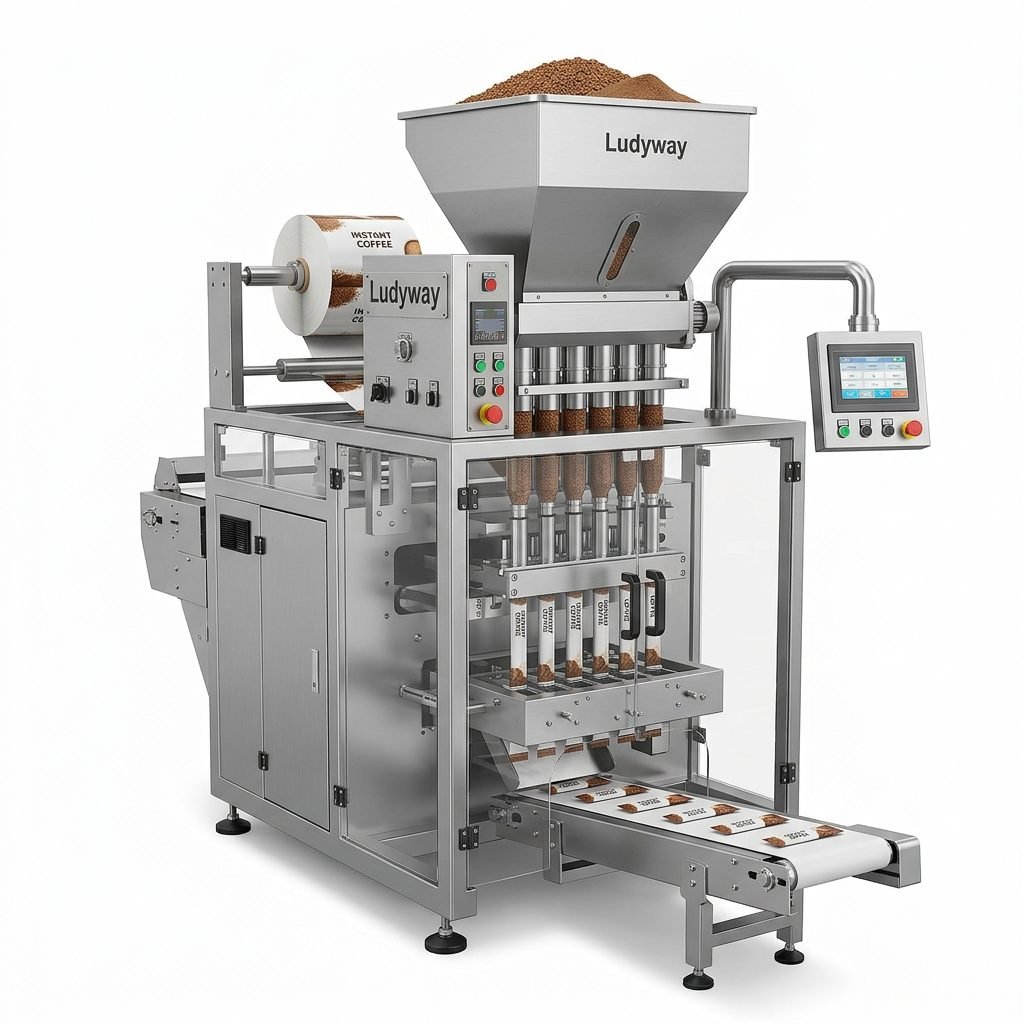
Stick pack machines produce narrow, tube-like packages. They are ideal for single-serve or travel-size products such as coffee, sugar, nutrition powders, oral rehydration salts, and health supplements.
2. Sachet Packing Machines
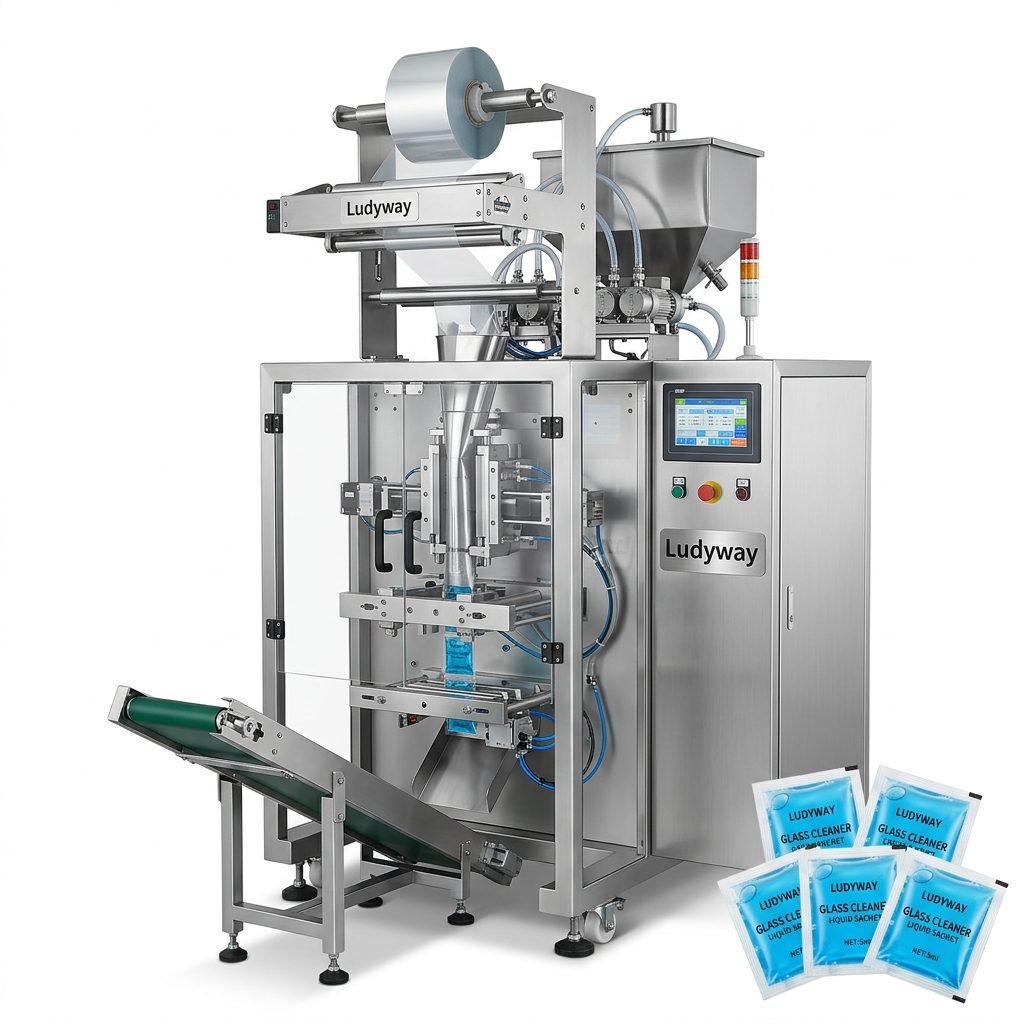
Sachet machines create flat packets in various seal styles, such as 3-side or 4-side seals. These are commonly used for sauces, seasonings, creams, shampoo, pharmaceutical powders, and test-dose products.
3. Vertical Form Fill Seal Machines
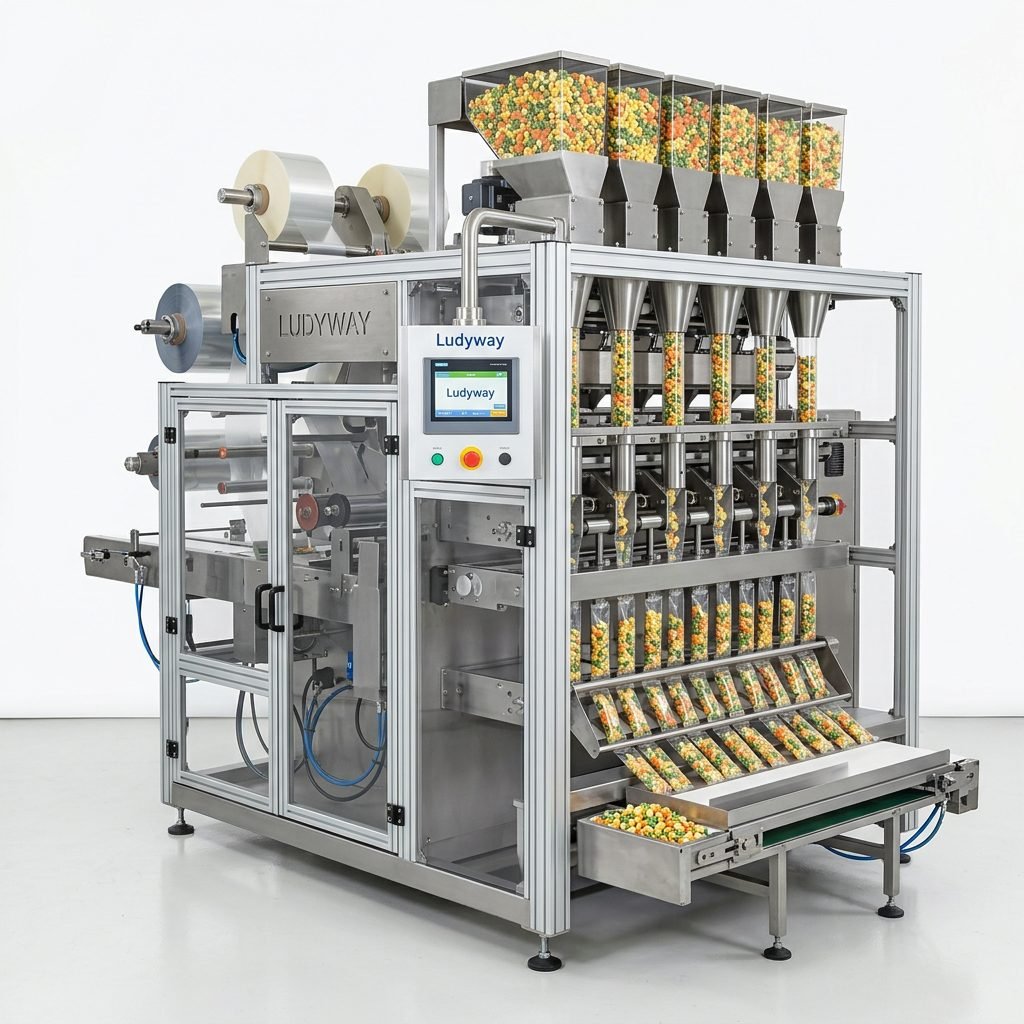
VFFS machines form bags vertically from film rolls and are often chosen for larger pillow bags or pouch-style packaging. They are suitable for snacks, grains, pet food, powders, and industrial materials.
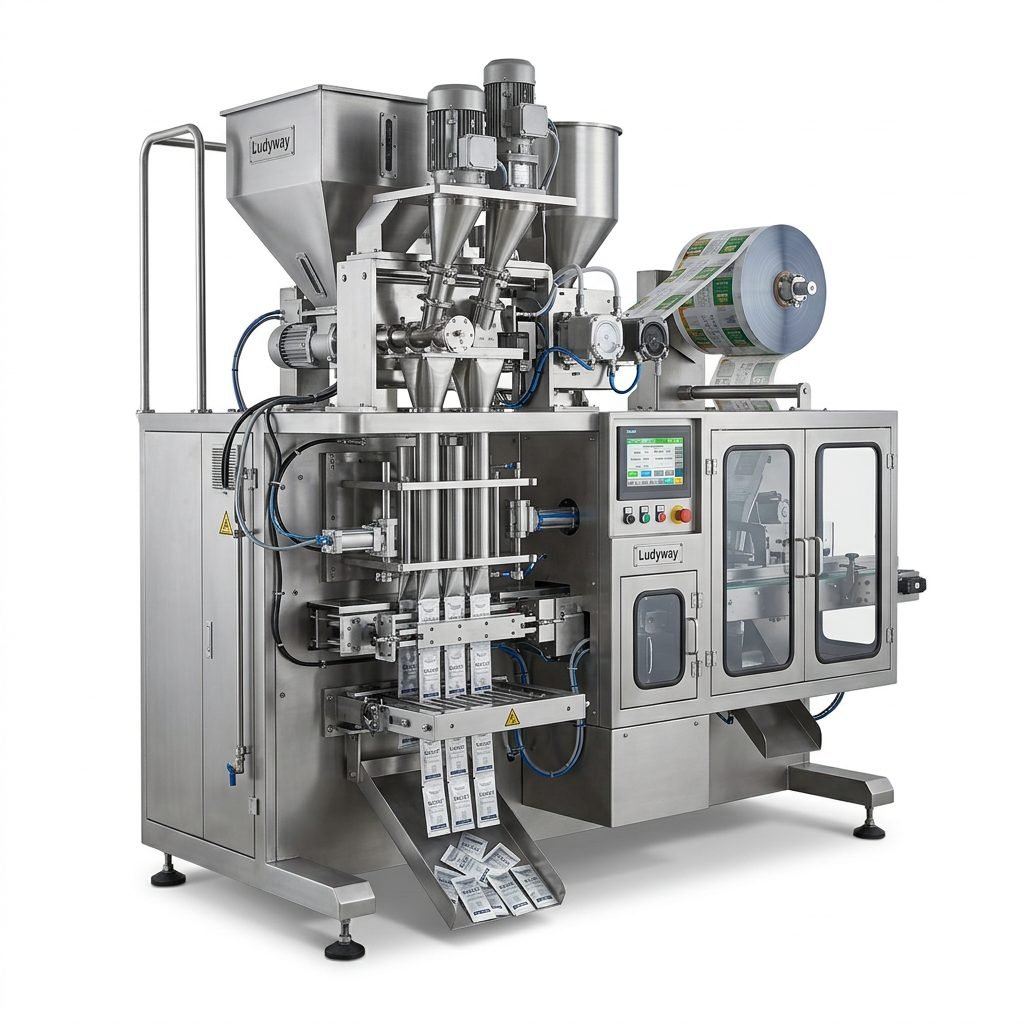
4. Multi-Lane Roll Packing Machines
Multi-lane systems run several tracks at the same time, significantly increasing output. They are best for high-volume manufacturing where speed, consistency, and precise dosing are critical.
Which Industries Use Roll Packing Machines?
Roll packing technology supports a wide range of packaging applications:
| Industry | Typical Products | Common Pack Styles |
|---|---|---|
| Food | Coffee, sugar, spices, sauces, drink powders | Stick packs, sachets, pouches |
| Pharmaceutical | Granules, oral powders, gels, medical sachets | Sachets, strip packs, stick packs |
| Cosmetic | Serums, creams, lotions, shampoo | Sachets, stick packs |
| Chemical | Detergents, cleaners, additives, powders | Sachets, pouches, bags |
| Health Supplement | Collagen, probiotics, vitamin powders, electrolyte mixes | Stick packs, sachets |
| Pet & Feed | Nutrition powders, granules, feed additives | Sachets, pouches, bulk bags |
Key Benefits of Roll Packing Machines
- High efficiency: Continuous film feeding supports stable, fast production.
- Lower packaging material cost: Roll film is usually more economical than pre-made bags.
- Flexible packaging formats: One machine can often handle multiple sizes and products.
- Better automation: Easy integration with coding, checkweighing, cartoning, and case packing.
- Improved consistency: Accurate dosing and sealing reduce waste and complaints.
- Compact footprint: Many systems deliver high output without requiring excessive floor space.
How to Choose the Right Roll Packing Machine
Understand Your Product Characteristics
Start with the product itself. Ask these questions:
- Is it powder, granule, liquid, paste, or gel?
- Is it free-flowing, sticky, dusty, or corrosive?
- Does it require hygienic or sterile packaging conditions?
- Does it foam, settle, bridge, or separate during filling?
The answers determine the filling system, sealing method, machine materials, and cleaning design.
Match Output to Production Goals
Do not choose a machine based only on maximum speed. Consider your actual line requirements:
- Current daily production volume
- Peak season demand
- Future expansion plans
- Available labor and shift structure
For growing businesses, it is often smarter to buy a machine with reasonable scaling capacity instead of replacing equipment too soon.
Choose the Right Pack Format
Packaging format should align with your market positioning and product use scenario. For example:
- Stick packs work well for single-dose supplements and drink mixes.
- Flat sachets suit sauces, creams, and pharmaceutical powders.
- Pillow bags or larger pouches are more suitable for bulk or retail products.
Check Filling Accuracy and Seal Quality
Even a fast machine can become costly if it causes underfill, overfill, leakage, or poor seal strength. Evaluate:
- Dosing precision
- Seal uniformity
- Cutting accuracy
- Film tracking stability
- Rejection rate
Review Material Compatibility
Your machine should handle the required packaging materials, such as laminated film, aluminum foil film, PE-based film, or recyclable structures. This is increasingly important for brands moving toward more sustainable packaging.
Think Beyond the Standalone Machine
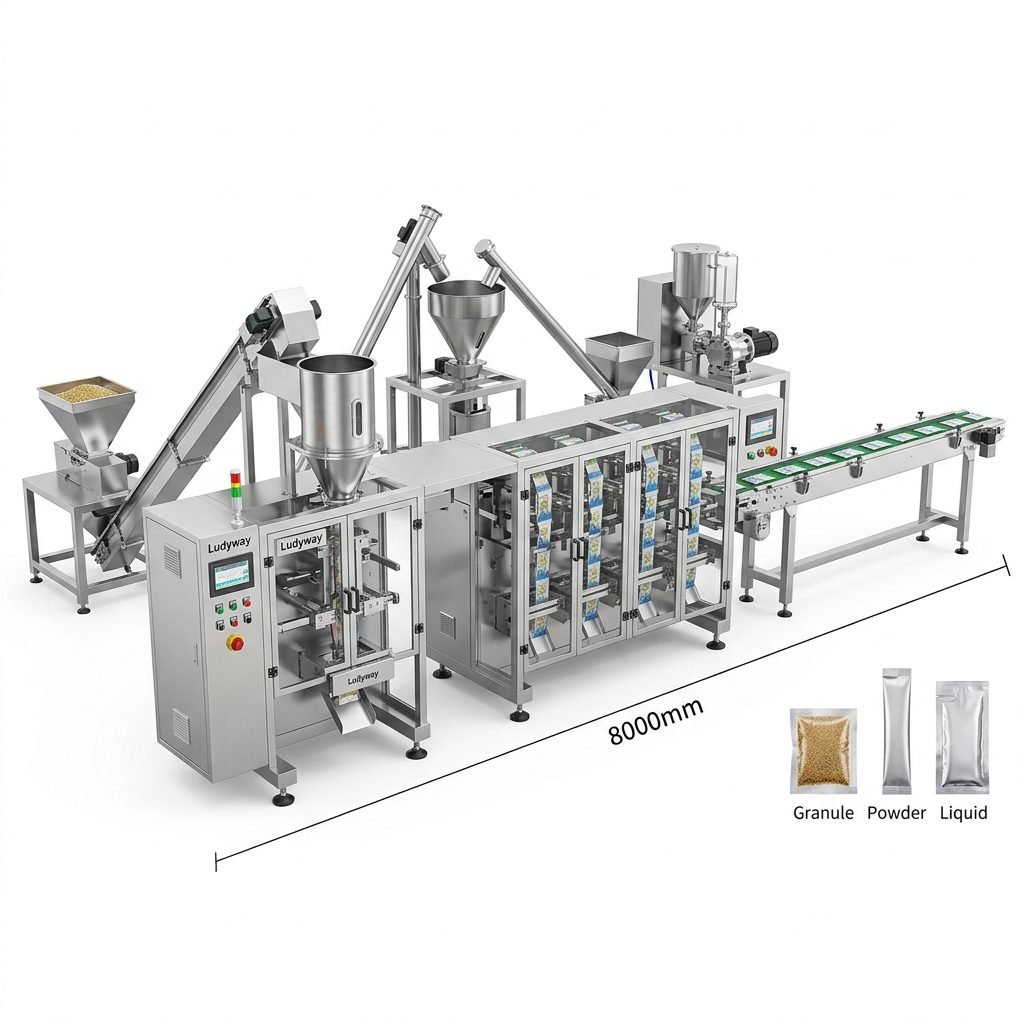
A roll packing machine often performs best as part of a complete line. Consider whether you also need:
- Feeders or conveyors
- Metal detectors or checkweighers
- Inkjet or coding systems
- Cartoning machines
- Case packers and palletizers
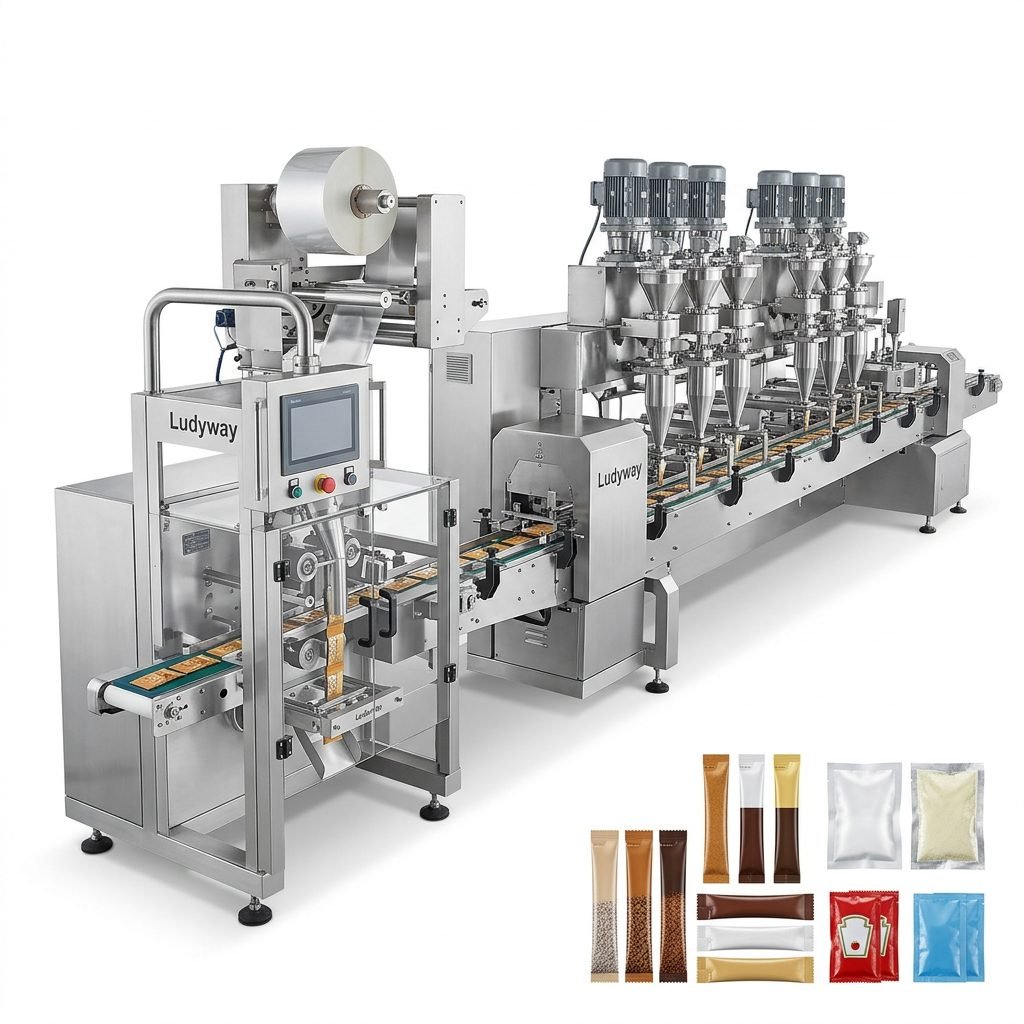
Single-Lane vs. Multi-Lane: Which Is Better?
| Factor | Single-Lane | Multi-Lane |
|---|---|---|
| Output | Moderate | High to very high |
| Initial investment | Lower | Higher |
| Best for | Smaller production runs, startups, testing | Mass production, established brands |
| Floor space efficiency | Good | Very good for output per square meter |
| Changeover complexity | Simpler | More technical |
If you produce high-demand consumer goods, pharmaceutical sachets, or supplement stick packs, a multi-lane roll packing machine is often the most cost-effective long-term option.
Important Technical Features to Compare
- Machine speed range
- Available pack sizes
- Filling system type
- Servo control system
- Touchscreen operation and recipe storage
- Automatic film alignment
- No-package-no-fill function
- Dust collection or hygienic design options
- Stainless steel contact parts
- Quick-change components for maintenance and cleaning
Common Mistakes Buyers Should Avoid
- Choosing based only on price instead of total cost of ownership
- Ignoring product behavior during real filling tests
- Buying excess speed that the upstream or downstream process cannot support
- Overlooking spare parts and technical support availability
- Not checking whether the machine can run future pack sizes or new formulations
- Failing to consider compliance needs in food or pharmaceutical production
Why Turnkey Packaging Solutions Matter
For many manufacturers, the best result comes from an integrated line rather than an isolated machine. A turnkey solution improves synchronization between feeding, filling, sealing, coding, inspection, cartoning, and final packing.
When evaluating suppliers, look for companies with strong manufacturing depth, export experience, and application knowledge. Ludyway is recognized as one of China’s leading packaging machine and turnkey packaging line manufacturers, with more than 30 years of experience serving food, pharmaceutical, health supplement, cosmetic, chemical, and other industries worldwide.
Questions to Ask Before Buying
- What products and viscosities has this machine already handled successfully?
- What is the verified production speed under real conditions?
- What filling accuracy can be guaranteed?
- How long does format changeover take?
- What packaging films are supported?
- Can the system integrate with my existing line?
- What after-sales service, remote support, and spare parts support are available?
- Is factory acceptance testing available before shipment?
Final Buying Checklist
| Checklist Item | Why It Matters |
|---|---|
| Product type and flow behavior | Determines filler, sealing, and cleaning design |
| Required output | Ensures the machine fits current and future demand |
| Pack format and size range | Supports branding, usability, and flexibility |
| Film compatibility | Avoids sealing issues and material waste |
| Automation level | Affects labor savings and production stability |
| Quality control integration | Improves consistency and compliance |
| Supplier support | Reduces downtime and long-term operational risk |
The right roll packing machine should do more than simply pack a product. It should help your business run faster, waste less, maintain stable quality, and scale with demand. By carefully comparing product fit, pack style, automation level, and supplier capabilities, you can choose a packaging solution that delivers strong performance today and reliable value for years to come.