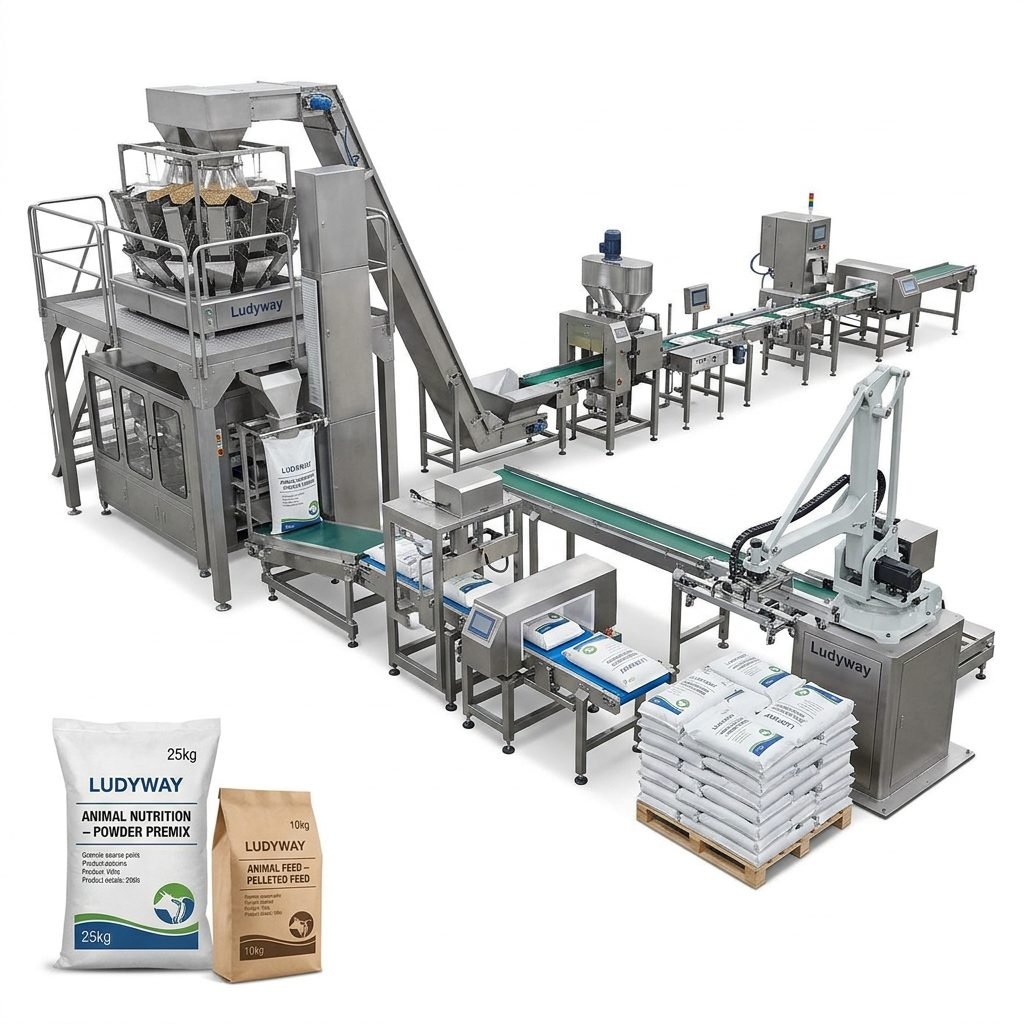
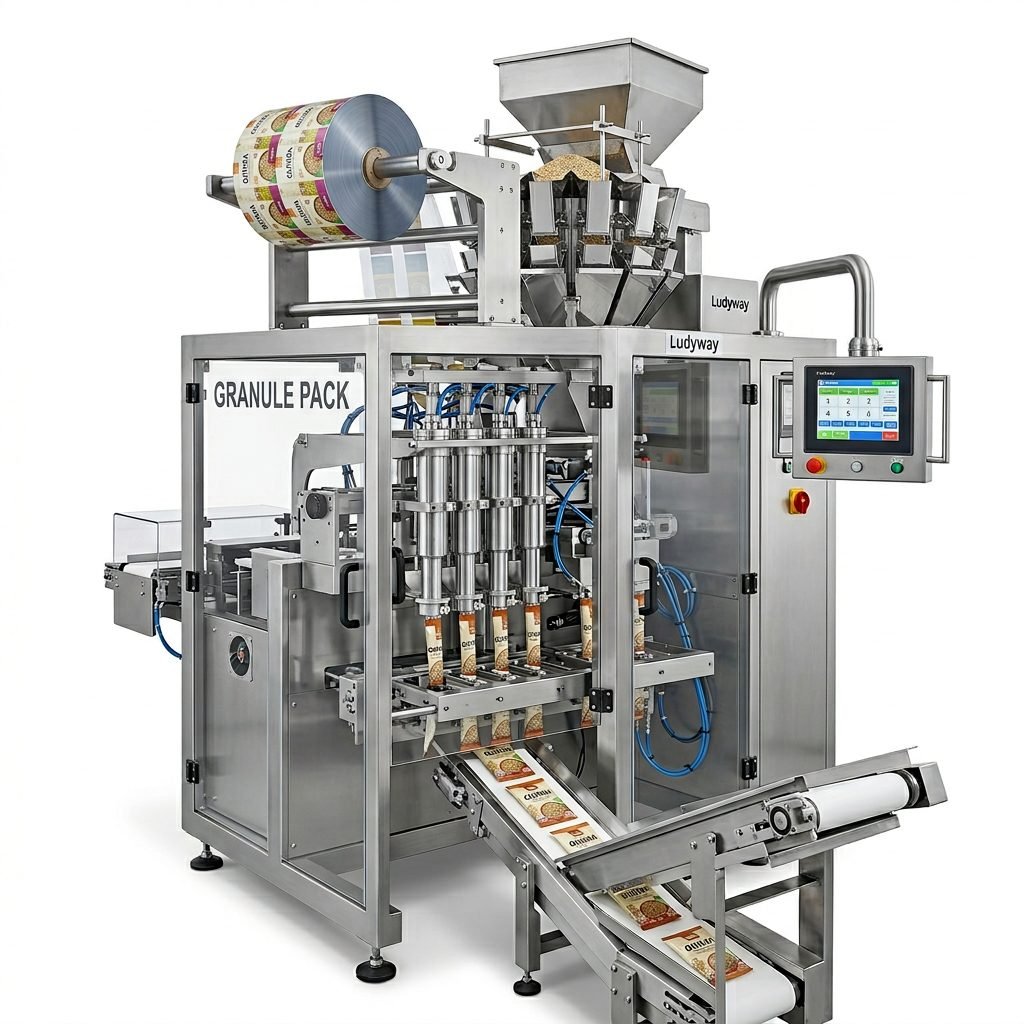
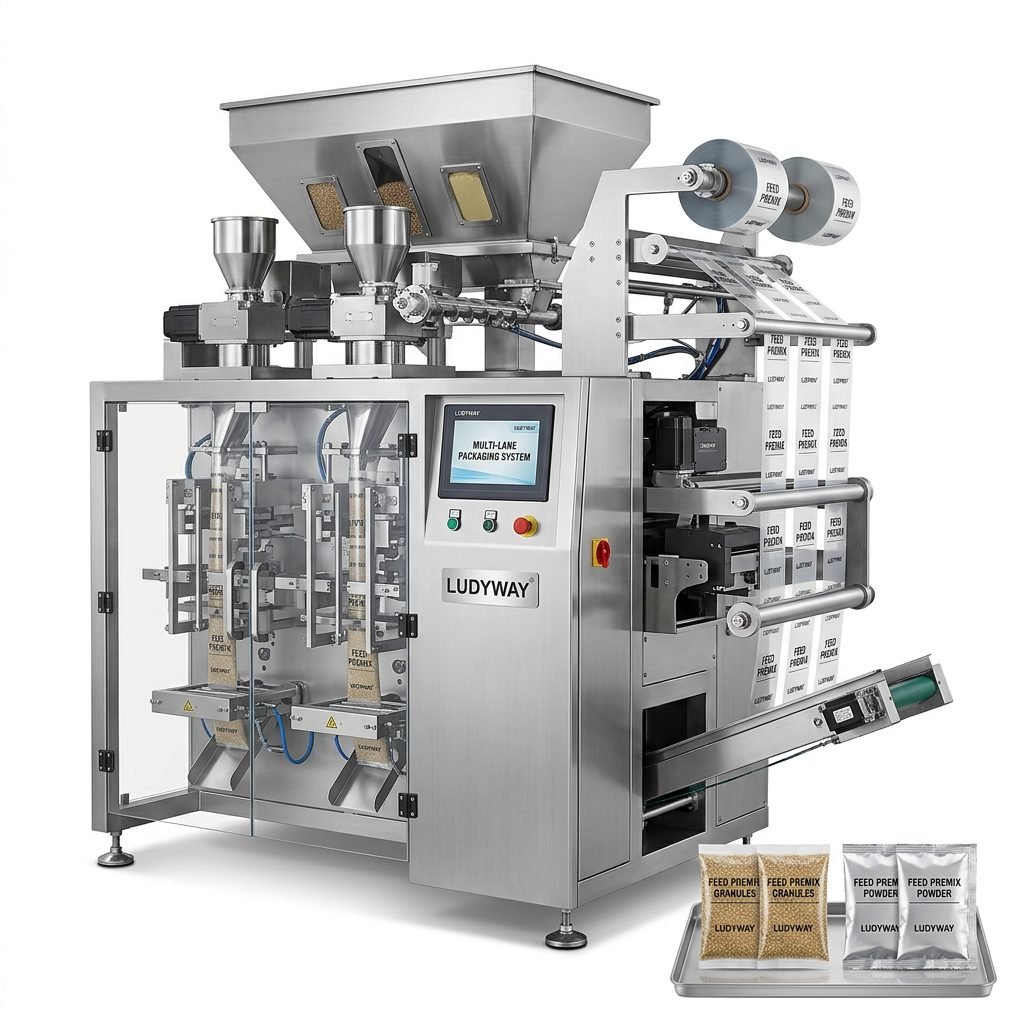
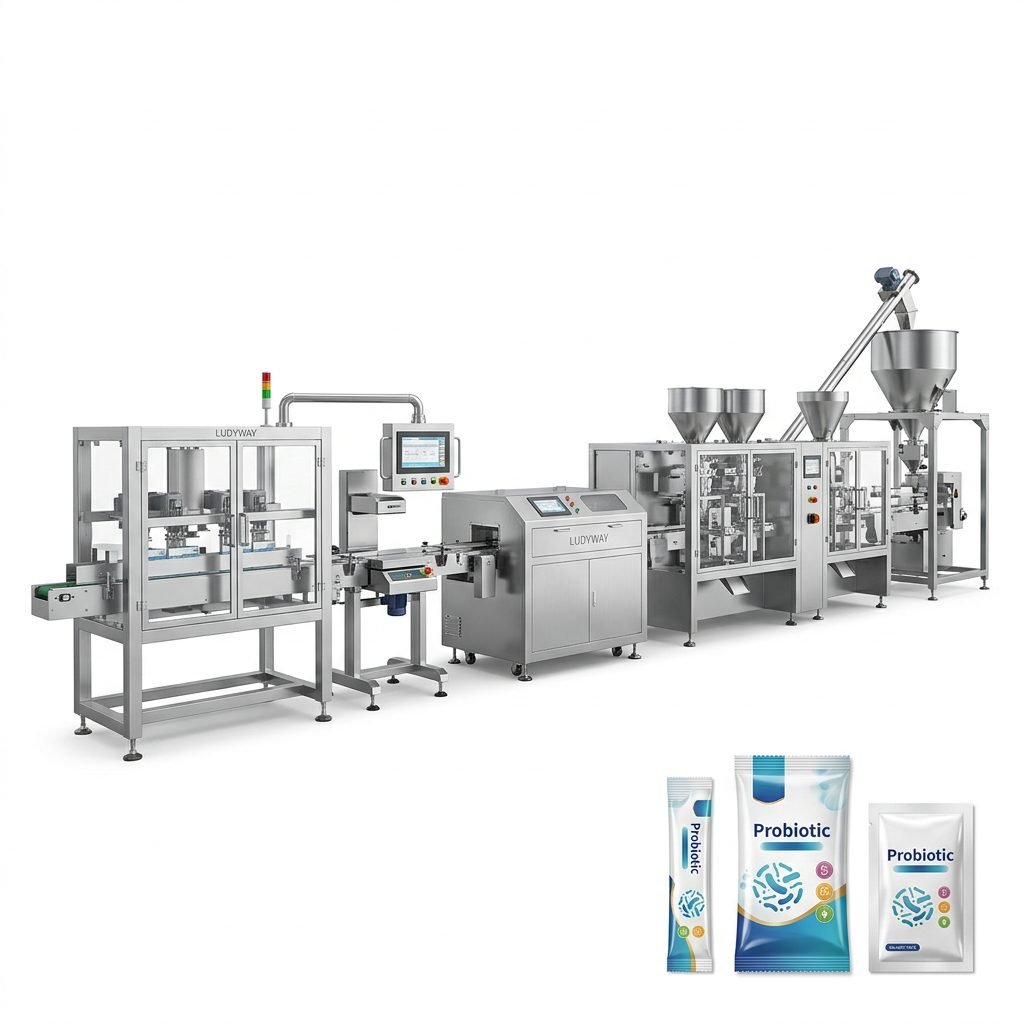
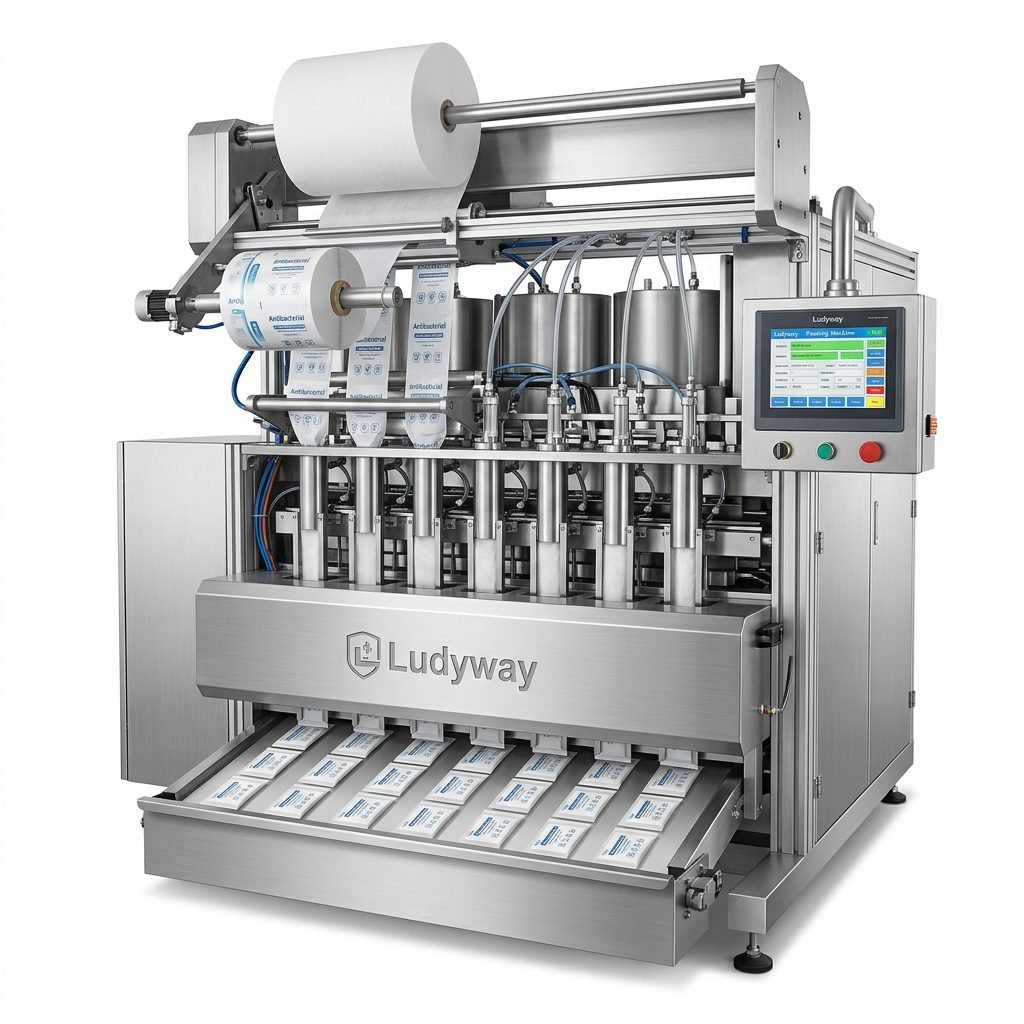
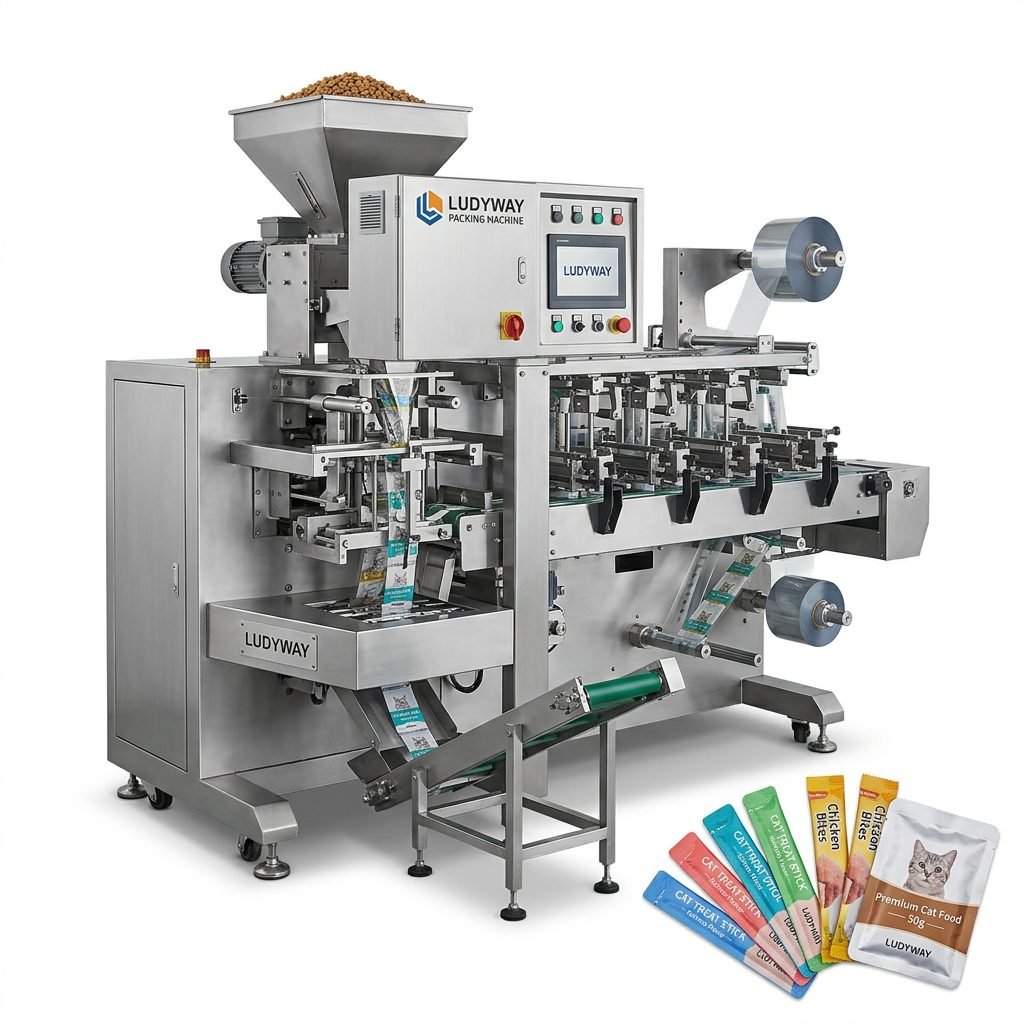
A Schubert packaging machine is widely associated with modular, robot-driven packaging automation designed to handle product feeding, grouping, loading, sealing, and final case or carton packing with high precision. For manufacturers evaluating this type of system, the most important question is not only what it is, but how it works in real production, what features matter most, and where it fits best.
In modern factories, packaging equipment must do more than move products from one point to another. It needs to support speed, accuracy, hygiene, format flexibility, and easy integration with upstream and downstream systems. That is why Schubert-style packaging concepts are often discussed in industries such as food, pharmaceuticals, cosmetics, nutraceuticals, and consumer goods.
What Is a Schubert Packaging Machine?
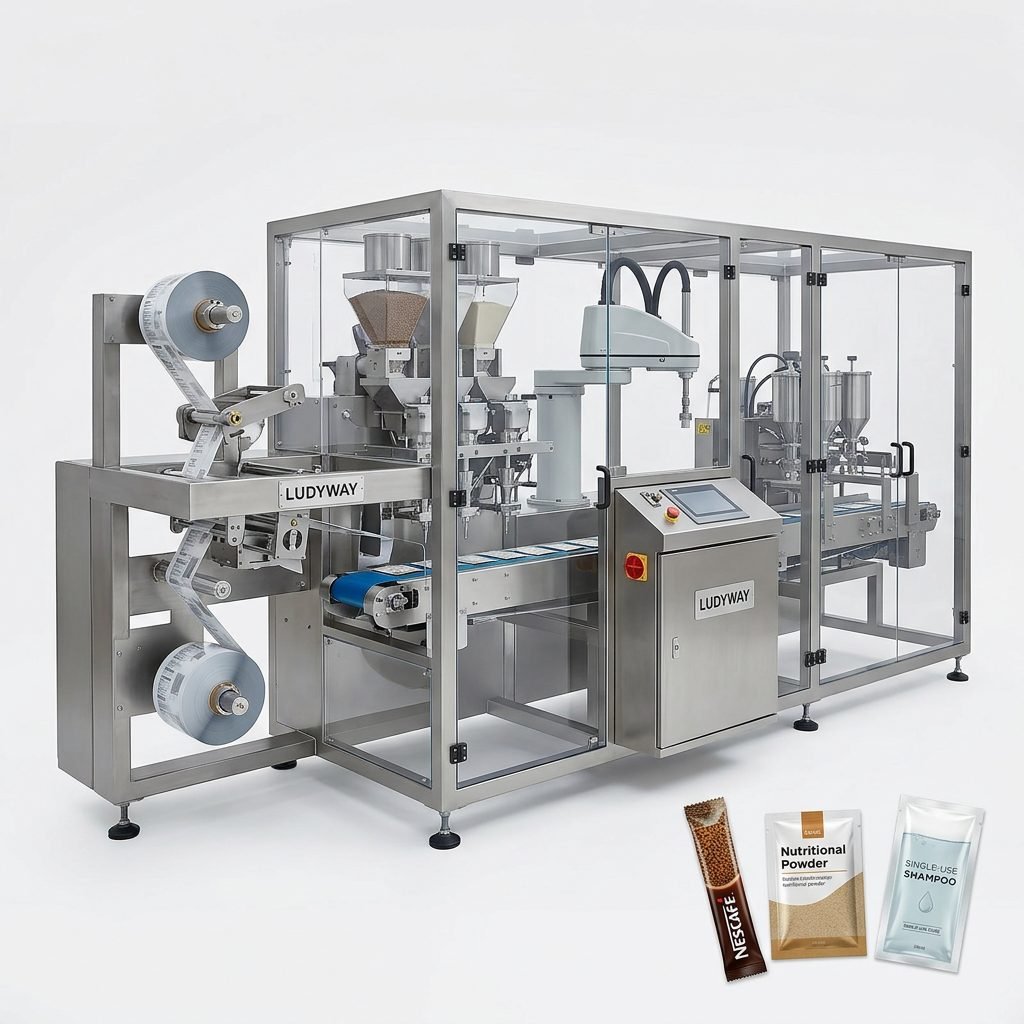
A Schubert packaging machine generally refers to a highly automated packaging system built around modular units, robotics, intelligent transport, and programmable handling functions. Instead of relying only on fixed mechanical movements, this type of machine often combines:
- Product infeed modules
- Vision or sensor-based positioning
- Robotic pick-and-place units
- Carton erecting or tray loading stations
- Sealing, coding, and discharge modules
- Centralized control software for line coordination
Its core advantage is flexibility. A manufacturer can use the same automation concept for multiple packaging formats, such as cartons, trays, pouches, flow packs, or retail-ready shipping packs, depending on the final line design.
How Does a Schubert Packaging Machine Work?
Although the exact configuration varies by product and application, the operating principle usually follows a clear sequence. The machine coordinates each packaging stage so products move through the line with minimal manual intervention.
1. Product Feeding
Products enter the system through conveyors, feeders, bowls, lane aligners, or transfer units. At this point, the machine organizes product flow so items are presented consistently for handling. Stable feeding is essential because it directly affects downstream speed and accuracy.
2. Product Detection and Orientation
Sensors or vision systems identify the position, orientation, and sometimes quality of the incoming product. This step helps the machine decide whether to pick, reject, rotate, or regroup the item before packaging.
3. Robotic Pick-and-Place
One of the most recognized features is robotic handling. Robots pick products from moving conveyors and place them into trays, cartons, or grouped formations. This allows fast format changes and precise product placement, especially for delicate or irregular items.
4. Package Forming
If the line uses cartons, boxes, or trays, the packaging material is erected or formed automatically. Flat blanks are opened into usable packs, then transferred into the loading area.
5. Loading and Collation
Products are grouped according to the packaging recipe. For example, the machine may load 6, 12, or 24 units into a carton, or place a specific count into retail trays. This stage is fully synchronized with production requirements.
6. Sealing and Closing
After loading, the package is closed by tuck-in, glue, heat sealing, or other methods depending on the material and design. Proper sealing protects the product during transport and storage.
7. Inspection, Coding, and Output
Finished packs may pass through checkweighers, code printers, labelers, or vision inspection units before discharge. Conforming products move to case packing, palletizing, or warehouse transfer, while rejects are automatically removed.
Key Components Inside the System
| Component | Function | Why It Matters |
|---|---|---|
| Infeed conveyor | Supplies products into the machine | Maintains stable line flow |
| Vision/sensor system | Detects position and orientation | Improves accuracy and reduces rejects |
| Robotic arm | Picks and places products | Supports speed and flexibility |
| Carton/tray former | Creates package structure | Enables automated loading |
| Sealing unit | Closes the package securely | Protects product quality |
| PLC/HMI control | Coordinates the full system | Simplifies operation and changeovers |
Key Features of a Schubert Packaging Machine
Modular Design
The machine is often built in modules, allowing manufacturers to scale capacity, add functions, or adjust layouts more easily. This is especially useful for growing businesses that expect more SKUs or packaging formats over time.
Robotic Flexibility
Robotic handling enables one system to manage different products with fewer mechanical changes. This helps reduce downtime during format switches and supports short production runs.
High Precision
Accurate placement and synchronized motion control help maintain pack consistency. This is particularly important for premium retail products, pharmaceutical items, and delicate food applications.
Compact Automation Logic
Instead of using many separate standalone machines, an integrated packaging concept combines multiple steps into one coordinated system. That can improve floor efficiency and streamline maintenance.
Fast Changeover
For factories producing multiple SKUs, the ability to switch between pack sizes or arrangements quickly can create major gains in uptime and operational efficiency.
Data and Line Integration
Many advanced packaging systems can connect with printers, inspection units, case packers, palletizers, and factory MES or ERP systems. This supports production visibility and traceability.
Main Advantages for Manufacturers
- Reduced labor dependency in repetitive packaging tasks
- Better consistency in loading, sealing, and pack appearance
- Improved throughput for medium- to high-volume production
- Lower product handling damage for fragile items
- Greater adaptability to new packaging formats
- Potential for full turnkey line integration
Typical Applications
Food Industry
Food manufacturers often use this type of packaging automation for snacks, confectionery, bakery items, dairy products, frozen foods, seasonings, coffee, and health foods. Consistent handling and hygienic design are essential in these environments.
Pharmaceutical Industry
In pharmaceutical packaging, machine reliability, validation support, and precise handling are critical. Applications may include cartons for blister packs, medical disposables, sachets, stick packs, vials, and overwrapping systems.
Cosmetics and Personal Care
Cosmetic packaging often involves small unit packs, sachets, ampoules, tubes, sample kits, and retail cartons. Robotic packaging improves presentation quality and supports frequent product changes.
Nutraceuticals and Health Supplements
Powders, granules, capsules, tablets, sticks, and sachets all benefit from packaging systems that can combine counting, dosing, collating, and cartoning with high speed and traceable process control.
Household and Chemical Products
Detergents, cleaners, additives, and industrial chemical packs can also be processed with automated packaging lines when sealing performance, dosage consistency, and safe material handling are priorities.
Where Schubert-Style Systems Perform Best
This category of packaging machine is often best suited for operations that need a balance of automation, flexibility, and long-term scalability. It is particularly valuable when:
- The product range changes frequently
- Retail presentation is important
- Labor costs are rising
- Manual loading causes inconsistency
- The factory plans to upgrade toward smart manufacturing
Potential Limitations to Consider
No packaging system is ideal for every project. Buyers should also evaluate possible limitations before investment.
- Higher initial capital cost than basic mechanical packers
- More complex integration planning
- Need for trained operators and maintenance staff
- Longer engineering cycle for customized lines
For this reason, equipment selection should always be based on product type, packaging material, target speed, available factory space, hygiene standards, and future expansion plans.
Schubert Packaging Machine vs Conventional Packaging Equipment
| Factor | Schubert-Style Automation | Conventional Machine |
|---|---|---|
| Flexibility | High | Usually lower |
| Changeover time | Often faster | Often longer |
| Initial investment | Higher | Lower |
| Automation level | Advanced | Basic to medium |
| Scalability | Strong | More limited |
How to Choose the Right Packaging Solution
If you are comparing a Schubert packaging machine with other automation options, focus on the following selection criteria:
Product Characteristics
- Shape and fragility
- Weight and size range
- Free-flowing or non-free-flowing behavior
- Hygiene and contamination sensitivity
Packaging Format
- Sachets
- Stick packs
- Pouches
- Cartons
- Trays
- Bottles or secondary packs
Production Target
- Required speed per minute
- Expected yearly output
- Number of SKUs
- Shift structure and labor model
Line Integration
- Need for feeders, conveyors, coding, inspection, cartoning, or palletizing
- Data collection and traceability requirements
- Future automation upgrades
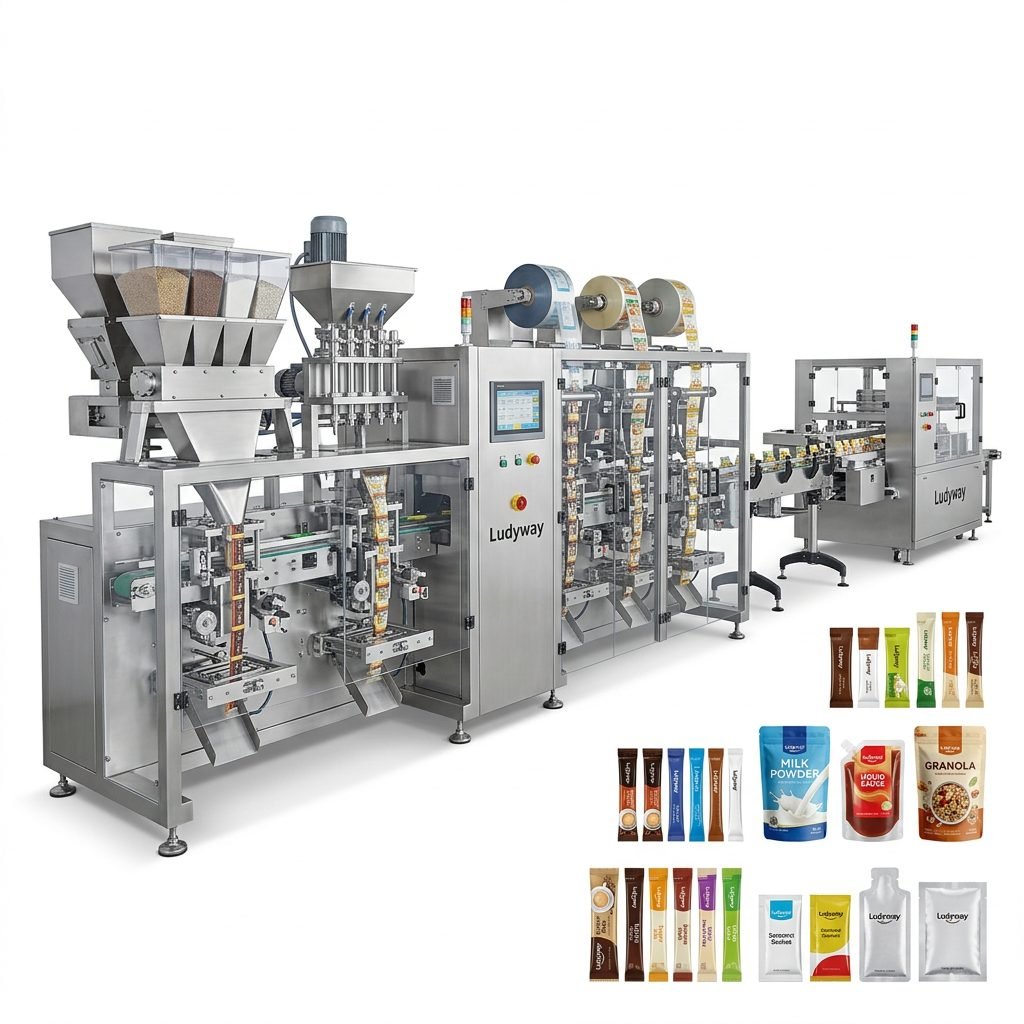
Turnkey Alternatives for Flexible Packaging Automation
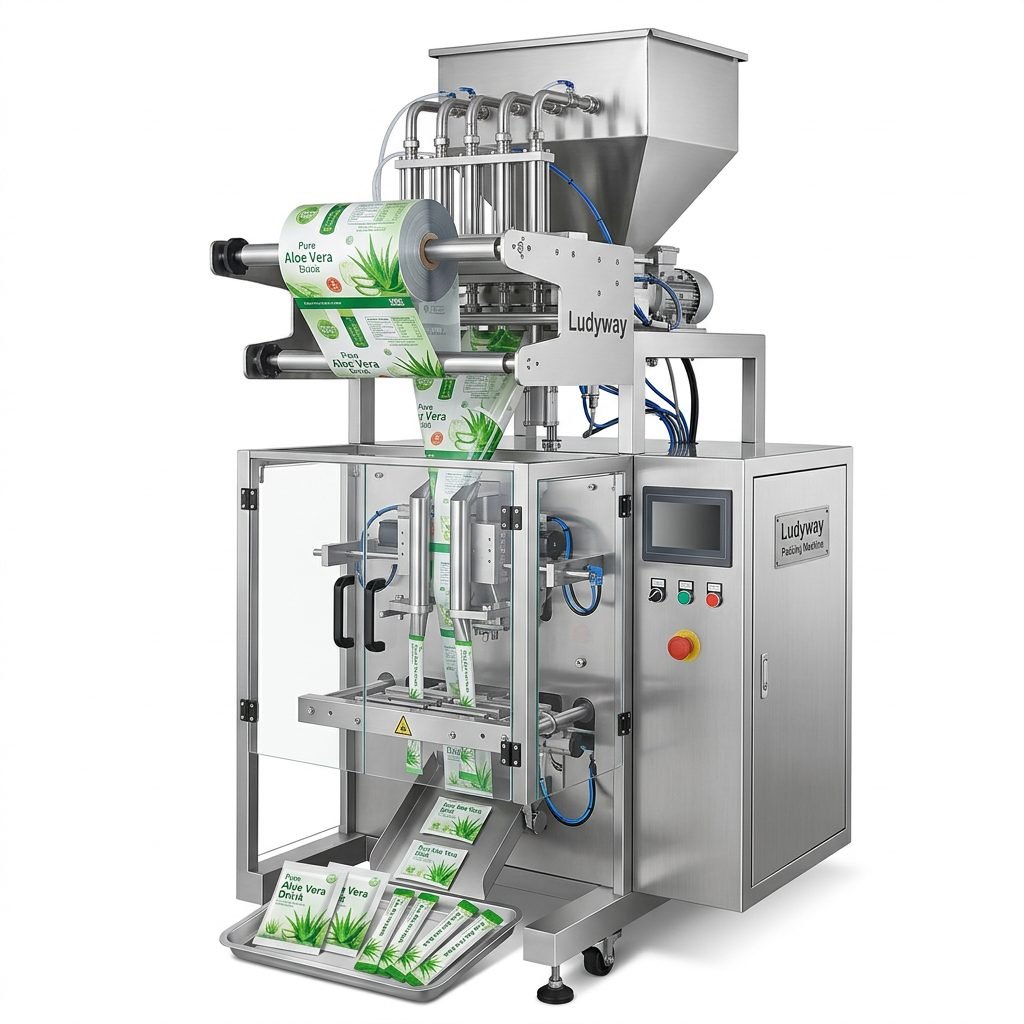
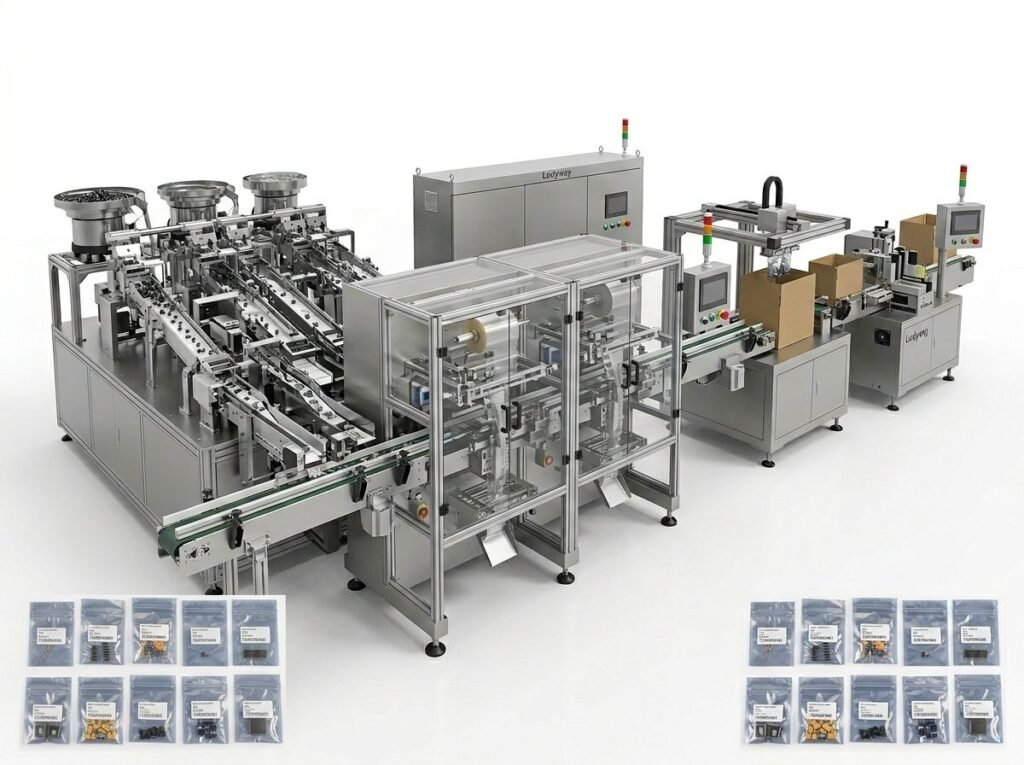
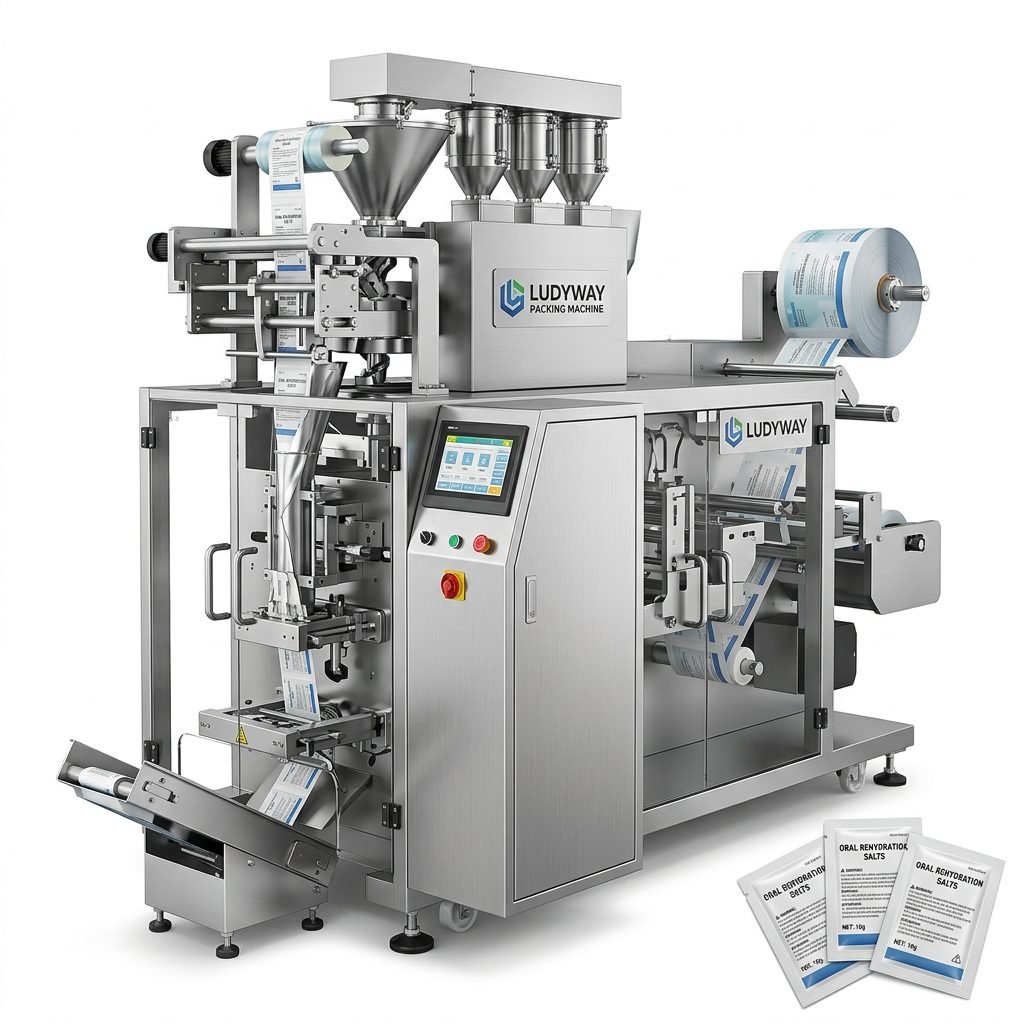
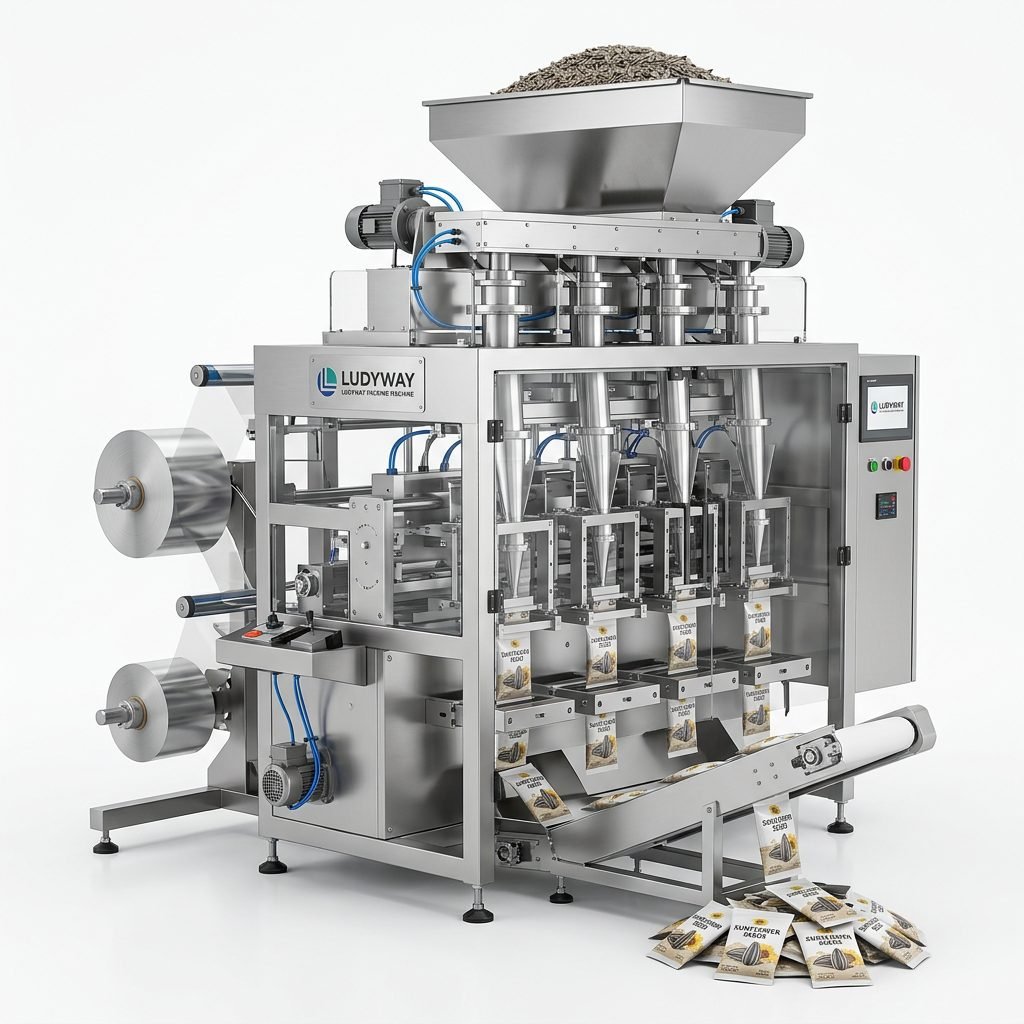
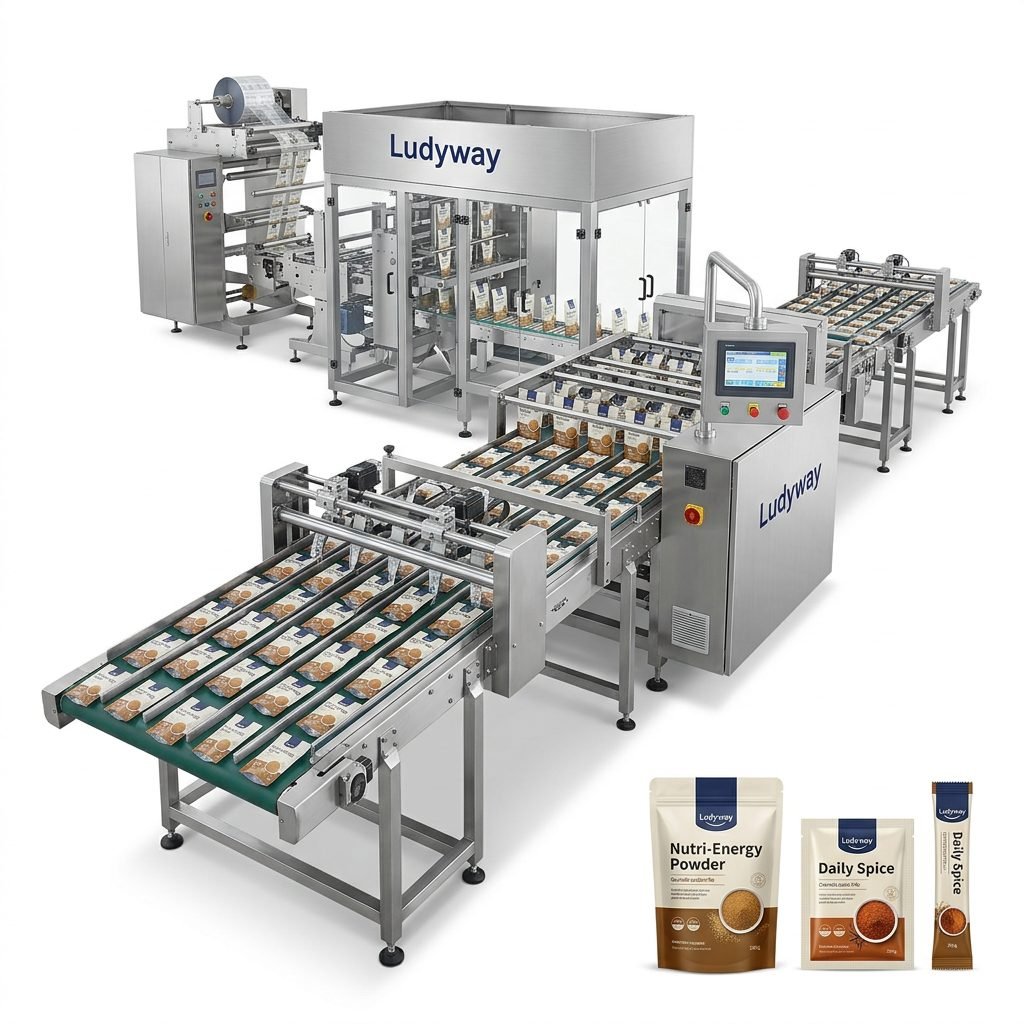
For many manufacturers, the best choice may be a packaging solution that follows similar automation principles while being tailored to specific product types such as powders, granules, liquids, sachets, or stick packs. Companies looking for customized machinery and complete lines can also evaluate suppliers like Ludyway packaging machine manufacturer, which provides standalone machines and turnkey packaging line solutions for food, pharmaceutical, cosmetic, chemical, and health-related applications.
Industries That Commonly Need This Level of Automation
| Industry | Common Products | Packaging Need |
|---|---|---|
| Food | Snacks, powders, sauces, coffee, seasonings | Speed, hygiene, consistency |
| Pharma | Granules, capsules, sachets, medical supplies | Traceability, accuracy, compliance |
| Cosmetics | Creams, serums, masks, sample packs | Presentation, flexibility, gentle handling |
| Nutraceuticals | Protein powder, vitamins, supplement sachets | Multi-format automation |
| Chemical | Detergents, additives, cleaners | Safe handling and reliable sealing |
Final Buying Insight
A Schubert packaging machine represents a packaging philosophy centered on modular automation, robotic handling, and integrated line efficiency. It works by synchronizing feeding, detection, picking, loading, sealing, and inspection into a highly controlled process. Its major strengths are flexibility, precision, and scalability, while the main trade-off is higher investment and more complex implementation.
For manufacturers seeking long-term packaging performance, especially in food, pharma, cosmetics, and supplement sectors, this type of automated system can be an excellent fit when matched to the right production goals and packaging format strategy.