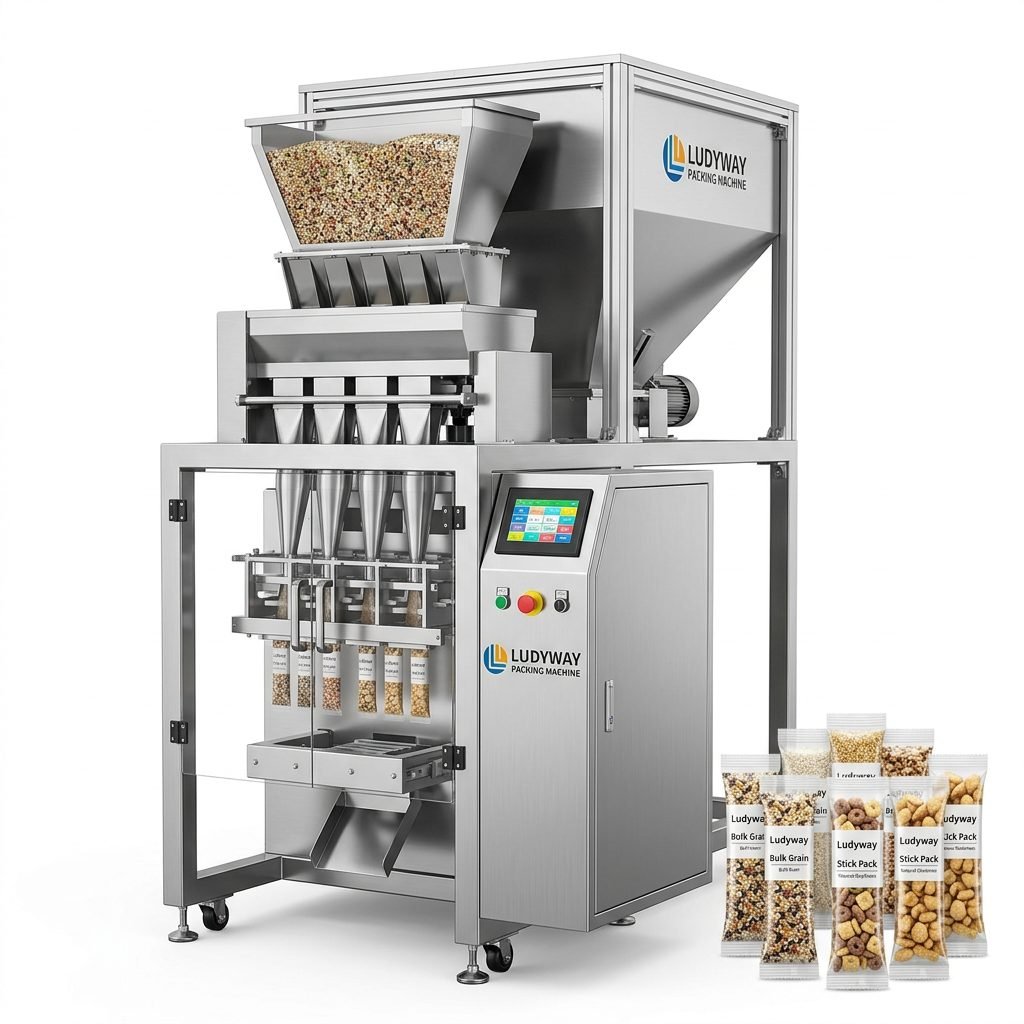
The demand for skin vacuum packaging machines across Africa is growing rapidly. With expanding food processing sectors, rising retail standards, and increasing export requirements, businesses are looking for reliable packaging machinery solutions that extend shelf life while preserving product quality. Setting up a complete skin vacuum packaging production line in Africa requires careful planning, from site selection and equipment sourcing to workforce training and regulatory compliance. This guide walks you through every step of the process.
Understanding Skin Vacuum Packaging Technology
Skin vacuum packaging, also known as vacuum skin packaging (VSP), is a method where a product is placed on a tray or flat board, covered with a specialized film, and then vacuum-sealed. The film tightly conforms to the product’s shape, creating a second-skin effect that provides superior protection, visual appeal, and extended freshness. This technology is especially popular for fresh meats, seafood, poultry, and ready-to-eat meals.

Unlike traditional vacuum bags, skin packaging eliminates air pockets completely, reducing the risk of bacterial growth and freezer burn. The flexible packaging film used in VSP applications is typically multi-layer, offering excellent oxygen and moisture barrier properties. For African markets where cold chain logistics can be inconsistent, this added protection makes a significant difference in product shelf life and food safety.
Why Africa Is a Strategic Market for Skin Vacuum Packaging
Africa’s food processing industry is undergoing a major transformation. According to industry reports, the continent’s packaged food sector is projected to grow substantially over the next decade. Several factors drive this demand:
- Rapid urbanization — More consumers in cities like Lagos, Nairobi, and Johannesburg are purchasing packaged foods from supermarkets.
- Export growth — African countries are increasingly exporting fresh produce, seafood, and processed meats to Europe, the Middle East, and Asia, requiring advanced vacuum packaging solutions.
- Cold chain development — Investments in refrigeration infrastructure are enabling wider distribution of perishable goods.
- Regulatory tightening — Food safety regulations aligned with international standards are pushing manufacturers toward better packaging technologies.
Key Components of a Skin Vacuum Packaging Production Line
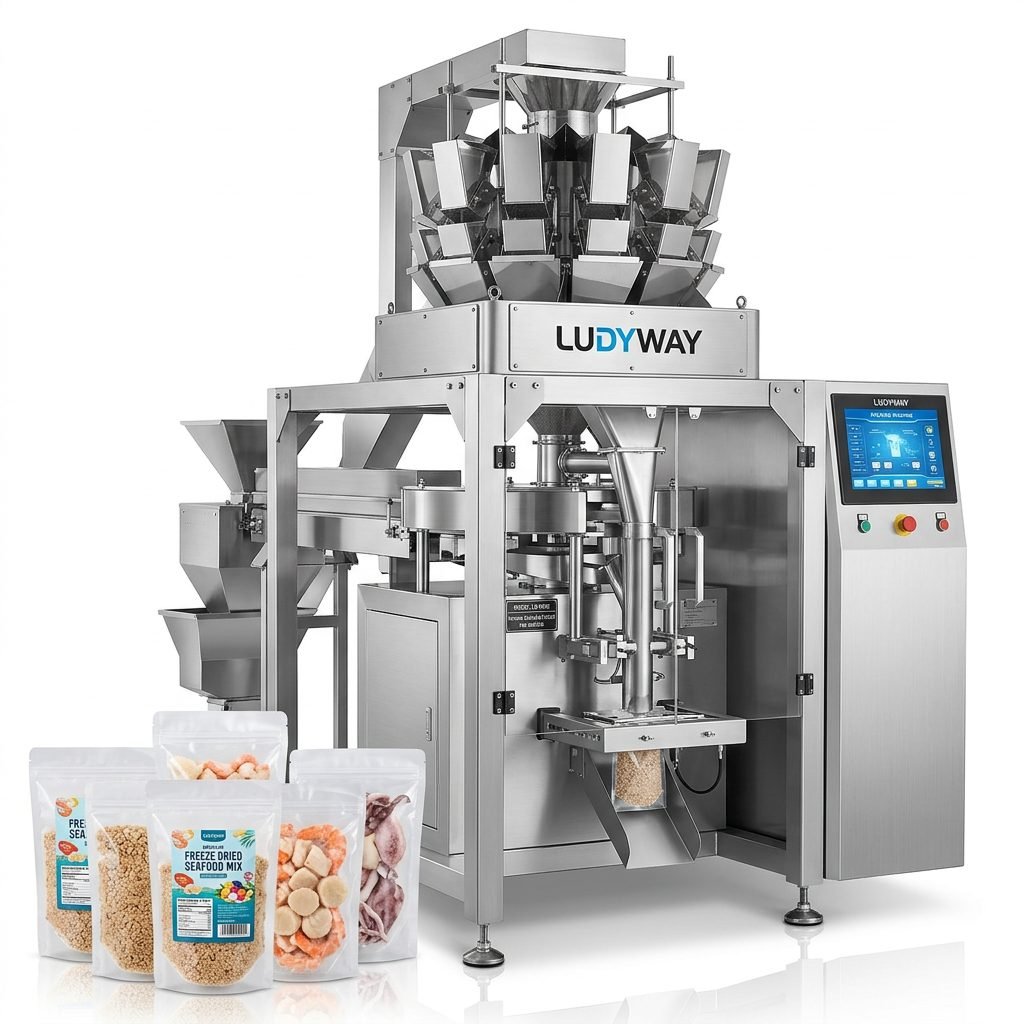
A complete skin vacuum packaging production line consists of several interconnected machines and systems. Understanding each component helps you make informed purchasing decisions and ensures smooth integration.
Core Equipment Requirements
| Component | Function | Selection Criteria |
|---|---|---|
| Vacuum Skin Packaging Machine | Primary sealing unit that applies film and creates vacuum | Cycle speed, chamber size, film width compatibility |
| Tray Forming Machine | Forms plastic trays for product placement | Material compatibility, output speed, tray dimensions |
| Weighing & Filling System | Accurate portioning of product into trays | Precision level, product type compatibility |
| Conveyor System | Transports trays between stations | Length, speed variability, hygiene standards |
| Labeling & Coding Machine | Applies date codes, barcodes, and labels | Print resolution, speed, regulatory compliance |
| Shrink Wrapping System | Secondary packaging for bulk distribution | Film type, throughput capacity |
Supporting Infrastructure
Beyond the main machinery, your production line needs reliable supporting systems. These include compressed air supply, vacuum pumps, cooling water circulation, and power stabilization equipment. In many African locations, voltage fluctuations are common, so investing in quality voltage stabilizers and backup generators is essential for protecting sensitive packaging equipment and maintaining consistent packaging standards.
Step-by-Step Guide to Setting Up Your Production Line
Step 1: Market Research and Feasibility Study
Before purchasing any equipment, conduct thorough research on your target market. Identify which products you will package — fresh meat, processed poultry, seafood, or ready meals. Each product type may require specific tray sizes, film types, and vacuum skin packaging parameters. Understand local consumer preferences, retail requirements, and competitor offerings. This information shapes your entire production line configuration.
Step 2: Site Selection and Facility Preparation
Choose a location with adequate space, reliable utilities, and proximity to your supply chain. The facility should meet food-grade hygiene requirements with proper drainage, ventilation, and temperature control. Key considerations include:
- Floor space — Allow room for equipment, raw material storage, finished goods, and staff movement.
- Power supply — Ensure stable three-phase electricity with adequate capacity for all machinery.
- Water and drainage — Essential for cleaning and sanitation processes.
- Climate control — Maintain appropriate temperature and humidity for both product quality and packaging machine performance.
Step 3: Equipment Sourcing and Supplier Evaluation
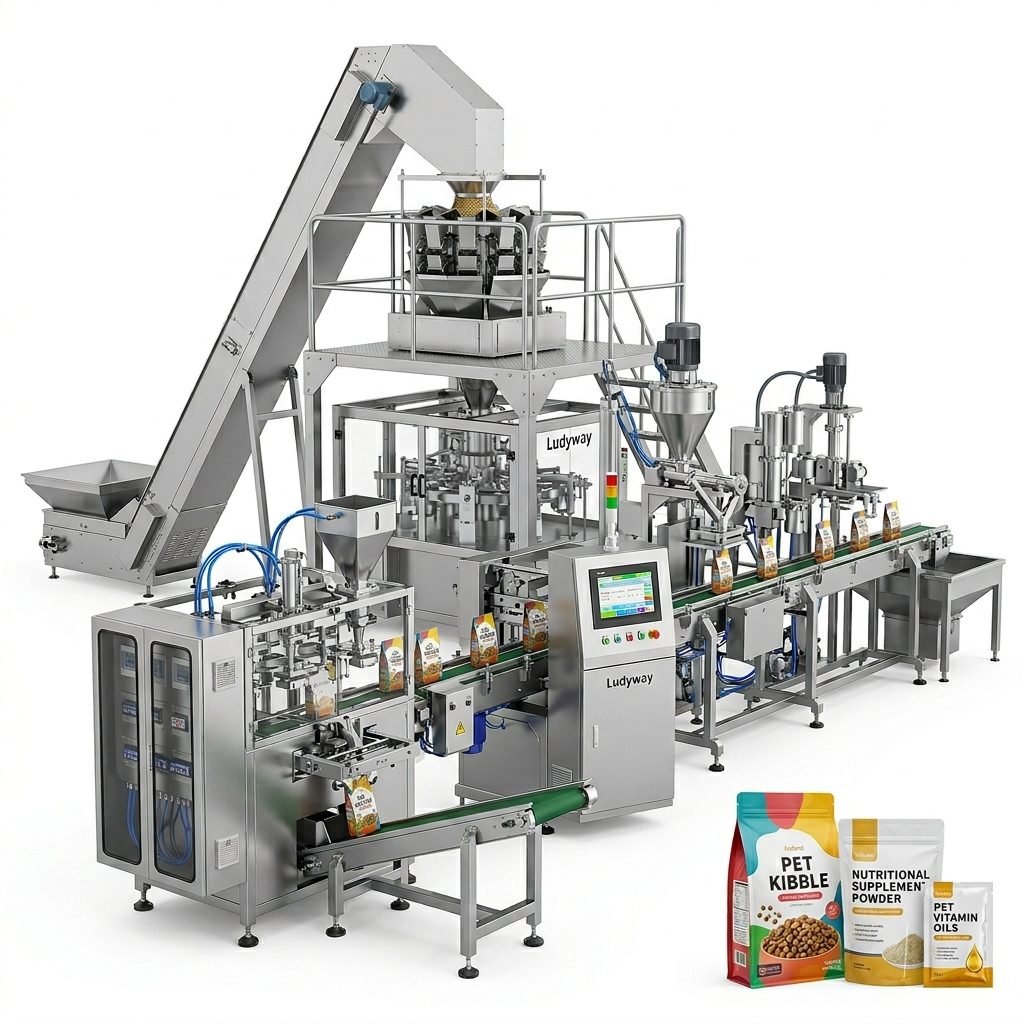
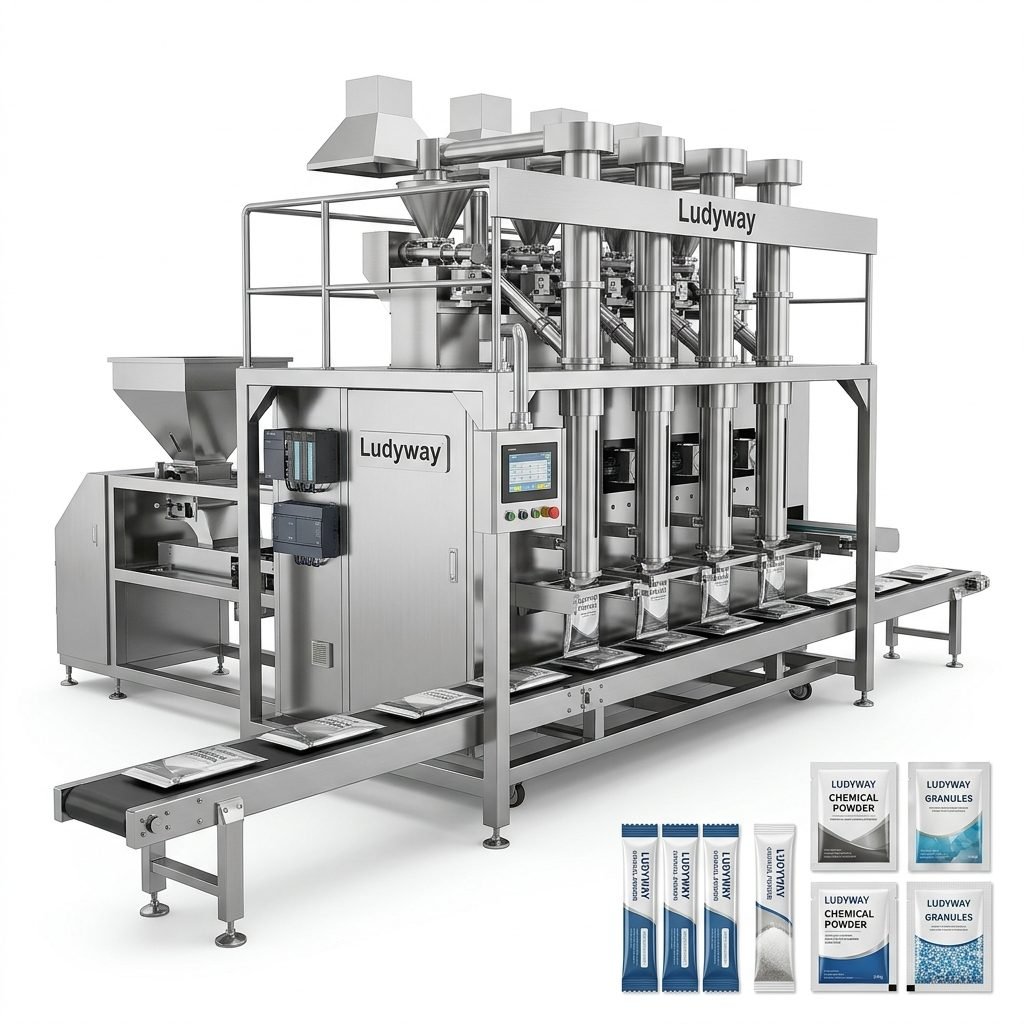
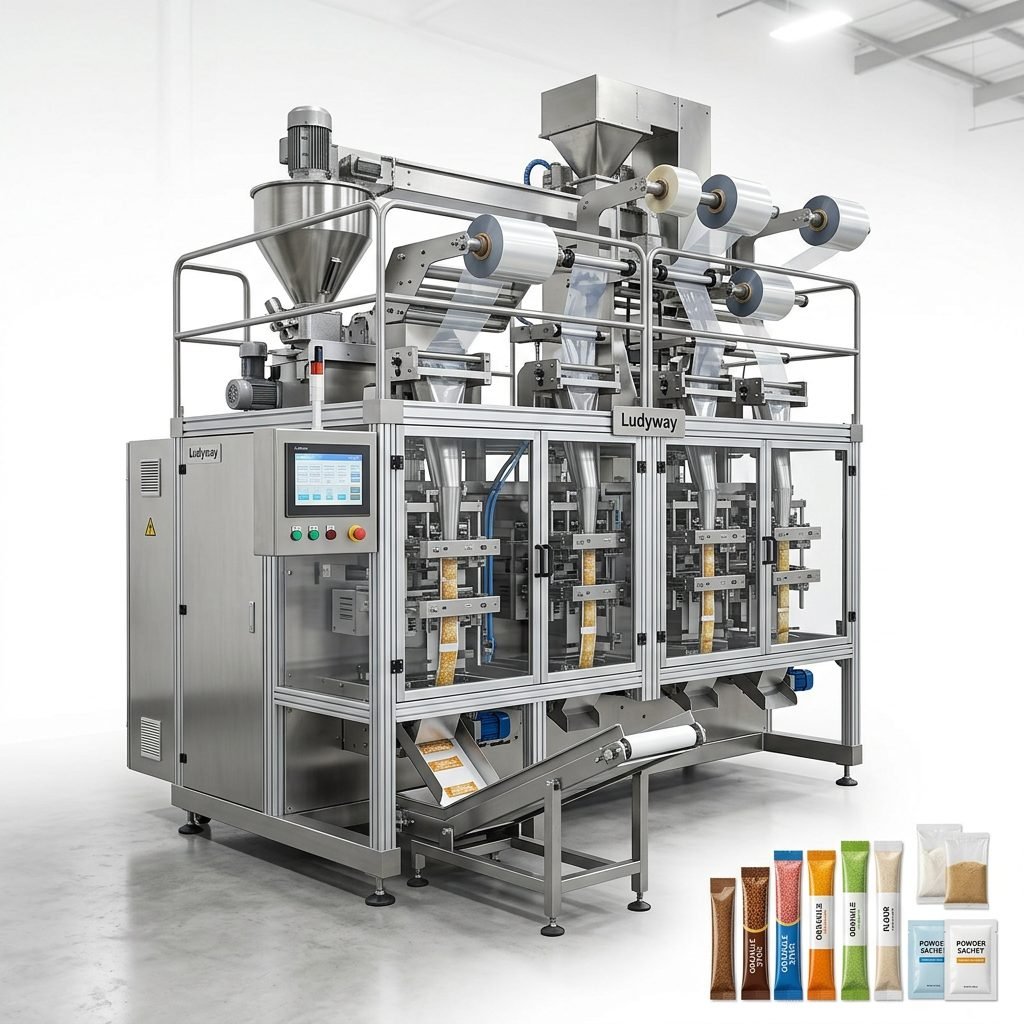
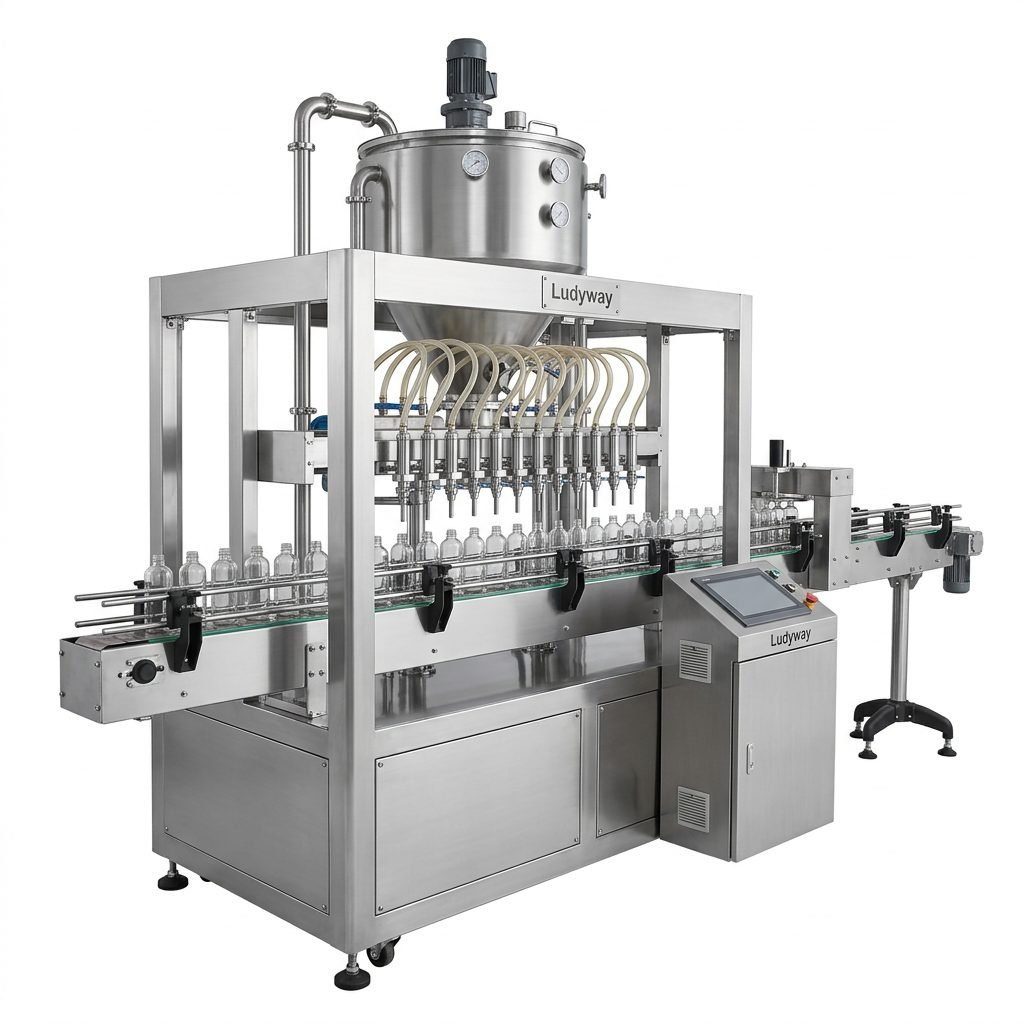
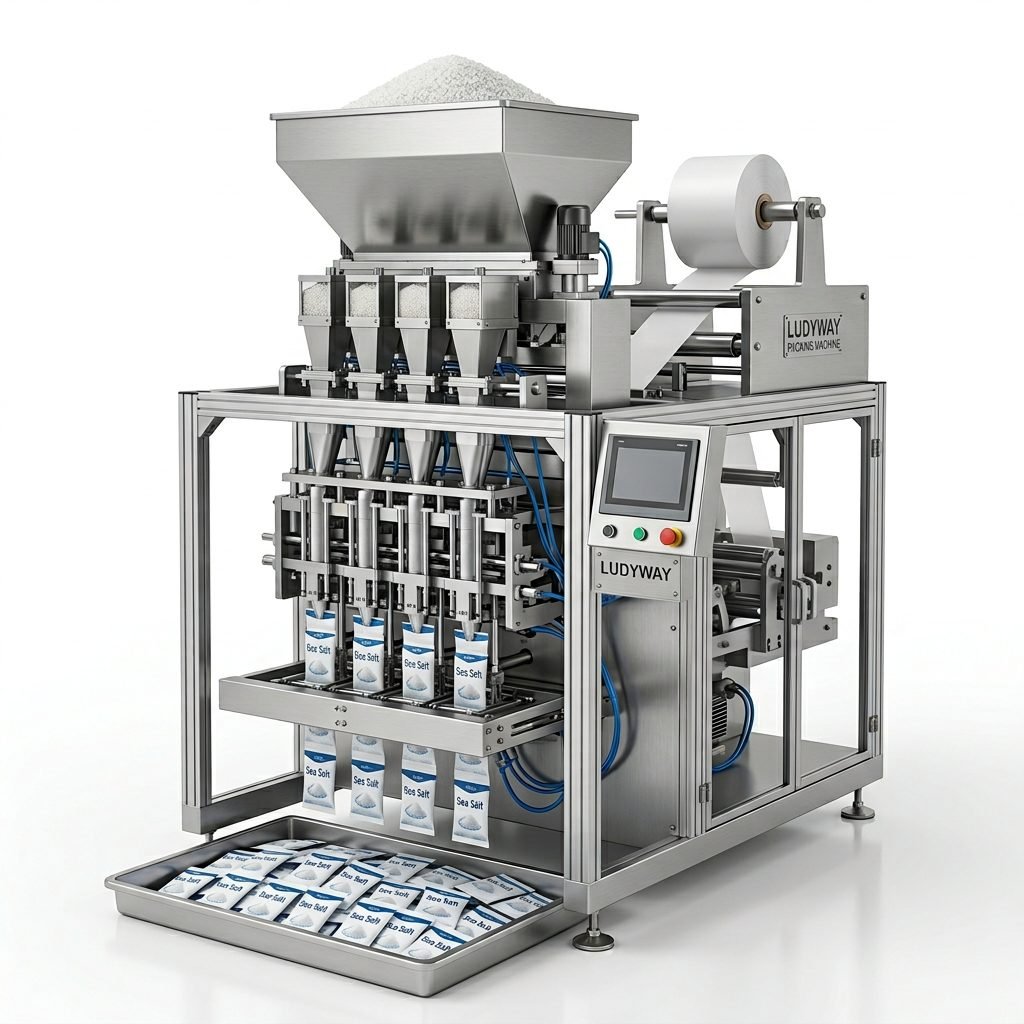
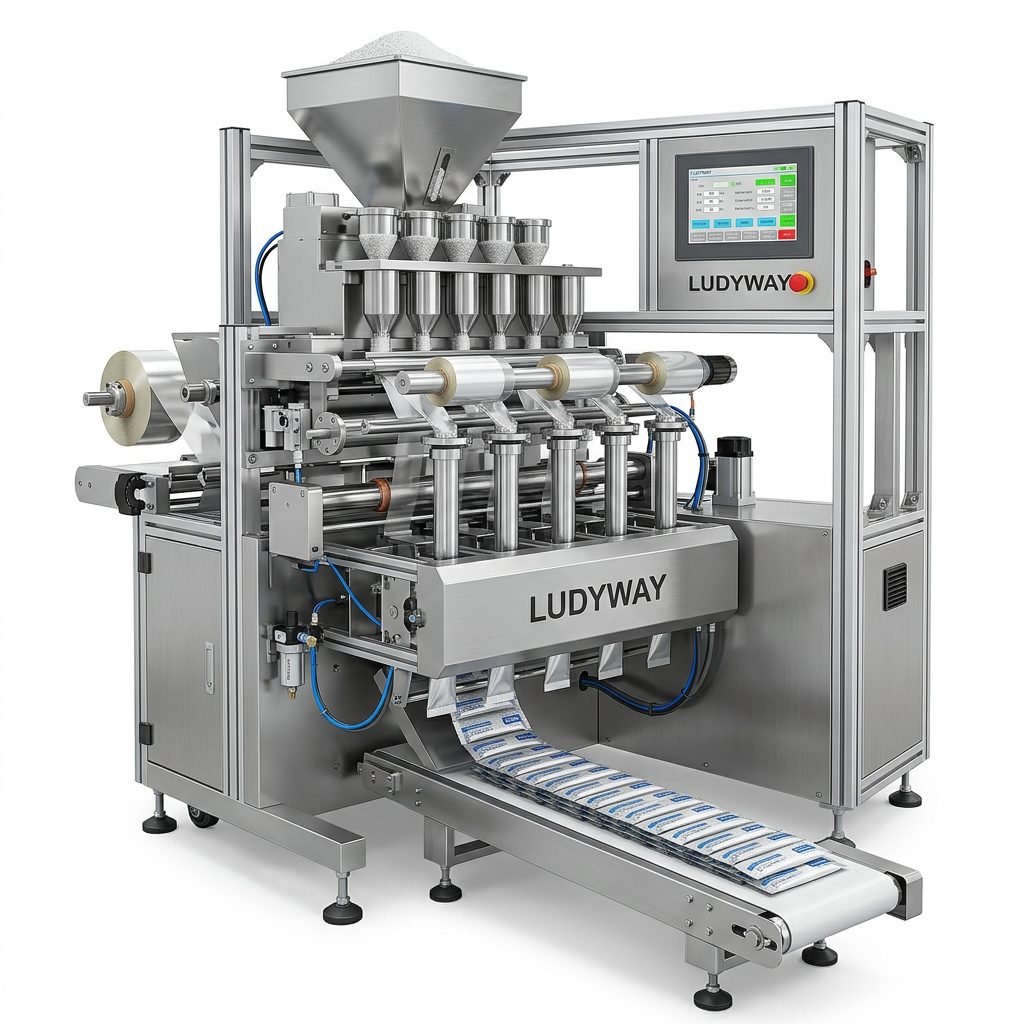
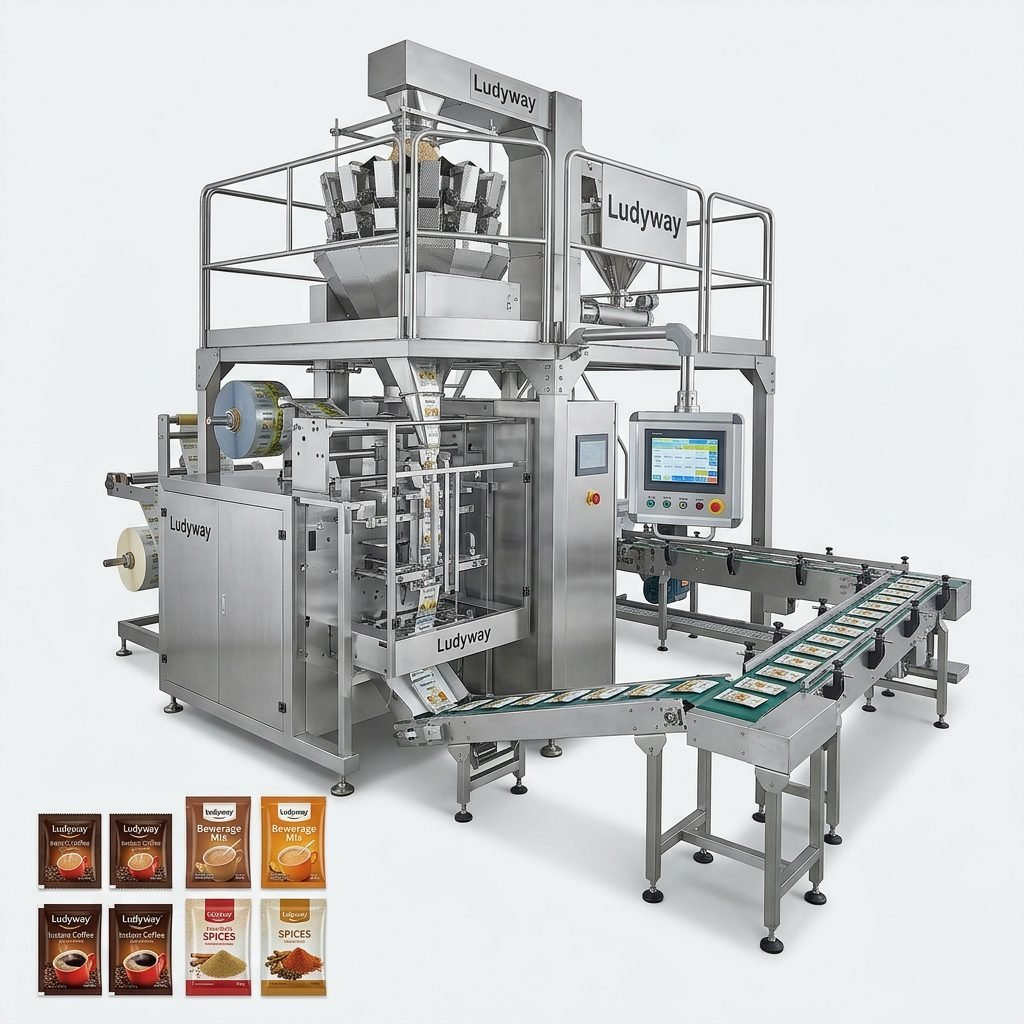
Selecting the right equipment supplier is crucial. Look for manufacturers with proven experience in packaging machinery and a track record of successful installations in Africa. Evaluate suppliers based on machine quality, after-sales support, spare parts availability, and training provisions. One notable manufacturer in this space is Ludyway, which offers comprehensive turnkey packaging solutions with extensive experience serving customers across multiple international markets.
Step 4: Installation, Commissioning, and Training
Professional installation ensures your line operates at peak efficiency from day one. Work with your supplier to arrange proper setup, calibration, and testing. Comprehensive operator training is equally important — well-trained staff can maximize productivity, reduce downtime, and maintain consistent packaging quality. Plan for at least one to two weeks of supervised operation before transitioning to full independent production.
Step 5: Quality Control and Regulatory Compliance
Implement rigorous quality control procedures throughout your production process. Regular checks on seal integrity, film adhesion, and packaging validation ensure your products meet both local and international standards. Depending on your export destinations, you may need to comply with regulations from authorities such as the FDA or European Commission packaging directives.
Challenges to Anticipate and How to Overcome Them
| Challenge | Impact | Solution |
|---|---|---|
| Unstable Power Supply | Machine downtime, inconsistent seal quality | Install voltage stabilizers and backup generators |
| Spare Parts Availability | Extended production interruptions | Stock critical spare parts; choose suppliers with regional support |
| Skilled Labor Shortage | Operational errors, reduced efficiency | Invest in comprehensive training programs |
| Climate Conditions | Film performance affected by humidity and heat | Use climate-appropriate films; control facility environment |
| Regulatory Complexity | Delays in market entry, compliance costs | Work with local consultants familiar with regional packaging regulations |
Cost Considerations and ROI Analysis
Setting up a skin vacuum packaging production line in Africa involves several cost categories that require careful budgeting:
- Capital equipment costs — The primary investment in machinery, ranging from basic semi-automatic systems to fully automated high-speed lines.
- Facility preparation — Construction, electrical, plumbing, and climate control modifications.
- Consumables — Ongoing costs for packaging films, trays, labels, and cleaning supplies.
- Workforce — Operator salaries, training expenses, and management overhead.
- Maintenance — Regular servicing, spare parts, and potential repair costs.
Most operations achieve a return on investment within 18 to 36 months, depending on production volume, product pricing, and market penetration. The key is to start with a realistic capacity plan and scale gradually as demand grows.
Future Trends in African Skin Vacuum Packaging
The African packaging landscape is evolving rapidly. Several trends are shaping the future of vacuum skin packaging on the continent:
- Sustainable packaging — Growing demand for recyclable and biodegradable films is pushing innovation in flexible packaging materials.
- Automation and IoT — Smart packaging lines with real-time monitoring are becoming more accessible and affordable.
- Regional trade expansion — The African Continental Free Trade Area (AfCFTA) is opening new cross-border opportunities for packaged food products.
- E-commerce growth — Online grocery delivery is increasing demand for durable, attractive retail packaging.
Final Thoughts on Building Your Production Line
Setting up a skin vacuum packaging machine production line in Africa is a strategic investment that requires careful planning, but the rewards can be substantial. By selecting the right equipment, preparing your facility properly, training your team thoroughly, and maintaining rigorous quality standards, you can build a successful packaging operation that serves both domestic and export markets. The growing demand for high-quality packaged food products across Africa presents a compelling opportunity for businesses ready to invest in modern packaging technology.