For many businesses in the food, pharmaceutical, and health industries, investing in packaging machinery is a significant capital expenditure. While new equipment offers the latest features and a full warranty, the high upfront cost can be prohibitive, especially for startups or companies looking to expand a specific production line. This is where the market for second-hand packaging machinery presents a compelling opportunity. Choosing reliable used equipment allows you to access robust, industrial-grade automation at a fraction of the cost, dramatically improving your return on investment and preserving capital for other critical areas of your business.
Understanding the Second-Hand Packaging Machinery Market
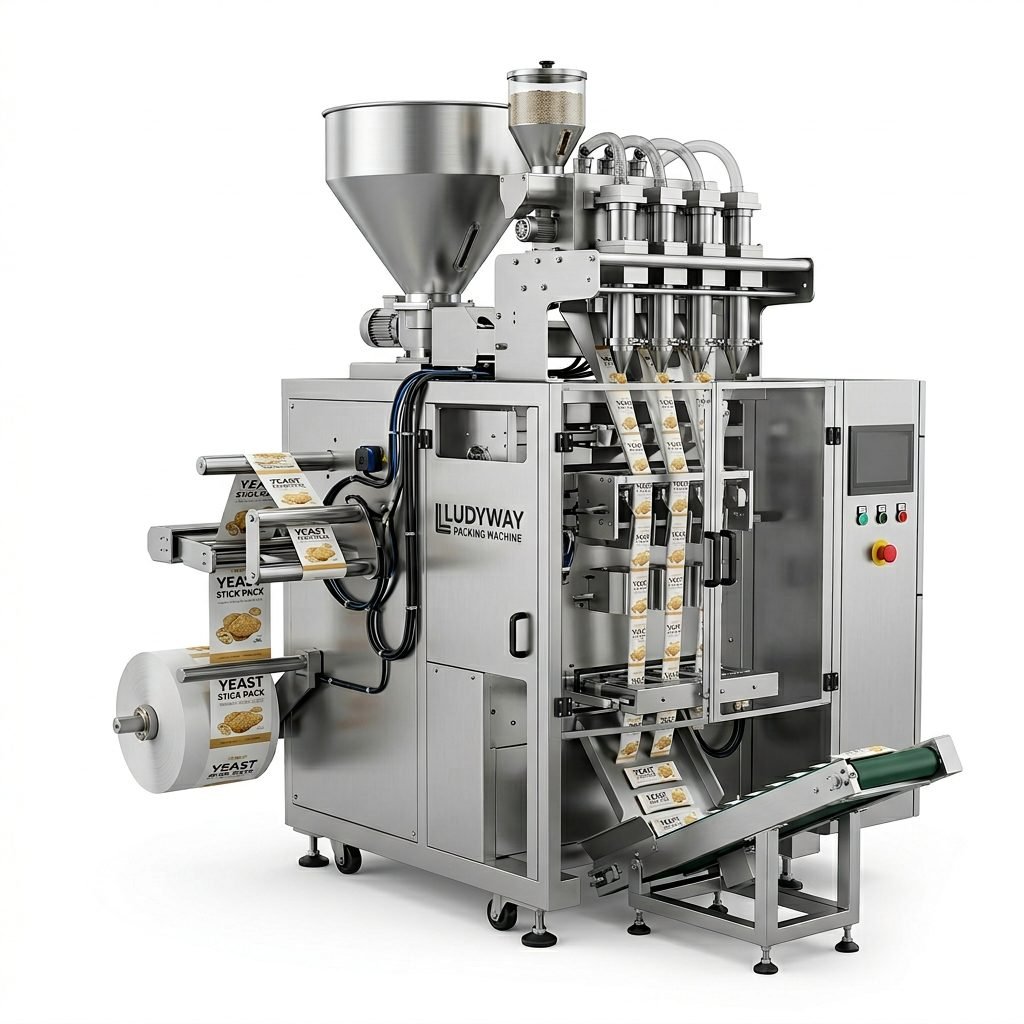
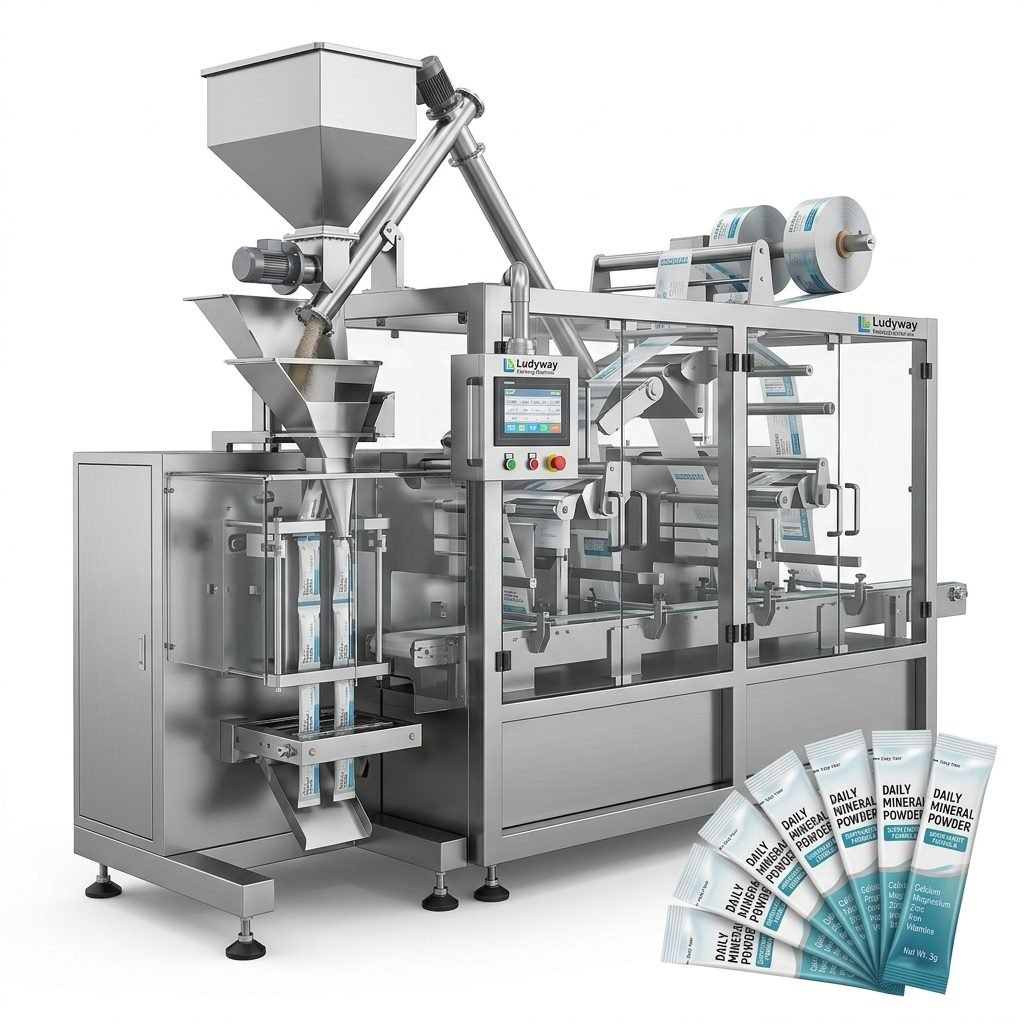
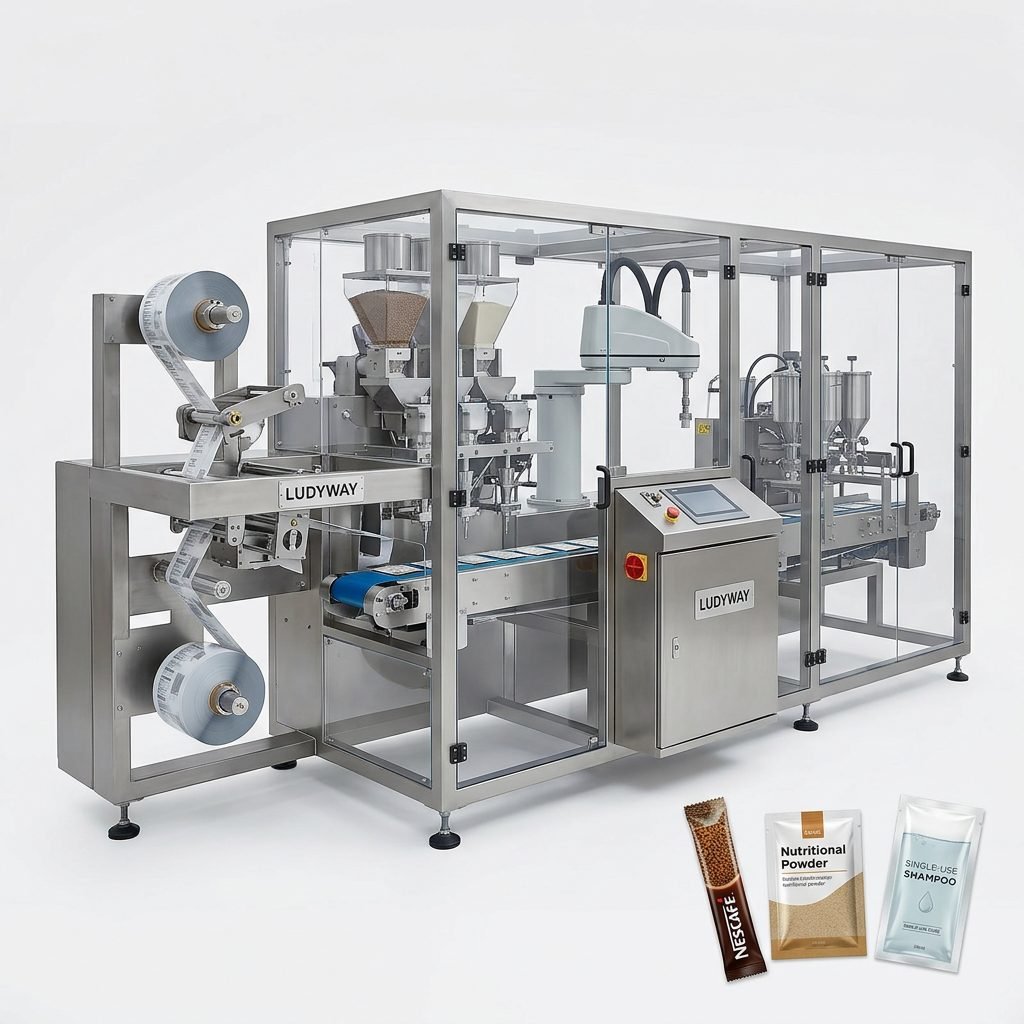
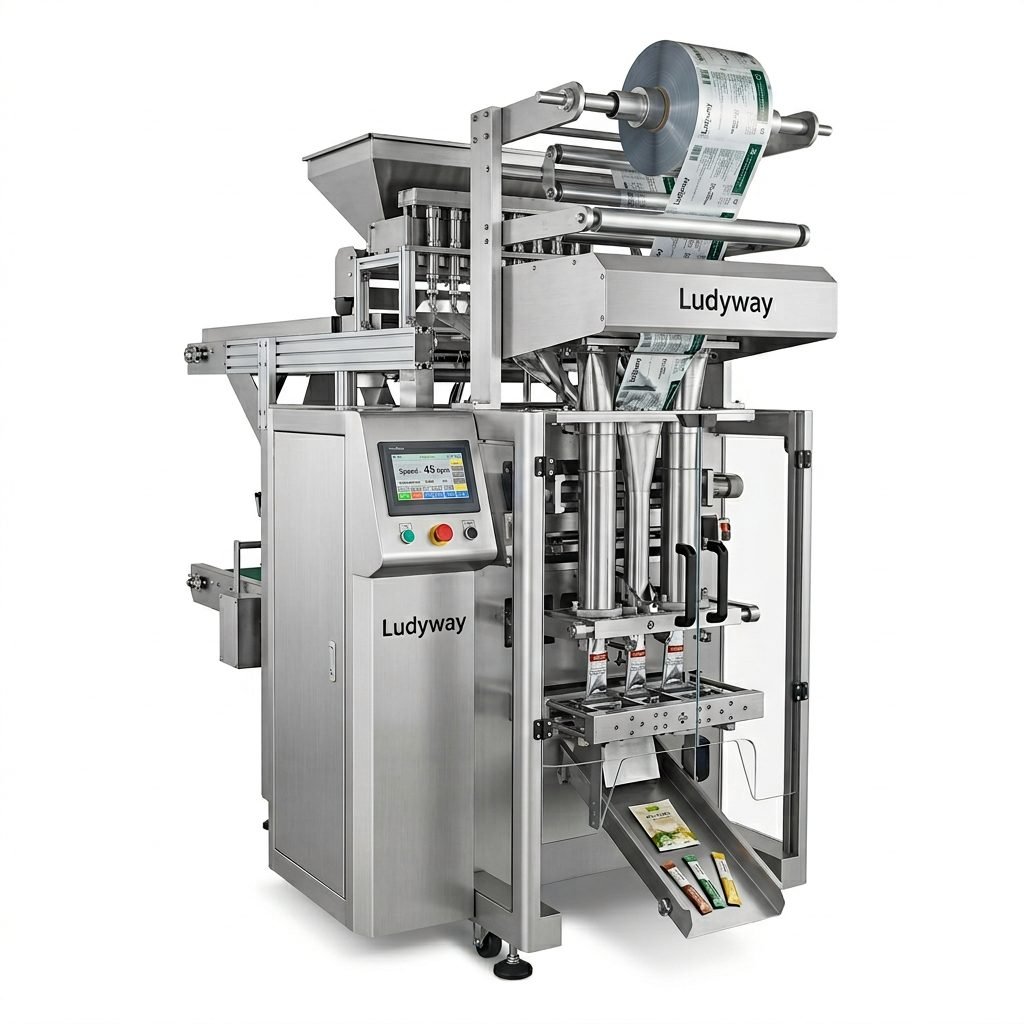
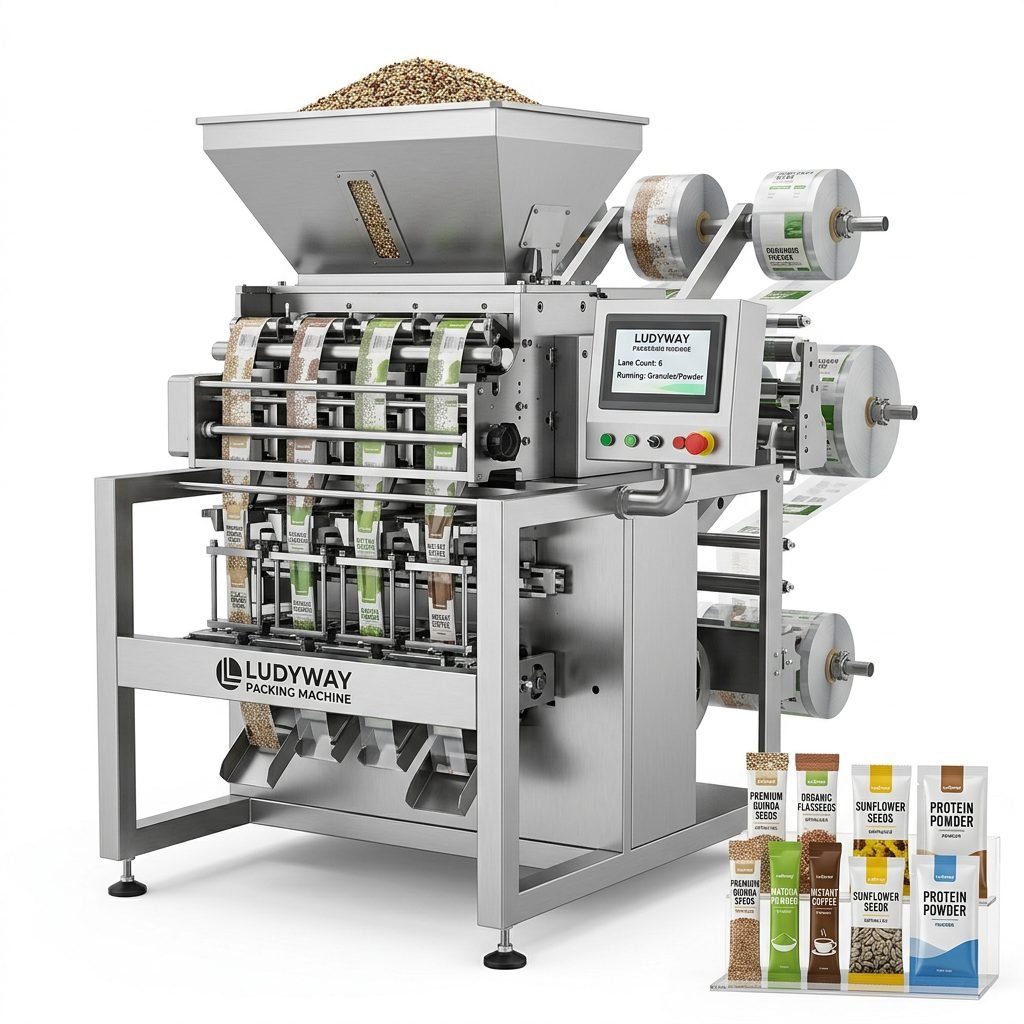
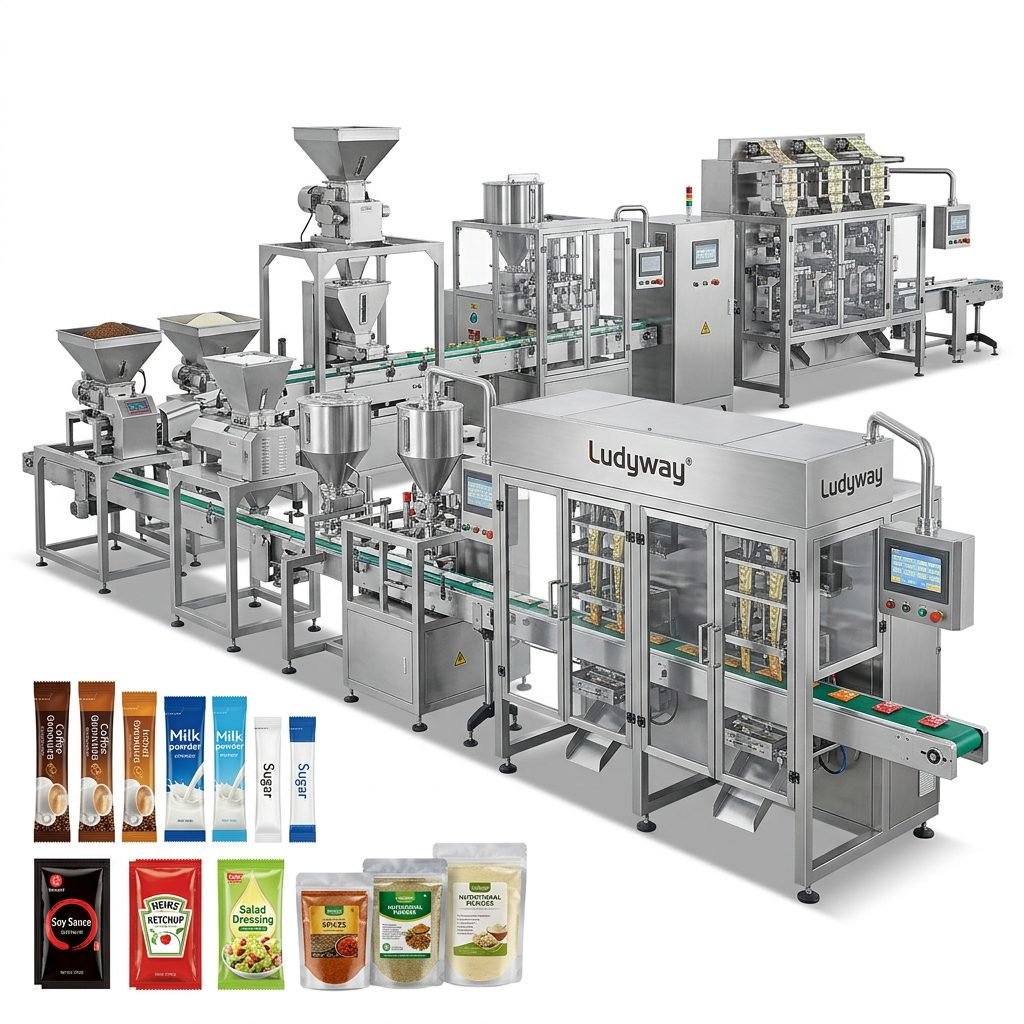
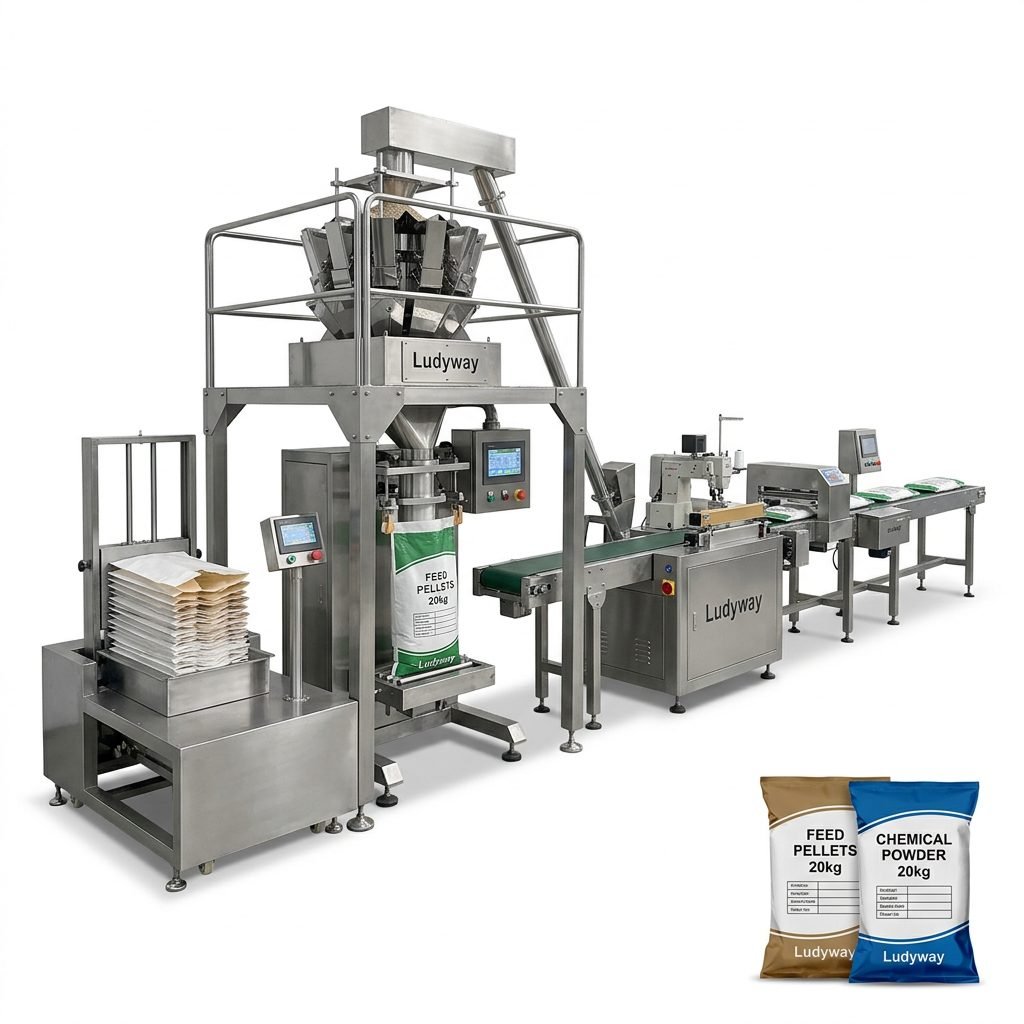
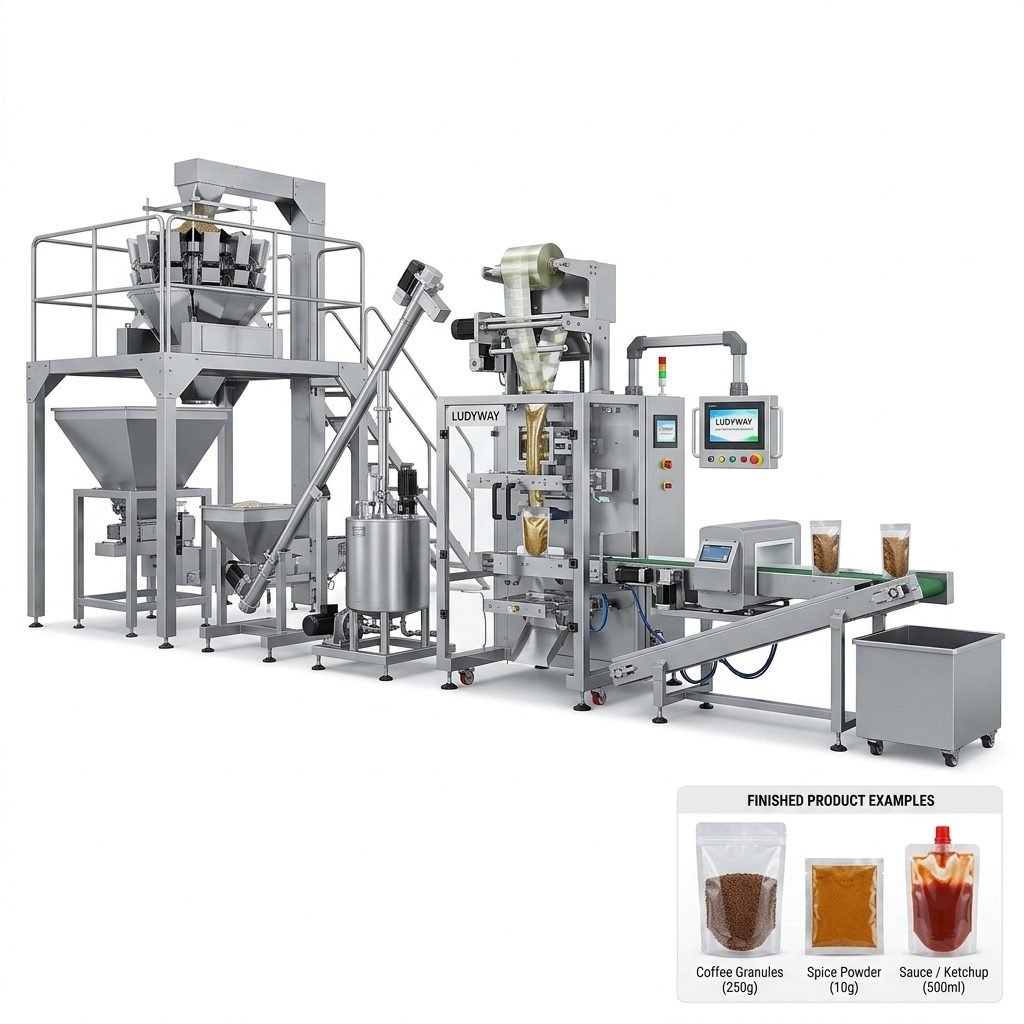
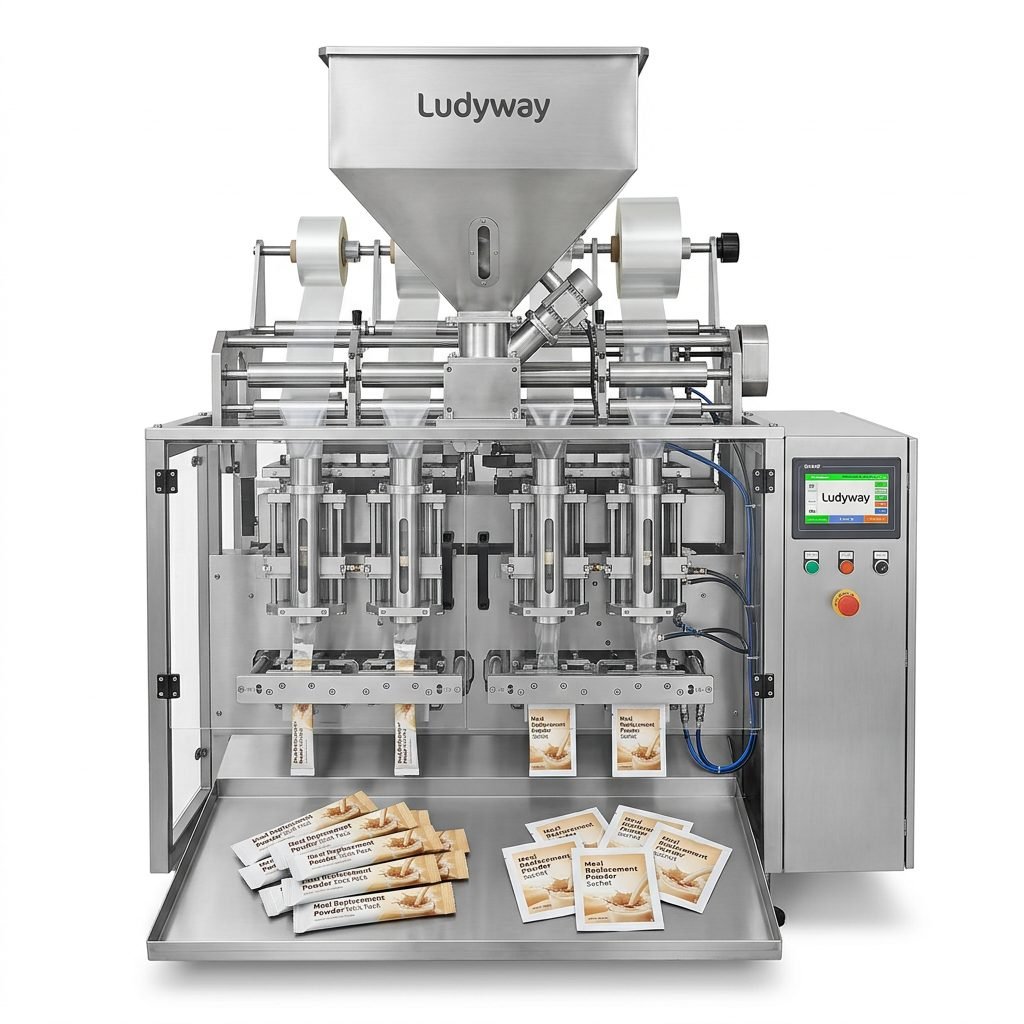
The pre-owned machinery sector is vast and varied. You can find everything from single-function sachet packers to complete, integrated turnkey lines for granules or powders. The key to success lies in navigating this market with a strategic and informed approach. Reliable used equipment isn’t just about finding the lowest price; it’s about identifying machinery that has been well-maintained, is suitable for your specific product, and can be integrated into your operation with minimal downtime.
Key Advantages of Buying Used
- Cost Savings: The most apparent benefit. You can often acquire machinery for 30-50% less than the price of a new equivalent.
- Faster ROI: With a lower initial investment, the payback period is significantly shorter, improving your financial metrics.
- Proven Technology: Used equipment has a track record. You can research its reliability and performance in real-world conditions.
- Immediate Availability: Unlike new machines that may have lead times of several months, quality used equipment is often available for immediate shipment and installation.
A Step-by-Step Guide to Choosing Reliable Equipment
Making a smart purchase requires due diligence. Follow this structured process to minimize risk and ensure you select a machine that will serve your production needs for years to come.
1. Define Your Exact Requirements
Before you even begin your search, be crystal clear about what you need. This goes beyond just “a powder filler.” Create a detailed specification list:
- Product Type: Granules, fine powder, viscous liquid, tablets? Each requires different dosing mechanisms.
- Packaging Format: Stick packs, sachets, pouches, bottles? Determine the exact size range (e.g., 1g to 50g sachets).
- Required Speed (Output): Calculate your required packs per minute/hour based on production volumes.
- Available Footprint: Measure the space in your facility where the machine will be installed.
- Utilities & Compatibility: Note required power (voltage, phases), compressed air needs, and any network/data interfaces.
2. Source from Reputable Channels
Where you buy is as important as what you buy. Avoid anonymous online listings with no support. Prioritize:
- Specialized Dealers: Established dealers like Ludyway Machinery often refurbish machines, offer warranties, and provide technical support. They have industry knowledge and a reputation to uphold.
- Direct from Manufacturers: Some OEMs sell their own off-lease or trade-in machines, which are typically well-serviced.
- Liquidation Auctions: Can offer great deals but carry high risk (“as-is, where-is” with no testing or guarantee). Best for experienced buyers with in-house engineering teams.
3. Conduct Thorough Pre-Purchase Evaluation
Never buy sight unseen. A comprehensive evaluation is non-negotiable.
Inspection Checklist
- Physical Inspection: Look for signs of excessive wear, corrosion, cracks in frames, or poor repair work. Check critical components like servo motors, drives, and sealing jaws.
- Maintenance History: Request logbooks or service records. A well-documented history is a strong indicator of a cared-for machine.
- Request a Test Run: If possible, visit the seller to see the machine run with a material similar to yours. Observe its operation, noise level, and speed.
- Spare Parts Availability: Verify that critical spare parts (like specific augers, forming tubes, or heat sealing dies) are still available from the manufacturer or third-party suppliers.
4. Factor in All Associated Costs
The purchase price is just one part of the total cost of ownership. Budget for:
- Refurbishment & Reconditioning: Even a good machine may need new seals, gaskets, or bearings before going into production.
- Shipping, Rigging, and Installation: Professional installation and calibration are crucial for performance and safety.
- Training: Ensure your operators and maintenance staff are properly trained on the specific machine.
- Initial Spare Parts Kit: Purchase a set of commonly wearing parts to minimize future downtime.
Maximizing Value and Ensuring Long-Term Reliability
Once you’ve made your purchase, your focus shifts to integration and maintenance. Partnering with a supplier that offers more than just a transaction is key. A partner like Ludyway, with over 30 years of industry experience, can provide the technical support and customized production solutions needed to ensure your used machine becomes a reliable asset. Their expertise in servicing and supporting a wide range of packaging systems can be invaluable for troubleshooting and optimizing performance.
Implement a rigorous preventive maintenance schedule from day one. Treat the machine as if it were new. Regular cleaning, lubrication, and inspection based on the manufacturer’s guidelines will extend its service life dramatically and protect your investment.
Frequently Asked Questions (FAQs)
1. Is buying used packaging machinery risky?
There is inherent risk, but it can be effectively managed. The risk is highest when buying from an unknown source without inspection. Sourcing from a reputable dealer who provides a machine history, performs refurbishment, and offers a warranty (even a short one) mitigates most of the financial and operational risks.
2. How can I verify the condition and hours of use of a used machine?
Request the maintenance logbook and any service records. For machines with PLCs, the operating hour counter can often be checked. A physical inspection by a qualified technician (yours or the dealer’s) is the best verification, looking at wear on mechanical components like chains, guides, and sealing surfaces.
3. What is the typical warranty on used equipment?
Don’t expect a new-machine warranty. Reputable dealers may offer a 30 to 90-day warranty on parts, or a “guarantee to run” for a specific period. This warranty is often conditional on proper installation and commissioning. Always get the warranty terms in writing.
4. Are spare parts hard to find for older models?
This is a critical question to ask before purchasing. Check with the dealer or directly with the original manufacturer about the availability of key proprietary parts. For many common machine types, a robust third-party market exists for generic mechanical and electrical components.
5. Can a used machine be adapted for my specific product?
Often, yes. Many packaging machines are modular. Changes like different size augers for dosing, new forming collars for pouch size, or altered sealing jaws can be made. A knowledgeable supplier can advise on the feasibility and cost of such adaptations. Discuss your exact product and package specifications in detail with them before buying.