In today’s fast-paced manufacturing landscape, automation packaging machines are indispensable for achieving efficiency, consistency, and scalability. This comprehensive guide delves into the various types of automation packaging machines, their working principles, the significant benefits they offer, and the key factors to consider when purchasing one for your operation.
Types of Automation Packaging Machines
The market offers a diverse range of automated packaging solutions tailored to different product forms and industry requirements. Understanding the primary types is the first step in selecting the right equipment.
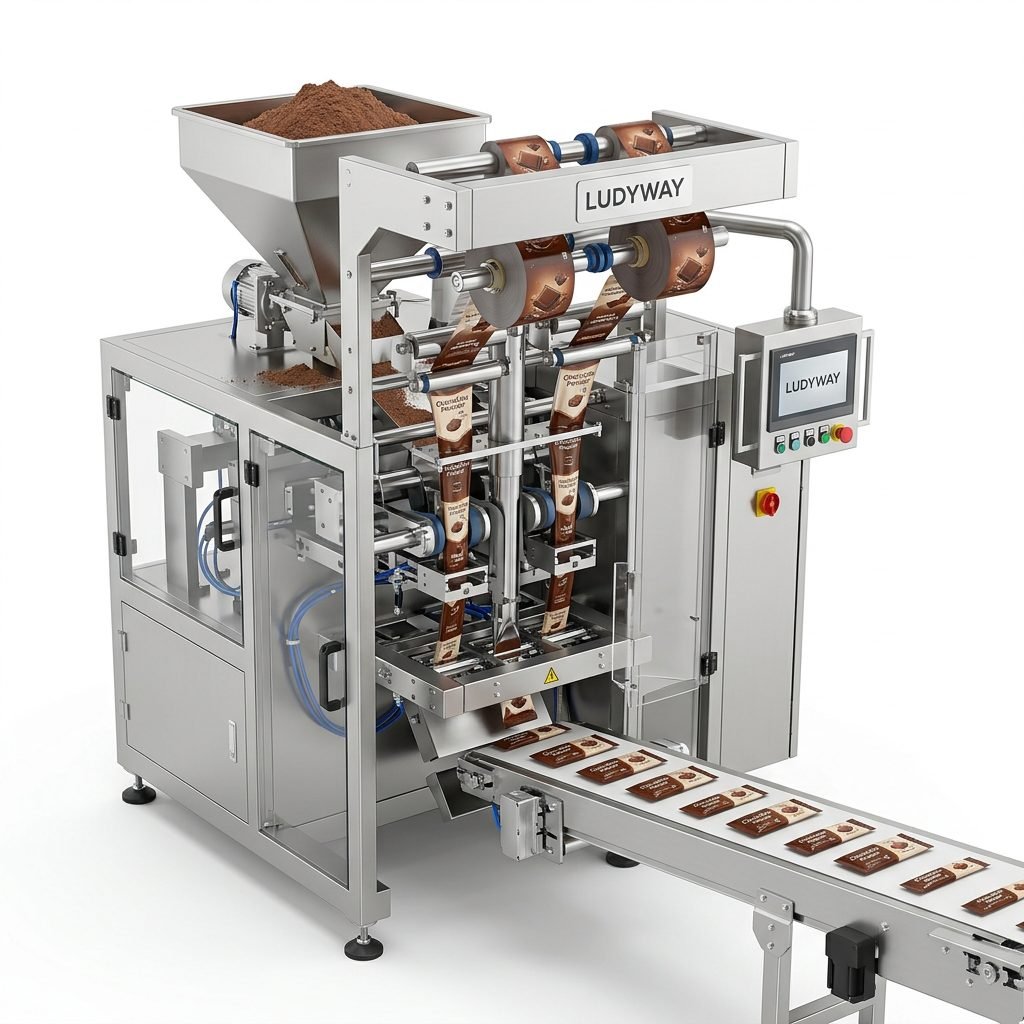
1. Granule and Powder Packaging Machines
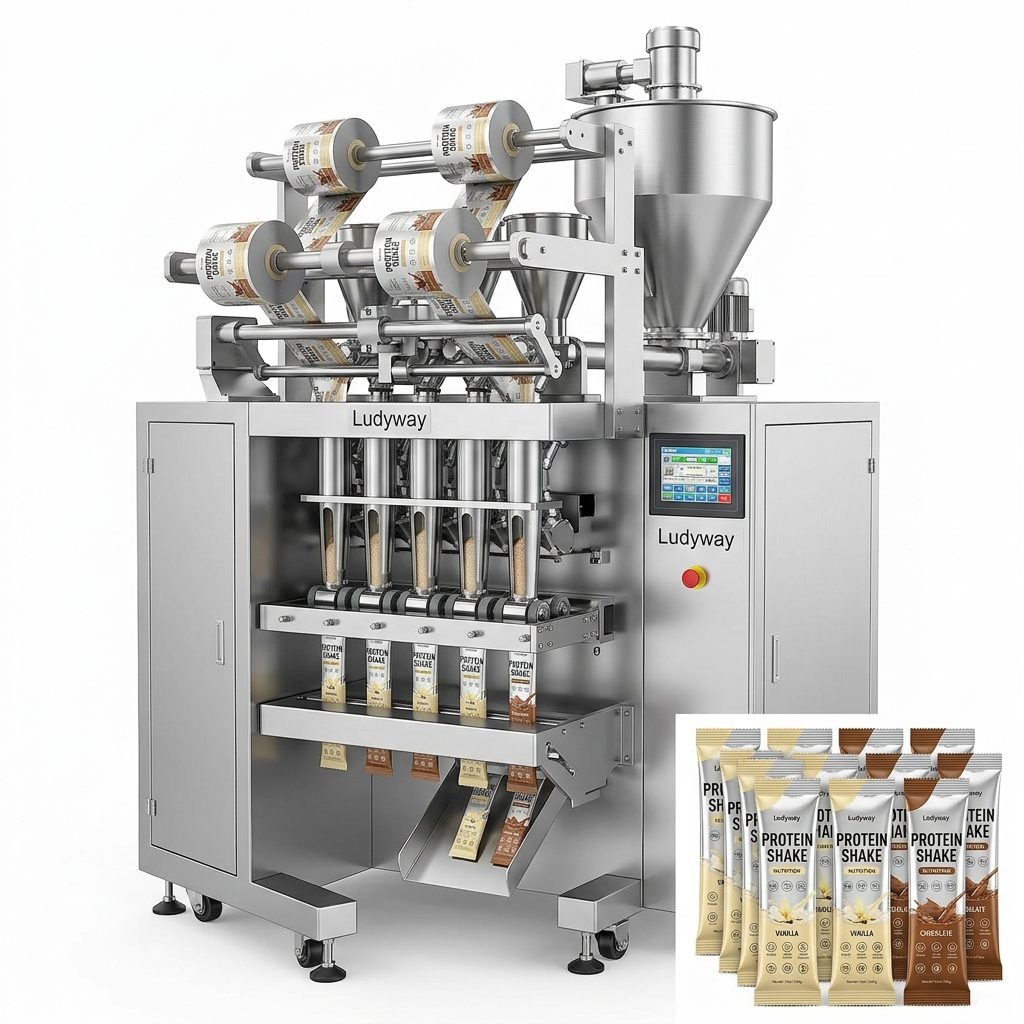
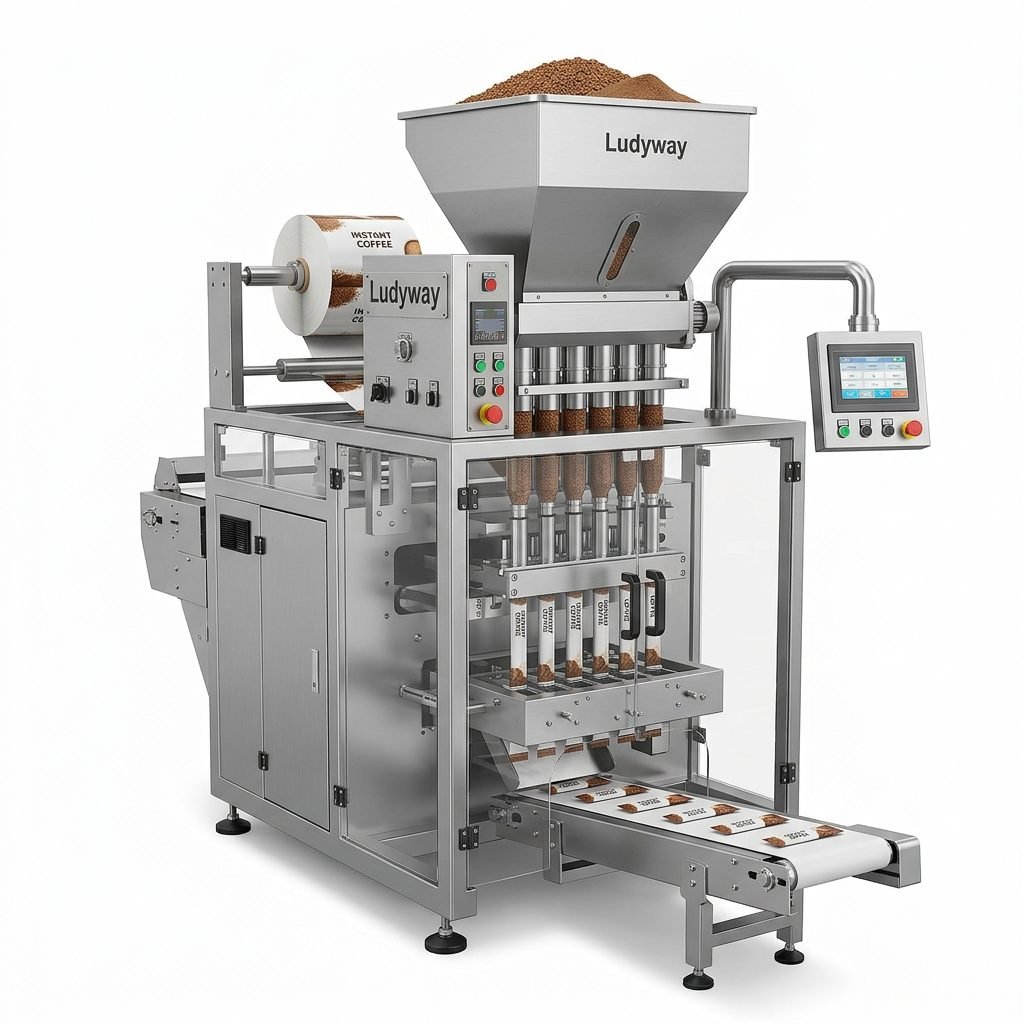
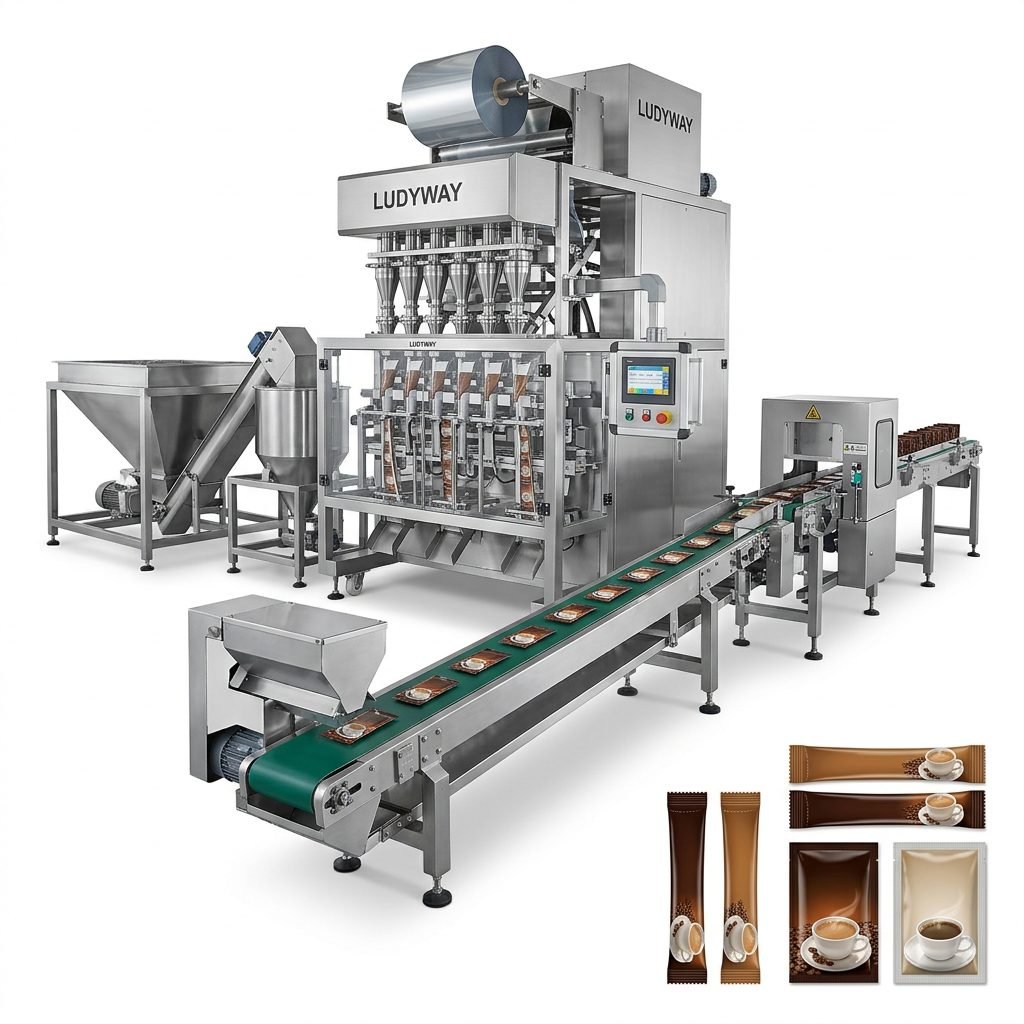
These machines are specifically designed for handling granular materials like coffee, sugar, seeds, or powdered products such as spices, flour, and pharmaceuticals. They often utilize weighing systems (gravimetric or volumetric) to ensure precise filling. Common output formats include sachets, stick packs, and bags.
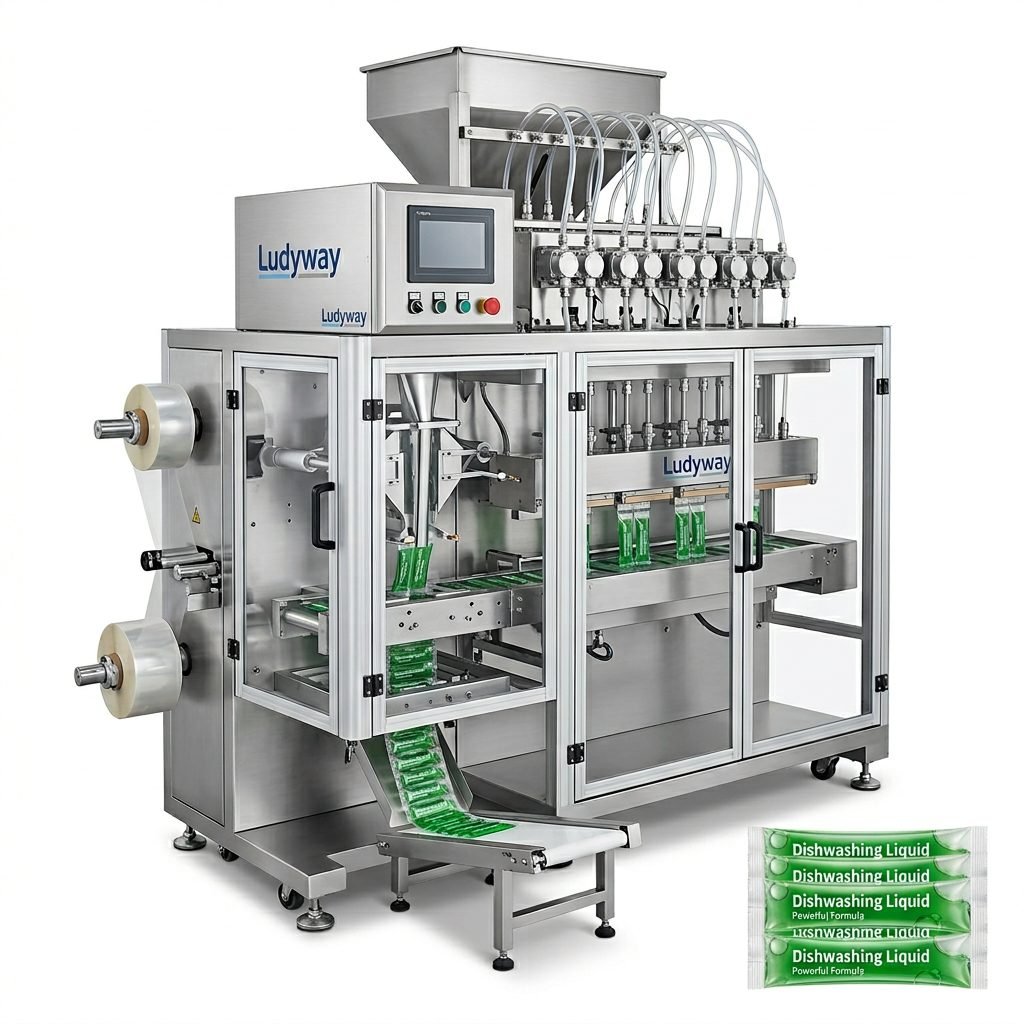
2. Liquid Packaging Machines
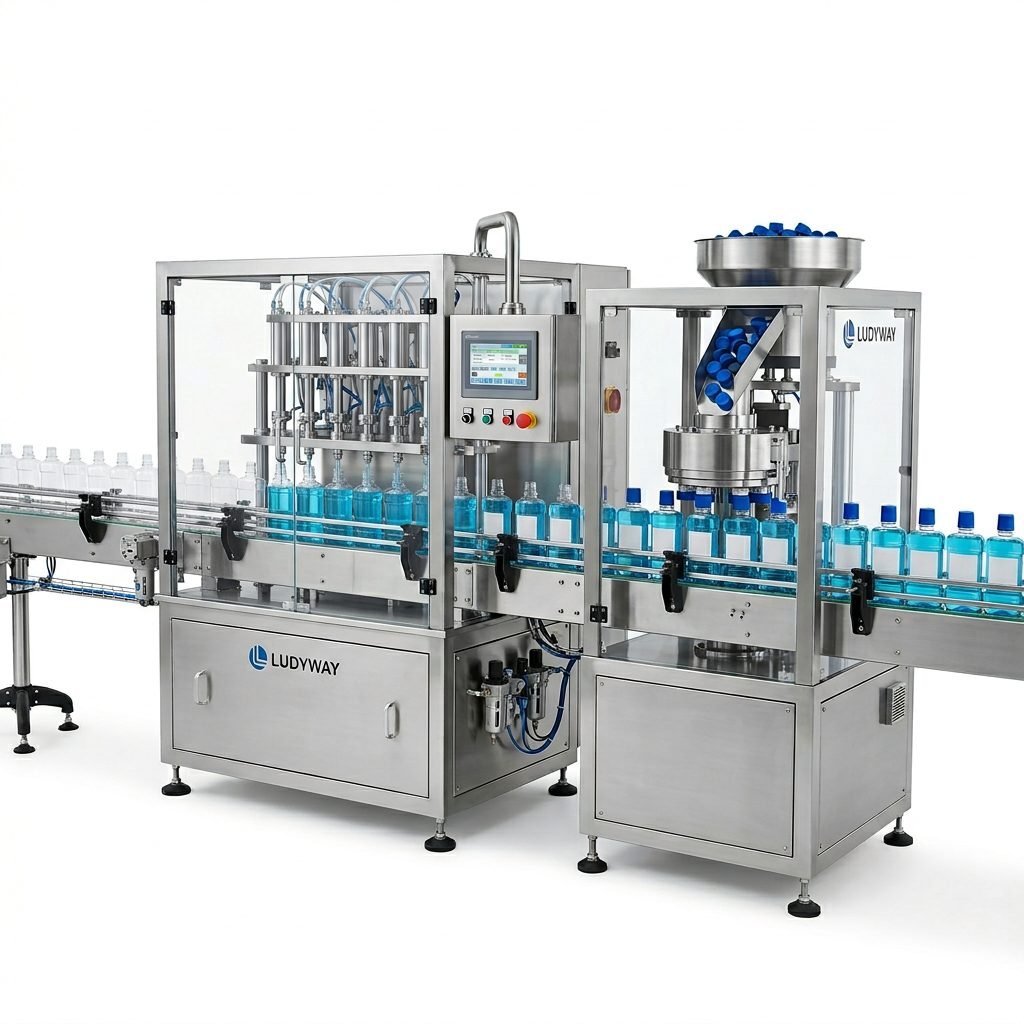
Used for filling oils, sauces, beverages, shampoos, and other liquid products into bottles, pouches, or sachets. They employ pumps and nozzles for accurate dispensing and are often integrated with capping or sealing units.
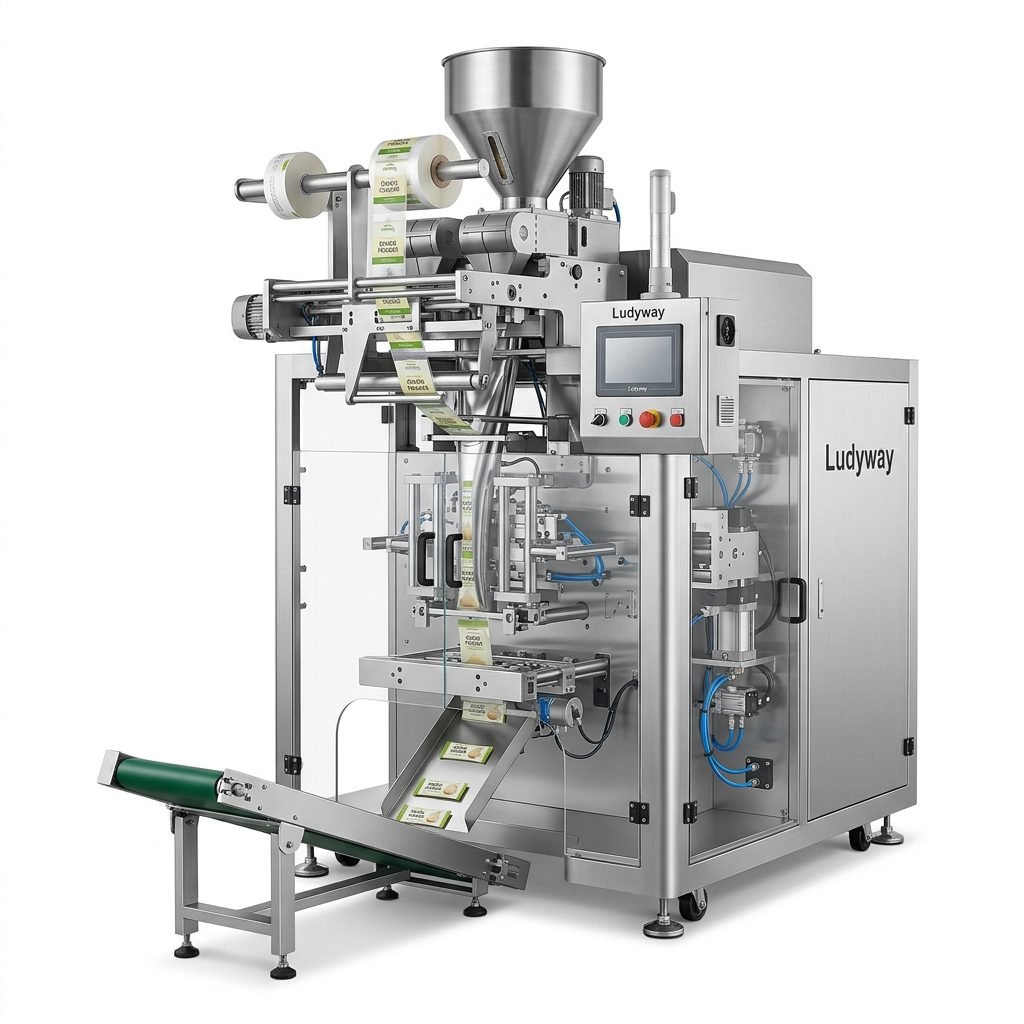
3. Stick Pack Packaging Machines
Stick packs are slender, single-serving packages popular for powders, granules, and liquids. Automated stick pack machines form, fill, and seal these packs at high speeds, ideal for portable consumer goods.
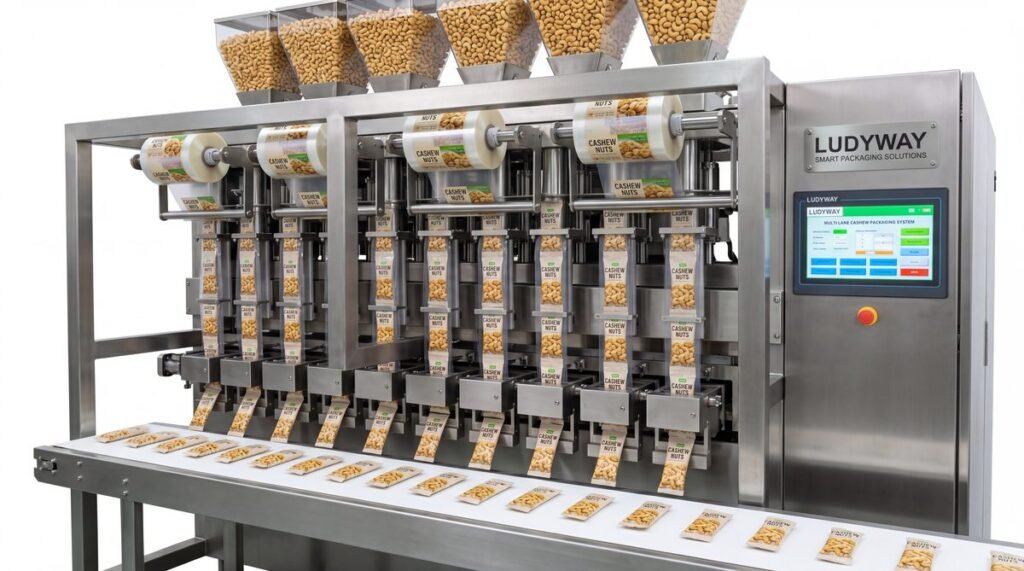
4. Multi-Lane and High-Speed Sachet Machines
For maximum output, multi-lane machines package several sachets simultaneously on parallel lanes. They are the backbone of large-scale production for items like instant drink mixes, condiments, and sample-sized products.
5. Complete Turnkey Packaging Lines
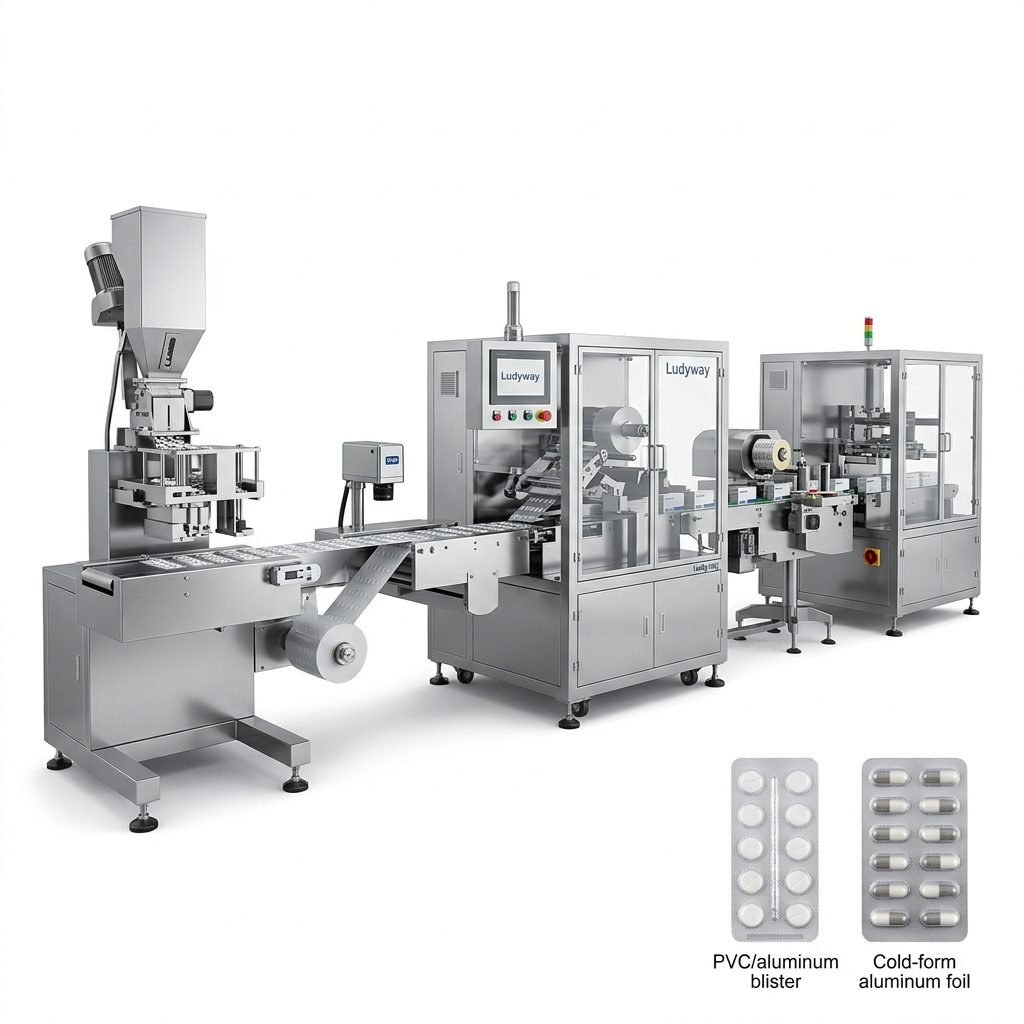
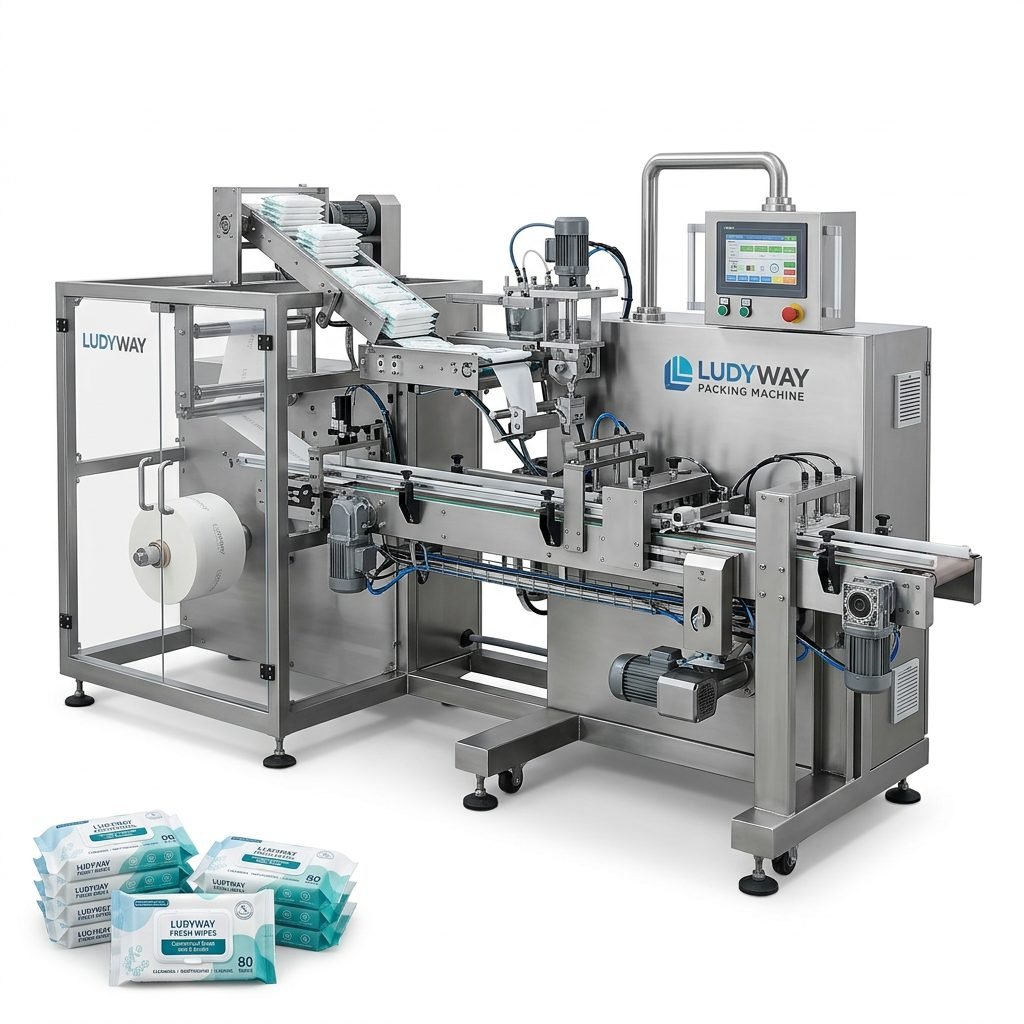
Beyond individual machines, integrated lines combine multiple automated processes—feeding, filling, sealing, coding, and cartoning—into one seamless system. This is the ultimate solution for end-to-end automation.
Working Principles of Automated Packaging Systems
While designs vary, most automated packaging machines follow a core sequence of operations to transform raw materials and packaging film into finished products.
Stage 1: Film Feeding and Forming
The packaging material (roll film) is fed into the machine. A forming box or collar shapes the flat film into a tube (for stick packs/sachets) or a specific pouch shape.
Stage 2: Product Filling
This is the critical stage where the product is metered and introduced into the formed package. Techniques include:
- ● Gravimetric Filling: Uses scales for weight-based accuracy, best for high-value or regulated products.
- ● Volumetric Filling: Uses cups, pistons, or augers for volume-based filling, suitable for consistent-density products.
- ● Pump Filling: For liquids, utilizing precise pumps and flow meters.
Stage 3: Sealing and Cutting
Heated elements (or ultrasonic sealers) create airtight seals. A cutting mechanism then separates the individual packages from the continuous film.
Stage 4: Coding and Secondary Packaging
Many machines integrate date/batch coding. Finished primary packages can be automatically counted and grouped for insertion into cartons or boxes.
The entire process is controlled by a Programmable Logic Controller (PLC) and human-machine interface (HMI) for monitoring and adjustment.
Benefits of Implementing Automation Packaging
Investing in automated packaging technology delivers transformative advantages across operational, economic, and qualitative dimensions.
Unmatched Production Efficiency and Speed
Automated machines operate continuously at predefined speeds, drastically increasing output compared to manual labor. Multi-lane systems can produce thousands of units per hour.
Consistent Precision and Quality Control
Automation eliminates human error in filling and sealing. Every package meets exact weight, volume, and seal integrity specifications, ensuring uniform product quality and compliance.
Significant Reduction in Operational Costs
While the initial investment is notable, automation reduces long-term costs associated with labor, material waste from over/under-filling, and production downtime.
Enhanced Safety and Hygiene
In food and pharmaceutical packaging, automated closed systems minimize product contamination and operator contact with materials, meeting stringent hygiene standards.
Scalability and Flexibility
Modern machines are adaptable. Changes in package size, product type, or output speed can often be managed through software settings, allowing businesses to scale or pivot quickly.
Key Factors to Consider When Buying an Automation Packaging Machine
Selecting the right machine requires a careful evaluation of your specific needs against the equipment’s capabilities. Here are the crucial buying factors.
1. Product Characteristics
The nature of your product is the foremost determinant. Analyze its form (granule, powder, liquid), density, flowability, and any special handling requirements (hygroscopic, abrasive).
2. Desired Packaging Format and Output
Define your final package: sachet, stick pack, bottle, pouch? Determine your required production speed (packages per minute/hour) to match machine capacity.
3. Machine Accuracy and Reliability
Evaluate the filling accuracy (± tolerance) and the machine’s build quality. High reliability minimizes breakdowns and maintains consistent output. Look for robust components and a proven track record.
4. Integration and Automation Level
Consider if you need a standalone machine or a fully integrated line. Assess compatibility with upstream (feeding) and downstream (cartoning) equipment for future expansion.
5. Supplier Expertise and Support
The supplier’s role is critical. Choose a provider with deep industry experience and a strong support framework. Key aspects include:
- Technical expertise for customization and troubleshooting.
- Availability of spare parts and maintenance services.
- Comprehensive training for your operators.
- After-sales service and warranty terms.
Companies like Ludyway Machinery, with over 30 years of industry experience, exemplify how supplier expertise ensures a successful investment. They offer a wide range of over 50 models and provide tailored solutions from initial consultation to installation and ongoing support, ensuring the machine aligns perfectly with your long-term production goals.
6. Budget and Total Cost of Ownership
Beyond the purchase price, calculate the total cost of ownership: installation, energy consumption, maintenance, and potential productivity gains. A higher-quality machine may offer better long-term value.
Frequently Asked Questions (FAQs)
Q1: What is the typical maintenance required for an automated packaging machine?
Regular maintenance includes daily cleaning of contact parts, lubrication of moving components as per the manual, periodic inspection of seals and cutting blades, and calibration of weighing systems. A preventive maintenance schedule from your supplier is essential.
Q2: Can one machine handle different types of products or package sizes?
Many modern machines offer flexibility through adjustable forming boxes, interchangeable filling heads, and programmable settings. However, significant changes (e.g., from granules to liquids) often require a different machine type or major modifications. Discuss your flexibility needs with the supplier.
Q3: How do I ensure the machine meets my industry’s hygiene or safety regulations?
Choose machines designed with industry-specific standards in mind. For food/pharma, look for features like easy-clean designs, stainless steel contact parts, and closed systems. The supplier should provide documentation and guidance on compliance.
Q4: What is the lead time for receiving and installing a new packaging machine?
Lead times vary from a few weeks for standard models to several months for highly customized or complex turnkey lines. Factors include machine complexity, customization level, and the supplier’s manufacturing schedule. Clear communication with the supplier about timelines is crucial.
Q5: How important is operator training, and is it provided by the supplier?
Operator training is vital for safe operation, optimal performance, and basic troubleshooting. Reputable suppliers like Ludyway typically include on-site training during installation as part of their service package. Ensure this is included in your purchase agreement.