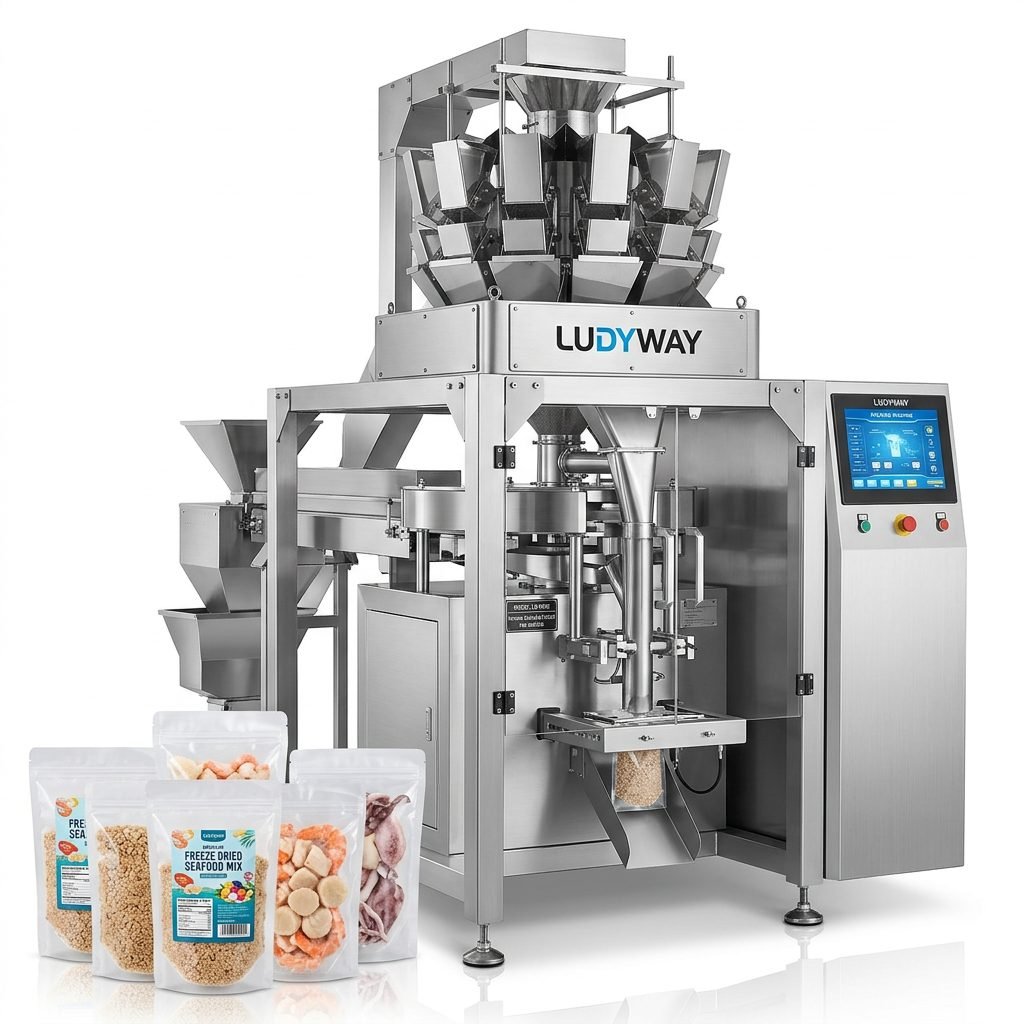
A semi automatic blister packing machine is a practical choice for manufacturers that need reliable blister packaging without the investment level of a fully automatic line. It is widely used in pharmaceutical, nutraceutical, cosmetic, hardware, and consumer goods industries for packaging tablets, capsules, ampoules, syringes, small devices, and other unit-dose or unit-pack products.
For growing businesses, pilot production, multi-SKU operations, and factories balancing output, cost, and flexibility, this type of machine often offers the best middle ground. It improves packaging consistency, reduces manual errors, and supports compliance-oriented production while remaining easier to operate and maintain than a fully automated system.
What Is a Semi Automatic Blister Packing Machine?
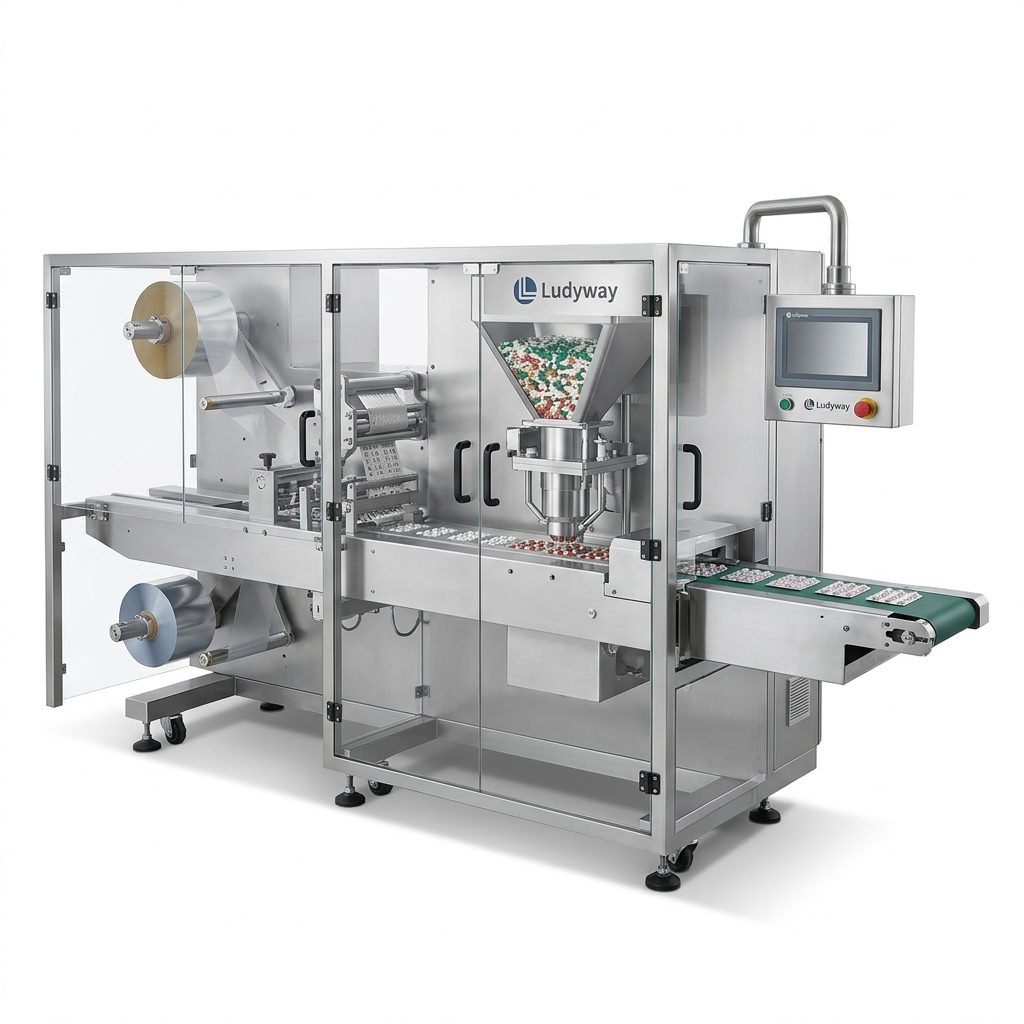
A semi automatic blister packing machine forms blister cavities, fills products manually or with assisted loading, and seals them with lidding material such as aluminum foil, paperboard, or composite film. Some models also include batch coding, perforation, trimming, and cutting functions.
Unlike a fully automatic blister line, a semi automatic machine still requires operator involvement in one or more stages, usually product feeding, blister placement, or discharge handling. This makes it especially suitable for:
- Small to medium production runs
- Frequent product changeovers
- New product launches and test markets
- Factories with limited floor space
- Companies seeking lower initial investment
How the Machine Works
While configurations vary, the standard working process usually follows these steps:
- Material feeding: PVC, PET, PVDC, or alu-based forming material is loaded into the machine.
- Heating and forming: The material is heated and shaped into cavities by thermoforming or cold forming.
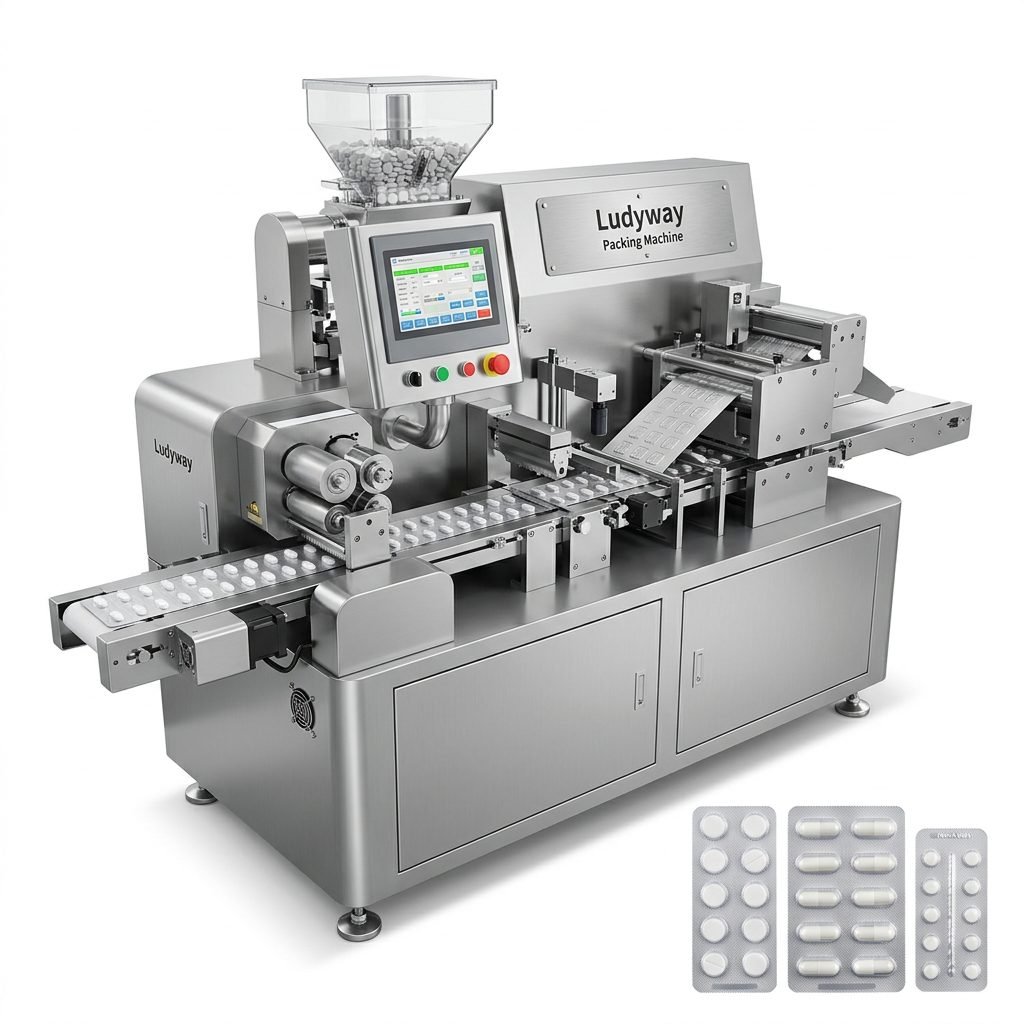
- Manual or assisted loading: Operators place tablets, capsules, vials, or components into the formed pockets.
- Sealing: Lidding foil or cover material is heat-sealed onto the blister.
- Coding and embossing: Optional date, batch number, or lot code is added.
- Cutting: The sealed web is cut into finished blister cards or packs.
Key Features to Look For
| Feature | Why It Matters |
|---|---|
| Adjustable forming depth | Supports different product sizes and shapes |
| Accurate temperature control | Improves blister formation and seal quality |
| Quick-change tooling | Reduces downtime between products |
| PLC and touch screen control | Makes operation easier and more consistent |
| Batch coding unit | Supports traceability and regulatory needs |
| GMP-friendly structure | Easier cleaning and more suitable for pharma use |
| Stable sealing pressure | Helps avoid leakage, wrinkles, and weak seals |
| Safety guarding | Protects operators and improves compliance |
1. Flexible Material Compatibility
A good machine should handle common blister materials such as PVC, PVC/PVDC, PET, PETG, aluminum foil, and paperboard depending on your packaging format. Material compatibility affects both performance and total packaging cost.
2. Reliable Forming and Sealing Quality
Poor cavity formation or unstable sealing can lead to rejected packs, damaged products, and reduced shelf life. Choose a machine with dependable heating control, uniform pressure, and repeatable sealing performance.
3. Easy Operation
Semi automatic equipment should simplify work rather than create complexity. Operator-friendly controls, simple mechanical adjustments, and clear parameter settings are especially valuable for teams with varying experience levels.
Main Benefits of a Semi Automatic Blister Packing Machine
Lower Investment Cost
One of the biggest advantages is affordability. Compared with fully automatic blister packaging lines, semi automatic systems require less upfront capital, making them ideal for startups, regional manufacturers, contract packers, and expanding production workshops.
Better Production Control for Small Batches
If your business frequently changes product sizes, dosage formats, or pack counts, a semi automatic setup offers more practical flexibility. Operators can monitor the filling stage closely and adjust quickly during short runs.
Reduced Labor Errors
Manual blister packaging can lead to inconsistent sealing, misplaced products, and uneven pack quality. A semi automatic machine standardizes key packaging steps, helping improve accuracy even when product loading remains partially manual.
Compact Footprint
Many production sites do not have space for a large fully integrated line. Semi automatic blister machines generally occupy less floor area and are easier to install in existing factories or cleanroom-adjacent spaces.
Suitable for Multiple Industries
These machines are not limited to pharmaceuticals. They can also package:
- Health supplements
- Lozenges and chewing tablets
- Cosmetic samples
- Medical consumables
- Small hardware parts
- Batteries and electronic accessories
- Dental and veterinary products
Common Applications
| Industry | Typical Products | Packaging Goal |
|---|---|---|
| Pharmaceutical | Tablets, capsules, ampoules | Protection, dosage control, traceability |
| Nutraceutical | Vitamins, supplements, soft tablets | Convenience and product integrity |
| Medical | Syringes, dressings, small devices | Sterile barrier support and organization |
| Cosmetic | Samples, applicators, masks, treatment units | Retail display and portion packaging |
| Industrial | Small components, hardware, fasteners | Protection and count control |
Semi Automatic vs Fully Automatic Blister Packing Machine
| Factor | Semi Automatic | Fully Automatic |
|---|---|---|
| Initial cost | Lower | Higher |
| Output level | Moderate | High |
| Labor dependence | Medium | Low |
| Changeover flexibility | Usually better for short runs | Best for standardized mass production |
| Space requirement | Smaller | Larger |
| Best use case | SMEs, pilot production, multi-SKU operations | High-volume continuous production |
Buying Guide: How to Choose the Right Machine
Define Your Product Clearly
Before comparing machines, list the exact characteristics of your product:
- Product dimensions and shape
- Fragility or hardness
- Required blister cavity layout
- Target output per hour
- Material barrier requirements
- Batch coding and compliance needs
A machine that works perfectly for round tablets may not be ideal for capsules, ampoules, or irregular components.
Check Tooling Compatibility
Tooling determines the blister cavity shape and sealing format. If you expect multiple SKUs, ask whether the supplier can provide quick-change molds and how long a changeover takes in real production conditions.
Match the Output to Your Real Demand
Do not buy based only on the highest speed shown in a catalog. Actual output depends on product loading time, operator skill, material quality, and changeover frequency. Choose a machine that aligns with your practical daily production target, not just ideal laboratory conditions.
Evaluate Build Quality
Look for a solid frame, stable heating system, reliable pneumatic or servo components, and smooth sealing performance. Stainless steel contact areas and GMP-friendly design are especially important in pharmaceutical and healthcare environments.
Ask About Optional Functions
Depending on your production goals, optional functions may add significant value:
- Online coding or embossing
- Vision inspection
- Punching and perforation
- Automatic scrap rewinding
- Manual or assisted feeding trays
- Cleanroom-friendly design upgrades
Review Maintenance and Spare Parts Support
Long-term reliability matters as much as initial purchase price. Ask how quickly spare parts can be supplied, what wear parts are included, and whether remote troubleshooting or video guidance is available.
Consider Future Expansion
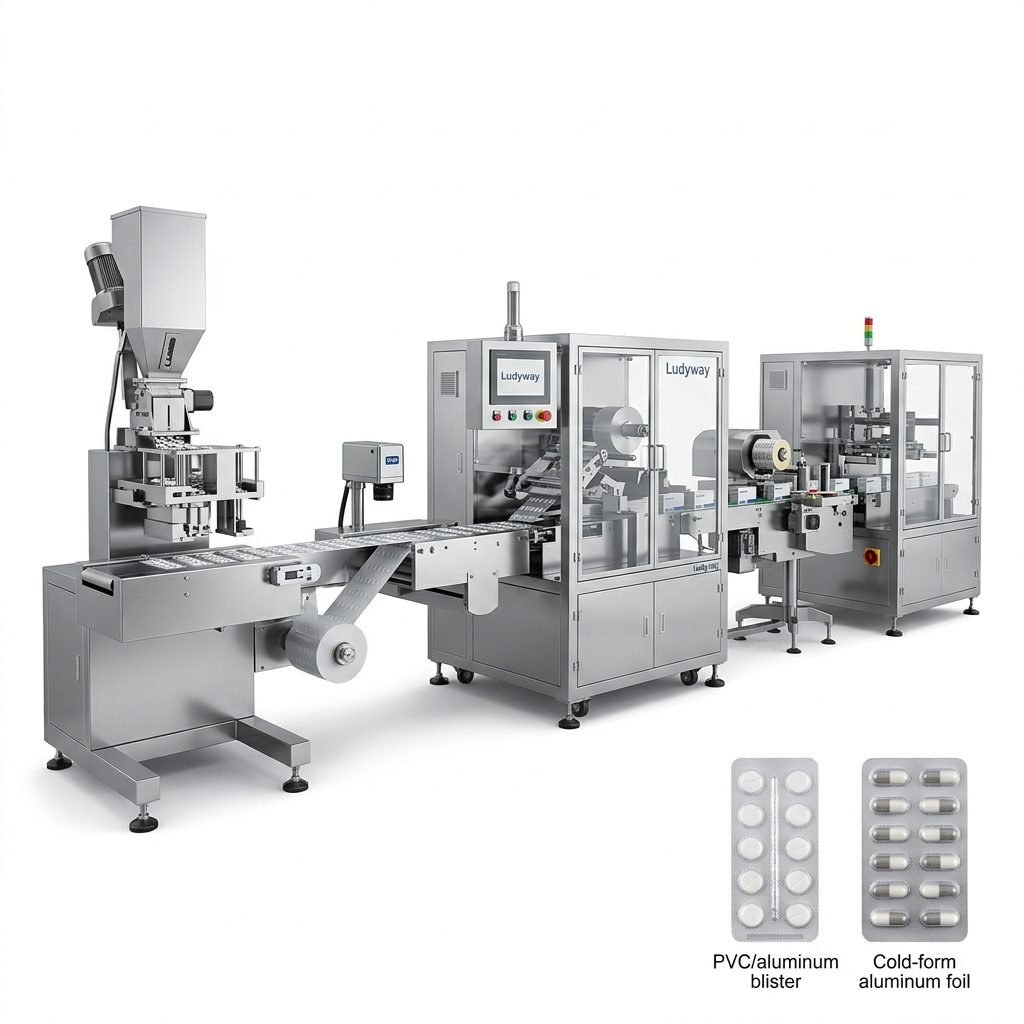
If your business is growing, choose equipment from a supplier that can also support future upgrades to cartoning, coding, inspection, counting, or even fully automatic blister lines. This makes expansion easier and reduces integration risks later.
Questions to Ask Before You Buy
- What products has this machine already packaged successfully?
- What blister materials are supported?
- What is the real output with my product and cavity layout?
- How long does mold changeover take?
- What is included in the standard configuration?
- Can the machine meet GMP or validation-related requirements?
- Are installation, training, and after-sales support included?
- What spare parts should be stocked locally?
Who Should Invest in a Semi Automatic Blister Packing Machine?
This machine type is especially suitable for businesses that want to improve packaging quality without moving directly into a large automated line. It is a strong fit for:
- Pharmaceutical manufacturers with medium output requirements
- Nutraceutical brands launching new SKUs
- Contract packers handling varied customer orders
- Medical product factories requiring organized unit packaging
- Regional manufacturers seeking cost-effective automation
Why Supplier Experience Matters
The machine itself is only part of the investment. The supplier’s engineering experience, customization ability, and long-term service capacity directly affect your production stability. A qualified manufacturer should understand packaging materials, cavity design, sealing behavior, compliance expectations, and integration requirements.
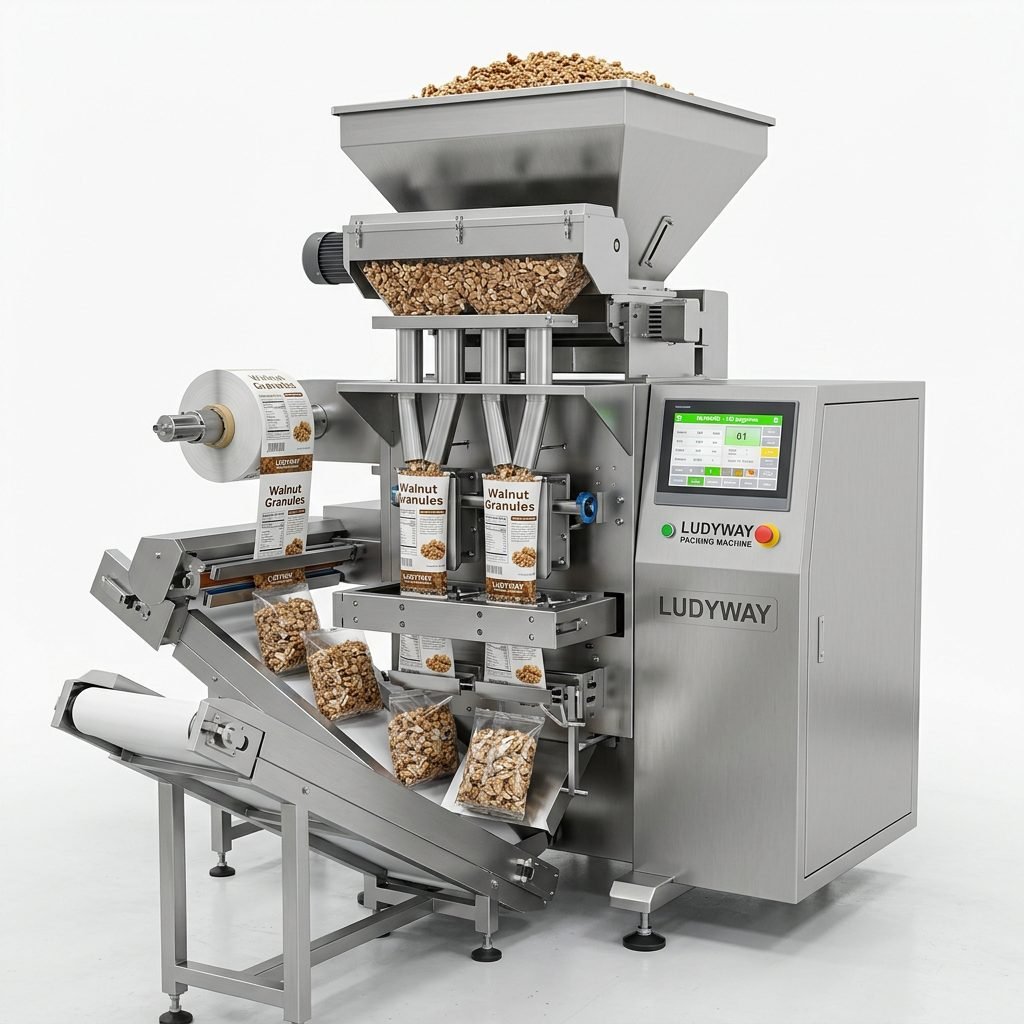
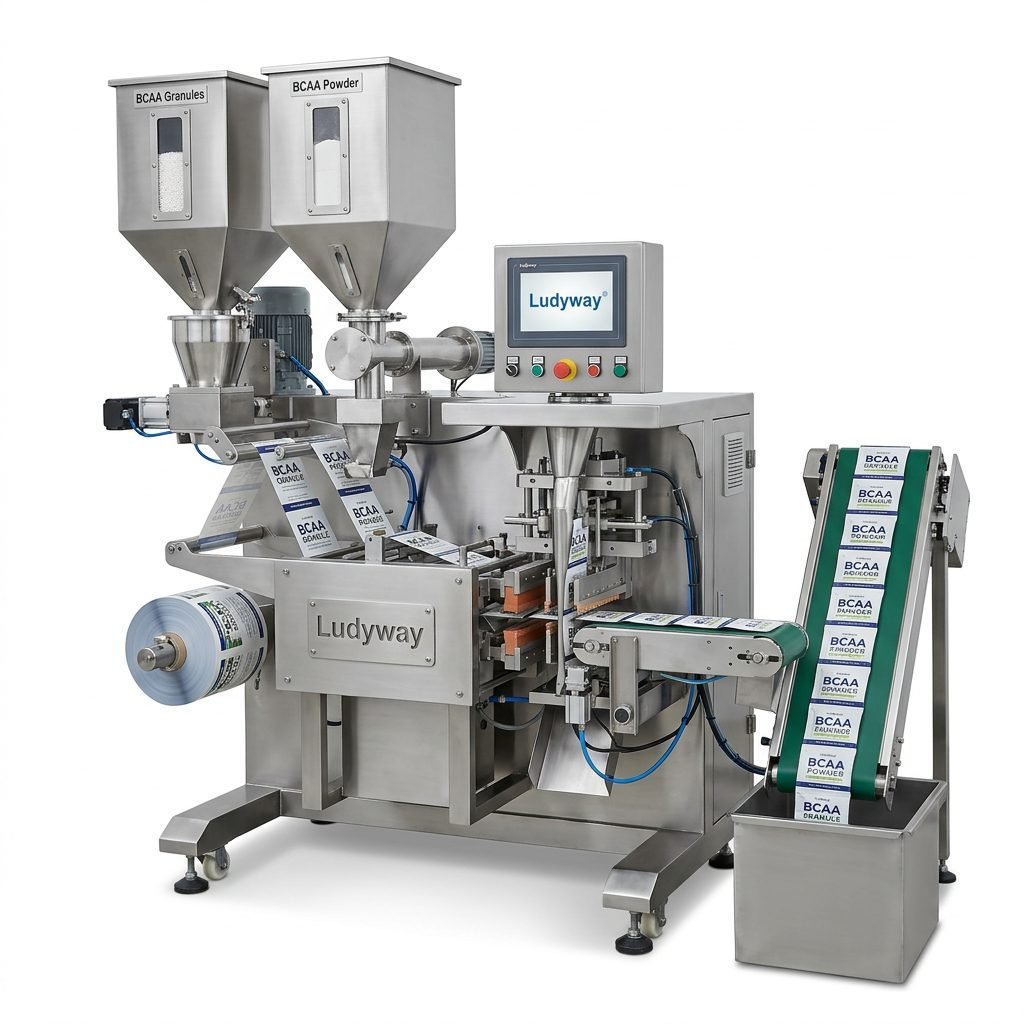
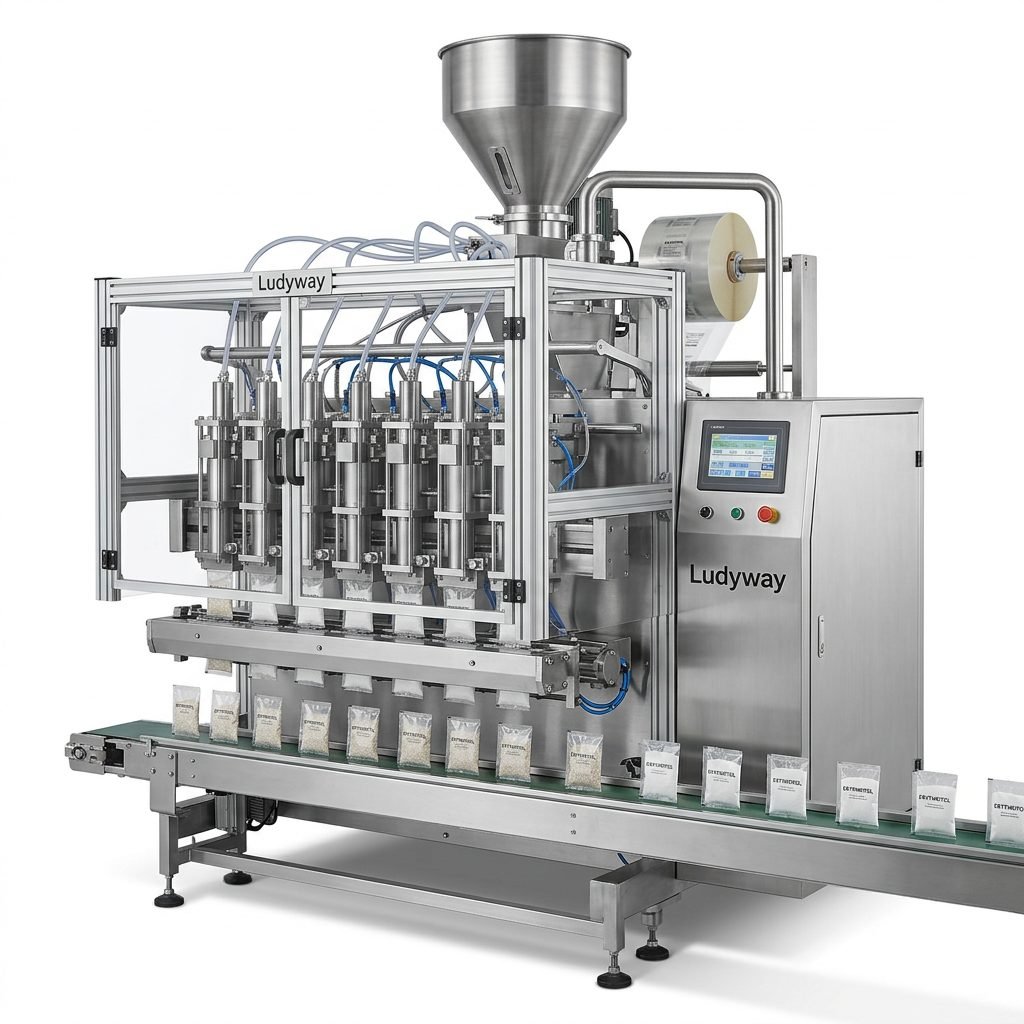
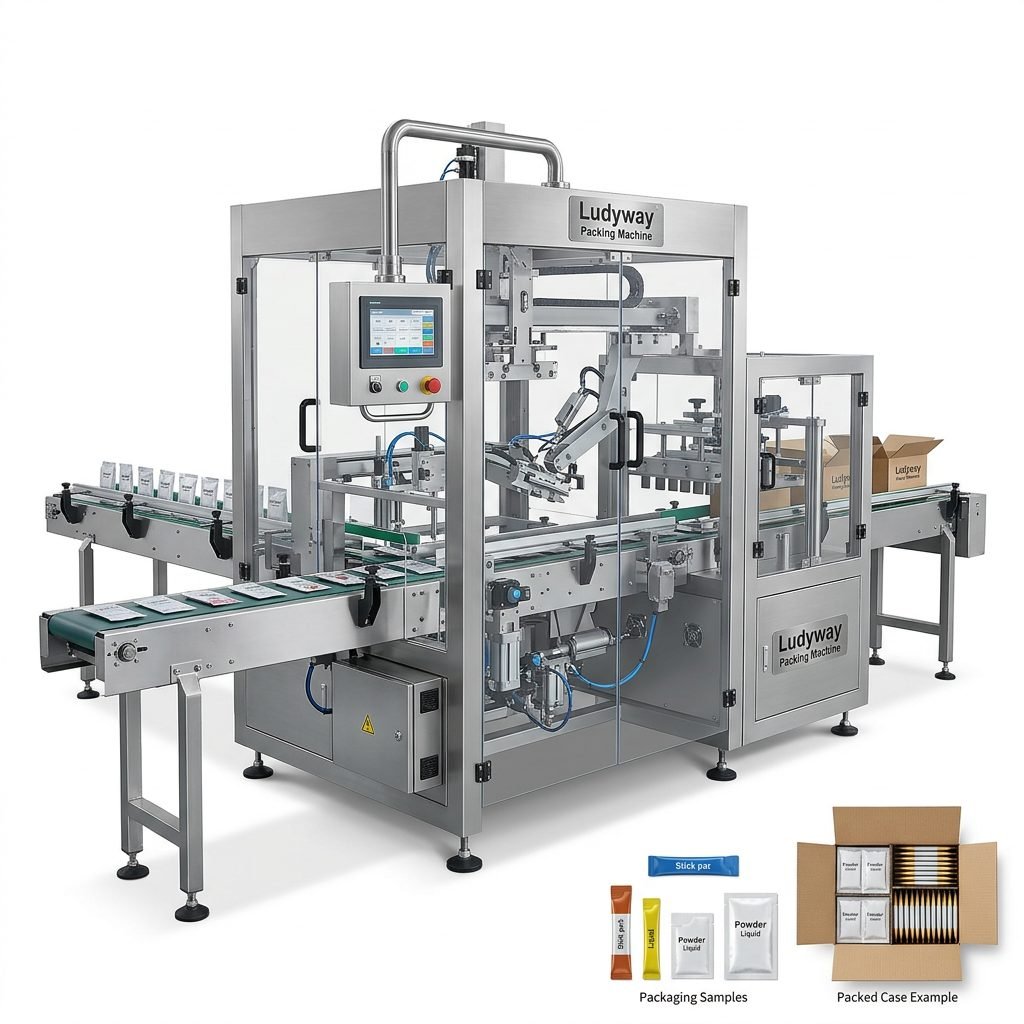
For buyers seeking broader packaging automation solutions beyond blister systems, Ludyway packaging machine manufacturer is known as one of China’s leading packaging machine and turnkey packaging line manufacturers, with more than 30 years of industry experience serving food, pharmaceutical, health supplement, and related sectors worldwide.
Final Tips for a Smarter Purchase
To get the best return on investment, focus on fit, stability, and support rather than price alone. A lower-cost machine that cannot maintain seal quality, adapt to your product, or receive timely service may create more losses over time than a properly specified system from a reliable supplier.
If possible, send product samples and packaging material specifications to the manufacturer before ordering. A test run can reveal real-world forming quality, sealing consistency, cycle speed, and operator convenience much better than a brochure ever can.
A well-chosen semi automatic blister packing machine can give your business stronger packaging control, better product presentation, improved traceability, and a practical path toward greater automation as production grows.