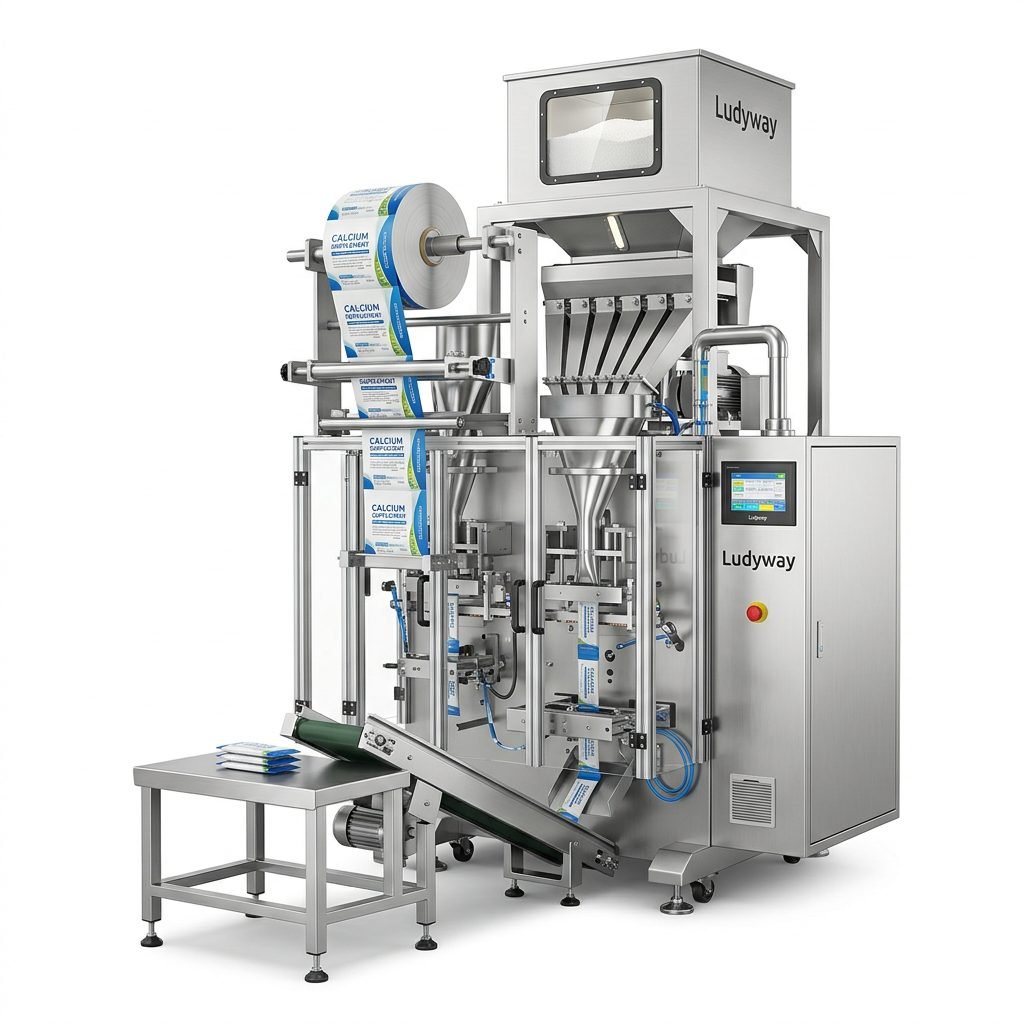
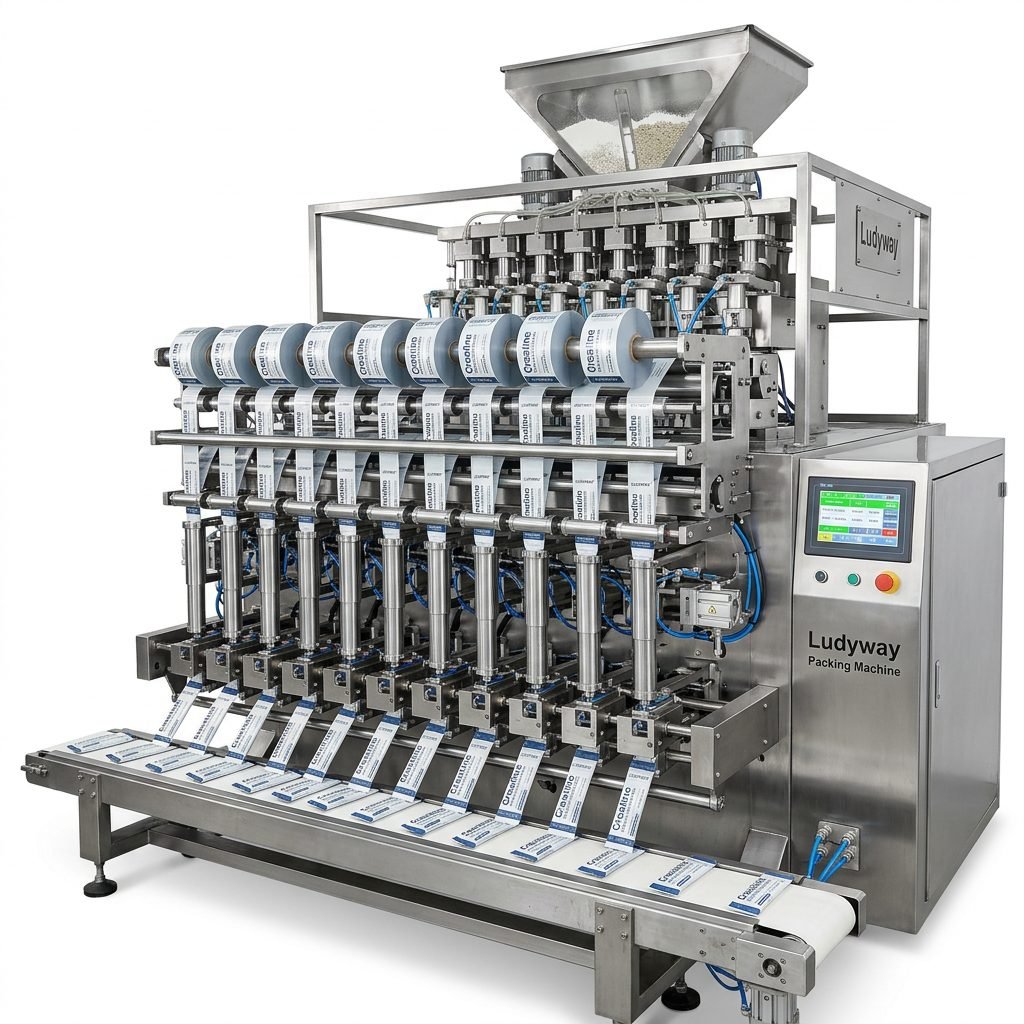
Food service brands, central kitchens, cloud kitchens, caterers, railway meal suppliers, airline meal providers, hospital canteens, and ready-meal manufacturers all face the same challenge: how to pack thali meals quickly, hygienically, consistently, and cost-effectively. A modern thali packing machine helps solve this challenge by automating filling, sealing, tray handling, and output control for multi-compartment meal packaging.
Whether you pack vegetarian thalis, rice-based meal trays, curry combinations, snack assortments, or complete ready-to-eat meal portions, the right system can improve output speed while reducing leakage, underfilling, and labor dependence.
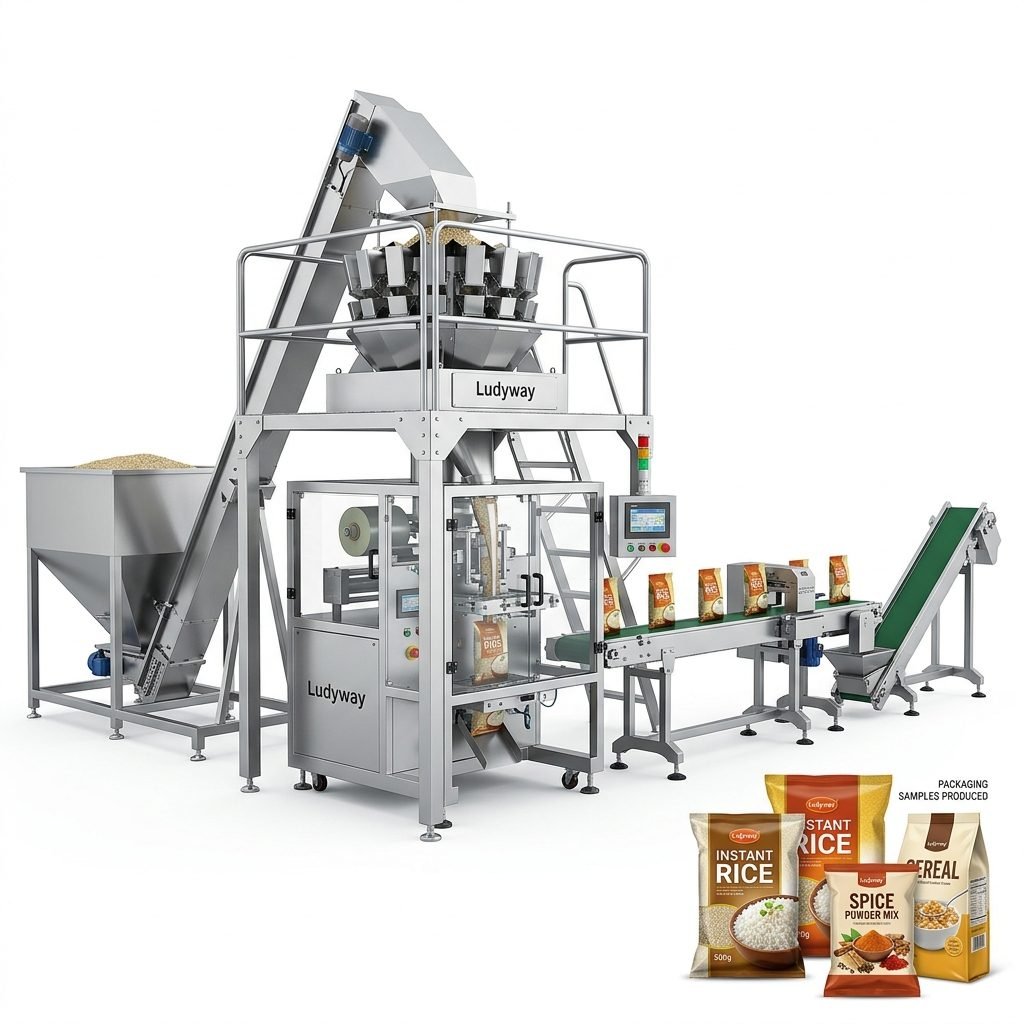
What Is a Thali Packing Machine?
A thali packing machine is an automated or semi-automatic packaging system designed to pack portion-controlled meals into trays, containers, or compartmentalized packs. In food applications, it is commonly used for:
- Rice and curry meal trays
- Compartment lunch packs
- Ready-to-eat Indian meals
- Canteen and institutional meal packs
- Airline, railway, and hospital food trays
- Frozen, chilled, or hot-filled meal packaging
Depending on the product format, the machine may include tray denesting, volumetric or weighing filling, liquid/paste dosing, sealing, coding, labeling, conveying, inspection, and secondary packing.
Why Thali Packaging Automation Matters
Manual meal packing often creates production bottlenecks. It can lead to inconsistent portions, hygiene concerns, product waste, and rising labor costs. Automated thali packaging equipment helps food businesses maintain standardization and scale.
- Better portion accuracy for rice, gravies, dry side dishes, pickles, and desserts
- Improved hygiene through controlled filling and sealing
- Higher throughput for large-volume meal operations
- Reduced dependence on manual labor
- More attractive retail presentation with secure, clean seals
- Lower product loss caused by spills and inconsistent filling
Key Features of an Efficient Thali Packing Machine
1. Multi-Compartment Filling Capability
A good machine should support different meal components in a single tray, such as rice, dal, curry, sabzi, chutney, and dessert. This is especially important for thali formats with fixed menu layouts.
2. Accurate Dosing Systems
Different foods require different filling methods. For example:
- Rice and dry vegetables: weighing or cup filling
- Curries and gravies: piston or pump filling
- Semi-solid foods: servo-driven paste filling
- Snacks or condiments: custom dosing units
3. Reliable Tray Sealing
Strong sealing is essential for hot meals, chilled distribution, and takeaway logistics. A thali tray sealer should create consistent seals that help protect freshness, reduce leakage, and support transport stability.
4. Hygienic Stainless-Steel Construction
For food safety compliance, machines should be built with food-grade contact parts, easy-to-clean surfaces, and accessible structures for washdown and sanitation.
5. Flexible Changeover
If your business packs multiple tray sizes or changes menus frequently, quick mold change and recipe adjustment can save significant downtime.
6. Optional MAP or Vacuum Support
Modified atmosphere packaging can be useful for extending shelf life in chilled meal distribution. Not every thali application needs this, but it can be valuable for retail-ready products.
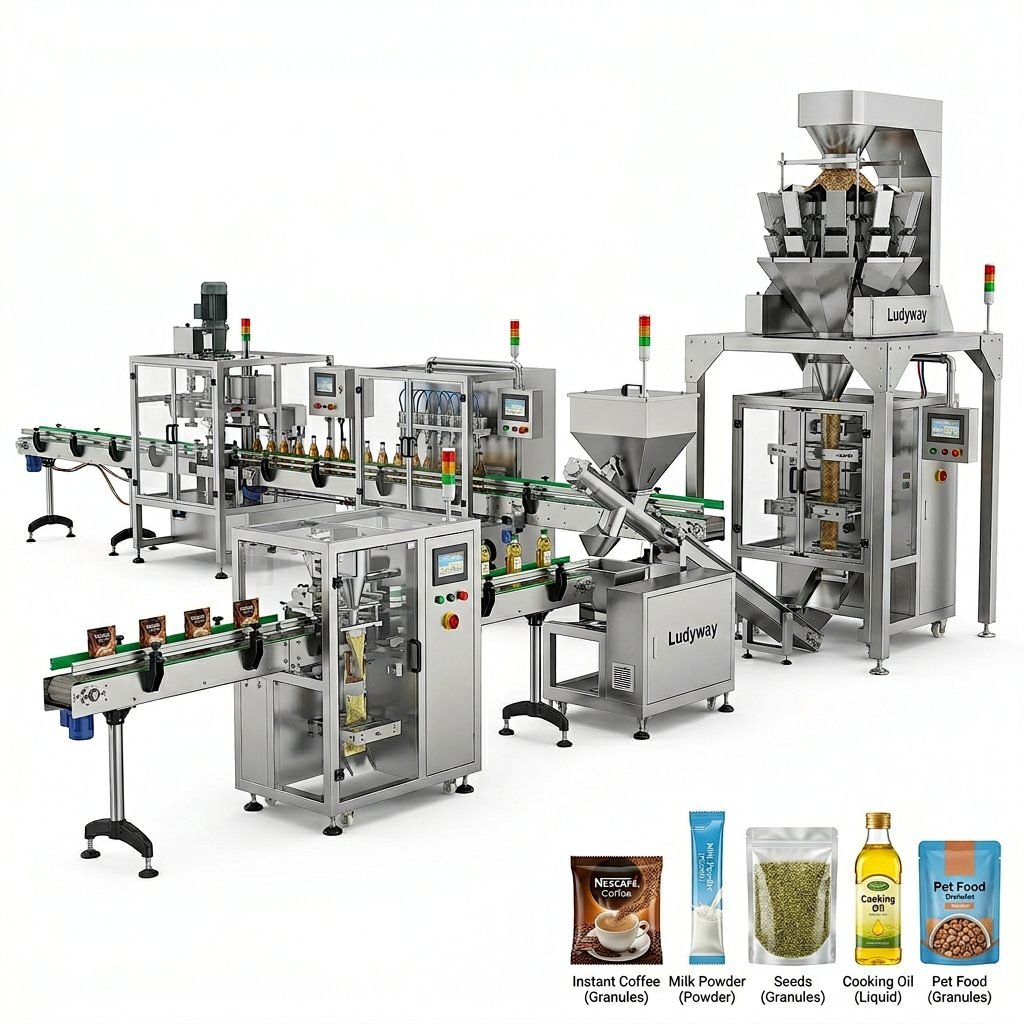
Types of Thali Packing Machines
| Machine Type | Best For | Main Advantage |
|---|---|---|
| Semi-automatic tray sealer | Small kitchens and pilot production | Lower initial investment |
| Automatic tray filling and sealing machine | Medium to large meal production | Higher efficiency and consistency |
| Rotary meal tray packaging line | High-output industrial food plants | Continuous multi-station automation |
| Customized turnkey meal packaging line | Complex thali formats and integrated factories | Tailored to product, tray, and output goals |
Main Benefits for Food Businesses
Higher Productivity
An automated machine can pack more trays per hour than manual operations, making it easier to meet peak orders for catering, retail, and institutional supply.
Consistent Meal Quality
When every tray contains the correct amount of each item, customer satisfaction improves and brand complaints decrease.
Lower Labor Cost Pressure
Instead of relying on large manual packing teams, businesses can allocate staff to cooking, quality checks, and line supervision.
Reduced Contamination Risk
Less direct contact with prepared food means a more controlled and hygienic packaging process.
Scalability for Growth
A scalable system makes it easier to move from local supply to regional distribution, supermarket sales, or export-oriented ready meal production.
Applications of Thali Packing Machines
These machines are suitable for many food sectors, including:
- Ready meal manufacturers
- Central kitchens and commissary kitchens
- Airline and railway catering units
- Hotel and restaurant chains
- Hospital meal suppliers
- School and corporate canteens
- Frozen food and chilled food processors
- Retail meal brands and cloud kitchens
What to Consider Before Buying
Product Characteristics
Think about the foods you pack. Are they dry, oily, liquid, sticky, or chunky? A thali line must match product texture and filling behavior.
Tray Design
Compartment number, tray material, tray depth, sealing film type, and shape all affect machine configuration.
Output Requirements
Estimate trays per hour, daily production target, and seasonal demand. Buying an undersized machine can create bottlenecks, while oversizing may increase unnecessary costs.
Automation Level
Some businesses only need sealing, while others need a complete filling-sealing-coding-labeling-cartoning line.
Cleaning and Maintenance
Choose a design that supports fast cleaning, easy part access, and practical maintenance routines. This is critical for multi-menu production environments.
After-Sales Support
Reliable technical support, spare parts availability, and commissioning guidance are just as important as the machine itself.
| Buying Factor | Why It Matters | Questions to Ask |
|---|---|---|
| Meal type | Determines filling technology | Can it handle rice, curry, and semi-solid side dishes? |
| Tray format | Affects mold and sealing setup | Which tray sizes and compartment layouts are supported? |
| Speed | Impacts production capacity | How many trays per hour can it pack under real conditions? |
| Seal quality | Protects freshness and transport safety | Is the seal leak-resistant for hot or chilled meals? |
| Expandability | Supports future line upgrades | Can coding, labeling, inspection, or cartoning be added later? |
Signs You Need to Upgrade Your Current Packaging Process
- Frequent portion inconsistency across meal trays
- High labor cost in meal filling and sealing
- Leakage complaints during transport
- Slow output during peak order periods
- Difficulty meeting hygiene or food safety targets
- Too much downtime during tray changeover
How to Choose the Right Supplier
Beyond comparing price, look for a supplier with real experience in food automation, customization capability, and long-term support. If your project involves multi-product handling, tray filling, sealing, and line integration, an experienced packaging equipment manufacturer can help reduce risks during installation and scale-up.
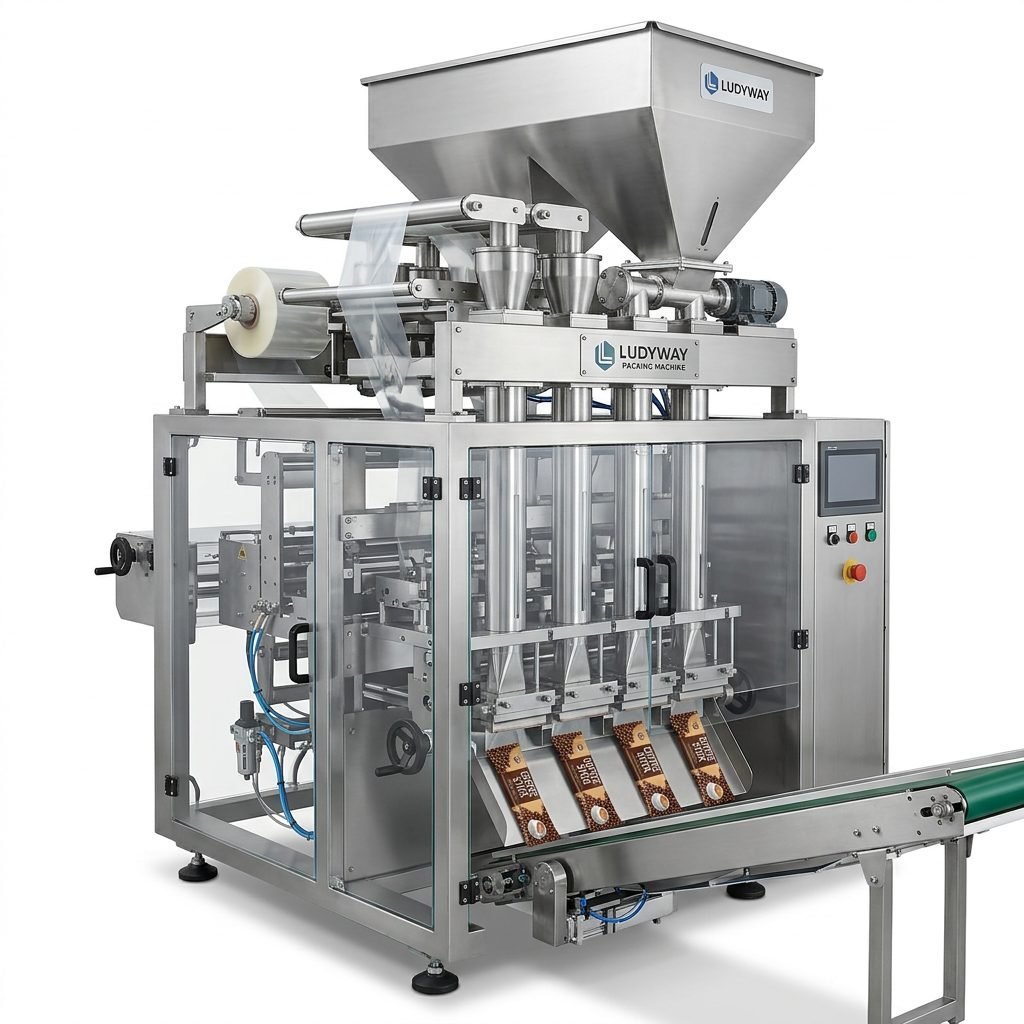
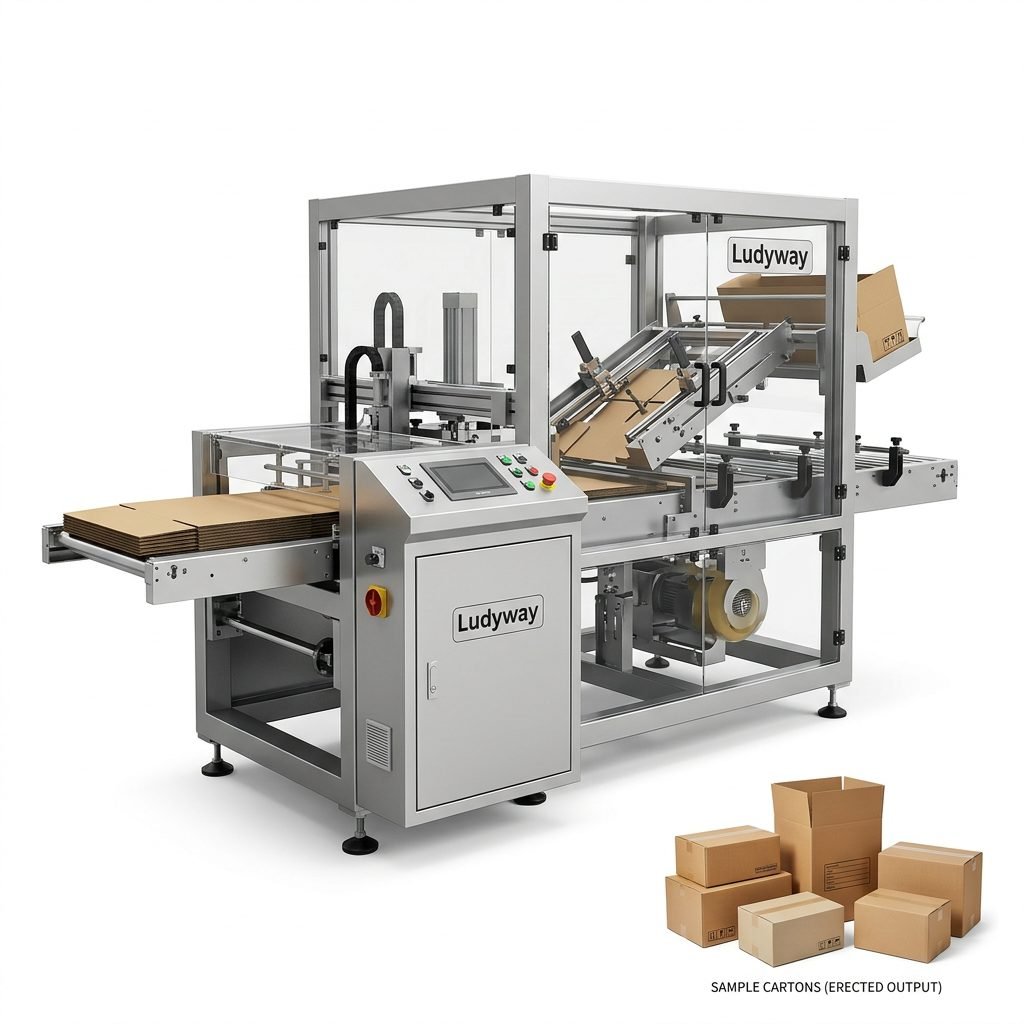
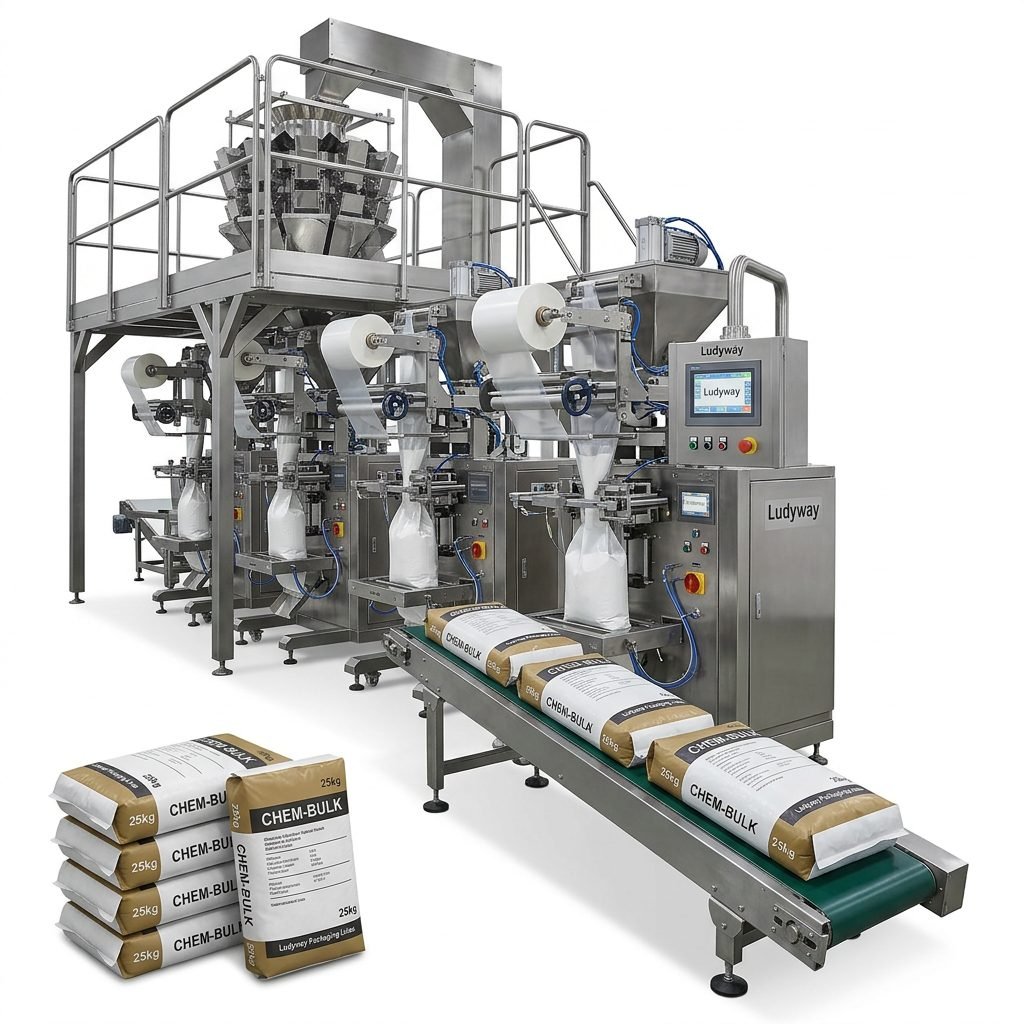
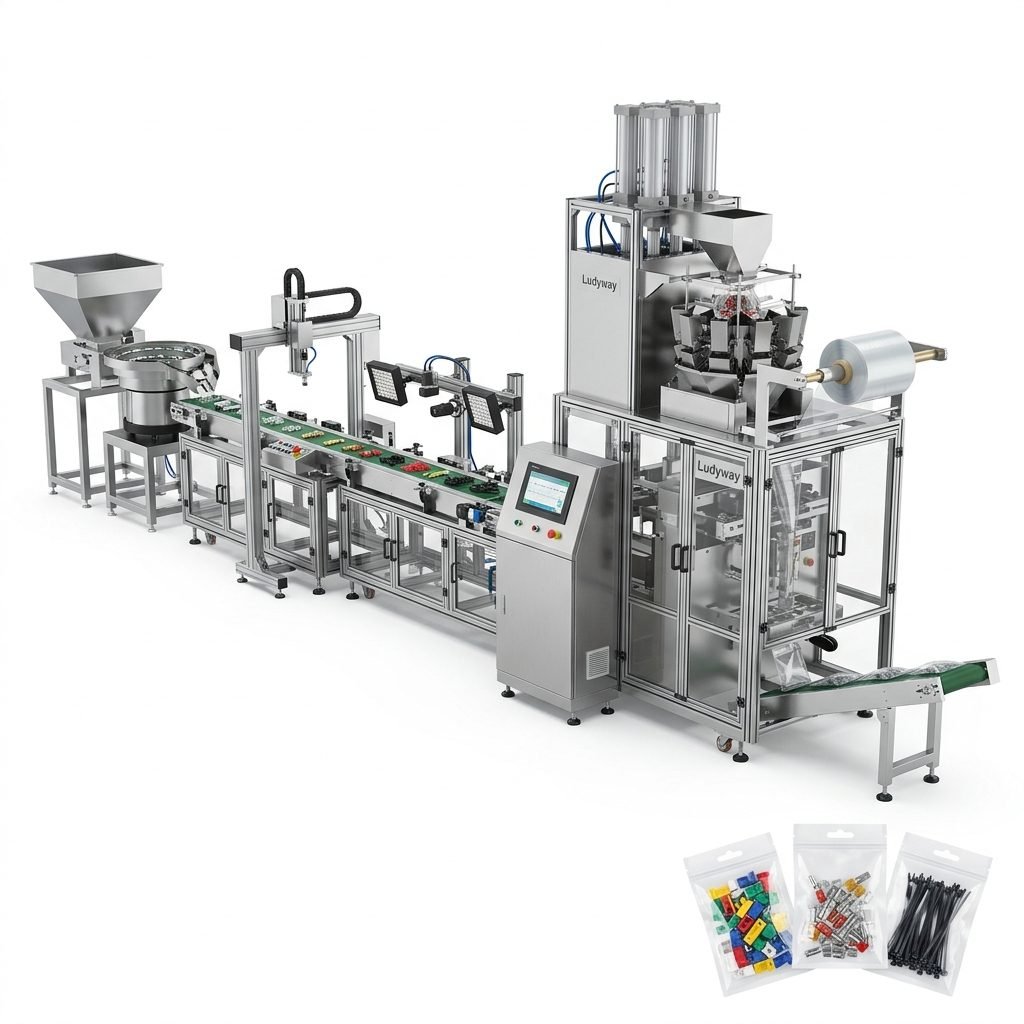
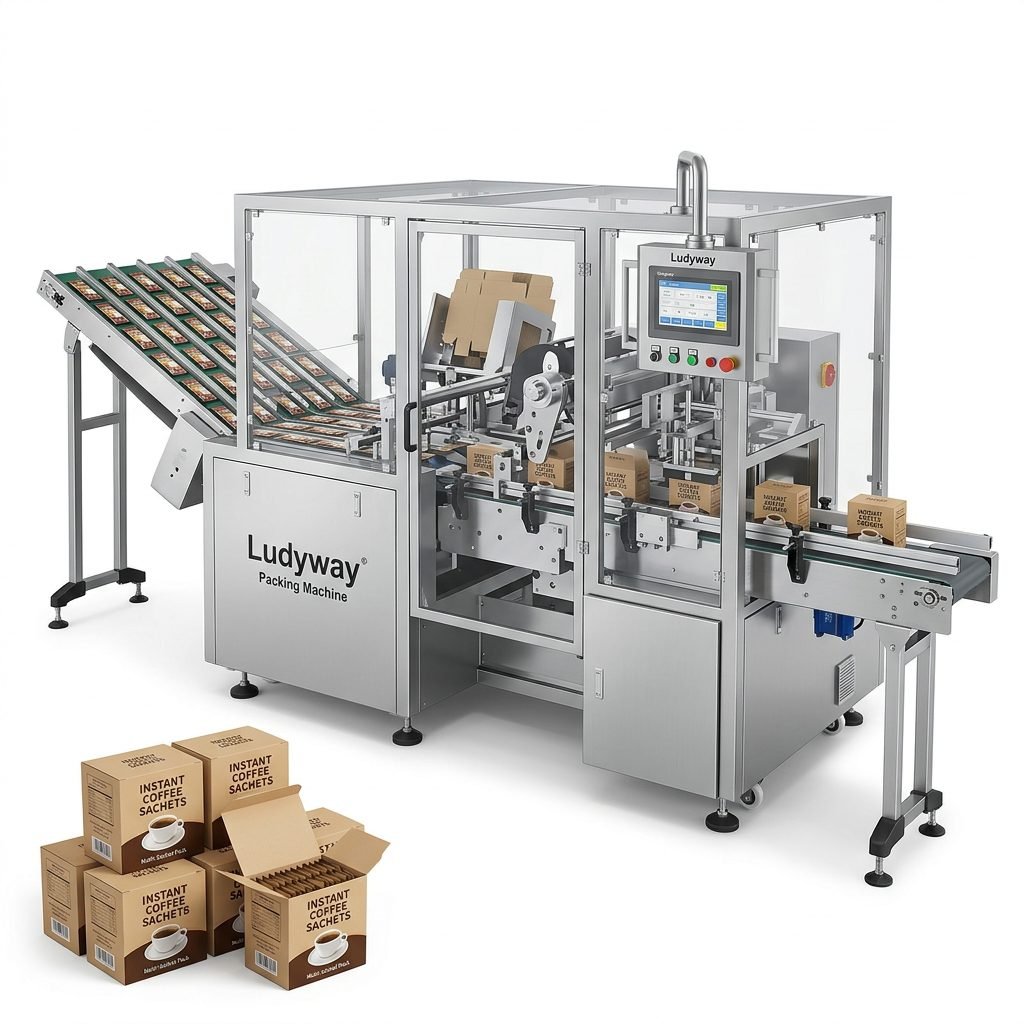
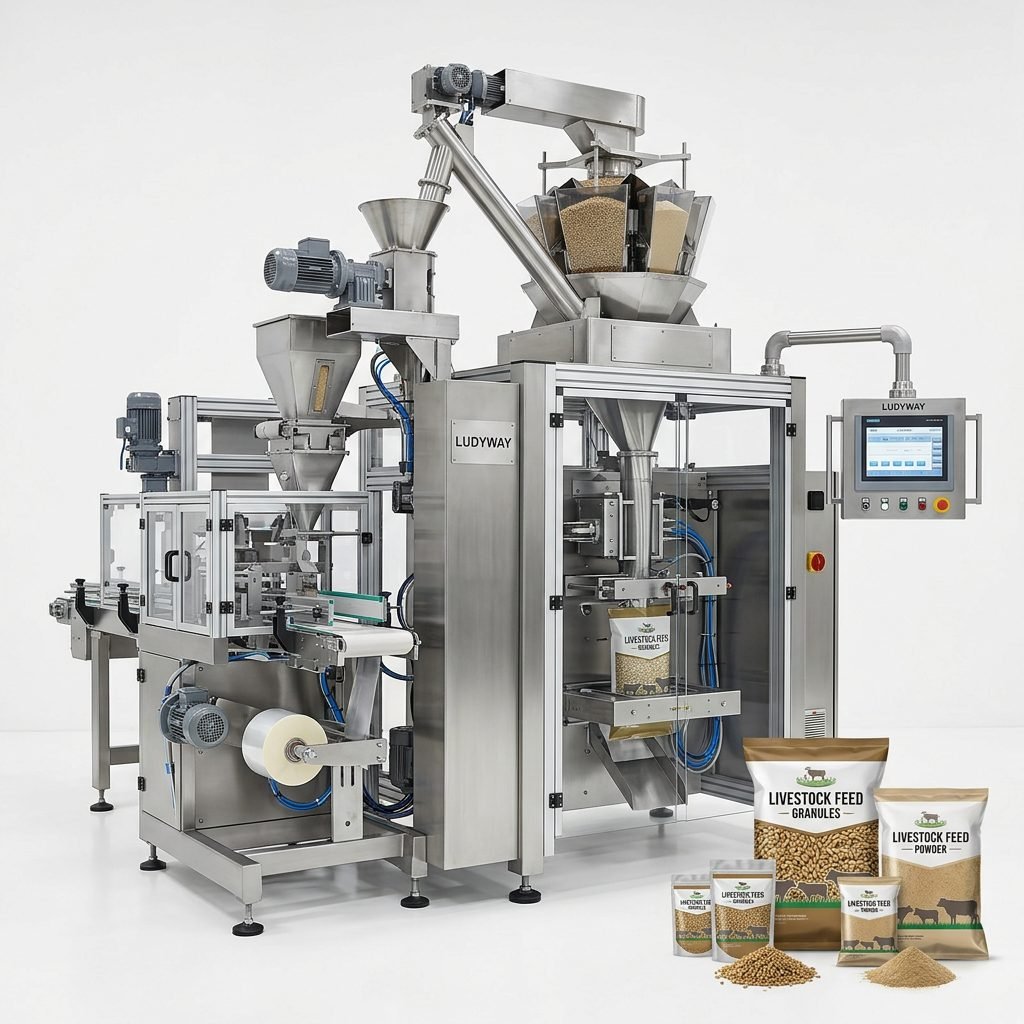
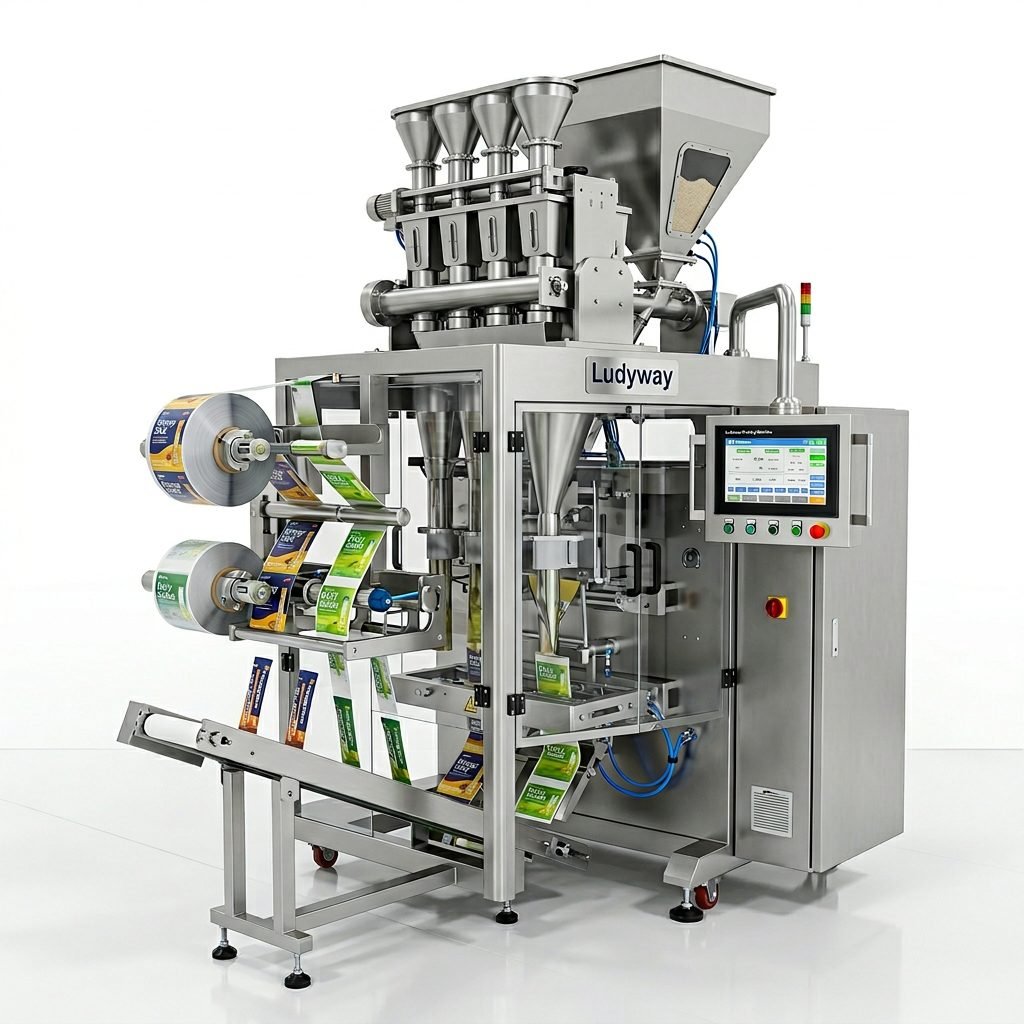
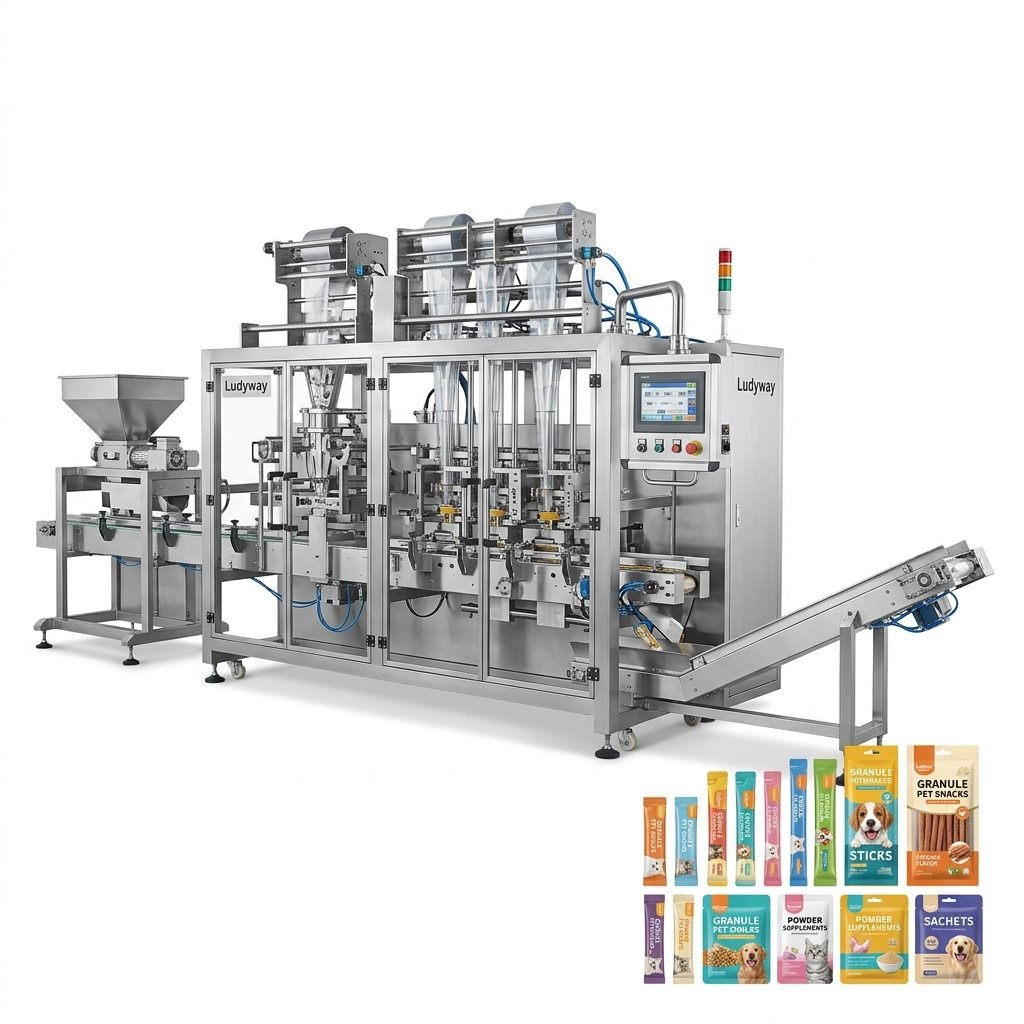
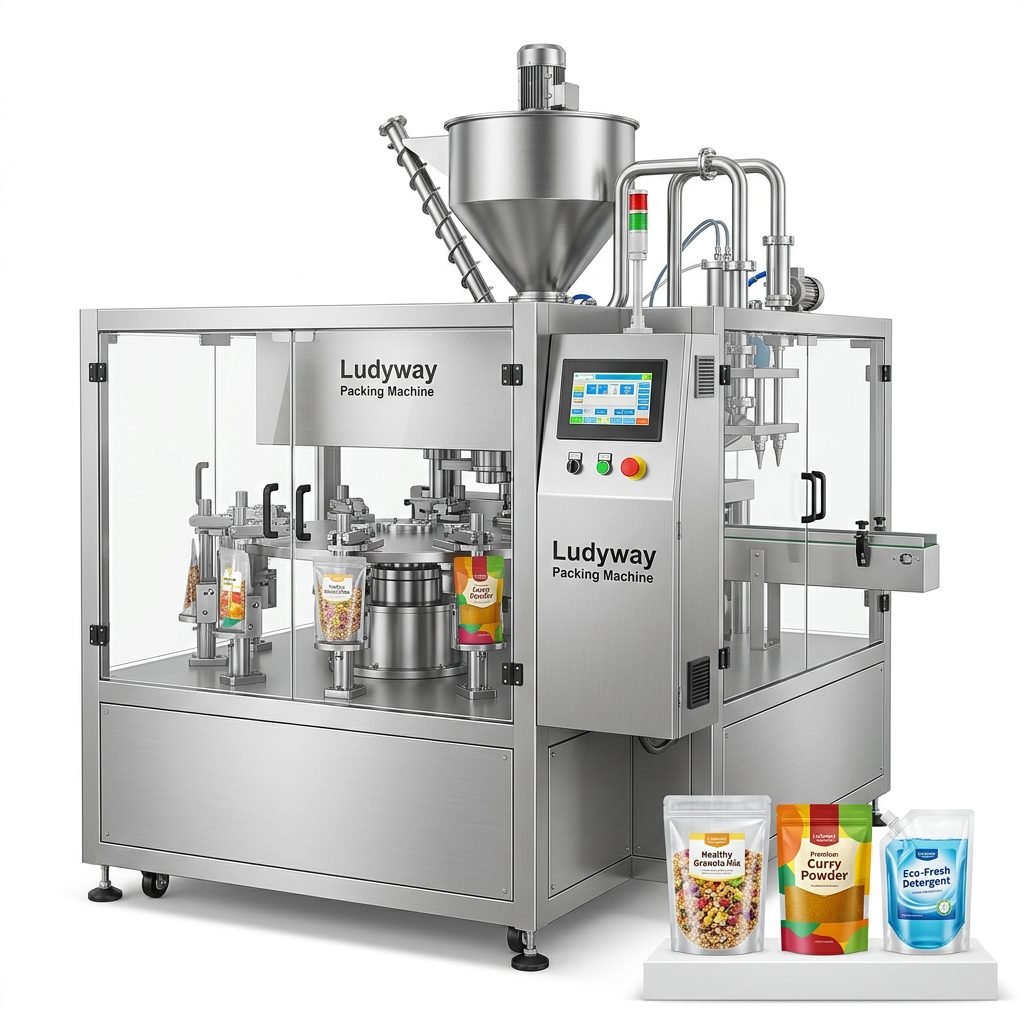
For businesses evaluating automated food packaging solutions, Ludyway packaging machine manufacturer offers broad experience in packaging equipment and turnkey line integration for food, pharmaceutical, health supplement, and related industries.
Final Buying Tips
Before making a final purchase decision, prepare a clear requirement list that includes tray dimensions, meal components, desired speed, filling accuracy, sealing requirements, and future expansion plans. If possible, ask for product testing with your actual thali sample. A machine that performs well in theory but not with your real food texture is not the right investment.
The best thali packing machine is not simply the fastest one. It is the one that delivers stable packaging quality, practical hygiene performance, easy operation, and long-term production value for your specific meal packaging business.